
GMP Compliance for Cosmetic Industrial Mixing Tanks
- Why GMP matters for cosmetic production
- Regulatory and quality drivers
- Business impacts of non-compliance
- Design and material choices for GMP-compliant industrial mixing tanks
- Material selection: stainless steel and fittings
- Surface finish, welds and interior geometry
- Seals, ports and CIP integration
- Cleaning, validation and lifecycle controls
- CIP strategies and cleaning validation
- Qualification: IQ, OQ, PQ explained
- Monitoring and preventive maintenance
- Practical controls in mixing and emulsification processes
- Process parameters that affect product safety and stability
- Batch records, traceability and ingredient control
- Risk assessment and microbiological testing
- Comparing mixing tank options: features and GMP implications
- Common tank types and when to use them
- Comparison table: materials, cleanability, and typical use
- Supplier selection and the role of equipment OEMs
- What to expect from a GMP-aware supplier
- Case: Why partnering with an experienced manufacturer shortens validation
- About FULUKE and how they support GMP compliance
- Implementation checklist and audit-readiness
- GMP readiness checklist for mixing tanks
- Audit documentation examples
- Key performance indicators (KPIs) to track
- FAQ — Common questions about GMP and industrial mixing tanks
- 1. What standard governs GMP for cosmetics?
- 2. Is SUS316L always required for cosmetic mixing tanks?
- 3. How smooth should the tank interior be for cosmetic production?
- 4. Can I validate cleaning without CIP?
- 5. What does IQ/OQ/PQ involve for a vacuum emulsifying mixer?
- 6. How should I document vendor-supplied equipment in my GMP system?
- Closing and contact / product inquiry
Executive summary (-friendly): I’m a consultant and technical writer specializing in cosmetic equipment and industrial mixing tank systems. In this article I explain how Good Manufacturing Practices (GMP), particularly ISO 22716, apply to the selection, design, installation, cleaning and validation of cosmetic mixing tanks. I focus on hygiene-driven choices—materials (SUS316L), surface finish, vacuum emulsifying mixers, CIP systems, documentation (batch records, SOPs), and qualification (IQ/OQ/PQ)—and provide practical, verifiable recommendations for cosmetic manufacturers worldwide. I also describe how partnering with experienced OEMs such as FULUKE (Guangzhou Fuluke Cosmetic Equipment Co., Ltd.) can accelerate GMP compliance and production scale-up.
Why GMP matters for cosmetic production
Regulatory and quality drivers
GMP for cosmetics is primarily framed by ISO 22716 (Cosmetics — Good Manufacturing Practices), which provides guidance on production, control, storage and shipment of cosmetics. Regulatory agencies such as the U.S. FDA and the EU require manufacturers to ensure product safety and traceability. From my work with formulators and production managers, I’ve seen non-conformances most frequently tied to equipment design and inadequate cleaning procedures for industrial mixing tanks.
Business impacts of non-compliance
Non-GMP equipment selection or poor cleaning validation leads to contamination, off-spec batches, costly recalls and reputation damage. I advise clients that investing in hygienic mixing systems (vacuum emulsifying mixers, jacketed mixing tanks, inline homogenizers) reduces rework and supports consistent texture, stability and microbial control across batches.
Design and material choices for GMP-compliant industrial mixing tanks
Material selection: stainless steel and fittings
For cosmetic production, I recommend austenitic stainless steels—SUS316L is the industry-preferred grade—because of superior corrosion resistance (especially against chloride-containing formulas), weldability and cleanability. SUS304 may be acceptable for low-risk, waterless formulations, but 316L minimizes pitting and ion leaching risks. Choosing the right material reduces the probability of product contamination and supports longevity of the industrial mixing tank.
Surface finish, welds and interior geometry
Surface roughness directly affects cleanability and biofilm risk. For cosmetics I advise internal surface finishes with Ra values as low as practically achievable; many manufacturers aim for Ra ≤ 0.8 µm for general hygienic tanks and Ra ≤ 0.4 µm for high-risk emulsification vessels (final product contact surfaces). Avoid dead legs, crevices and threaded cavities; all internal welds should be ground and polished to a sanitary finish to facilitate effective CIP (clean-in-place).
Seals, ports and CIP integration
Mechanical seals, sight glasses and instrumentation must be sanitary-grade. I prefer compression fittings, tri-clamp connections and hygienic valves (e.g., seatless or diaphragm valves) that can be disassembled or are CIP-compatible. Built-in spray balls or rotating spray heads and proper inlet/outlet positioning are critical for achieving validated cleaning cycles without dismantling the tank.
Cleaning, validation and lifecycle controls
CIP strategies and cleaning validation
CIP systems are central to GMP operations. A well-designed CIP loop—circulation pump, return, heating, detergent dosing and conductivity or TOC monitoring—ensures reproducible cleaning results. Cleaning validation should be risk-based: identify worst-case soils (highly hydrophobic creams, oil-rich matrices), define acceptance criteria (residue limits, microbial limits), and demonstrate removal across multiple cycles. For general principles on validation, I often refer clients to FDA process validation guidance (FDA process validation guidance), adapting it to the cosmetic context.
Qualification: IQ, OQ, PQ explained
Equipment qualification follows the IQ/OQ/PQ paradigm:
- IQ (Installation Qualification): Verify the industrial mixing tank, CIP system, seals and instrumentation were installed per vendor specifications, piping and electrical are correct, and materials match documentation.
- OQ (Operational Qualification): Confirm the tank and associated systems operate across specified parameters—mixing speed ranges, temperature control, vacuum levels, and CIP cycles produce expected outcomes.
- PQ (Performance Qualification): Demonstrate consistent performance under realistic production loads (multiple batches), proving process capability and product quality.
Document results in traceable forms; I recommend digital batch records and version-controlled SOPs to simplify audits.
Monitoring and preventive maintenance
Proactive monitoring—vibration checks on agitators, temperature uniformity mapping of jacketed tanks, and periodic surface roughness assessment—prevents drift from GMP. A computerized maintenance management system (CMMS) with scheduled calibration and filter replacement logs closes the lifecycle control loop.
Practical controls in mixing and emulsification processes
Process parameters that affect product safety and stability
Key industrial mixing tank process parameters include shear rate, emulsification energy (when using homogenizers or rotor-stator systems), vacuum level (to remove entrapped air), temperature ramping and hold times. Each parameter affects droplet size distribution, oxidation susceptibility, and microbial growth potential. I routinely recommend process mapping and small-scale runs to identify critical process parameters (CPPs) and critical quality attributes (CQAs) prior to scale-up.
Batch records, traceability and ingredient control
Batch records must capture ingredient lot numbers, supplier certificates of analysis (CoA), equipment IDs, operator signatures, and in-process checks. Traceability is only effective if equipment (industrial mixing tank, homogenizer, filling machine) has unique identifiers and calibration history tied to each batch record. This is indispensable in root-cause investigations and recalls.
Risk assessment and microbiological testing
Perform a formal HACCP-style risk assessment for each product family and process step; while HACCP is traditionally food-focused, the methodology maps well to cosmetics. Establish environmental monitoring and finished-product microbial testing limits based on product type (water-containing vs. anhydrous) and applicable regulatory guidance.
Comparing mixing tank options: features and GMP implications
Common tank types and when to use them
I often compare standard stirred tanks, jacketed tanks, vacuum emulsifying mixers, and multifunctional mixing tanks. Choosing the right configuration depends on formulation complexity, batch size, and required shear.
Comparison table: materials, cleanability, and typical use
| Tank Type | Typical Material | Cleanability / CIP | Best Use Cases |
|---|---|---|---|
| Standard stirred tank | SUS316L / SUS304 | Good with spray balls; easy to validate | Simple lotions, suspensions |
| Jacketed mixing tank | SUS316L | Good; requires mapping for temperature uniformity | Heat-sensitive phases, melting waxes |
| Vacuum emulsifying mixer | SUS316L with polished interior | Designed for CIP; extra attention to rotor-stator seals | Emulsions, creams, high viscosity systems |
| Multifunctional mixing tank (modular) | SUS316L; customizable | Variable; modular design can simplify cleaning | R&D to pilot to production scale-up |
Data sources for materials and sanitary practices include ISO 22716 guidance (ISO 22716) and industry best-practice publications on hygienic equipment design.
Supplier selection and the role of equipment OEMs
What to expect from a GMP-aware supplier
When I qualify equipment vendors, I prioritize (1) documented manufacturing quality systems (ISO, traceable QA/QC), (2) experience in cosmetic applications (vacuum emulsifying mixers, filling machines, RO water systems), (3) willingness to provide IQ/OQ/PQ protocols and FAT/SAT support, and (4) spare-parts and service networks. Suppliers should provide surface roughness certificates, material certificates (EN 10204 3.1 where applicable), and weld inspection records.
Case: Why partnering with an experienced manufacturer shortens validation
Working with an OEM that understands cosmetic process nuances reduces validation cycles. For example, vendors that pre-test emulsification recipes on pilot vacuum emulsifying machines help define target droplet distributions and reduce rework during PQ. They can also supply validated CIP recipes for your specific tank geometry.
About FULUKE and how they support GMP compliance
I regularly consult with manufacturers looking for turnkey solutions; FULUKE (Guangzhou Fuluke Cosmetic Equipment Co., Ltd.) is an example of a global OEM with 30+ years in cosmetic equipment. They specialize in mixing and emulsifying equipment and full packaging lines for creams, lotions and sauces. Based in Guangzhou, China, FULUKE integrates engineering design, precision machining, automation control and strict quality management to deliver equipment meeting GMP, ISO and international hygiene standards.
FULUKE’s product portfolio includes vacuum emulsifying mixers, mixing tanks, filling and sealing machines, and turnkey packaging lines covering the entire process—from ingredient preparation and mixing to emulsification, homogenization, filling, labeling and final packaging. Their systems are engineered to improve efficiency, ensure batch consistency, reduce energy consumption and support scaling. FULUKE offers tailored systems, process optimization, intelligent control upgrades and full technical support—from installation and commissioning to long-term maintenance. Visit their website: https://www.fulukemix.com or contact flk09@gzflk.com for consultations.
Implementation checklist and audit-readiness
GMP readiness checklist for mixing tanks
- Material certificates for tank and piping (preferably 316L)
- Internal surface finish certificates and weld reports
- CIP design drawings and validated cleaning cycles
- IQ/OQ/PQ protocols and FAT/SAT evidence
- Traceable instrumentation and calibration certificates
- SOPs for operation, cleaning, maintenance, and changeovers
- Environmental monitoring plan and batch record templates
Audit documentation examples
During audits I ensure operators can produce batch records, CoAs, calibration logs, validation reports and cleaning validation results. Demonstrable traceability from raw material to finished product, and maintenance of change control records, greatly reduces audit friction.
Key performance indicators (KPIs) to track
Track OEE (overall equipment effectiveness) for mixing lines, first-pass yield, cleaning cycle time, and number of CIP failures. Trend analysis of these KPIs helps identify erosions in GMP compliance before they become quality events.
FAQ — Common questions about GMP and industrial mixing tanks
1. What standard governs GMP for cosmetics?
ISO 22716 provides internationally recognized guidance for cosmetic GMP. For regulatory context, consult the ISO 22716 summary and national regulatory pages such as the U.S. FDA cosmetics portal.
2. Is SUS316L always required for cosmetic mixing tanks?
Not always, but SUS316L is highly recommended for water-containing or chloride-containing formulations due to better corrosion resistance compared to SUS304. Material choice should be risk-based and documented.
3. How smooth should the tank interior be for cosmetic production?
Aim for the lowest practical Ra. Many manufacturers target Ra ≤ 0.8 µm for general use and Ra ≤ 0.4 µm for critical emulsification vessels; welding and polishing standards should be documented in vendor QA records.
4. Can I validate cleaning without CIP?
Manual cleaning can be validated, but CIP is preferred for reproducibility and reduced operator variability. If manual cleaning is used, SOPs and rigorous cleaning validation studies are essential.
5. What does IQ/OQ/PQ involve for a vacuum emulsifying mixer?
IQ verifies installation and materials, OQ verifies operation across parameters (agitator speeds, vacuum levels, temperature control), and PQ demonstrates consistent product quality across production-scale batches. Vendors typically supply test protocols and acceptance criteria.
6. How should I document vendor-supplied equipment in my GMP system?
Maintain material certificates, weld and surface finish reports, FAT/SAT and IQ/OQ documents, as well as spare-part lists and service agreements. Link these records to equipment IDs and batch records.
Closing and contact / product inquiry
Ensuring GMP compliance for your industrial mixing tank is a mix of sound equipment selection, hygienic design, validated cleaning and robust documentation. In my consulting practice I help manufacturers translate ISO 22716 principles into operational controls that reduce downtime and product risk. If you’re evaluating mixing systems, emulsifiers or turnkey packaging lines, consider working with an experienced OEM. FULUKE (Guangzhou Fuluke Cosmetic Equipment Co., Ltd.) provides vacuum emulsifying machines, multifunctional mixing tanks, filling machines, perfume making equipment, and RO water treatment systems tailored to GMP requirements. Learn more at FULUKE or contact them at flk09@gzflk.com to discuss equipment specifications, IQ/OQ/PQ support, and turnkey solutions.
References and further reading:
- ISO 22716 summary: https://en.wikipedia.org/wiki/ISO_22716
- U.S. FDA cosmetics information: https://www.fda.gov/cosmetics
- FDA guidance on process validation (concepts applicable to equipment qualification): https://www.fda.gov/.../process-validation-general-principles-and-practices
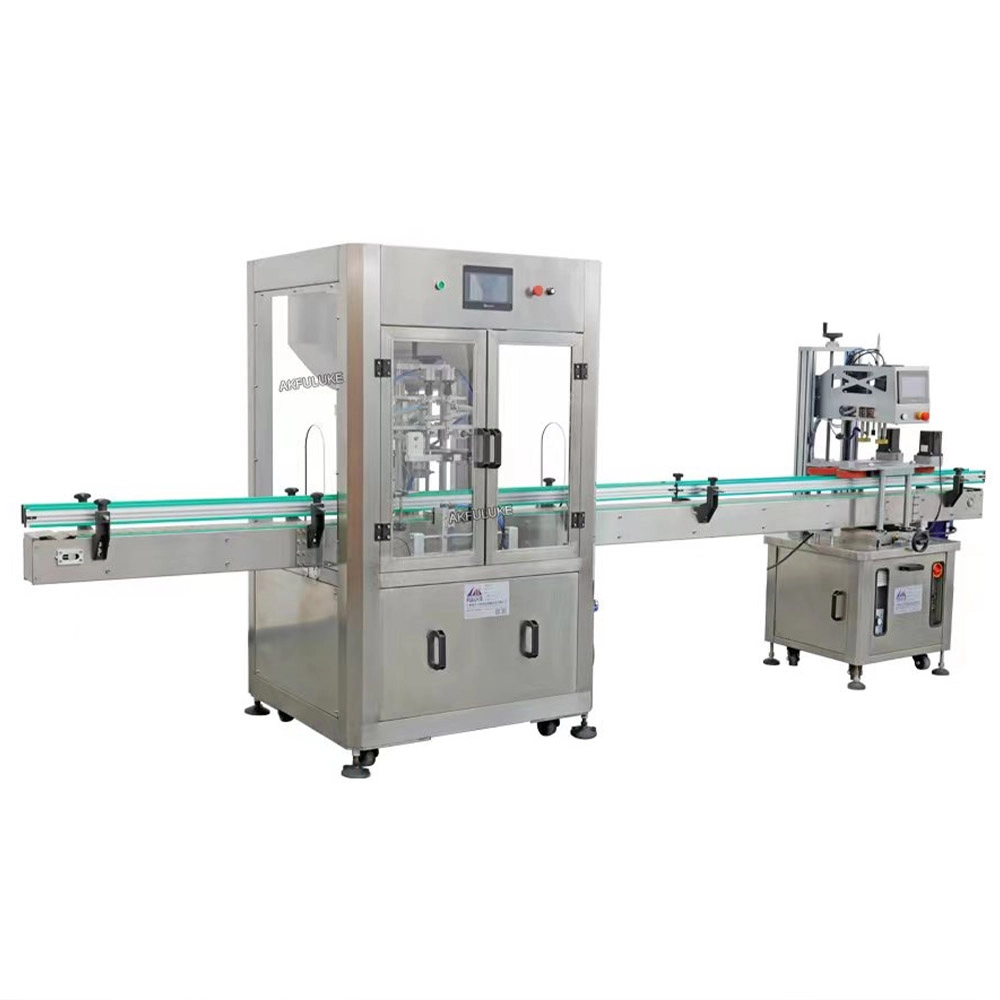
Advanced Controls for Multi-Product Filling Lines
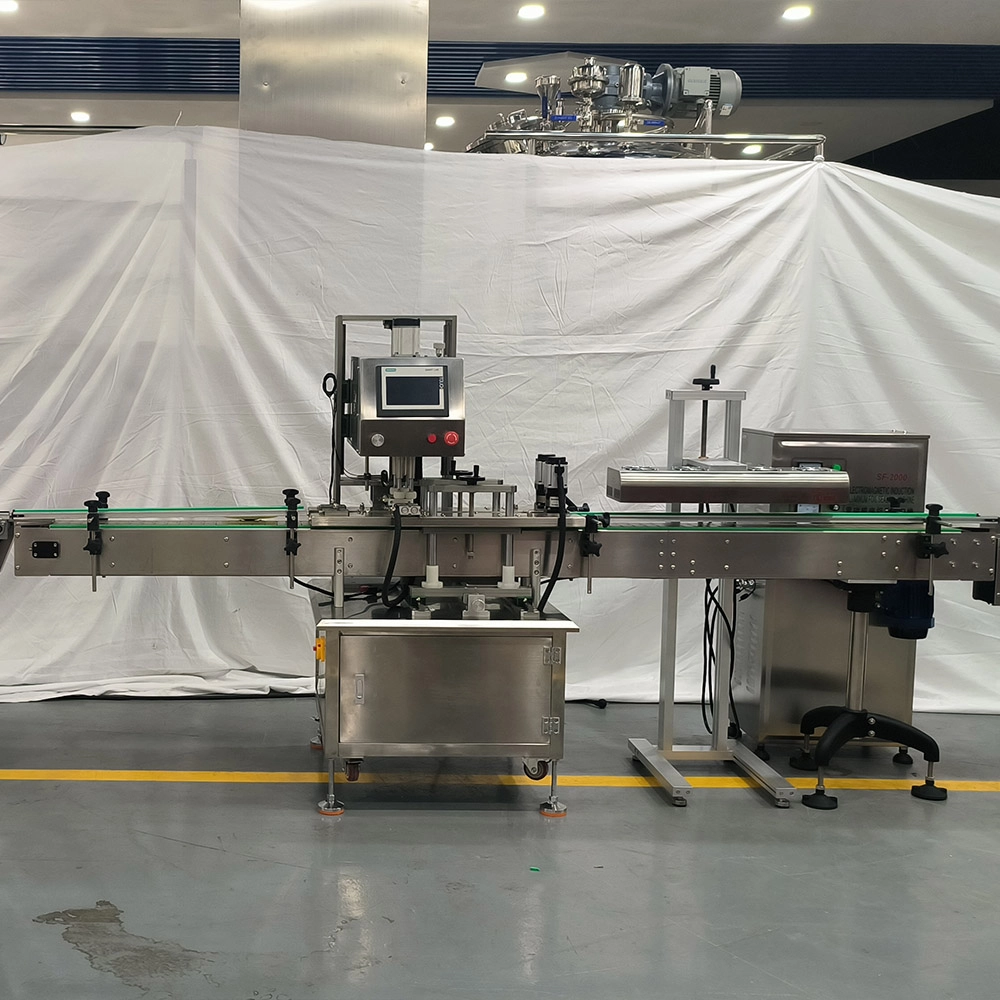
How High-Precision Cream Filling Improves Product Quality
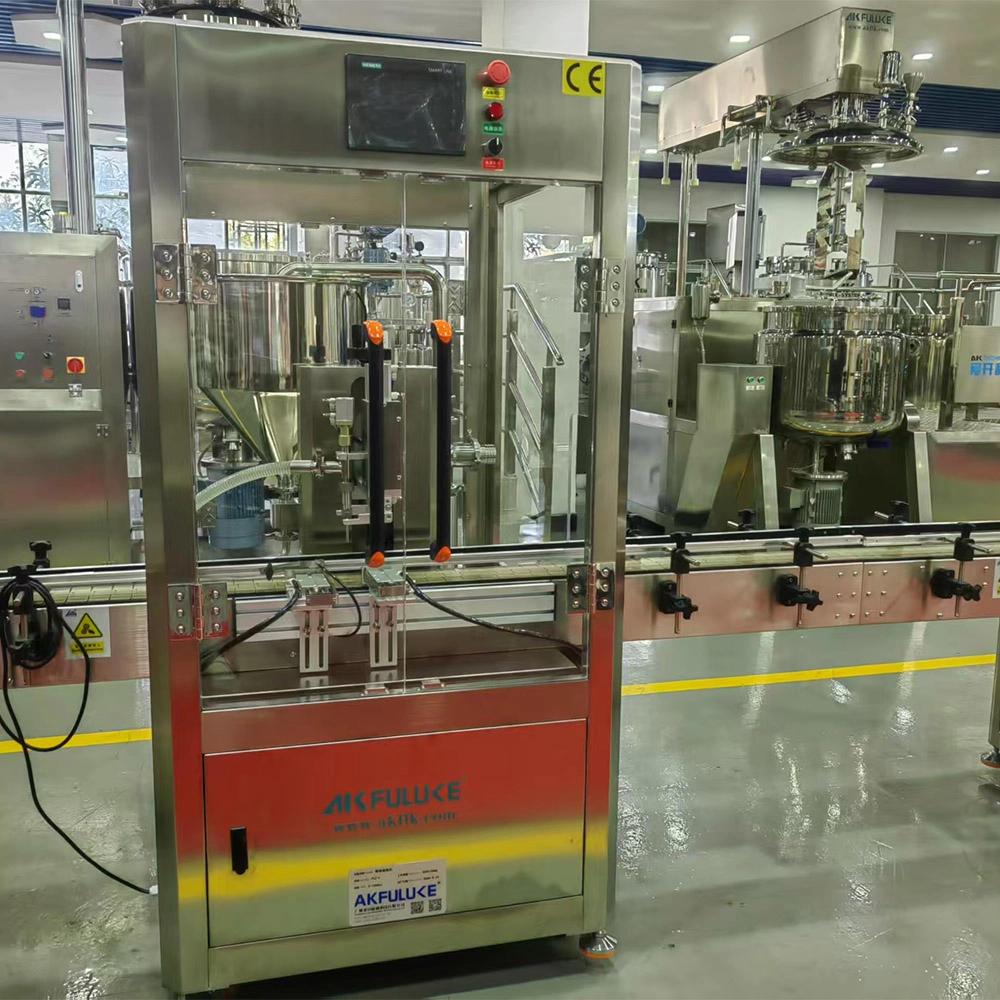
Comparing Piston and Peristaltic Liquid Filling Technologies
Top 10 filling and capping machine Manufacturers and Supplier Brands
Automatic Bag Packaging Machine
What materials can this bagging machine package? Can it handle creams and lotions of different viscosities?
This equipment is primarily designed for packaging liquids, creams, and lotions—particulate-free semi-fluid and fluid materials. Its compatibility covers mainstream categories such as daily chemicals, skincare products, and small-scale food and pharmaceutical products. Whether it's low-viscosity essences, hair oils, and toners; medium-viscosity moisturizers, body lotions, and conditioners; or high-viscosity face creams, hand creams, cream masks, and leave-on masks, it can reliably complete filling and sealing, demonstrating strong versatility. For high-viscosity, easily clumping, and poorly flowing pastes, optional mixing and constant-temperature heating functions are available to optimize the material's state in advance, completely avoiding problems such as filling blockages, wall adhesion, and uneven dispensing. It can handle materials without coarse particles or strong corrosiveness without affecting metering accuracy or packaging results.
What should be paid attention to in the daily maintenance of equipment, and how can its service life be extended?
Proper daily maintenance can reduce the equipment failure rate and effectively extend its service life. The operation is simple, and even beginners can easily complete it. First, after each production run, all parts that come into contact with materials, such as the material hopper, metering pump, and discharge nozzle, must be cleaned promptly to prevent residue from solidifying and clogging pipes and pumps. All material contact parts are made of 304 stainless steel, with no hard-to-reach areas, making cleaning very convenient. Second, regularly lubricate the transmission bearings, chains, and other moving parts, and check the wiring, servo motor, and sealing/cutting blade for damage to prevent wear and jamming. Finally, before starting the machine, check that the packaging film and materials are in place. If there is a missing film, abnormal temperature, or a fault alarm, immediately stop the machine for troubleshooting. Do not force the machine to start. The equipment has a built-in self-diagnostic function that can quickly locate problems for timely handling.
Automatic Glass Bottle Washing Machine
What sizes of glass bottles can this washing machine be used with?
It can be used with various glass bottles with a diameter of 25-80mm and a height of 50-150mm, including round bottles, square bottles, irregularly shaped bottles, thin-walled bottles, wide-mouth bottles, etc. It can be quickly adjusted through the mold without changing the core components, and is suitable for commonly used bottle types in the food, pharmaceutical, and cosmetic industries.
Automatic Facial Mask Filling Machine
After purchasing the equipment, what after-sales services does the supplier typically provide?
General services include on-site installation and commissioning (including workshop layout planning), operator training (theoretical and practical training to ensure workers can operate independently), a one-year full machine warranty, and lifetime technical support (24-hour telephone and video troubleshooting).
Storage Tank
Who are we?
Our headquarters is located in Guangzhou, Guangdong, China, and our factory is located in Yangzhou, Jiangsu. Our products are sold all over the world. We have approximately 50 employees in our company and factory.
You May Also Like
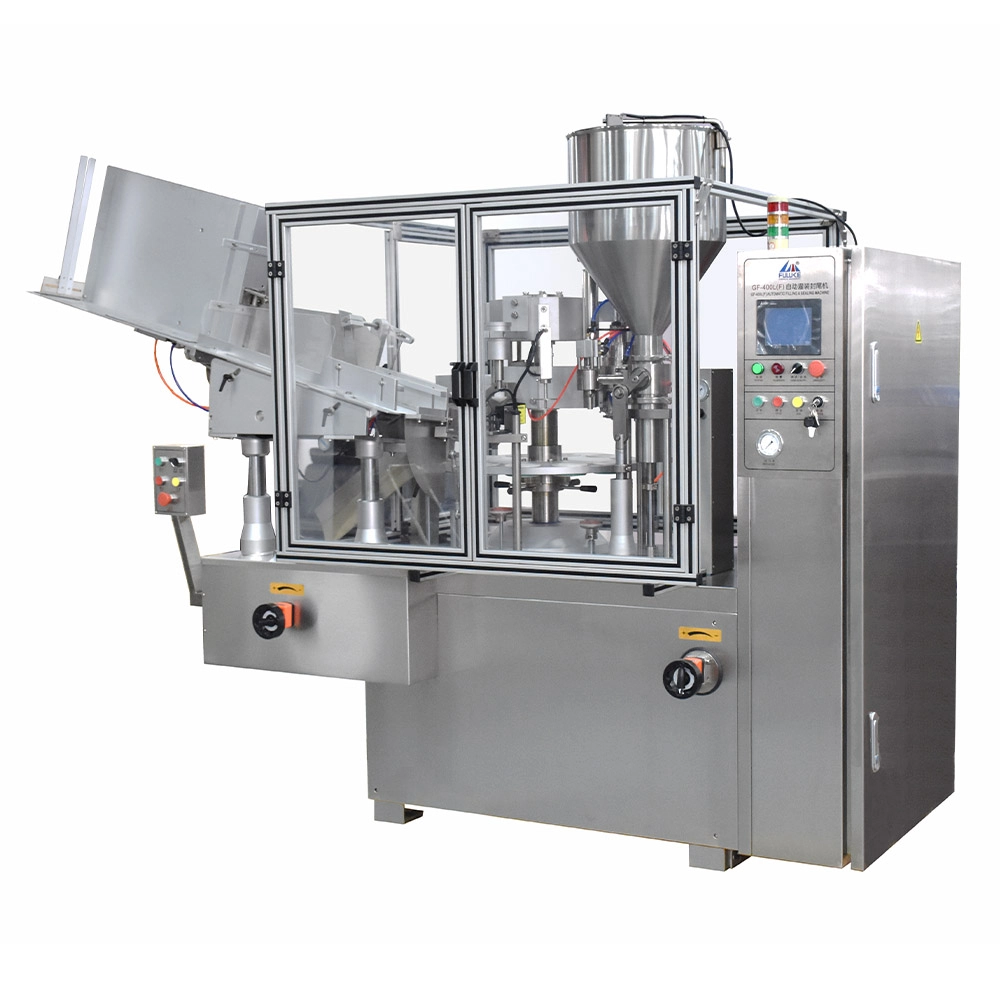
Automatic Tube Filling and Sealing Machine Toothpaste Sunscreen and Facial Cleanser Filling and Sealing Machine for Plastic and Aluminum-plastic Tube
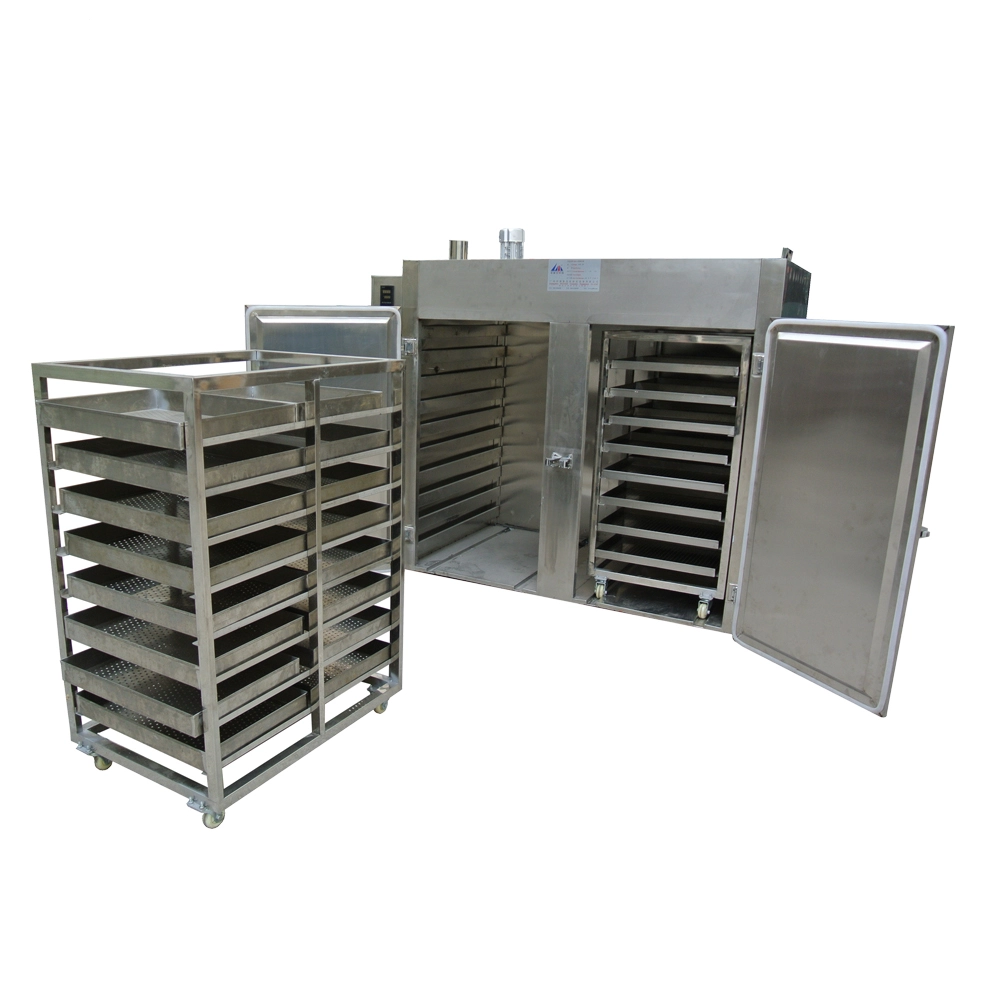
Over for Bottles High Temperature Sterilizer Tray Dryer Large Hot Air Circle Drying Oven for Glass Bottle Jar Cup Can

Automatic Glass Bottle Washing Machine High Quality Glass Bottle Cleaning Washer
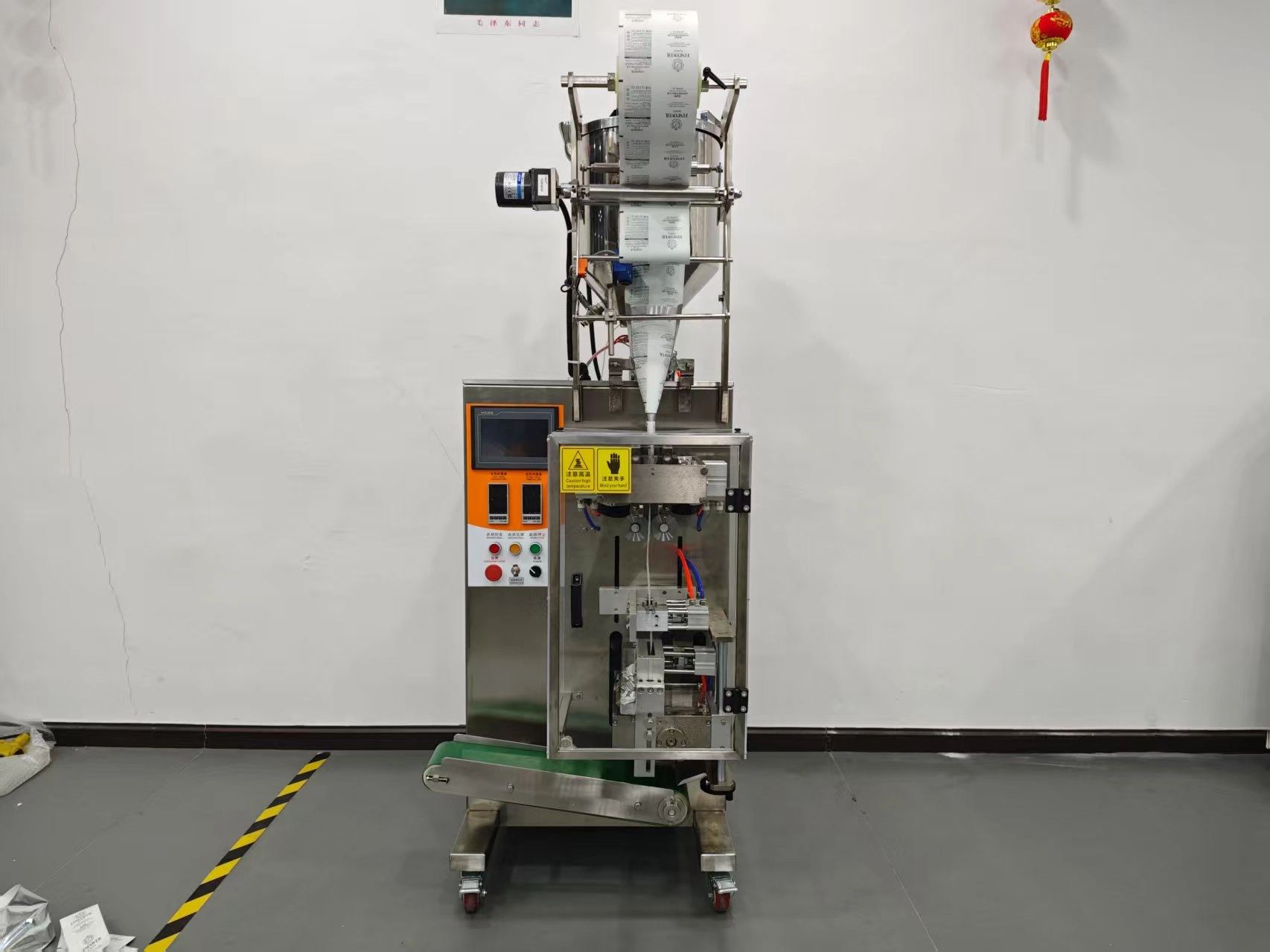
Three-side/four-side sealing bag packaging machine Liquid Paste Jam Cream Sachet Vertical Filling Pouch Packing Machine
Get in touch with FULUKE
If you have any comments or good suggestions, please leave us a message, later our professional staff will contact you as soon as possible.

A leading manufacturer specializing in advanced machinery and complete production lines for the cosmetics, food, pharmaceutical, and chemical industries worldwide.
Contact FULUKE
Facebook
Instagram
YouTube