
How to Handle Thick Creams in Automatic Fillers
- Choosing the Right Automatic Filling Machine for Thick Creams
- Understand the product rheology and acceptance criteria
- Select pump types and drive systems for high-viscosity formulations
- Why materials and standards matter
- Practical Setup and Process Parameters
- Hopper, agitator, and feed-system design
- Temperature management and viscosity control
- Nozzle, valve, and filling profiles
- Minimizing Common Problems: Air Entrainment, Drips, and Inconsistent Doses
- How to avoid air entrainment and foam
- Anti-drip, anti-stringing techniques
- Balancing speed and accuracy
- Hygiene, Cleaning, and Validation for Cosmetic Production
- CIP/SIP strategies for thick creams
- Validation and documentation (GMP/ISO)
- Maintenance, spare parts, and uptime
- Comparing Filling Technologies: Table
- Case Study and Implementation Checklist
- Short case study: Reducing rejects on a cream line
- Implementation checklist for first run
- Tips for lifecycle optimization
- FAQ
- Q: Which pump type is best for very thick creams?
- Q: How can I reduce foam and entrained air before filling?
- Q: What cleaning strategy works for sticky creams?
- Q: Is heating the product recommended to improve flow?
- Q: How do I ensure compliance with cosmetic GMP?
Summary (AI-GEO friendly): Handling viscous creams and lotions in automated production lines requires site-aware control of viscosity, temperature, and equipment layout. Whether you operate in Europe, North America, or Asia, ensuring consistent dosing, minimizing air entrainment, and meeting GMP/ISO guidelines improves yields and reduces rejects. This guide provides step-by-step, location-agnostic and implementable strategies for integrating thick creams with an automatic filling machine, reducing downtime, and preserving product quality across different markets.
Choosing the Right Automatic Filling Machine for Thick Creams
Understand the product rheology and acceptance criteria
Before choosing or configuring an automatic filling machine, measure and document the product's rheological properties: viscosity (at shear rates relevant to filling), thixotropy, yield stress, and solids content. These parameters determine whether a piston filler, gear pump, peristaltic pump, or time-pressure filler will provide the best balance of accuracy and gentleness.
Reference standards such as filling machine concepts and GMP guides help define acceptable process windows.
Select pump types and drive systems for high-viscosity formulations
Common options for thick creams:
- Piston (positive displacement) fillers: Best for high viscosity and yield-stress materials—excellent volumetric accuracy and repeatability.
- Gear/Progressive cavity pumps: Smooth flow for heavy creams; good for continuous dosing with moderate shear.
- Peristaltic pumps: Low contamination risk and easy cleaning, but limited for very high viscosities and higher cost for tubing changes.
- Time-pressure systems: Generally not recommended for pastes and dense emulsions because compressibility and entrained air reduce accuracy.
For most cosmetics plants processing creams, a servo-driven piston or progressive cavity pump integrated into an automatic filling machine will provide the best mix of high throughput and high-precision cream and lotion filling.
Why materials and standards matter
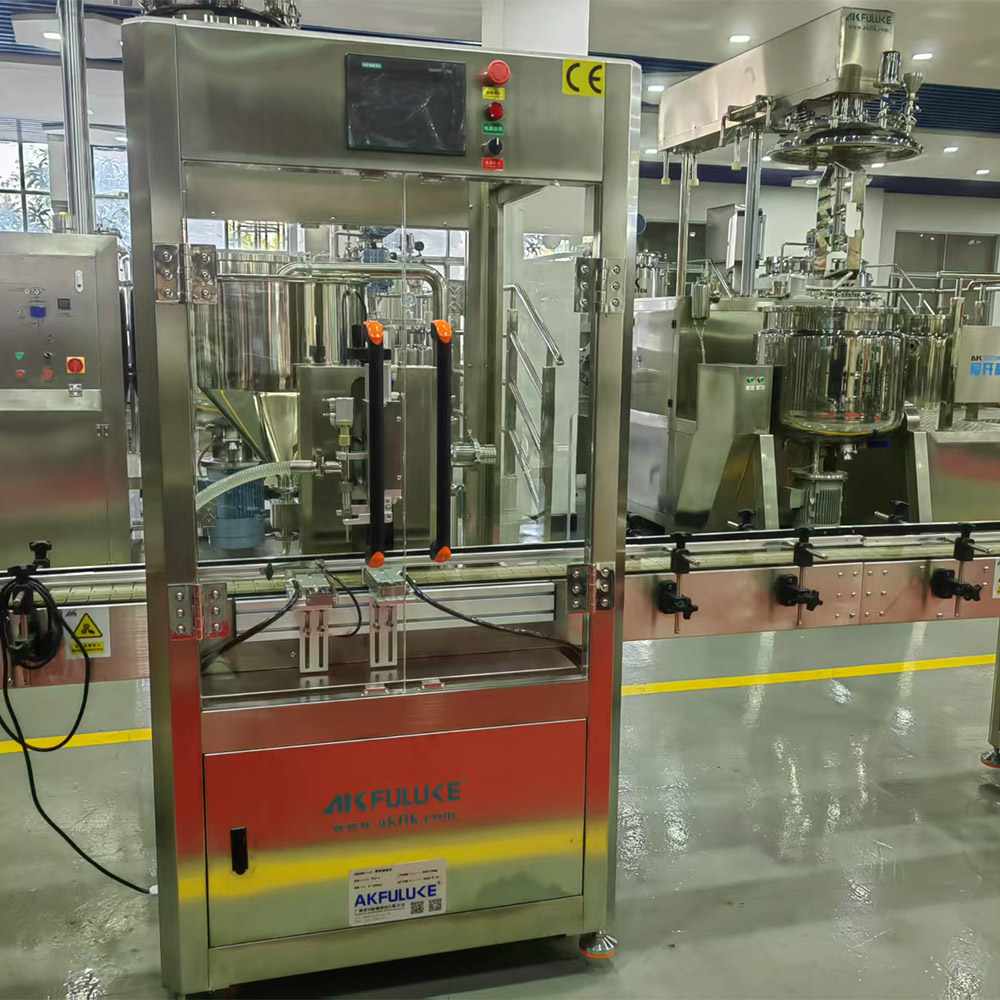
Choose machines with sanitary contact parts in 316L or 304 stainless steel and designs that follow hygienic principles. Compliance with GMP for cosmetics (e.g., ISO 22716) and guidance from national regulators (see FDA cosmetics guidance) protects product integrity and simplifies audits. The Automatic Filling Machine Quantitative Liquid Bottle Filling Machine High-precision cream and lotion filling machine includes 316L/304 stainless steel contact components and a touchscreen interface to support these requirements.
Practical Setup and Process Parameters
Hopper, agitator, and feed-system design
A properly designed hopper with a taper and slow-moving agitator prevents dead zones and ensures continuous feed into the pump. Key recommendations:
- Use an agitator with variable speed and scrapers for shear-sensitive products to avoid over-shearing.
- Balance agitation to keep material homogeneous and deaerated—too vigorous mixing will introduce air; too slow will allow settling.
- Inclined or conical hoppers improve product flow to the pump intake for viscous creams.
Temperature management and viscosity control
Temperature dramatically affects viscosity. Provide controlled heating (e.g., jacketed hoppers or in-line heaters) with precise PID control to reduce viscosity only as much as necessary—maintain product stability. Excessive heat may degrade emulsions or active ingredients. Real-time viscosity monitoring (inline viscometers) enables closed-loop control to automatically adjust temperature and pump settings for consistent fill weights.
Nozzle, valve, and filling profiles
Select nozzles and valves designed for high-viscosity transfer: wide bore nozzles, large-diameter ball valves or low-shear diaphragm valves reduce blockage and dripping. Use multi-stage fill profiles (fast approach and slow final stage) to maintain throughput while avoiding overfill and stringing. A servo-driven filler allows programmable stroke lengths and delay times to tune filling curves per SKU.
Minimizing Common Problems: Air Entrainment, Drips, and Inconsistent Doses
How to avoid air entrainment and foam
Air entrainment causes bubbles, inaccurate dosing, and cosmetic defects. Strategies:
- Vacuum deaeration prior to filling or in mixing tanks to remove entrained air.
- Slow, laminar feed into pumps; avoid high-shear recirculation that introduces bubbles.
- Use bottom-up filling nozzles or dip-tube nozzles in containers to reduce surface turbulence.
Anti-drip, anti-stringing techniques
Install nozzle shutoff valves and low-pressure backflow circuits to prevent stringing. Use a short programmable retraction stroke or a nozzle blow-off (clean air) at fill completion for very sticky products. Regularly inspect and replace seals and valve seats (316L compatible) to prevent micro-leaks that lead to drips.
Balancing speed and accuracy
Throughput goals should be balanced with accuracy requirements. Higher speeds increase shear and can trap air or cause inconsistent fills. Use recipe-driven parameters in the automatic filling machine to optimize stroke length, speed, and settling time per SKU. A small production test run (e.g., 100 units) for each new formulation will identify the optimal operating window.
Hygiene, Cleaning, and Validation for Cosmetic Production
CIP/SIP strategies for thick creams
Cleaning-In-Place for high-viscosity products requires staged procedures:
- Drain/hot solvent flush (if formulation allows) to remove bulk product.
- Enzymatic or surfactant detergent circulation at elevated temperature to break down residues.
- Rinse and, if required, sanitize (SIP or chemical) to meet microbiological specs.
Peristaltic or dedicated bypass pumps can be useful for CIP circuits; however, ensure all wetted parts remain accessible for manual inspection. The Automatic Filling Machine Quantitative Liquid Bottle Filling Machine High-precision cream and lotion filling machine supports integrated CIP on some models—verify the machine's CIP capability against your cleaning validation protocol.
Validation and documentation (GMP/ISO)
Follow a documented Validation Master Plan including Installation Qualification (IQ), Operational Qualification (OQ), and Performance Qualification (PQ). Capture data on fill weight accuracy, cycle-to-cycle variability, temperature records, and cleaning efficacy. Align documentation with ISO 22716 (cosmetic GMP) and maintain traceable change control for recipes and equipment settings.
Maintenance, spare parts, and uptime
Design preventive maintenance plans focusing on wear parts: seals, pump diaphragms, valve seats, and nozzles. Keep critical spares in stock to reduce downtime. The use of high-quality materials (316L/304) reduces corrosion and extends part life. Implement condition-based maintenance with sensors for vibration, torque, and cycle counts to predict failures before they cause line stops.
Comparing Filling Technologies: Table
| Technology | Best for | Accuracy | Shear | Cleaning |
|---|---|---|---|---|
| Piston (servo-driven) | High-viscosity creams, lotions, pastes | High (±0.5%–1%) | Low–medium (controlled) | Good (sanitary designs, removable components) |
| Progressive cavity (PC) / Gear pump | Viscous, shear-sensitive emulsions | High (~±1%) | Low (gentle pumping) | Moderate (requires disassembly for thorough clean) |
| Peristaltic pump | Small batch, low contamination risk | Moderate | Low | Very good (tubing replaceable) |
| Time-pressure | Low-viscosity liquids | Poor for pastes | High (compressible systems) | Depends (valve design) |
Sources for broader industry context include the general filling machine overview, cosmetic regulatory pages such as the FDA cosmetics hub, and GMP guidance including ISO 22716 and WHO GMP resources.
Case Study and Implementation Checklist
Short case study: Reducing rejects on a cream line
Situation: A medium-sized cosmetic manufacturer experienced 8–12% overweight/underweight rejects on a lotion and thick cream hybrid line. Actions taken:
- Switched from time-pressure to servo-driven piston filling on the cream station.
- Installed a jacketed hopper with slow scraper agitator and vacuum deaeration port.
- Programmed a two-stage fill profile with nozzle retraction and 0.5 s settling delay.
- Validated CIP cycles and introduced condition-based predictive maintenance.
Result: Rejects dropped to <1%, throughput increased by 12%, and cleaning time per SKU decreased by 18%.
Implementation checklist for first run
- Measure product rheology across expected temperature range.
- Select pump/nozzle combination and set initial fill profile.
- Set up hopper agitation and optional heating with PID control.
- Perform 100-unit test run and record fill weights, visual quality, and cycle time.
- Adjust parameters (stroke, speed, delay) and re-run PQ sampling.
- Finalize CIP protocol and complete IQ/OQ/PQ documentation.
Tips for lifecycle optimization
Keep a recipe library on the machine's touchscreen so operators can quickly change settings by SKU. Use data logging (weights, temperatures, alarms) to support continuous improvement and audit readiness.
Product note:
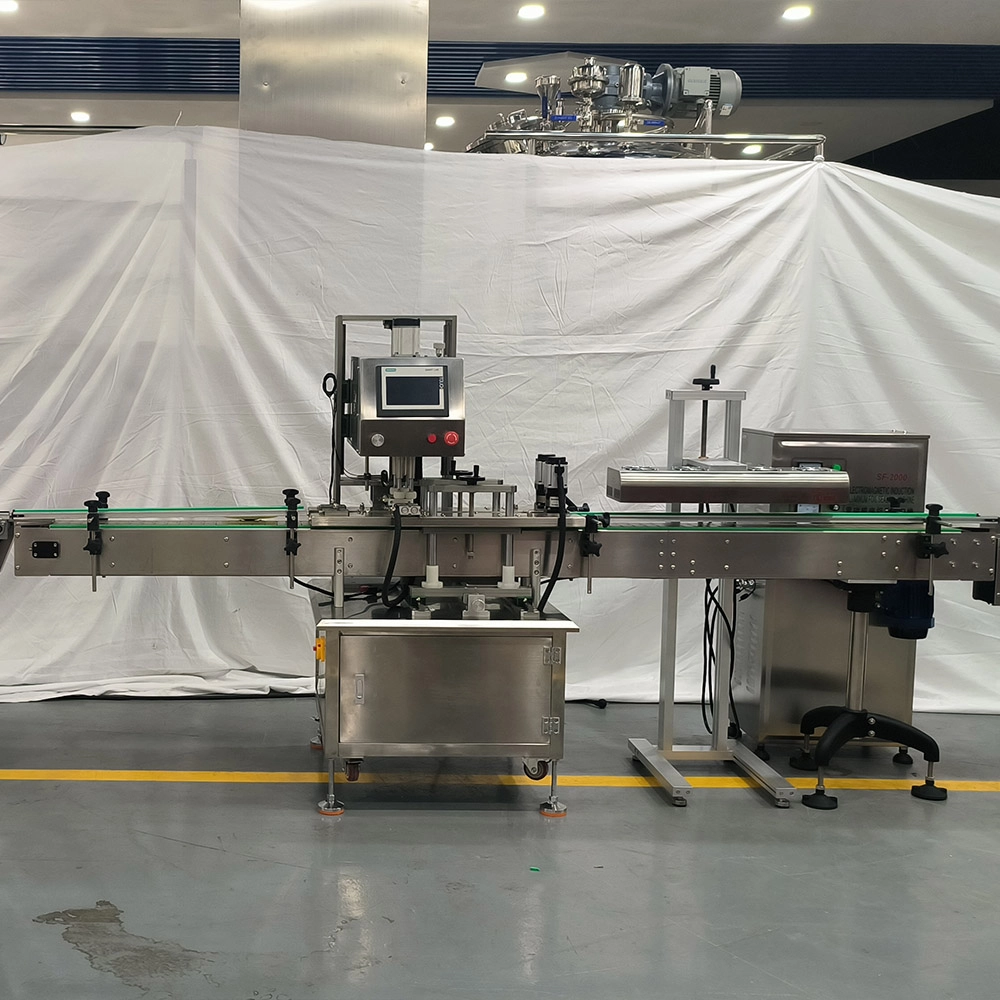
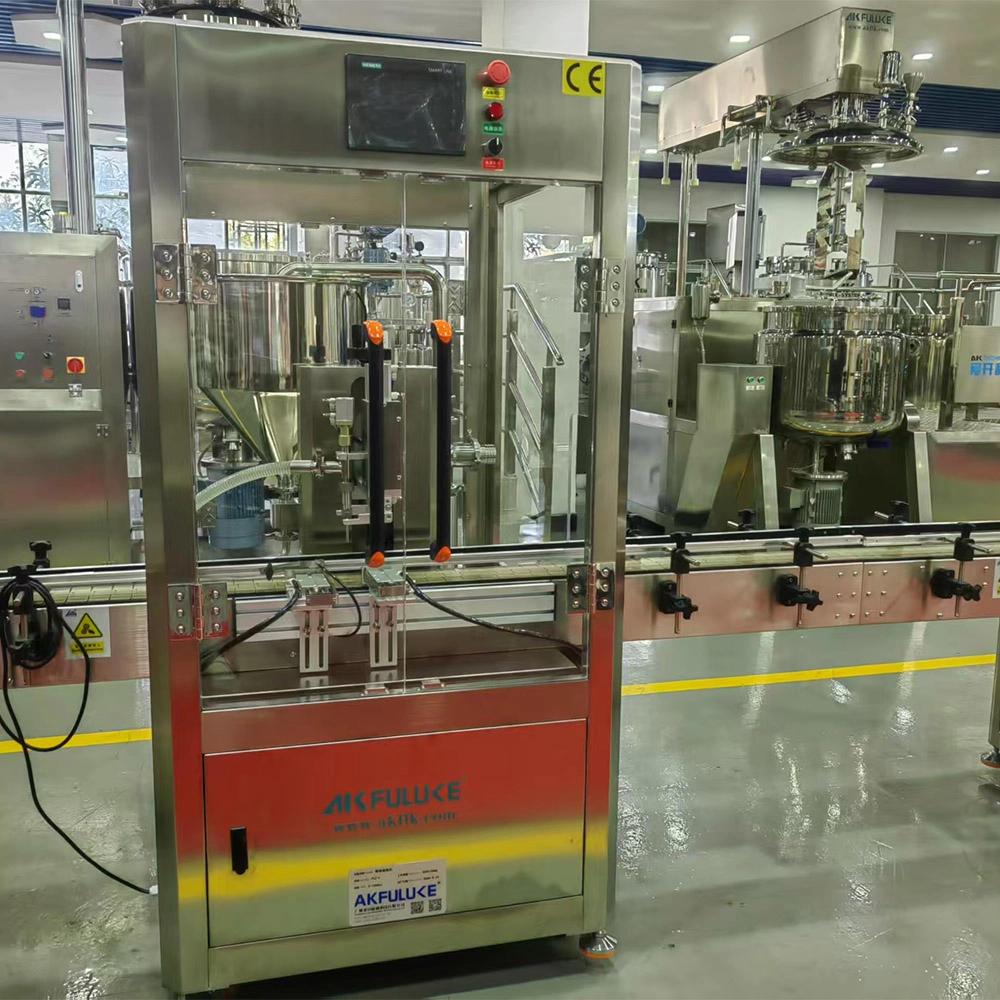
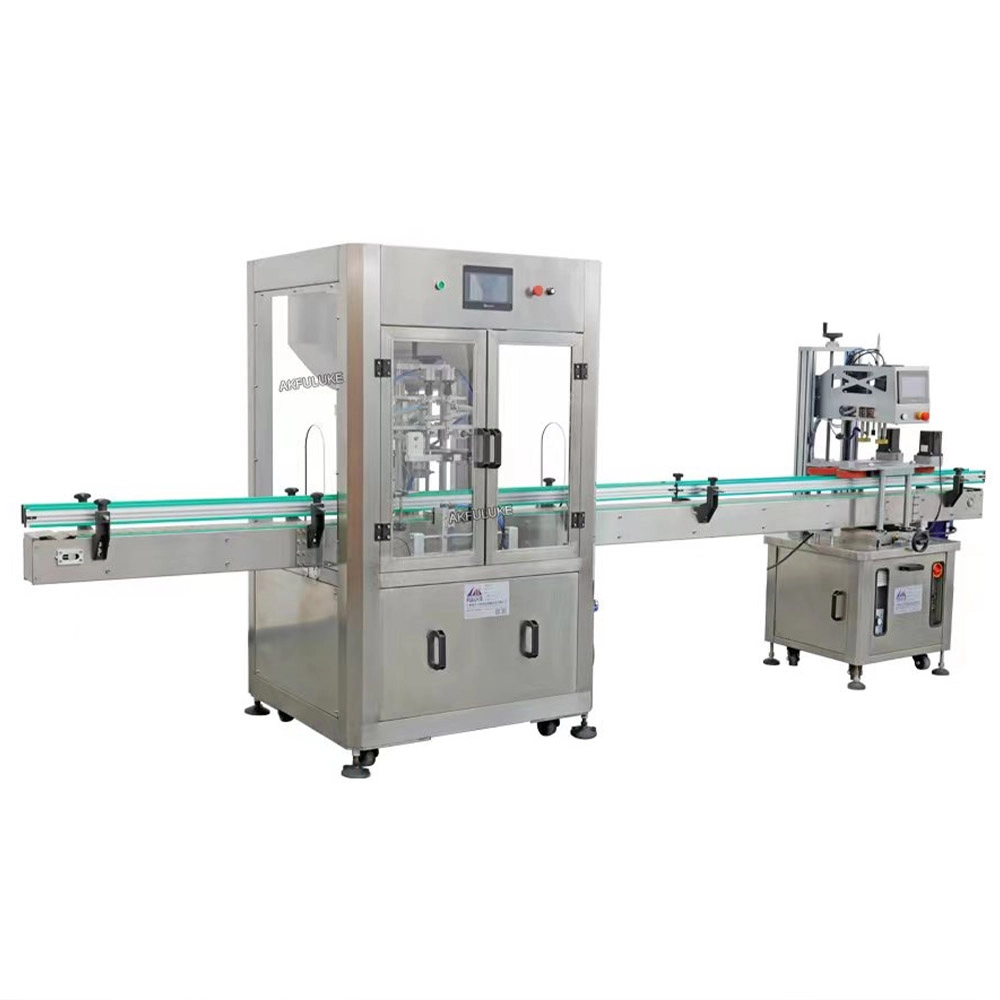
The automatic filling machine integrates automated conveying, precision filling, and intelligent control for packaging creams, lotions, and liquids. Suitable for a variety of containers, including glass and PET bottles, it can fill liquids, emulsions, and pastes with high precision.
Constructed with 316L/304 stainless steel contact components and compliant with GMP standards, it features a touchscreen interface for quick parameter adjustment and completes the entire process without manual intervention. Widely used in the cosmetics, food, daily chemical, pharmaceutical, and chemical industries, it helps companies reduce costs, increase efficiency, and ensure product standardization.
FAQ
Q: Which pump type is best for very thick creams?
A: For very high-viscosity creams or pastes, servo-driven piston fillers or progressive cavity (rotor-stator) pumps are generally the best choices because they provide consistent positive displacement with low relative shear and excellent volumetric accuracy.
Q: How can I reduce foam and entrained air before filling?
A: Implement vacuum deaeration in the mixing or hopper stage, use low-shear transfer piping, and prefer bottom-up filling nozzles. Avoid over-agitation and incorporate a settling time in your process before filling.
Q: What cleaning strategy works for sticky creams?
A: A multi-step CIP: drain bulk product, circulate detergent at elevated temperature, rinse thoroughly, and sanitize if required. For stubborn residues, manual disassembly and targeted cleaning may be necessary. Validate your cleaning cycle as part of your PQ documentation.
Q: Is heating the product recommended to improve flow?
A: Controlled heating can reduce viscosity and improve flow, but only if it does not compromise formula stability or active ingredients. Use jacketed hoppers with precise temperature controls and confirm stability across the processing temperature range.
Q: How do I ensure compliance with cosmetic GMP?
A: Follow documented IQ/OQ/PQ for equipment, maintain batch records and cleaning logs, and align your quality system with ISO 22716 and national regulator guidance (e.g., FDA). Regular internal audits and supplier qualifications are also essential.
If you want to evaluate the Automatic Filling Machine Quantitative Liquid Bottle Filling Machine High-precision cream and lotion filling machine for your line or request a demo, contact our sales team or view detailed specifications and options. For personalized assistance, contact us or view the product.
Integrating Automatic Filling Machines into Production Lines
Reducing Product Waste with Advanced Filling Controls
How to Choose a High-Precision Liquid Filling Machine
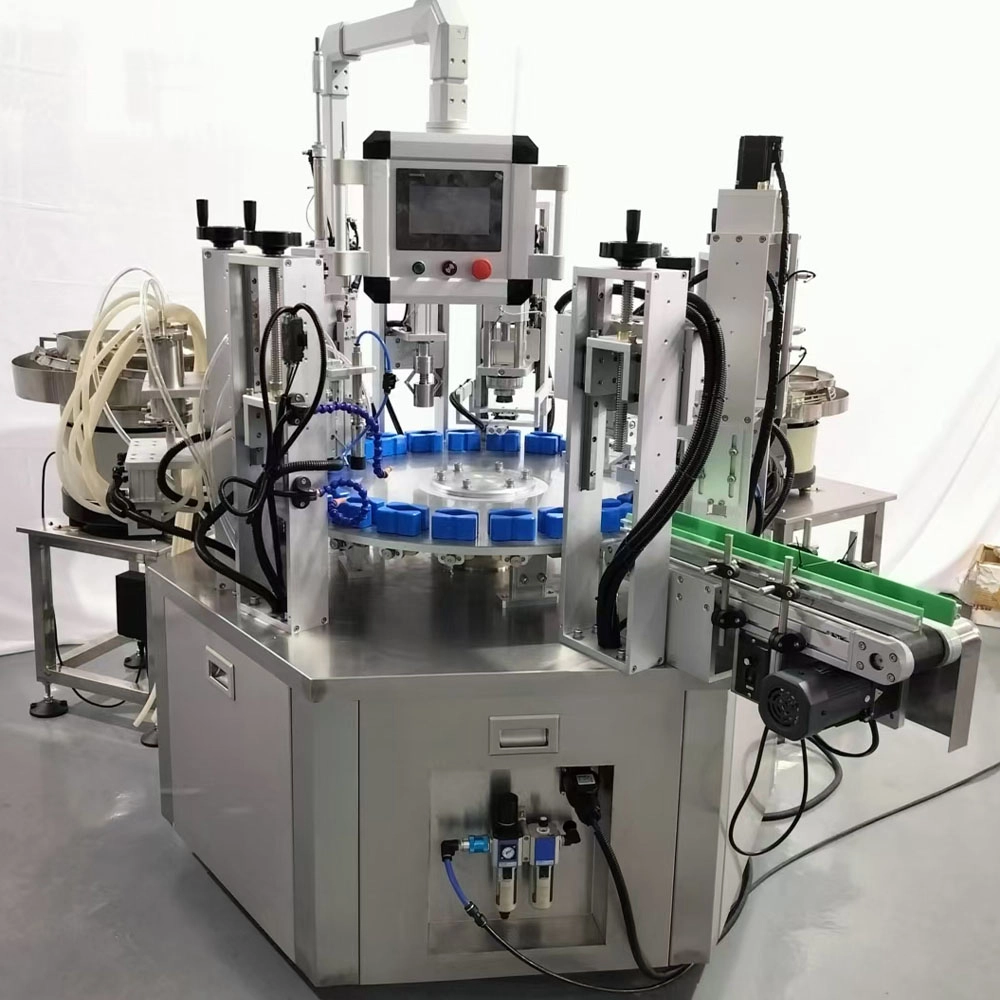
Best Perfume Filling and Capping Machines for Aromatics Production
Automatic Capping Machine
Who are we?
Our headquarters is located in Guangzhou, Guangdong, China, and our factory is located in Yangzhou, Jiangsu. Our products are sold all over the world. We have approximately 50 employees in our company and factory.
What types of bottle caps and bottles does the automatic capping machine support?
Mainstream models are compatible with screw caps, duckbill caps, pump caps, spray caps, and other threaded caps. They are also suitable for round, square, and oval bottles made of glass, PET, and HDPE.
The Flip Cover Liquid Wash Mixing Homogenizing Tank
Can flip cover homogenizing mixing tank ensure hygienic safety when handling materials such as food and cosmetics?
Material Compliance: The equipment's pot, agitator, homogenizer, and other material-contacting components are all made of 316L stainless steel, which is corrosion-resistant and easy to clean, meeting food-grade and cosmetic-grade hygiene requirements.
Easy Cleaning: The open-top design allows direct access to corners within the pot, allowing for thorough cleaning by hand or with tools.
Operational Specifications: The equipment can be disinfected before use (e.g., hot water for food processing). After use, cleanup any remaining material promptly to avoid cross-contamination.
Automatic Facial Mask Filling Machine
We want to fill products in multiple volumes (e.g., 5ml, 20ml, 50ml). Do we need to purchase multiple filling machines?
No, most facial mask filling machines support multiple volume adjustments. When purchasing, please confirm the machine's "volume adjustment range" (e.g., 5ml-50ml) to ensure it covers your desired specifications. Changing volumes simply requires modifying the fill volume parameters on the touchscreen.
Who are we?
Our headquarters is located in Guangzhou, Guangdong, China, and our factory is located in Yangzhou, Jiangsu. Our products are sold all over the world. We have approximately 50 employees in our company and factory.
You May Also Like
Automatic Filling Machine Quantitative Liquid Bottle Filling Machine High-precision cream and lotion filling machine
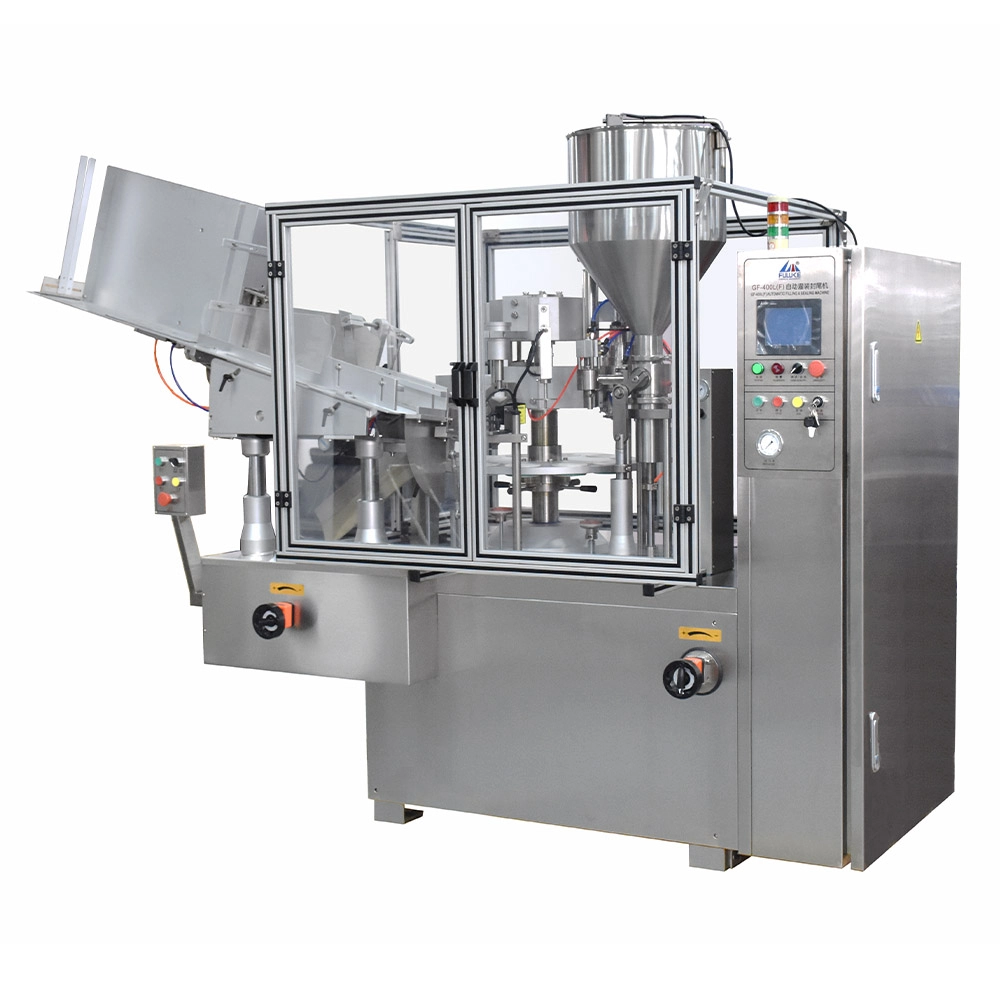
Automatic Tube Filling and Sealing Machine Toothpaste Sunscreen and Facial Cleanser Filling and Sealing Machine for Plastic and Aluminum-plastic Tube
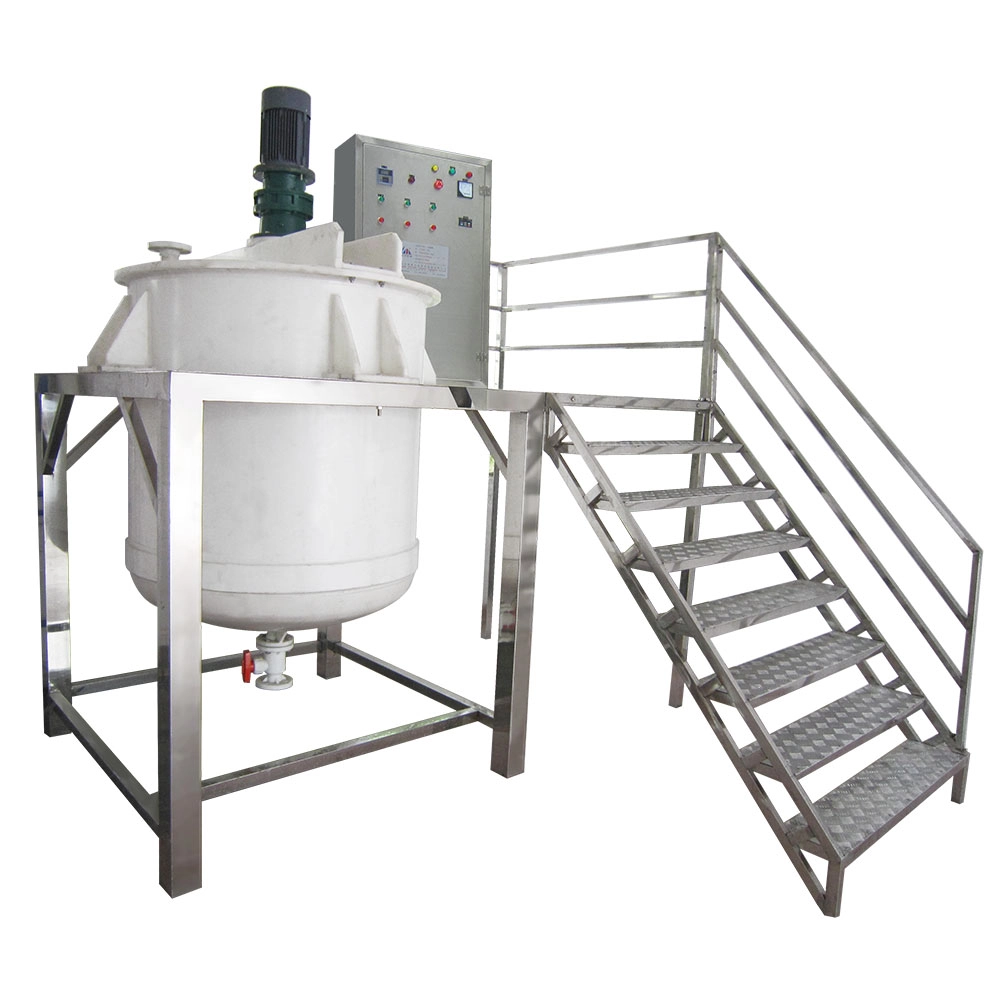
Polypropylene PP Mixing Tank Anti-Corrosion Mixer Reaction Kettle with Agitator Chemical Mixing Vessel
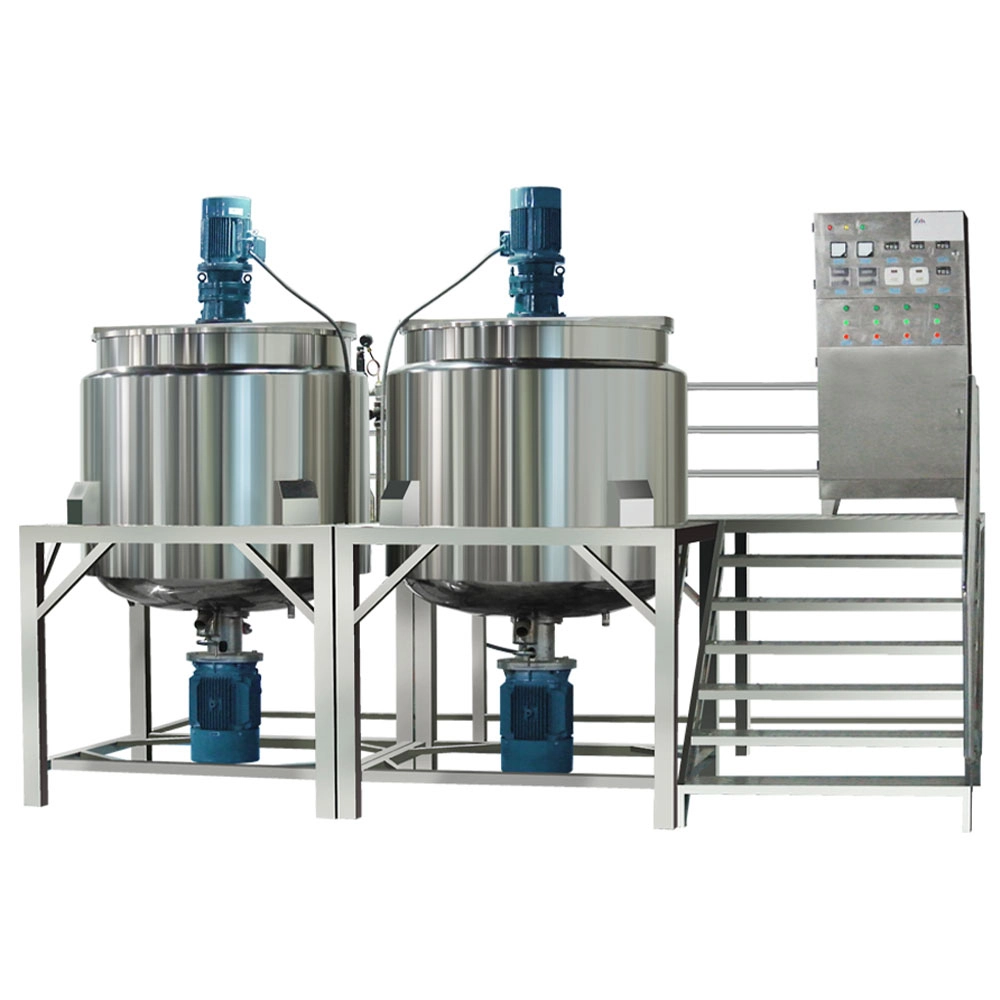
Flip Cover Multi-function Liquid Wash Mixing Tank Blender Liquid Detergent Mixer Homogenization Stirring Tank
Get in touch with FULUKE
If you have any comments or good suggestions, please leave us a message, later our professional staff will contact you as soon as possible.

A leading manufacturer specializing in advanced machinery and complete production lines for the cosmetics, food, pharmaceutical, and chemical industries worldwide.
Contact FULUKE
Facebook
Instagram
YouTube