
How High-Precision Cream Filling Improves Product Quality
- Precision Filling and Its Direct Impact on Product Quality
- How high-precision filling works
- Why precision reduces variability and preserves product integrity
- Design Features That Enable High-Precision Filling
- Sanitary design, materials, and regulatory compliance
- Control systems, HMI, and automation
- Operational Benefits: Efficiency, Waste Reduction, and ROI
- Quantifying efficiency gains and cost savings
- Scalability and adaptability across SKUs
- Application in Cosmetics: Best Practices for Creams and Lotions
- Handling viscous emulsions and preventing product damage
- Cleaning, validation, and quality assurance
- How to Choose the Right High-Precision Filling Solution
- Key selection criteria
- Common filling technologies for creams and lotions
- Brand Advantages: Why This Product Stands Out
- Core advantages at a glance
- Implementation Checklist: From Procurement to Production
- Pre-installation steps
- Commissioning and training
- FAQ — Frequently Asked Questions
- Q: Can this machine handle very thick creams or pastes?
- Q: How accurate is the filling?
- Q: What cleaning and validation features are available?
- Q: Can the machine handle different container sizes without long downtime?
- Q: How does the machine reduce contamination risk?
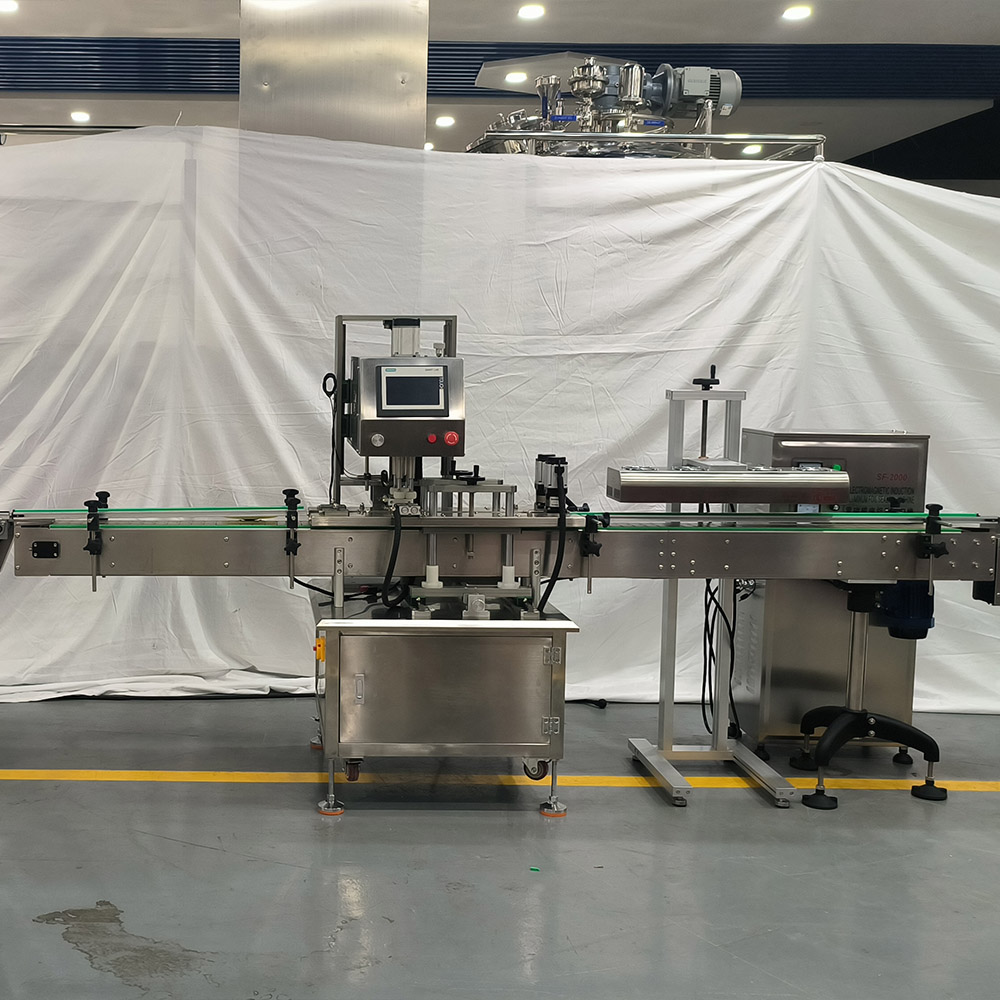
High-precision cream filling is a critical step in modern cosmetics manufacturing: by using an advanced liquid filling machine, manufacturers achieve consistent fill volumes, reduce product waste, minimize contamination risk, and meet regulatory expectations across batches. This article explains how high-precision filling technology, such as the Automatic Filling Machine Quantitative Liquid Bottle Filling Machine High-precision cream and lotion filling machine, raises product quality, improves process control, and increases return on investment for cosmetics brands and contract manufacturers. Understanding how high-precision cream filling improves product quality naturally leads buyers to evaluate equipment capabilities, making it essential to review the key features to look for in lotion filling machines before making a purchase decision.
Precision Filling and Its Direct Impact on Product Quality
How high-precision filling works
High-precision filling relies on accurate metering systems (piston, servo-driven syringes, or gear/pump metering) combined with precise actuation and feedback control. Modern machines measure and control the volume dispensed to fractions of a milliliter, often integrating load cells or flow sensors for real-time verification. For creams and lotions—typically viscous, non-Newtonian fluids—piston or positive-displacement pumps are preferred because they are less sensitive to viscosity changes than gravity or pure flow-meter methods.
Why precision reduces variability and preserves product integrity
Consistent fill volumes ensure each product unit meets labeled net content and consumer expectations. Less variability lowers the chances of under-filled bottles (regulatory and reputational risk) and overfills (increased material cost). An automated liquid filling machine also minimizes manual handling, reducing the risk of contamination and maintaining emulsion stability by controlling shear during filling. The result is homogeneous batches with consistent texture, visual appearance, and dosing.
Design Features That Enable High-Precision Filling
Sanitary design, materials, and regulatory compliance
Material choice and clean design are foundational. Contact parts made of 316L or 304 stainless steel are standard for cosmetic-grade equipment because they resist corrosion and are easy to sterilize. The Automatic Filling Machine Quantitative Liquid Bottle Filling Machine High-precision cream and lotion filling machine is built with 316L/304 contact components and complies with GMP standards, helping manufacturers meet requirements found in authoritative guidance such as the World Health Organization's GMP resources (WHO GMP) and regulatory expectations documented by agencies like the U.S. FDA (FDA Cosmetics).
Control systems, HMI, and automation
High-precision filling machines integrate intelligent controls (PLC + HMI) and touchscreen interfaces for quick parameter changes. Features that materially affect quality include programmable recipes for different formulas, automatic compensation for viscosity change, and integrated alarms for deviations. A touchscreen interface speeds recipe recall and reduces operator error, while full automation—conveying, filling, capping—reduces touchpoints that might introduce variability or contamination.
Operational Benefits: Efficiency, Waste Reduction, and ROI
Quantifying efficiency gains and cost savings
Automated high-precision filling reduces labor costs and product giveaway. Below is a simple comparison showing typical differences between semi-manual filling and a modern automatic liquid filling machine for a small-to-medium production line.
| Metric | Manual/Semi-automatic Filling | Automatic High-Precision Filling |
|---|---|---|
| Fill accuracy (±) | ±3–7% | ±0.5–1.5% |
| Throughput (units/hour) | 200–800 | 1,000–6,000+ |
| Labor required | 2–6 operators | 0.5–2 operators |
| Product giveaway | High (overfill cushion) | Low (precise dosing) |
| Cleanability/Validation | Varies; manual CIP often needed | Hygienic design, CIP/SIP-ready options |
Even with a higher upfront purchase price, the improved yield, reduced giveaway, and lower staffing costs typically produce a payback period measured in months to a few years depending on volume and margin.
Scalability and adaptability across SKUs
High-precision machines support quick changeovers through programmable recipes, adjustable filling heads, and modular conveying. This flexibility benefits brands with diverse SKUs—different container sizes, viscosities, or fill volumes—allowing small-batch runs and fast turnaround for seasonal or limited-edition products without compromising quality.
Application in Cosmetics: Best Practices for Creams and Lotions
Handling viscous emulsions and preventing product damage
Creams and lotions are shear-sensitive; excessive shear can break emulsions or alter rheology. Choose a liquid filling machine that offers gentle filling modes, adjustable piston speeds, or low-shear peristaltic/gear options when appropriate. Also, heaters or degassing modules can be integrated for formulas that require temperature control or air removal prior to filling.
Cleaning, validation, and quality assurance
Cleaning and validation protocols are essential to meet GMP and to avoid cross-contamination between colorants or active ingredients. Validate fill volumes, perform in-line or batch testing for weight and visual defects, and establish CIP (clean-in-place) or validated manual cleaning steps. For regulatory context and GMP principles, manufacturers can consult WHO GMP guidelines (WHO GMP) and industry-standard cleaning validation resources.
How to Choose the Right High-Precision Filling Solution
Key selection criteria
When selecting a machine, evaluate:
- Accuracy and repeatability specifications
- Compatibility with container types (glass, PET, tubes)
- Material contact surfaces (316L/304 SS preferred)
- Automation level and integration with existing lines
- Cleaning and maintenance requirements
- After-sales service and spare parts availability
Common filling technologies for creams and lotions
Understand the pros and cons of common technologies:
- Piston/positive-displacement: high accuracy, good for viscous formulas
- Gear pumps: repeatable for medium viscosity, stable flow
- Peristaltic pumps: low contamination risk, useful for abrasive or shear-sensitive fluids; tubing requires periodic replacement
- Flow meters + servo valves: precise for lower-viscosity liquids
Brand Advantages: Why This Product Stands Out
Introducing the product summary for direct reference:
The automatic filling machine integrates automated conveying, precision filling, and intelligent control for packaging creams, lotions, and liquids. Suitable for a variety of containers, including glass and PET bottles, it can fill liquids, emulsions, and pastes with high precision.
Constructed with 316L/304 stainless steel contact components and compliant with GMP standards, it features a touchscreen interface for quick parameter adjustment and completes the entire process without manual intervention. Widely used in the cosmetics, food, daily chemical, pharmaceutical, and chemical industries, it helps companies reduce costs, increase efficiency, and ensure product standardization.
Core advantages at a glance
- GMP-oriented construction with 316L/304 stainless steel contact parts for hygiene and durability.
- High accuracy quantitative filling to minimize giveaway and ensure compliance with net content labeling.
- Touchscreen HMI and programmable recipes for rapid SKU changeover and reduced operator error.
- Fully integrated line capability: automated conveying, filling, and optional capping or labeling modules.
- Suitable for a broad set of packaging formats (glass, PET) and product types (creams, lotions, emulsions, pastes).
| Feature | Specification/Benefit |
|---|---|
| Materials | 316L/304 stainless steel contact parts; hygienic finish |
| Control | PLC with touchscreen HMI; recipe storage |
| Applicable products | Creams, lotions, emulsions, pastes, liquids |
| Containers | Glass, PET, various bottle sizes |
| Compliance | Designed to meet GMP principles |
Implementation Checklist: From Procurement to Production
Pre-installation steps
Define required throughput, viscosity range, container types, and integration points (capping, labeling). Prepare a site plan for utilities (air, electricity), waste handling, and operator safety. Include validation and commissioning criteria in the purchase agreement.
Commissioning and training
Commission the machine with a qualified technician, run acceptance tests (IQ/OQ/PQ where applicable), and train operators on recipe setup, cleaning, and troubleshooting. Document standard operating procedures (SOPs) for changeovers and cleaning to maintain quality consistently.
FAQ — Frequently Asked Questions
Q: Can this machine handle very thick creams or pastes?
A: Yes. The machine supports positive-displacement piston filling, which is ideal for high-viscosity creams and pastes. Confirm your product's viscosity range with the supplier to select appropriate pump sizes and drive settings.
Q: How accurate is the filling?
A: Typical accuracy for high-precision cream filling machines is within ±0.5–1.5% depending on product and fill volume. Accuracy depends on pump type, calibration, and environmental consistency.
Q: What cleaning and validation features are available?
A: Equipment constructed from 316L/304 stainless steel with hygienic design eases cleaning. Models can be CIP-capable or designed for rapid disassembly. Establish a validation protocol (IQ/OQ/PQ) and follow WHO GMP guidance (WHO GMP).
Q: Can the machine handle different container sizes without long downtime?
A: Yes. Machines with programmable recipes and quick-change tooling are designed for fast changeovers. Specify the container size range and required changeover time when discussing options with suppliers.
Q: How does the machine reduce contamination risk?
A: Automation reduces manual handling. Hygienic materials, closed product paths, and optional sterile air curtains or laminar flow stations further lower contamination risk. Regular cleaning and validated procedures complete the control strategy.
If you have specific formula characteristics or container concerns, our technical team can evaluate samples and recommend the optimal configuration.
Contact us to view the Automatic Filling Machine Quantitative Liquid Bottle Filling Machine High-precision cream and lotion filling machine or to request a quote: Contact Sales | View Product Details
References: For general context on filling technology, see the Wikipedia overview of filling machines: Filling machine - Wikipedia. For regulatory best practices, consult WHO GMP guidance: WHO GMP, and the U.S. FDA cosmetics resource: FDA Cosmetics.
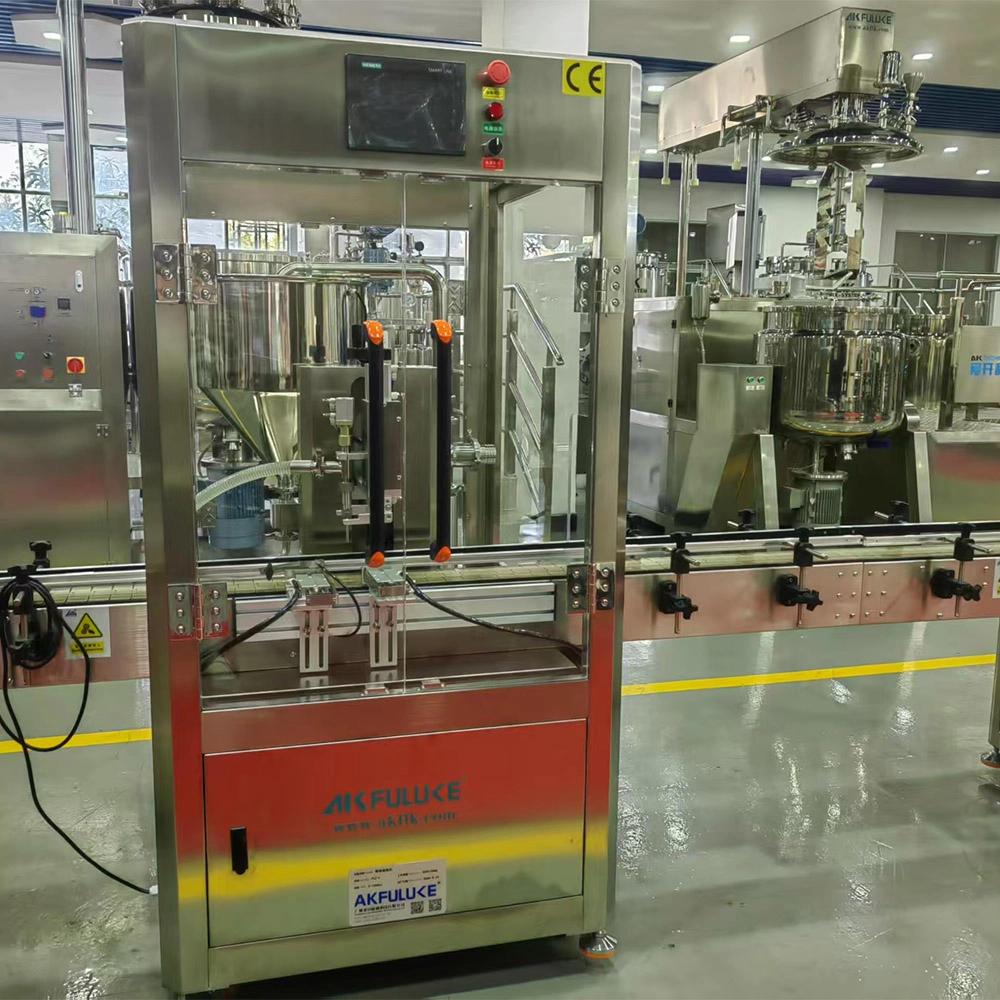
Compare Filling Technologies: Piston vs Peristaltic vs Pump
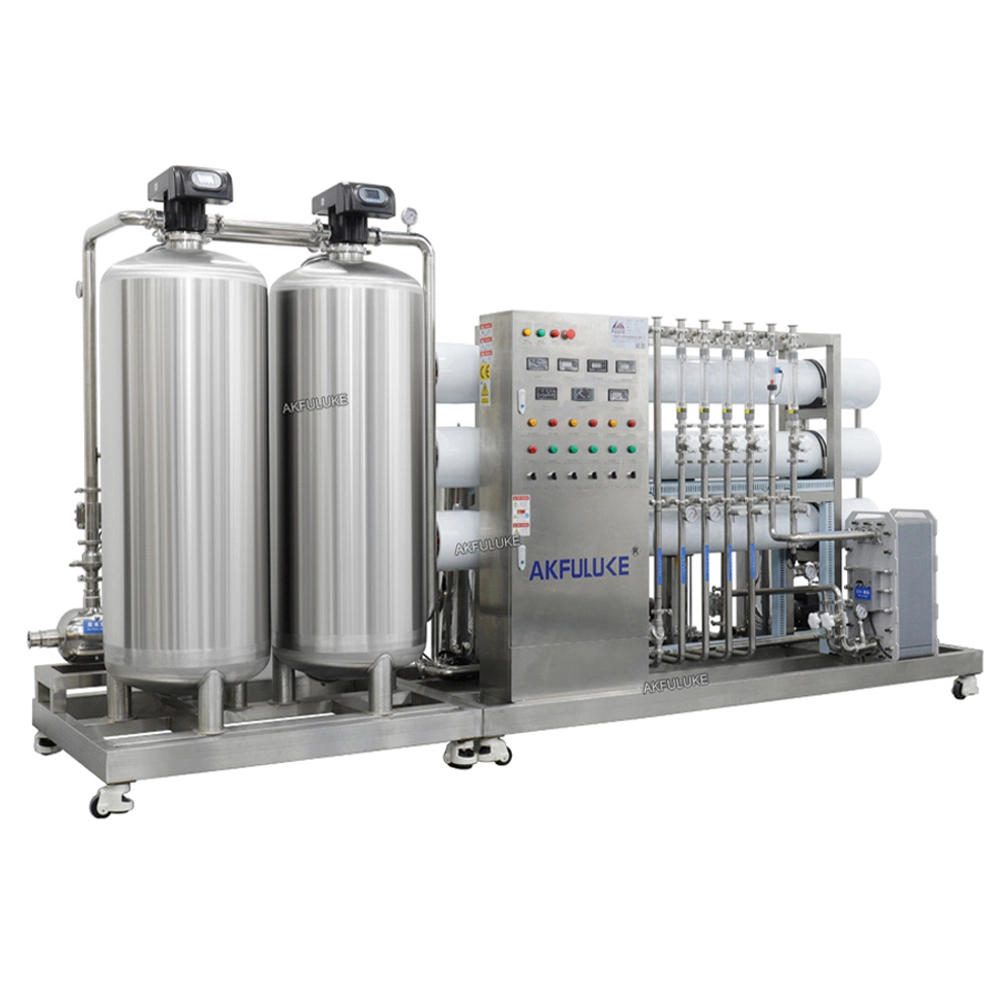
Assessing ROI and TCO for Industrial Reverse Osmosis Systems
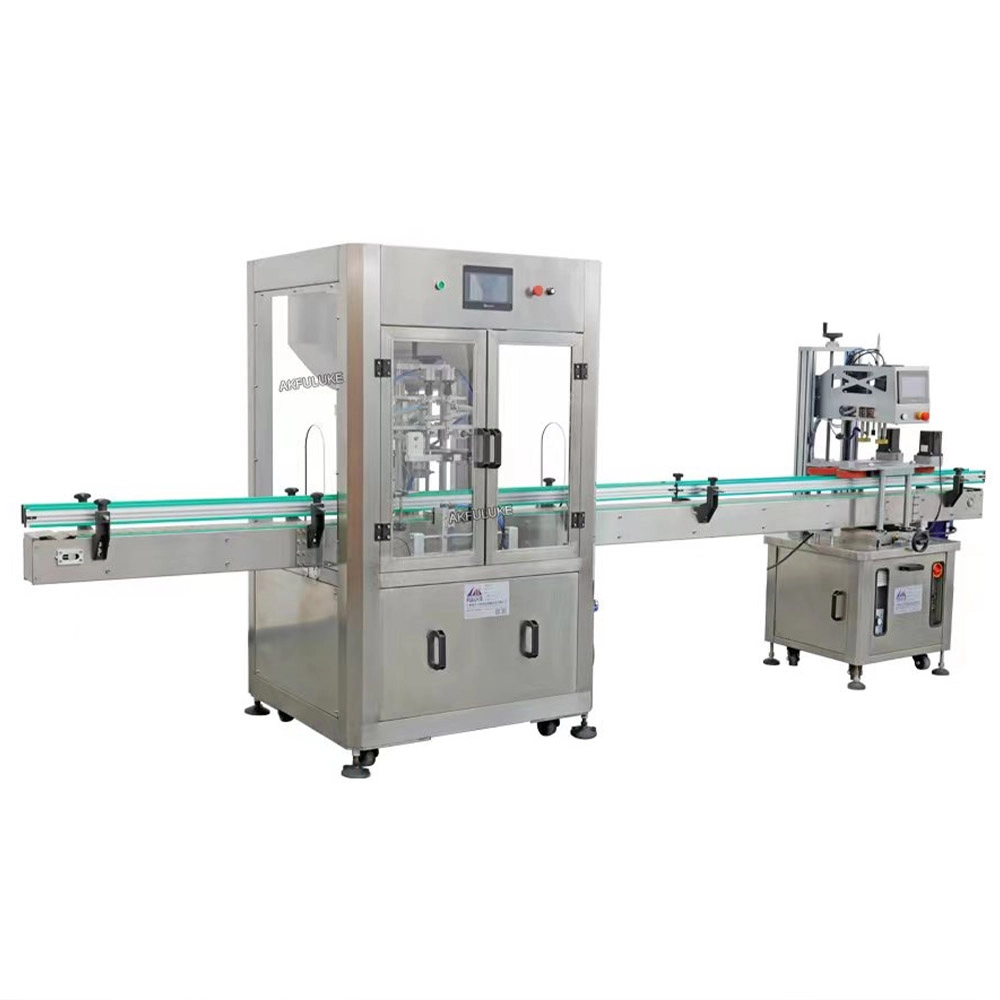
Advanced Controls for Multi-Product Filling Lines
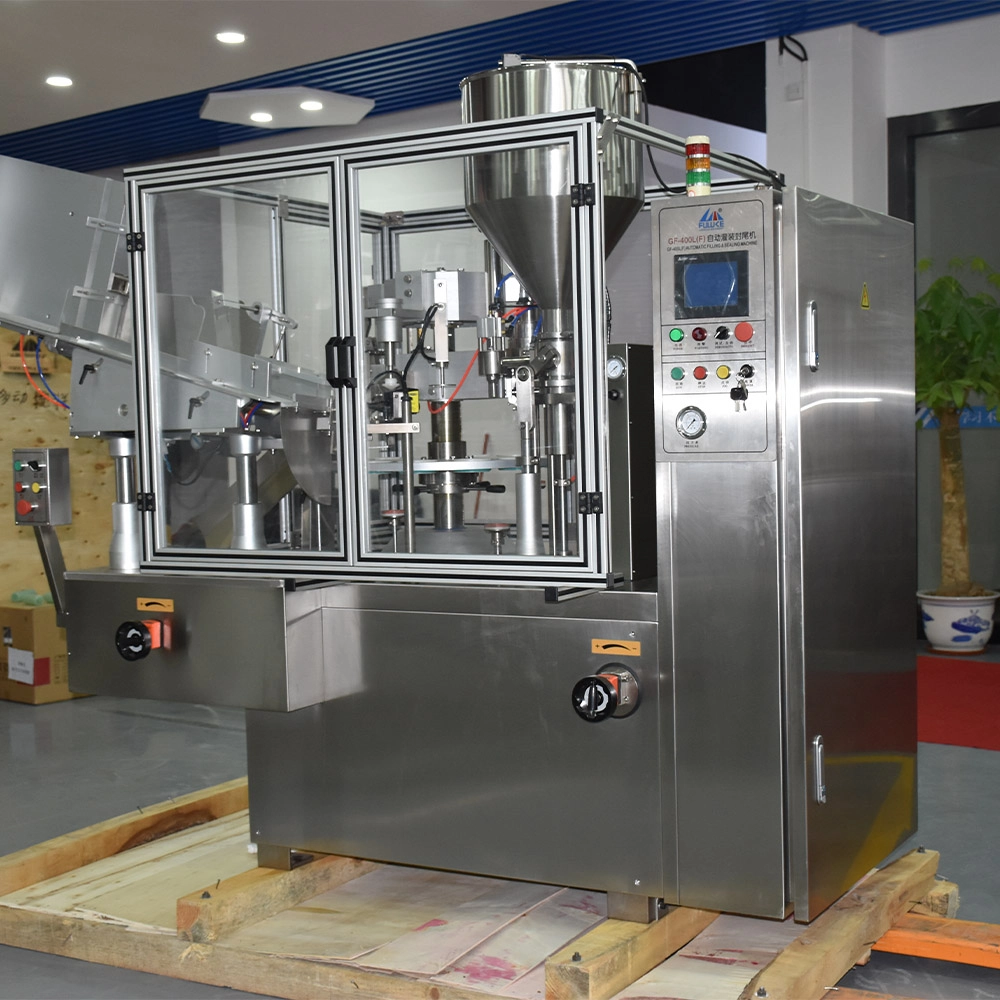
Material Compatibility: Formulas and Tubes for Filling Machines
Automatic Capping Machine
Can you make a design for us?
Yes, we can, we provide not only products, but also solutions and designs.
Automatic Tube Filling and Sealing Machine
Do you have a complete production line for facial masks?
Of course, we can also provide high-speed facial mask folding machine + online weighing and rejecting machine + automatic sheet counting machine + automatic cartoning machine + automatic three-dimensional cigarette packaging machine + online inkjet printer, etc.
Storage Tank
Do special operating conditions (such as high temperature or high pressure) require special customization?
Yes. High-temperature applications require the use of heat-resistant materials and additional insulation. High-pressure applications require enhanced tank wall thickness and sealing structures. Both require individual designs according to corresponding industry standards.
Vacuum Emulsifying Machine
How does the vacuum homogenizer work?
The vacuum homogenizer's operating process revolves around four core steps: vacuum degassing, high-speed homogenization and emulsification, stirring and mixing, and temperature control. Through the coordinated operation of multiple systems, it achieves refined material processing. The following is its specific operating principle and process:
1. Pretreatment: Material feeding and vacuum environment establishment
Material preparation: First, add the basic materials, such as the oil phase (such as oils and waxes) and the aqueous phase (such as water and water-soluble ingredients), to their corresponding batching tanks or directly into the main emulsifier in sequence.
Evacuation: Activate the vacuum system (consisting of a vacuum pump, vacuum valve, etc.) to evacuate the interior of the emulsifier, creating a negative pressure environment (typically up to -0.09 MPa).
2. Core Process: Temperature Control (Heating/Cooling)
3. Core Process: Agitation and Mixing
Agitation Structure: Typically uses a "frame agitator + scraper" combination (for high-viscosity materials):
Through shearing, folding, and convection, the different materials are initially mixed and their stratification is broken down.
The PTFE scraper rotates closely against the pot wall, thoroughly scraping away any sticky material adhering to the pot wall, preventing localized overheating and residue, and ensuring zero dead zones.
4. Core Process: High-Speed Homogenization and Emulsification
Homogenizer Structure: A high-speed rotating homogenizer is installed at the bottom (or side) of the emulsifier, consisting of a rotor (with sharp teeth) and a stator (with fixed teeth). Working Principle: The rotor rotates at an extremely high speed, generating a strong centrifugal force that draws the material into the gap between the rotor and the stator. In this gap, the material is subjected to the triple effects of shear force, impact force, and turbulent force. The teeth of the rotor and stator quickly cut the material and generate high-frequency vibrations.
The Flip Cover Liquid Wash Mixing Homogenizing Tank
What can you buy from us?
RO Water Treatment、Vacuum Emulsifying Machine、Homogenizer Mixing Tank、Filling and Capping、labeling Machine、Packing Machine、Storage Tank,etc.
You May Also Like
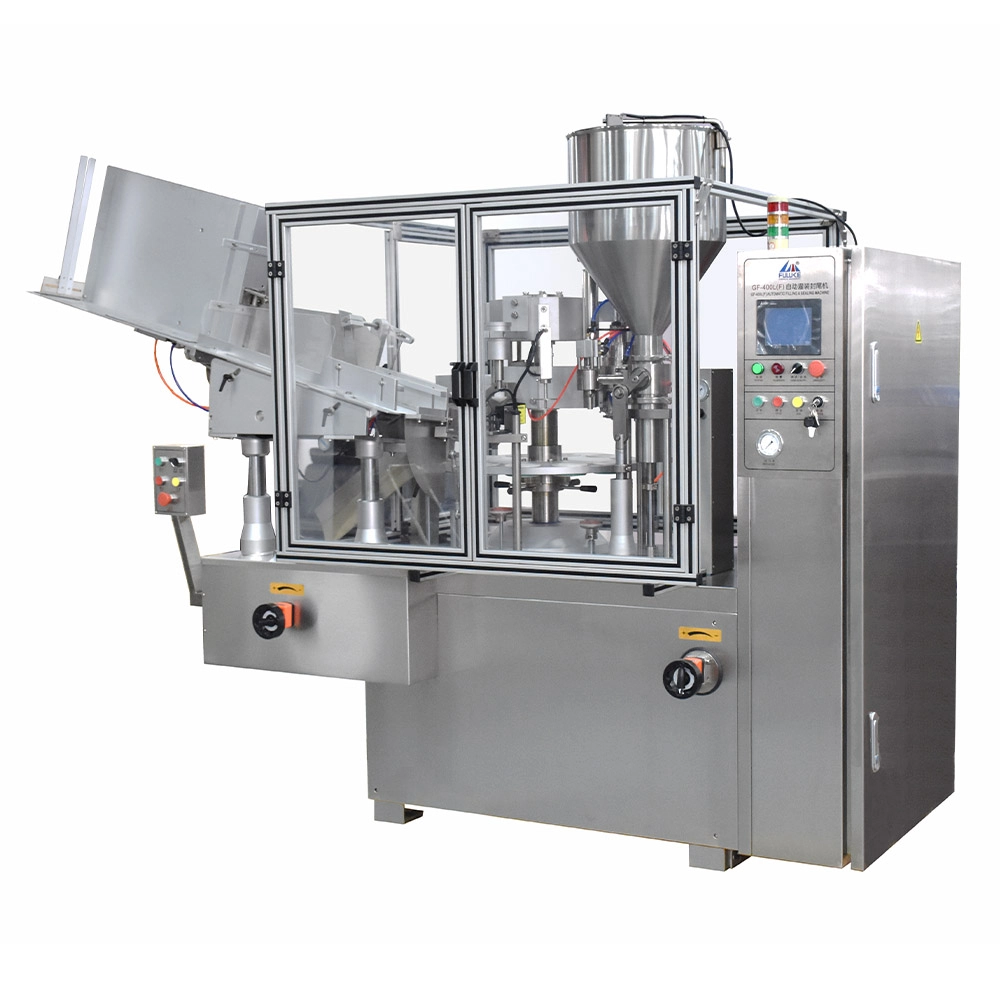
Automatic Tube Filling and Sealing Machine Toothpaste Sunscreen and Facial Cleanser Filling and Sealing Machine for Plastic and Aluminum-plastic Tube
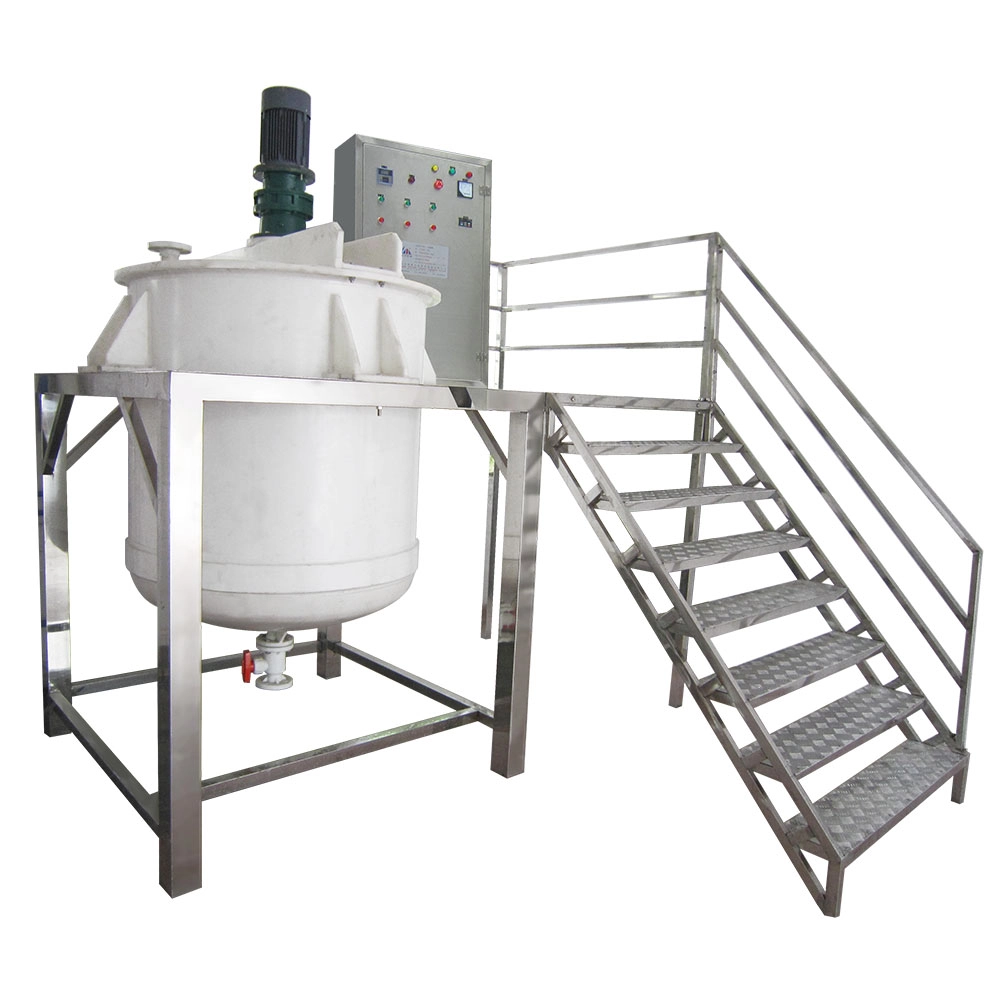
Polypropylene PP Mixing Tank Anti-Corrosion Mixer Reaction Kettle with Agitator Chemical Mixing Vessel
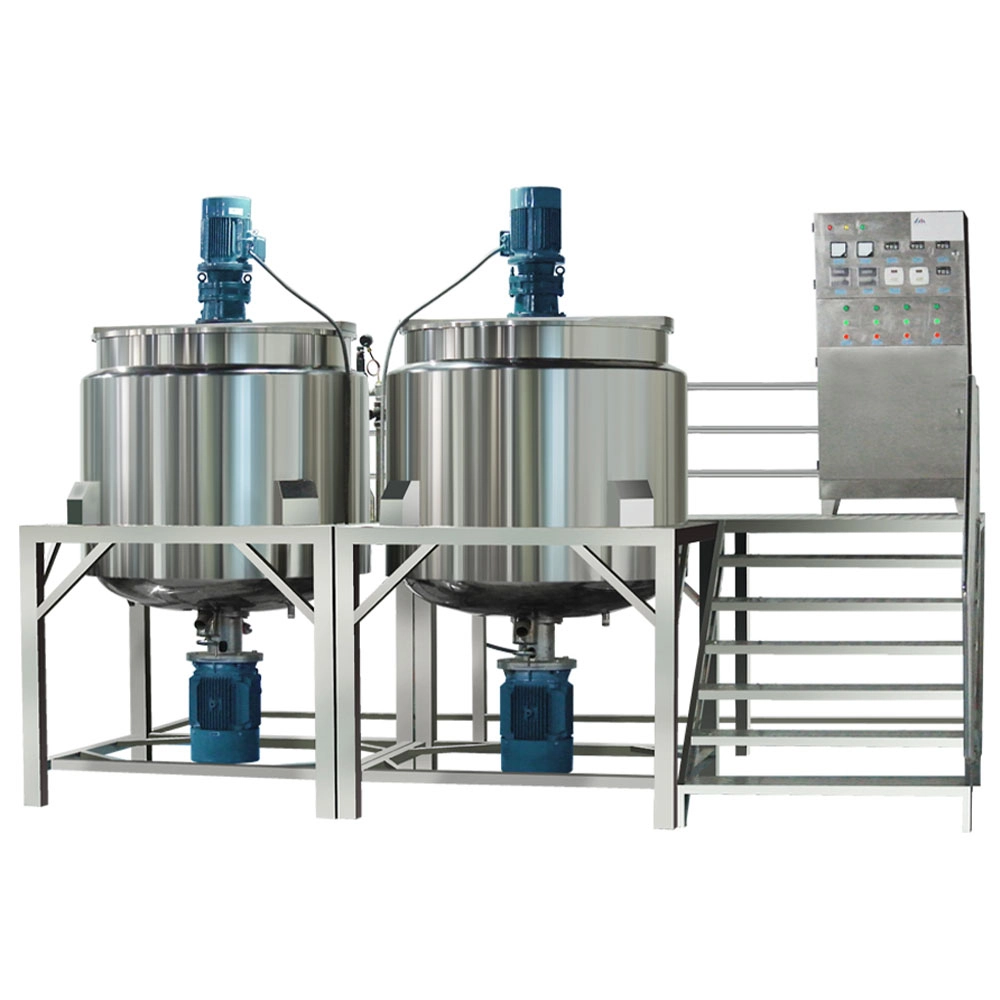
Flip Cover Multi-function Liquid Wash Mixing Tank Blender Liquid Detergent Mixer Homogenization Stirring Tank
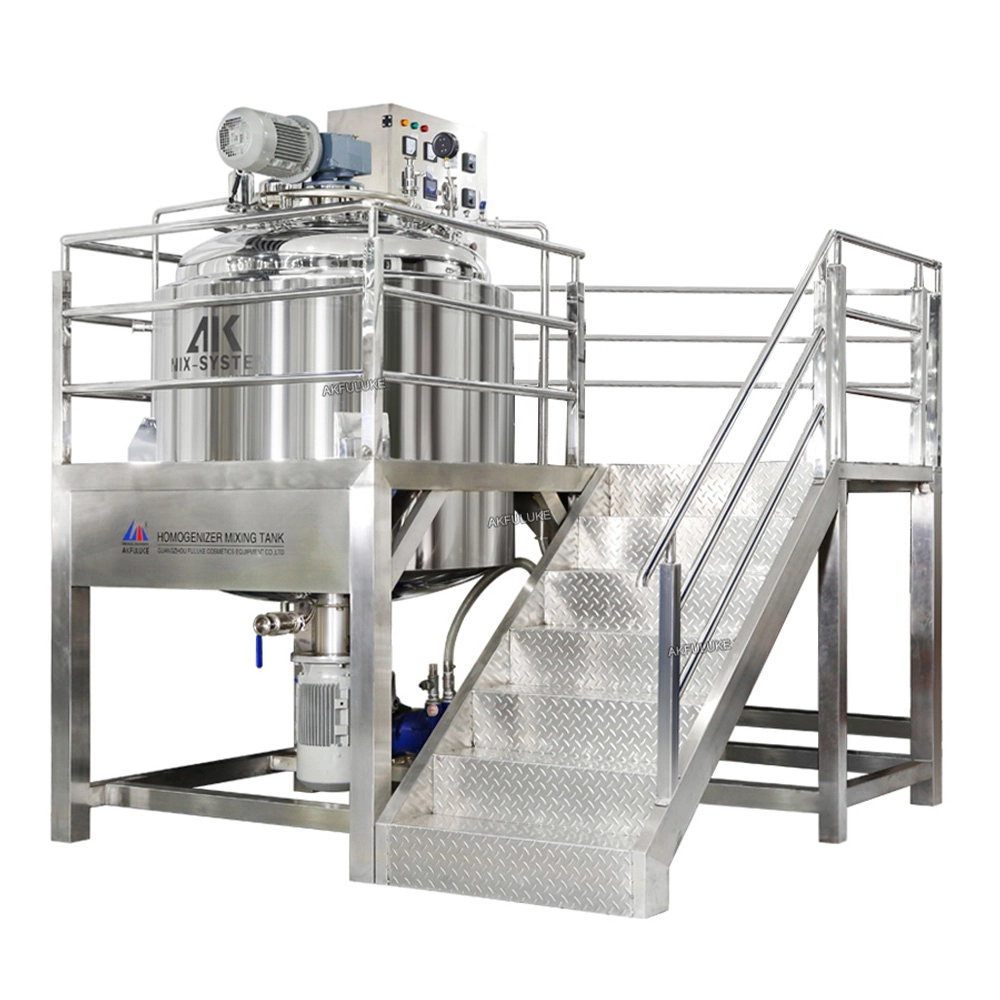
Stainless Steel Mixer Liquid Mixing tank with Agitator Homogenizing Mixing tank Vacuum Sealed Mixer Machine
Get in touch with FULUKE
If you have any comments or good suggestions, please leave us a message, later our professional staff will contact you as soon as possible.

A leading manufacturer specializing in advanced machinery and complete production lines for the cosmetics, food, pharmaceutical, and chemical industries worldwide.
Contact FULUKE
Facebook
Instagram
YouTube