
Performance Testing and Validation of Homogenizing Mixers
- Performance Testing and Validation of Homogenizing Mixers for Industrial Mixing Tanks
- Why performance testing matters for a mixing tank and homogenizing equipment
- Key performance metrics for homogenizing mixing tanks
- Essential tests and methods for validation
- Instrumentation, sampling plans and traceability for mixing tank validation
- IQ / OQ / PQ Protocols for the Sealed Homogenizing mixing tank
- Acceptance criteria and statistical evaluation
- Cleaning validation and surface finish considerations for stainless steel mixer tanks
- Common validation pitfalls and how to avoid them
- Practical checklist for FAT, OQ and PQ of a vacuum sealed homogenizing mixing tank
- Brand advantages: why choose this Stainless Steel Mixer Liquid Mixing tank with Agitator Homogenizing Mixing tank Vacuum Sealed Mixer Machine
- Frequently Asked Questions (FAQ)
- Q1: What is the difference between FAT, OQ and PQ for a mixing tank?
- Q2: How many samples are needed to prove homogeneity in a production batch?
- Q3: Which instruments are recommended to measure droplet size in emulsions?
- Q4: How do you validate vacuum tightness for a sealed homogenizing mixer?
- Q5: How often should cleaning validation be repeated?
- Contact us / View product
- Authoritative references and further reading
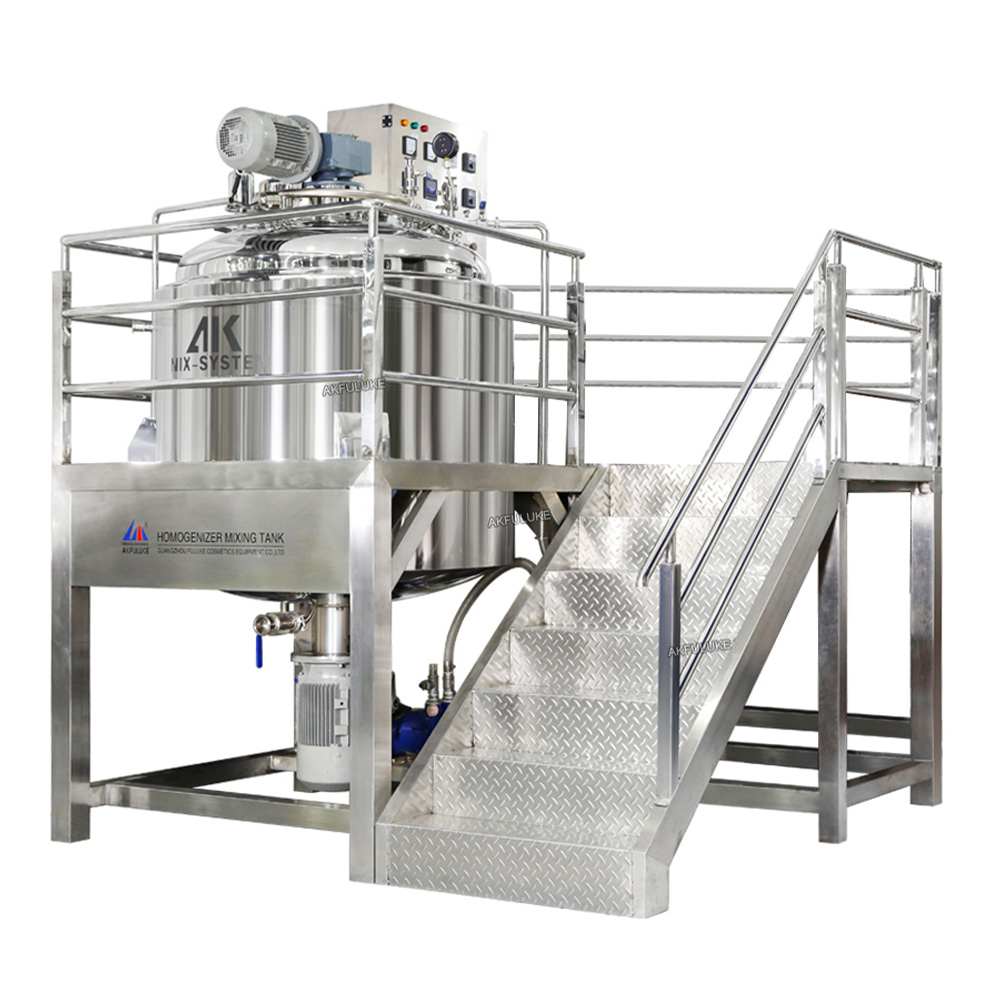
Performance Testing and Validation of Homogenizing Mixers for Industrial Mixing Tanks
Why performance testing matters for a mixing tank and homogenizing equipment
Manufacturers of creams, lotions, gels, ointments, sauces and other multi-phase products depend on consistent mixing and emulsification. The Stainless Steel Mixer Liquid Mixing tank with Agitator Homogenizing Mixing tank Vacuum Sealed Mixer Machine integrates vacuum defoaming, high-speed homogenization, efficient stirring and precise temperature control. To assure product quality, safety and regulatory compliance, rigorous performance testing and validation is essential. Validation translates design capability into demonstrated, repeatable production performance and mitigates production risk across cosmetics, pharmaceutical, food and chemical industries. Validated performance must be backed by dependable sourcing, which is why a structured procurement checklist selecting a reliable mixer manufacturer is essential for risk control and long-term operational success.
Key performance metrics for homogenizing mixing tanks
When validating a homogenizing mixing tank, focus on measurable metrics that affect product quality and process control. These typically include:
- Homogeneity of blend (composition uniformity) — spatial and temporal variation
- Droplet or particle size distribution (PSD) for emulsions and dispersions
- Viscosity and rheology consistency
- Degassing and entrained air level after vacuum defoaming
- Temperature control accuracy and uniformity across the tank
- Vacuum integrity and pump performance for sealed mixers
- Cycle-to-cycle repeatability (process capability)
- Cleaning efficiency (CIP validation) and material compatibility
- Mechanical performance: agitator speed/torque, motor load, vibration, noise
All of these metrics map to critical quality attributes (CQAs) of the final product. Defining them early enables clear acceptance criteria during FAT/OQ/PQ.
Essential tests and methods for validation
Effective validation uses standardized, instrument-based methods where possible. Below are practical tests used during FAT (Factory Acceptance Test), OQ (Operational Qualification), and PQ (Performance Qualification):
- Homogeneity testing: Sample at predefined axial and radial points; analyze active concentration or tracer recovery. Acceptance often specified as %RSD (relative standard deviation) below a threshold (e.g., <5% for well-mixed liquids).
- Droplet/particle size analysis: Laser diffraction or dynamic light scattering for emulsions to verify target Dv50 and tailing (Dv90). Typical acceptance depends on product specs; validate instrument and sampling method.
- Viscosity and rheology: Use rotational viscometers or rheometers to confirm shear-dependent behavior and batch-to-batch consistency. Reference to ASTM D445 (kinematic viscosity) where applicable.
- Defoaming effectiveness: Measure entrained air by volume or density change pre/post vacuum, or use acoustic/optical probes; acceptance defined as maximum allowable bubble content or density variance.
- Temperature mapping and control: Place multiple calibrated thermocouples to monitor gradients; acceptance based on setpoint tolerance (e.g., ±1°C) and rate of heating/cooling.
- Vacuum and leak testing: Helium leak test or pressure decay test on sealed vessels and fittings; verify vacuum level and hold time.
- Mechanical verification: Confirm agitator RPM range, torque curve, motor amperage, and vibration levels using tachometers, torque sensors and accelerometers.
- CIP and cleaning validation: Use ATP, TOC, or swab/rinse sampling to confirm residue removal and sanitary finish; define acceptance per product risk.
Instrumentation, sampling plans and traceability for mixing tank validation
Robust instrumentation and statistically sound sampling are crucial. Typical instruments: laser diffraction particle analyzers, rotational rheometers, calibrated thermocouples/data loggers, analytical balances, refractometers or HPLC for actives, vacuum gauges and flow meters. Key practices:
- Create a sampling map for the mixing tank (top, middle, bottom; center & radial positions). For scale-up, maintain geometric similarity in sampling locations.
- Define sample size and number based on confidence intervals; for homogeneity testing, using 6–9 locations often gives reliable insight for commercial batches.
- Use calibrated, traceable instruments and maintain calibration records (ISO 17025 where tests are outsourced).
- Record process data (SCADA/PLC logs) including RPM, torque, temperature, vacuum and time-stamps for traceability.
IQ / OQ / PQ Protocols for the Sealed Homogenizing mixing tank
Validation is commonly documented in three phases:
- Installation Qualification (IQ): Verify equipment installed per manufacturer drawings and materials of construction (e.g., stainless steel grade 316L, surface finish Ra). Document utilities, piping, seals, instrumentation and software versions.
- Operational Qualification (OQ): Demonstrate that the mixing tank and homogenizer function across the defined operational ranges—speed, vacuum level, temperature, and homogenizer pressure. Run blank water or standard test fluids to verify control loops, alarms and interlocks.
- Performance Qualification (PQ): Run full production recipes using target formulations to demonstrate consistent product quality under normal operating conditions. PQ should include at least three consecutive successful batches with documented test results meeting acceptance criteria.
Each protocol should include pass/fail criteria, test methods, acceptance limits, and sign-offs. Retain raw data and summarized reports for regulatory inspection and continuous improvement.
Acceptance criteria and statistical evaluation
Define acceptance criteria tied to CQAs and product specifications. Examples include:
- Homogeneity: %RSD across samples ≤ specified limit (common target: <5–10% depending on potency)
- Droplet size: Dv50 within target ±X% and Dv90 below critical threshold
- Viscosity: within product control limits at specified shear rates
- Vacuum hold: pressure rise less than a set value over defined hold time
Statistical methods such as control charts (I-MR, X̄-R), capability indices (Cp, Cpk) and hypothesis testing (ANOVA) are useful for evaluating process stability and capability. Use the table below to summarize test types, methods and suggested acceptance ranges (examples; adapt to product requirements):
| Test | Method / Instrument | Typical Acceptance |
|---|---|---|
| Homogeneity | Sampling across 6–9 points; assay by HPLC/refractometer | %RSD ≤ 5% (or product spec) |
| Droplet size | Laser diffraction (Dv10/Dv50/Dv90) | Dv50 within ±10% of target; Dv90 ≤ product limit |
| Viscosity | Rotational viscometer at defined shear rate | Within control limits (e.g., ±10% of nominal) |
| Degassing | Density/volume change; air content measurement | Air ≤ specified ppm or % by volume |
| Temperature control | Multiple thermocouples mapping | Setpoint tolerance ±1–2°C |
| Vacuum integrity | Pressure decay / helium leak | Leak rate below specified maximum |
Cleaning validation and surface finish considerations for stainless steel mixer tanks
Cleaning validation ensures residues from prior batches are reduced to acceptable levels. For a Stainless Steel Mixer Liquid Mixing tank with Agitator Homogenizing Mixing tank Vacuum Sealed Mixer Machine, pay attention to:
- Surface finish (Ra): smoother finishes (e.g., Ra ≤ 0.8 μm) reduce residue retention risk
- Dead legs and crevices: minimize and document any areas that are hard to CIP
- CIP cycles: define chemistry, temperature, flow, and time; verify with TOC/ATP or swab/rinse assays
- Material compatibility: confirm seals, gaskets and coatings are compatible with cleaning agents
Common validation pitfalls and how to avoid them
Some typical issues and preventive steps:
- Inadequate sampling plan — develop sampling with QA and statisticians to ensure representativeness.
- Poor instrument calibration — maintain traceable calibration and pre-test verification.
- Ignoring scale-up differences — account for geometry, power per volume and mixing times when scaling from lab to production.
- Insufficient documentation — store raw data, SOPs, maintenance logs and electronic records in a retrievable manner.
- No worst-case testing — include high-viscosity and multi-phase formulations in PQ to demonstrate robustness.
Practical checklist for FAT, OQ and PQ of a vacuum sealed homogenizing mixing tank
Use the following checklist during acceptance testing:
- Verify materials of construction, weld quality and surface finish.
- Inspect seals, sight glasses, fittings and access points for accessibility and sanitary design.
- Run an empty-cycle test to verify agitator speed, torque, vibration and motor load across range.
- Test vacuum generation and holding with pressure decay or helium leak methods.
- Perform temperature mapping during heating/cooling cycles.
- Run challenge batches (blank and production formulation) for homogeneity, droplet size, viscosity and degassing.
- Validate CIP cycles and document residue removal.
- Confirm PLC/SCADA data logging, alarms and recipe management functions.
Brand advantages: why choose this Stainless Steel Mixer Liquid Mixing tank with Agitator Homogenizing Mixing tank Vacuum Sealed Mixer Machine
This sealed homogenizing mixing tank is engineered for industrial-grade performance and validation readiness. Key advantages include:
- Integrated functions (vacuum defoaming, high-speed homogenizer, efficient agitator, precise temperature control) reduce footprint and simplify validation.
- Sanitary stainless steel construction suitable for cosmetics, pharma and food, with design considerations that facilitate CIP and cleaning validation.
- Modular control architecture enabling recipe management, data logging and compliance with GMP documentation needs.
- Homogenizer and agitator options to support high-viscosity, multi-phase formulations and provide repeatable droplet size distributions.
- Designed for FAT/OQ/PQ with accessible test ports, sample points and instrumentation mounting locations.
Frequently Asked Questions (FAQ)
Q1: What is the difference between FAT, OQ and PQ for a mixing tank?
FAT (Factory Acceptance Test) verifies equipment performance in the supplier's facility. OQ (Operational Qualification) confirms the equipment operates according to specifications across intended ranges at the installation site. PQ (Performance Qualification) demonstrates consistent production performance with actual formulations under routine operating conditions.
Q2: How many samples are needed to prove homogeneity in a production batch?
Common practice is 6–9 well-distributed samples for liquid mixing tanks, but the number should be determined based on product risk, batch size and statistical confidence requirements. Consult QA and statisticians to set sampling plans and acceptance thresholds.
Q3: Which instruments are recommended to measure droplet size in emulsions?
Laser diffraction instruments are widely used for droplet size distribution in emulsions (reporting Dv10, Dv50, Dv90). For sub-micron droplets, dynamic light scattering can be appropriate.
Q4: How do you validate vacuum tightness for a sealed homogenizing mixer?
Common methods include pressure decay tests, helium leak detection for critical systems, and monitoring vacuum level stability during hold times. Acceptance criteria should be set based on process sensitivity and regulatory needs.
Q5: How often should cleaning validation be repeated?
Cleaning validation should be re-evaluated when product formulations change, when cleaning processes or agents change, after major maintenance impacting sanitary surfaces, or periodically per internal quality policy (commonly annually or per risk assessment).
Contact us / View product
To discuss validation protocols, request FAT/OQ/PQ templates or view specifications for the Stainless Steel Mixer Liquid Mixing tank with Agitator Homogenizing Mixing tank Vacuum Sealed Mixer Machine, contact our technical sales team or request a datasheet and factory demonstration. Click to contact us or view product details on our website.
Authoritative references and further reading
- Homogenizer — Wikipedia: https://en.wikipedia.org/wiki/Homogenizer
- Mixing (process engineering) — Wikipedia: https://en.wikipedia.org/wiki/Mixing_(process_engineering)
- U.S. Food & Drug Administration (Cosmetics): https://www.fda.gov/cosmetics
- ISO 22716 — Cosmetics — Good Manufacturing Practices (information): https://www.iso.org/standard/36437.
- ASTM D445 — Standard Test Method for Kinematic Viscosity of Transparent and Opaque Liquids (and typical viscosity reference): https://www.astm.org/Standards/D445.htm
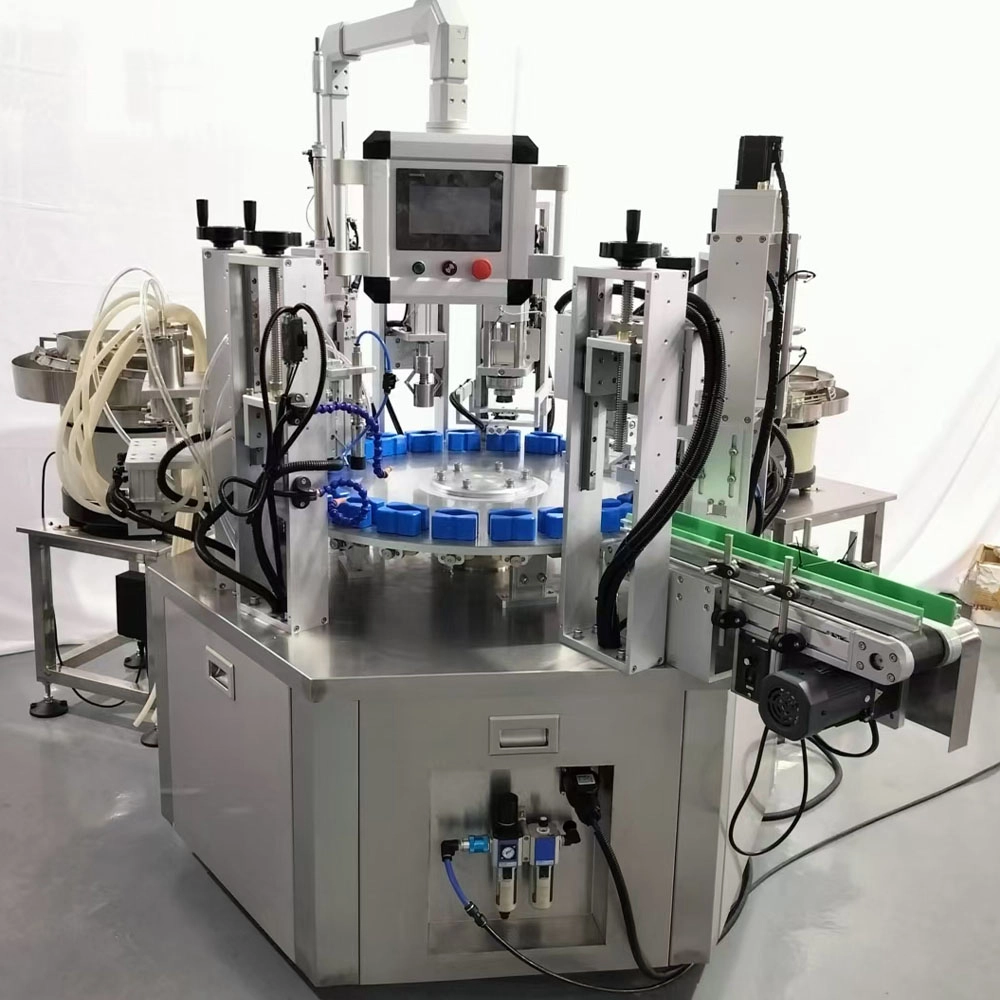
Best Perfume Filling and Capping Machines for Aromatics Production
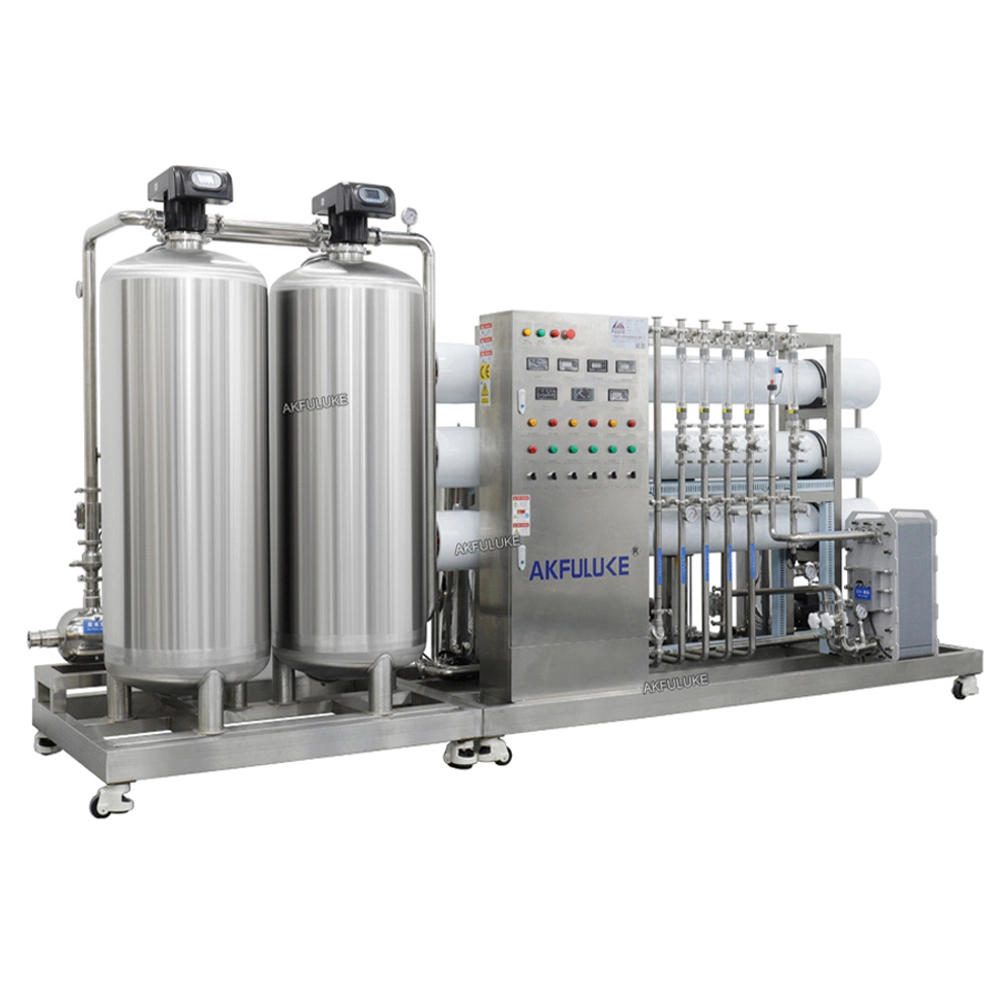
Selecting Materials and Membranes for 99% Desalination Needs
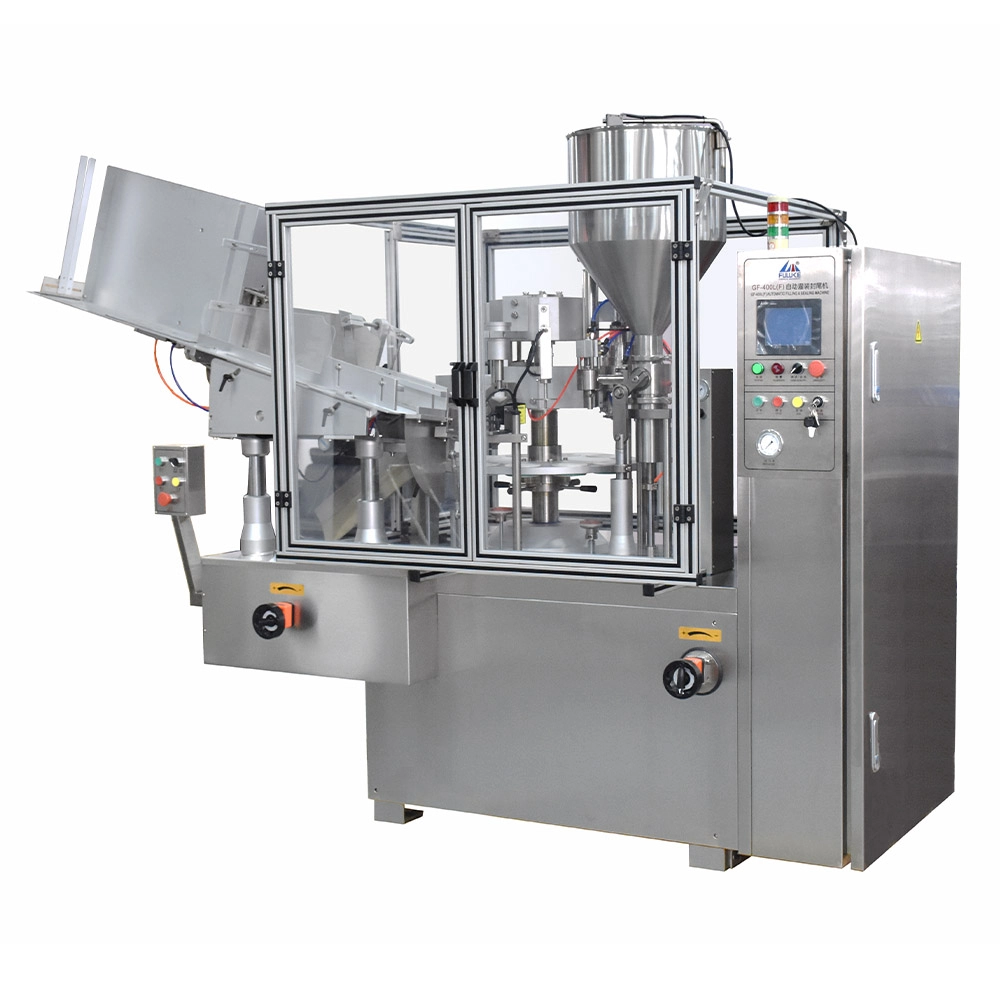
Key Specs B2B Buyers Need in Automatic Tube Filling Machines
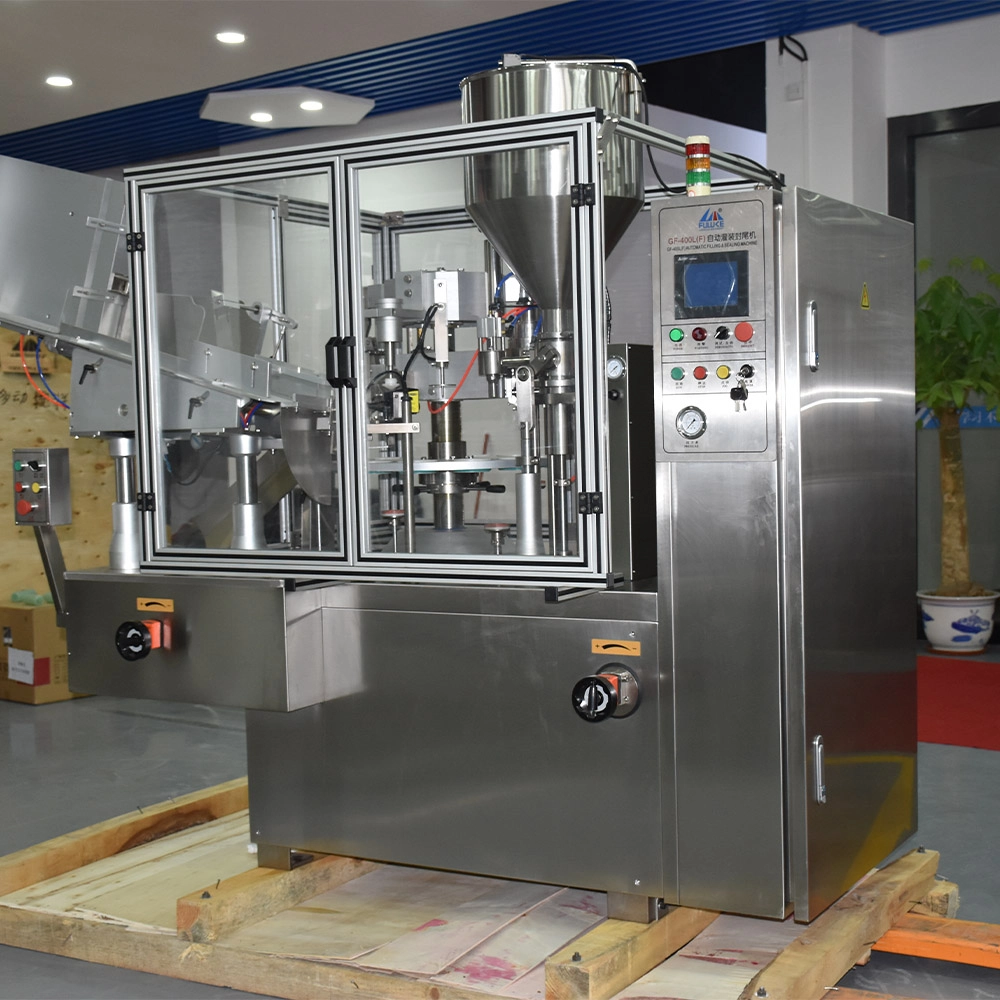
Material Compatibility: Formulas and Tubes for Filling Machines
FAQs
Where is FULUKE headquartered?
Perfume Filling Machine
Can the perfume filling machine accommodate perfume bottles of varying materials and shapes?
Yes. The machine utilizes adjustable mold positions and a PLC control system that allows for one-touch parameter switching, allowing it to accommodate a wide range of bottle shapes, including round, square, and special-shaped ones. The filling capacity range can be flexibly adjusted, and format changeovers take as little as 10 minutes, meeting diverse production needs.
Storage Tank
What can you buy from us?
RO Water Treatment、Vacuum Emulsifying Machine、Homogenizer Mixing Tank、Filling and Capping、labeling Machine、Packing Machine、Storage Tank,etc.
Automatic Tube Filling and Sealing Machine
Can you customize the machine?
Of course, we provide customized services according to customer needs.
Automatic Facial Mask Filling Machine
What can you buy from us?
RO Water Treatment、Vacuum Emulsifying Machine、Homogenizer Mixing Tank、Filling and Capping、labeling Machine、Packing Machine、Storage Tank,etc.
You May Also Like
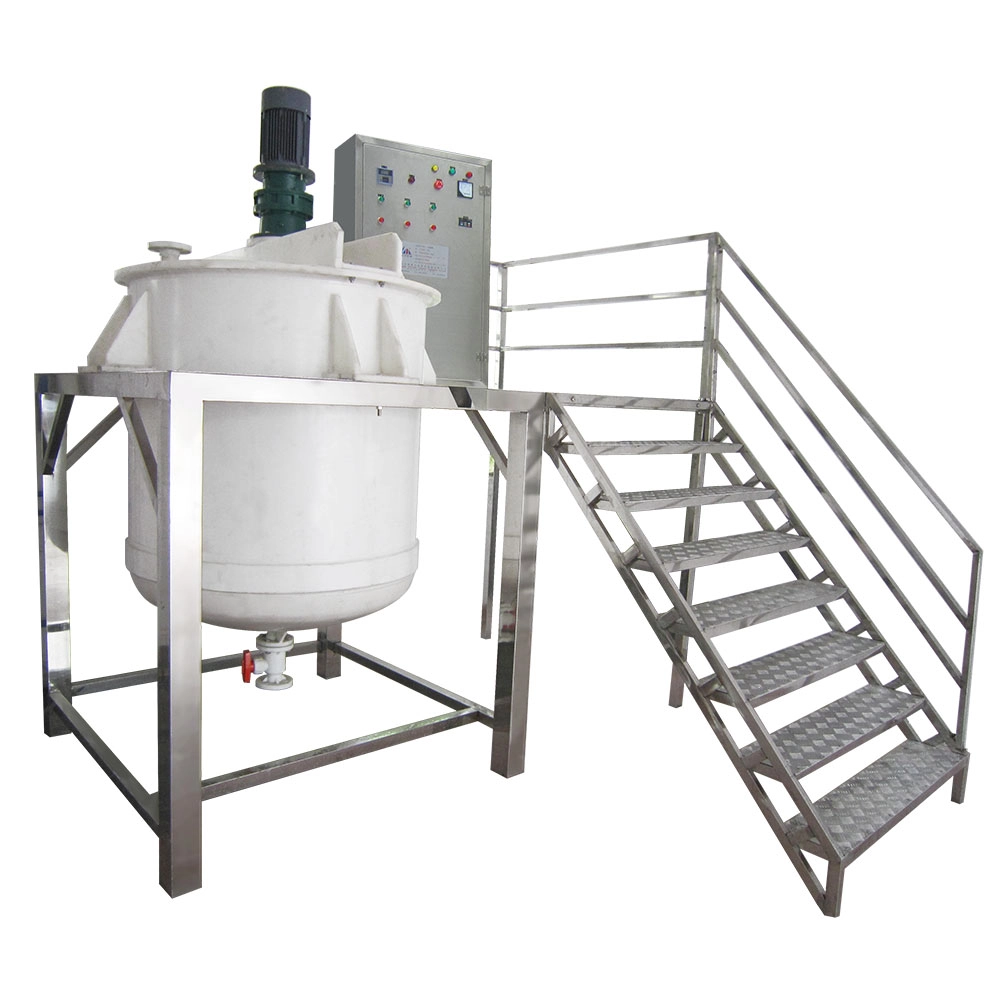
Polypropylene PP Mixing Tank Anti-Corrosion Mixer Reaction Kettle with Agitator Chemical Mixing Vessel
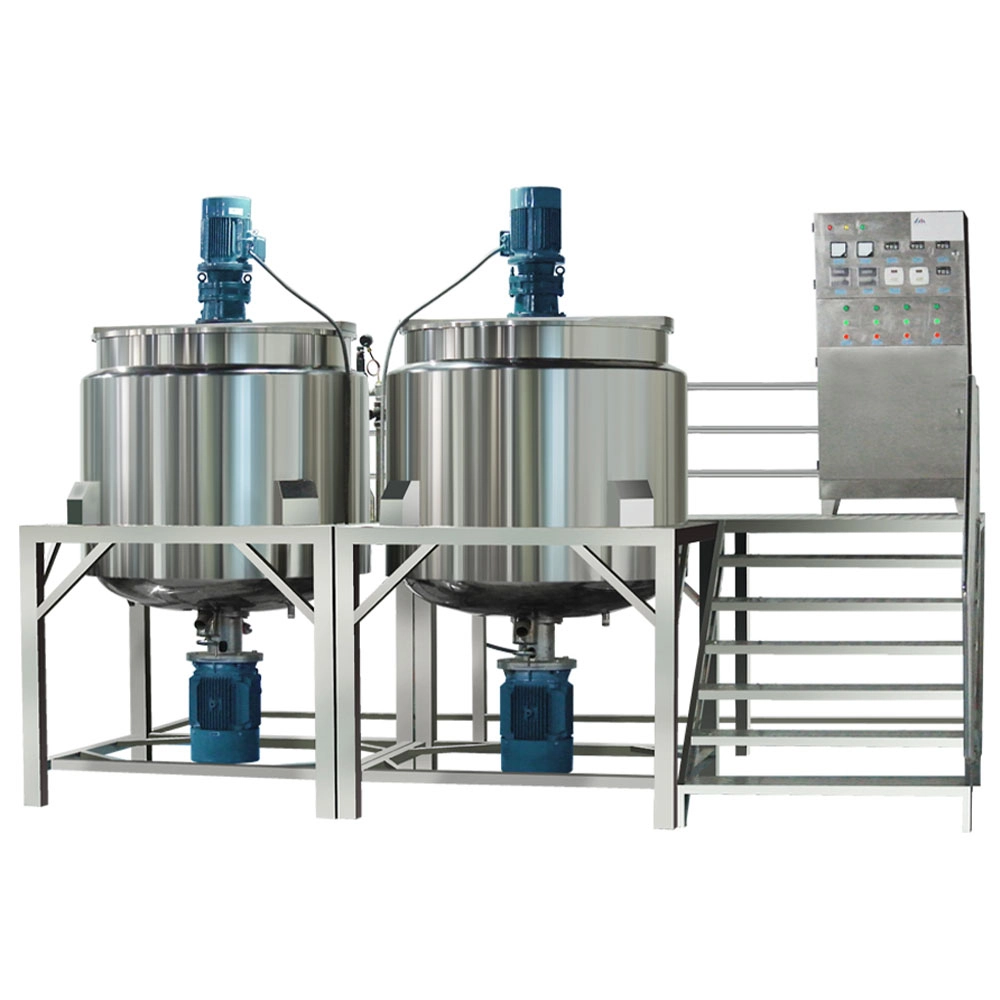
Flip Cover Multi-function Liquid Wash Mixing Tank Blender Liquid Detergent Mixer Homogenization Stirring Tank
Automatic Tube Filling and Sealing Machine Toothpaste Sunscreen and Facial Cleanser Filling and Sealing Machine for Plastic and Aluminum-plastic Tube
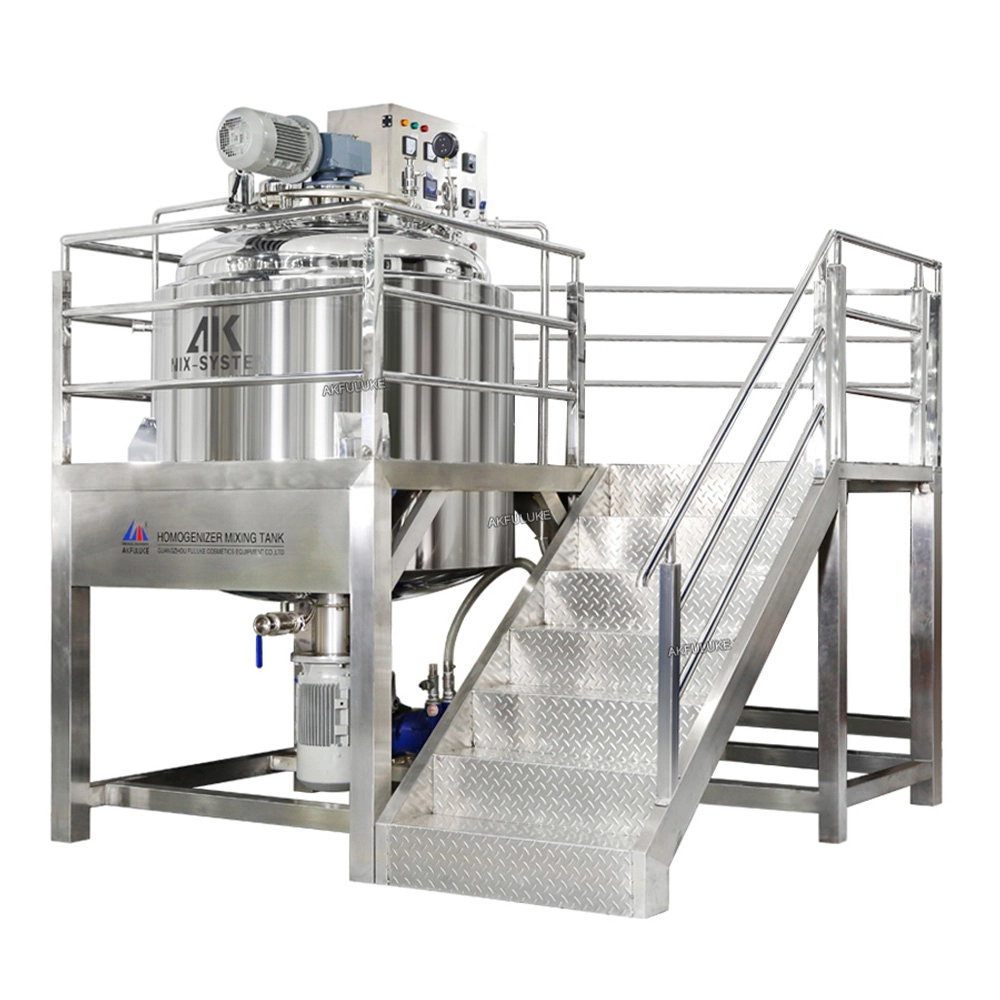
Stainless Steel Mixer Liquid Mixing tank with Agitator Homogenizing Mixing tank Vacuum Sealed Mixer Machine
Get in touch with FULUKE
If you have any comments or good suggestions, please leave us a message, later our professional staff will contact you as soon as possible.

A leading manufacturer specializing in advanced machinery and complete production lines for the cosmetics, food, pharmaceutical, and chemical industries worldwide.
Contact FULUKE
Facebook
Instagram
YouTube