
How Fillers Improve Consistency in Product Lines
- Why Fillers Are Fundamental to Product Consistency
- Reducing Human Error and Process Variation
- Supporting Formulation-Specific Handling
- Traceability and Process Data for Quality Assurance
- Key Features That Improve Consistency
- Precision Dosing Technologies
- Sanitary Construction and Materials
- Container Handling and Changeover Precision
- Selecting and Validating an Automatic Filling Machine
- Match Machine Capabilities to Product Properties
- Acceptance Criteria and Process Validation
- Metrics to Track Post-Installation
- Operational Benefits, Cost Savings, and ROI
- Reduced Waste and Higher First-Pass Yield
- Labor Efficiency and Scalability
- Simple ROI Model
- Integration, Maintenance and Troubleshooting Best Practices
- Integration with Existing Lines and ERP
- Sanitation and Preventive Maintenance
- Common Troubleshooting Scenarios
- Regulatory & Industry Guidance Supporting Automated Filling
- GMP and Cosmetics Manufacturing
- Industry Resources on Packaging Automation
- Technical Reference on Filling Machines
- Frequently Asked Questions (FAQ)
- Q: How do I know if my product needs an automatic filling machine?
- Q: What tolerance can I expect from a high-precision cream and lotion filling machine?
- Q: How difficult is it to change over between container sizes and formulas?
- Q: Are these machines suitable for small-batch or artisanal brands?
- Q: What cleaning/disinfection options are available for emulsions and creams?
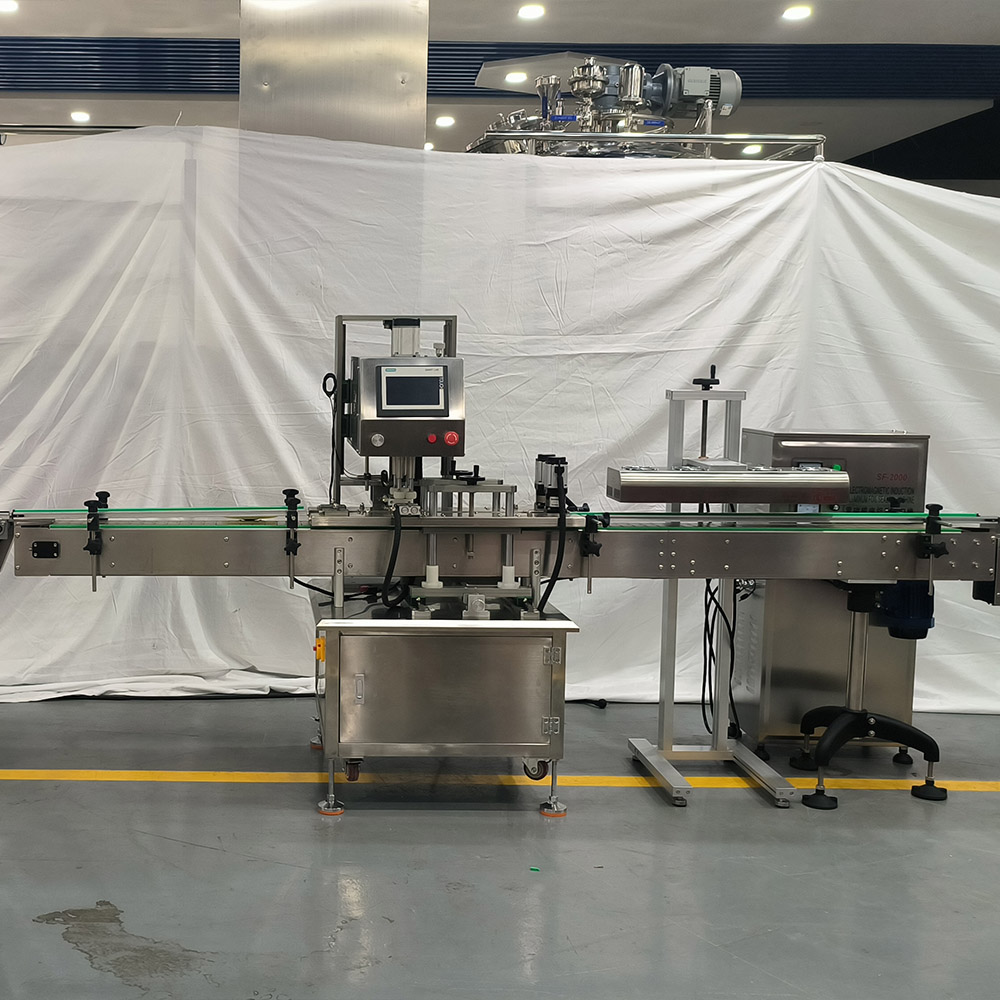
In modern cosmetics and personal care manufacturing, product consistency is critical to brand reputation, regulatory compliance, and cost control. Automated filling systems — especially the automatic filling machine and quantitative liquid bottle filling machines designed for creams, lotions, and liquids — provide controlled, repeatable dispensing that reduces variability between units, supports GMP practices, and enables scalable, data-driven production. This article details how fillers improve consistency across product lines, what to consider when choosing an automatic filling machine, and best practices for validation, maintenance, and process control.
Why Fillers Are Fundamental to Product Consistency
Reducing Human Error and Process Variation
Manual filling introduces operator-to-operator variability: different fill heights, inconsistent speed, and variable timing. An automatic filling machine eliminates most human variability by controlling volumetric or gravimetric dosing precisely and reproducibly. Quantitative liquid bottle filling machines use calibrated pumps, piston systems, or flow meters to ensure each unit receives the same volume or mass within a specified tolerance, minimizing rejects and complaints.
Supporting Formulation-Specific Handling
Creams, lotions, and emulsions have different rheologies (viscosity, thixotropy, shear sensitivity). A high-precision cream and lotion filling machine is designed with features such as gentle piston pumps, variable-speed peristaltic pumps, or servo-controlled dosing that handle viscous or shear-sensitive products without altering texture. This ensures the finished product consumers experience matches the R&D specification.
Traceability and Process Data for Quality Assurance
Modern automatic filling machines integrate intelligent control and touchscreen interfaces that log parameters for each run (fill volume, cycle speed, batch ID). These data records support root-cause analysis when issues arise and help meet regulatory expectations for traceability. For cosmetics and related industries, documented process control is increasingly viewed as a best practice and, in some regions, a regulatory expectation (FDA Cosmetics Guidance).
Key Features That Improve Consistency
Precision Dosing Technologies
Fillers use several dosing methods—piston fillers, pump-based volumetric fillers, time-pressure fillers, and gravimetric systems. Each has trade-offs in accuracy, suitable viscosity range, and cost. For high-precision cream and lotion filling, piston or positive-displacement pumps often provide the tightest tolerances for viscous products. Choosing the correct dosing mechanism is the first step to minimize unit-to-unit variance.
Sanitary Construction and Materials
Consistent product quality requires materials that do not react with formulations or shed particles. Machines constructed with 316L/304 stainless steel for wetted parts reduce contamination risk and comply with good manufacturing practice (GMP) expectations. The product description below highlights these features in context:
The automatic filling machine integrates automated conveying, precision filling, and intelligent control for packaging creams, lotions, and liquids. Suitable for a variety of containers, including glass and PET bottles, it can fill liquids, emulsions, and pastes with high precision.
Constructed with 316L/304 stainless steel contact components and compliant with GMP standards, it features a touchscreen interface for quick parameter adjustment and completes the entire process without manual intervention. Widely used in the cosmetics, food, daily chemical, pharmaceutical, and chemical industries, it helps companies reduce costs, increase efficiency, and ensure product standardization.
Container Handling and Changeover Precision
Consistency is not only about dosing—container placement, orientation, and capping torque also impact product quality and customer perception. Automatic filling machines with reliable conveyors, adjustable guides, and servo-driven capping stations maintain consistent headspace, fill height, and final presentation. Fast, validated changeovers between bottle sizes and formats maintain consistency across multiple SKUs.
Selecting and Validating an Automatic Filling Machine
Match Machine Capabilities to Product Properties
Start by characterizing the product: viscosity, particle load, shear sensitivity, foaming tendency, and temperature dependency. For viscous creams, choose machines with sufficient pump torque and gentle displacement dosing. For low-viscosity serums, volumetric or flow-meter based systems may be ideal. Documenting these properties supports a fit-for-purpose equipment selection.
Acceptance Criteria and Process Validation
Define acceptance criteria up front: target fill volume, allowable tolerance (e.g., ±1–2% for high-value serums; ±3–5% for lotions), acceptable reject rate, and cycle time. Validate these criteria through installation qualification (IQ), operational qualification (OQ), and performance qualification (PQ). Use batch records and logged machine data to demonstrate that the automatic filling machine consistently meets specified limits. Reference to GMP principles and guidance is useful when designing validation protocols (see WHO GMP guidance WHO GMP guidance).
Metrics to Track Post-Installation
Key performance indicators (KPIs) to monitor include fill accuracy (mean and standard deviation), yield (good units/total units), downtime per shift, and mean time between failures (MTBF). These metrics help quantify improvements after implementing an automatic filling machine and provide a basis for continuous improvement.
Operational Benefits, Cost Savings, and ROI
Reduced Waste and Higher First-Pass Yield
Precision dosing reduces overfills and underfills. Overfilling is a direct material loss; underfilling can cause customer dissatisfaction or regulatory issues. The combination of tighter tolerances and better container handling increases first-pass yield and reduces rework.
Labor Efficiency and Scalability
An automatic filling machine performs repetitive tasks without fatigue and frees skilled operators for higher-value work (QC, formulation, packaging design). This enables scale-up without proportional increases in headcount and reduces variability associated with shift-to-shift operator differences.
Simple ROI Model
Below is a simplified comparison demonstrating typical improvements when upgrading from manual/semi-automatic filling to a fully automatic filling machine. Values are illustrative — calculate with your own production and labor rates for decision-making.
| Metric | Manual/Semi-Auto | Automatic Filling Machine |
|---|---|---|
| Fill accuracy (±) | ±5%–8% | ±1%–2% |
| Throughput (units/hr) | 300–600 | 1,200–6,000+ |
| Labor (operators/shift) | 3–6 | 1–2 |
| Estimated material waste | 1–3% of raw material | 0.2–0.8% of raw material |
Even taking conservative estimates, reduced waste and labor savings can often justify the capital expense within 12–36 months, depending on scale and product value.
Integration, Maintenance and Troubleshooting Best Practices
Integration with Existing Lines and ERP
Ensure the automatic filling machine supports communication protocols needed for integration into supervisory control and data acquisition (SCADA) systems or enterprise resource planning (ERP). Data export for batch records and SPC (statistical process control) should be configurable. Many modern machines provide standard communication ports and configurable data logging for this purpose.
Sanitation and Preventive Maintenance
Design cleaning and maintenance protocols based on product sensitivity. Machines with easily removable 316L/304 stainless steel contact parts and clean-in-place (CIP) capability shorten sanitation cycles and reduce human error during cleaning. Follow manufacturer-recommended preventive maintenance schedules to preserve dosing accuracy and reduce unexpected downtime.
Common Troubleshooting Scenarios
Typical issues and remedies:
- Inconsistent fills: Check pump calibration, air entrainment, and suction lines for blockages or leaks.
- Foaming during fill: Reduce pump speed, adjust valve timing, or modify filling nozzle position.
- Excessive rejects after changeover: Verify recipe parameters, check servo positions, and perform test runs to re-establish headspace and fill targets.
Regulatory & Industry Guidance Supporting Automated Filling
GMP and Cosmetics Manufacturing
Adoption of sanitary equipment and controlled processes aligns with industry-recognized good manufacturing practices. For cosmetics, regulatory frameworks emphasize product safety and proper manufacturing controls; see the FDA cosmetics page (FDA Cosmetics) and ISO guidance related to cosmetics manufacturing (ISO 22716 overview: ISO 22716).
Industry Resources on Packaging Automation
Organizations such as the Packaging Machinery Manufacturers Institute provide practical information on filling technologies and machine selection that can help formulators and production managers compare options and understand trade-offs (PMMI).
Technical Reference on Filling Machines
For general background on filling equipment types and considerations, consult the technical overview available on industry knowledge bases (see overview on filling machines: Filling machine — Wikipedia).
Frequently Asked Questions (FAQ)
Q: How do I know if my product needs an automatic filling machine?
A: Evaluate your consistency requirements, current reject rates, labor costs, and throughput needs. If you need tighter tolerances, higher throughput, or better traceability, an automatic filling machine—such as a quantitative liquid bottle filling machine or high-precision cream and lotion filling machine—will likely provide measurable benefits.
Q: What tolerance can I expect from a high-precision cream and lotion filling machine?
A: Typical tolerances for well-maintained automatic systems range from ±0.5% to ±2% depending on dosing method and product viscosity. Define acceptance criteria during equipment selection and validate using OQ/PQ protocols.
Q: How difficult is it to change over between container sizes and formulas?
A: Modern machines feature quick-adjust rails, programmable recipes, and modular nozzles to speed changeovers. Proper SOPs and trained technicians make changeovers fast and repeatable—often under an hour for similar formats.
Q: Are these machines suitable for small-batch or artisanal brands?
A: Yes. Small-batch manufacturers can benefit from compact automatic filling machines that preserve consistency while maintaining cost-effectiveness. Machines can be sized and configured to match batch sizes and production schedules.
Q: What cleaning/disinfection options are available for emulsions and creams?
A: Options include manual disassembly for cleaning, clean-in-place (CIP) loops for recirculation cleaning, and steam or solvent-compatible wetted parts. Choosing 316L stainless steel for contact parts improves compatibility with common sanitizers and reduces corrosion risk.
If you have a specific formulation or packaging challenge, our team can evaluate your product and recommend the best configuration. To learn more about how the Automatic Filling Machine Quantitative Liquid Bottle Filling Machine High-precision cream and lotion filling machine can improve consistency across your product lines, contact our sales engineers or request a quote.
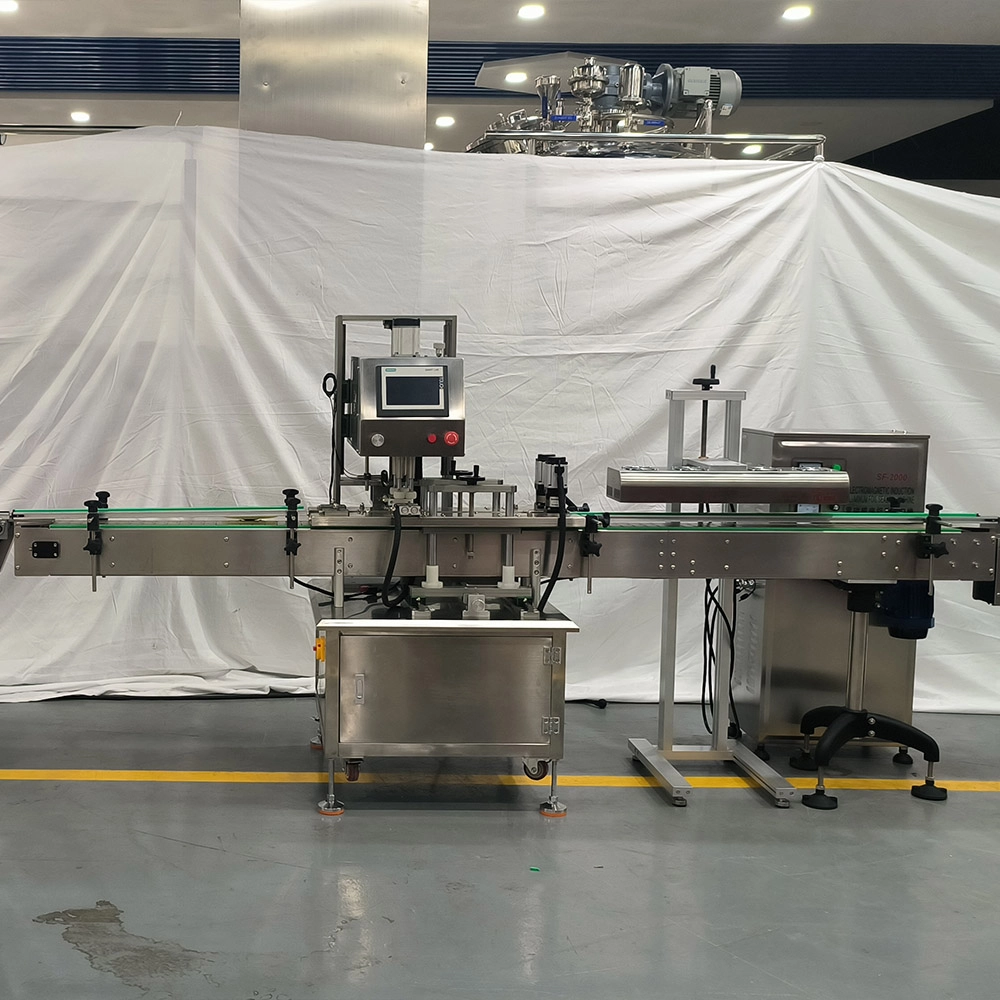
How to Choose a Quantitative Liquid Bottle Filling Machine
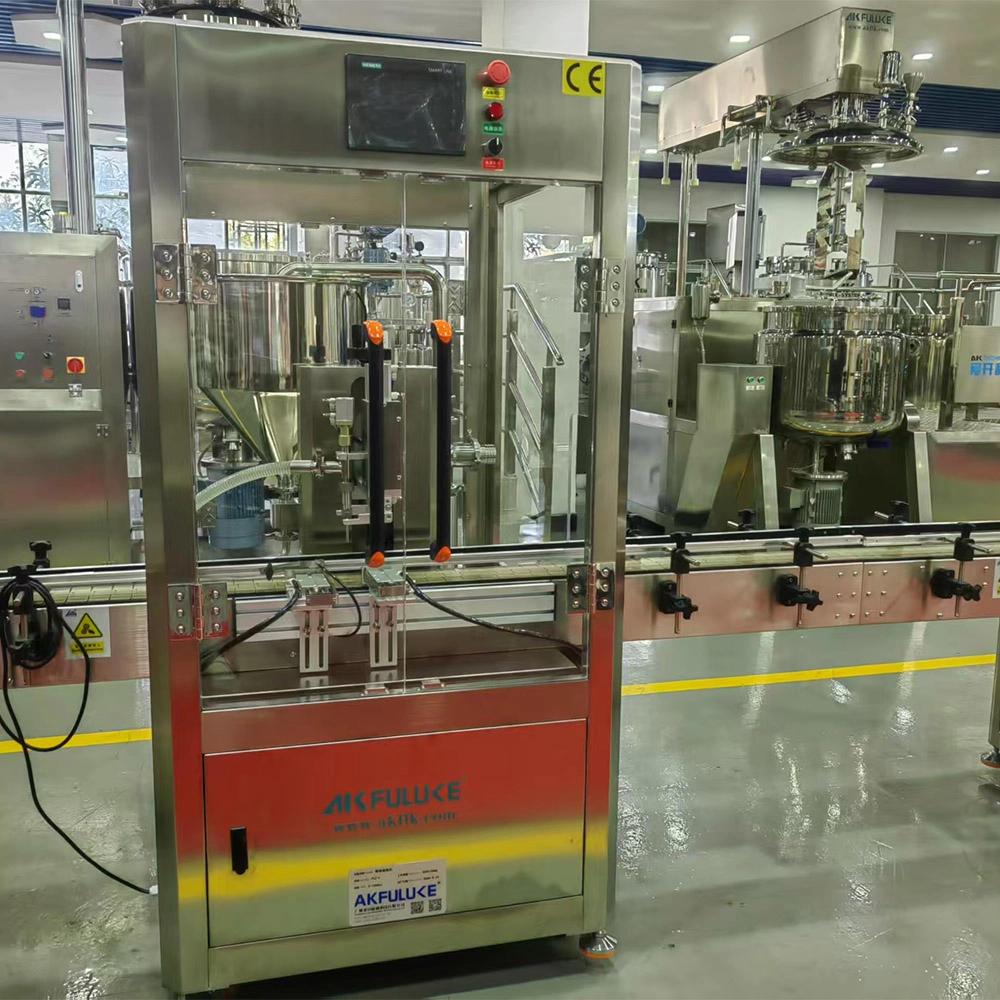
How Quantitative Filling Ensures Consistent Product Weight
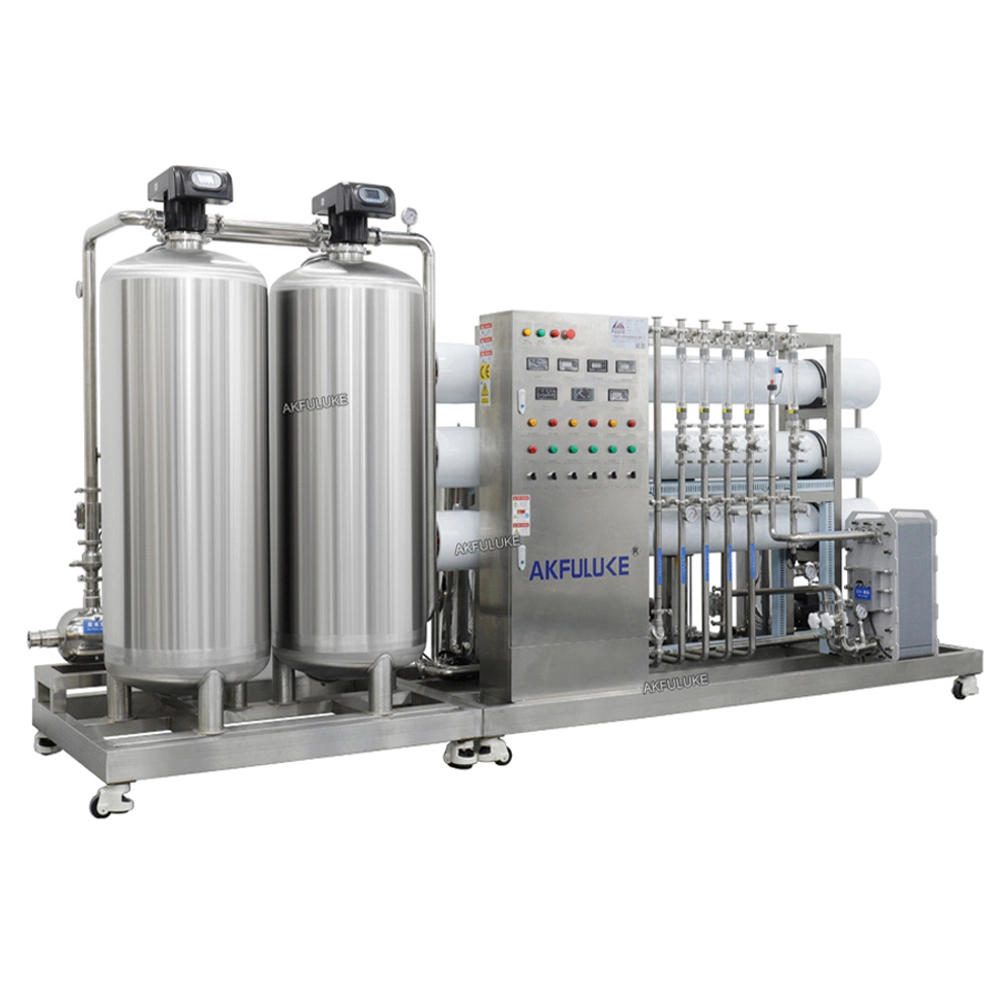
Integration: Pre-treatment and Post-treatment for RO Installations
How to Customize Fill Volumes for Different Product SKUs
Polypropylene PP Mixing Tank
What is the structure of an agitator?
The agitator usually consists of enamel anchor agitator.
Automatic Labeling Machine
After a few years of use, the equipment's labeling accuracy has decreased. What could be the problem?
Decreased accuracy is often related to component wear. Focus on inspecting three areas.
Inspect the labeling roller: Surface wear or adhesive buildup can cause unstable label feeding and require replacement.
Inspect the servo motor: Motor aging can cause unstable speed. Contact maintenance personnel to inspect the motor's performance.
Inspect the photoelectric sensor: Dust accumulation or reduced sensitivity on the lens can affect positioning. Clean the lens or recalibrate it.
Inkjet Printing Machine
What can you buy from us?
RO Water Treatment、Vacuum Emulsifying Machine、Homogenizer Mixing Tank、Filling and Capping、labeling Machine、Packing Machine、Storage Tank,etc.
Perfume Freezing Filter Making Machine
Can you customize the machine?
Of course, we provide customized services according to customer needs.
Automatic Tube Filling and Sealing Machine
What can you buy from us?
RO Water Treatment、Vacuum Emulsifying Machine、Homogenizer Mixing Tank、Filling and Capping、labeling Machine、Packing Machine、Storage Tank,etc.
You May Also Like
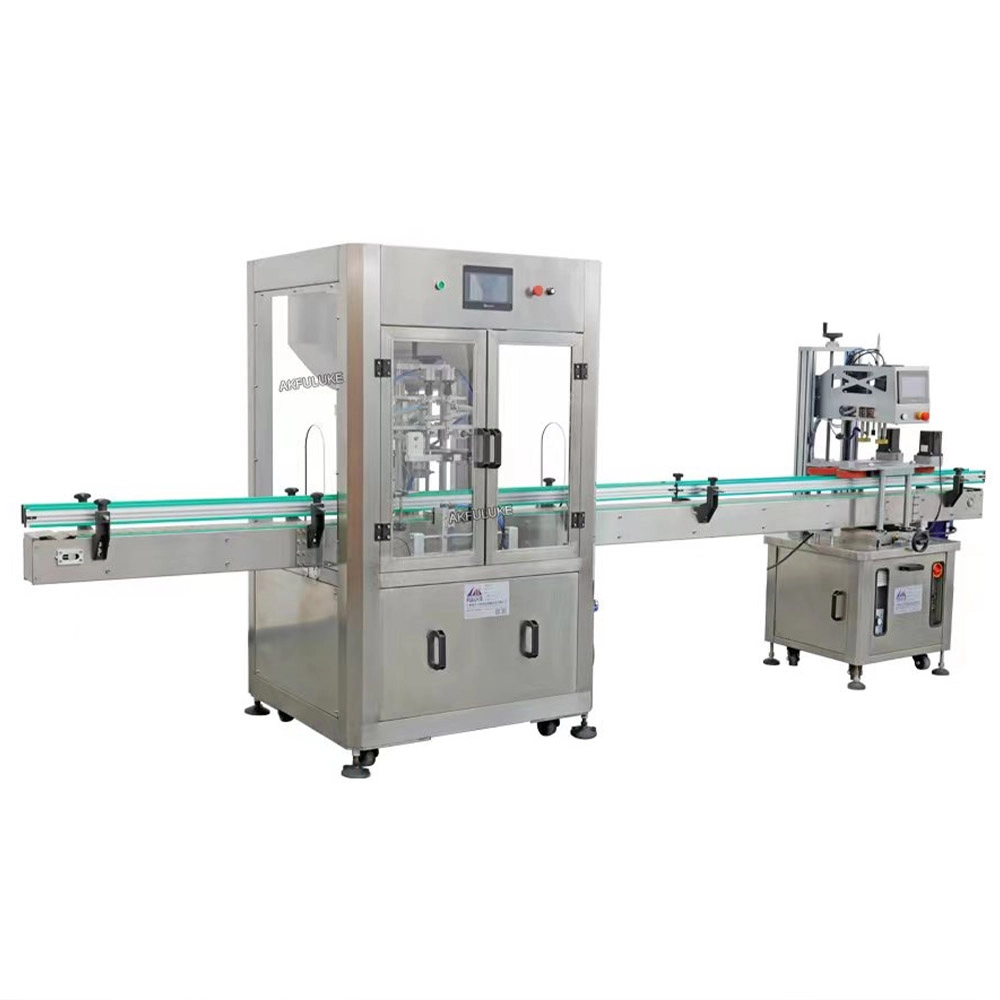
Automatic Filling Machine Quantitative Liquid Bottle Filling Machine High-precision cream and lotion filling machine
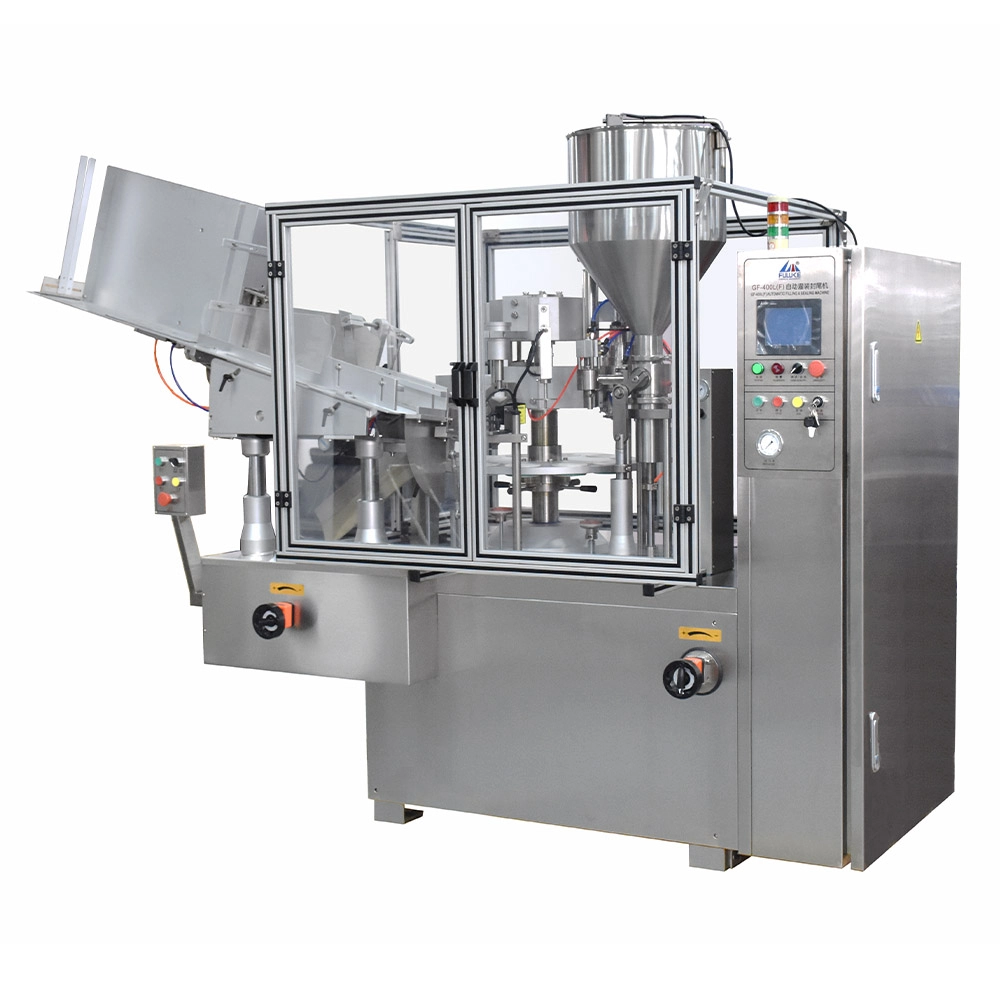
Automatic Tube Filling and Sealing Machine Toothpaste Sunscreen and Facial Cleanser Filling and Sealing Machine for Plastic and Aluminum-plastic Tube
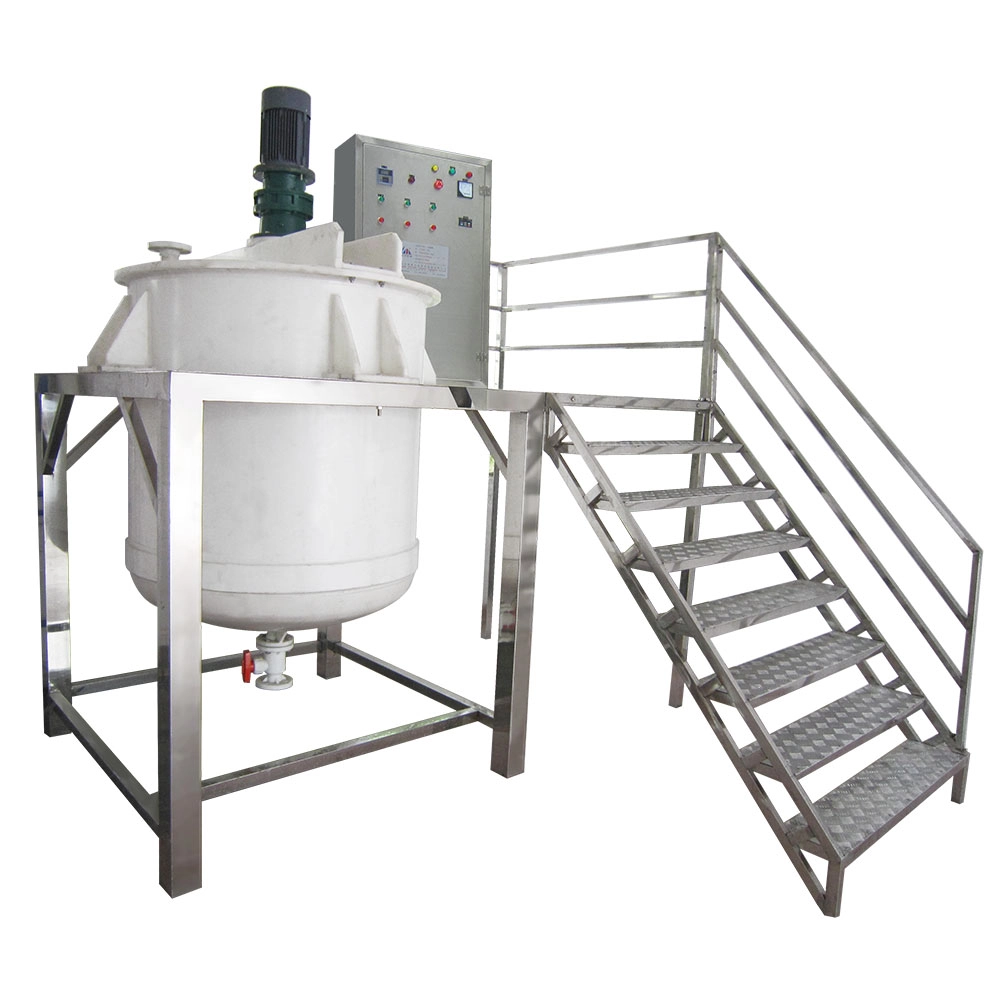
Polypropylene PP Mixing Tank Anti-Corrosion Mixer Reaction Kettle with Agitator Chemical Mixing Vessel
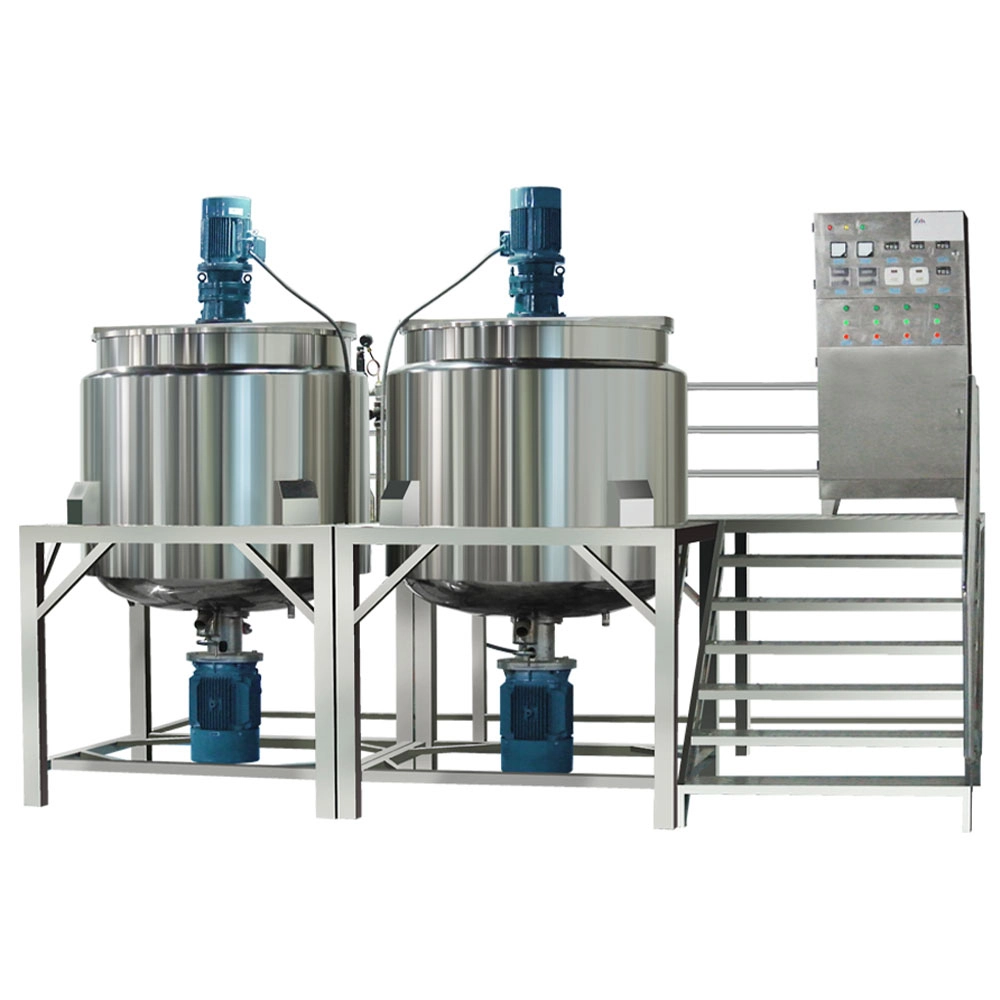
Flip Cover Multi-function Liquid Wash Mixing Tank Blender Liquid Detergent Mixer Homogenization Stirring Tank
Get in touch with FULUKE
If you have any comments or good suggestions, please leave us a message, later our professional staff will contact you as soon as possible.

A leading manufacturer specializing in advanced machinery and complete production lines for the cosmetics, food, pharmaceutical, and chemical industries worldwide.
Contact FULUKE
Facebook
Instagram
YouTube