
Hygienic Design Principles for Cosmetic Filling Machines
- Importance of Hygienic Design for Cosmetic Production
- Protecting product safety and shelf life
- Regulatory and brand trust implications
- Core Hygienic Design Principles for Liquid Filling Machines
- Material selection and surface finish
- Sealing, drainability, and cleanability
- Minimizing contamination risks: valves, seals and interfaces
- Applying Principles to the Automatic Filling Machine Quantitative Liquid Bottle Filling Machine High-precision cream and lotion filling machine
- Design features that support hygiene and precision
- Operational hygiene: automation, CIP, SIP and controls
- Validation, Maintenance, and Choosing the Right Machine
- Validation protocols and documentation
- Maintenance schedules and spare parts strategy
- Selection checklist and ROI considerations
- Implementation Best Practices and Troubleshooting
- Cleaning protocol optimization
- Monitoring and environmental controls
- Common issues and corrective actions
- References and Standards
- Frequently Asked Questions (FAQ)
- Q1: What makes a filling machine hygienic?
- Q2: Can the Automatic Filling Machine Quantitative Liquid Bottle Filling Machine handle both creams and lotions?
- Q3: How do I validate cleaning for a cosmetic filling line?
- Q4: Is 316L necessary or is 304 sufficient?
- Q5: How does automation affect hygienic risk?
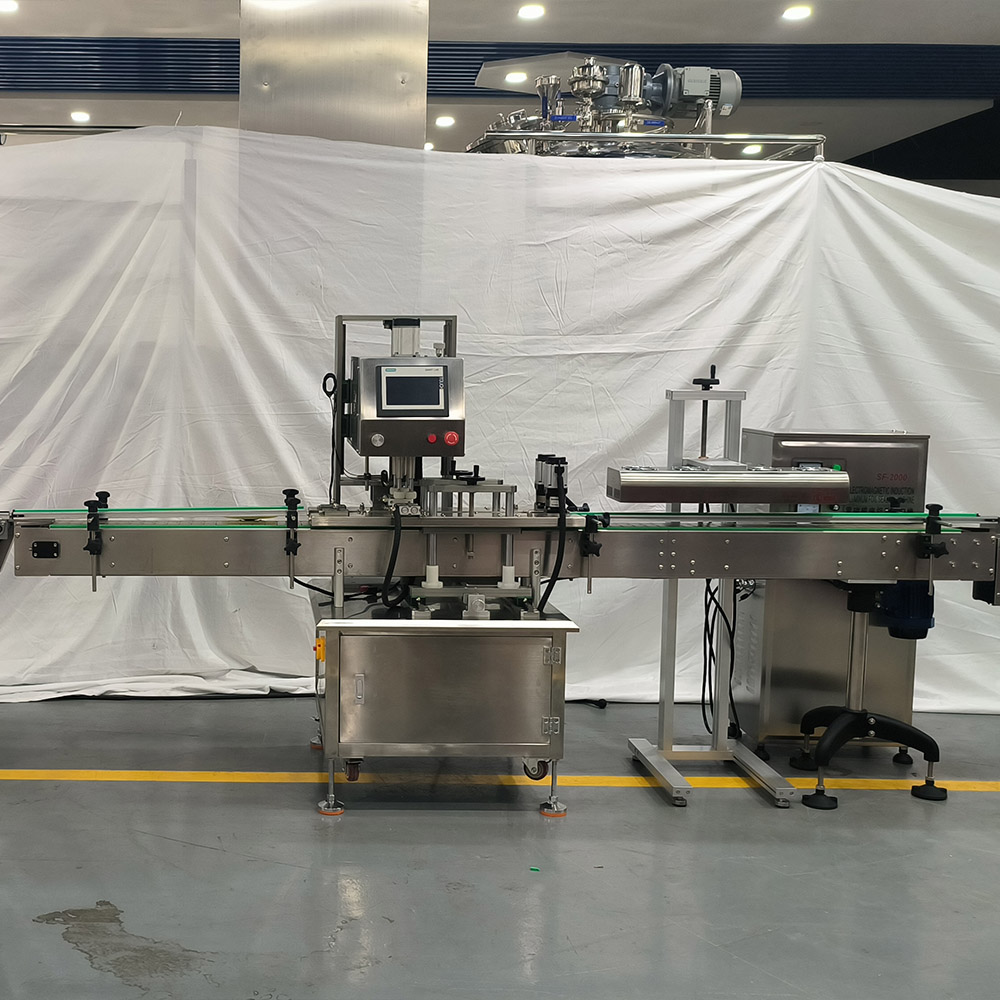
This article provides a concise, search-optimized overview of hygienic design principles for cosmetic filling equipment—especially liquid filling machines used for creams, lotions and emulsions. It focuses on practical, standards-based guidance to help manufacturers select and validate equipment, implement cleaning and maintenance programs, and reduce contamination risks while increasing production efficiency. The recommendations are grounded in Good Manufacturing Practice (GMP) and recognized industry standards to support compliance and consumer safety.
Importance of Hygienic Design for Cosmetic Production
Protecting product safety and shelf life
Hygienic design is the foundation for producing safe cosmetic products. A liquid filling machine that follows hygienic design principles minimizes microbial contamination, particulate ingress, and cross-contamination between product batches. This is especially critical for creams and lotions that contain water and emollients, which can support microbial growth if contamination occurs. Using appropriate materials, smooth surface finishes, and easily cleanable geometries preserves product integrity and shelf life.
Regulatory and brand trust implications
Manufacturers must demonstrate that their equipment and processes meet applicable regulatory expectations and voluntary standards. The cosmetics industry often aligns with guidance such as ISO 22716 (cosmetics GMP) and general Good Manufacturing Practice principles (GMP - Wikipedia), and consults regulatory resources such as the U.S. FDA's cosmetics information (FDA - Cosmetics). A well-documented hygienic design reduces product recalls, regulatory risk, and protects brand reputation.
Core Hygienic Design Principles for Liquid Filling Machines
Material selection and surface finish
Select contact materials that resist corrosion, are non-reactive with cosmetic formulations, and can withstand frequent cleaning. 316L and 304 stainless steels are industry standards for wetted parts because of their corrosion resistance and cleanability. The Automatic Filling Machine Quantitative Liquid Bottle Filling Machine High-precision cream and lotion filling machine utilizes 316L/304 stainless steel for contact components to meet GMP expectations and reduce the risk of leachables or corrosion-related contamination. Smooth surface finishes (Ra values specified by your QA) and electropolishing where appropriate reduce microbial attachment and biofilm formation; you can review stainless steel properties for hygienic purposes (Stainless steel - Wikipedia).
Sealing, drainability, and cleanability
Hygienic design emphasizes eliminating dead legs, ensuring full drainability, and enabling effective cleaning. Filling heads, nozzles and product manifolds should be sloped and designed for full drainage; fittings should avoid internal recesses where residues can accumulate. Integrate clean-in-place (CIP) and, where needed, steam-in-place (SIP) systems so the machine can be sanitized without full disassembly. For background on CIP practices, see Clean-in-place - Wikipedia.
Minimizing contamination risks: valves, seals and interfaces
Choose hygienic aseptic valves, FDA/USP-compliant elastomers, and minimal connectors. Quick-disconnects should be designed for hygienic use (hygienic couplings) and positioned for easy inspection. Avoid external accumulations by designing smooth transitions between components and sealing control enclosures to prevent ingress of product or cleaning fluids. Where possible, separate wet and dry areas on the line to limit aerosol transfer and particulate movement.
Applying Principles to the Automatic Filling Machine Quantitative Liquid Bottle Filling Machine High-precision cream and lotion filling machine
Design features that support hygiene and precision
The specified automatic filling machine integrates automated conveying, precision filling, and intelligent control—beneficial for consistent hygiene and process control. Key hygienic features to verify when evaluating this model include:
- 316L/304 stainless steel wetted parts and sanitary finishes;
- Fill heads and nozzles with full drainability and CIP compatibility;
- Seamless product paths and minimal dead legs;
- Touchscreen-controlled recipes and fill volumes to reduce manual interventions that risk contamination.
These features ensure the equipment can handle a variety of containers (glass, PET) and product types (liquid, emulsion, paste) while maintaining hygienic integrity and high-precision dosing.
Operational hygiene: automation, CIP, SIP and controls
Automation reduces human contact with product, which is one of the most significant contamination vectors. The touchscreen and programmable control systems allow quick parameter changes and recipe recall, while onboard diagnostics and alarm systems reduce the chance of a contaminated batch progressing undetected.
Implement CIP/SIP cycles validated for your formulation and residue profile. The machine should support programmable cleaning cycles and record the process for traceability. For guidance on validation and process controls, ISO 22716 (cosmetics GMP) provides useful principles (ISO 22716 - Cosmetics GMP).
Validation, Maintenance, and Choosing the Right Machine
Validation protocols and documentation
Validation demonstrates that the liquid filling machine consistently produces products meeting specifications. Typical documentation includes IQ (Installation Qualification), OQ (Operational Qualification), and PQ (Performance Qualification). Validation should include microbial and residue swab tests, rinse curve analysis for CIP, and dosing accuracy checks (weight-based or volumetric) across the machine's operating range.
Maintenance schedules and spare parts strategy
Establish preventive maintenance intervals for seals, pumps, valves, and sensors. Maintain an inventory of critical spare parts—gaskets, diaphragms, seals and nozzle tips—to minimize downtime. Keep maintenance records aligned with GMP expectations so you can demonstrate routine upkeep during inspections.
Selection checklist and ROI considerations
When choosing a liquid filling machine for cosmetics, evaluate along these axes: hygienic design features, dosing accuracy, versatility (container and product types), automation level, CIP/SIP capability, and service/support availability. Investing in hygienic design typically reduces cleaning time, lowers contamination risks, and decreases batch losses—improving overall return on investment.
| Feature | Hygienic Design Benefit | Impact on Production |
|---|---|---|
| 316L/304 stainless steel wetted parts | Corrosion resistance; smooth surface; easier sanitization | Longer equipment life; less downtime; reduced contamination risk |
| CIP/SIP capable manifolds | Effective cleaning without disassembly | Faster turnaround between batches and less labor |
| Full drainability & minimized dead legs | Limits residue retention and biofilm formation | Lower microbial counts; fewer recalls |
| Automated controls and recipe management | Reduces manual interventions and human error | Consistent fills; traceability and auditability |
Implementation Best Practices and Troubleshooting
Cleaning protocol optimization
Develop cleaning protocols specific to product classes (oil-rich creams versus water-based lotions). Use validation endpoints such as total organic carbon (TOC) or conductivity for rinse validation and swab tests for residue checks. Make cleaning SOPs accessible via the machine's HMI and maintain change-control for any SOP updates.
Monitoring and environmental controls
Install particle and microbial monitoring in the filling area if products are highly sensitive. Maintain positive air pressure differentials and HEPA filtration where needed. Separation of preparation, filling, and packaging zones reduces cross-contamination risk.
Common issues and corrective actions
- Residue accumulation at fittings: inspect and replace worn seals; redesign fittings to eliminate recesses.
- Inconsistent fill weights: verify pump calibration, check tubing for wear, and confirm air entrainment is not occurring.
- Post-clean microbial positives: review CIP parameters (temperature, time, chemical concentration) and verify drainability and contact times.
References and Standards
Recommended references for further reading and compliance:
- Good manufacturing practice (GMP) - Wikipedia
- ISO 22716 Cosmetics — Good Manufacturing Practices (ISO)
- U.S. Food & Drug Administration — Cosmetics
- Clean-in-place (CIP) - Wikipedia
Frequently Asked Questions (FAQ)
Q1: What makes a filling machine hygienic?
A hygienic filling machine is designed to minimize contamination risk through material selection (e.g., 316L stainless steel), smooth surfaces, full drainability, minimal dead legs, sanitary valves, and CIP/SIP compatibility. Automation to minimize manual product handling is also a major factor.
Q2: Can the Automatic Filling Machine Quantitative Liquid Bottle Filling Machine handle both creams and lotions?
Yes. This automatic filling machine is designed for liquids, emulsions, and pastes, supporting creams and lotions with high precision. Its sanitary materials, configurable fill heads, and programmable controls make it suitable for a range of viscosities and container types.
Q3: How do I validate cleaning for a cosmetic filling line?
Validation typically follows IQ/OQ/PQ processes and includes visual inspections, rinse curve analysis, TOC or conductivity endpoints, and microbiological swabs. Documented acceptance criteria, validated CIP/SIP parameters, and traceable records are essential for GMP compliance.
Q4: Is 316L necessary or is 304 sufficient?
304 stainless steel is acceptable for many applications, but 316L offers superior corrosion resistance—especially important for repeated exposure to saline, acids, or chlorine-based cleaning agents. For extended longevity and minimized risk of corrosion-related contamination, 316L is preferred for wetted parts.
Q5: How does automation affect hygienic risk?
Automation reduces human contact, reduces manual handling errors, and ensures repeatable CIP/SIP cycles, all of which reduce hygienic risk. However, automated systems must be properly validated, and their software controls kept secure and documented.
For more detailed specifications or to schedule a demo of the Automatic Filling Machine Quantitative Liquid Bottle Filling Machine High-precision cream and lotion filling machine, contact our sales team or view the product page. Our specialists can provide validation templates, CIP protocols, and ROI calculations tailored to your production needs.
Contact us: For specifications, quotations, or to arrange an on-site evaluation, please reach out to our sales engineers or visit the product page to learn more about how this high-precision liquid filling machine can improve hygiene, efficiency, and compliance.
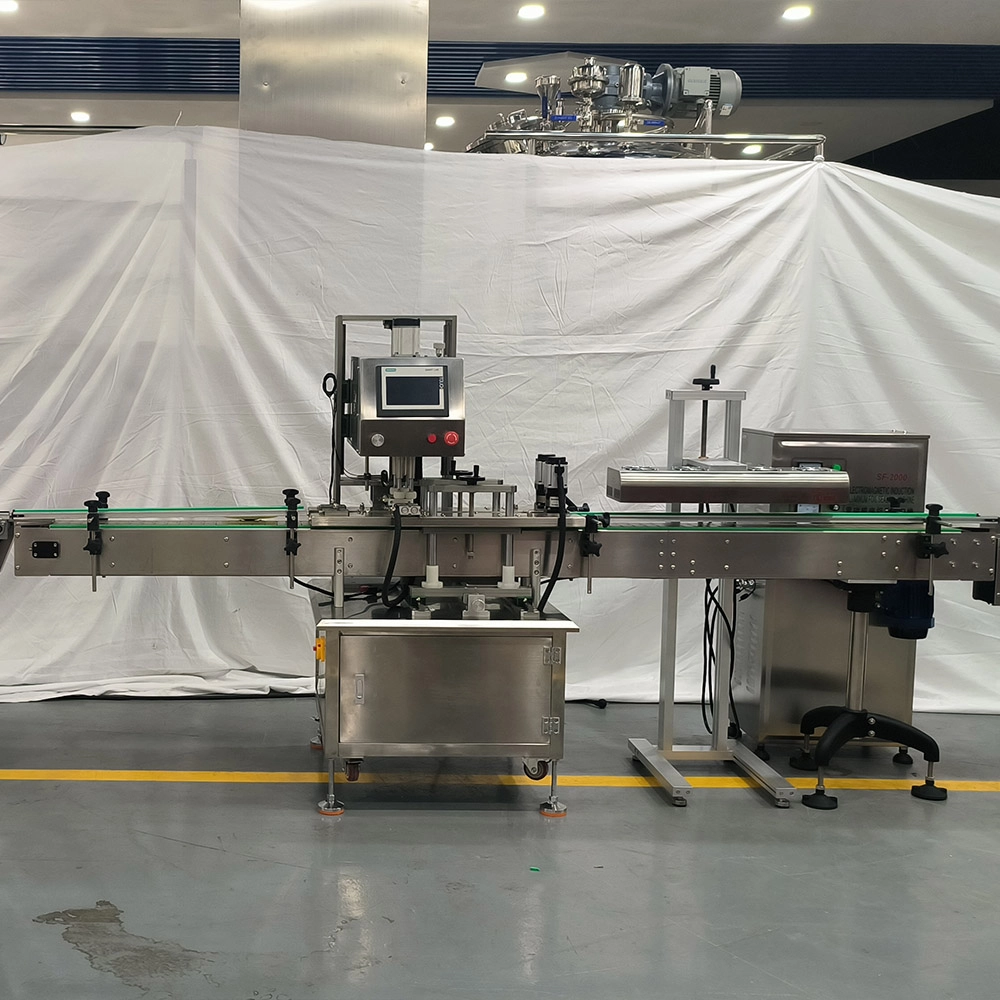
Filling Accuracy Testing Methods for Cosmetic Products
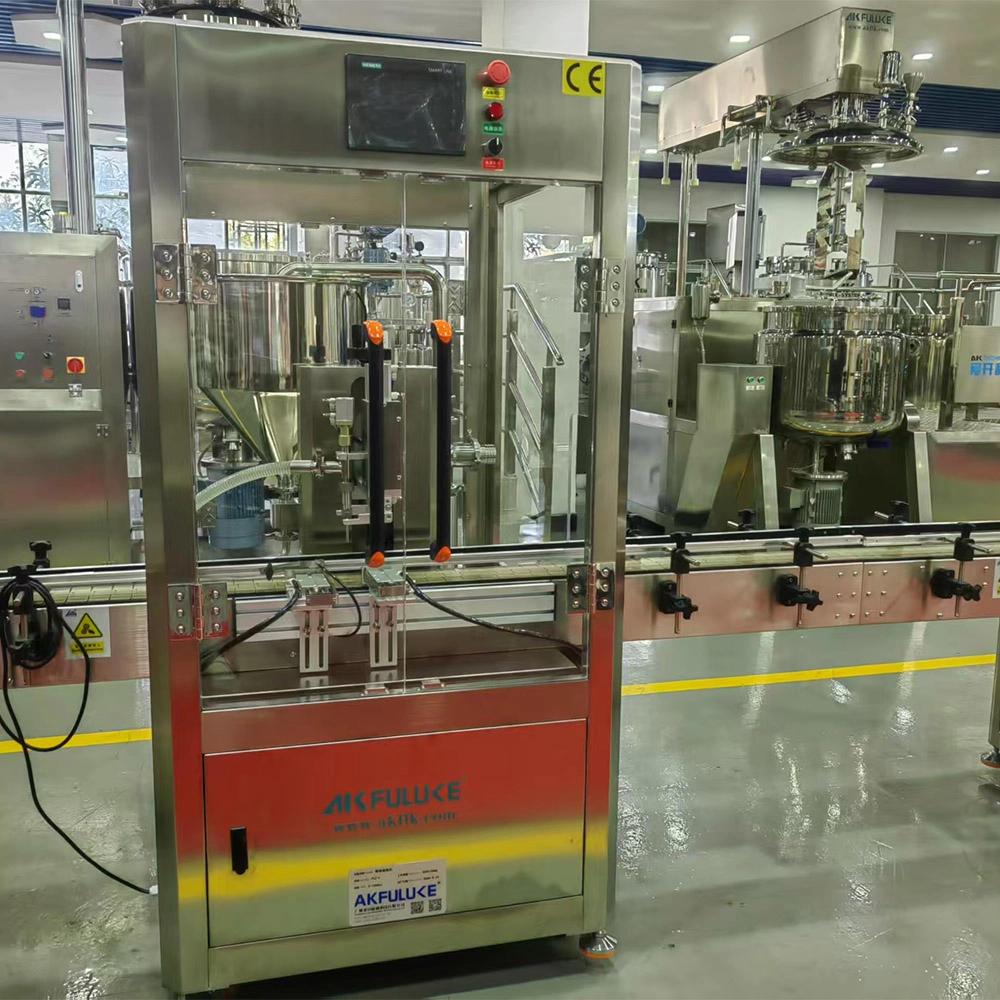
Comparing Piston and Peristaltic Liquid Filling Technologies
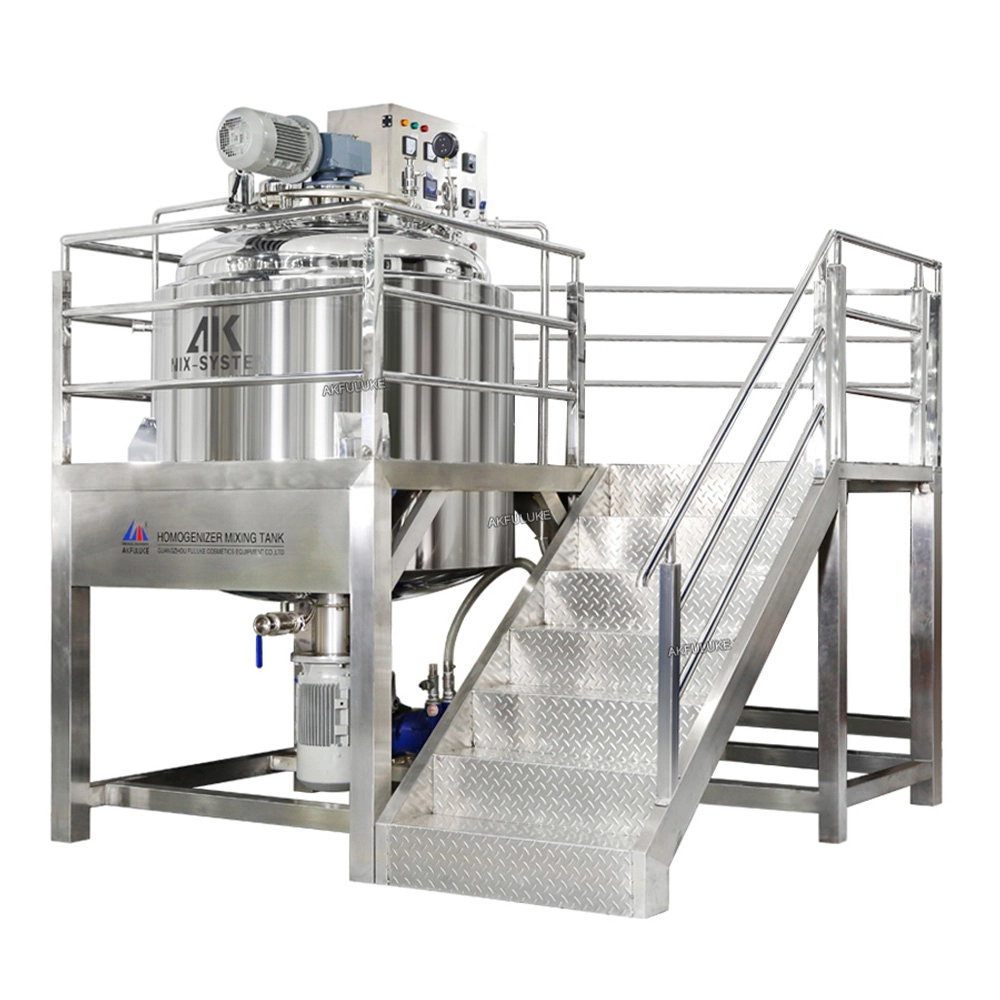
Vacuum Sealed Mixer Machine: Compliance and Quality Control
Customizable Nozzle Options for Precise Liquid Filling
Perfume Filling Machine
Can you customize the machine?
Of course, we provide customized services according to customer needs.
Vacuum Emulsifying Machine
How does the vacuum homogenizer work?
The vacuum homogenizer's operating process revolves around four core steps: vacuum degassing, high-speed homogenization and emulsification, stirring and mixing, and temperature control. Through the coordinated operation of multiple systems, it achieves refined material processing. The following is its specific operating principle and process:
1. Pretreatment: Material feeding and vacuum environment establishment
Material preparation: First, add the basic materials, such as the oil phase (such as oils and waxes) and the aqueous phase (such as water and water-soluble ingredients), to their corresponding batching tanks or directly into the main emulsifier in sequence.
Evacuation: Activate the vacuum system (consisting of a vacuum pump, vacuum valve, etc.) to evacuate the interior of the emulsifier, creating a negative pressure environment (typically up to -0.09 MPa).
2. Core Process: Temperature Control (Heating/Cooling)
3. Core Process: Agitation and Mixing
Agitation Structure: Typically uses a "frame agitator + scraper" combination (for high-viscosity materials):
Through shearing, folding, and convection, the different materials are initially mixed and their stratification is broken down.
The PTFE scraper rotates closely against the pot wall, thoroughly scraping away any sticky material adhering to the pot wall, preventing localized overheating and residue, and ensuring zero dead zones.
4. Core Process: High-Speed Homogenization and Emulsification
Homogenizer Structure: A high-speed rotating homogenizer is installed at the bottom (or side) of the emulsifier, consisting of a rotor (with sharp teeth) and a stator (with fixed teeth). Working Principle: The rotor rotates at an extremely high speed, generating a strong centrifugal force that draws the material into the gap between the rotor and the stator. In this gap, the material is subjected to the triple effects of shear force, impact force, and turbulent force. The teeth of the rotor and stator quickly cut the material and generate high-frequency vibrations.
What kind of heating method is there?
The heating methods include electric heating (heating medium is water or thermal oil) and steam heating. Generally, we recommend steam heating for pots larger than 500L.
Automatic Facial Mask Filling Machine
Can you customize the machine?
Of course, we provide customized services according to customer needs.
RO Water Treatment
Can you customize the machine?
Of course, we provide customized services according to customer needs.
You May Also Like
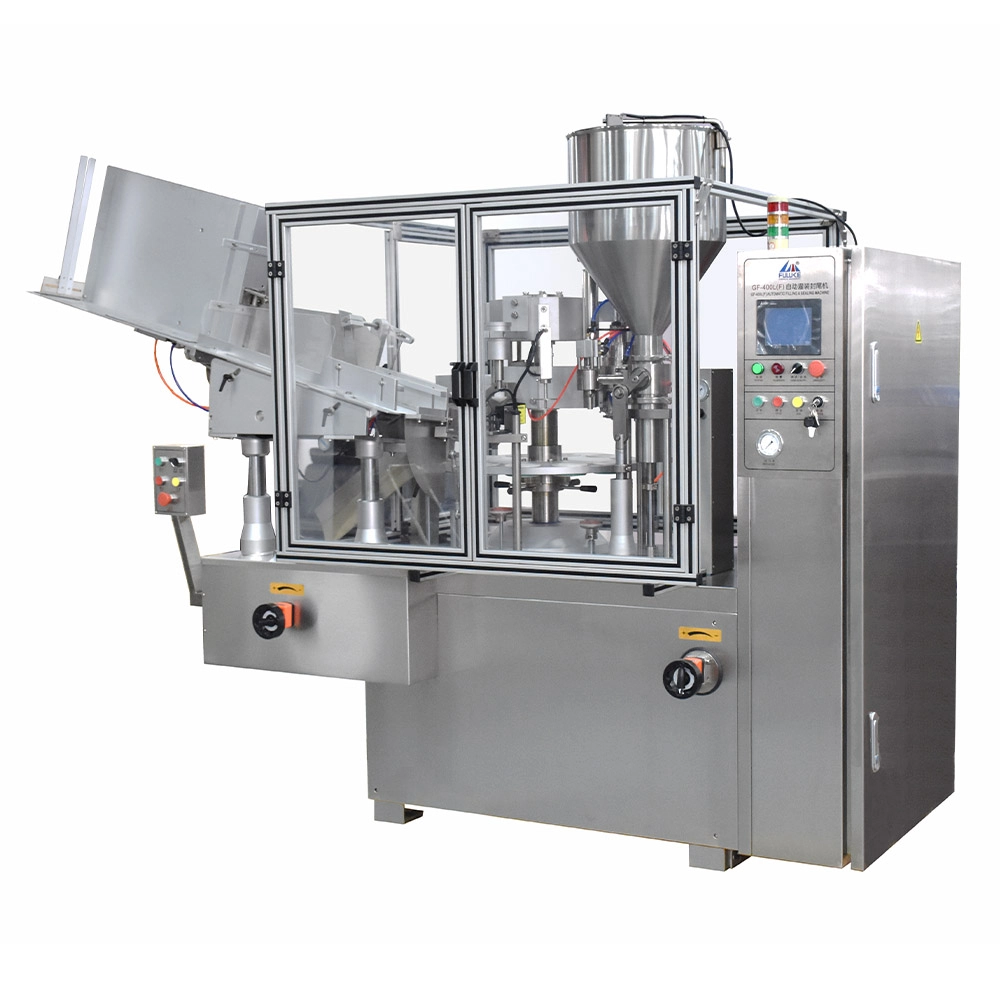
Automatic Tube Filling and Sealing Machine Toothpaste Sunscreen and Facial Cleanser Filling and Sealing Machine for Plastic and Aluminum-plastic Tube
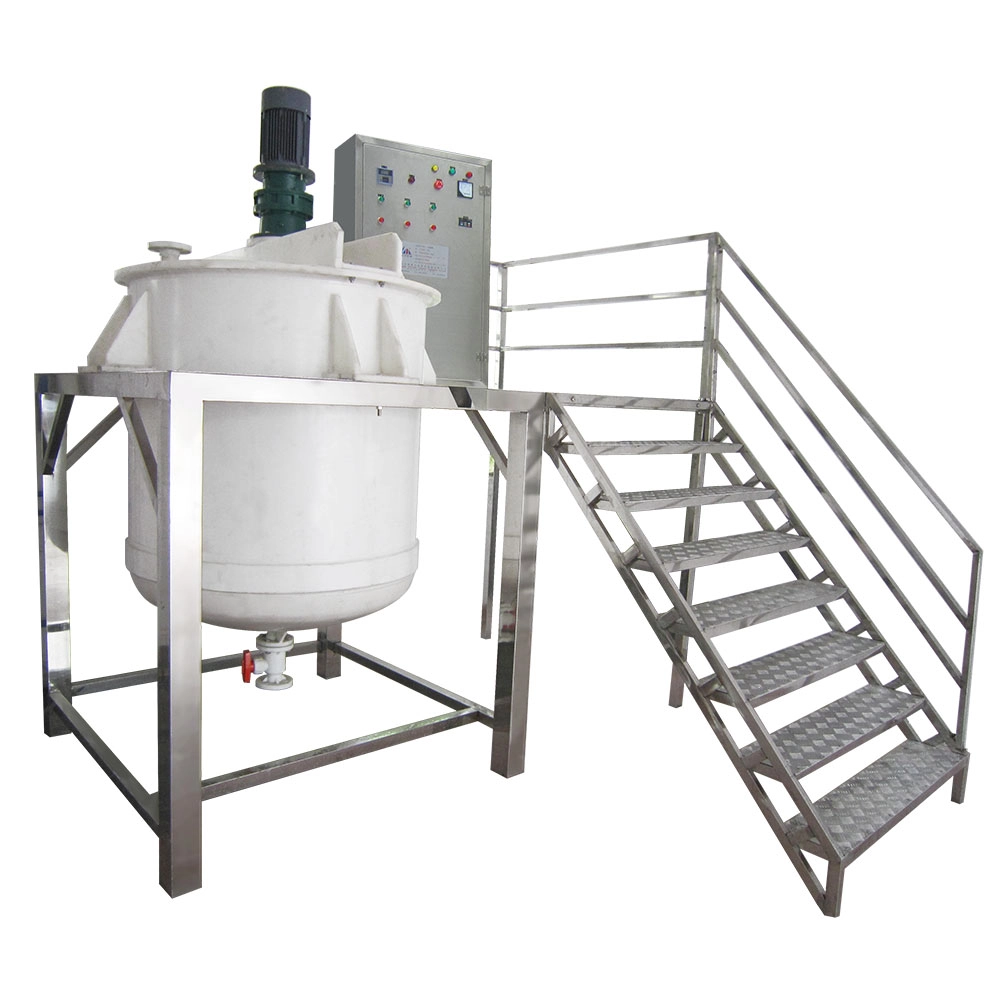
Polypropylene PP Mixing Tank Anti-Corrosion Mixer Reaction Kettle with Agitator Chemical Mixing Vessel
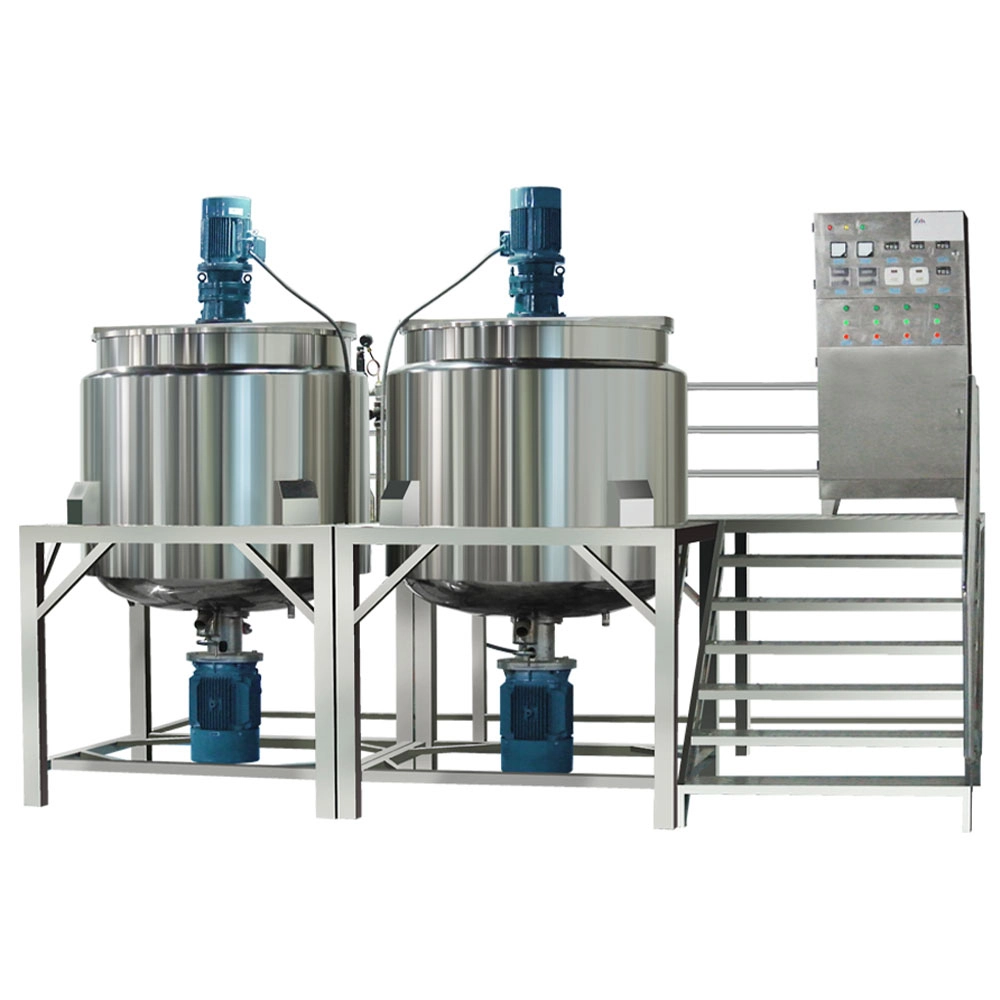
Flip Cover Multi-function Liquid Wash Mixing Tank Blender Liquid Detergent Mixer Homogenization Stirring Tank
Stainless Steel Mixer Liquid Mixing tank with Agitator Homogenizing Mixing tank Vacuum Sealed Mixer Machine
Get in touch with FULUKE
If you have any comments or good suggestions, please leave us a message, later our professional staff will contact you as soon as possible.

A leading manufacturer specializing in advanced machinery and complete production lines for the cosmetics, food, pharmaceutical, and chemical industries worldwide.
Contact FULUKE
Facebook
Instagram
YouTube