
How to Implement CIP on Lotion and Cream Filling Machines
- 1. CIP Fundamentals and Why It Matters for Cream & Lotion Fillers
- 1.1 What is CIP and how it applies to liquid filling machine lines
- 1.2 Unique challenges for creams and lotions
- 1.3 Regulatory and GMP context
- 2. Designing a CIP Strategy for a High-Precision Cream and Lotion Filling Line
- 2.1 Key design considerations
- 2.2 CIP circuit components and automation
- 2.3 Chemical selection and compatibility
- 3. Typical CIP Cycle for Lotion & Cream Filling Machines (with parameters)
- 3.1 Phases of a practical CIP cycle
- 3.2 Example CIP parameter table for lotions vs creams
- 3.3 Validation metrics: conductivity, TOC, swabs
- 4. Automation, Monitoring, Troubleshooting and Maintenance
- 4.1 Recipe control and automated sequences
- 4.2 Sensors and verification during CIP
- 4.3 Common problems and how to fix them
- 5. Operational Best Practices and Continuous Improvement
- 5.1 Training, documentation, and SOPs
- 5.2 Preventive maintenance and spare parts
- 5.3 Continuous improvement: data-driven optimization
- FAQ — Frequently Asked Questions
- Q1: Can CIP be fully automated on my cream filling line?
- Q2: How do I remove stubborn residues from high-viscosity creams?
- Q3: How often should I validate CIP cycles?
- Q4: Is SIP (Sterilize-In-Place) needed for cosmetic filling?
- Q5: Are there industry standards for hygienic equipment design?
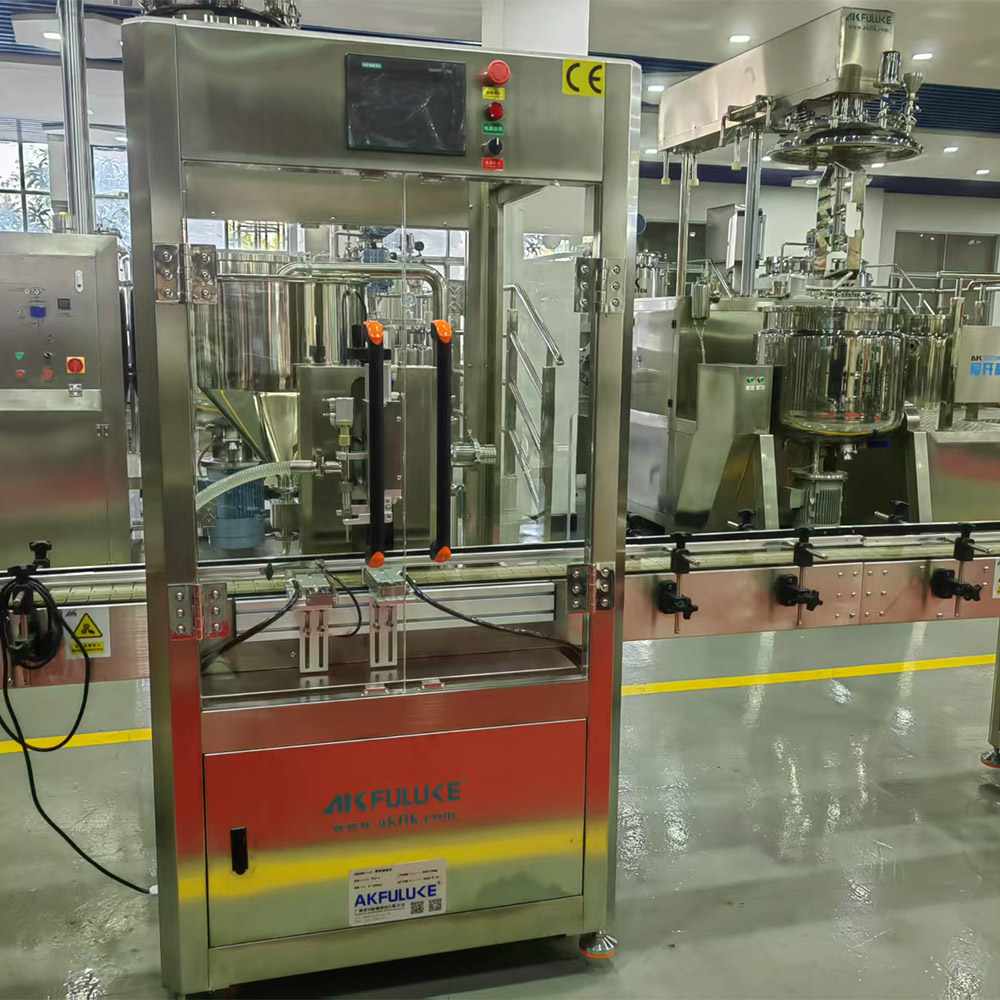
The proper implementation of Clean-In-Place (CIP) for lotion and cream filling lines is essential to protect product quality, ensure operator safety, and meet regulatory expectations. For modern production using an Automatic Filling Machine Quantitative Liquid Bottle Filling Machine High-precision cream and lotion filling machine, a well-engineered CIP program reduces contamination risk, minimizes disassembly, and keeps throughput high—especially important when handling emulsions, viscous creams, or multiple product changeovers.
1. CIP Fundamentals and Why It Matters for Cream & Lotion Fillers
1.1 What is CIP and how it applies to liquid filling machine lines
Clean-in-Place (CIP) is a method of cleaning internal surfaces of equipment (pipes, tanks, pumps, fillers) without disassembly. For liquid filling machine systems used in cosmetics, CIP preserves hygienic integrity while limiting production downtime. Referencing the general CIP principles summarized on Wikipedia provides a foundational overview of flow, temperature, and chemical phases used in CIP cycles.
1.2 Unique challenges for creams and lotions
Creams and lotions are often emulsions and may contain fats, oils, thickeners, and polymers. Compared with low-viscosity aqueous products, they tend to adhere to surfaces and create residues that are harder to remove. A high-precision cream and lotion filling machine requires CIP designs addressing: dead-leg elimination, high shear or recirculation to mobilize viscous residues, appropriate heating, and selection of surfactants or solvents compatible with product and stainless-steel 316L/304 contact parts.
1.3 Regulatory and GMP context
Cosmetic manufacturers should adopt GMP-aligned CIP procedures. ISO 22716 (Cosmetics — Good Manufacturing Practices) provides guidance for personnel, facilities, and equipment sanitation; see ISO 22716. For broader hygienic design principles consult EHEDG (European Hygienic Engineering & Design Group) guidance on sanitary equipment design: EHEDG. While FDA oversees cosmetic safety information in the U.S., the FDA's cosmetics page is a useful reference for regulatory expectations: FDA Cosmetics.
2. Designing a CIP Strategy for a High-Precision Cream and Lotion Filling Line
2.1 Key design considerations
Start with equipment selection and layout. The Automatic Filling Machine Quantitative Liquid Bottle Filling Machine High-precision cream and lotion filling machine already incorporates hygienic materials (316L/304 stainless steel contact parts) and a touchscreen for recipe control. To support CIP, ensure the following:
- No dead legs or blind ends where cream can accumulate.
- Sanitary tri-clamp fittings, self-draining slopes (minimum 3° where feasible), and hygienic valves.
- Adequate pump capacity for recirculation of viscous products during pre-rinse and detergent phases.
2.2 CIP circuit components and automation
A robust CIP skid typically contains tanks for fresh water, caustic, acid sanitizer, a recirculation pump, heat exchanger or heater, flow meters, temperature sensors, conductivity sensors (for rinse finish), and a programmable logic controller (PLC). Integrating these with the filling machine's touchscreen allows automated recipe selection and end-to-end execution without manual intervention—leveraging the intelligent control feature of the automatic filling machine.
2.3 Chemical selection and compatibility
Select detergents that target the product matrix: alkaline detergents (with surfactants) remove oils and proteinaceous soils; acid rinses remove mineral scale if present. For heat-sensitive emulsions, enzymatic pre-soaks can improve residue solubilization. Ensure chemicals are compatible with 316L/304 steel and elastomers used in the filling head seals.
3. Typical CIP Cycle for Lotion & Cream Filling Machines (with parameters)
3.1 Phases of a practical CIP cycle
A standard CIP cycle adapted for lotions/creams generally includes:
- Dry or bulk product drain (displacement) and physical purge.
- Pre-rinse with warm water to remove gross residues.
- Circulation of detergent at elevated temperature and controlled flow.
- Intermediate rinse.
- Acid or sanitizing step if required.
- Final rinse to acceptable conductivity or visual clarity.
- Optional automated hot water or steam sanitization (SIP where applicable).
3.2 Example CIP parameter table for lotions vs creams
Use the following table as a starting point; adjust based on in-plant validation, product formulation, and equipment layout.
| Stage | Typical Lotion Parameters (low–mid viscosity) | Typical Cream Parameters (high viscosity) |
|---|---|---|
| Pre-rinse | 20–30°C, 5–10 min, moderate flow | 30–40°C, 10–20 min, higher flow & recirculation |
| Detergent (alkaline) | 0.5–2% NaOH-based with surfactant, 40–60°C, 10–20 min | 1–3% alkaline with higher surfactant, 50–70°C, 20–30 min, strong recirc |
| Acid rinse (if needed) | 0.5–1% phosphoric/citric, 20–30°C, 5–10 min | 0.5–2% acid, 30–40°C, 10–15 min |
| Final rinse | Cold or warm water until conductivity < target, 5–10 min | Warm rinse until conductivity < target, 10–15 min |
| Sanitization | 70–85°C hot water or 50–200 ppm peracetic acid | Hot water 75–85°C or validated chemical sanitize |
3.3 Validation metrics: conductivity, TOC, swabs
Validation should include objective metrics: conductivity and temperature logs, Total Organic Carbon (TOC) where available, and routine surface swabs or ATP testing at critical control points (filling heads, valves). Keep records in line with GMP expectations. For hygiene and design best practices consult EHEDG materials: EHEDG guidance.
4. Automation, Monitoring, Troubleshooting and Maintenance
4.1 Recipe control and automated sequences
Modern liquid filling machines with touchscreen controls support CIP recipe storage and recall—allowing operators to select a 'cream cycle' or 'lotion cycle' with single-button execution. Recipes should lock critical parameters (temperature, concentration, flow rate, timing) and log deviations. The Automatic Filling Machine Quantitative Liquid Bottle Filling Machine High-precision cream and lotion filling machine's intelligent control is well suited to integrate with a CIP skid via PLC/IO or industrial communication protocols (Modbus, ProfiNet).
4.2 Sensors and verification during CIP
Essential sensors: flow meters to verify recirculation, temperature probes to ensure thermal disinfection, conductivity sensors to determine rinse endpoint, and pressure gauges to detect clogged spray balls or fouled filters. Data should be archived to support batch records and traceability under ISO 22716 and internal QA requirements.
4.3 Common problems and how to fix them
Typical issues include incomplete cleaning of filling nozzles, poor drain causing residue accumulation, or foaming during detergent cycles. Troubleshooting tips:
- Incomplete nozzle cleaning: verify nozzle orientation to spray ball, increase flow/temperature, or add a targeted manual cleaning step for complex spray geometries.
- Poor drainage: rework piping slopes and remove dead legs; install air blow-down or displacement steps for viscous residues.
- Excessive foaming: reduce surfactant concentration, add antifoam or alter pump type (use peristaltic or low-shear pumps during rinse).
5. Operational Best Practices and Continuous Improvement
5.1 Training, documentation, and SOPs
Operators and maintenance staff must be trained in both the theory and execution of CIP cycles. Standard Operating Procedures (SOPs) should include step-by-step sequences, hazard controls for chemicals, emergency response, and sampling/verification procedures. Maintain batchwise CIP logs and link them to filling batches for traceability.
5.2 Preventive maintenance and spare parts
Schedule regular inspection of seals, gaskets, spray balls, and valve actuators. Stock critical spares (valve seats, seal kits, temperature probes) to reduce downtime. The filling machine’s 316L/304 contact construction helps longevity, but elastomers will degrade—inspect and replace on schedule.
5.3 Continuous improvement: data-driven optimization
Use CIP log data (time, temperature, conductivity) and product yield/quality results to iteratively optimize cycles. Lower water/chemical usage while maintaining cleaning performance reduces costs and environmental footprint. Where justified, consider implementing automated sampling (TOC) and trend analysis for predictive maintenance.
FAQ — Frequently Asked Questions
Q1: Can CIP be fully automated on my cream filling line?
Yes. With a properly designed CIP skid, integrated PLC control, and recipe management on the filling machine's touchscreen, CIP can be executed automatically with no manual intervention. The Automatic Filling Machine Quantitative Liquid Bottle Filling Machine High-precision cream and lotion filling machine supports intelligent control to enable such integration.
Q2: How do I remove stubborn residues from high-viscosity creams?
Use a combination of higher temperatures (within product and equipment limits), stronger alkaline detergents with surfactants, extended recirculation time, and mechanical shear if possible. Pre-displacement of product and targeted manual cleaning of complex components may be necessary for initial removal; thereafter, optimized CIP cycles can maintain cleanliness.
Q3: How often should I validate CIP cycles?
Conduct full validation at installation, after major process changes (new product or formulation), and periodically (e.g., annually) or per internal QA schedules. Ongoing routine checks (conductivity, swabs, ATP) should be performed more frequently—daily or per batch depending on risk.
Q4: Is SIP (Sterilize-In-Place) needed for cosmetic filling?
Most cosmetics require sanitary processing rather than full sterilization. SIP (steam or validated hot water) may be used as an additional sanitizing step, particularly for water-based products or high-risk products. Compliance should align with ISO 22716 and company risk assessments.
Q5: Are there industry standards for hygienic equipment design?
Yes. EHEDG provides guidelines for hygienic engineering and design. ISO 22716 offers GMP guidance specific to cosmetics. For CIP principles and practices, the general CIP literature and industrial hygiene standards provide supporting information. See ISO 22716 and EHEDG for authoritative guidance.
If you need a hands-on assessment, tailored CIP recipe development, or integration of a CIP skid with your filling line, contact our technical team. View product details for the Automatic Filling Machine Quantitative Liquid Bottle Filling Machine High-precision cream and lotion filling machine and request a quote or on-site evaluation.
Product Brief:
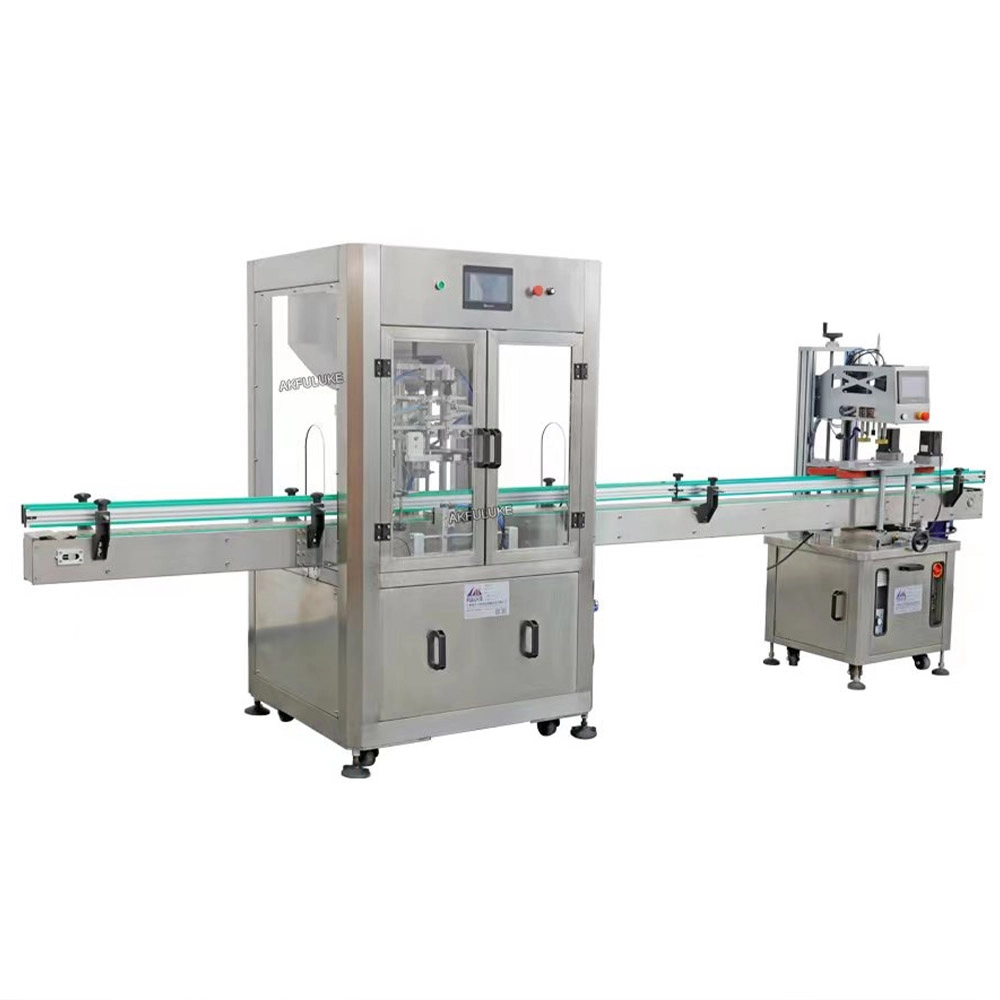
The automatic filling machine integrates automated conveying, precision filling, and intelligent control for packaging creams, lotions, and liquids. Suitable for a variety of containers, including glass and PET bottles, it can fill liquids, emulsions, and pastes with high precision.
Constructed with 316L/304 stainless steel contact components and compliant with GMP standards, it features a touchscreen interface for quick parameter adjustment and completes the entire process without manual intervention. Widely used in the cosmetics, food, daily chemical, pharmaceutical, and chemical industries, it helps companies reduce costs, increase efficiency, and ensure product standardization.
Contact us to discuss CIP integration, download SOP templates, or schedule a live demo of our automatic cream and lotion filling solutions. Click here to view product details or contact sales.
References: CIP overview and principles (Wikipedia), ISO 22716 (ISO), EHEDG guidance (EHEDG), FDA cosmetics information (FDA).
Optimizing Labeling and Filling Synchronization
Cost of Ownership: Stainless Steel Mixing Tank ROI Analysis
The Definitive Guide to Automatic Labeling Machines: 2026 Performance & Buying Strategies
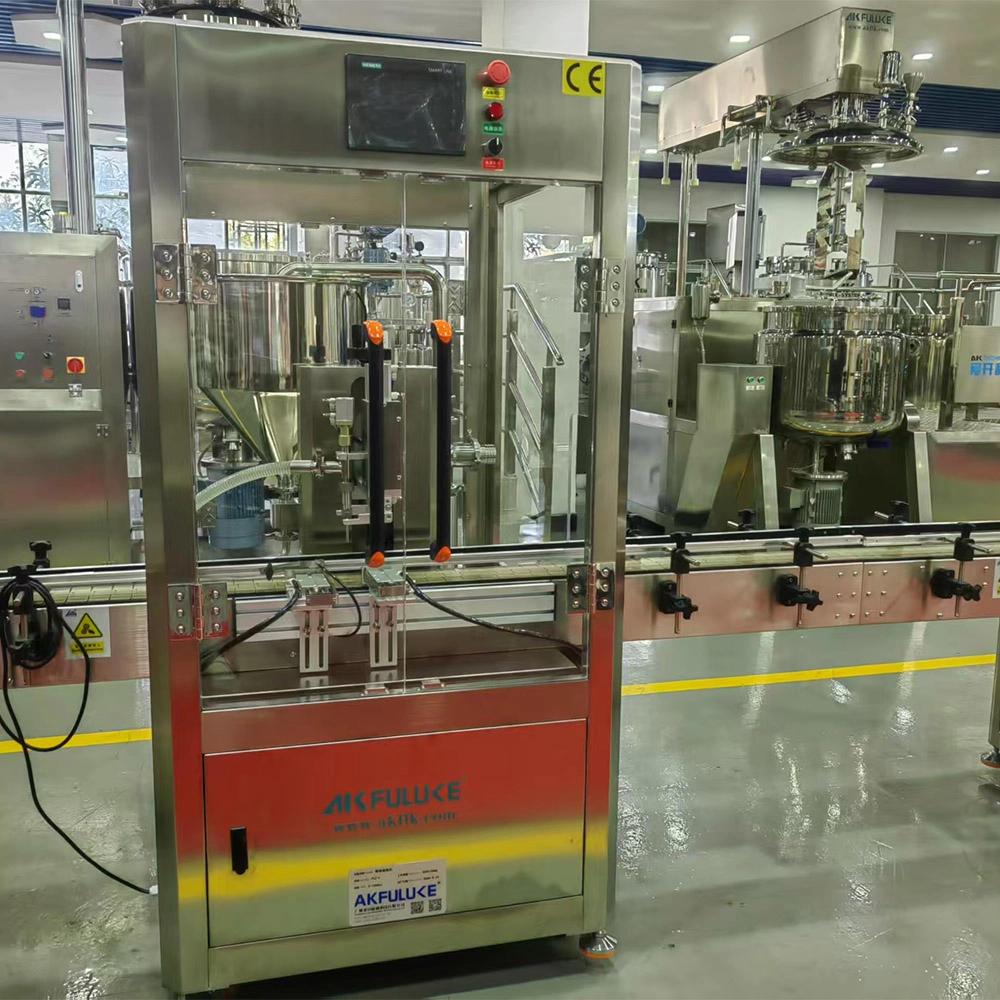
Maintenance Tips to Maximize Filling Machine Uptime
Polypropylene PP Mixing Tank
Can you customize the machine?
Of course, we provide customized services according to customer needs.
What can you buy from us?
RO Water Treatment、Vacuum Emulsifying Machine、Homogenizer Mixing Tank、Filling and Capping、labeling Machine、Packing Machine、Storage Tank,etc.
Perfume Filling Machine
What are the key differences between semi-automatic and fully automatic models? How should I choose?
Semi-automatic: Semi-automatic perfume filling machines only perform the core filling process and require manual assistance for bottle loading and capping. Filling speed: 10-20 bottles/minute, suitable for small-batch production. One or two people are required for assistance.
Fully automatic: Automatic perfume filling machines integrate the entire filling, capping, capping, and inspection process.
Filling speed: 30-50 bottles/minute, suitable for large-scale production. The entire process is unmanned, requiring only regular inspections.
Lift-type Homogenizing Disperser
Can you make a design for us?
Yes, we can, we provide not only products, but also solutions and designs.
Automatic Capping Machine
What causes leakage or loose caps after capping?
Most likely, the capping torque parameters do not match the product characteristics. You can recalibrate the torque through the touch screen. If the problem persists, check whether the bottle clamp is too loose or whether there is any dimensional deviation in the cap.
You May Also Like
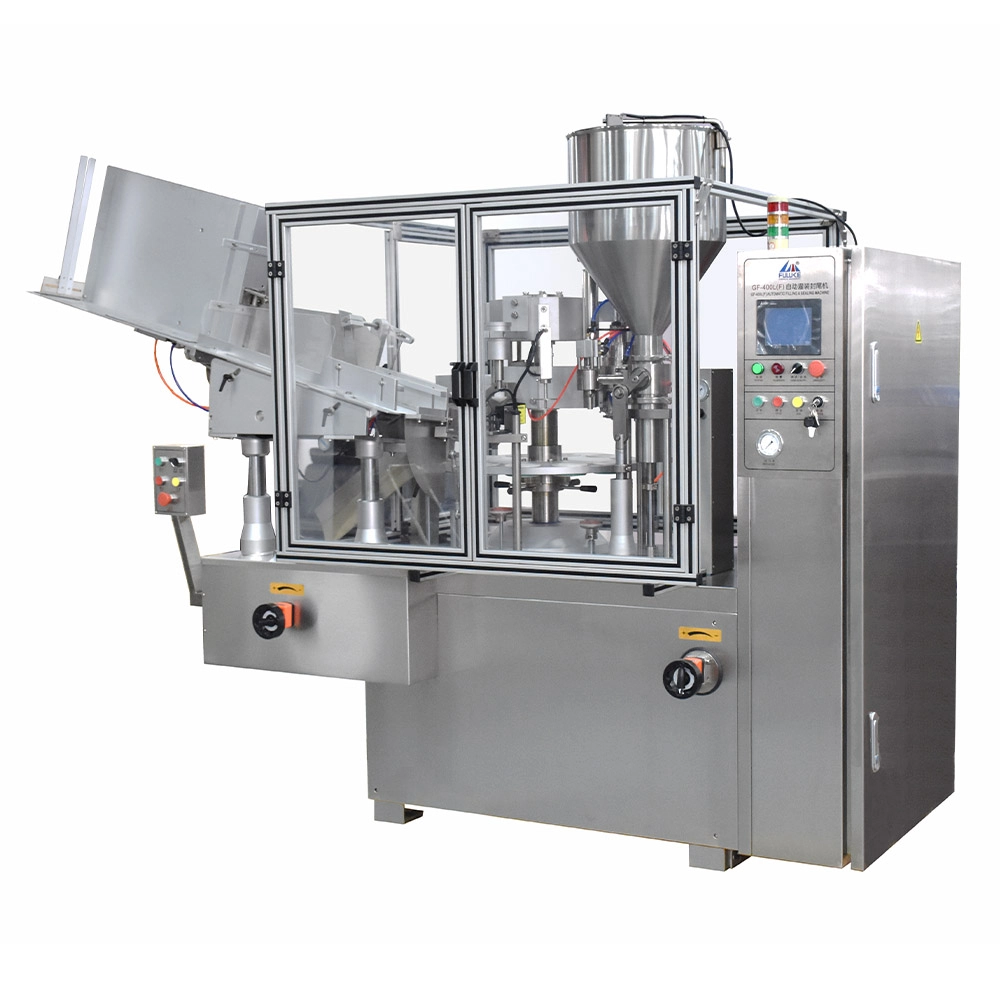
Automatic Tube Filling and Sealing Machine Toothpaste Sunscreen and Facial Cleanser Filling and Sealing Machine for Plastic and Aluminum-plastic Tube
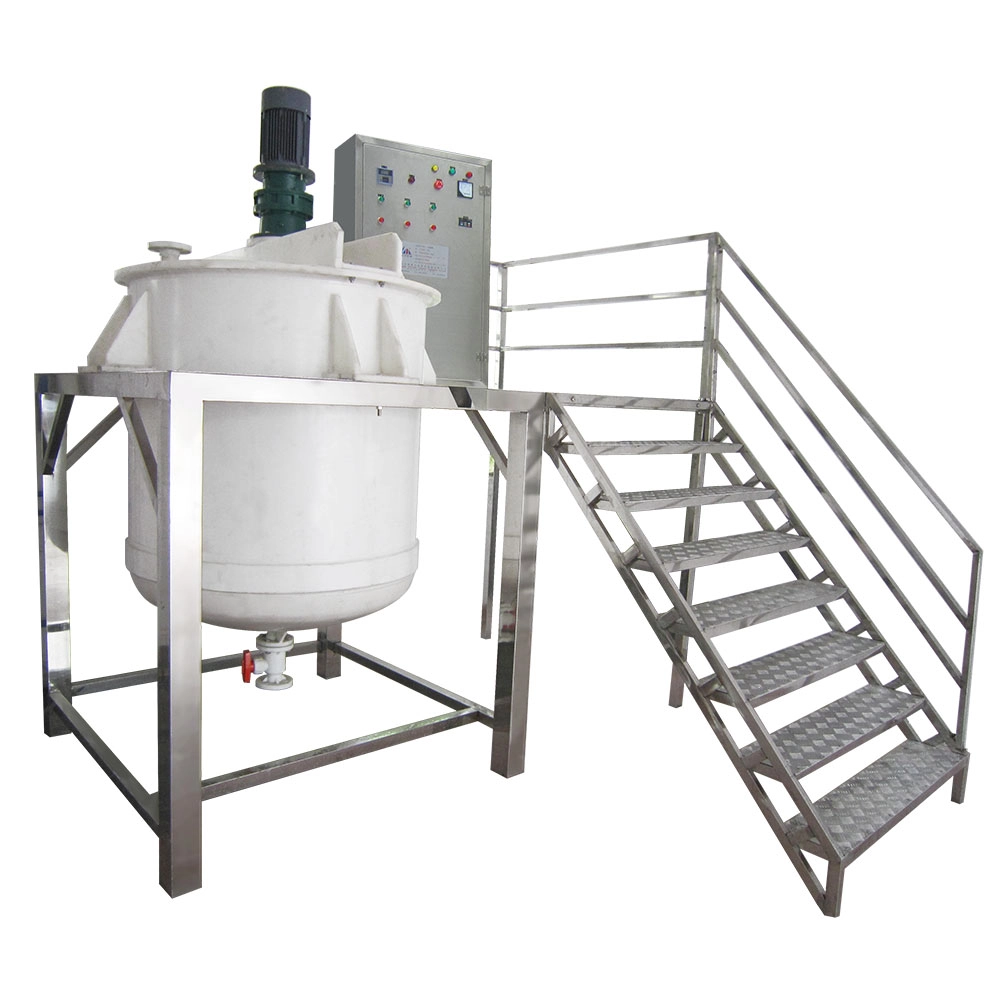
Polypropylene PP Mixing Tank Anti-Corrosion Mixer Reaction Kettle with Agitator Chemical Mixing Vessel
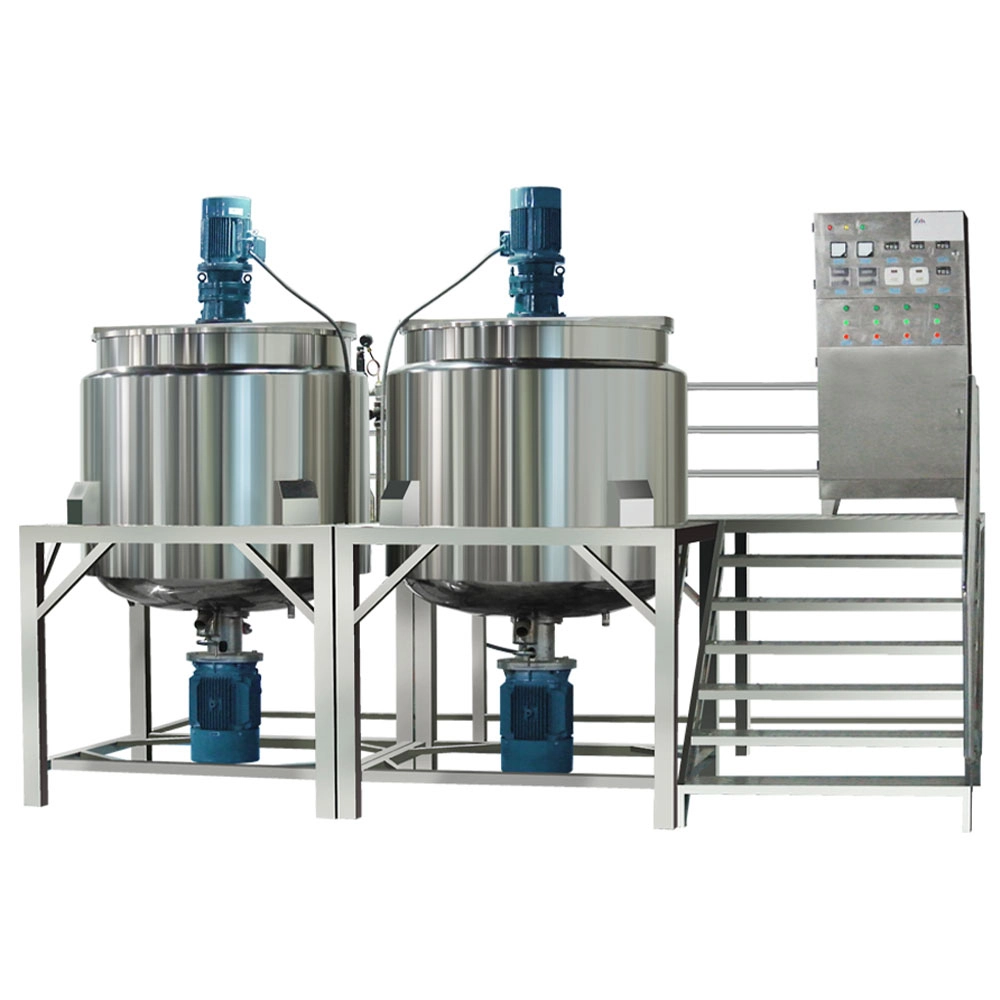
Flip Cover Multi-function Liquid Wash Mixing Tank Blender Liquid Detergent Mixer Homogenization Stirring Tank
Stainless Steel Mixer Liquid Mixing tank with Agitator Homogenizing Mixing tank Vacuum Sealed Mixer Machine
Get in touch with FULUKE
If you have any comments or good suggestions, please leave us a message, later our professional staff will contact you as soon as possible.

A leading manufacturer specializing in advanced machinery and complete production lines for the cosmetics, food, pharmaceutical, and chemical industries worldwide.
Contact FULUKE
Facebook
Instagram
YouTube