
Buyer's Guide: Choosing an Industrial Mixing Tank for Cosmetics
- Understanding your product and process requirements
- Define formulation characteristics and target rheology
- Decide batch size, throughput, and scale strategy
- Process steps that affect tank selection
- Key technical specifications to evaluate
- Materials of construction and surface finish
- Mixing technology: agitators, homogenizers, vacuum emulsifying mixers
- Instrumentation and control
- Hygiene, compliance, and safety considerations
- Clean-in-place (CIP) and sanitary design
- Regulatory alignment and documentation
- Safety systems and risk controls
- Selecting a supplier and customizing solutions
- Technical support, installation, and lifecycle services
- Comparing types of mixing equipment
- Material certificates, testing, and validation
- Sizing, cost considerations, and lifecycle economics
- Sizing examples and headspace calculation
- CapEx vs. OpEx trade-offs
- Spare parts and critical consumables
- Practical checklist before purchase
- Why supplier choice matters: FULUKE as an example partner
- References and standards
- FAQ
- 1. How do I know if I need a vacuum emulsifying mixer?
- 2. What is the recommended stainless steel grade for cosmetic tanks?
- 3. How much extra volume should I select above my batch size?
- 4. What documentation should I require from the equipment supplier?
- 5. How do I validate mixing performance before purchase?
- 6. Can I retrofit existing tanks with homogenizers or vacuum systems?
- Contact and next steps
As a consultant and long-time practitioner in cosmetic equipment, I know that choosing the right industrial mixing tank is a decision that directly affects product quality, regulatory compliance, and production economics. Whether you are formulating creams, lotions, serums, or fragrance bases, the right mixing vessel and ancillary systems (homogenizers, vacuum systems, CIP) make the difference between repeatable batches and costly rework. This guide is written for procurement managers, process engineers, and R&D teams worldwide — including manufacturers working with suppliers in Guangzhou and other global hubs — and it focuses on verifiable criteria you can use to shortlist, test, and buy a tank that matches your product and scale.
Understanding your product and process requirements
Define formulation characteristics and target rheology
Start by listing the physical properties of your product: target viscosity (cP or Pa·s), shear sensitivity, particle size, presence of solids or powders, and whether you need nano- or micro-emulsions. High-viscosity creams and gels need powerful circulation and specialized agitators; low-viscosity lotions can use simple propeller mixing. For emulsions, determine whether high-shear homogenization or vacuum emulsifying mixing is required to reach the desired droplet size and stability (Emulsion).
Decide batch size, throughput, and scale strategy
Relate your desired daily throughput to batch size and shift patterns. A practical rule: choose tank volume 10–25% above nominal batch volume to allow headspace for safe mixing and foaming. Example: a 500 kg batch of lotion (density ≈ 1 kg/L) needs ~500 L; select a 600 L tank for headspace and handling. This reduces overfilling risk and supports consistent scaling.
Process steps that affect tank selection
Map your process: raw material charging, heating/cooling, mixing, vacuum deaeration, homogenization, cooling, discharge, and CIP. If you expect vacuum deaeration or vacuum-assisted filling, choose a vacuum-rated industrial mixing tank and compatible seals. If heating/cooling is required, a jacketed vessel or coil system becomes mandatory for precise temperature control.
Key technical specifications to evaluate
Materials of construction and surface finish
For cosmetic production, stainless steel 316L is generally preferred for its corrosion resistance to acids, preservatives, and fragrances; 304 may be acceptable for non-aggressive formulations. Surface finish (Ra) should typically be ≤0.8 μm in product-contact areas to reduce microbial harborage and facilitate cleaning. Refer to ISO 22716 for GMP guidance on materials and hygiene in cosmetic manufacturing.
Mixing technology: agitators, homogenizers, vacuum emulsifying mixers
Match the agitator type to your formulation: anchor or scrape agitators for high-viscosity gels; turbine or propeller for low-viscosity liquids; high-shear mixers or in-line homogenizers for emulsions. Vacuum emulsifying mixers (often called vacuum homogenizing mixers) combine heating, vacuum deaeration, and high-shear homogenization to produce stable creams and lotions. For literature on mixing fundamentals, see Mixing (process engineering).
Instrumentation and control
PLC or PID control with recipe management, temperature probes, torque monitoring, and variable-speed drives are essential for repeatability. Consider data logging for batch records (supporting GMP) and remote access for troubleshooting. For critical processes, verify that the supplier provides control validation documentation and support for integration with MES/ERP systems.
Hygiene, compliance, and safety considerations
Clean-in-place (CIP) and sanitary design
CIP-compatible tank designs with smooth welds, drainable bottoms, and hygienic fittings reduce cleaning time and contamination risk. Tri-clamp fittings, sanitary valves, and ASME/3-A style hygienic ports simplify maintenance. If you require sterilization, ensure the vessel supports steam or high-temperature cleaning cycles.
Regulatory alignment and documentation
Cosmetic manufacturing must adhere to Good Manufacturing Practices and product safety requirements. Use ISO 22716 as a baseline for cosmetic GMP (ISO 22716) and review regional regulations such as the FDA's cosmetic guidance in the U.S. (FDA Cosmetics) to verify labeling, stability testing, and manufacturing controls. Ensure your equipment supplier can provide material certificates (EN/ASTM), weld traceability, surface finish reports, and FAT/SAT documentation.
Safety systems and risk controls
Evaluate overpressure protection, vacuum-relief valves, mechanical seals vs. lip seals (with seal flushing), and containment for hazardous or fragrance-rich vapors. For operations involving flammable solvents (rare in many cosmetics but possible in fragrance production), confirm ATEX or local explosion-proof certifications.
Selecting a supplier and customizing solutions
Technical support, installation, and lifecycle services
Prefer suppliers who provide end-to-end services: engineering consultancy, FAT (Factory Acceptance Testing), installation and commissioning, operator training, and long-term maintenance contracts. Check references and site visits. A supplier's ability to offer process optimization and automation upgrades is a major differentiator when you scale production.
Comparing types of mixing equipment
Below is a concise comparison of common tank/mixing configurations used in cosmetics:
| Type | Best for | Key features | Typical industries |
|---|---|---|---|
| Jacketed mixing tank | Heating/cooling and general mixing | Steam/water jacket, agitator options, drainable cone | Cosmetics, food, chemicals |
| Vacuum emulsifying mixer | Stable creams/emulsions, de-aerated products | Vacuum system, high-shear homogenizer, vacuum lid | Cosmetics, pharmaceuticals, food sauces |
| High-shear in-line homogenizer | Fine droplet size, nano-emulsions | In-line homogenization head, recirculation loop | Cosmetics, paints, pharmaceuticals |
| Ribbon/blender | Powder mixing and solids incorporation | Low shear, good for powders, add ports | Cosmetics (powders), food, chemicals |
Material certificates, testing, and validation
Ask suppliers for 3.1/3.2 material certificates (EN 10204), surface roughness reports, and weld X-ray or dye-penetrant inspection if required. For emulsions and creams, request sample runs at FAT to verify mixing time, torque, and droplet size distribution. Use objective metrics (viscosity, pH, droplet size, microbial counts) to accept the equipment.
Sizing, cost considerations, and lifecycle economics
Sizing examples and headspace calculation
Calculate tank sizing from batch mass and required headspace. Example calculation: 1) Desired batch: 1,000 kg (≈1,000 L), 2) Headspace: 15% => 1000 × 1.15 = 1,150 L, 3) Select next standard size (1,200 L). Consider dedicated tanks for sensitive phases (oil phase, water phase) to reduce cross-contamination and improve throughput.
CapEx vs. OpEx trade-offs
High-end vacuum emulsifying mixers and integrated control systems have higher capital costs but reduce operating expenses by lowering batch times, reducing rejects, and improving energy efficiency. Evaluate total cost of ownership (TCO) over 5–10 years: include spare parts, energy, maintenance, and downtime in your calculation. Where possible, compare supplier-provided energy consumption figures and mean time between failures (MTBF).
Spare parts and critical consumables
Identify critical wear parts: mechanical seals, homogenizer heads, agitator bearings, and vacuum pump elements. Ensure availability of OEM spares or validated third-party components. A vendor that supports rapid spare deliveries and remote diagnostics will significantly reduce downtime risk.
Practical checklist before purchase
- Confirm batch size and select tank with 10–25% headspace.
- Specify material (preferred 316L) and surface finish (Ra ≤0.8 μm).
- Define agitator type and power rating; request torque curves.
- Require CIP capability and sanitary fittings.
- Request FAT with sample production and key performance metrics.
- Verify documentation: material certs, FAT reports, wiring diagrams, and validation documents.
- Confirm after-sales service, spare parts lead times, and training.
Why supplier choice matters: FULUKE as an example partner
When you need a partner who understands cosmetic process nuances, consider manufacturers with deep domain expertise. FULUKE (Guangzhou Fuluke Cosmetic Equipment Co., Ltd.) is a global manufacturer with over 30 years of experience in cosmetic equipment. They specialize in mixing and emulsifying equipment and complete packaging lines for creams, lotions, and sauces. FULUKE's engineering integrates precision machining, automation control, and strict quality management to meet GMP and ISO hygiene standards.
FULUKE's product portfolio includes vacuum emulsifying mixers, multifunctional mixing tanks, filling machines, perfume making equipment, and RO water treatment systems — providing turnkey solutions from ingredient preparation to final packaging. Their emphasis on process optimization, customized systems, and long-term technical support (installation, commissioning, maintenance) helps manufacturers improve efficiency, product consistency, and production safety. Learn more at FULUKE or contact them at flk09@gzflk.com.
References and standards
- ISO 22716 — Cosmetics — Good Manufacturing Practices (GMP): https://www.iso.org/standard/36437.
- FDA Cosmetics Guidance: https://www.fda.gov/cosmetics
- Mixing (process engineering) — Wikipedia: https://en.wikipedia.org/wiki/Mixing_(process_engineering)
- Emulsion — Wikipedia: https://en.wikipedia.org/wiki/Emulsion
FAQ
1. How do I know if I need a vacuum emulsifying mixer?
If your products require stable emulsions with small droplet sizes, low entrained air, and a smooth texture (e.g., creams and lotions), a vacuum emulsifying mixer is usually necessary. These systems combine vacuum deaeration with high-shear homogenization to reduce bubbles and achieve consistent droplet distributions.
2. What is the recommended stainless steel grade for cosmetic tanks?
SS 316L is recommended for most cosmetic applications due to its superior corrosion resistance to acidic actives and fragrances. SS 304 may be acceptable for water-based, non-aggressive formulations but 316L is the safer long-term choice.
3. How much extra volume should I select above my batch size?
Choose a tank volume 10–25% larger than your batch to allow headspace for mixing, foaming, and safe handling. Your exact choice depends on process dynamics and the degree of agitation.
4. What documentation should I require from the equipment supplier?
Request material certificates (EN 10204 3.1/3.2), surface finish reports, FAT protocols, wiring diagrams, PLC recipe backups, and maintenance manuals. For regulated markets, obtain certificates that support GMP compliance.
5. How do I validate mixing performance before purchase?
Ask for a FAT with representative formulation runs, measuring viscosity, droplet size (for emulsions), mixing time, and torque. Insist on documented acceptance criteria and witness the test when possible.
6. Can I retrofit existing tanks with homogenizers or vacuum systems?
Yes, many existing jacketed tanks can be retrofitted with in-line homogenizers or vacuum lids, but structural and piping changes must be evaluated. Work with an experienced vendor or engineering consultant to ensure mechanical integrity and process control integration.
Contact and next steps
If you are ready to evaluate equipment, I recommend preparing a detailed process brief (formulation, batch size, target throughput, product examples, regulatory zone) and requesting a technical quote and FAT plan. For turnkey mixing and packaging solutions, consider contacting FULUKE (Guangzhou Fuluke Cosmetic Equipment Co., Ltd.) at https://www.fulukemix.com or flk09@gzflk.com. Their range (filling machines, multifunctional mixing tanks, perfume making equipment, vacuum emulsifying machines, RO water treatment) and global service network can accelerate deployment and de-risk scale-up.
Choosing the right industrial mixing tank is a blend of formulation science, sanitary engineering, and supplier capability. Use the checklists and comparisons in this guide to structure vendor discussions, qualify technical proposals, and secure equipment that delivers consistent quality and long-term value.
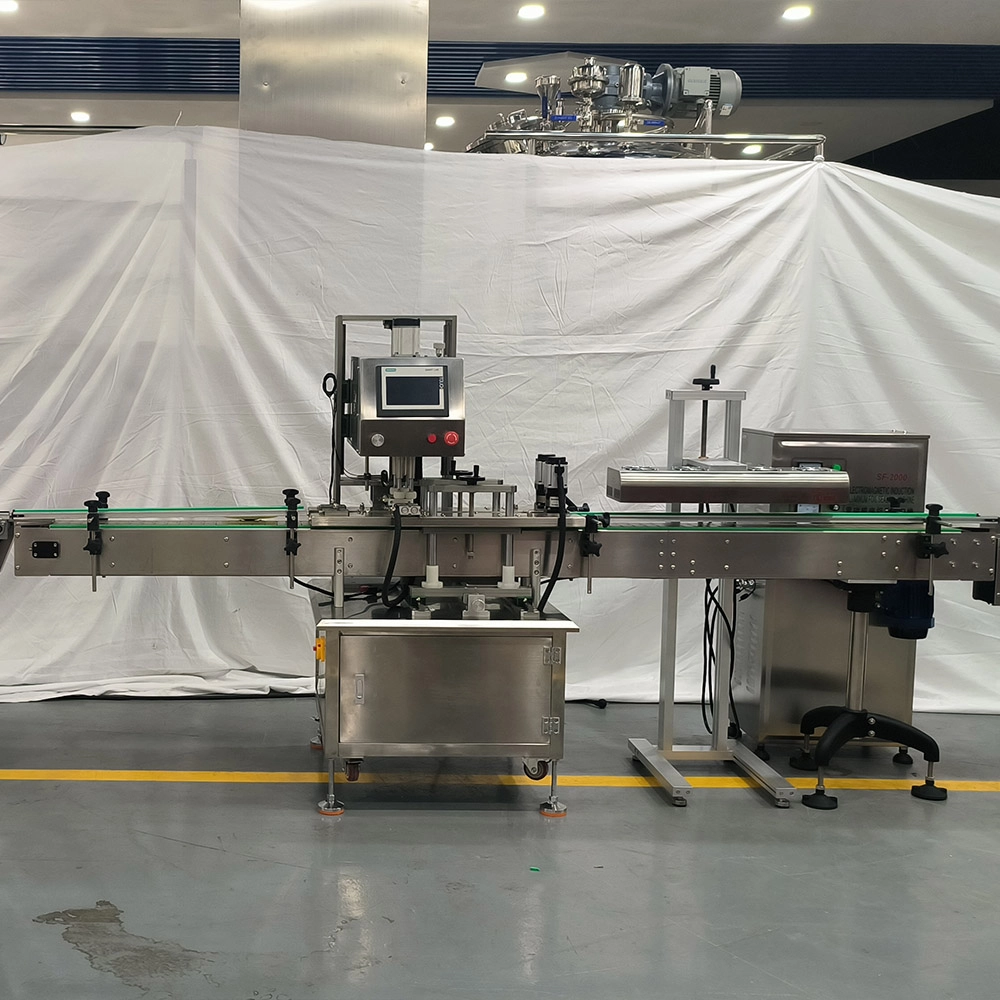
Integrating Automatic Filling Machines into Production Lines
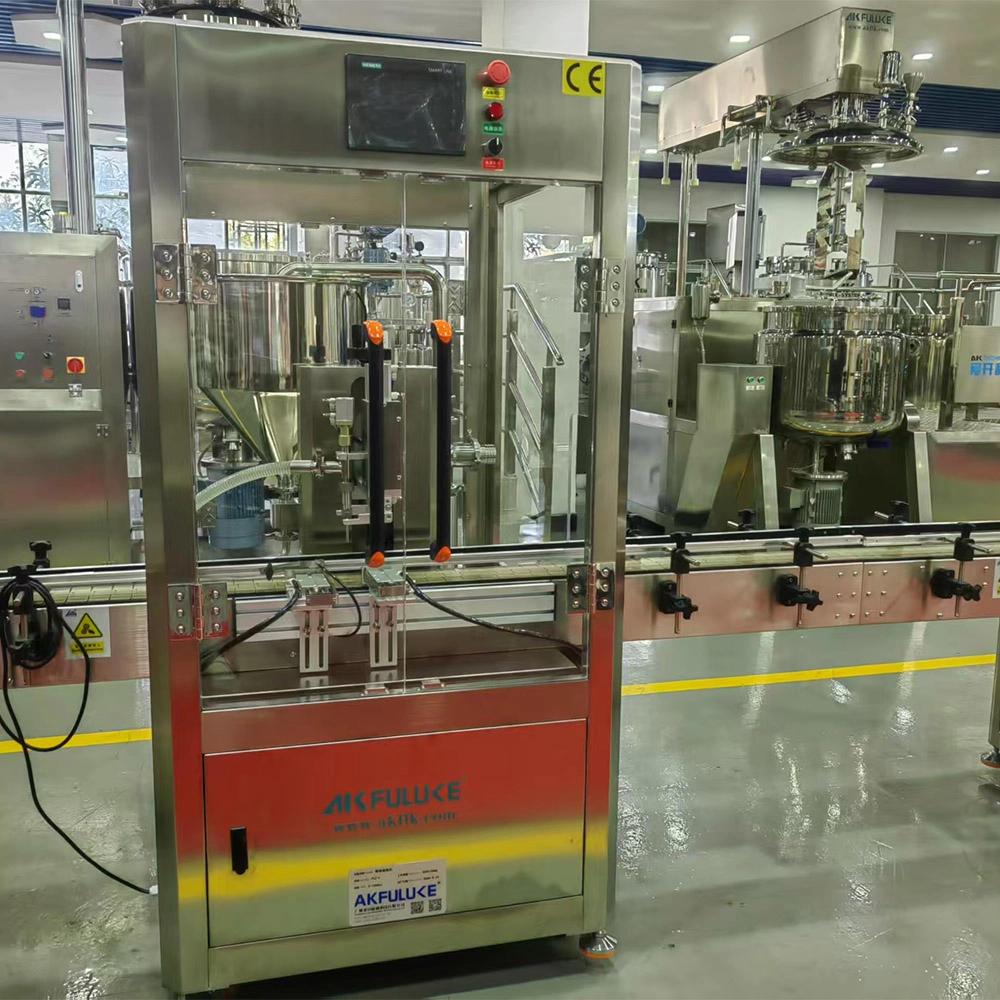
Adapting Filling Lines for Frequent SKU Changeovers
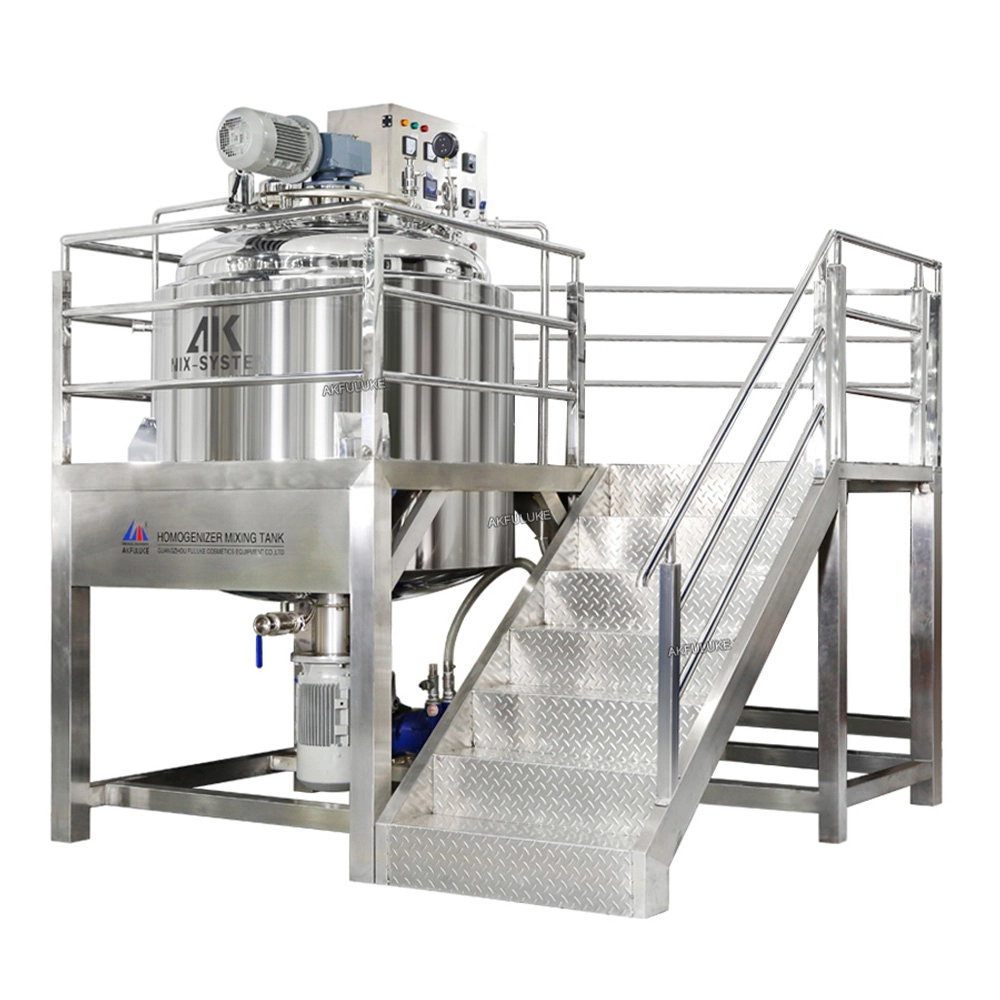
CIP and SIP Design Considerations for Industrial Mixing Tanks
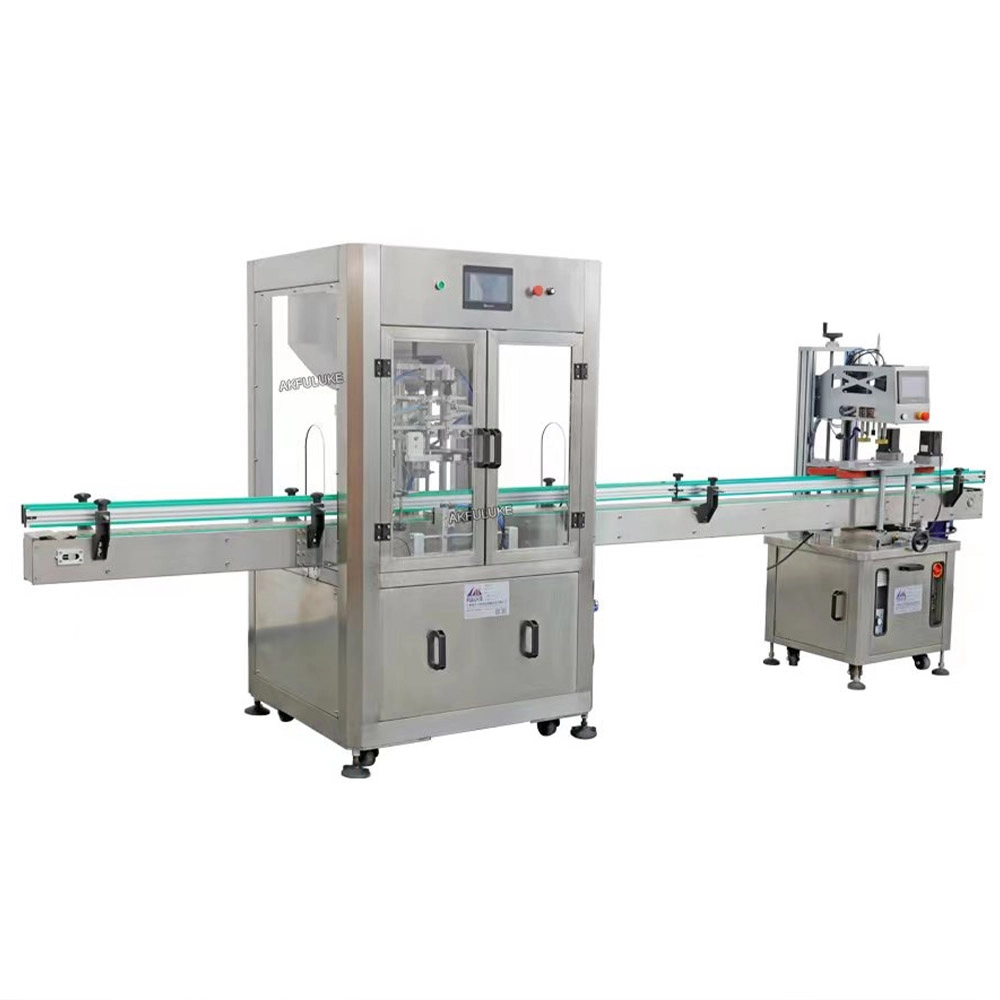
Energy Efficiency Considerations for Filling Equipment
Automatic Facial Mask Filling Machine
Can you make a design for us?
Yes, we can, we provide not only products, but also solutions and designs.
We want to fill products in multiple volumes (e.g., 5ml, 20ml, 50ml). Do we need to purchase multiple filling machines?
No, most facial mask filling machines support multiple volume adjustments. When purchasing, please confirm the machine's "volume adjustment range" (e.g., 5ml-50ml) to ensure it covers your desired specifications. Changing volumes simply requires modifying the fill volume parameters on the touchscreen.
Automatic Filling Machine
Can you make a design for us?
Yes, we can, we provide not only products, but also solutions and designs.
Inkjet Printing Machine
The printer isn't printing properly after a long period of inactivity. Is the printhead broken?
The printhead is most likely clogged due to dried ink, rather than complete damage. Prolonged inactivity is one of the main causes of inkjet printer clogs. Ink dries in the tiny nozzles, hindering ink flow. Try performing the automatic printhead cleaning procedure 2-3 times. If this doesn't work, remove the printhead, soak it in anhydrous alcohol for half an hour, then rinse (this requires professional operation; novice printers are advised to have the printer serviced). After the alcohol has completely evaporated, reinstall and test. It's recommended to perform a self-check at least once a week to prevent the printhead from drying out.
Automatic Capping Machine
What causes leakage or loose caps after capping?
Most likely, the capping torque parameters do not match the product characteristics. You can recalibrate the torque through the touch screen. If the problem persists, check whether the bottle clamp is too loose or whether there is any dimensional deviation in the cap.
You May Also Like
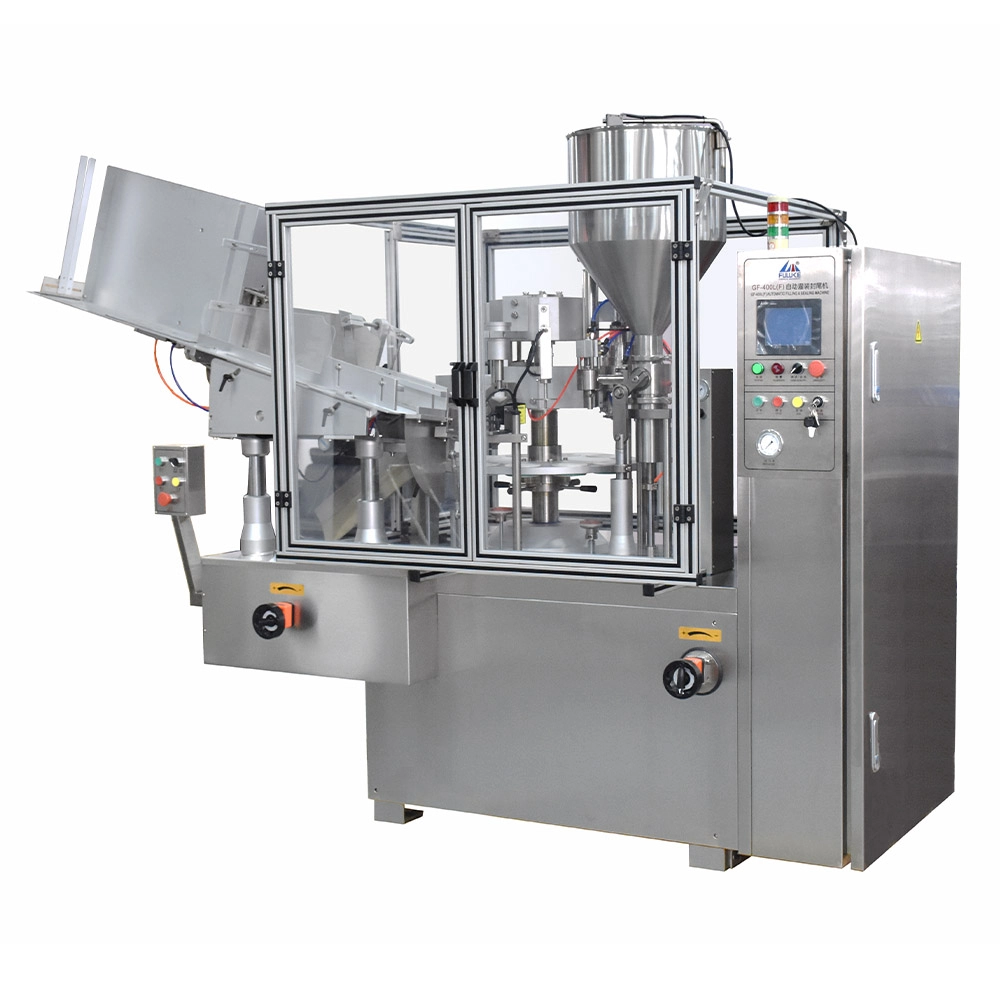
Automatic Tube Filling and Sealing Machine Toothpaste Sunscreen and Facial Cleanser Filling and Sealing Machine for Plastic and Aluminum-plastic Tube

Automatic Glass Bottle Washing Machine High Quality Glass Bottle Cleaning Washer
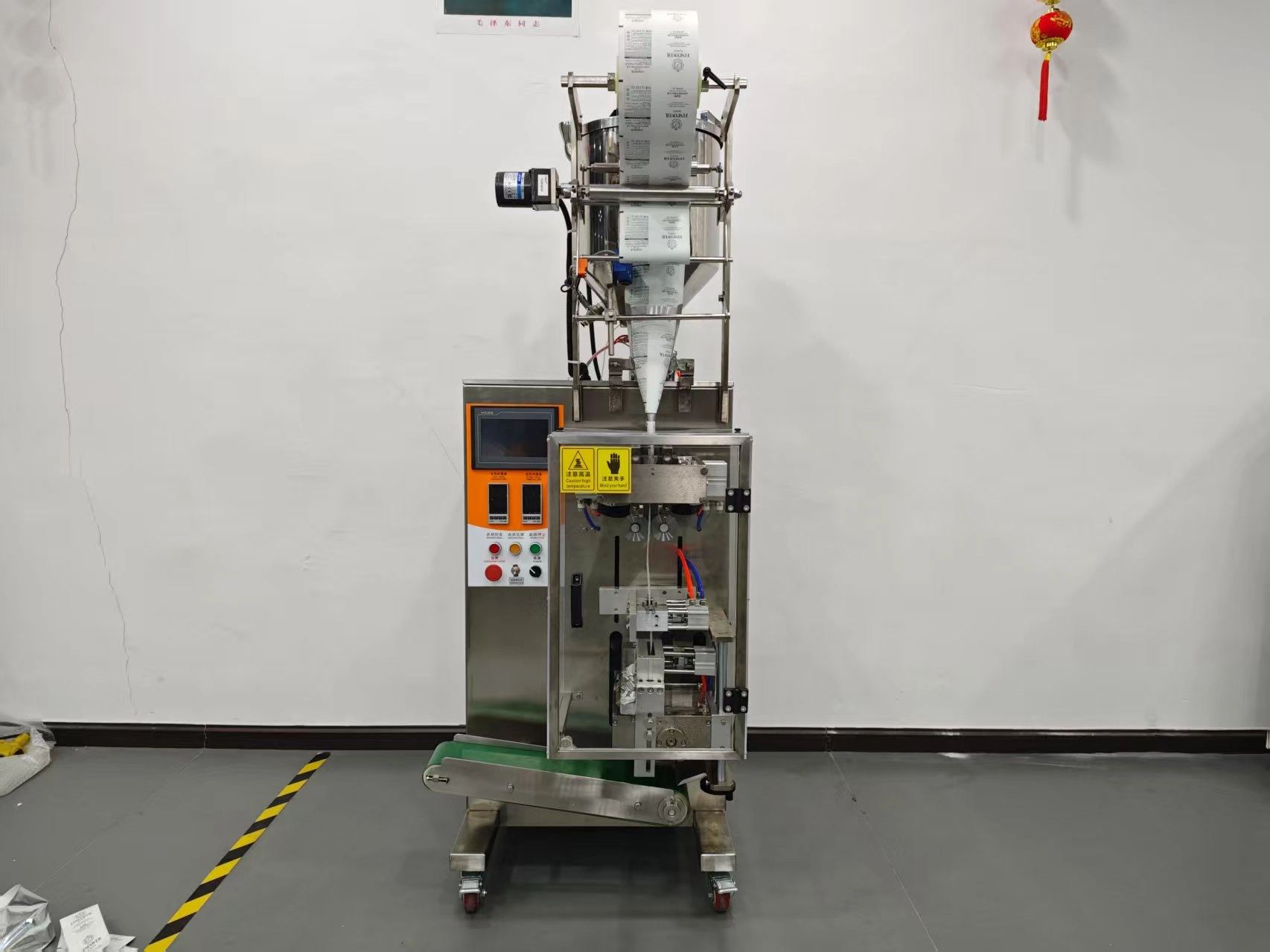
Three-side/four-side sealing bag packaging machine Liquid Paste Jam Cream Sachet Vertical Filling Pouch Packing Machine
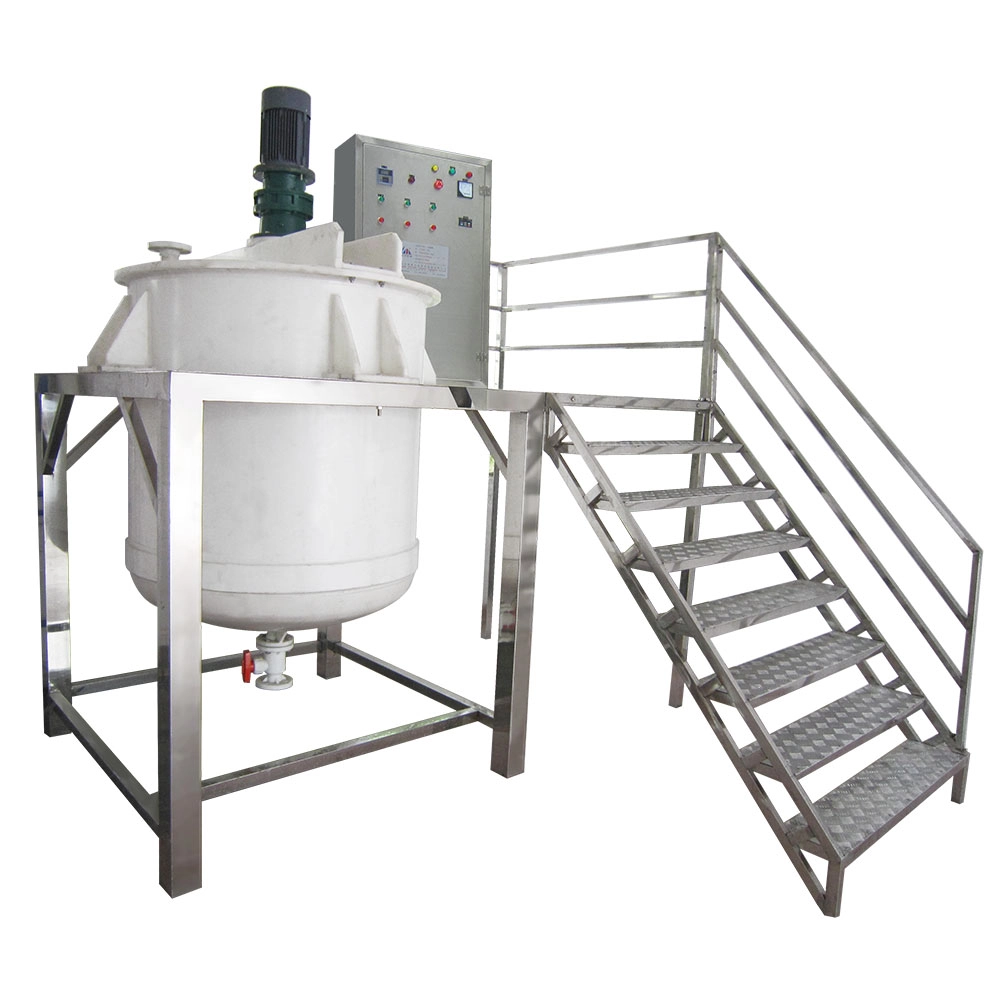
Polypropylene PP Mixing Tank Anti-Corrosion Mixer Reaction Kettle with Agitator Chemical Mixing Vessel
Get in touch with FULUKE
If you have any comments or good suggestions, please leave us a message, later our professional staff will contact you as soon as possible.

A leading manufacturer specializing in advanced machinery and complete production lines for the cosmetics, food, pharmaceutical, and chemical industries worldwide.
Contact FULUKE
Facebook
Instagram
YouTube