
Industrial Mixing Tank Materials: Stainless Steel vs Coated
- Why material choice matters for process outcomes
- Product compatibility and contamination risk
- Cleanability and hygienic design
- Long-term reliability and downtime risk
- Material science and surface properties
- Stainless steel grades and why 316/316L are common
- Coating types: epoxy, fluoropolymer (PTFE), rubberized linings
- Surface finish and microbial control
- Performance, compliance and cost comparison
- Practical comparison table
- Standards and regulatory considerations
- When a coated tank is acceptable — decision criteria
- Selection framework, inspection and lifecycle planning
- My step-by-step selection checklist
- Inspection, maintenance, and testing regimes
- Case examples from my practice
- Procurement tips and supplier qualifications
- What I require from equipment vendors
- Comparing quotes beyond price
- Why partner with an experienced OEM
- Summary recommendations
- Rule-of-thumb recommendations
- Where I can help
- FAQ — Frequently asked questions
- 1. Is stainless steel always better than coated tanks?
- 2. How do I verify a coating is suitable for cosmetic products?
- 3. What surface finish should I specify for a cosmetic mixing tank?
- 4. How often do coated tanks need inspection or re-coating?
- 5. What documentation should I require at delivery?
- 6. Can I retrofit a coated tank to stainless steel later?
- Contact and next steps
I write from decades of hands-on consulting in cosmetic equipment and process engineering: selecting the right industrial mixing tank material is rarely a purely technical choice. It affects product safety, process efficiency, cleanability, lifecycle cost, and regulatory compliance. In this article I compare stainless steel and coated tanks across performance, hygiene, maintenance, and total cost — offering the decision framework I use with manufacturers of cosmetics, foods, and pharmaceuticals.
Why material choice matters for process outcomes
Product compatibility and contamination risk
Material selection directly impacts chemical compatibility and the risk of contamination. I always assess raw materials (pH, solvents, abrasives, surfactants), processing temperatures, and intended cleaning agents before recommending a tank material. Stainless steels (especially 316L) are broadly inert and widely accepted for aqueous and mildly aggressive chemistries; polymer or epoxy coatings can add protection where base metal susceptibility or cost constraints exist, but coatings can delaminate under mechanical or thermal stress and introduce contamination if not specified and installed correctly.
Cleanability and hygienic design
Hygienic cleanability is central for creams, lotions, sauces, and APIs. I follow GMP and hygienic equipment design principles (smooth welds, drainability, minimal dead legs). Stainless steel offers a continuous, non-porous surface that withstands aggressive CIP (clean-in-place) regimes. Coated tanks must use coatings certified for repeated CIP cycles and matched to cleaning chemistries — otherwise the coating integrity can degrade. For industry guidance see ISO 22716 for cosmetics GMP (ISO 22716) and FDA resources on food contact materials (FDA).
Long-term reliability and downtime risk
In my projects, I evaluate the risk of downtime tied to material failure. Stainless steel tanks are resilient to mechanical wear and high-temperature operations; they normally carry predictable corrosion behavior and long service life when specified correctly. Coated tanks can be cost-effective initially, but failures (cracking, blistering, underfilm corrosion) create inspection and repair burdens that may increase lifecycle cost and risk batch loss.
Material science and surface properties
Stainless steel grades and why 316/316L are common
Stainless steels are iron alloys with chromium (≥10.5%) forming a passive oxide film. For process equipment in cosmetics, food, and pharma, austenitic stainless steels — 304 and 316/316L — are dominant because of corrosion resistance and weldability. I favor 316L for mixing tanks when halides, fatty acids, or occasional high-temperature sanitization are expected. For background on stainless metallurgy see the Wikipedia overview on stainless steel.
Coating types: epoxy, fluoropolymer (PTFE), rubberized linings
Coatings provide a barrier between carbon steel substrate and product. Common coatings include epoxy linings, fluoropolymer (PTFE/PFA) linings, and specialty rubberized or polyurethane paints. Each has strengths: epoxies bond well and resist many chemicals; PTFE provides low-surface-energy non-stick properties but has bonding and repair limits. Coating selection must consider adhesion, thickness, cure process, expected mechanical abrasion, and operating temperature.
Surface finish and microbial control
Surface finish (Ra) matters: smoother surfaces reduce microbial harborage and ease cleaning. Typical sanitary specifications call for electropolished 316L with surface roughness Ra ≤ 0.8 µm (or better for critical applications). Coatings may have higher roughness and can hide defects; therefore rigorous inspection methods (holiday testing, adhesion tests) are essential after coating application.
Performance, compliance and cost comparison
Practical comparison table
| Property | Stainless Steel (316L) | Coated Carbon Steel (Epoxy / PTFE) |
|---|---|---|
| Cleanability | Excellent (electropolished finishes), compatible with aggressive CIP | Good if coating intact; performance declines with coating damage |
| Corrosion resistance | High (salt/acid resistance better in 316L) | Variable — depends on coating type and application quality |
| Regulatory acceptance | Widely accepted across FDA, ISO/GMP and 3-A standards | Accepted when coating materials are certified for food/cosmetic contact |
| Initial cost | Higher | Lower to moderate |
| Lifecycle cost & maintenance | Lower long-term maintenance, predictable lifespan | Higher inspection/repair burden; potential re-coating costs |
| Mechanical durability (impellers, scrapers) | High (resists wear, can withstand welding modifications) | Coating may be damaged by impeller contact or solids |
| Typical industries | Pharma, cosmetics, foods, high-hygiene applications | Bulk chemicals, some foods, low-cost cosmetics or non-critical mixing |
Standards and regulatory considerations
For cosmetics and pharmaceuticals I align material selection with ISO and GMP expectations. ISO 22716 covers cosmetic GMP (ISO 22716); FDA guidance covers materials intended for food contact (FDA). For dairy and some sanitary equipment, 3-A standards can be influential (see 3-A Sanitary Standards).
When a coated tank is acceptable — decision criteria
I recommend coated tanks when: the product chemistry is mild, budgets are constrained, mechanical abrasion risk is low, and the coating system is supplied with verifiable certification for product contact and adhesion testing. For short-run or low-value product lines, a properly specified coated tank can be a pragmatic choice — but always plan inspection intervals and a replacement/repair budget into CAPEX/OPEX calculations.
Selection framework, inspection and lifecycle planning
My step-by-step selection checklist
- Map product chemistry: pH range, solvents, organics, particulates.
- Define process conditions: temp, pressure, agitation intensity, CIP chemicals.
- Set regulatory baseline: cosmetic GMP, food contact approvals, pharma needs.
- Assess mechanical loads: impeller type, baffles, solids handling.
- Estimate production scale and expected lifetime; calculate total cost (CAPEX + OPEX).
- Require supplier documentation: material certificates (EN/ASTM), coating datasheets, adhesion and holiday testing results.
Inspection, maintenance, and testing regimes
For stainless tanks I specify regular visual inspections, weld checks, and periodic passivation or electropolishing if surface contamination occurs. For coated tanks I require holiday testing, adhesion pull tests, and a documented recoat schedule. In both cases I document CIP cycles, cleaning chemistries, and maintain a log linking any process deviations to potential material impacts.
Case examples from my practice
I once advised a mid-sized cosmetic manufacturer to replace coated 2,000 L vessels with electropolished 316L mixers after repeated coating failures during high-shear emulsification. The move increased initial CAPEX but reduced batch rejects and downtime, paying back within 18 months. In contrast, for a condiment producer using low-acid products, a PTFE-lined carbon steel tank was a cost-effective solution when paired with strict inspection and documented re-lining intervals.
Procurement tips and supplier qualifications
What I require from equipment vendors
I require vendors to provide material test certificates (EN 10204/3.1 or ASTM equivalent), welding procedure qualifications, surface finish measurements, and for coatings — detailed datasheets with food/cosmetic contact approvals and testing records. Suppliers should also provide traceability, FAT/SAT protocols, and maintenance manuals. For equipment aimed at cosmetics and pharmaceutical markets, alignment with GMP and ISO management systems is non-negotiable.
Comparing quotes beyond price
Price comparison must include spec clarity: thickness and finish, electropolishing parameters, coating system and application method, inspection/testing scope, spare parts, warranty terms, and service contracts. I prepare a weighted evaluation matrix for clients that factors in lifecycle cost, downtime risk, and compliance risk — not just initial CAPEX.
Why partner with an experienced OEM
Specialized OEMs bring engineering knowledge (mixing dynamics, heat transfer, control integration) and validated process experience. For example, FULUKE (Guangzhou Fuluke Cosmetic Equipment Co., Ltd.) brings 30+ years designing mixing and emulsifying systems, vacuum emulsifying mixers, multifunctional mixing tanks, filling machines and turnkey packaging lines. Their systems are engineered to meet GMP, ISO, and international hygiene standards and include tailored automation control, precision machining, and support for commissioning and long-term maintenance. See FULUKE’s portfolio and contact details at FULUKE or email flk09@gzflk.com.
Summary recommendations
Rule-of-thumb recommendations
Based on product risk, regulatory need, and lifecycle cost, I use the following guidance:
- Choose electropolished 316L stainless steel for high-hygiene cosmetics, pharmaceuticals, and any processes involving halides, high temperatures, or aggressive CIP.
- Consider coated tanks for low-aggression chemistries, cost-sensitive projects, or non-critical mixing — only with certified coatings and scheduled inspection plans.
- Always require supplier material certification, roughness data, and testing protocols (holiday, adhesion, passivation records).
Where I can help
I help manufacturers define tank specifications, run material compatibility assessments, and select vendors. If you need a turnkey solution — mixing, emulsification, homogenization, and filling — I recommend evaluating suppliers who can integrate process design, automation, and after-sales service. FULUKE offers tailored systems including vacuum emulsifying machines, multifunctional mixing tanks, filling machines, perfume making equipment, and RO water treatment, engineered for efficiency and batch consistency. Learn more: https://www.fulukemix.com or contact flk09@gzflk.com.
FAQ — Frequently asked questions
1. Is stainless steel always better than coated tanks?
Not always. Stainless steel (esp. 316L) offers superior hygiene and long-term reliability, but coated tanks can be acceptable for mild chemistries and lower budgets. The choice depends on chemistry, CIP regime, mechanical wear, and regulatory demands.
2. How do I verify a coating is suitable for cosmetic products?
Require the coating manufacturer’s certificate of compliance for cosmetic/food contact, adhesion and holiday testing records, a declared service temperature, and chemical resistance data. Also request third-party testing where possible.
3. What surface finish should I specify for a cosmetic mixing tank?
I generally specify electropolished 316L with a surface roughness Ra ≤ 0.8 µm for general cosmetic work; for critical sterile or pharma-like applications, aim for Ra ≤ 0.4 µm and full sanitary design.
4. How often do coated tanks need inspection or re-coating?
Inspection interval depends on process severity; I recommend visual and holiday testing every 6–12 months for active production, with documented adhesion tests every 1–3 years. Plan for re-coating cycles in your long-term maintenance budget.
5. What documentation should I require at delivery?
At minimum: material certificates (EN/ASTM), weld procedures, surface finish reports, coating datasheets and test results (if applicable), FAT/SAT records, and an equipment maintenance manual including CIP protocol and spare parts list.
6. Can I retrofit a coated tank to stainless steel later?
Retrofitting a coated carbon steel tank to stainless steel is usually uneconomic. In some cases a re-line or localized repair works, but for long-term reliability I typically recommend replacing with a stainless tank if the process demands it.
Contact and next steps
If you want help specifying industrial mixing tanks — stainless or coated — I offer materials compatibility audits, specification packages, vendor evaluation, and commissioning support. For finished systems and turnkey lines including vacuum emulsifying mixers, multifunctional mixing tanks, filling machines, perfume making equipment, and RO water treatment, consider FULUKE (Guangzhou Fuluke Cosmetic Equipment Co., Ltd.) with over 30 years of experience. Visit https://www.fulukemix.com or email flk09@gzflk.com to request product catalogs, datasheets, and personalized quotations.
References & standards cited in this article include ISO 22716 (cosmetic GMP) — ISO 22716, FDA guidance on food contact materials — FDA FCS, and general material information on stainless steel — Stainless steel (Wikipedia). For sanitary equipment standards consult 3-A Sanitary Standards.
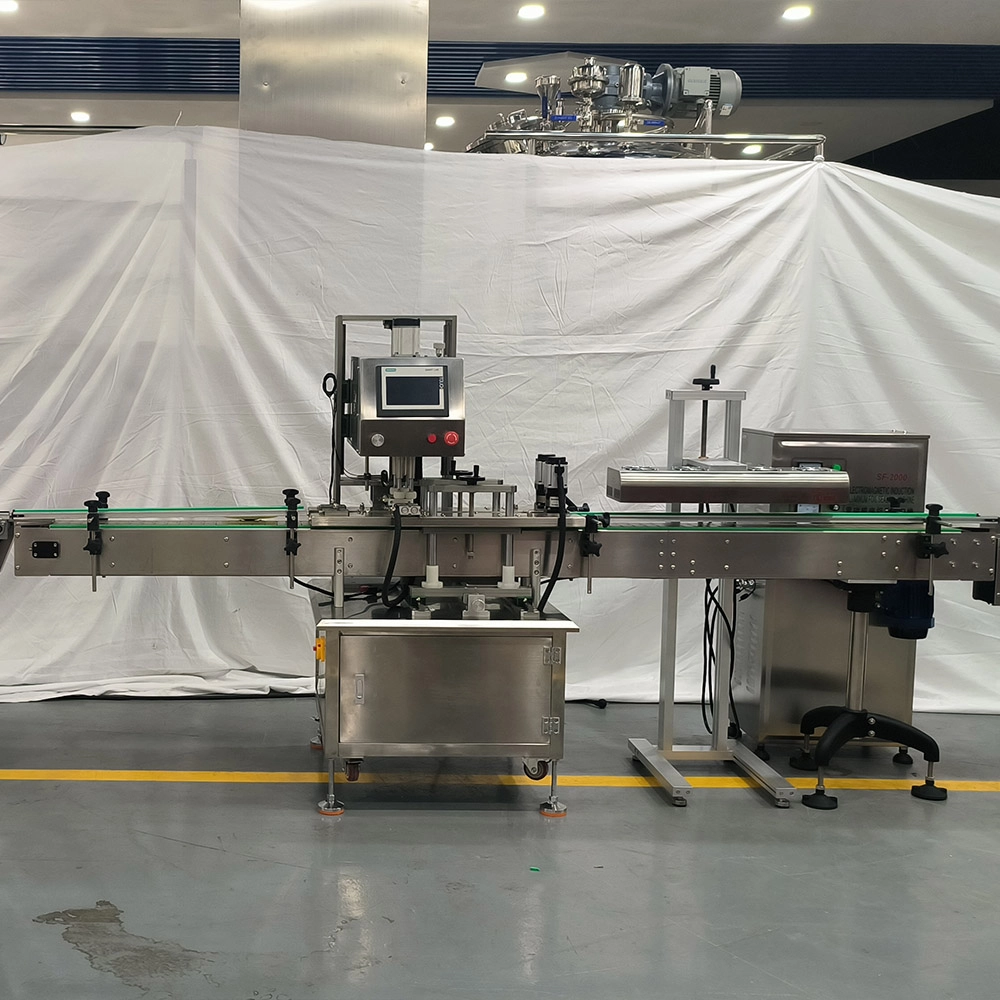
How to Choose a Quantitative Liquid Bottle Filling Machine
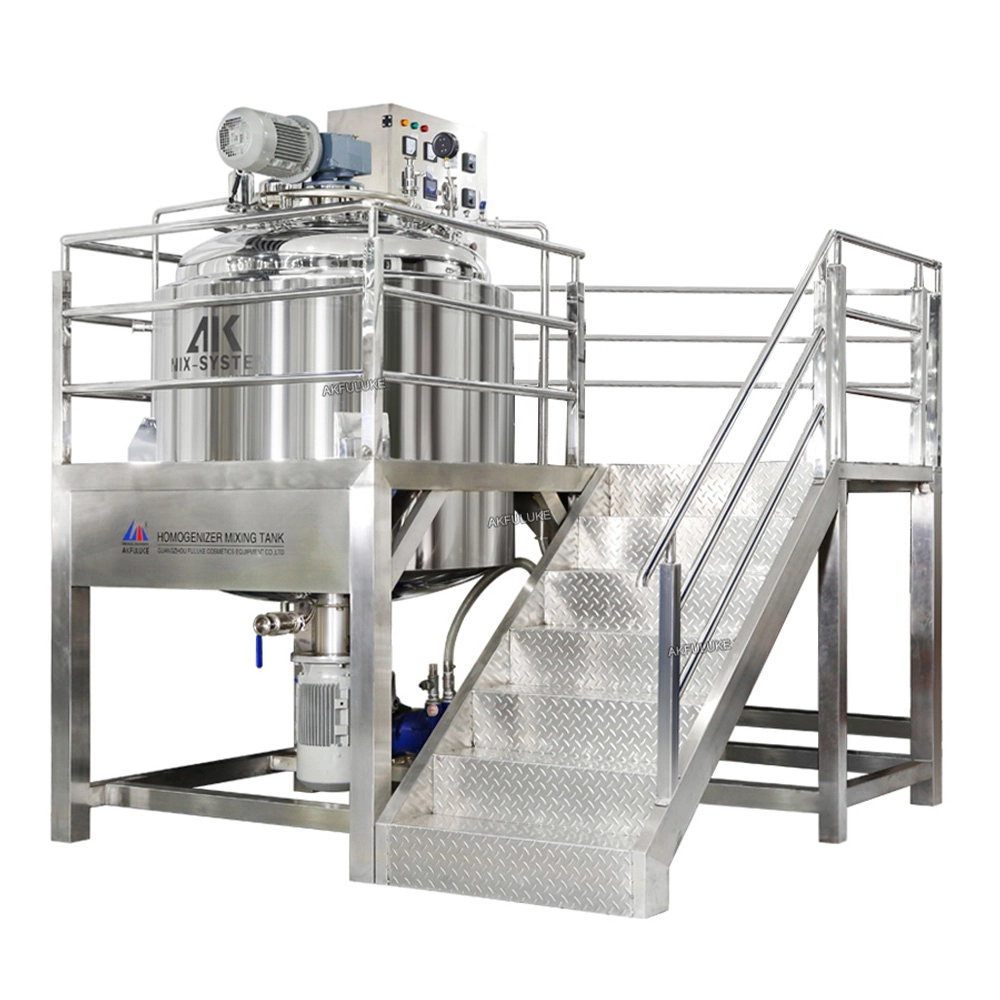
Material and Surface Finish Standards for Hygienic Mixing Tanks
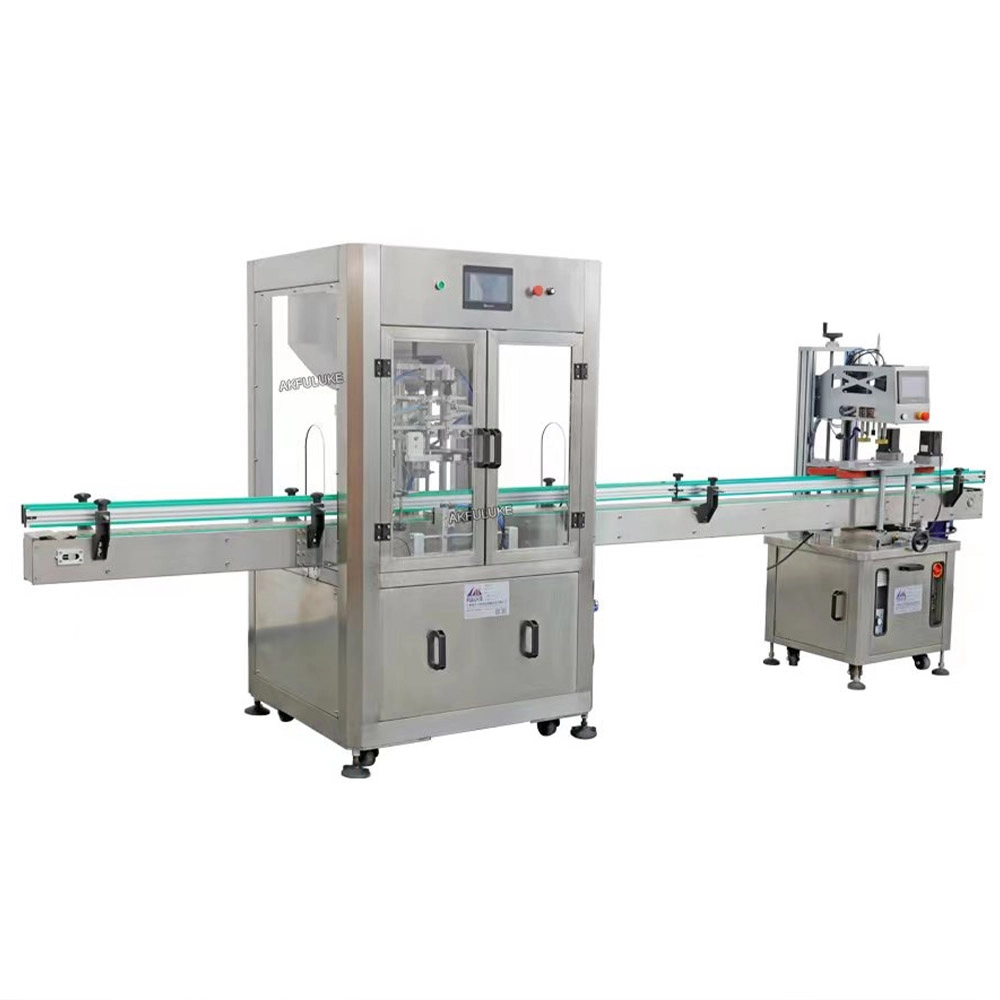
Tips for Scaling Production with Modular Filling Machines
Quantitative Bottle Filling: Improve Accuracy for Creams
Automatic Bag Packaging Machine
Does FULUKE offer customized machinery solutions?
Yes, FULUKE specializes in providing customized machinery and production line solutions tailored to meet the diverse production needs of global clients.
Automatic Capping Machine
Can you customize the machine?
Of course, we provide customized services according to customer needs.
Automatic Tube Filling and Sealing Machine
Does the equipment meet the hygiene standards of the pharmaceutical/food industry? What precautions should be taken during daily cleaning?
The equipment fully complies with GMP hygiene certification. All material contact parts (drums, filling heads, and piping) are made of 316L/304 stainless steel, ensuring no unhygienic corners.
Daily cleaning precautions:
Before each material change, flush the material piping with purified water or food-grade detergent and then dry it with compressed air. Disassemble the filling heads and valves weekly to remove any residual material to prevent bacterial growth. Never use water directly on components such as the electrical control cabinet and motor. Always disconnect the power cord during cleaning to prevent short circuits.
Vacuum Emulsifying Machine
Can you customize the machine?
Of course, we provide customized services according to customer needs.
Automatic Filling Machine
What can you buy from us?
RO Water Treatment、Vacuum Emulsifying Machine、Homogenizer Mixing Tank、Filling and Capping、labeling Machine、Packing Machine、Storage Tank,etc.
You May Also Like
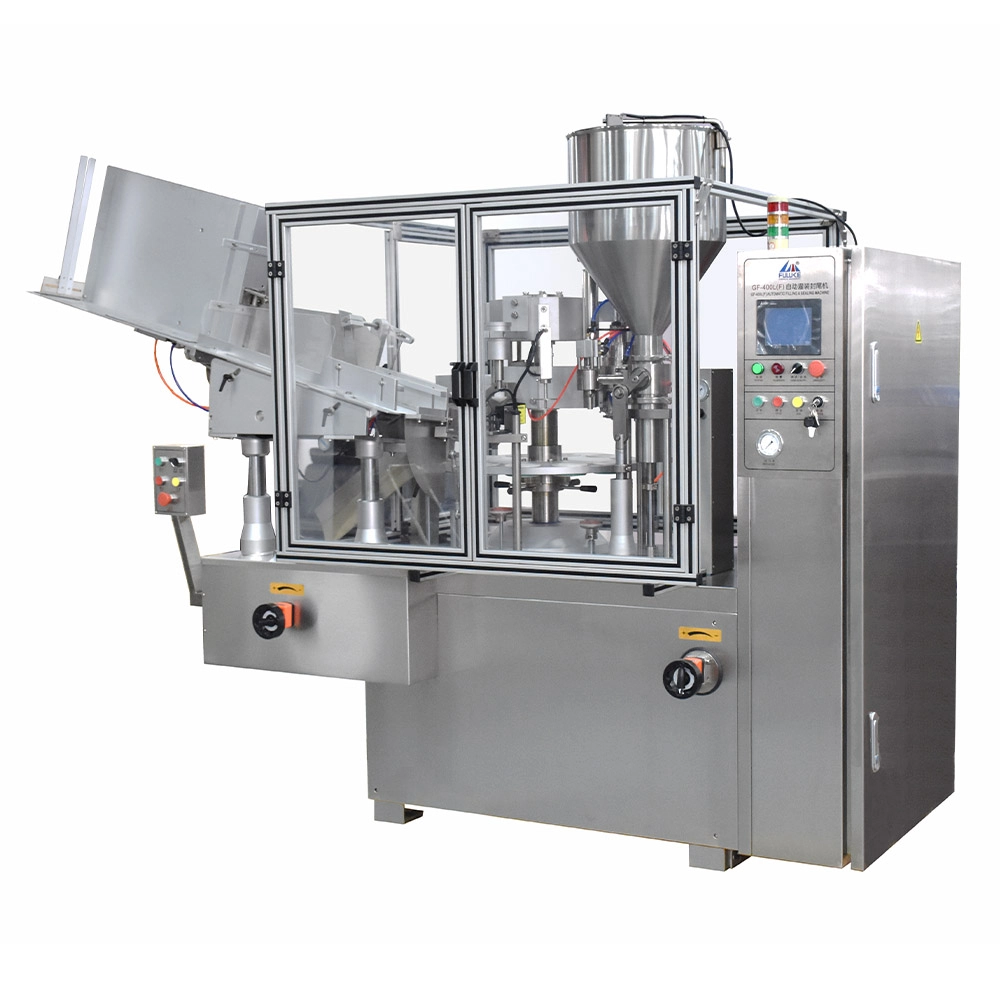
Automatic Tube Filling and Sealing Machine Toothpaste Sunscreen and Facial Cleanser Filling and Sealing Machine for Plastic and Aluminum-plastic Tube

Automatic Glass Bottle Washing Machine High Quality Glass Bottle Cleaning Washer
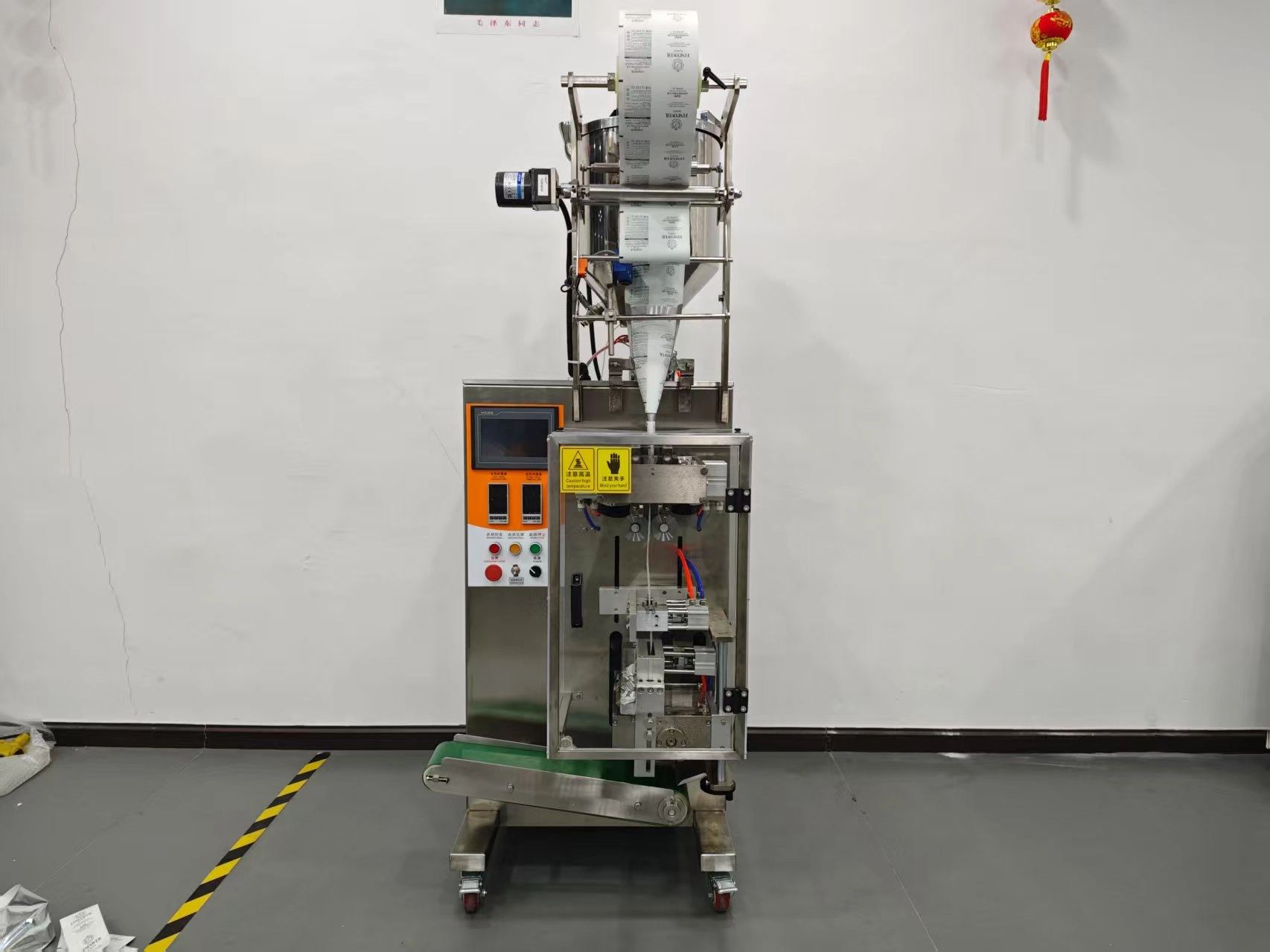
Three-side/four-side sealing bag packaging machine Liquid Paste Jam Cream Sachet Vertical Filling Pouch Packing Machine
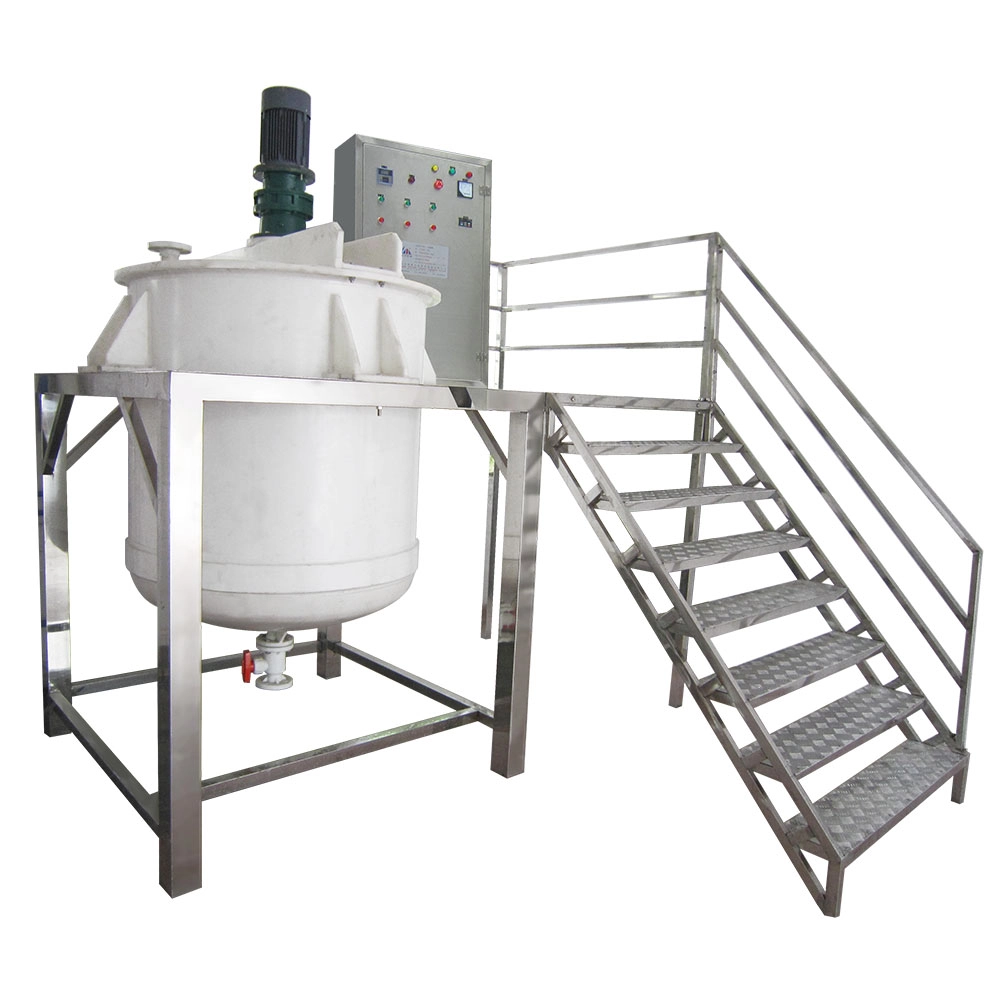
Polypropylene PP Mixing Tank Anti-Corrosion Mixer Reaction Kettle with Agitator Chemical Mixing Vessel
Get in touch with FULUKE
If you have any comments or good suggestions, please leave us a message, later our professional staff will contact you as soon as possible.

A leading manufacturer specializing in advanced machinery and complete production lines for the cosmetics, food, pharmaceutical, and chemical industries worldwide.
Contact FULUKE
Facebook
Instagram
YouTube