
Integrating Automatic Filling Machines into Production Lines
- Benefits of Adding an Automatic Filling System
- Improved Throughput and Consistency
- Enhanced Quality and Regulatory Compliance
- Cost Savings and Labor Optimization
- Design and Technical Considerations for Integration
- Compatibility with Existing Line Equipment
- Filling Technology and Product Characteristics
- Sanitation, Materials and Surface Finish
- Implementation Steps and Best Practices
- Project Planning and Workflow Mapping
- Commissioning, Validation and IQ/OQ/PQ
- Operator Training and Maintenance Plans
- Real-World Comparison and ROI Analysis
- Comparing Filling Options
- Estimating Payback and ROI
- Product Spotlight: Automatic Filling Machine Description
- Key Technical Highlights
- Applications and Typical Use Cases
- Brand Advantages and Why Choose This Solution
- Proven Track Record Across Industries
- Customization and Service Support
- Compliance and Documentation
- Common Integration Challenges and How to Overcome Them
- Challenge: Mismatched Conveyor Speeds and Bottle Pitch
- Challenge: Product Foaming or Air Inclusion
- Challenge: Frequent SKU Changeovers
- Frequently Asked Questions (FAQ)
- Q1: Can this automatic filling machine handle both creams and thin liquids?
- Q2: How accurate are the fill volumes?
- Q3: What sanitation features are included to meet GMP standards?
- Q4: How long does a typical installation and commissioning take?
- Q5: Do you provide IQ/OQ/PQ documentation and support?
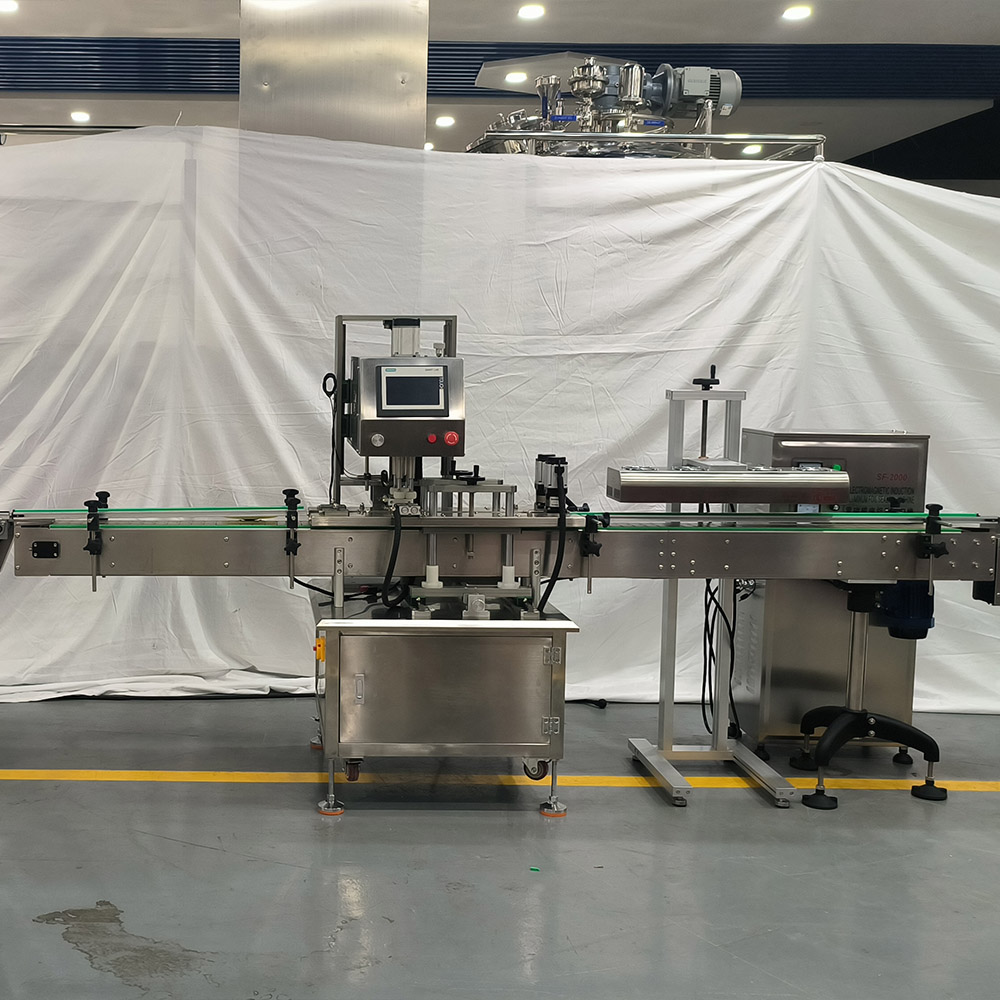
In modern cosmetics, personal care, pharmaceutical, and food production, integrating an automatic liquid filling machine into a production line is a strategic step toward higher throughput, consistent product quality, and regulatory compliance. The right integration considers line layout, control logic, sanitation requirements, and operator training to ensure process stability and return on investment. Below, we explore technical, operational, and commercial aspects of integrating automatic filling equipment—addressing real-world challenges and offering practical guidance.
Benefits of Adding an Automatic Filling System
Improved Throughput and Consistency
Switching from manual or semi-automatic filling to a fully Automatic Filling Machine Quantitative Liquid Bottle Filling Machine High-precision cream and lotion filling machine dramatically increases line throughput by minimizing human intervention and utilizing synchronized infeed, filling, and outfeed mechanisms. These systems are designed to deliver precise liquid metering for creams, lotions, emulsions, and low-to-medium viscosity liquids. Consistent volumetric or gravimetric dosing reduces product giveaway and improves batch-to-batch uniformity.
Enhanced Quality and Regulatory Compliance
Automatic filling equipment built with 316L/304 stainless steel contact parts and designed to meet GMP standards helps manufacturers maintain hygienic processing conditions, reduce contamination risk, and create an auditable process. Many regulators and auditors expect evidence of process control and sanitary design. Using validated filling equipment simplifies compliance with cosmetics and pharmaceutical requirements; see safety and regulatory information on the FDA cosmetics page and WHO GMP resources at WHO: Good manufacturing practices (GMP).
Cost Savings and Labor Optimization
Although initial capital expenditure for an automatic liquid filling machine can be significant compared with semi-automatic options, the long-term savings are realized through reduced labor costs, lower product waste, and fewer rejects. Automated systems can operate for longer shifts with less supervision, and touchscreen HMI controls enable rapid changeovers and parameter adjustments, reducing downtime between SKUs.
Design and Technical Considerations for Integration
Compatibility with Existing Line Equipment
Before installing an automatic filling machine, perform a full audit of your current production line: conveyor widths, starwheels, capping, labeling, and vision inspection systems. Integration succeeds when infeed and outfeed speeds, bottle pitch, and angular alignment match the new machine’s specifications. Many automatic filling machines support modular interfaces or PLC/fieldbus protocols to synchronize with upstream/downstream equipment; ensure your SCADA or line control can communicate via common protocols such as EtherNet/IP, Profinet, or Modbus.
Filling Technology and Product Characteristics
Choose the appropriate filling principle for your product: piston (positive displacement) filling is usually preferred for creams, lotions, and viscous emulsions due to its high accuracy and low shear. Gravity or pump-based systems can work for low-viscosity liquids. The Automatic Filling Machine Quantitative Liquid Bottle Filling Machine High-precision cream and lotion filling machine supports a range of viscosities and can be configured with piston pumps, peristaltic pumps, or valve fillers depending on formulation shear sensitivity and particulate content.
Sanitation, Materials and Surface Finish
Materials that contact product should meet industry standards—316L stainless steel for wetted parts is common. Surface finish, weld quality, and cleanability are critical to prevent microbial growth and product residue buildup. Designs that enable quick disassembly and CIP (clean-in-place) or SIP (steam-in-place) functionality reduce downtime during cleaning and aid GMP compliance. For guidance on sanitary design, see the Filling machine overview and WHO GMP references noted above.
Implementation Steps and Best Practices
Project Planning and Workflow Mapping
Begin with a cross-functional team representing production, quality, maintenance, and procurement. Create a process map identifying inputs (containers, caps), critical control points (fill volume, torque), and outputs (finished packs). Define target KPIs: units/hour, accuracy (e.g., ±0.5%), and acceptable downtime. A detailed site survey (power, compressed air, floor loading, utilities) prevents surprises during installation.
Commissioning, Validation and IQ/OQ/PQ
Commissioning should include installation qualification (IQ), operational qualification (OQ), and performance qualification (PQ). Develop test protocols to verify fill accuracy across target SKUs and conduct environmental and sterility checks as applicable. Documenting validation is essential for audits and for confirming that the liquid filling machine meets manufacturer and regulatory performance claims.
Operator Training and Maintenance Plans
Robust training programs for operators and maintenance staff reduce unplanned downtime. Provide training on HMI parameter changes, quick changeovers, basic troubleshooting, and sanitation. Establish a preventive maintenance schedule for pump seals, valves, and sensors. Include spare parts lists for critical items to minimize mean time to repair (MTTR).
Real-World Comparison and ROI Analysis
Comparing Filling Options
Below is a comparison table to help stakeholders compare manual, semi-automatic, and automatic liquid filling machine solutions for creams and lotions. This highlights typical throughput, accuracy, labor needs, and suitability.
| Feature | Manual Filling | Semi-Automatic Filling | Automatic Filling Machine |
|---|---|---|---|
| Typical throughput (units/hr) | 50–300 | 300–1,500 | 1,000–12,000+ |
| Filling accuracy | Low (operator-dependent) | Medium (depends on operator) | High (±0.2%–1.0% typical) |
| Labor intensity | High | Medium | Low |
| Best for | Small batches, R&D, sampling | Small-scale production, varied SKUs | High-volume production, consistent SKUs |
| Typical capital cost | Low | Moderate | High |
Estimating Payback and ROI
To estimate ROI, calculate labor savings, reduced giveaway, and increased throughput. Example: if an automatic filling machine reduces labor by two operators per shift and reduces product giveaway by 1–2%, savings compound quickly for high-value cosmetics. Factor in maintenance, validation, and utility costs. Many manufacturers see payback within 12–36 months depending on production volume and product margins.
Product Spotlight: Automatic Filling Machine Description
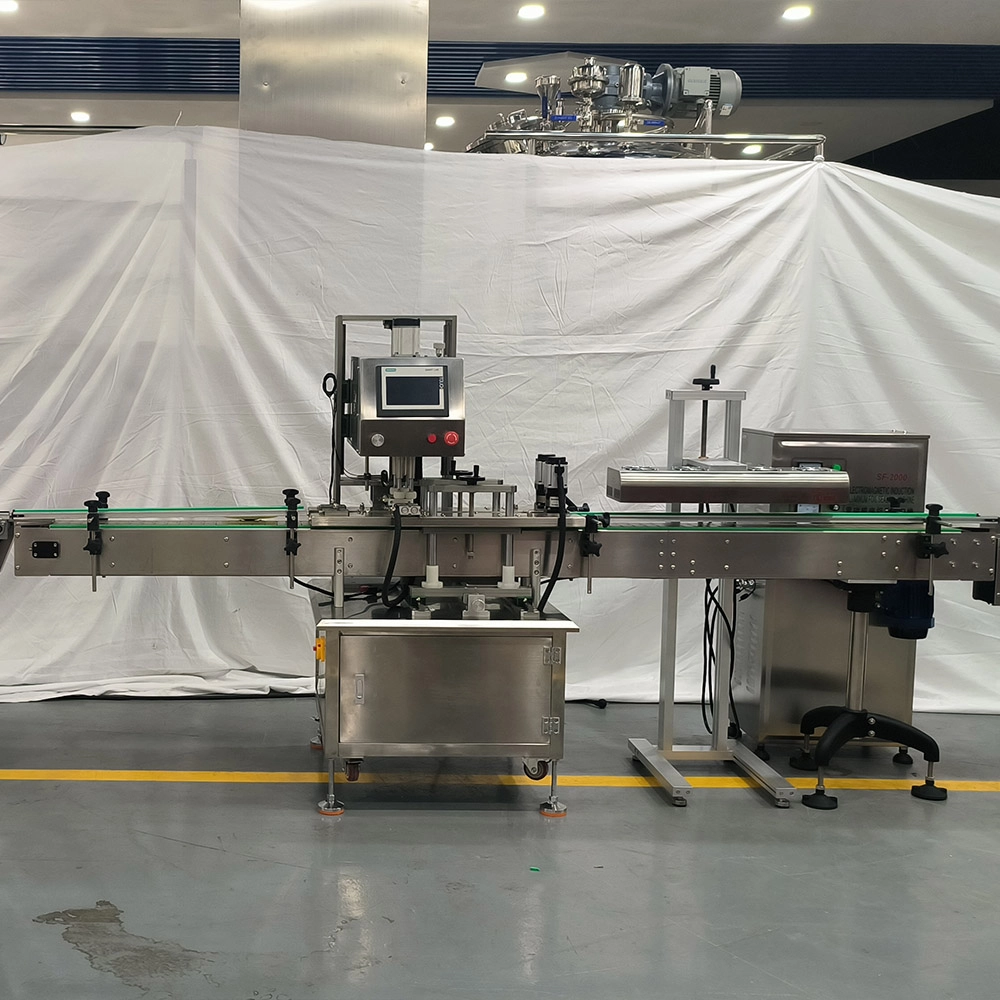
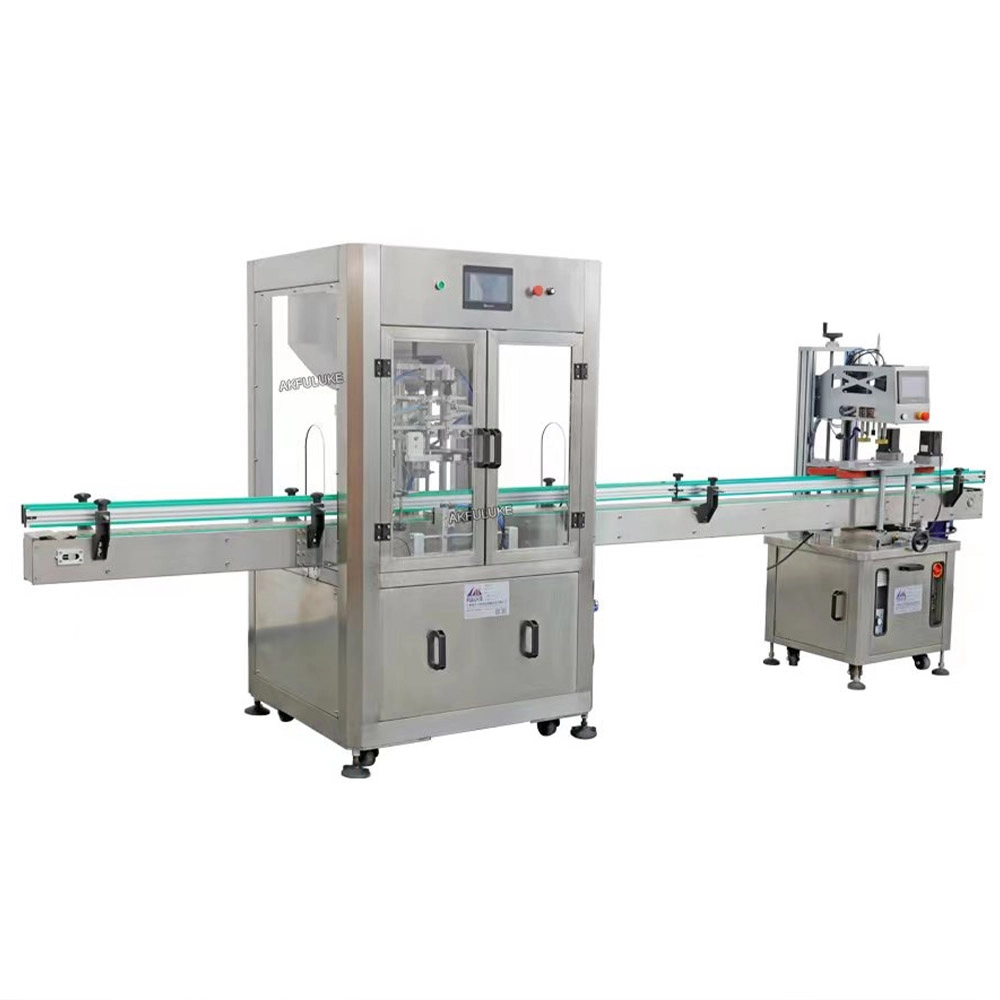
The automatic filling machine integrates automated conveying, precision filling, and intelligent control for packaging creams, lotions, and liquids. Suitable for a variety of containers, including glass and PET bottles, it can fill liquids, emulsions, and pastes with high precision.
Constructed with 316L/304 stainless steel contact components and compliant with GMP standards, it features a touchscreen interface for quick parameter adjustment and completes the entire process without manual intervention. Widely used in the cosmetics, food, daily chemical, pharmaceutical, and chemical industries, it helps companies reduce costs, increase efficiency, and ensure product standardization.
Key Technical Highlights
- 316L/304 stainless steel wetted components for corrosion resistance and hygienic design.
- High-precision dosing suitable for creams, lotions, emulsions, and viscous formulations.
- Touchscreen HMI for rapid recipe changes and straightforward operator control.
- Modular design for easy integration with capping, labeling, and inspection stations.
Applications and Typical Use Cases
Suitable for cosmetic serums, face creams, body lotions, hair care products, and other personal-care liquids. Also used for food dressings, hand sanitizers, and non-hazardous chemical products. Its flexibility makes it an excellent fit for medium to high-volume production with frequent SKU changeovers.
Brand Advantages and Why Choose This Solution
Proven Track Record Across Industries
Our automatic filling systems are deployed across cosmetics, pharmaceuticals, food, and chemical plants. Cross-industry experience ensures robust sanitary design, materials selection, and control strategies optimized for sensitive formulations and strict quality requirements.
Customization and Service Support
We offer tailored configurations—piston or pump fillers, multi-head options, and integrated CIP/SIP modules—along with on-site commissioning, IQ/OQ/PQ documentation support, and operator training. Lifecycle service contracts help maintain uptime and ensure regulatory readiness.
Compliance and Documentation
Machines are built to GMP principles and come with traceable material certificates for wetted parts along with FAT/SAT documentation. This reduces your burden during audits and expedites validation activities.
Common Integration Challenges and How to Overcome Them
Challenge: Mismatched Conveyor Speeds and Bottle Pitch
Solution: Use a buffer section or adjustable starwheel to harmonize bottle pitch between equipment. Many systems include variable-speed conveyors and servo-controlled feeders to accommodate differences.
Challenge: Product Foaming or Air Inclusion
Solution: Select low-shear filling valves or vacuum-assisted filling options for foaming-prone formulations. Conduct bench trials to fine-tune fill speeds and nozzle immersion depth prior to commissioning.
Challenge: Frequent SKU Changeovers
Solution: Opt for quick-change components, recipe-driven HMI, and adjustable guide rails. Organize changeover kits and document step-by-step procedures to reduce downtime.
Frequently Asked Questions (FAQ)
Q1: Can this automatic filling machine handle both creams and thin liquids?
A1: Yes. The machine can be configured with piston fillers for high-viscosity creams and pump or gravity options for thin liquids. Material contact components are designed to accommodate a range of viscosities and emulsions.
Q2: How accurate are the fill volumes?
A2: Typical accuracy for high-precision systems is within ±0.2%–1.0% depending on product viscosity and filling method. Validation runs during commissioning establish actual accuracy for your product.
Q3: What sanitation features are included to meet GMP standards?
A3: Wetted parts are 316L/304 stainless steel, with sanitary tri-clamp connections, polished finishes, and options for CIP/SIP. The design minimizes dead legs and simplifies disassembly for manual cleaning when required. Refer to WHO GMP guidance at WHO GMP for more on sanitary design principles.
Q4: How long does a typical installation and commissioning take?
A4: Timeline varies by complexity. A standalone machine may be installed and commissioned within 2–4 weeks; full line integration including conveyors, capping, and inspection may take 6–12 weeks including validation activities.
Q5: Do you provide IQ/OQ/PQ documentation and support?
A5: Yes. We provide IQ/OQ/PQ-ready documentation, FAT reports, and on-site support during validation to help you meet regulatory requirements.
If you want to learn how the Automatic Filling Machine Quantitative Liquid Bottle Filling Machine High-precision cream and lotion filling machine can be integrated into your line, contact our sales and engineering team for a site survey, pilot trials, and a customized ROI analysis.
Addressing Foaming Issues During Liquid Filling
Choosing the Right Liquid Filling Machine for Your Production Line
Maintenance & Servicing Best Practices for Automatic Filling Machines
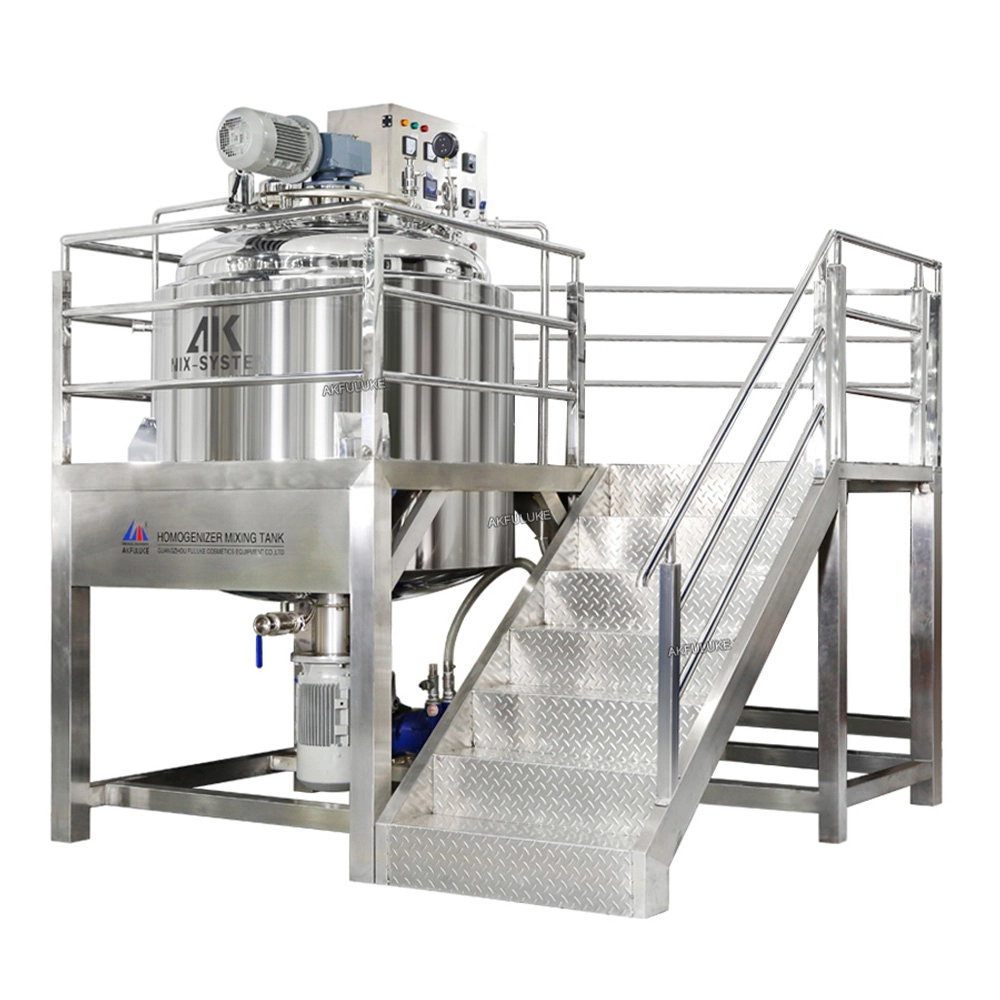
Cost of Ownership: Stainless Steel Mixing Tank ROI Analysis
Inkjet Printing Machine
Can you make a design for us?
Yes, we can, we provide not only products, but also solutions and designs.
What content can an inkjet printer print?
It can print text, time, date (Julian Year), logo, shift, SN, Dynamic Barcode/OR Code, Dynamic Serial Data, and Dynamic Database (additional content can be added as required).
The Flip Cover Liquid Wash Mixing Homogenizing Tank
Can flip cover homogenizing mixing tank ensure hygienic safety when handling materials such as food and cosmetics?
Material Compliance: The equipment's pot, agitator, homogenizer, and other material-contacting components are all made of 316L stainless steel, which is corrosion-resistant and easy to clean, meeting food-grade and cosmetic-grade hygiene requirements.
Easy Cleaning: The open-top design allows direct access to corners within the pot, allowing for thorough cleaning by hand or with tools.
Operational Specifications: The equipment can be disinfected before use (e.g., hot water for food processing). After use, cleanup any remaining material promptly to avoid cross-contamination.
Storage Tank
What can you buy from us?
RO Water Treatment、Vacuum Emulsifying Machine、Homogenizer Mixing Tank、Filling and Capping、labeling Machine、Packing Machine、Storage Tank,etc.
Perfume Freezing Filter Making Machine
Why does perfume require freeze filtration? Is traditional filtration an alternative?
Traditional filtration only removes visible solid impurities. Soluble organic matter, colloids, and trace microorganisms in perfume are difficult to separate at room temperature, easily leading to turbidity, precipitation, and aroma deterioration after storage. Freeze filtration uses a low-temperature environment of -5°C to -15°C (depending on the formulation) to condense these hidden impurities into solid particles. These particles are then thoroughly trapped through precision filtration, while simultaneously allowing the fragrance components to fully blend. This is a core process that ensures the stability of high-end perfumes.
You May Also Like
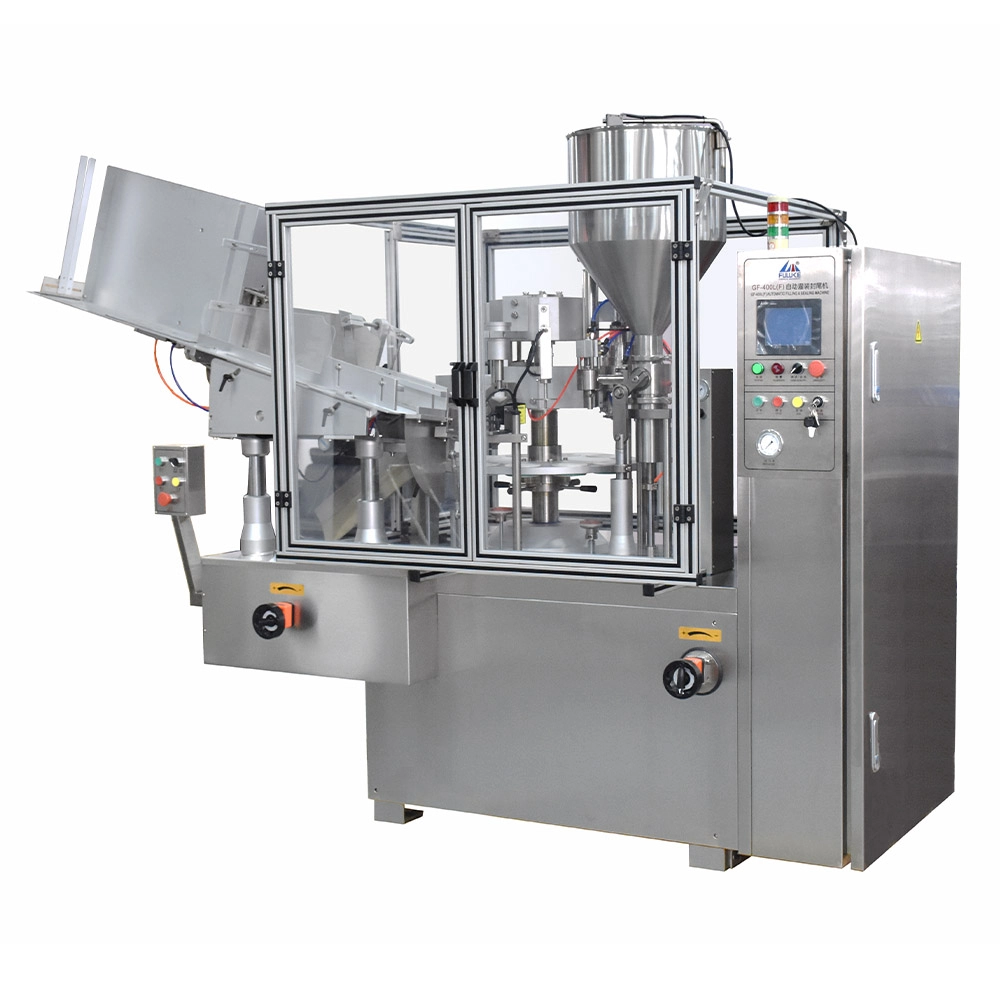
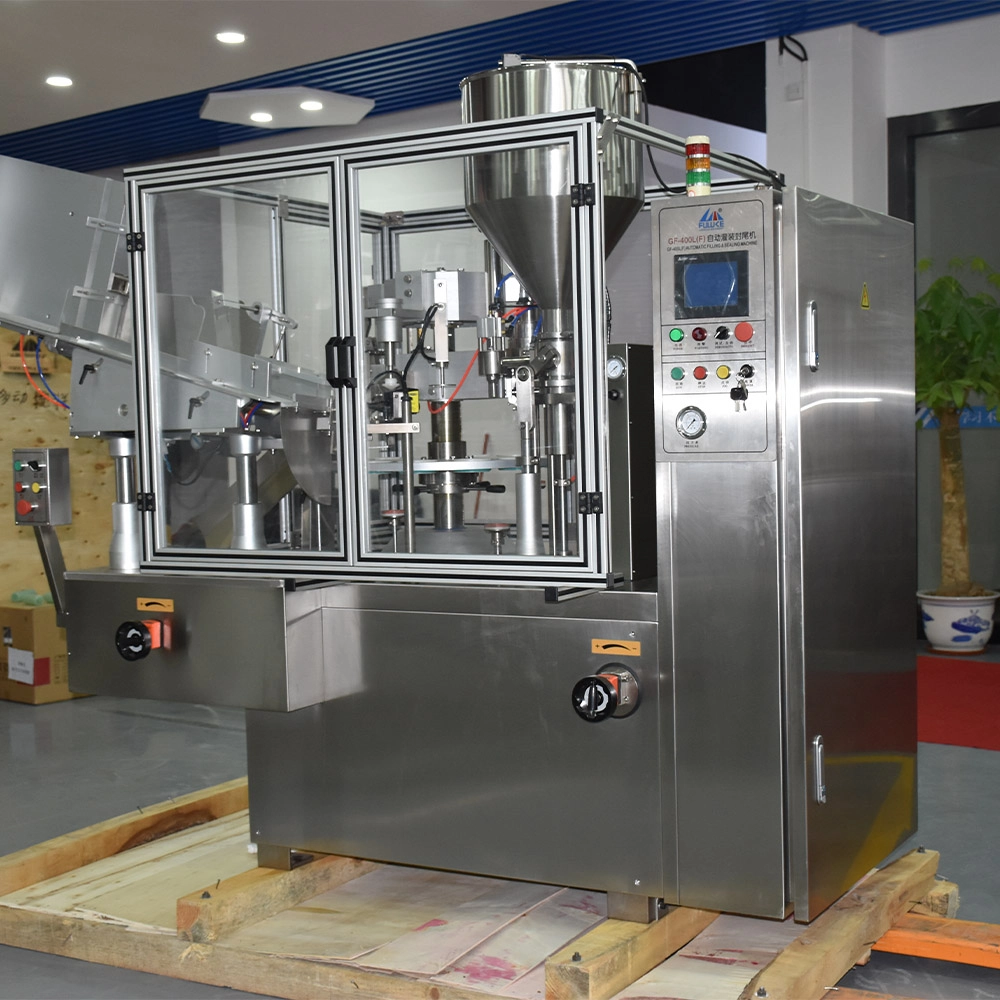
Automatic Tube Filling and Sealing Machine Toothpaste Sunscreen and Facial Cleanser Filling and Sealing Machine for Plastic and Aluminum-plastic Tube
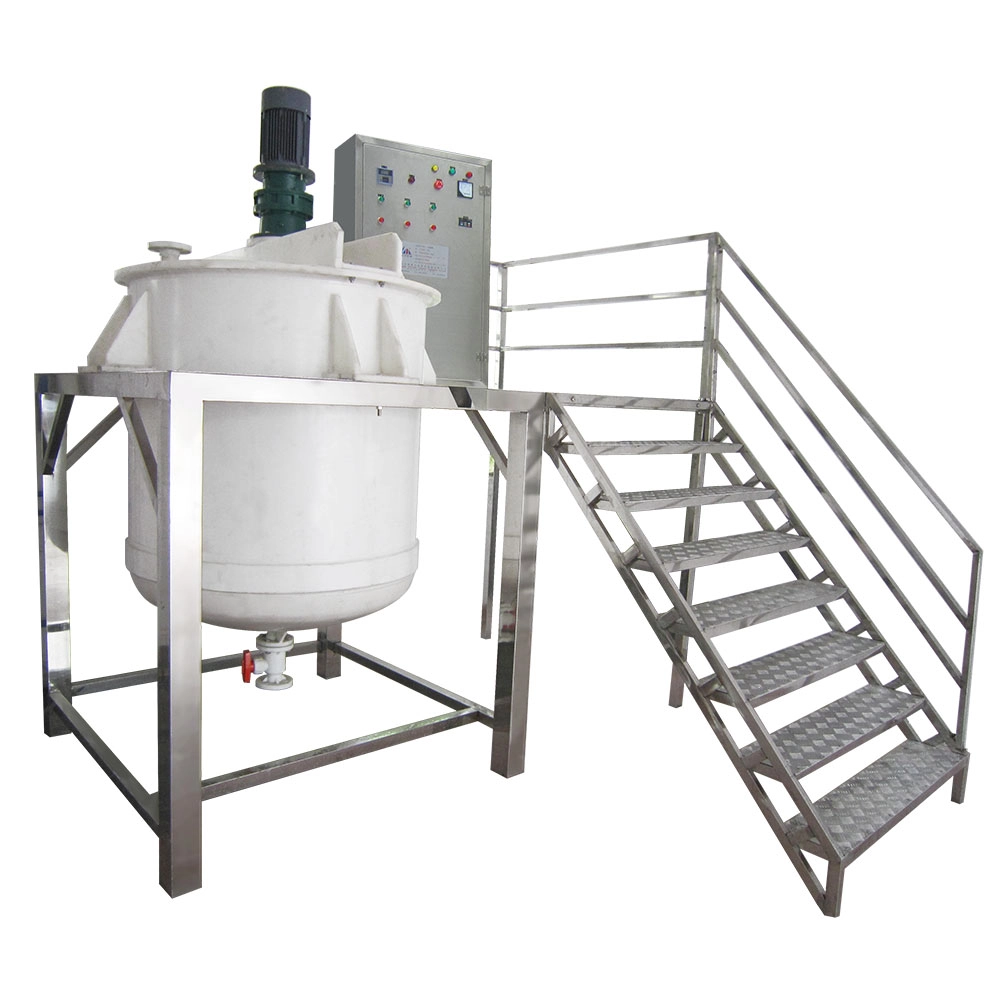
Polypropylene PP Mixing Tank Anti-Corrosion Mixer Reaction Kettle with Agitator Chemical Mixing Vessel
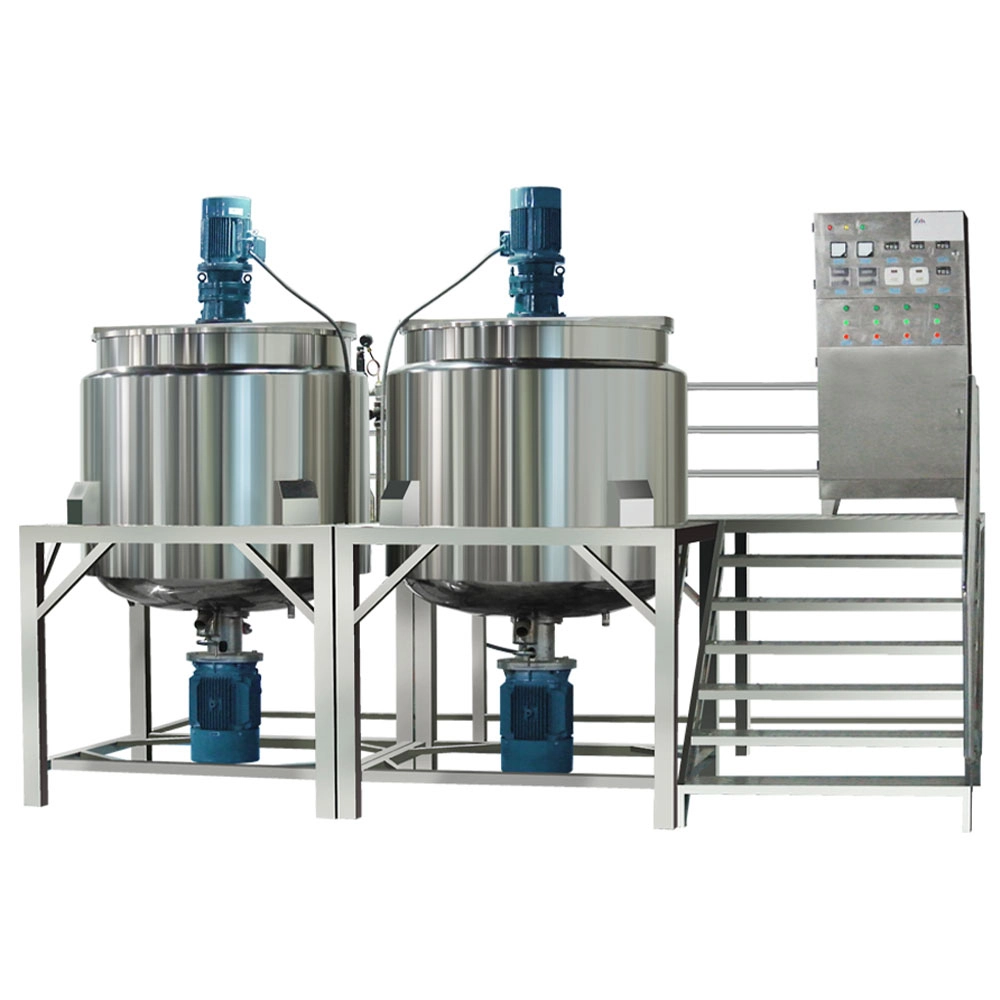
Flip Cover Multi-function Liquid Wash Mixing Tank Blender Liquid Detergent Mixer Homogenization Stirring Tank
Stainless Steel Mixer Liquid Mixing tank with Agitator Homogenizing Mixing tank Vacuum Sealed Mixer Machine
Get in touch with FULUKE
If you have any comments or good suggestions, please leave us a message, later our professional staff will contact you as soon as possible.

A leading manufacturer specializing in advanced machinery and complete production lines for the cosmetics, food, pharmaceutical, and chemical industries worldwide.
Contact FULUKE
Facebook
Instagram
YouTube