
Integrating Filling Machines with Labeling and Capping
- Streamlining Cosmetic Packaging Lines
- Why integration matters for cosmetics manufacturers
- Core components: filling, labeling, capping
- Product suitability and handling
- Technical Integration: Filling, Labeling, and Capping
- Mechanical and control synchronization
- Hygiene design and materials
- Label accuracy and cap validation
- Selecting and Validating Equipment
- Specifying the right automatic filling machine
- Installation qualification and performance qualification
- Regulatory references and standards
- Operational Best Practices and Troubleshooting
- Line balancing and changeover strategies
- Quality control monitoring
- Troubleshooting common issues
- Comparative Data: Choosing the Right System
- Return on Investment and Business Impact
- Cost savings and productivity gains
- Scalability and market responsiveness
- Frequently Asked Questions (FAQ)
- Q: Can one integrated line handle both creams and thin lotions?
- Q: How do I ensure the integrated line meets GMP requirements?
- Q: What integration time and downtime should we expect?
- Q: How do vision systems improve labeling and capping quality?
- Q: Are there special safety considerations for lines handling flammable ingredients?
- Contact Sales / View Product
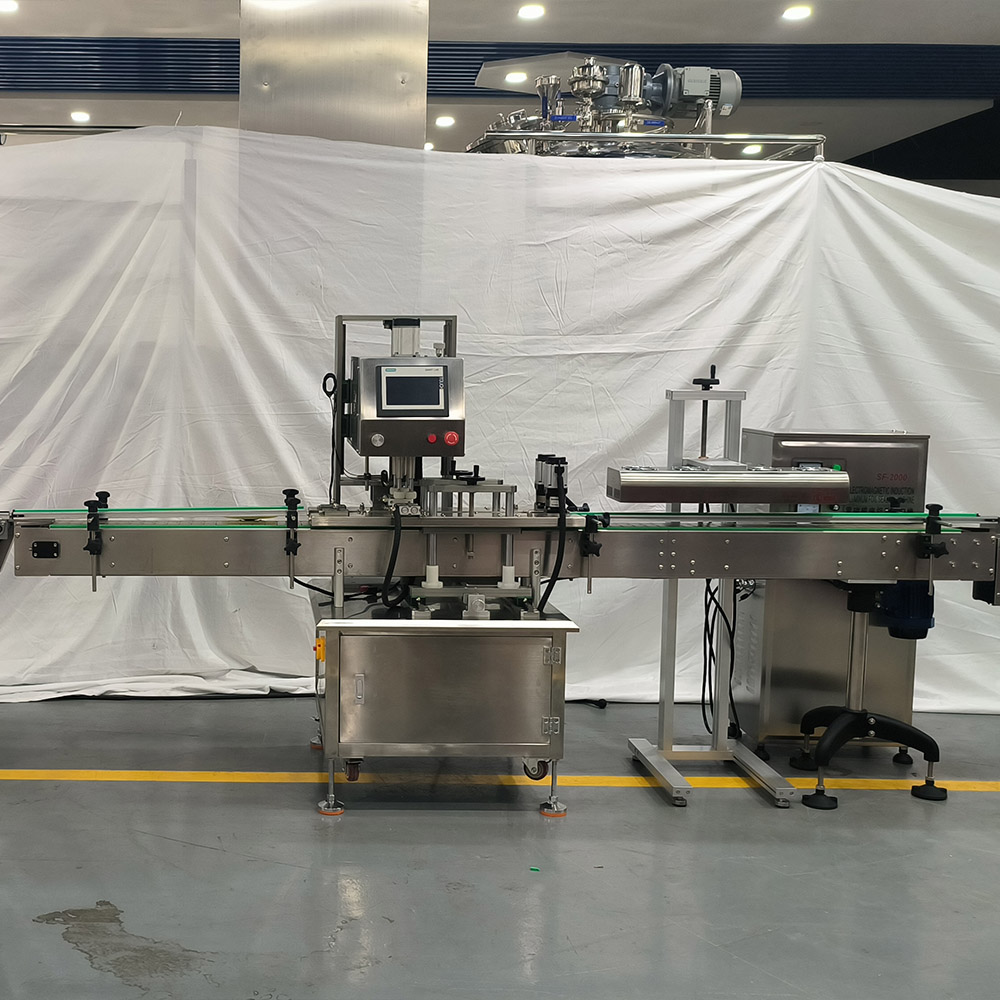
For cosmetic manufacturers and contract packagers worldwide, integrating an automatic filling machine with labeling and capping systems is a strategic move that improves throughput, ensures product consistency, and supports regulatory compliance across regional markets. Whether you operate a small boutique facility or a large production plant, well-executed integration minimizes manual touchpoints, reduces contamination risks, and creates reliable traceability for creams, lotions and liquid products — critical aspects for successful local and export sales.
Streamlining Cosmetic Packaging Lines
Why integration matters for cosmetics manufacturers
Packaging for creams and lotions demands tight control over fill volumes, hygienic handling, and secure closures. Integrating the automatic filling machine with labeling and capping removes bottlenecks between discrete workstations. Key benefits include reduced cycle time per bottle, lower labor costs, and fewer product defects due to human error. This approach supports scale-up from pilot batches to full production without redesigning the line.
Core components: filling, labeling, capping
A modern line typically includes: an automatic filling machine (servo- or piston-driven) for quantitative liquid and emulsion filling; an infeed conveyor and bottle orienter; a labeling module (pressure-sensitive, wrap-around, or sleeve); and an automated capping head or torque-controlled capping station. Synchronization via a central PLC or industrial Ethernet ensures the filling volume, label placement, and cap torque are applied in coordinated cycles for each container.
Product suitability and handling
Not all filling systems are equal. High-viscosity creams, shear-sensitive emulsions, or suspensions require specialist pump types (progressive cavity or positive displacement) and gentle fill profiles to preserve product properties. The Automatic Filling Machine Quantitative Liquid Bottle Filling Machine High-precision cream and lotion filling machine is designed for these use cases: it integrates automated conveying, precision filling, and intelligent control for packaging creams, lotions, and liquids and is suitable for glass and PET bottles as well as emulsions and pastes. Built with 316L/304 stainless steel contact parts and compliant with GMP standards, it supports touchscreen parameter adjustments and fully automatic operation.
The automatic filling machine integrates automated conveying, precision filling, and intelligent control for packaging creams, lotions, and liquids. Suitable for a variety of containers, including glass and PET bottles, it can fill liquids, emulsions, and pastes with high precision.
Constructed with 316L/304 stainless steel contact components and compliant with GMP standards, it features a touchscreen interface for quick parameter adjustment and completes the entire process without manual intervention. Widely used in the cosmetics, food, daily chemical, pharmaceutical, and chemical industries, it helps companies reduce costs, increase efficiency, and ensure product standardization.
Technical Integration: Filling, Labeling, and Capping
Mechanical and control synchronization
Successful integration requires matching line speeds and using a master controller (PLC) to orchestrate conveyor indexing, dosing triggers, label applicator timing, and capping actuation. Use sensors (photoeyes, encoders) for bottle presence and orientation detection. Closed-loop control of the filling system (flow or piston feedback) keeps volumes in tolerance even when line speed changes. When integrating, ensure the automatic filling machine communicates via standard industrial protocols (Ethernet/IP, Profinet, Modbus) to the labeling and capping units for seamless handoffs.
Hygiene design and materials
Cosmetic packaging lines must reduce contamination risk. Choose systems with hygienic design: sloped surfaces for drainage, minimal crevices, and CIP (clean-in-place) compatibility if formulated products require it. The use of 316L and 304 stainless steel for parts contacting product aligns with industry hygiene standards and supports cleaning with common detergents and sanitizers. Validate material compatibility with product ingredients and cleaning agents to avoid corrosion or leaching.
Label accuracy and cap validation
Label placement must be consistent to meet brand presentation and regulatory labeling requirements. Vision inspection systems can measure label skew, print quality, and presence of mandatory text/lot codes. For caps, torque control and sealing verification (audible torque sensors or vacuum/pressure checks) ensure tamper evidence and leak prevention. Log capping torque values per batch to demonstrate traceability for QA audits.
Selecting and Validating Equipment
Specifying the right automatic filling machine
When selecting a filling machine, consider: target output (bottles/min), fill range and accuracy, viscosity range, container types and sizes, CIP ability, and regulatory compliance. The quantitative filling machine described above offers high-precision filling for creams and lotions and supports glass and PET containers — making it a versatile option for small-to-medium volume cosmetic lines.
Installation qualification and performance qualification
Follow a documented IQ/OQ/PQ process for new line equipment. Installation Qualification verifies the machine is installed per manufacturer guidelines. Operational Qualification confirms performance under defined operating limits (speed, temperature, viscosity). Performance Qualification validates consistent output during production runs and includes statistical sampling for fill weights, label placement tolerance, and cap torque. These tests are essential for meeting GMP and customer quality expectations.
Regulatory references and standards
Compliance with cosmetic production and packaging standards strengthens product acceptance in regulated markets. Relevant references include ISO 22716 (cosmetic GMP) for production and quality practices (ISO 22716), FDA cosmetic regulations and guidance (U.S. FDA Cosmetics), and general filling and packaging equipment principles as summarized on Wikipedia (Filling machine — Wikipedia). For pharmaceutical cross-over lines, consult WHO GMP guidance where applicable (WHO GMP).
Operational Best Practices and Troubleshooting
Line balancing and changeover strategies
Reduce downtime by standardizing changeover tools and procedures. Use quick-change nozzle assemblies, adjustable guides, and recipe-driven touchscreen controls to store parameters for different container sizes and products. Implement a rapid changeover checklist (SMED principles) to minimize the time between SKUs and maintain consistent output from the automatic filling machine to the labeling and capping modules.
Quality control monitoring
Implement inline checks: in-line weighing or fill-volume sensors, label vision systems, cap torque logging, and leak detection (pressure decay or vacuum tests). Store QC logs digitally for traceability and trend analysis; use SPC (statistical process control) charts to detect shifts in fill accuracy or label placement early. Regularly calibrate dosing pumps and torque sensors per manufacturer instructions.
Troubleshooting common issues
Common integration issues and solutions:
- Inconsistent fill volumes — check pump wear, suction lines for air ingress, and dispense nozzle condition. Re-calibrate flow meters and verify product viscosity changes (temperature control might be needed).
- Label misalignment — verify bottle orientation, adjust label applicator timing, and confirm conveyor indexing accuracy.
- Cap cross-threading or leaks — inspect cap chute alignment and capping head speed; ensure caps are conditioned and free of debris.
Comparative Data: Choosing the Right System
Below is a concise comparison of typical filling technologies to help you match the automatic filling machine to your product characteristics.
| Technology | Best for | Accuracy | Maintenance/Notes |
|---|---|---|---|
| Piston/Positive Displacement | High-viscosity creams, lotions, pastes | High (±0.5–1%) | Regular seal replacement; shear control |
| Peristaltic Pump | Shear-sensitive liquids, gentle handling | Moderate (±1–2%) | Tube wear; easy cleaning in some designs |
| Gravity/Overflow | Low-viscosity liquids (waterlike) | Good for surface-level fills | Not suitable for creams; sensitive to head pressure |
| Time-Pressure (for foams/airy products) | Foams, very low-viscosity, aerated products | Moderate | Requires fine tuning to minimize foam variation |
Return on Investment and Business Impact
Cost savings and productivity gains
Integrating an automatic filling machine with labeling and capping reduces labor per unit, lowers rework rates, and increases throughput. Payback periods vary by scale but are typically 12–36 months for small-to-medium-sized cosmetics operations transitioning from manual to automated packaging. Consider total cost of ownership: energy use, spare parts, consumables (nozzles, tubes), and maintenance contracts when calculating ROI.
Scalability and market responsiveness
A modular integrated line lets you add additional labeling stations, inspection cameras, or secondary packaging robots as demand grows. This modularity supports rapid SKU launches and targeted packaging variations for different markets, such as regulatory labeling changes for EU, US, or Asian markets.
Frequently Asked Questions (FAQ)
Q: Can one integrated line handle both creams and thin lotions?
A: Yes, but you must select an automatic filling machine with an adaptable dosing system (interchangeable pumps/nozzles) and set product recipes in the controller. High-precision piston fillers or progressive cavity pumps are common choices for mixed-viscosity production.
Q: How do I ensure the integrated line meets GMP requirements?
A: Choose equipment with hygienic design (316L/304 stainless steel contact parts), implement documented cleaning and maintenance procedures, and complete IQ/OQ/PQ protocols. Refer to ISO 22716 for cosmetics-specific GMP guidance (ISO 22716).
Q: What integration time and downtime should we expect?
A: Mechanical and control integration typically takes 2–6 weeks for small-to-medium systems (excluding validation). Plan for additional time for IQ/OQ/PQ and operator training. Use phased commissioning to minimize production disruption: install and validate in stages and run pilot batches before full production.
Q: How do vision systems improve labeling and capping quality?
A: Vision systems detect label position, print legibility (e.g., batch codes), and cap presence in real time. They can reject non-conforming products before they reach secondary packaging, reducing costly recalls and protecting brand integrity.
Q: Are there special safety considerations for lines handling flammable ingredients?
A: Yes. If formulations contain volatile solvents, consult ATEX/IECEx standards for equipment and factory zoning. Use explosion-proof motors and controls where required, bond and ground conveyors and transfer points, and ensure proper ventilation and solvent recovery systems.
Contact Sales / View Product
If you are ready to evaluate or purchase an integrated packaging line including the Automatic Filling Machine Quantitative Liquid Bottle Filling Machine High-precision cream and lotion filling machine, contact our sales team for a site assessment, ROI analysis, and live demo. For fast response: sales@example.com or visit our product page to request a quotation and technical datasheet.
Further reading & references: ISO 22716 (ISO), U.S. FDA Cosmetics Guidance (FDA), Filling machine overview (Wikipedia), WHO GMP guidance (WHO).
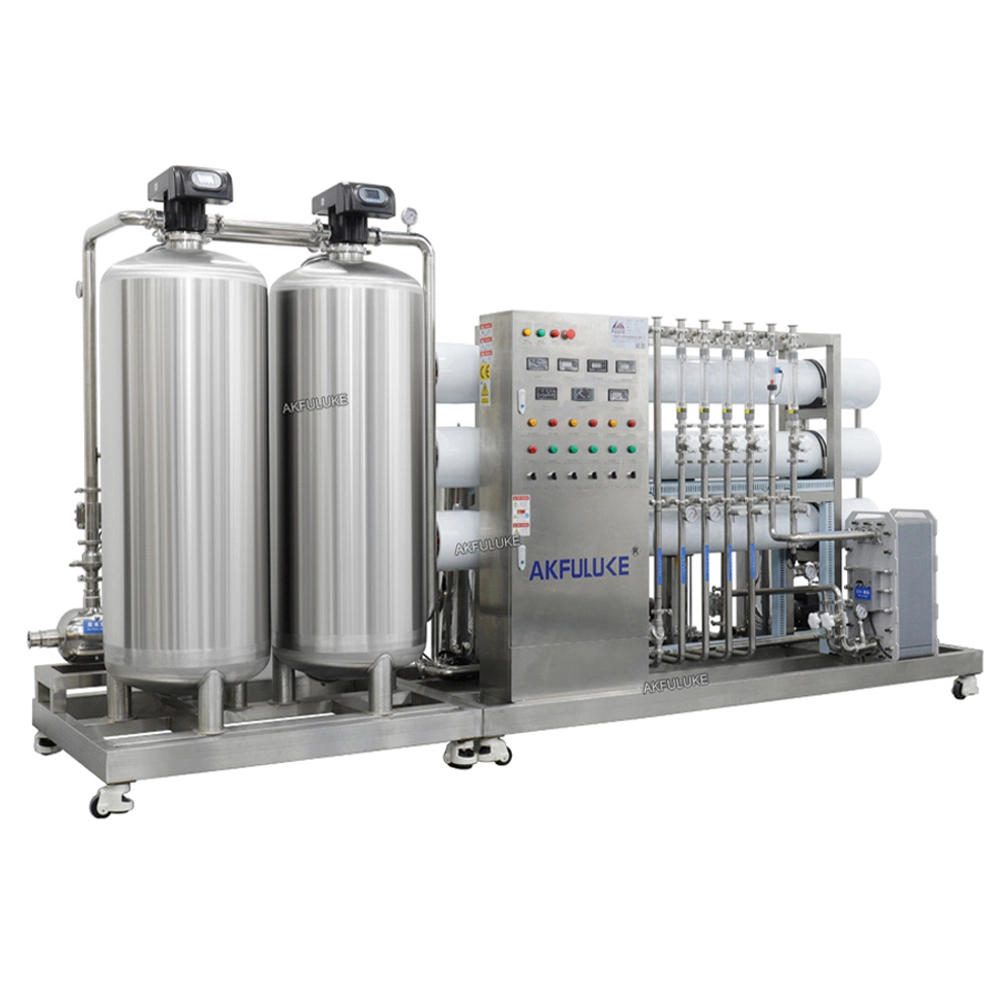
Spec Checklist: Capacity, Recovery, and Water Quality for RO
How to Choose the perfume making machine manufacturer and supplier ?
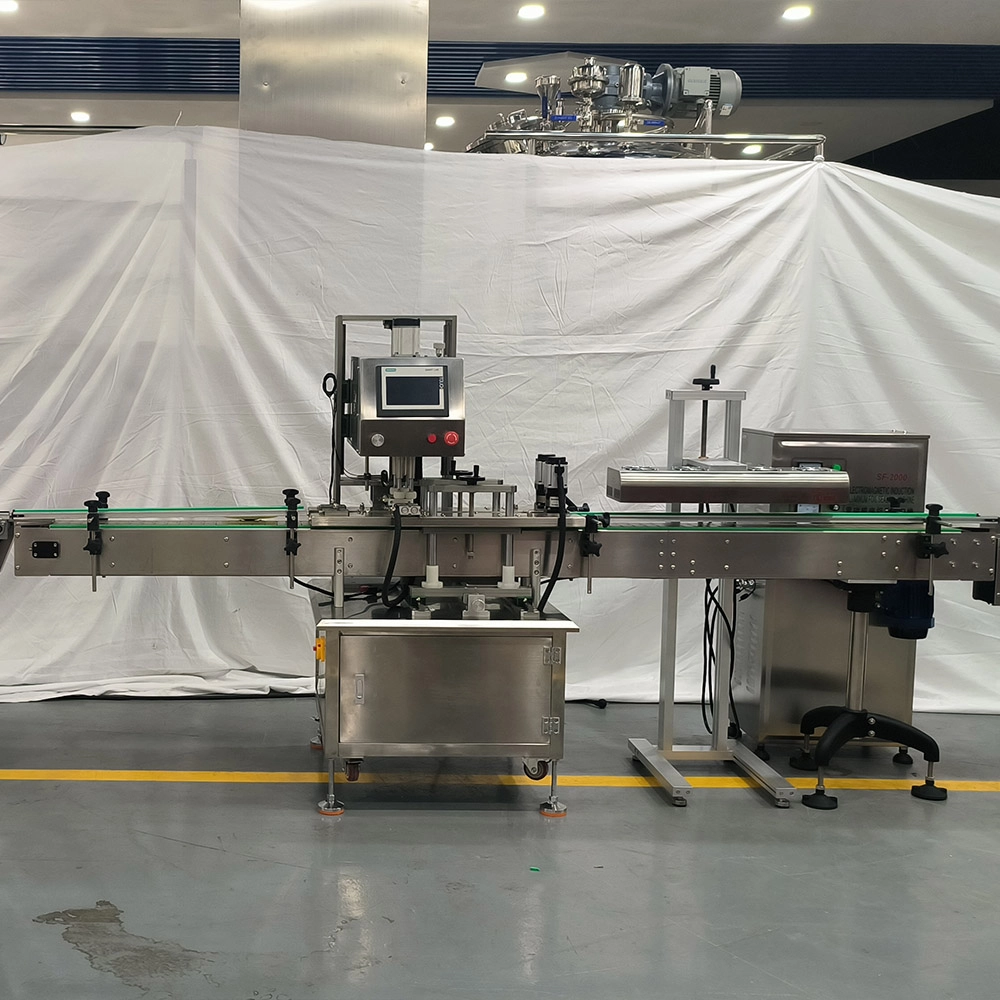
How High-Precision Cream Filling Improves Product Quality
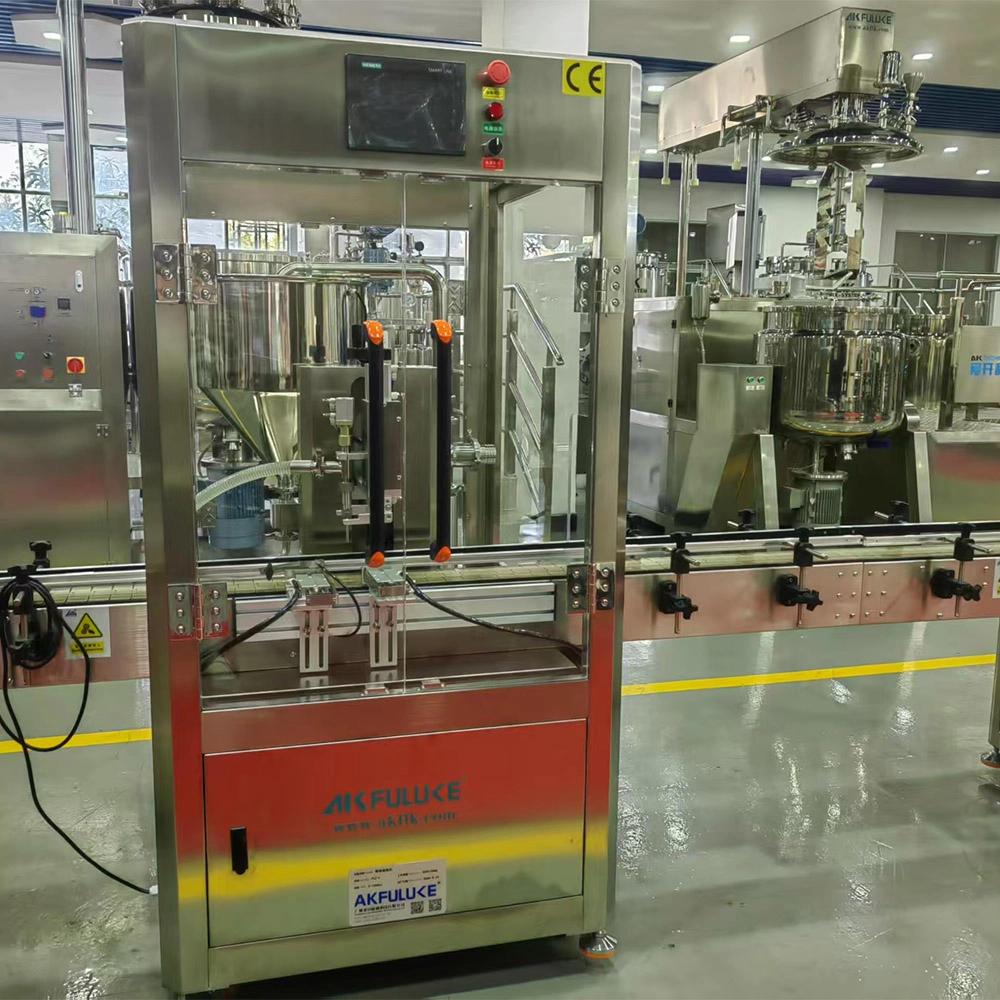
How Vision Systems Improve Filling Line Quality Control
Polypropylene PP Mixing Tank
Which mixing pot should I choose between a PP and a stainless steel mixing pot?
When the material is corrosive, a PP mixing pot is more advantageous. Stainless steel (such as 304) has poor resistance to acids and alkalis (easily corroded by hydrochloric acid and sodium hydroxide). For corrosion protection, upgrading to 316L stainless steel is necessary, which costs 2-3 times more than PP. PP, on the other hand, can withstand low- to medium-concentration corrosive media and offers low maintenance (no rust removal required, and low scaling).
When the material is non-corrosive, a stainless steel mixing pot is more advantageous. Stainless steel offers higher temperature resistance (up to 200°C), greater strength (suitable for high-viscosity materials), and a higher hygienic grade (easy to clean aseptically), making it suitable for non-corrosive but demanding applications such as food and pharmaceuticals.
Automatic Labeling Machine
What types of bottles can this automatic labeling machine label?
It can label flat, round, and square bottles on one side, two sides, or even all around.
Who are we?
Our headquarters is located in Guangzhou, Guangdong, China, and our factory is located in Yangzhou, Jiangsu. Our products are sold all over the world. We have approximately 50 employees in our company and factory.
Storage Tank
Do special operating conditions (such as high temperature or high pressure) require special customization?
Yes. High-temperature applications require the use of heat-resistant materials and additional insulation. High-pressure applications require enhanced tank wall thickness and sealing structures. Both require individual designs according to corresponding industry standards.
Film Packaging Machine
What can you buy from us?
RO Water Treatment、Vacuum Emulsifying Machine、Homogenizer Mixing Tank、Filling and Capping、labeling Machine、Packing Machine、Storage Tank,etc.
You May Also Like
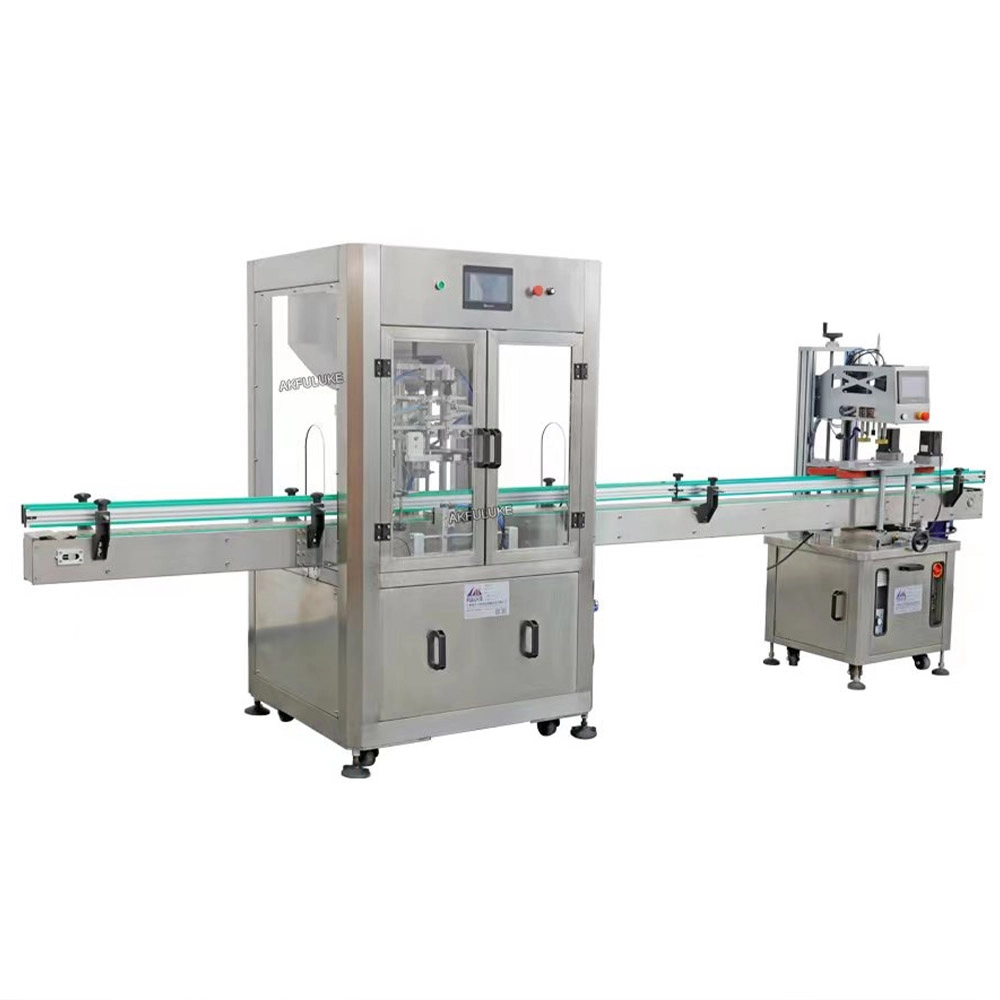
Automatic Filling Machine Quantitative Liquid Bottle Filling Machine High-precision cream and lotion filling machine
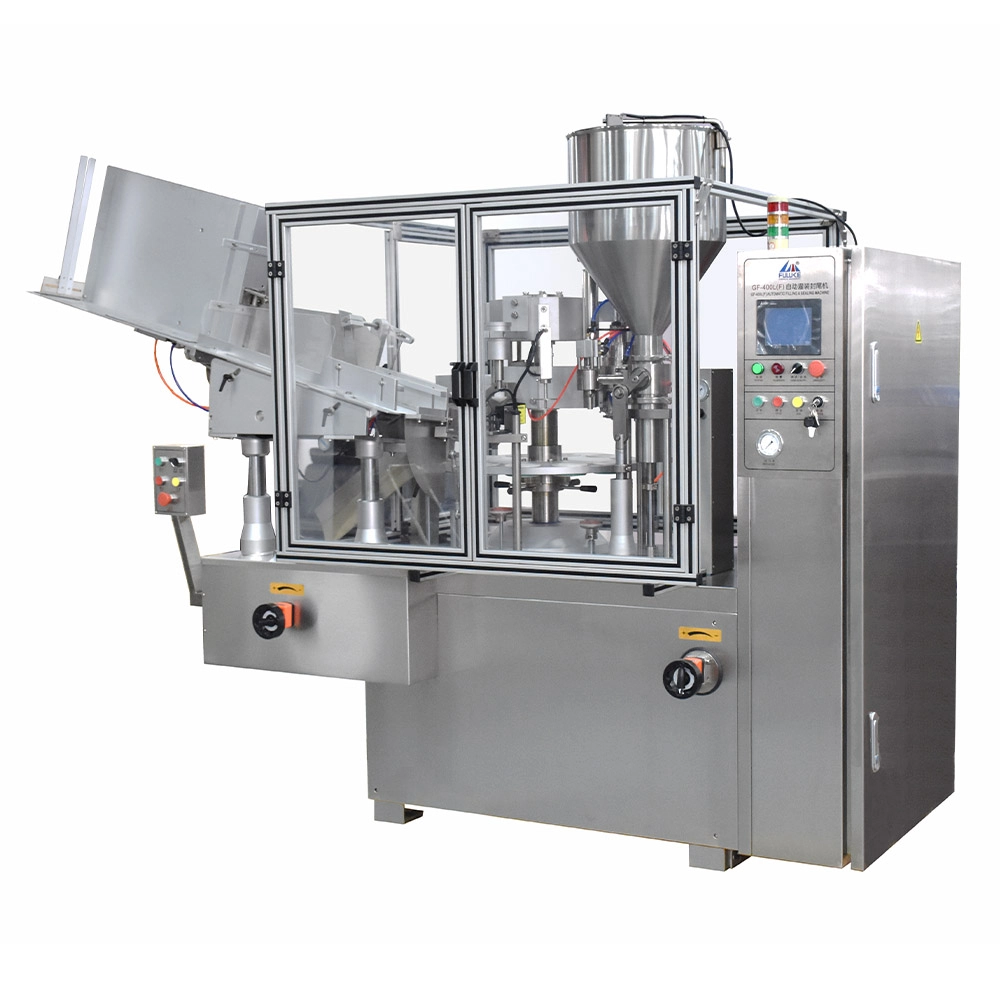
Automatic Tube Filling and Sealing Machine Toothpaste Sunscreen and Facial Cleanser Filling and Sealing Machine for Plastic and Aluminum-plastic Tube
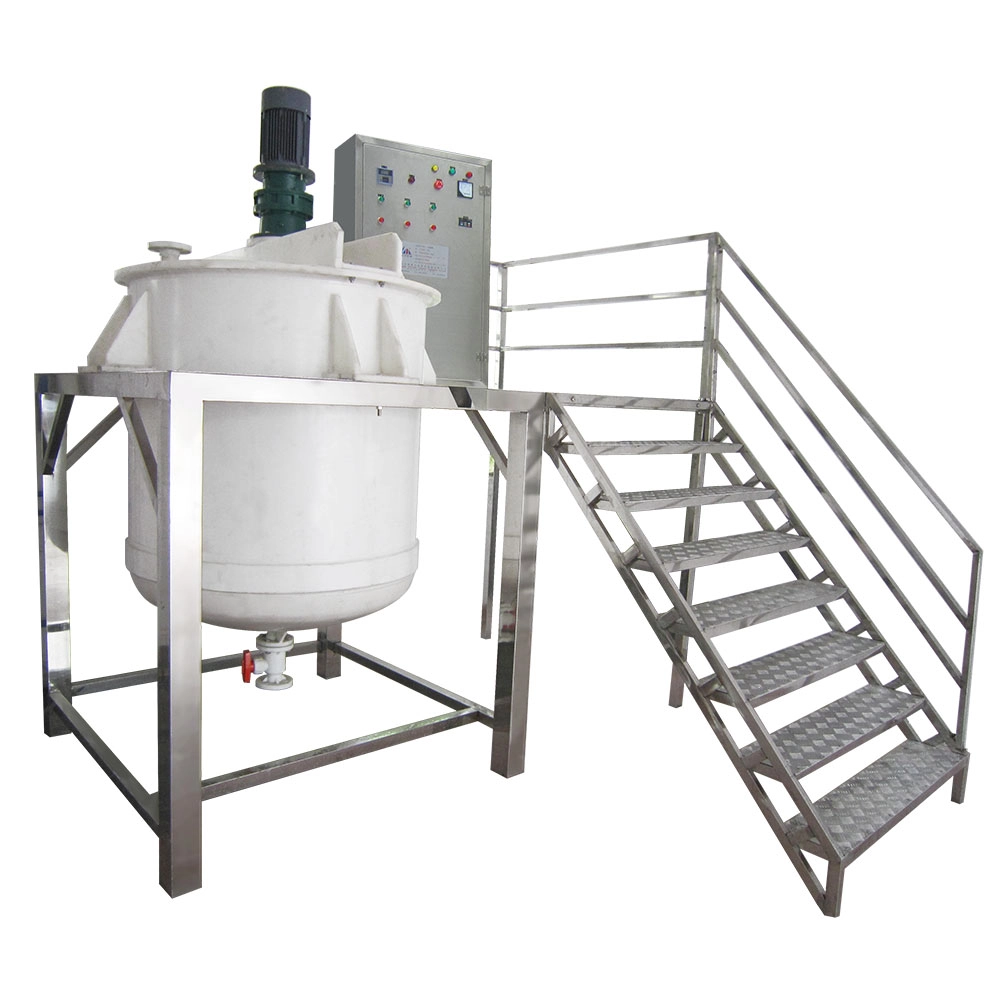
Polypropylene PP Mixing Tank Anti-Corrosion Mixer Reaction Kettle with Agitator Chemical Mixing Vessel
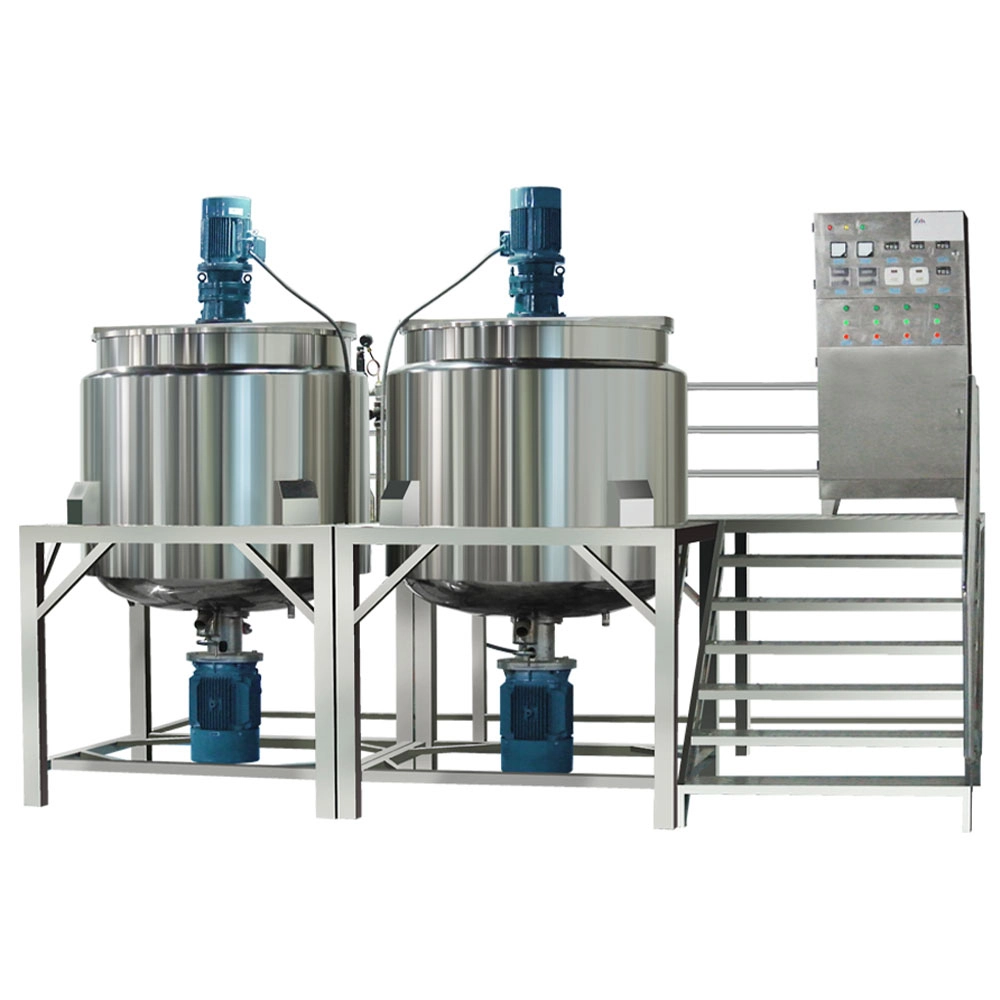
Flip Cover Multi-function Liquid Wash Mixing Tank Blender Liquid Detergent Mixer Homogenization Stirring Tank
Get in touch with FULUKE
If you have any comments or good suggestions, please leave us a message, later our professional staff will contact you as soon as possible.

A leading manufacturer specializing in advanced machinery and complete production lines for the cosmetics, food, pharmaceutical, and chemical industries worldwide.
Contact FULUKE
Facebook
Instagram
YouTube