
Integration Tips: Adding Tube Filling Machines to Production Lines
- Line Integration Strategy and Layout Planning
- Assessing line compatibility and capacity
- Footprint, access and material flow
- Upstream and downstream synchronization
- Technical Considerations and Machine Selection
- Choosing the right dosing system and filling heads
- Sealing system and thermal control
- Automation, HMI and PLC integration
- Quality, Hygiene and Regulatory Compliance
- GMP and hygiene design
- Traceability: date printing and batch control
- Testing and validation
- Operational Best Practices, Maintenance and ROI
- Planned maintenance and spare parts strategy
- Operator training and changeover
- Throughput, cycle time and ROI comparison
- Practical Integration Checklist and Semantic Keywords
- Pre-integration checklist
- Semantic keywords (for SEO and procurement)
- Commissioning and ramp-up tips
- Brand Advantages and Why This Model Works for Cosmetics
- FAQ
- Q: What tube materials are supported?
- Q: Can the machine handle multiple product viscosities on the same line?
- Q: How is product contamination prevented?
- Q: What integration support is available for connectivity with MES/SCADA?
- Q: What safety features are included?
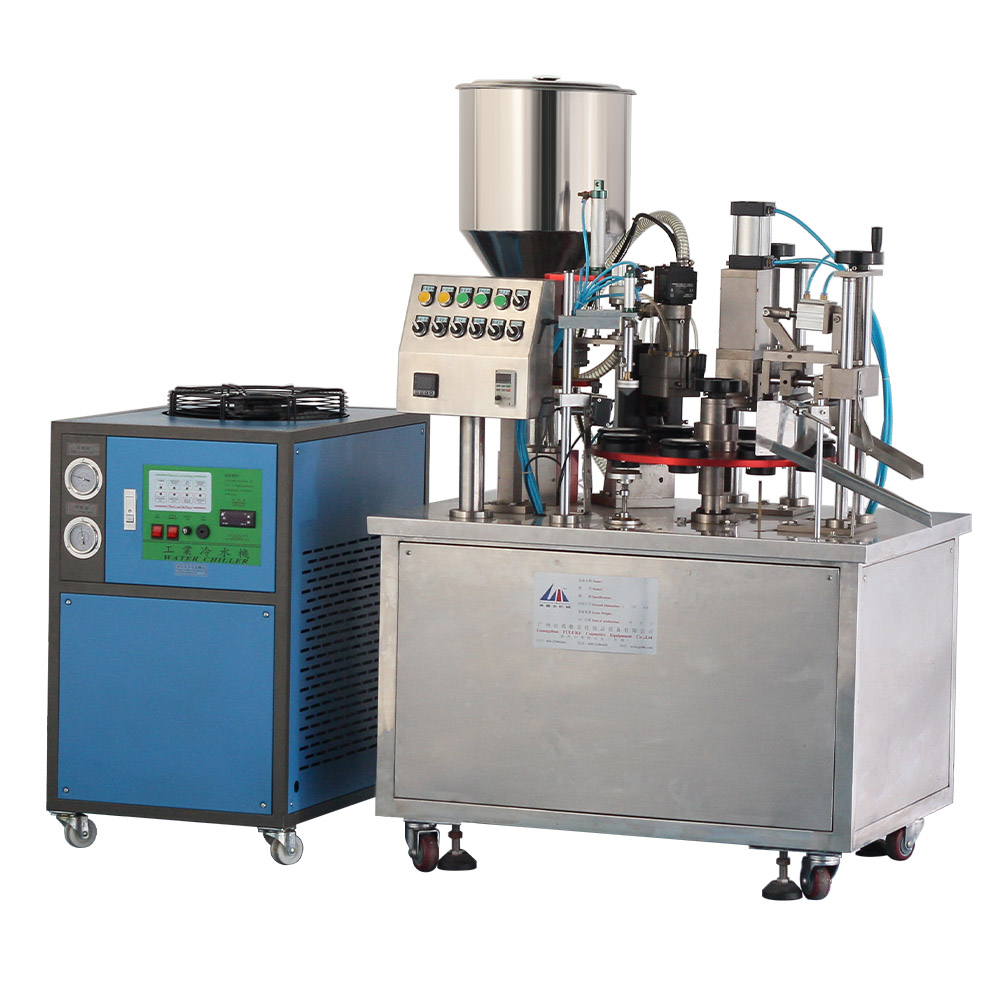
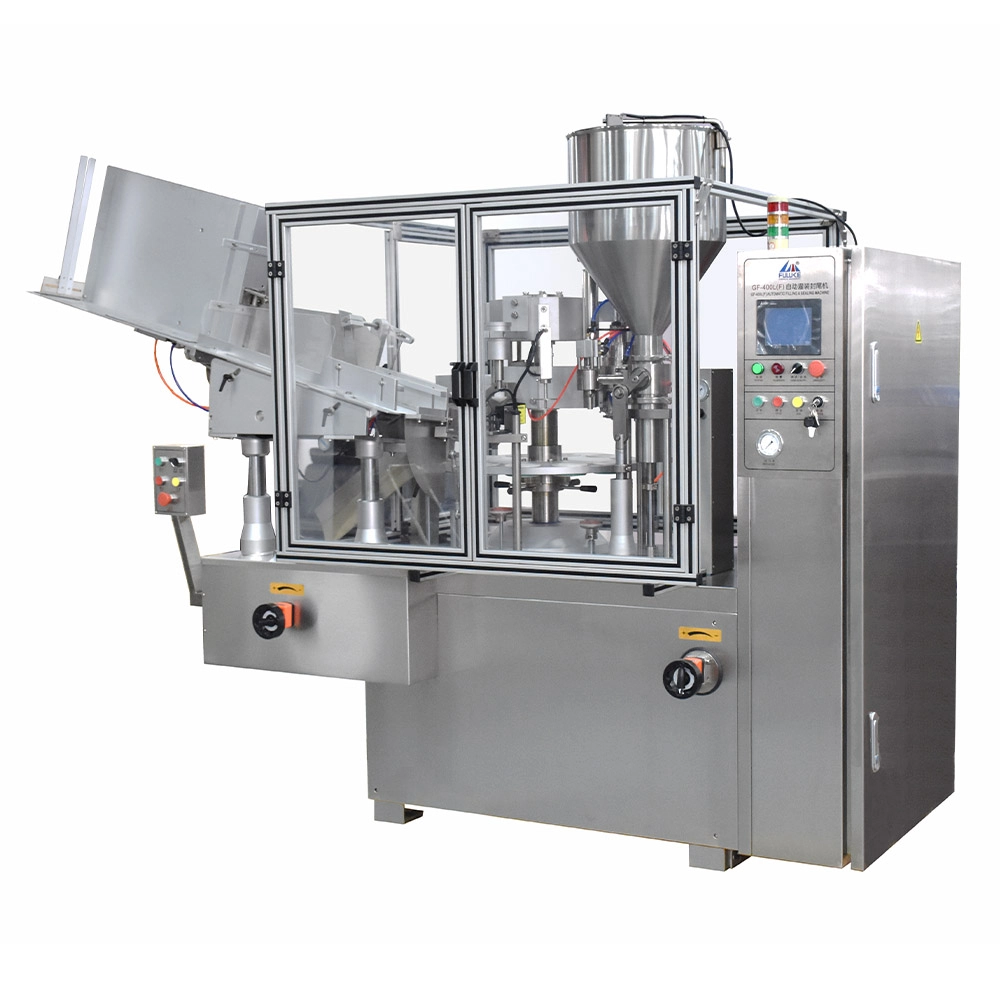
Adding a tube filling machine to a production line is a strategic decision that impacts throughput, product quality, compliance, and total cost of ownership. This article provides practical integration tips for production managers, engineers, and operations teams who plan to add an Automatic Tube Filling and Sealing Machine Toothpaste Sunscreen and Facial Cleanser Filling and Sealing Machine for Plastic and Aluminum-plastic Tube into their packaging lines. We highlight mechanical, electrical, software, and regulatory considerations and explain how to maintain filling accuracy, sealing integrity, and sanitary conditions while maximizing uptime. After successful integration, long-term stability relies on maintenance & servicing best practices for automatic filling machines.
Line Integration Strategy and Layout Planning
Assessing line compatibility and capacity
Before purchasing or installing a new filling machine, perform a capacity and compatibility assessment. Key metrics include target throughput (tubes/min), available floor space, utilities (power, compressed air, steam if required), and upstream/downstream process rates. Consider semantic keywords such as Filling machine, tube filling, automatic tube filler and sealing machine when documenting requirements so specifications map to vendor offerings.
Footprint, access and material flow
Design the physical layout to allow ergonomic access for loading, cleaning, and maintenance. Typical tube filling machines require space for the infeed conveyor, orienting/eye-mark detection zone, filling station, sealing/capping, date printer, and an outfeed. Ensure there is clearance for service panels and for replacing filling heads. Consider a U-shaped or linear layout depending on plant floor constraints and material handling preferences.
Upstream and downstream synchronization
Integration requires synchronization with upstream tube feeding and downstream secondary packaging (cartoning, boxing) equipment. Buffer conveyors or accumulation tables help decouple machines with slightly different cycle times. Use line balancing to maintain consistent takt time and reduce starvations or blockages. Semantic keywords to note: throughput optimization, line balancing, infeed orientation.
Technical Considerations and Machine Selection
Choosing the right dosing system and filling heads
Viscosity, particulates, and product sensitivity determine the dosing type. For toothpaste, sunscreen and facial cleansers, common dosing solutions include piston pumps for high-viscosity pastes, volumetric pumps for lower-viscosity gels, and positive displacement pumps for shear-sensitive formulas. The described product states:
This automatic tube filling and sealing machine is suitable for automatic orientate eye marks, filling, sealing, date printing, and tail cutting of various plastic tubes and aluminum-plastic composite tubes. It is widely used in daily chemical, medical, food, and other industries. (For example, toothpaste, facial cleanser, sunscreen, etc.) Features: This machine uses touch screen and PLC control, automatic tube loading and positioning, and a heat phoenix heating system formed by imported fast and efficient heaters and high-stable flow needles.
Key points when selecting filling heads: available nozzle sizes, interchangeability (to support multiple tube sizes), and the ability to handle particulates or microbeads if present. Ensure the machine can be equipped with a variety of filling heads to meet different viscosities and fill volumes.
Sealing system and thermal control
Sealing integrity is critical for consumer goods like toothpaste and sunscreen. The product's heat phoenix heating system and imported fast heaters promise quick and stable sealing. When integrating, verify the sealing temperature range, control stability (PID control), and whether sealing can be applied without damaging the tube material. For laminated aluminum-plastic tubes, ensure the machine supports proper tail cutting and heat-seal parameters to avoid blowouts or weak seals.
Automation, HMI and PLC integration
Modern tube filling machines use PLC control and touchscreens (HMI) for recipe management, changeover guidance, and alarm handling. Integration considerations include communication protocols (Ethernet/IP, Modbus TCP, Profinet), I/O mapping for line-level control, and data collection for traceability (fill weight logs, serial batch numbers, date codes). The product mentions touch screen and PLC control; ensure these support your MES or SCADA for Industry 4.0 connectivity.
Quality, Hygiene and Regulatory Compliance
GMP and hygiene design
Hygienic design minimizes microbial and particulate contamination. Choose materials like stainless steel 304/316 for product-contact areas, smooth welds, and easy-to-remove guards. Follow Good Manufacturing Practices; authoritative guidance on GMP can be found at Good manufacturing practice and regulatory specifics on FDA Cosmetics. For cosmetic and medical products, demonstrate cleaning validation, CIP (clean-in-place) or simplified dismantling for manual cleaning, and clear SOPs for sanitation.
Traceability: date printing and batch control
Date coding, lot numbers, and traceability are required for recalls and quality control. The machine supports date printing and coders — ensure coder integration is validated for speed and legibility at your maximum production rate. Implement electronic lot tracking and integrate coding data into your MES to link production runs with raw material lots.
Testing and validation
Perform factory acceptance testing (FAT) and site acceptance testing (SAT) with representative tubes and product formulations. Validate fill accuracy, seal integrity (burst/peel tests), and line throughput. Document validation protocols and acceptance criteria; this will expedite regulatory inspections and customer audits.
Operational Best Practices, Maintenance and ROI
Planned maintenance and spare parts strategy
Establish a preventive maintenance schedule that includes inspection of pumps, seals, heaters, and sensors. Keep critical spares: spare filling nozzles, heater cartridges, temperature sensors, and PLC modules. Consider a predictive maintenance strategy using runtime data gathered via the PLC/HMI to avoid unexpected downtime.
Operator training and changeover
Reduce changeover time with recipe-driven HMI and quick-release fixtures for different tube sizes. Train operators on cleaning, adjustment of filling heads, sealing temperature tuning, and troubleshooting common issues (e.g., incomplete seal, overfill). The automatic tube loading and positioning feature of the described machine simplifies operator tasks, but human oversight remains essential for quality assurance.
Throughput, cycle time and ROI comparison
Estimate total cost of ownership by comparing capital cost, expected throughput, yield (percent good units), and downtime. Below is a sample comparison table of filling technologies commonly used in tube filling operations:
| Dosing Type | Best for | Accuracy | Maintenance |
|---|---|---|---|
| Piston pump | High-viscosity pastes (toothpaste) | High | Moderate (seals, pistons) |
| Volumetric pump | Low to medium viscosity gels | Medium-High | Low-Moderate |
| Peristaltic | Shear-sensitive fluids | Medium | Higher (tubing wear) |
| Gear pump | Lubricating, mid-high viscosity | High | Moderate (gears) |
Use the table to match your product's rheology to the appropriate dosing system. The machine described supports multiple filling heads and pump configurations, offering flexibility for mixed-product lines.
Practical Integration Checklist and Semantic Keywords
Pre-integration checklist
Before installation, confirm the following:
- Floor load and footprint clearance
- Electrical and pneumatic supply meets specifications
- Network/IP addresses and communication protocols for PLC/HMI
- Acceptance test plan with sample products and tubes
- Spare parts and consumables list
Semantic keywords (for SEO and procurement)
Common semantic keywords related to Filling machine and tube filling you can use in specs, RFPs and internal documentation: filling machine, tube filling machine, automatic tube filler, tube sealing machine, toothpaste filler, sunscreen tube filler, facial cleanser filling and sealing, aluminium-plastic tube filler, filling heads, PLC control, touch screen HMI, date printer, tail cutting, orientate eye marks, heat sealing system, dosing pump, piston filling.
Commissioning and ramp-up tips
Start commissioning at low speed, validate fills and seals, and gradually increase to target speed while monitoring key parameters (fill weight variability, seal temperature, jam rates). Keep a cross-functional team (engineering, quality, production) present during the first production runs to approve process parameters and SOPs.
Brand Advantages and Why This Model Works for Cosmetics
The Automatic Tube Filling and Sealing Machine Toothpaste Sunscreen and Facial Cleanser Filling and Sealing Machine for Plastic and Aluminum-plastic Tube emphasizes adaptable filling heads, stable heat sealing, PLC and touchscreen operation, and automated tube orientation. These features translate into benefits for cosmetic manufacturers:
- Versatility: Supports plastic and laminated aluminum-plastic tubes and multiple product viscosities.
- Quality seals: Fast, stable heating and precise sealing reduce leak risk and enhance shelf appeal.
- Automation: PLC and HMI reduce human error and speed changeovers via programmable recipes.
- Traceability: Integrated date printing and compatibility with line-level data systems support regulatory and retailer traceability demands.
FAQ
Q: What tube materials are supported?
A: This machine supports common tube materials including polyethylene (PE), polypropylene (PP), laminated aluminum-plastic composite tubes, and multi-layer plastic tubes. Sealing parameters should be validated per material.
Q: Can the machine handle multiple product viscosities on the same line?
A: Yes. By swapping filling heads and selecting the appropriate dosing pump (piston, gear, volumetric), the machine can process a range of viscosities. Recipe-driven PLC settings simplify changeover.
Q: How is product contamination prevented?
A: The machine uses sanitary materials for product-contact parts, has smooth surfaces for easy cleaning, and supports routine cleaning and sanitization procedures. Follow validated cleaning methods and GMP guidance such as GMP.
Q: What integration support is available for connectivity with MES/SCADA?
A: The PLC supports standard industrial communication protocols (confirm exact protocol with vendor). Many vendors provide I/O mapping and integration support documentation to connect with MES/SCADA systems.
Q: What safety features are included?
A: Expect safety guarding, interlocked doors, emergency stop buttons, and CE-compliant safety circuits. Verify local regulatory requirements for machine guarding and electrical safety.
If you need more details about specifications, commissioning, or a tailored quote for your production line, contact our sales and technical team to discuss your product formulation, tube type, and throughput targets.
Contact us / View Product: To request a datasheet, arrange a demonstration, or get pricing for the Automatic Tube Filling and Sealing Machine, please contact our sales team or visit the product page for full specs and videos. Contact Sales | View Product
Authoritative references cited in this Packaging machine, Tube (container), Good manufacturing practice (GMP), and regulatory guidance from the FDA Cosmetics portal, plus international standards such as ISO 22716.
Selecting Appropriate Gaskets and Seals for Creams
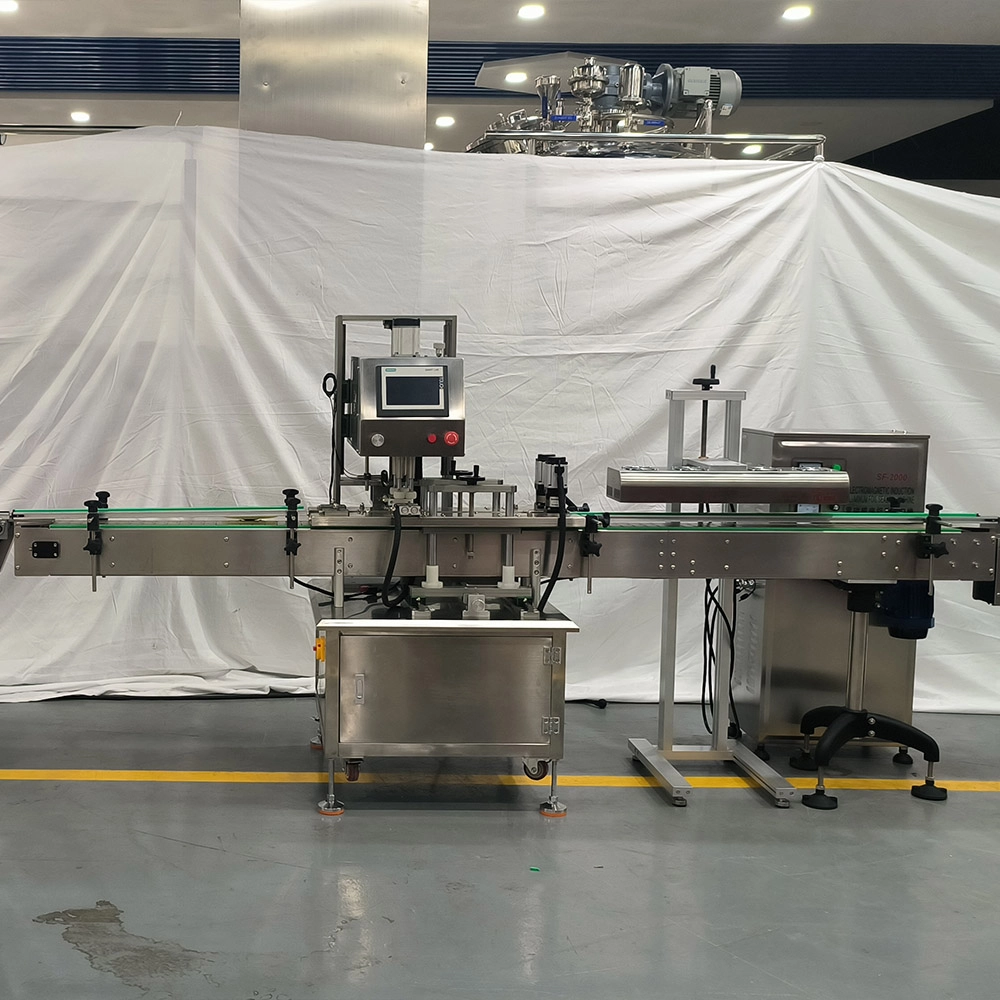
Integrating Automatic Filling Machines into Production Lines
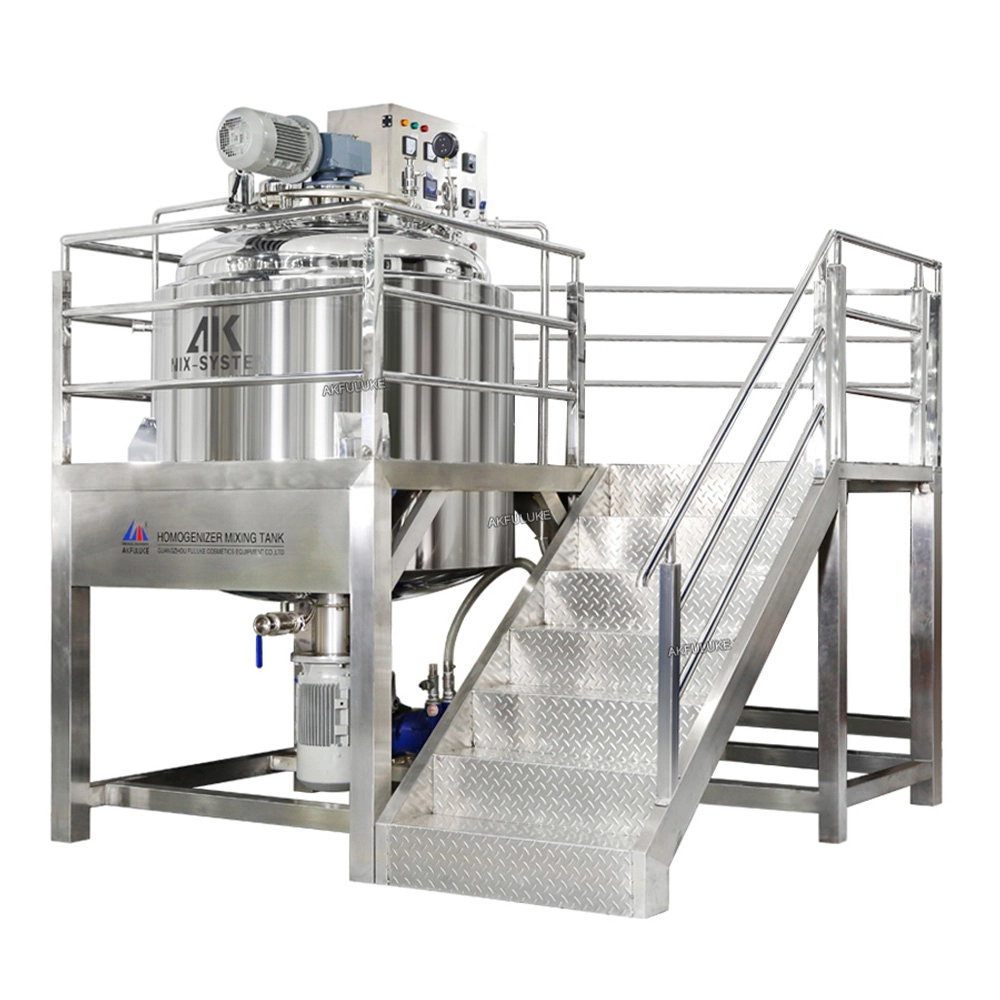
Vacuum Sealed Mixer Machines: Benefits for Sensitive Formulations
How to Choose a High-Precision Liquid Filling Machine
Automatic Labeling Machine
Can the labeling speed of the machine be adjusted to suit my production line's pace?
It can be flexibly adjusted to suit different production line speeds.
FAQs
How can customers contact FULUKE for inquiries or support?
Polypropylene PP Mixing Tank
Can you customize the machine?
Of course, we provide customized services according to customer needs.
Automatic Filling Machine
Can you customize the machine?
Of course, we provide customized services according to customer needs.
Automatic Capping Machine
What can you buy from us?
RO Water Treatment、Vacuum Emulsifying Machine、Homogenizer Mixing Tank、Filling and Capping、labeling Machine、Packing Machine、Storage Tank,etc.
You May Also Like
Automatic Tube Filling and Sealing Machine Toothpaste Sunscreen and Facial Cleanser Filling and Sealing Machine for Plastic and Aluminum-plastic Tube
Polypropylene PP Mixing Tank Anti-Corrosion Mixer Reaction Kettle with Agitator Chemical Mixing Vessel
Flip Cover Multi-function Liquid Wash Mixing Tank Blender Liquid Detergent Mixer Homogenization Stirring Tank
Stainless Steel Mixer Liquid Mixing tank with Agitator Homogenizing Mixing tank Vacuum Sealed Mixer Machine
Get in touch with FULUKE
If you have any comments or good suggestions, please leave us a message, later our professional staff will contact you as soon as possible.

A leading manufacturer specializing in advanced machinery and complete production lines for the cosmetics, food, pharmaceutical, and chemical industries worldwide.
Contact FULUKE
Facebook
Instagram
YouTube