
Optimizing Labeling and Filling Synchronization
- Line-level synchronization: why filling and labeling must act as one
- Understanding the production bottlenecks
- Core benefits of synchronized operations
- Regulatory and documentation advantages
- Technical building blocks for reliable filling-labeling sync
- Mechanical alignment and conveyor control
- Control systems: PLCs, servo drives, and fieldbus networks
- Sensors, vision systems, and feedback loops
- Configuration strategies for the Automatic Filling Machine Quantitative Liquid Bottle Filling Machine High-precision cream and lotion filling machine
- Machine features that support synchronization
- Changeover and container flexibility
- Viscosity handling and nozzle calibration
- Operational best practices and troubleshooting
- Start-up, validation, and production ramp-up
- Common issues and fixes
- Real-world KPIs and continuous improvement
- Comparative analysis: pump and filler technologies for synchronized lines
- When to upgrade equipment
- Integration and traceability: digital strategies
- Data capture and batch-level traceability
- Remote monitoring and predictive maintenance
- Security and compliance considerations
- FAQ — Frequently Asked Questions
- Q: How do I know if my labeling and filling are out of sync?
- Q: Can the Automatic Filling Machine Quantitative Liquid Bottle Filling Machine integrate with existing labelers?
- Q: What maintenance is required to sustain synchronization?
- Q: How do I handle different bottle sizes on one line?
- Q: What documentation should I keep for GMP compliance?
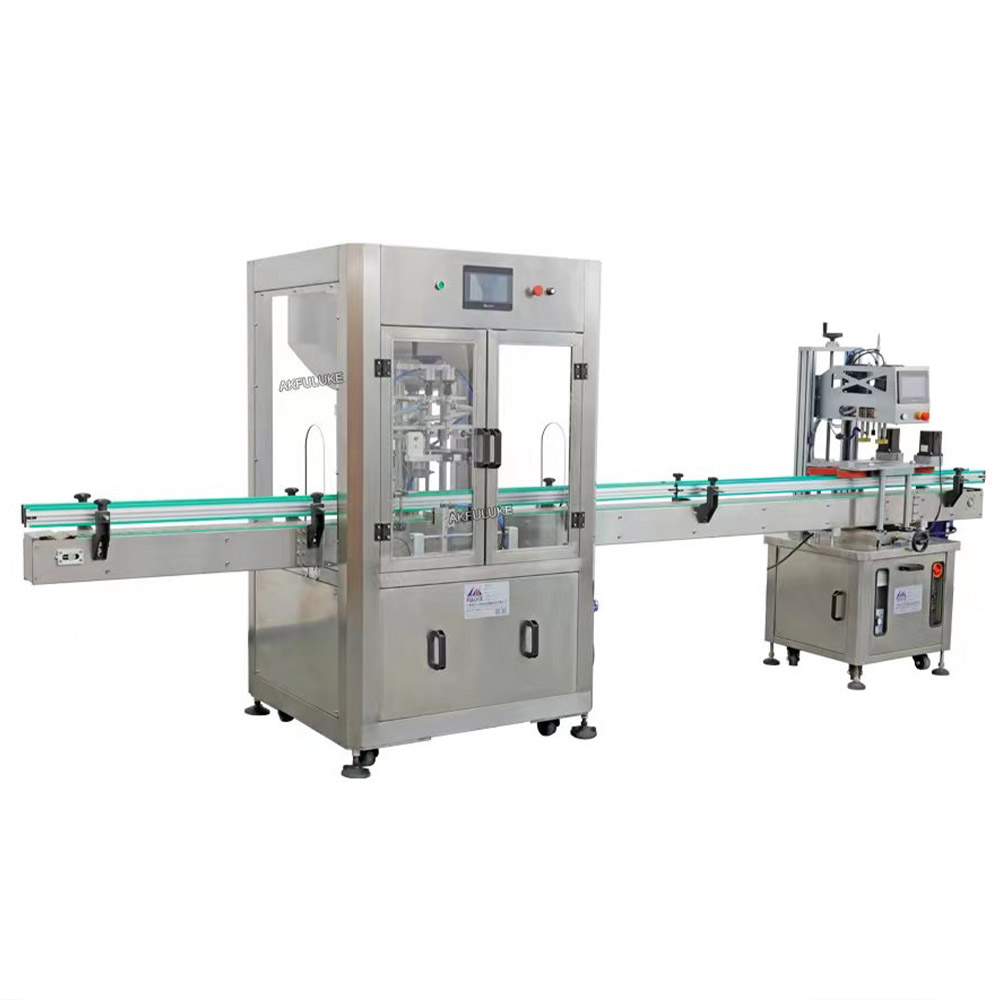
This concise summary is optimized for indexing: synchronizing labeling and filling operations reduces line stoppages, improves product traceability, and ensures consistent filling accuracy across variable container types. Integrating a high-precision liquid filling machine with labeling and conveying subsystems—using PLC, servo control, and real-time feedback—minimizes rejects and maintains GMP-compliant documentation for cosmetics, pharmaceuticals, and food products.
Line-level synchronization: why filling and labeling must act as one
Understanding the production bottlenecks
In modern packaging lines, the most common throughput bottlenecks arise where operations are not matched: filling speed that outpaces downstream labeling, labeling errors causing jams when fill level or cap alignment differs, or inadequate feedback between stations. For manufacturers using a liquid filling machine like the Automatic Filling Machine Quantitative Liquid Bottle Filling Machine High-precision cream and lotion filling machine, matching cycle time, indexing accuracy, and conveyor velocity is essential to prevent starves and blocks.
Core benefits of synchronized operations
Synchronized filling and labeling deliver measurable benefits: higher net throughput, reduced product giveaway due to overfilling, fewer label misplacements and rejects, and improved traceability. When the filler communicates with the labeling station (via discrete I/O or industrial networks), it enables adaptive actions such as slowing the conveyor for an imperfectly positioned bottle, or signaling a reject lane for mislabeled units—vital for cosmetics with strict presentation standards.
Regulatory and documentation advantages
Synchronization also supports compliance. Integrated systems can log fill volumes, batch codes, and label IDs centrally—helpful for audits under cosmetic GMPs (ISO 22716) and broader quality programs. Refer to the ISO guideline on cosmetic GMP for implementation standards: ISO 22716 (Cosmetics — GMP). The ability to produce consistent electronic records reduces recall risk and speeds corrective actions.
Technical building blocks for reliable filling-labeling sync
Mechanical alignment and conveyor control
Accurate mechanical alignment is the first step. Ensure guide rails, star wheels or servo-driven indexing tables maintain precise bottle pitch between the liquid filler head and the labeling applicator. Synchronization requires the conveyor or star wheel to be capable of micro-adjustments; this is commonly achieved with a variable-frequency drive (VFD) or integrated servo motors, which provide repeatable stopping accuracy.
Control systems: PLCs, servo drives, and fieldbus networks
Integrating a PLC or industrial controller allows the filler, labeling machine, capper, and reject station to share status and commands. Use deterministic fieldbus protocols (Profinet, EtherCAT, EtherNet/IP) for tight motion coordination. For high-precision cream and lotion filling, a servo-driven filler gives better control of piston or volumetric pump motion, reducing variability from fluid viscosity changes and improving synchronization with labeling cycles.
Sensors, vision systems, and feedback loops
Position sensors and machine vision are crucial. Vision systems confirm label placement, cap orientation, and fill level—and feed errors back to the filler and conveyor. Bottle presence detectors prevent premature filling or labeling when a container is missing, avoiding product waste and label misapplication. For standards and best practices on filling machines and automation, see the general overview at Wikipedia: Filling machine (Wikipedia).
Configuration strategies for the Automatic Filling Machine Quantitative Liquid Bottle Filling Machine High-precision cream and lotion filling machine
Machine features that support synchronization
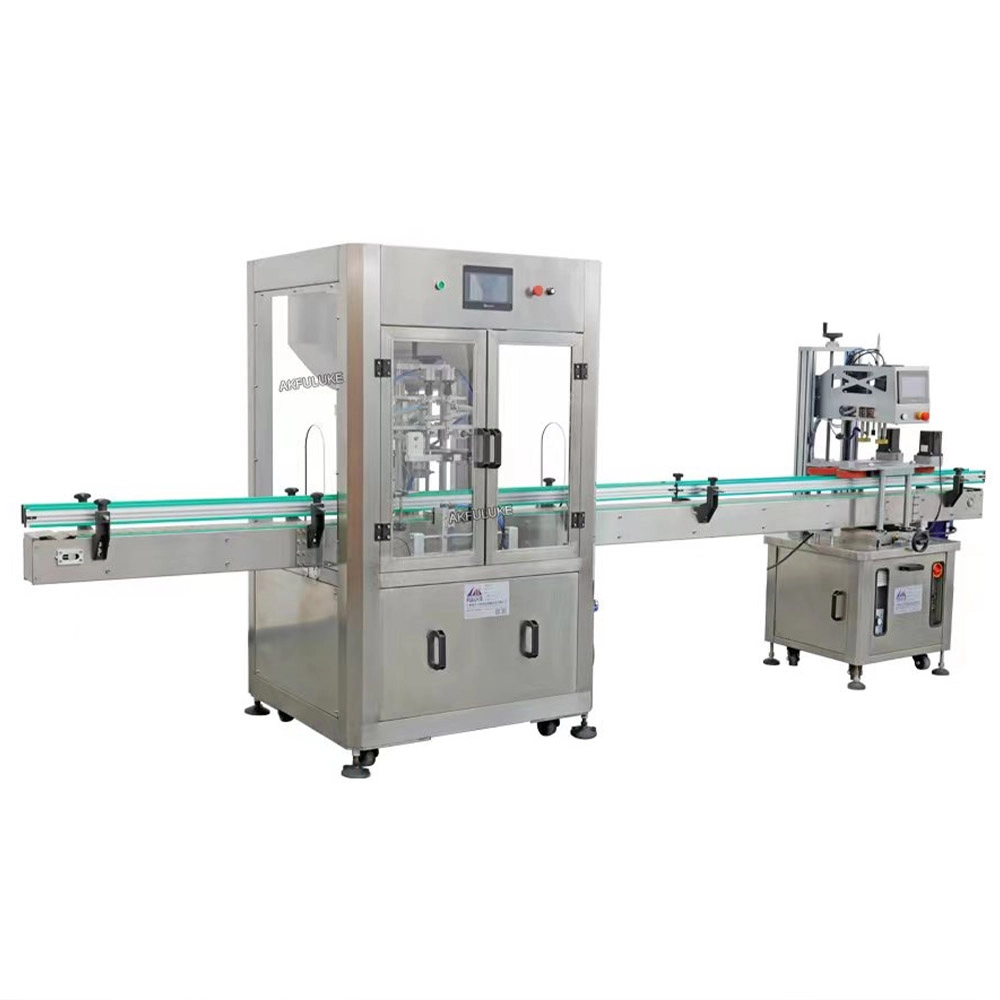
The Automatic Filling Machine Quantitative Liquid Bottle Filling Machine High-precision cream and lotion filling machine integrates automated conveying, precision filling, and intelligent control for packaging creams, lotions, and liquids. Suitable for a variety of containers, including glass and PET bottles, it can fill liquids, emulsions, and pastes with high precision.
Constructed with 316L/304 stainless steel contact components and compliant with GMP standards, it features a touchscreen interface for quick parameter adjustment and completes the entire process without manual intervention. Widely used in the cosmetics, food, daily chemical, pharmaceutical, and chemical industries, it helps companies reduce costs, increase efficiency, and ensure product standardization.
Its key synchronization enablers include: servo-driven pumps for accurate dosing, PLC/SCADA connectivity for line coordination, and hygienic design (316L/304 contact parts) to reduce downtime for cleaning—important for multi-product cosmetic lines.
Changeover and container flexibility
Fast and reproducible changeovers are critical for mixed-run cosmetic manufacturers. Use recipe-driven settings saved in the machine’s HMI so the liquid filler and labeler switch pitch, fill volume, and dispensing speed together. Quick-change nozzles and adjustable star wheels reduce mechanical adjustments. Minimizing manual interventions shortens downtime and ensures that synchronization parameters (belt speed, fill time, label trigger position) are restored accurately when switching products.
Viscosity handling and nozzle calibration
Viscosity variation in creams and lotions affects fill dynamics. The filler must adapt dosing profiles (stroke speed, vacuum assist, or time-based filling) and nozzle dwell time to maintain accuracy and avoid drips that foul label areas. Periodic nozzle calibration and anti-drip strategies—such as air blow-off or valve sequencing—help maintain consistent label adhesion and prevent jams at the labeling station.
Operational best practices and troubleshooting
Start-up, validation, and production ramp-up
Start-up should include line-level validation: verify that the liquid filling machine completes set volumes within tolerance, confirm label placement accuracy via vision, and run end-to-end cycles at target speeds. Document results for GMP compliance. Use incremental ramp-up to full throughput while monitoring reject rates and fill variance—this reduces shock to the supply chain and identifies weak points early.
Common issues and fixes
Typical problems include label wrinkles due to misaligned fill levels, bottle slippage when conveyor speed is mismatched, and filling drips that contaminate labels. Fixes often involve recalibrating fill timing relative to conveyor indexing, reinforcing bottle guides, adjusting label applicator vacuum and tamp settings, and improving nozzle anti-drip mechanics. A systematic root-cause process—checking sensors, verifying electrical timing, and inspecting mechanical tolerances—resolves most faults quickly.
Real-world KPIs and continuous improvement
Key performance indicators to monitor: throughput (bottles/min), OEE (Overall Equipment Effectiveness), fill accuracy (mean and standard deviation), label placement accuracy (% within tolerance), and reject rate. Continuous improvement programs should use logged data from the integrated system to target actions that reduce variability—upgrading to servo control, improving vision algorithms, or redesigning star wheel pockets for specific container geometries.
Comparative analysis: pump and filler technologies for synchronized lines
Choosing the right pump or filling method affects synchronization, accuracy, and maintenance. The table below compares common options for cosmetic liquids and semi-solids.
| Filling Technology | Best for | Accuracy | Impact on Synchronization | Maintenance Notes |
|---|---|---|---|---|
| Servo-driven piston (volumetric) | Water-like to medium-viscosity lotions | High (±0.5% to 1%) | Excellent; precise timing and repeatability simplify sync with labeler | Low wear; periodic seal replacement |
| Time-based pump (peristaltic) | Low-to-medium viscosity, GMP sensitive (no product contact with pump housing) | Medium (±1%–2%) | Good for steady flows but sensitive to tube wear impacting timing | Tube replacement interval; easy cleaning |
| Piston filling with servo feed | High-viscosity creams and pastes | High (±0.5%–1%) | Requires coordinated motion profiles; strong sync capability when configured | Higher complexity; seals and pistons need maintenance |
| Gear/Progressive cavity pumps | Shear-sensitive emulsions, adhesives | Medium-to-high | Good continuous flow; synchronization must account for pump inertia | Periodic inspection for wear and buildup |
When to upgrade equipment
Consider an upgrade when reject rates exceed acceptable levels, when recipe complexity causes long changeovers, or when line speed requirements exceed the mechanical limits of the current filler or labeling machine. Upgrading to an integrated servo-driven filler with networked IO and HMI recipe management often yields quick ROI through reduced waste and downtime.
Integration and traceability: digital strategies
Data capture and batch-level traceability
Capture fill volumes, label batch codes, machine parameters, and operator actions in a centralized MES or SCADA. This allows rapid correlation between a fill event and label data should a recall or quality complaint arise. The FDA provides guidance on cosmetics regulation and recordkeeping that can inform documentation practices: FDA Cosmetics Guidance.
Remote monitoring and predictive maintenance
Remote monitoring detects deviations in vibration, pressure, or cycle time that foreshadow failures. Predictive maintenance reduces unscheduled downtime and maintains synchronization by ensuring all stations remain within specified performance ranges. Consider integrating condition monitoring sensors and cloud analytics for scalable insights.
Security and compliance considerations
Ensure networked controls are secured, with role-based access on HMIs and encrypted communications for cloud connections. For regulated sectors, maintain audit trails and validate software changes following GMP and industry best practices; WHO standards and industry guidance can be valuable reference material: WHO standards and specifications.
FAQ — Frequently Asked Questions
Q: How do I know if my labeling and filling are out of sync?
A: Look for symptoms such as increased rejects, frequent jams at the labeler, inconsistent fill levels, or higher-than-normal giveaway. Use cycle-time charts and reject logs to pinpoint whether the filler or labeler is causing the issue.
Q: Can the Automatic Filling Machine Quantitative Liquid Bottle Filling Machine integrate with existing labelers?
A: Yes. The machine supports standard industrial I/O and fieldbus protocols, and can be configured to exchange start/stop, index, and error signals with most labeling systems. Discuss your labeler model and communication options with your equipment supplier for a tailored integration plan.
Q: What maintenance is required to sustain synchronization?
A: Regular preventive maintenance includes checking conveyor alignment, star wheel wear, nozzle condition, pump seals, and sensor calibration. Maintain a changeover and maintenance log to ensure repeatability. Use predictive maintenance data where possible to schedule interventions before failures impact synchronization.
Q: How do I handle different bottle sizes on one line?
A: Use recipe-driven HMI settings that adjust conveyor pitch, fill volume, nozzle height, and label trigger position automatically. Quick-change parts (pockets, rails, nozzles) and modular tooling reduce changeover time and prevent mismatches that break synchronization.
Q: What documentation should I keep for GMP compliance?
A: Keep equipment qualification records (IQ/OQ/PQ), batch records including fill volumes and label codes, maintenance logs, and operator training records. ISO 22716 and regulatory guidance from FDA/WHO are useful frameworks for establishing documentation standards.
If you need a tailored synchronization assessment, line layout consultation, or a quote for the Automatic Filling Machine Quantitative Liquid Bottle Filling Machine High-precision cream and lotion filling machine, contact our sales team or view the product page. Our specialists can provide a site audit, ROI analysis, and integration plan to optimize your labeling and filling synchronization.
Contact Us | View Product Details
References: ISO 22716 (ISO), FDA Cosmetics Guidance (FDA), WHO Standards (WHO), Filling machine general overview (Wikipedia).
How to Manage Viscosity Variations During Production
Procurement Checklist: Selecting a Reliable Mixer Manufacturer
Selecting Materials and Membranes for 99% Desalination Needs
Maintenance and Sanitation Best Practices for Mixer Tanks
Automatic Filling Machine
Can we add heating, constant temperature, and stirring functions?
Of course, we can add heating, constant temperature, and stirring functions based on your material characteristics.
Perfume Filling Machine
Can you make a design for us?
Yes, we can, we provide not only products, but also solutions and designs.
Storage Tank
Can you customize the machine?
Of course, we provide customized services according to customer needs.
Polypropylene PP Mixing Tank
Can you customize the machine?
Of course, we provide customized services according to customer needs.
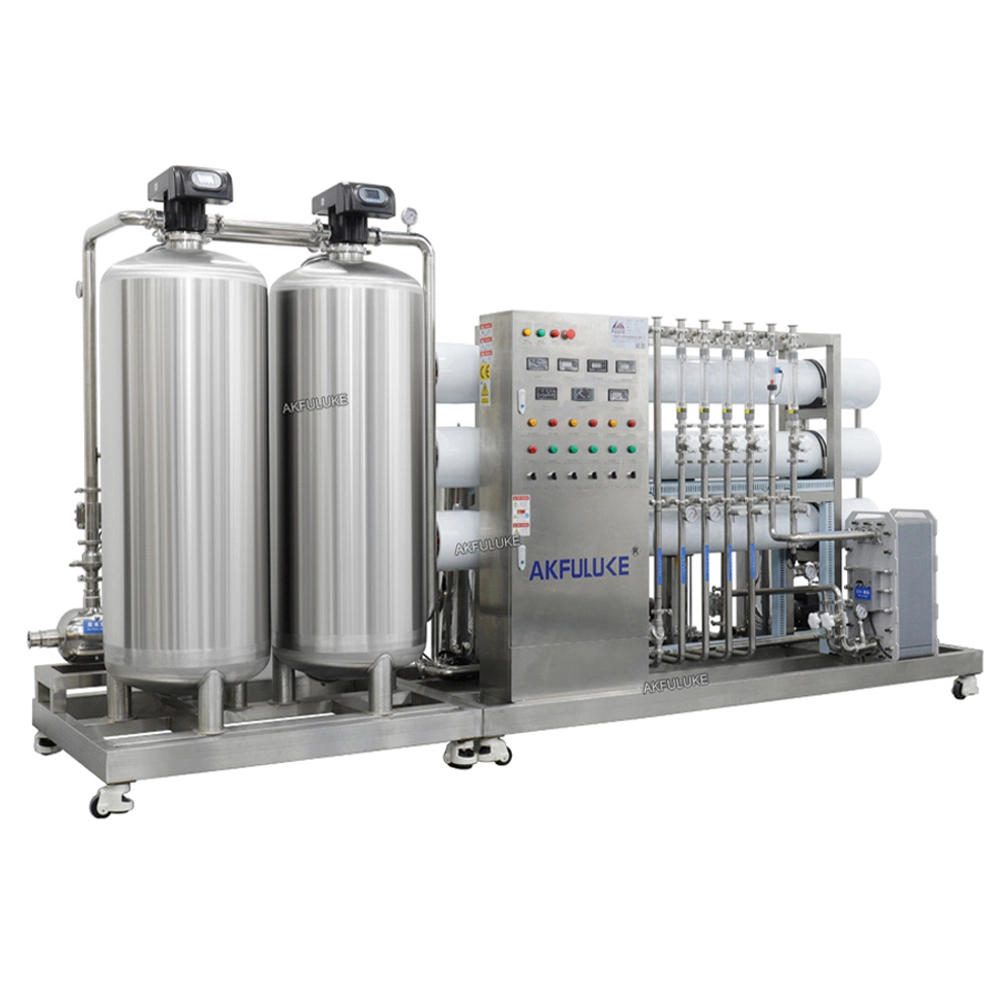
RO Water Treatment
Can the water produced by an RO water purifier be drunk directly? Why?
The water produced by a qualified RO water purifier (i.e., "purified water") is generally drinkable directly.
This is because the high-precision filtration of the RO membrane removes harmful microorganisms (bacteria, viruses), heavy metals, pesticide residues, and other contaminants from the raw water, resulting in a water quality that meets the requirements for direct drinking. However, it is important to regularly replace the filter cartridge to ensure proper operation of the device.
You May Also Like
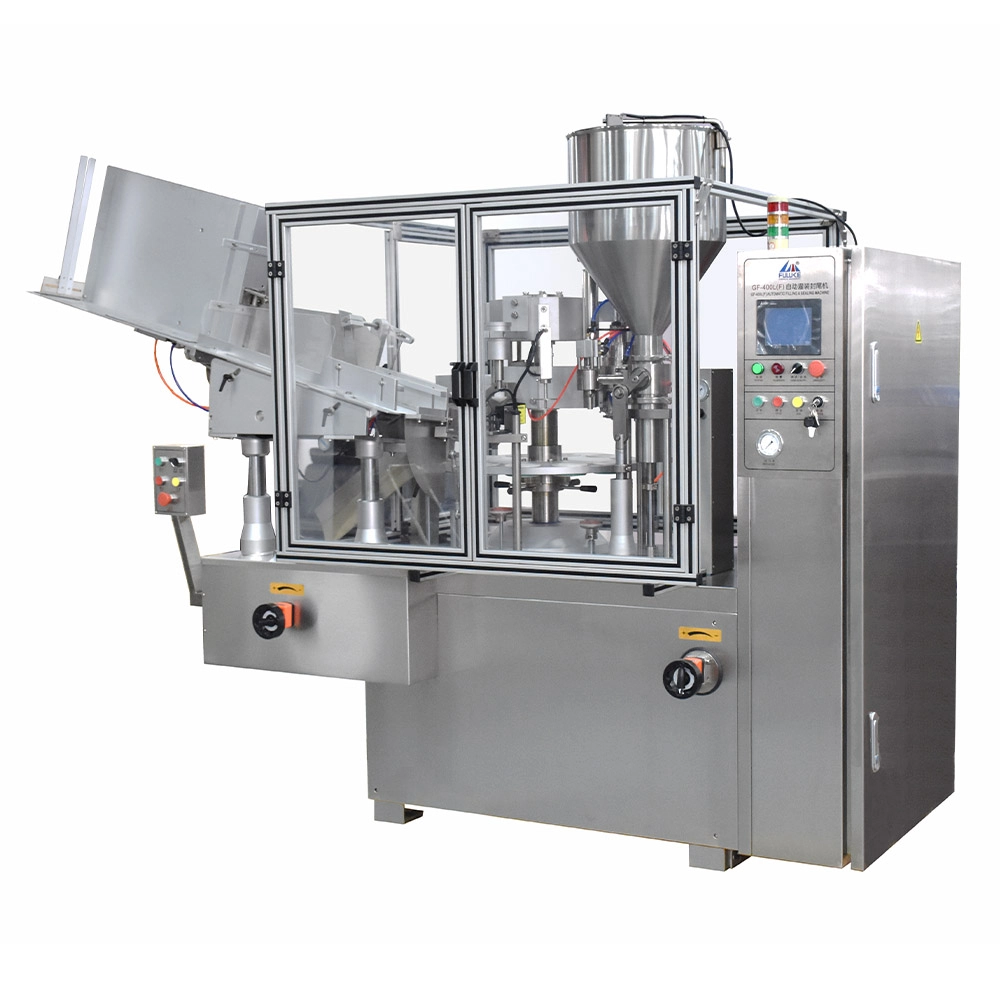
Automatic Tube Filling and Sealing Machine Toothpaste Sunscreen and Facial Cleanser Filling and Sealing Machine for Plastic and Aluminum-plastic Tube
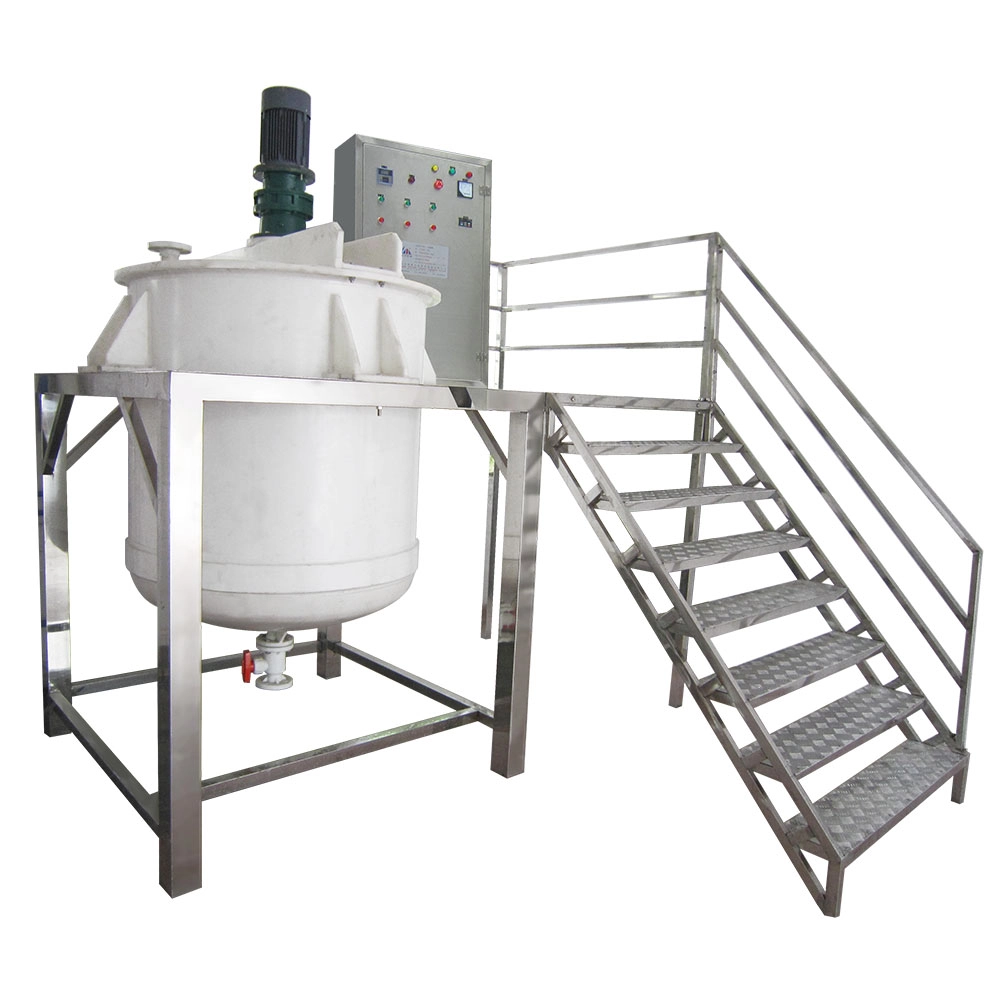
Polypropylene PP Mixing Tank Anti-Corrosion Mixer Reaction Kettle with Agitator Chemical Mixing Vessel
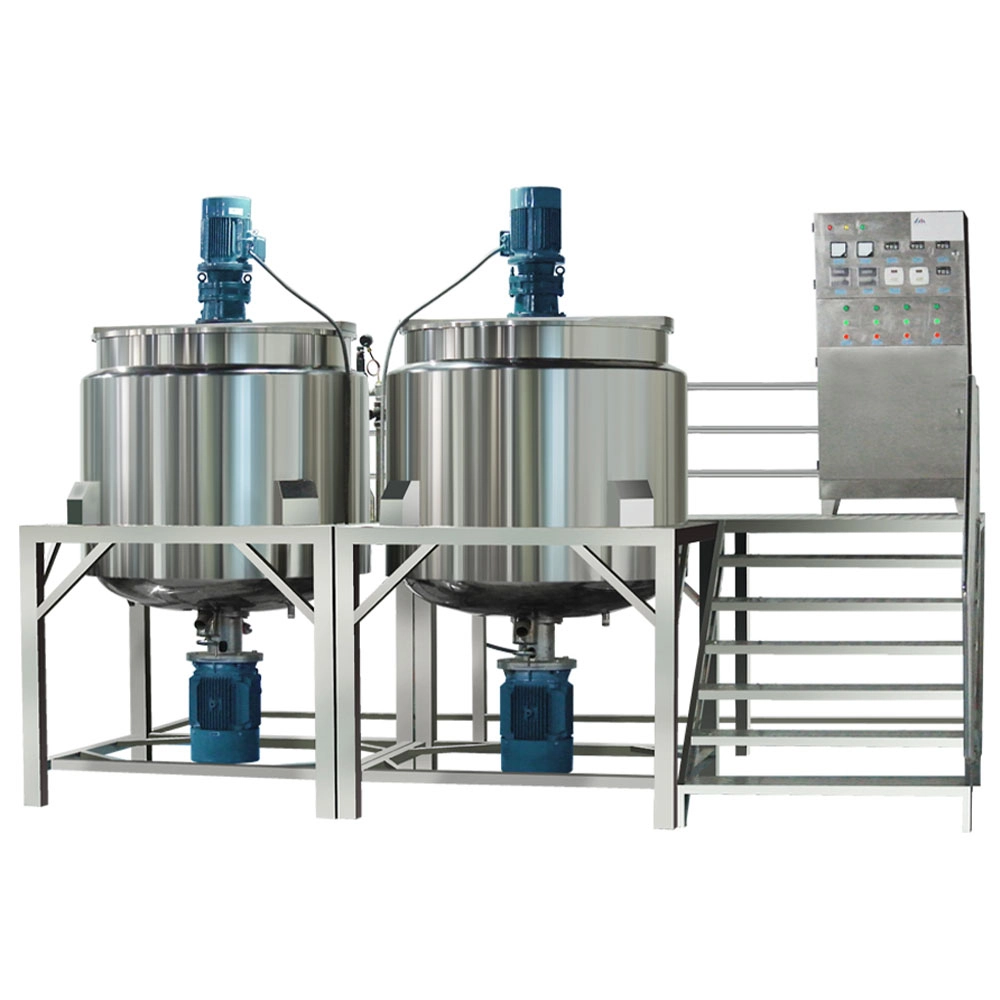
Flip Cover Multi-function Liquid Wash Mixing Tank Blender Liquid Detergent Mixer Homogenization Stirring Tank
Stainless Steel Mixer Liquid Mixing tank with Agitator Homogenizing Mixing tank Vacuum Sealed Mixer Machine
Get in touch with FULUKE
If you have any comments or good suggestions, please leave us a message, later our professional staff will contact you as soon as possible.

A leading manufacturer specializing in advanced machinery and complete production lines for the cosmetics, food, pharmaceutical, and chemical industries worldwide.
Contact FULUKE
Facebook
Instagram
YouTube