
Key Features to Look for in Lotion Filling Machines
- Precision and Accuracy: The Core of Liquid Filling
- Why accuracy matters in cream and lotion filling
- Key technologies that enable precision
- How to validate accuracy on the production floor
- Materials, Hygiene and Regulatory Compliance
- 316L/304 stainless steel: why it’s preferred
- GMP and documentation
- Cleaning, sanitization and material compatibility
- Flexibility and Container Handling
- Compatibility with different containers
- Changeover speed and tooling
- Filling methods for different viscosities
- Automation, Controls and Operator Usability
- Touchscreen and recipe management
- Integration with upstream and downstream equipment
- Safety and remote diagnostics
- Performance Metrics, Maintenance and Total Cost of Ownership
- Key performance indicators to track
- Maintenance, spare parts and service
- Comparative table: feature trade-offs
- Selecting the Right Supplier and Brand Advantages
- What to ask potential suppliers
- Brand strengths to consider
- Case use: how this product benefits manufacturers
- Practical Tips for Buyer's Checklist
- Site requirements and pre-installation
- Trial runs and acceptance tests
- Training and documentation
- Frequently Asked Questions (FAQ)
- Q: Can one machine handle both thin lotions and thick creams?
- Q: How often should I calibrate the filling system?
- Q: Is 316L stainless steel necessary for all cosmetic products?
- Q: What documentation should come with the machine for regulatory audits?
- Q: How can I minimize product waste during filling?
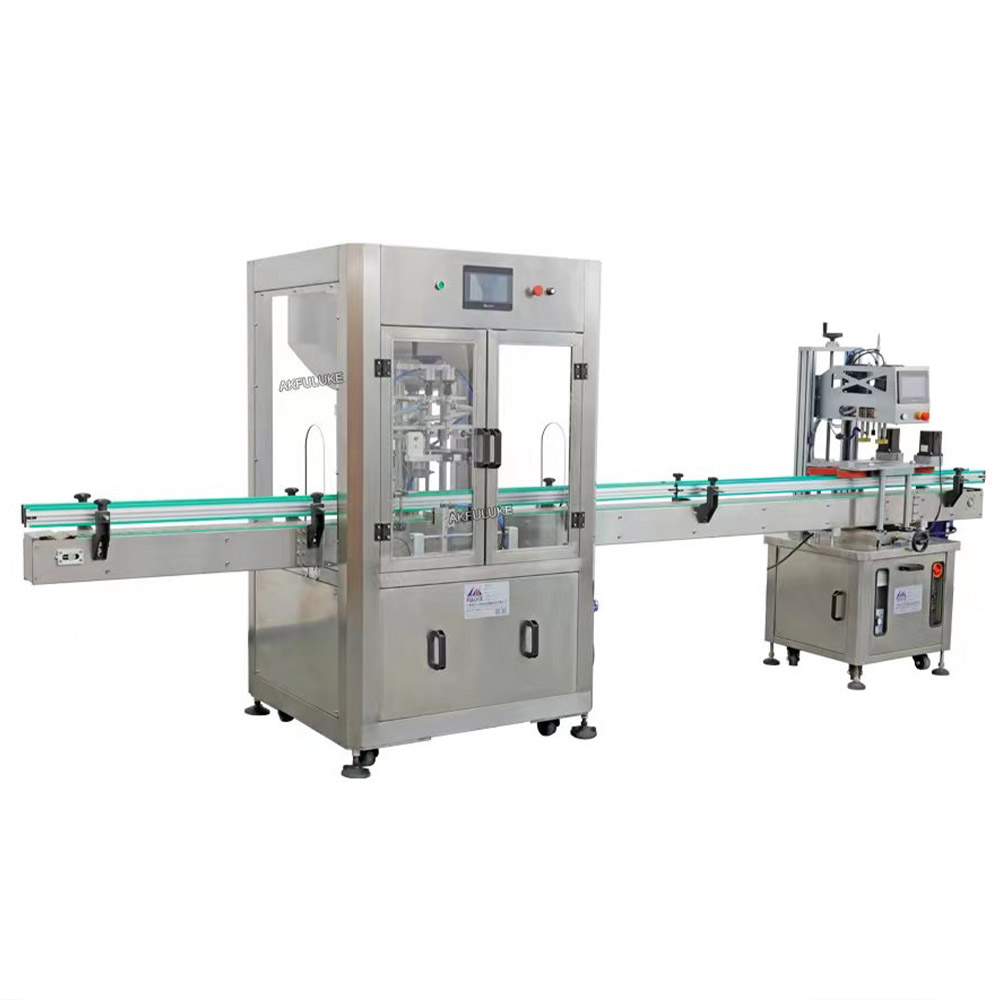
The right lotion filling machine increases throughput, reduces waste, and ensures consistent product quality across batches. For manufacturers worldwide — from boutique cosmetic labs to large-scale personal care factories — choosing a precision liquid filling machine that combines high-precision dosing, GMP-compliant construction, and flexible handling for glass and PET containers is critical for product safety and profitability. Once key machine features are defined, the next step is selecting the right technology. A detailed look at comparing piston and peristaltic liquid filling technologies helps buyers match machine design with product viscosity and accuracy requirements.
Precision and Accuracy: The Core of Liquid Filling
Why accuracy matters in cream and lotion filling
Consistent fill volume protects your margins, prevents overfill/underfill claims, and ensures regulatory compliance. A reliable lotion filling machine provides quantitative control that reduces formula waste and maintains uniform product presentation on retail shelves. High-precision systems commonly reach repeatability within ±0.5–1.0% depending on the liquid viscosity and nozzle design.
Key technologies that enable precision
Look for machines with electronic metering (such as servo-driven piston heads), programmable dosing profiles, and closed-loop feedback systems. These enable accurate fills for a wide range of liquids — from low-viscosity lotions to thicker creams and emulsions. The Automatic Filling Machine Quantitative Liquid Bottle Filling Machine High-precision cream and lotion filling machine uses precision filling modules and intelligent control to achieve consistent dosing with minimal adjustment.
How to validate accuracy on the production floor
Regularly perform gravimetric or volumetric checks during production runs. Use sample weights to calculate mean fill and standard deviation, then compare against the machine’s stated tolerance. Document results as part of your quality record keeping to comply with standards such as Good Manufacturing Practice (WHO GMP).
Materials, Hygiene and Regulatory Compliance
316L/304 stainless steel: why it’s preferred
Contact parts made from 316L or 304 stainless steel resist corrosion, are easy to clean, and minimize contamination risks. 316L is often chosen where higher corrosion resistance is needed (for formulations containing salts or chelating agents). For more detail on stainless steel grades see Stainless steel (Wikipedia). Machines constructed to these standards better support cleaning-in-place (CIP) and sanitation protocols.
GMP and documentation
GMP-aligned construction and documentation make regulatory audits smoother. A compliant lotion filling machine should support traceability (batch records, recipe management), allow access control (operator roles), and keep electronic logs of parameter changes. Refer to regulatory guidance from authorities like the U.S. FDA and WHO when creating validation protocols.
Cleaning, sanitization and material compatibility
Evaluate the machine’s accessibility for manual cleaning and its CIP capability. Smooth welds, rounded edges, and minimal dead legs reduce residue accumulation. Confirm seals and elastomers are compatible with your cleaning agents and product formulations to avoid degradation or leaching.
Flexibility and Container Handling
Compatibility with different containers
A versatile lotion filling machine handles glass and PET bottles, jars, and unconventional containers. Check whether the machine supports adjustable guides, changeover kits, and quick-release nozzles to switch between sizes without extensive downtime. The product described here notes suitability for glass and PET containers and can fill liquids, emulsions, and pastes — a key advantage for mixed-production lines.
Changeover speed and tooling
Short changeover time improves OEE (Overall Equipment Effectiveness). Machines with modular tooling and easy-to-use fixtures reduce the need for specialized technicians. Ideally, changeovers between common container sizes should take minutes rather than hours.
Filling methods for different viscosities
Different product rheologies require matched filling technologies: gravity or overflow filling for low-viscosity lotions; piston or peristaltic pumps for higher-viscosity creams and emulsions. Ensure the machine supports multiple filling heads or modes. The automatic quantitative filling machine integrates precision pumps suitable for both liquids and thicker pastes, improving flexibility across product ranges.
Automation, Controls and Operator Usability
Touchscreen and recipe management
An intuitive touchscreen HMI simplifies parameter changes and stores recipes for repeatable production. The product’s touchscreen interface allows rapid adjustment of fill volumes, speeds, and nozzle timing, enabling quick setup and fewer human errors.
Integration with upstream and downstream equipment
Consider the machine’s ability to integrate with unscramblers, cappers, labelers, and conveyors. Full-line automation reduces manual handling and contamination risk. Industry-level standards for automation improve data exchange and allow better line orchestration; for context, read about general machine filling concepts at Filling machine (Wikipedia).
Safety and remote diagnostics
Built-in safety guards, interlocks, and clear diagnostics reduce downtime. Advanced systems offer remote monitoring and support which speeds troubleshooting and predictive maintenance, lowering mean time to repair (MTTR).
Performance Metrics, Maintenance and Total Cost of Ownership
Key performance indicators to track
Track throughput (bottles/min), fill accuracy (±%), downtime %, and yield loss from overfills. These KPIs help compare machines beyond vendor claims and calculate real-world ROI.
Maintenance, spare parts and service
Check for easy access to wear parts (seals, pumps, nozzles) and the availability of local support. Service agreements and accessible spare part catalogs shorten repairs and maintain uptime. Consider machines designed to operate continuously with minimal preventive maintenance.
Comparative table: feature trade-offs
| Feature | High-precision piston/servo | Gravity/overflow | Peristaltic pump |
|---|---|---|---|
| Best for | Thick creams, high accuracy | Low-viscosity lotions | Corrosive or shear-sensitive fluids |
| Accuracy | Very high (±0.5%-1%) | Moderate | Good |
| Cleaning | Easy with removable heads | Simple | Easy; hose replacement |
| Maintenance | Moderate – requires calibration | Low | Moderate – tubing wear |
Selecting the Right Supplier and Brand Advantages
What to ask potential suppliers
- Can you provide IQ/OQ/PQ documentation and FAT reports?
- What are typical fill tolerances for my products?
- Do you offer local service and spare parts?
- Can the machine integrate with my existing line (conveyors, cappers)?
Brand strengths to consider
A reliable brand provides robust after-sales service, documented compliance, and modular designs that evolve with your product mix. The Automatic Filling Machine Quantitative Liquid Bottle Filling Machine High-precision cream and lotion filling machine stands out because it integrates automated conveying, precision filling, and intelligent control — minimizing manual intervention while meeting GMP construction standards with 316L/304 stainless steel contact parts. This combination helps companies reduce costs, increase efficiency, and ensure product standardization across cosmetic, food, daily chemical, pharmaceutical, and chemical lines.
Case use: how this product benefits manufacturers
For a medium-sized cosmetic manufacturer producing multiple lotions and creams, deploying a high-precision automatic filling machine reduces fill variability, streamlines changeovers between glass and PET containers, and centralizes control through a touchscreen HMI, which speeds line setup and reduces operator errors. The machine’s compliance with GMP norms ensures easier regulatory audits and improved consumer safety.
Practical Tips for Buyer's Checklist
Site requirements and pre-installation
Confirm floor loading, electrical supply, compressed air quality, and drainage. Prepare clearances for conveyors and access for maintenance. Pre-installation surveys reduce installation time and cost overruns.
Trial runs and acceptance tests
Ask vendors for a Factory Acceptance Test (FAT) and site Acceptance Test (SAT) using your actual product and containers. Validate fill accuracy, speed, and cleaning procedures before final acceptance.
Training and documentation
Ensure the supplier provides operator and maintenance training, SOPs, and detailed spare parts lists. Proper training reduces initial setup errors and improves long-term reliability.
Frequently Asked Questions (FAQ)
Q: Can one machine handle both thin lotions and thick creams?
A: Yes, modern quantitative liquid filling machines often support multiple filling methods (piston, pump, peristaltic) or variable speed dosing to handle a range of viscosities. Confirm with the vendor that your machine is configured for the full viscosity range of your formulations.
Q: How often should I calibrate the filling system?
A: Perform calibration checks daily or per batch during production runs for critical products. Full calibration and validation should be part of your scheduled preventive maintenance (quarterly or as defined by QA policy).
Q: Is 316L stainless steel necessary for all cosmetic products?
A: 316L is recommended when formulations contain aggressive ingredients or when enhanced corrosion resistance is desired. For many standard cosmetic lotions, 304 is acceptable, but 316L gives better longevity and is preferred for stringent GMP environments.
Q: What documentation should come with the machine for regulatory audits?
A: Request IQ/OQ/PQ documents, material certificates (SUS316L/SUS304), FAT reports, electrical schematics, software versioning, and operator manuals. These help demonstrate compliance during audits.
Q: How can I minimize product waste during filling?
A: Use precise dosing systems, optimize nozzle placement, implement closed-loop feedback, and conduct regular maintenance on seals and pumps. Training operators on correct setup and changeover procedures also reduces waste.
If you have specific product formulations, container types, or volume requirements, our experts can recommend the optimal configuration. Contact us to schedule a demonstration or request detailed specifications for the Automatic Filling Machine Quantitative Liquid Bottle Filling Machine High-precision cream and lotion filling machine.
Contact / View Product: To learn more or to book a demo, contact our sales team or view the product brochure on our site.
Top 10 ro water treatment system Manufacturers and Supplier Brands in 2026
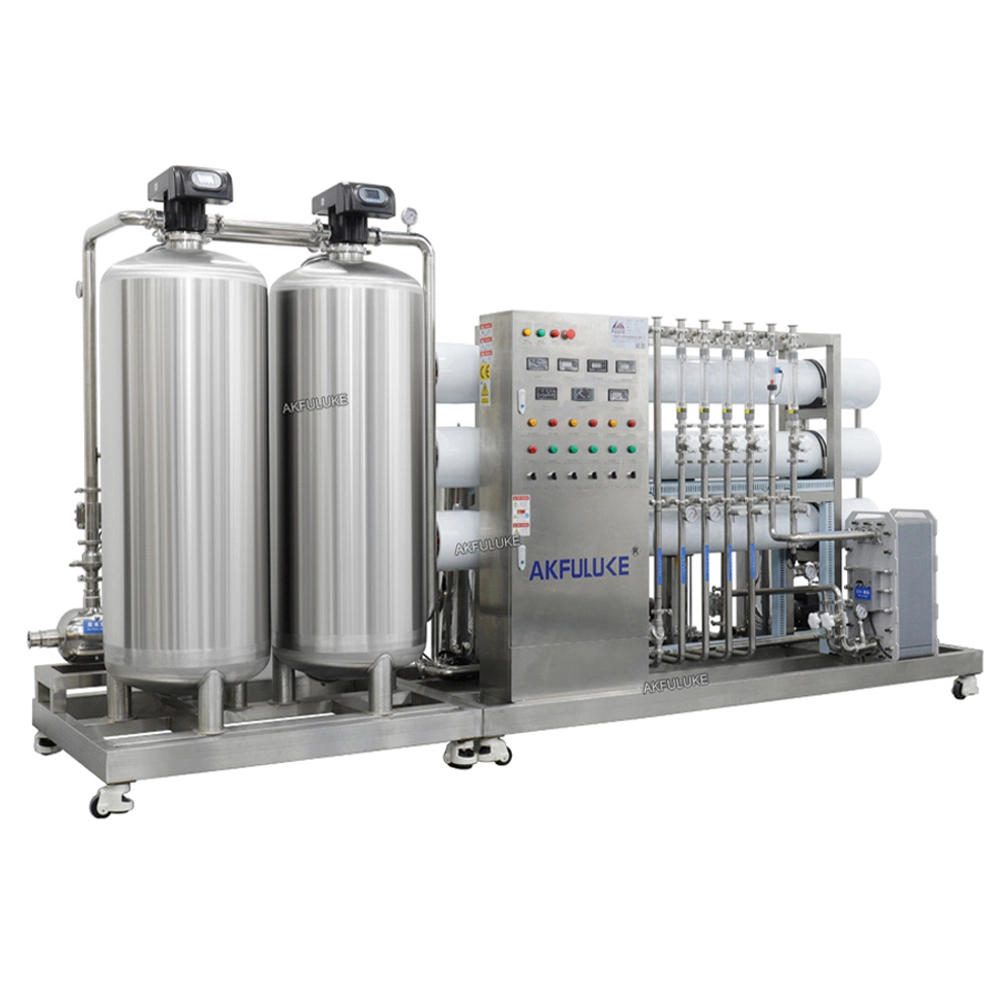
Integration: Pre-treatment and Post-treatment for RO Installations
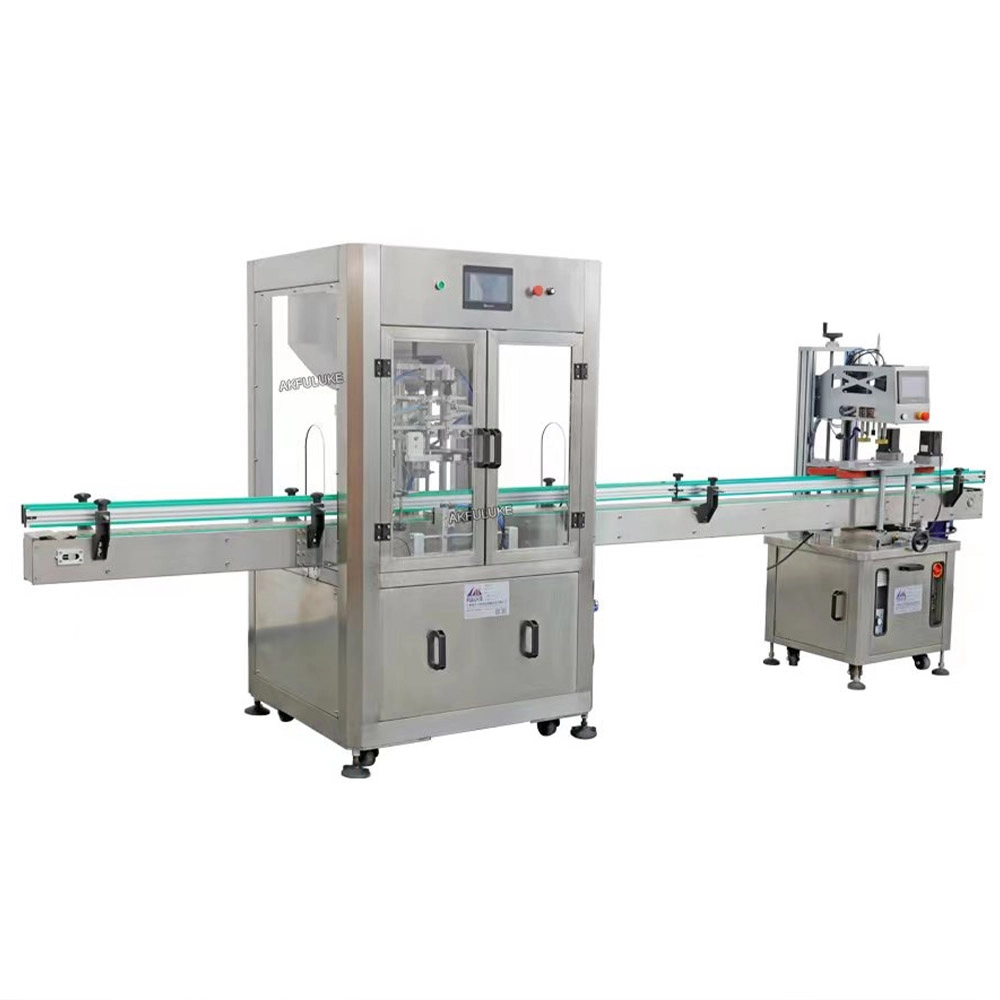
Selecting Filling Heads for Viscous Creams and Lotions
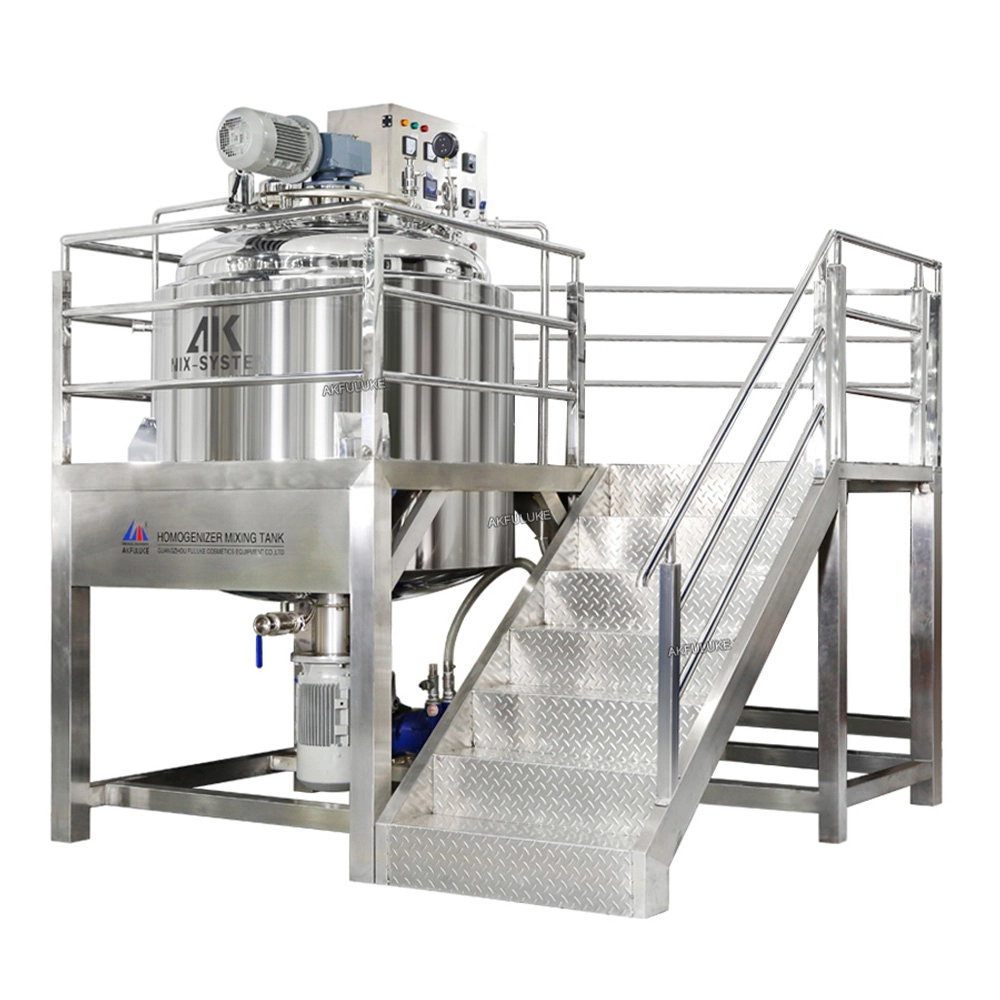
Integrating Mixer Tanks with Agitators into Automated Lines
Film Packaging Machine
What industries is this film packaging machine suitable for?
This machine is widely used for packaging a variety of items in large single boxes or multiple small boxes (with gold drawstring) in industries such as pharmaceuticals, health products, food, cosmetics, stationery, and audio-visual products.
Who are we?
Our headquarters is located in Guangzhou, Guangdong, China, and our factory is located in Yangzhou, Jiangsu. Our products are sold all over the world. We have approximately 50 employees in our company and factory.
Polypropylene PP Mixing Tank
What is the structure of an agitator?
The agitator usually consists of enamel anchor agitator.
Lift-type Homogenizing Disperser
Who are we?
Our headquarters is located in Guangzhou, Guangdong, China, and our factory is located in Yangzhou, Jiangsu. Our products are sold all over the world. We have approximately 50 employees in our company and factory.
Inkjet Printing Machine
What content can an inkjet printer print?
It can print text, time, date (Julian Year), logo, shift, SN, Dynamic Barcode/OR Code, Dynamic Serial Data, and Dynamic Database (additional content can be added as required).
You May Also Like
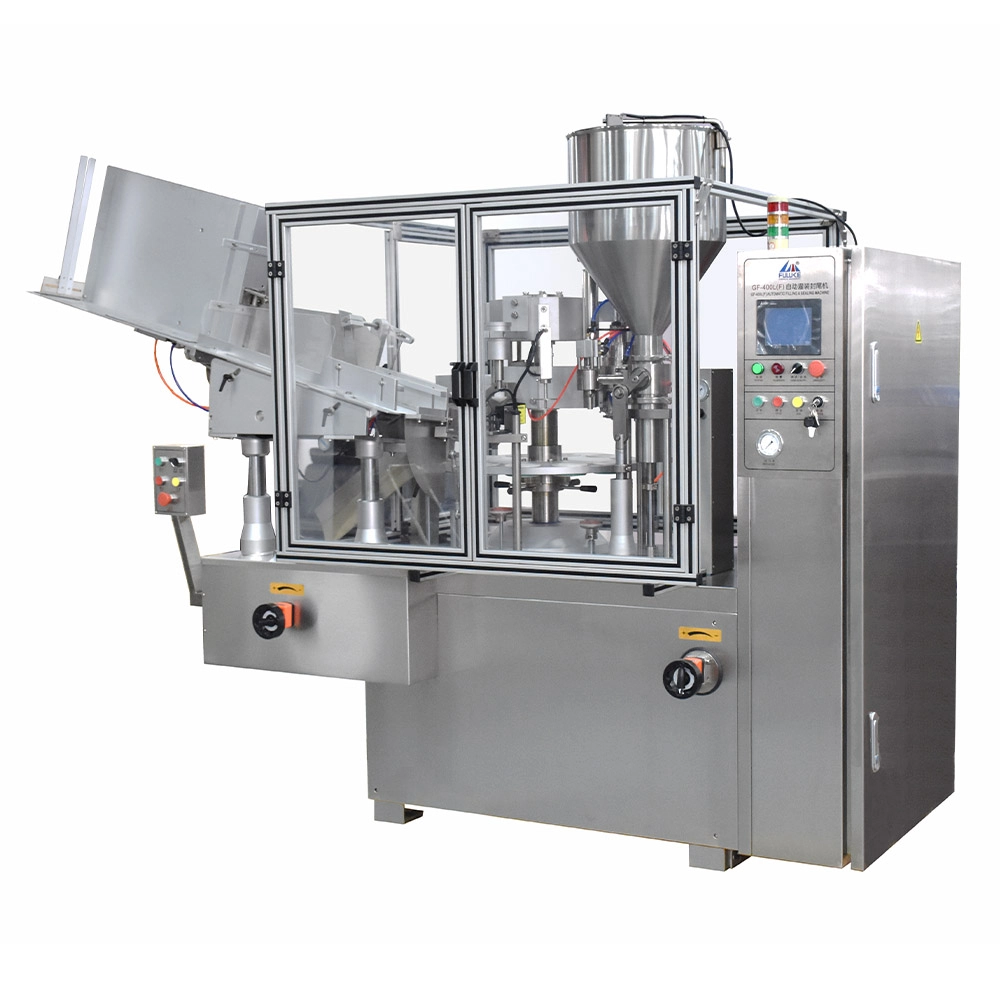
Automatic Tube Filling and Sealing Machine Toothpaste Sunscreen and Facial Cleanser Filling and Sealing Machine for Plastic and Aluminum-plastic Tube
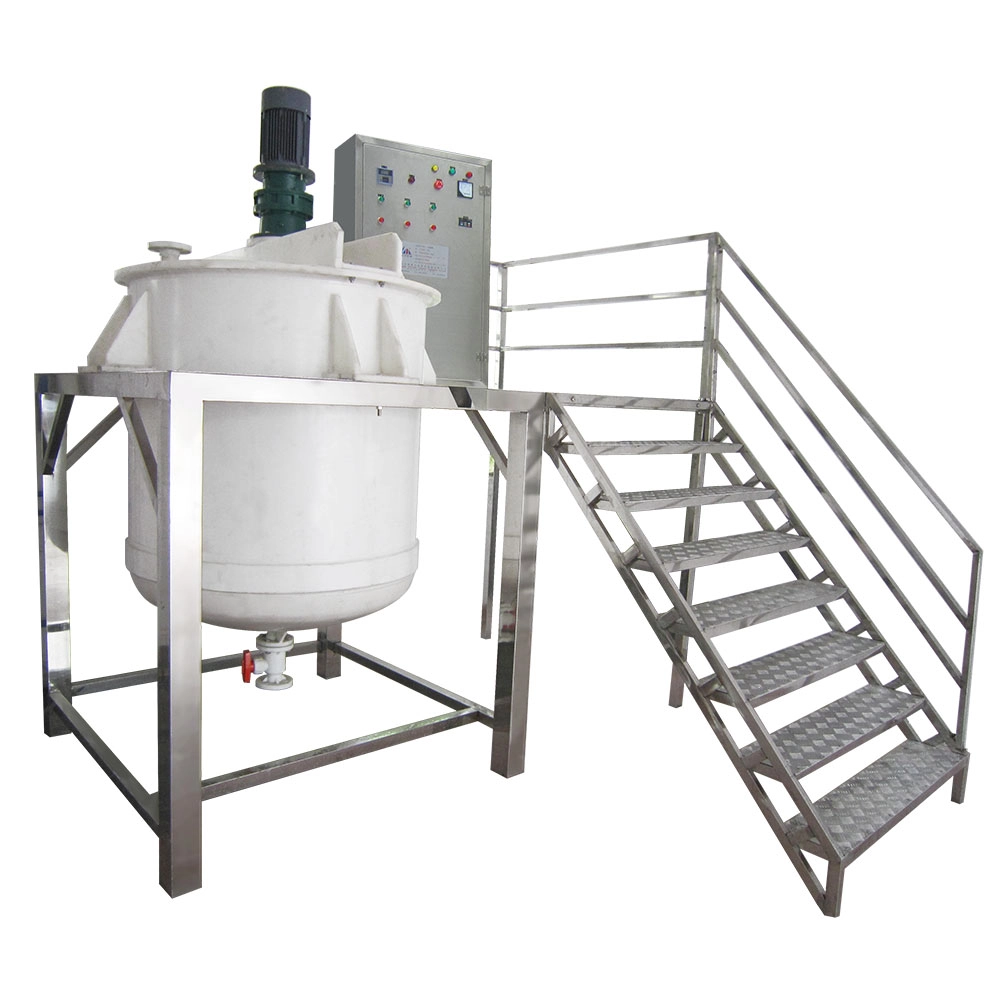
Polypropylene PP Mixing Tank Anti-Corrosion Mixer Reaction Kettle with Agitator Chemical Mixing Vessel
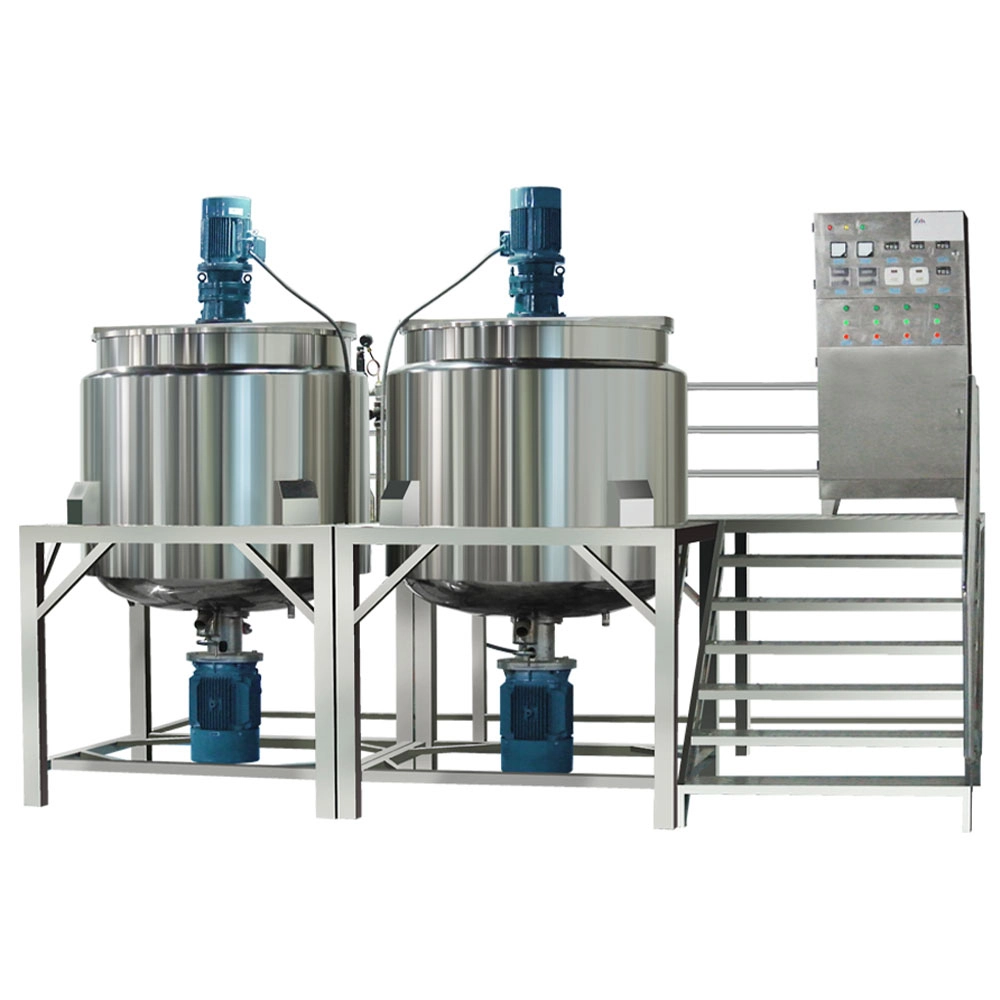
Flip Cover Multi-function Liquid Wash Mixing Tank Blender Liquid Detergent Mixer Homogenization Stirring Tank
Stainless Steel Mixer Liquid Mixing tank with Agitator Homogenizing Mixing tank Vacuum Sealed Mixer Machine
Get in touch with FULUKE
If you have any comments or good suggestions, please leave us a message, later our professional staff will contact you as soon as possible.

A leading manufacturer specializing in advanced machinery and complete production lines for the cosmetics, food, pharmaceutical, and chemical industries worldwide.
Contact FULUKE
Facebook
Instagram
YouTube