
Evaluating Machine Footprint and Factory Space Requirements
- Assessing Space Needs for Filling Lines
- Determine actual floor footprint vs. operational footprint
- Calculate throughput and translate to space needs
- Consider container variety and changeover space
- Designing Factory Layouts around Filling Machines
- Linear vs U-shaped vs island layouts
- Utilities, clean zones and GMP compliance
- Accessibility for maintenance and automation integration
- Operational & Regulatory Considerations Affecting Space
- Hygiene zones, material flow and contamination control
- Waste handling, spill containment and environmental controls
- Documentation and traceability stations
- Selecting the Right Machine: Footprint vs Productivity
- Understand specifications beyond the nameplate
- Comparative footprint and throughput examples
- Trade-offs: automation density vs flexibility
- Brand & Product Advantages Summary
- Why choose this automatic filling machine for creams and lotions
- Operational benefits and ROI considerations
- Service, compliance and documentation support
- Implementation Checklist and Practical Steps
- Site survey and mock layout
- Pilot runs and acceptance criteria
- Staff training and continuous improvement
- FAQ
- Q: How much clearance should I allow around a liquid filling machine?
- Q: Does the machine support both glass and PET bottles?
- Q: What sanitation and materials standards does the machine meet?
- Q: How do I estimate total factory area for a new line?
- Q: Can this machine handle high-viscosity creams and pastes?
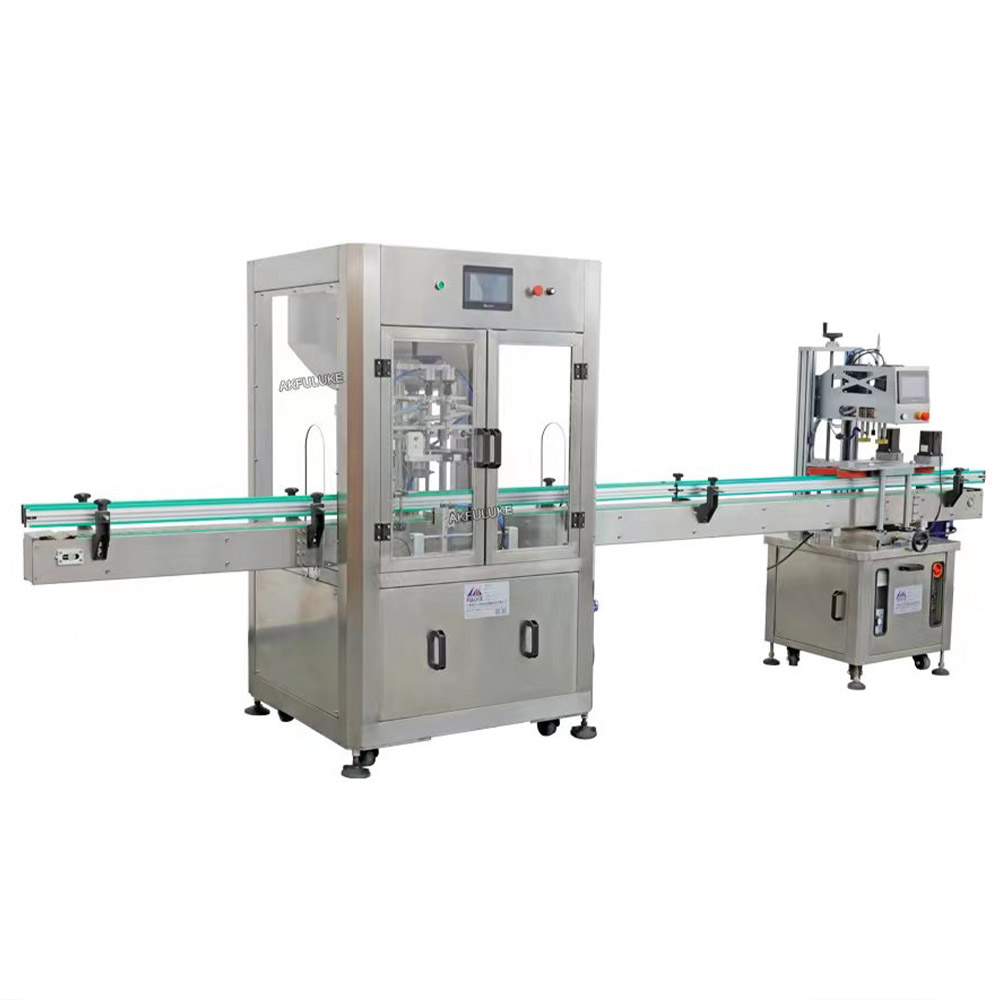
When planning production for creams, lotions and other liquids, a thorough evaluation of machine footprint and factory space requirements ensures efficient lines, regulatory compliance, and scalable growth. This guide explains how to size production areas, integrate a liquid filling machine into your layout, balance throughput and footprint, and meet GMP and sanitation requirements—helping you select and deploy the right automatic filling machine for your operation.
Assessing Space Needs for Filling Lines
Determine actual floor footprint vs. operational footprint
When evaluating a machine such as the Automatic Filling Machine Quantitative Liquid Bottle Filling Machine High-precision cream and lotion filling machine, distinguish between the equipment's static footprint (the physical area it occupies) and operational footprint, which includes required clearance, operator access, maintenance zones, conveyors, infeed/outfeed accumulation, and safety barriers. Typical operational clearance is 0.6–1.5 meters around key access points; for automated conveying and buffer zones, allow additional linear meters depending on line speed.
Calculate throughput and translate to space needs
Start with target throughput (units/hour). Throughput determines conveyor buffer lengths, staging racks and palletizing areas. For example, a machine with a nominal filling speed of 600–2,400 bottles/hour will require different accumulation lanes and packaging staging than a machine rated at 6,000/hour. When planning, convert throughput into physical queue length: if cycle time and changeover reduce effective capacity, pad space estimates by 15–25% to avoid bottlenecks.
Consider container variety and changeover space
Liquid filling machine setups that handle glass and PET bottles require changeover fixtures and storage for spare tooling. Reserve space for changeover tool trolleys, quick-change stations and calibration test stations. A dedicated small area (2–6 m2) adjacent to the filling line reduces downtime during format changes.
Designing Factory Layouts around Filling Machines
Linear vs U-shaped vs island layouts
Choose a layout based on material flow and available area. Linear layouts favor long, narrow factories with sequential packaging stages. U-shaped layouts save floor space and centralize utilities, improving operator access for small to medium plants. Island layouts allow several machines to share utilities and staffing, suitable for modular production cells. Each layout impacts the required aisle widths and emergency egress routes.
Utilities, clean zones and GMP compliance
The automatic filling machine integrates automated conveying, precision filling, and intelligent control and typically has requirements for power, compressed air, vacuum, product supply and sometimes CIP (clean-in-place). Equip the area with accessible utility connections and plan for drains and containment zones for spillage. Comply with Good Manufacturing Practice (GMP) principles—separate dirty and clean areas, allow for hygienic cleaning, and use hygienic finishes like 316L/304 stainless steel for product contact parts. For an overview of GMP principles, see the WHO guidance on Good Manufacturing Practices (WHO GMP) and the general GMP summary on Wikipedia (Good manufacturing practice - Wikipedia).
Accessibility for maintenance and automation integration
Allow for maintenance access paths, spare parts storage and sensor calibration areas. When integrating upstream (filler) and downstream (capping, labeling, cartoning, palletizing), allocate space for conveyors, accumulation belts and buffer lanes. Consider robot cells for case packing which require safety fencing and additional footprint. Plan cable routes and remote operator panels (touchscreen interfaces) so that controls are reachable without putting operators into traffic zones.
Operational & Regulatory Considerations Affecting Space
Hygiene zones, material flow and contamination control
For cosmetic production, controlling contamination is critical. Define zones for raw material receipt, formulation, filling and finished goods. Segregate areas with clear flows to prevent cross-contamination. The product-contact components of the machine should be 316L/304 stainless steel and allow disassembly without specialized tools, simplifying cleaning and minimizing downtime.
Waste handling, spill containment and environmental controls
Plan for spill containment trays, floor drains and secondary containment where liquid loss could reach drains. Allocate space for detergent and sanitizing chemical storage near cleaning stations, and ensure local ventilation or fume extraction where volatile solvents or aerosols are involved. These aspects influence the footprint because additional room may be needed for containment basins and ventilation ducts.
Documentation and traceability stations
Allocate bench or cabinet space for batch records, QA testing equipment, and sample retention. Modern automatic filling machines often support electronic batch documentation, but physical sampling and QA benches still need proximal space. Keeping QA and documentation near the filling line shortens decision loops for deviations and changeovers.
Selecting the Right Machine: Footprint vs Productivity
Understand specifications beyond the nameplate
Manufacturers provide footprint dimensions, but you must evaluate the full system including upstream/downstream devices. For the featured product, note the product description:
The automatic filling machine integrates automated conveying, precision filling, and intelligent control for packaging creams, lotions, and liquids. Suitable for a variety of containers, including glass and PET bottles, it can fill liquids, emulsions, and pastes with high precision.
Constructed with 316L/304 stainless steel contact components and compliant with GMP standards, it features a touchscreen interface for quick parameter adjustment and completes the entire process without manual intervention. Widely used in the cosmetics, food, daily chemical, pharmaceutical, and chemical industries, it helps companies reduce costs, increase efficiency, and ensure product standardization.
Comparative footprint and throughput examples
Use the following comparison table to estimate space vs throughput for typical liquid filling scenarios. Adjust numbers for your specific line speeds and changeover patterns.
| Machine Class | Nominal Throughput (bph) | Estimated Operational Footprint (m2) | Recommended Factory Area (including buffers) (m2) |
|---|---|---|---|
| Compact benchtop | 300–1,000 | 1.5–3 | 12–30 |
| Small floor model | 1,000–4,000 | 3–8 | 30–80 |
| High-speed automated line | 4,000–12,000+ | 8–25 | 80–250+ |
Notes: bph = bottles per hour. Operational footprint assumes conveyors, access clearance, and local utilities. Recommended factory area includes adjacent buffer, QC, and packaging modules.
Trade-offs: automation density vs flexibility
Tighter footprints are achieved with higher integration and automation, but this reduces flexibility for frequent format changes. If your product mix changes often (multiple container types, viscosities), prioritize modular machines with quick-change format parts even if they require a slightly larger operational area. For high-volume single SKU runs, a compact integrated line may deliver better ROI and smaller overall factory area per unit output.
Brand & Product Advantages Summary
Why choose this automatic filling machine for creams and lotions
The Automatic Filling Machine Quantitative Liquid Bottle Filling Machine High-precision cream and lotion filling machine offers several advantages for cosmetics manufacturers: high-precision dosing for emulsions and pastes, compatibility with a range of container materials (glass, PET), hygienic construction with 316L/304 stainless steel product contact parts, GMP compliance, and an intuitive touchscreen interface for rapid parameter adjustments. These features reduce waste, enable consistent fill accuracy, and simplify sanitization—key E-E-A-T signals for buyers and auditors.
Operational benefits and ROI considerations
Faster changeovers, reduced manual intervention and consistent quality reduce labor and rework costs. When assessing ROI, include reduced product giveaway from precise dosing, labor savings from automation, and lower recall risk due to improved consistency. Consider total cost of ownership: maintenance plans, spare parts accessibility, and integration costs with existing packaging equipment.
Service, compliance and documentation support
A reputable supplier will provide IQ/OQ documentation, spare parts kits, and training for operators and maintenance staff. Request supplier references and evidence of compliance testing. Reliable after-sales support minimizes downtime and helps maintain regulatory readiness.
Implementation Checklist and Practical Steps
Site survey and mock layout
Conduct a site survey that includes existing utilities, floor loads, ceiling heights, doors and traffic patterns. Use tape or digital tools to mock the machine footprints and conveyors on the factory floor to validate clearances and ergonomics.
Pilot runs and acceptance criteria
Run pilot production with representative containers and formulations to validate fill accuracy, cycle times and cleaning procedures. Define acceptance criteria for fill volume, defect rate and cleaning validation before full deployment.
Staff training and continuous improvement
Train operators on touchscreen controls, basic troubleshooting, and cleaning. Collect key performance indicators (OEE, downtime, changeover times) and iterate on layout, maintenance schedules and SOPs to continuously optimize space utilization and line efficiency.
FAQ
Q: How much clearance should I allow around a liquid filling machine?
A: Provide at least 0.6–1.5 meters for operator access and maintenance around key panels; larger for areas with frequent changeovers or robot cells. Consider local safety code and emergency egress requirements.
Q: Does the machine support both glass and PET bottles?
A: Yes. The described automatic filling machine is suitable for glass and PET containers, with adaptable tooling for different neck sizes and heights.
Q: What sanitation and materials standards does the machine meet?
A: Product contact parts are constructed from 316L/304 stainless steel and the machine is designed to meet GMP standards. For GMP guidance, see WHO's GMP page (WHO GMP).
Q: How do I estimate total factory area for a new line?
A: Start with the machine's operational footprint, add upstream/downstream equipment, buffer zones and palletizing space. Use the comparison table above for an initial estimate and add 15–25% contingency for aisles, maintenance and future expansion.
Q: Can this machine handle high-viscosity creams and pastes?
A: Yes. The machine is designed for liquids, emulsions and pastes with dosing systems that accommodate varying viscosities. Validate with pilot runs for your specific formulation.
If you have more questions or want a tailored layout assessment, contact our technical sales team or check the product page for detailed specifications: Automatic Filling Machine Product Page.
Contact Us / View Product: Speak with an equipment specialist to schedule a site visit or receive a factory layout proposal. Contact Sales
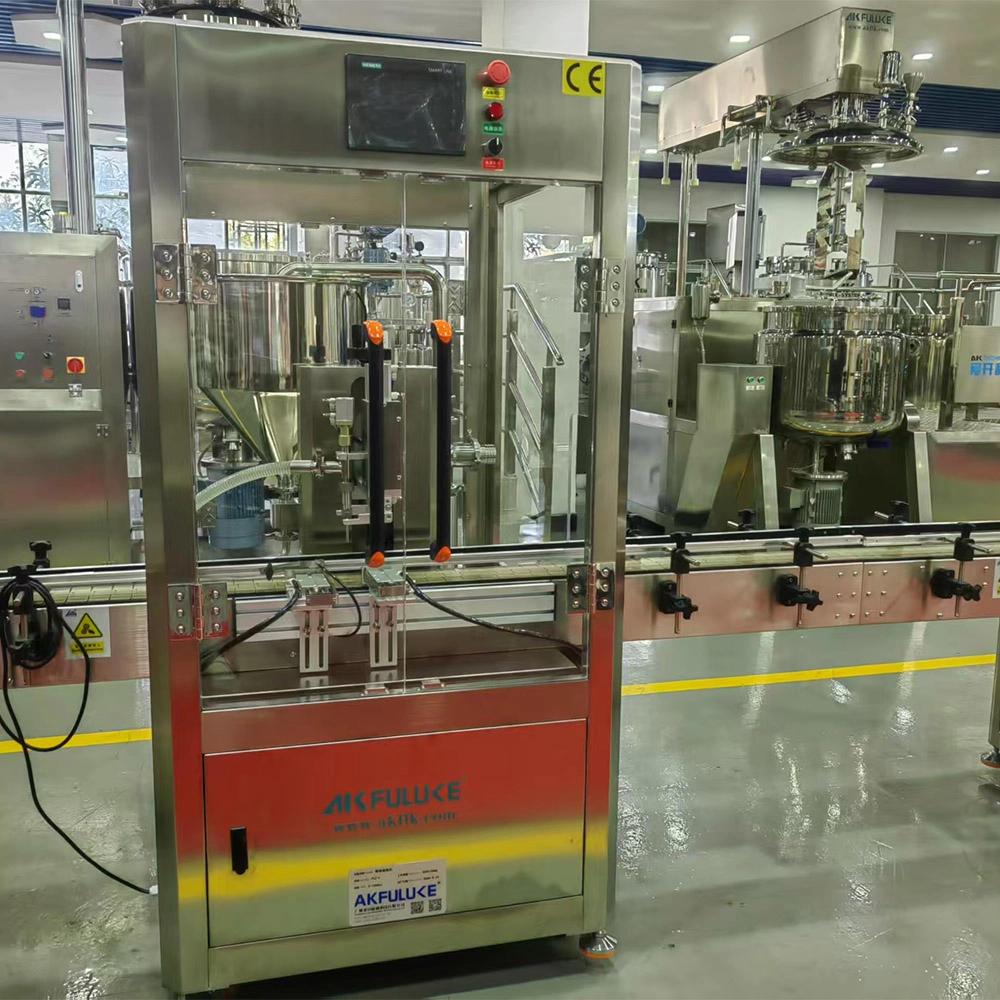
Selecting a Supplier for High-Precision Filling Machines
Top 10 vacuum emulsifying machine Manufacturers and Supplier Brands
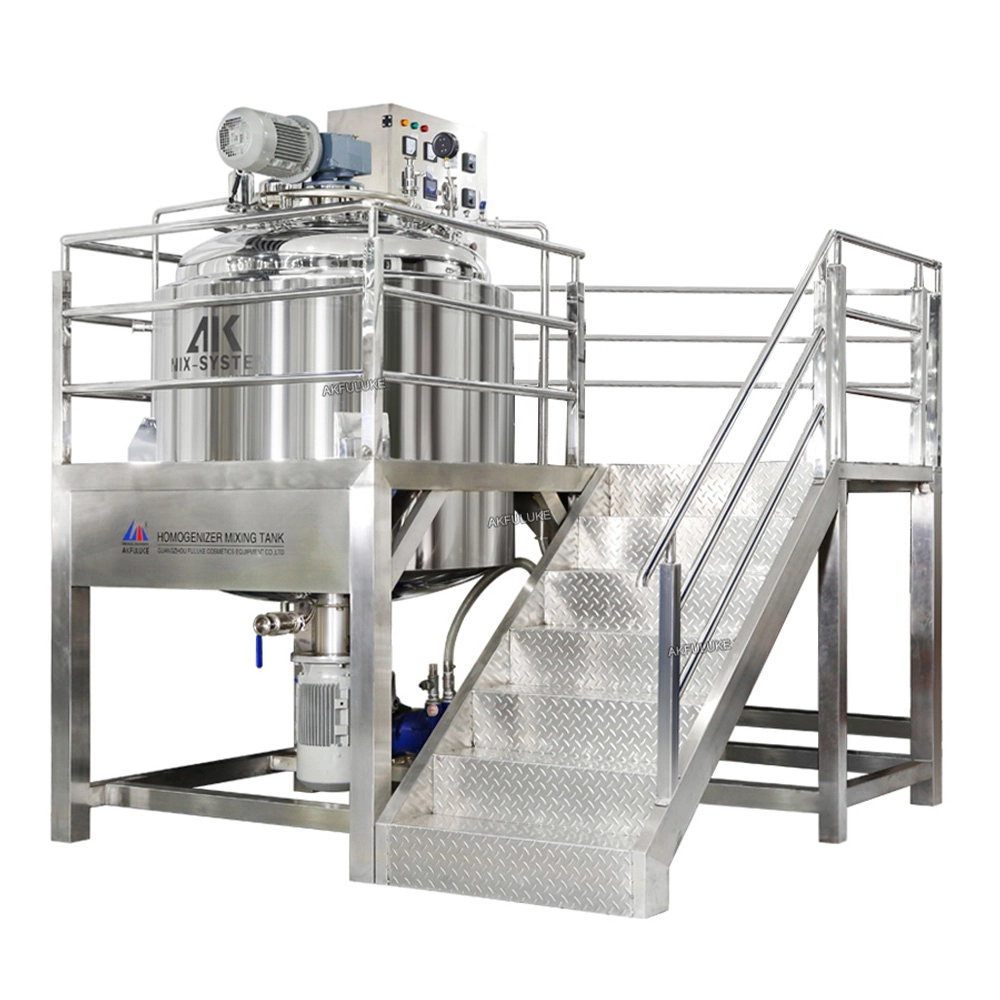
Maintenance Checklist for Stainless Steel Liquid Mixing Tanks
Choosing the Right Pump Type for Cream and Lotion Filling
FAQs
What sets FULUKE apart from other cosmetics machinery manufacturers?
Sealed Homogenizing Mixing Tank
What is the speed of the high shear homogenizer?
The standard speed is 0-3000 rpm, but higher speeds can be customized upon request.
Inkjet Printing Machine
The printer isn't printing properly after a long period of inactivity. Is the printhead broken?
The printhead is most likely clogged due to dried ink, rather than complete damage. Prolonged inactivity is one of the main causes of inkjet printer clogs. Ink dries in the tiny nozzles, hindering ink flow. Try performing the automatic printhead cleaning procedure 2-3 times. If this doesn't work, remove the printhead, soak it in anhydrous alcohol for half an hour, then rinse (this requires professional operation; novice printers are advised to have the printer serviced). After the alcohol has completely evaporated, reinstall and test. It's recommended to perform a self-check at least once a week to prevent the printhead from drying out.
Polypropylene PP Mixing Tank
Can you make a design for us?
Yes, we can, we provide not only products, but also solutions and designs.
Automatic Labeling Machine
Can the labeling speed of the machine be adjusted to suit my production line's pace?
It can be flexibly adjusted to suit different production line speeds.
You May Also Like
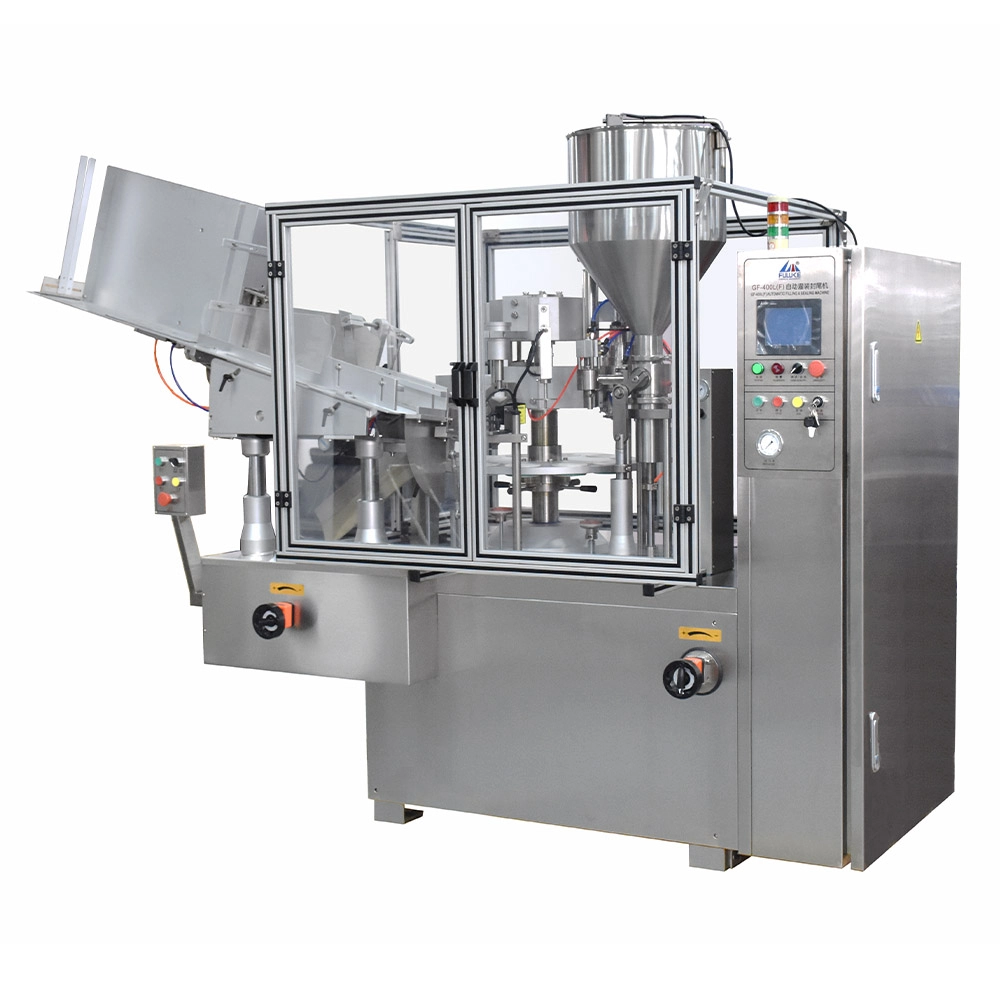
Automatic Tube Filling and Sealing Machine Toothpaste Sunscreen and Facial Cleanser Filling and Sealing Machine for Plastic and Aluminum-plastic Tube
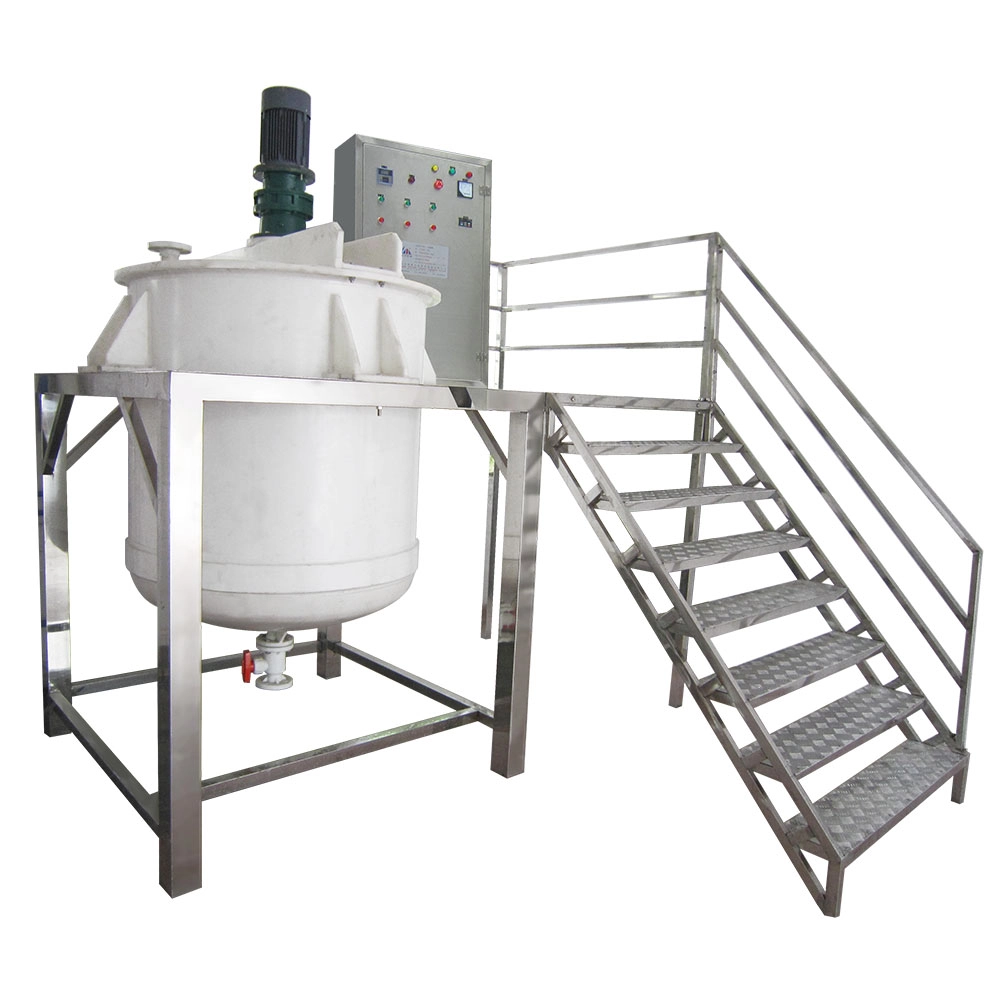
Polypropylene PP Mixing Tank Anti-Corrosion Mixer Reaction Kettle with Agitator Chemical Mixing Vessel
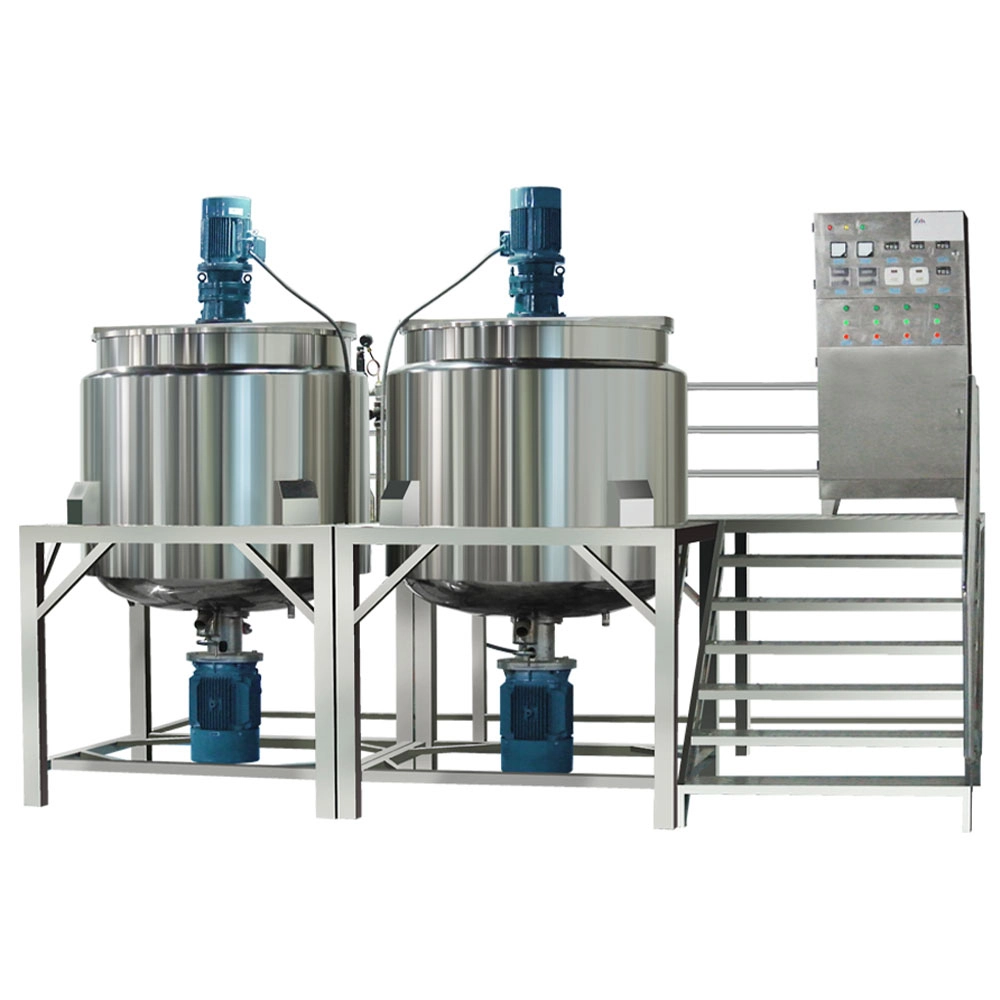
Flip Cover Multi-function Liquid Wash Mixing Tank Blender Liquid Detergent Mixer Homogenization Stirring Tank
Stainless Steel Mixer Liquid Mixing tank with Agitator Homogenizing Mixing tank Vacuum Sealed Mixer Machine
Get in touch with FULUKE
If you have any comments or good suggestions, please leave us a message, later our professional staff will contact you as soon as possible.

A leading manufacturer specializing in advanced machinery and complete production lines for the cosmetics, food, pharmaceutical, and chemical industries worldwide.
Contact FULUKE
Facebook
Instagram
YouTube