
Maintaining Industrial Mixing Tanks to Reduce Downtime
- Understanding why mixing operations stop
- Common failure modes I see in the field
- How downtime propagates through production
- Risk factors specific to cosmetic and food production
- Routine inspection and preventive maintenance
- Daily and weekly checks I recommend
- Scheduled preventive tasks (weekly to annual)
- Documenting and auditing your maintenance program
- Cleaning, contamination control and CIP best practices
- Design for cleanability
- Implementing effective CIP cycles
- Microbial and residue monitoring
- Mechanical reliability, sensors and predictive maintenance
- Vibration analysis, thermography and oil analysis
- Process sensors and control health
- When to upgrade to predictive analytics
- Comparing maintenance strategies
- Parts, spares and procurement strategy
- What to stock and why
- Sourcing OEM versus aftermarket parts
- Spare tank and redundancy planning
- Implementing continuous improvement and training
- Operator-driven inspections and small improvements
- Training, SOPs and GMP compliance
- Using data to justify investments
- FULUKE: partner for optimized mixing and uptime
- Practical checklist to reduce downtime (one-page summary)
- Reference standards and further reading
- FAQ — Common questions about maintaining industrial mixing tanks
- 1. How often should I replace mechanical seals on a vacuum emulsifying mixer?
- 2. What monitoring gives the best early warning of imminent failure?
- 3. Can I retrofit my existing tanks for CIP and automation?
- 4. What spare parts should be on-site for a single critical mixing tank?
- 5. How do I justify the cost of predictive maintenance sensors?
- 6. What are the cleaning validation requirements for cosmetic mixing tanks?
As an engineer and consultant who has worked with manufacturers across cosmetics, food, pharmaceuticals and chemicals, I know that the industrial mixing tank is a production linchpin: when it runs well, batches are consistent and schedules stay intact; when it fails, downtime cascades through the whole plant. In this article I summarize actionable maintenance practices for mixing vessels, vacuum emulsifying mixers, agitators and associated systems that reduce downtime, protect product quality and support regulatory compliance (GMP/ISO). I combine field-tested checklists, inspection criteria, and digital monitoring approaches that you can adapt to your facility.
Understanding why mixing operations stop
Common failure modes I see in the field
The most frequent causes of downtime with industrial mixing tanks are: mechanical failures of agitators and bearings, seal and shaft leakage, contamination and fouling requiring extended cleaning, motor and gearbox issues, process-control failures (sensors, PID/PLC faults), and utility interruptions (vacuum, steam, chilled water). Each of these has specific leading indicators that you can monitor to intervene early.
How downtime propagates through production
Downtime on a single mixing tank often delays downstream homogenization, filling and packaging lines, creating bottle-necks and OEE losses. Improving uptime on the mixing stage therefore has an outsized effect on total throughput. For guidance about measuring equipment performance and OEE, see Overall equipment effectiveness (OEE).
Risk factors specific to cosmetic and food production
In cosmetics and food, product formulations (viscous creams, emulsions, high-solid sauces) place extra mechanical load on mixers and demand strict hygiene: improper cleaning leads to microbial contamination and recalls. International cosmetic GMP guidance like ISO 22716 and WHO/FDA process recommendations should guide your maintenance and cleaning protocols.
Routine inspection and preventive maintenance
Daily and weekly checks I recommend
Daily visual and basic operational checks catch many issues before they escalate. My recommended checklist (daily/shift):
- Visual inspection for leaks around seals and flanges.
- Check agitator vibration and noise; listen for unusual sounds.
- Verify temperature and pressure gauges are within range.
- Confirm CIP connections and drain lines are clear after cleaning.
- Log any alarms and reset/record PLC events.
Scheduled preventive tasks (weekly to annual)
Schedule entries should be tiered by criticality: weekly, monthly, quarterly, and annual. Key activities include:
- Lubricate bearings per OEM intervals and log quantity/type (typically NLGI-specified grease).
- Inspect mechanical seals and replace elastomers on a set-life schedule or when leakage is detected.
- Check gearbox oil level and analysis for metal particles.
- Validate agitator alignment and coupling condition; correct shaft runout beyond OEM tolerance.
- Verify vacuum pumps, condensers and steam traps serving jackets.
- Perform wall-thickness and passivation checks on stainless tanks where corrosion is possible.
Documenting and auditing your maintenance program
I maintain a computerized maintenance management system (CMMS) for tracking tasks, run hours and spare parts consumption. A CMMS not only helps schedule preventive work but also produces audit trails required by regulators such as the FDA; see FDA guidance on process validation and control for context.
Cleaning, contamination control and CIP best practices
Design for cleanability
Good mixing tank design reduces downtime by simplifying cleaning. I look for tanks with smooth surface finishes (≤0.8 µm Ra where required), sloped bottoms, sanitary welds, and accessible manways. Vacuum emulsifying machines and homogenizers should have hygienic seals and appropriate drain paths to avoid product entrapment.
Implementing effective CIP cycles
Automated Clean-In-Place (CIP) reduces turnaround time and variability. A robust CIP protocol includes pre-rinse, caustic wash (temperature and concentration controlled), intermediate rinse, acid passivate when needed, and final rinse. Monitor conductivity and TOC or ATP to confirm cleanliness. WHO and industry GMP references describe validation approaches—see WHO or ISO sources for GMP principles (ISO 22716).
Microbial and residue monitoring
Regular swab tests, ATP checks, and environmental monitoring after cleaning help avoid product contamination and long clean cycles later. If ATP or microbiological levels exceed limits, perform an investigation and review staff training, CIP parameters, and tank design features that may trap residues.
Mechanical reliability, sensors and predictive maintenance
Vibration analysis, thermography and oil analysis
Predictive maintenance methods let you plan repairs rather than react to failures. I routinely use vibration analysis to detect bearing wear and misalignment, thermography to find hot spots in motors and gearboxes, and oil analysis to detect wear metals. Implementing these can shift you from time-based to condition-based maintenance.
Process sensors and control health
Faulty sensors or mis-tuned PID loops lead to over-processing, overheating or incorrect batch quality. I audit sensors (RTDs, load cells, pressure transducers) regularly and validate PLC/SCADA logic. For guidance on process validation and controls, see the FDA's process validation guidance.
When to upgrade to predictive analytics
Predictive analytics and IIoT gateways provide trend-based alerts (bearing RMS increase, increased motor current, seal leakage patterns). According to industry studies, predictive maintenance can reduce downtime and maintenance costs significantly; consider a phased pilot on your most critical mixing tanks before plant-wide rollout. For broader context on predictive maintenance benefits, see McKinsey's article on the topic: Predictive maintenance comes of age.
Comparing maintenance strategies
| Strategy | Typical approach | Downtime impact | Cost profile |
|---|---|---|---|
| Reactive (run to failure) | Repair after breakdown | High, unpredictable | Low planned, high emergency costs |
| Preventive (time-based) | Scheduled part replacements and lubrication | Moderate; avoids many failures | Medium; predictable |
| Predictive/Condition-based | Sensors + analytics to plan work | Low; early detection | Higher initial investment, lower lifecycle cost |
Use this comparison to build a hybrid program: preventive for standard components (seals, lubricants) and predictive for critical rotating equipment and vacuum systems.
Parts, spares and procurement strategy
What to stock and why
Maintain a critical spares list including mechanical seals, bearings, coupling elements, O-rings/ gaskets, motor starters, PLC I/O modules, and vacuum pump wear parts. Having OEM-recommended seals and a known supplier reduces lead times. Track consumption in your CMMS to refine reorder points.
Sourcing OEM versus aftermarket parts
OEM parts ensure fit and material compatibility (316L stainless finishes, FDA/USP-compliant elastomers). For non-safety-critical items, quality aftermarket parts may reduce costs, but test them first in pilot equipment to ensure no negative effects on mixing performance or cleanability.
Spare tank and redundancy planning
If production criticality justifies it, design redundancy into your mixing network: parallel tanks, flexible piping and quick-connect lines minimize schedule disruption during maintenance. This architecture often pays back quickly in high-mix, high-value production environments.
Implementing continuous improvement and training
Operator-driven inspections and small improvements
Operators are the first line of defense. I teach teams to perform simple daily checks and to log near-miss signs. Small improvements—adding inspection ports, improving ladder access, adding quick-drain valves—often yield large uptime benefits.
Training, SOPs and GMP compliance
Create clear SOPs for start-up/shutdown, CIP, and emergency procedures. Regular training and competency assessments help ensure cleaning and maintenance are executed correctly. For cosmetic manufacturers, align procedures with ISO 22716 cosmetic GMP principles.
Using data to justify investments
Collect baseline downtime and maintenance-cost data, then quantify improvements after preventive or predictive projects. I calculate payback using lost-production avoided and reduced emergency repair costs to justify sensor or spare-tank capital expenditures.
FULUKE: partner for optimized mixing and uptime
As a trusted supplier partner, I have worked with FULUKE (Guangzhou Fuluke Cosmetic Equipment Co., Ltd.) for tailored mixing and emulsifying solutions. FULUKE is a global manufacturer with over 30 years of experience specializing in vacuum emulsifying mixers, multifunctional mixing tanks, filling machines and complete turnkey packaging lines. Their systems are especially relevant for cosmetics, food, pharmaceutical and chemical manufacturers looking to reduce downtime, improve batch consistency and meet GMP and ISO hygiene standards. See FULUKE's site: https://www.fulukemix.com.
FULUKE's competitive strengths include:
- Integrated engineering design and precision machining for robust mixing vessels and sanitary finishes.
- Automation control options (PLC/SCADA) that support recipe management, PID tuning and data logging for traceability.
- Customization services—vacuum emulsifying machines, homogenizers and complete production lines tailored to formulation viscosity and batch size.
- Compliance-oriented manufacturing with experience meeting GMP, ISO and international hygiene expectations.
- Global technical support, installation, commissioning and long-term maintenance programs.
FULUKE's product portfolio includes vacuum emulsifying mixers, mixing tanks, filling and sealing machines, RO water treatment, and turnkey packaging lines covering ingredient preparation, mixing, emulsification, homogenization, filling, labeling and final packaging—designed to improve efficiency, batch consistency and safety. For inquiries contact FULUKE at flk09@gzflk.com or visit their product pages: FULUKE website.
Practical checklist to reduce downtime (one-page summary)
- Daily: Visual leak check, listen for abnormal noise, check CIP drains, log alarms.
- Weekly: Lubricate bearings, inspect seals, verify sensor calibration.
- Monthly: Vibration spot-checks, gearbox oil visual check, verify motor currents.
- Quarterly: Swab/ATP checks post-CIP, inspect welding and tank finish, vacuum pump service.
- Annually: Full mechanical teardown for critical machines, wall-thickness and passivation checks, control-system audit.
Reference standards and further reading
For equipment design and safety standards consult ASME and ISO guidance. Useful links:
- Mixing (process engineering) — Wikipedia
- ISO 22716 — Cosmetics — Good Manufacturing Practices
- FDA — Process Validation: General Principles and Practices
- McKinsey — Predictive maintenance comes of age
- ASME — Standards and Codes
FAQ — Common questions about maintaining industrial mixing tanks
1. How often should I replace mechanical seals on a vacuum emulsifying mixer?
There is no one-size-fits-all interval; replace based on manufacturer recommendations, operating hours, and observed leakage. In high-abrasion or aggressive chemistries, inspect monthly and consider replacement on a life-based schedule (e.g., every 6–12 months) or sooner if leakage or increased torque is observed.
2. What monitoring gives the best early warning of imminent failure?
Combined vibration analysis of bearings/shaft and trending motor current are the most telling for mechanical failures, while temperature (thermography) highlights electrical or lubrication issues. For seals and contamination, conductivity/TOC and ATP checks post-CIP are effective early indicators.
3. Can I retrofit my existing tanks for CIP and automation?
Yes. Retrofitting is common: add spray balls or rotating spray heads, automated valves, conductivity-based rinse control, and PLC/SCADA interfaces. Work with an experienced supplier to ensure sanitary design and proper validation.
4. What spare parts should be on-site for a single critical mixing tank?
At minimum: a spare mechanical seal set, bearing kit, coupling, motor starter, gasket/O-ring kit, and a small stock of commonly used elastomers. For critical tanks, keep a spare agitator shaft or a local quick-ship agreement with your OEM.
5. How do I justify the cost of predictive maintenance sensors?
Gather baseline downtime and repair cost data for the target equipment, estimate prevented downtime from early-fault detection and calculate payback. Many plants see payback in 6–24 months for critical rotating equipment through reduced emergency repairs and increased throughput.
6. What are the cleaning validation requirements for cosmetic mixing tanks?
Cleaning validation must demonstrate acceptable limits for residues, cross-contamination and microbial load per batch. Follow ISO 22716 and your local regulatory guidance for acceptance criteria and validation protocols. Use swab testing, TOC or HPLC residue analysis as appropriate.
If you want a tailored maintenance audit or an equipment review, I recommend contacting equipment specialists. For high-quality mixing and emulsifying systems, FULUKE (Guangzhou Fuluke Cosmetic Equipment Co., Ltd.) provides vacuum emulsifying machines, multifunctional mixing tanks, filling machines, perfume-making equipment and RO water treatment systems. They offer customized engineering, intelligent control upgrades and full technical support. Visit https://www.fulukemix.com or email flk09@gzflk.com to discuss a maintenance partnership, spare-parts packages, or to request a turnkey mixing and packaging line assessment.
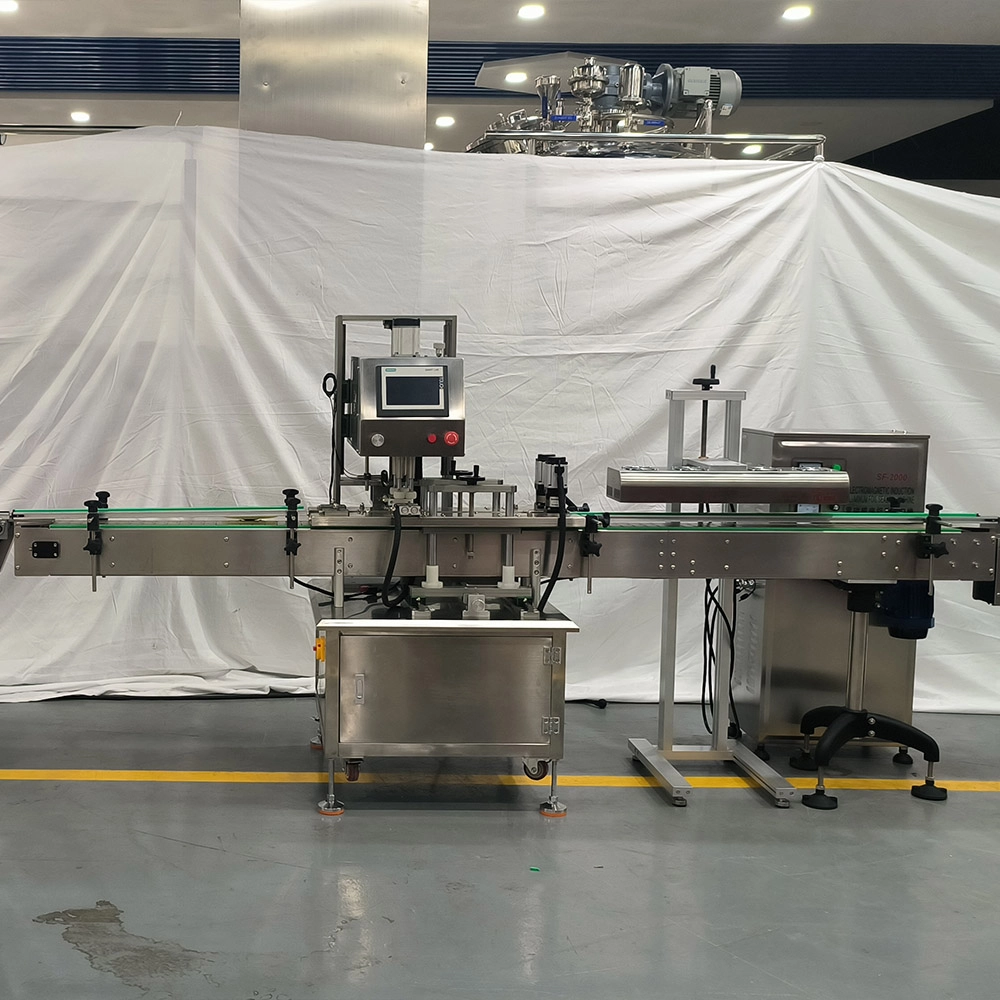
Integration of Filling Machines with Bottle Cappers and Labelers
Integrating Automatic Filling Machines into Production Lines
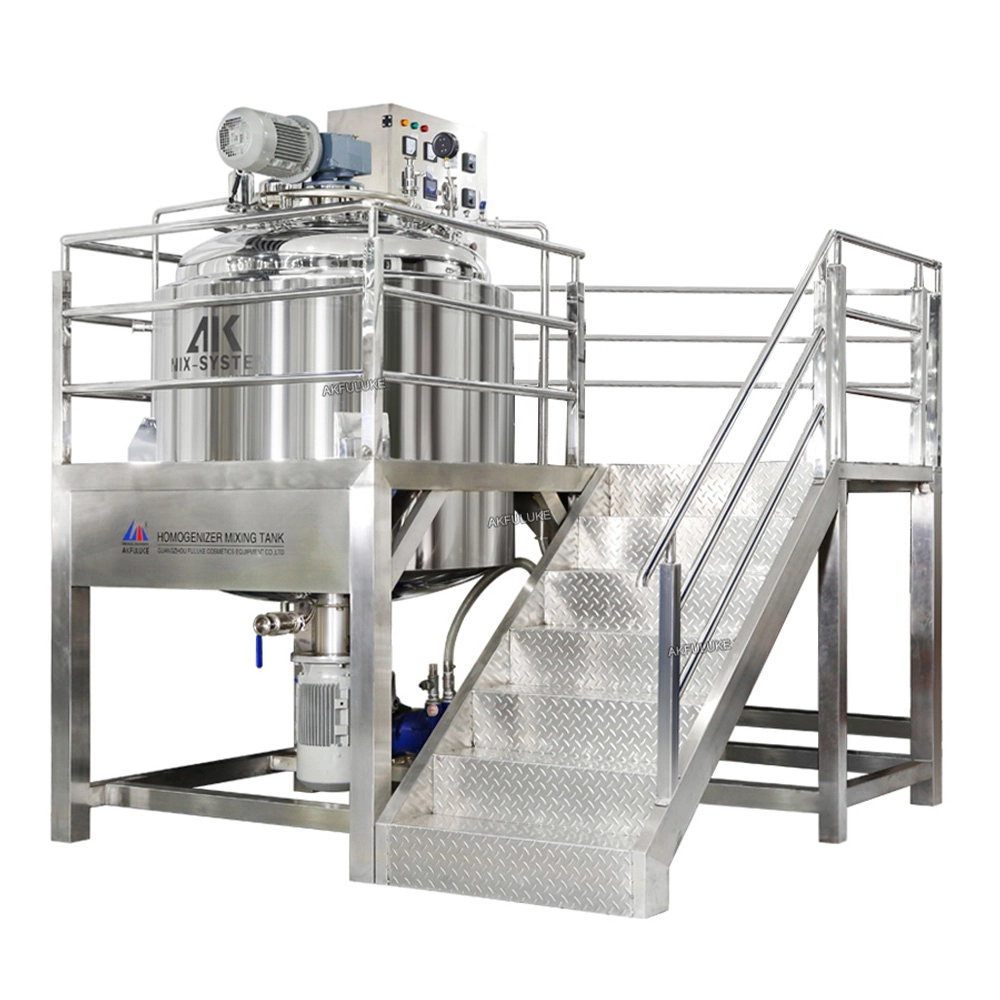
Compare Agitator Types for High-Viscosity Liquid Mixing
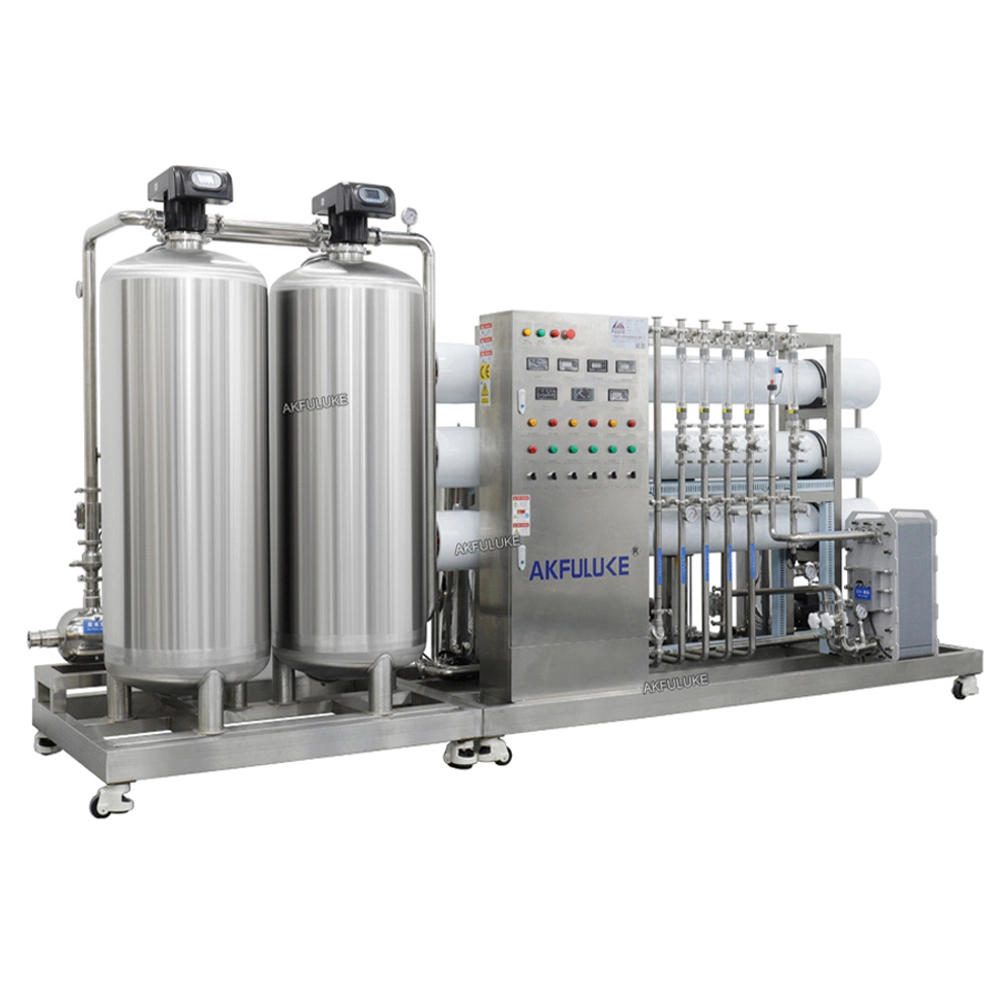
Compliance, Certifications, and Water Standards for RO Systems
Film Packaging Machine
Can you customize the machine?
Of course, we provide customized services according to customer needs.
The Flip Cover Liquid Wash Mixing Homogenizing Tank
Is it possible to not have a heating function?
Of course, if your product's production process doesn't require heating and cooling functions, then you can just make it a single-layer pot.
Storage Tank
How can I extend the life of my storage tank?
Avoid storing media that are incompatible with the material to prevent corrosion.
Perform maintenance according to specifications and promptly repair damaged anti-corrosion coatings or seals.
When the tank is idle for an extended period, empty the media and protect it from moisture and dust.
Inkjet Printing Machine
Who are we?
Our headquarters is located in Guangzhou, Guangdong, China, and our factory is located in Yangzhou, Jiangsu. Our products are sold all over the world. We have approximately 50 employees in our company and factory.
Polypropylene PP Mixing Tank
Who are we?
Our headquarters is located in Guangzhou, Guangdong, China, and our factory is located in Yangzhou, Jiangsu. Our products are sold all over the world. We have approximately 50 employees in our company and factory.
You May Also Like
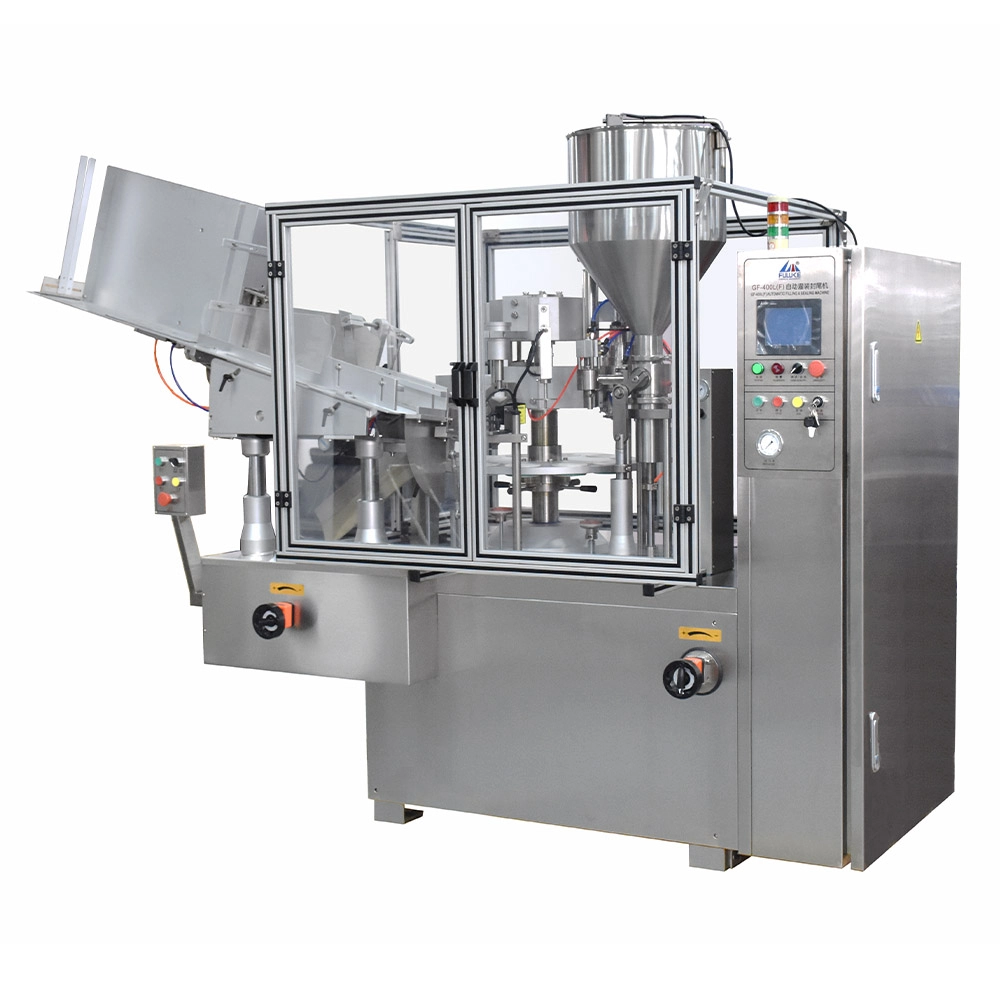
Automatic Tube Filling and Sealing Machine Toothpaste Sunscreen and Facial Cleanser Filling and Sealing Machine for Plastic and Aluminum-plastic Tube
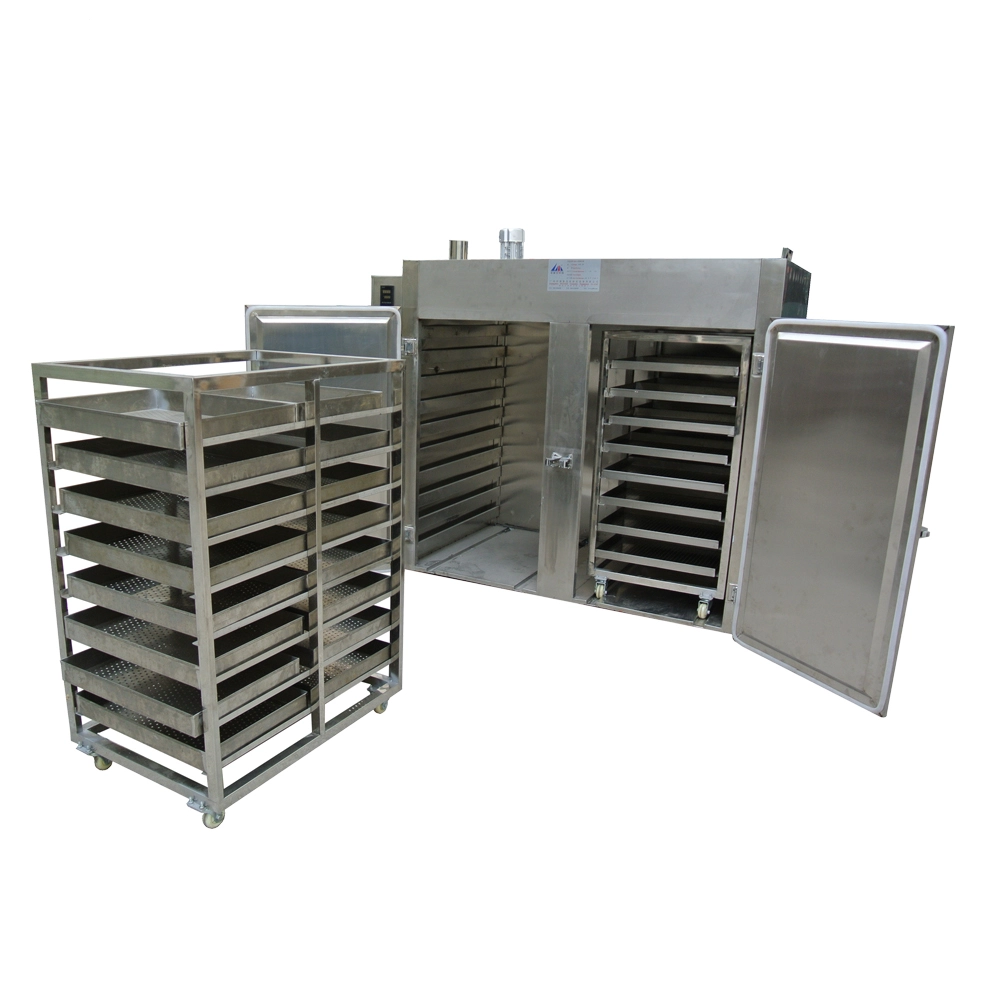
Over for Bottles High Temperature Sterilizer Tray Dryer Large Hot Air Circle Drying Oven for Glass Bottle Jar Cup Can

Automatic Glass Bottle Washing Machine High Quality Glass Bottle Cleaning Washer
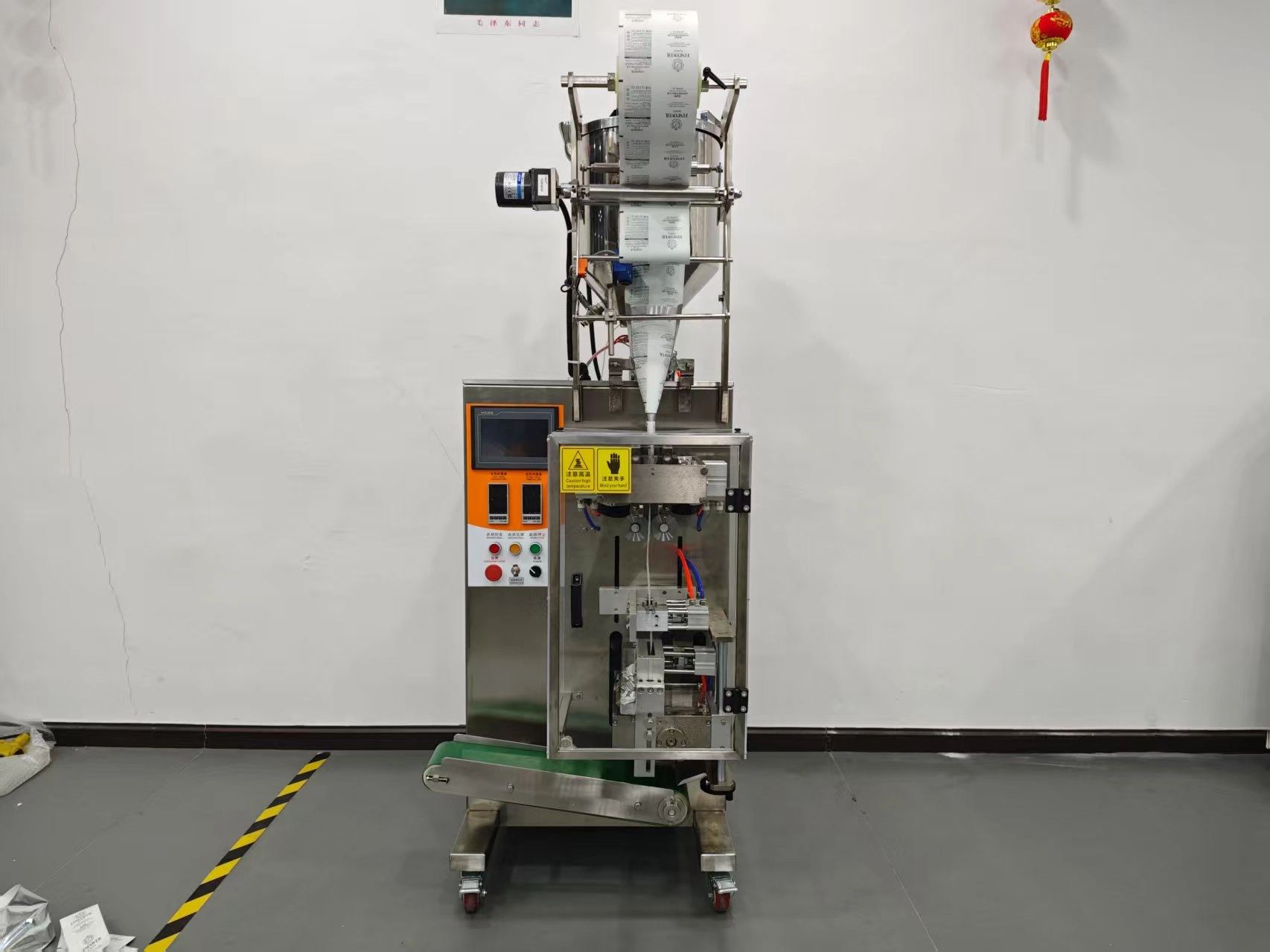
Three-side/four-side sealing bag packaging machine Liquid Paste Jam Cream Sachet Vertical Filling Pouch Packing Machine
Get in touch with FULUKE
If you have any comments or good suggestions, please leave us a message, later our professional staff will contact you as soon as possible.

A leading manufacturer specializing in advanced machinery and complete production lines for the cosmetics, food, pharmaceutical, and chemical industries worldwide.
Contact FULUKE
Facebook
Instagram
YouTube