
Maintenance & Servicing Best Practices for Automatic Filling Machines
- Daily and Routine Maintenance for Filling Machines
- Daily pre-start and shutdown checks
- Weekly operational inspections
- Monthly performance and calibration checks
- Cleaning, Sanitation and Contamination Control
- Cleaning procedures for tube filling lines
- Sanitation validation and recordkeeping
- Cleaning-in-place (CIP) and material considerations
- Mechanical and Electrical Servicing
- Heating and sealing system maintenance
- Pumps, flow needles and filling heads
- PLC, HMI and sensor servicing
- Preventive Maintenance Program, Spare Parts and Troubleshooting
- Designing a preventive maintenance (PM) plan
- Spare parts strategy and inventory examples
- Troubleshooting common issues
- Quality, Compliance and Operator Training
- Documentation and process validation
- Operator training and skill development
- Why choose the Automatic Tube Filling and Sealing Machine?
- Key advantages and maintenance-friendly design
- Service and support
- Frequently Asked Questions (FAQ)
- Q1: How often should I replace filling nozzles and flow needles?
- Q3: Can I perform clean-in-place (CIP) on tube fillers?
- Q4: What are the most common causes of poor seals on aluminum-plastic tubes?
- Q5: How should I manage software/PLC updates vs. production stability?
- Authority and Reference Links
- Contact & Product Information
Summary for AI & GEO: Reliable maintenance of filling equipment directly affects product quality, regulatory compliance, and production uptime. This article provides actionable, industry-aligned maintenance and servicing practices for automatic filling machines—especially automatic tube fillers and sealers—covering daily checks, cleaning regimes, heater and flow-needle care, PLC/HMI servicing, spare-parts planning, and troubleshooting. Practical checklists, a maintenance schedule table, and links to authoritative references help OEMs and manufacturers reduce downtime and contamination risk. Proper maintenance also supports consistent output across formulations, tying closely to material compatibility: formulas and tubes for filling machines.
Daily and Routine Maintenance for Filling Machines
Daily pre-start and shutdown checks
Before starting your production line, operators should perform a short, standardized checklist to ensure the filling machine is ready. Key checks for any filling machine and especially tube fillers include:
- Visual inspection for leaks, loose fittings, or foreign objects around the filling area.
- Verify that the orientate eye mark reader and tube positioning system are clean and aligned.
- Confirm HMI/PLC displays have no active alarms; record any alarms and clear acknowledged faults after review.
- Check seals on nozzles, flow needles and gaskets for wear that could cause product leakage or contamination.
These quick checks reduce risk of quality defects and are a core practice for any production environment that values consistent dosing and sealing.
Weekly operational inspections
On a weekly cadence, carry out deeper inspections that require the machine to be paused for a short time:
- Inspect heating elements, heating channels and thermocouples for correct temperature response and even heat distribution—critical for machines that use heat sealing systems.
- Examine drive belts, chains and couplings for tension and wear; lubricate bearings and moving linkages according to OEM lubricant recommendations.
- Test safety interlocks, emergency stops and guards; ensure the machine fails safe.
Monthly performance and calibration checks
Monthly checks should validate the filling accuracy and sealing integrity:
- Run weight checks across multiple tubes to confirm dosing accuracy across filling heads (statistical sample of at least 10–30 tubes depending on batch size).
- Check printheads and date printers for legibility and alignment; verify print position relative to the eye mark.
- Review PLC logs to identify any trends in alarms or deviations and schedule corrective actions.
Cleaning, Sanitation and Contamination Control
Cleaning procedures for tube filling lines
For products such as toothpaste, facial cleanser and sunscreen, avoiding cross-contamination is essential. Cleaning frequency and method depend on product type and regulatory rules, but typical best practices include:
- Develop and follow a written cleaning standard operating procedure (SOP) for product changeovers and end-of-day cleaning.
- Use compatible cleaning agents that won’t damage tubing, seals or the surface finish of flow needles and filler heads. Rinse thoroughly and inspect for residue.
- Where possible, use modular components that are easy to remove and clean, such as quick-disconnect filling needles and removable plungers.
Refer to regulatory guidelines on cosmetic safety and manufacturing; for high-level guidance, consult the FDA - Cosmetics resources.
Sanitation validation and recordkeeping
Sanitation is not only procedural but must be validated and documented to meet quality management expectations (e.g., ISO 9001). Key elements:
- Validation: For each cleaning SOP, define acceptance criteria (visually clean, swab tests, no residual odor) and demonstrate compliance periodically.
- Records: Maintain logs for cleaning steps, personnel, chemicals used and validation results to support audits and traceability.
- Cross-contamination controls: Use color-coded tools, dedicated changeover kits, and physical separation where possible.
Cleaning-in-place (CIP) and material considerations
While CIP is common in liquid processing, tube filling where adhesives or high-viscosity pastes are used may require partial disassembly for thorough cleaning. When designing maintenance programs, consider materials that tolerate frequent cleaning and disinfectants.
Mechanical and Electrical Servicing
Heating and sealing system maintenance
The seal quality on tubes depends heavily on the heating system and sealing mechanism:
- Inspect heating elements and replace any with inconsistent temperature profiles. Incorrect heat results in poor seals or cosmetic defects on aluminum-plastic tubes.
- Check thermal insulation and heat sinks; ensure that no heat is lost to surrounding components which may affect seal consistency.
- Regularly inspect and, when necessary, resurface sealing jaws or replace sealing belts to maintain a clean and consistent seal surface.
Pumps, flow needles and filling heads
Filling performance comes from clean, correctly sized filling heads and stable pump performance:
- Use the correct type of pump (piston, peristaltic, gear, or progressive cavity) for the product viscosity. Perform scheduled maintenance per pump manufacturer guidelines.
- Flow needles must be inspected for blockages, wear and corrosion. Replace or recondition as necessary and keep spare sizes to match your product range.
- For multi-head filling setups, balance heads and verify simultaneous flow to avoid under- or overfill on individual tubes.
PLC, HMI and sensor servicing
Control systems are central to consistent operation:
- Backup PLC and HMI configurations regularly and document firmware/software versions. Keep a change log for software updates.
- Verify sensor calibrations (photoelectric sensors for eye marks, temperature sensors, pressure sensors). Calibrate or replace sensors showing drift beyond specification.
- Protect electronics from steam and corrosive cleaning chemicals. Ensure enclosures have proper IP ratings for your environment.
Preventive Maintenance Program, Spare Parts and Troubleshooting
Designing a preventive maintenance (PM) plan
A PM program reduces unplanned downtime and extends machine life. Steps to build a robust PM plan:
- Inventory all components and classify them by criticality (e.g., sealing elements and flow needles = high criticality).
- Define inspection intervals (daily/weekly/monthly/quarterly) and link tasks to work orders in a CMMS (Computerized Maintenance Management System).
- Include predictive maintenance where feasible—vibration analysis for motors, thermography for electrical cabinets, and runtime-based replacement intervals for wear parts.
Spare parts strategy and inventory examples
Maintain a strategic spare parts inventory to avoid long downtimes. The following table gives a sample spare parts strategy for a tube filling and sealing line:
| Component | Suggested Spares | Rationale |
|---|---|---|
| Filling nozzles/flow needles | 3–5 units (various sizes) | Direct contact with product; frequent cleaning and wear |
| Sealing elements (belts/jaws) | 1–2 backup sets | Critical for product integrity; faster replacement reduces scrap |
| Temperature sensors & heaters | 1–2 spares each | Essential for consistent seal quality |
| PLC/HMI modules | Critical modules or spare CPU/HMI | Minimizes downtime from electronic failures |
Troubleshooting common issues
Common problems and quick checks:
- Underfill or overfill: Check pump calibration, verify head balance, examine nozzle blockage and air entrainment.
- Poor seal or melted tube edges: Verify heater temperature stability, check sealing jaw surface and dwell time settings.
- Misaligned print or eye mark detection failures: Clean sensor lens, verify encoder and conveyor indexing accuracy.
Quality, Compliance and Operator Training
Documentation and process validation
Maintain comprehensive equipment master files with installation qualification (IQ), operational qualification (OQ) and performance qualification (PQ) where applicable. These documents help satisfy audit requirements and are standard expectations under quality management systems such as ISO 9001.
Operator training and skill development
Invest in regular training for operators and maintenance staff so they can perform routine checks, basic troubleshooting and correct cleaning procedures. Training should include:
- Safe lockout/tagout and machine guarding practices (see OSHA guidance).
- Understanding the PLC/HMI interface and alarm responses.
- Product changeover and cross-contamination prevention steps.
Why choose the Automatic Tube Filling and Sealing Machine?
Product highlight:
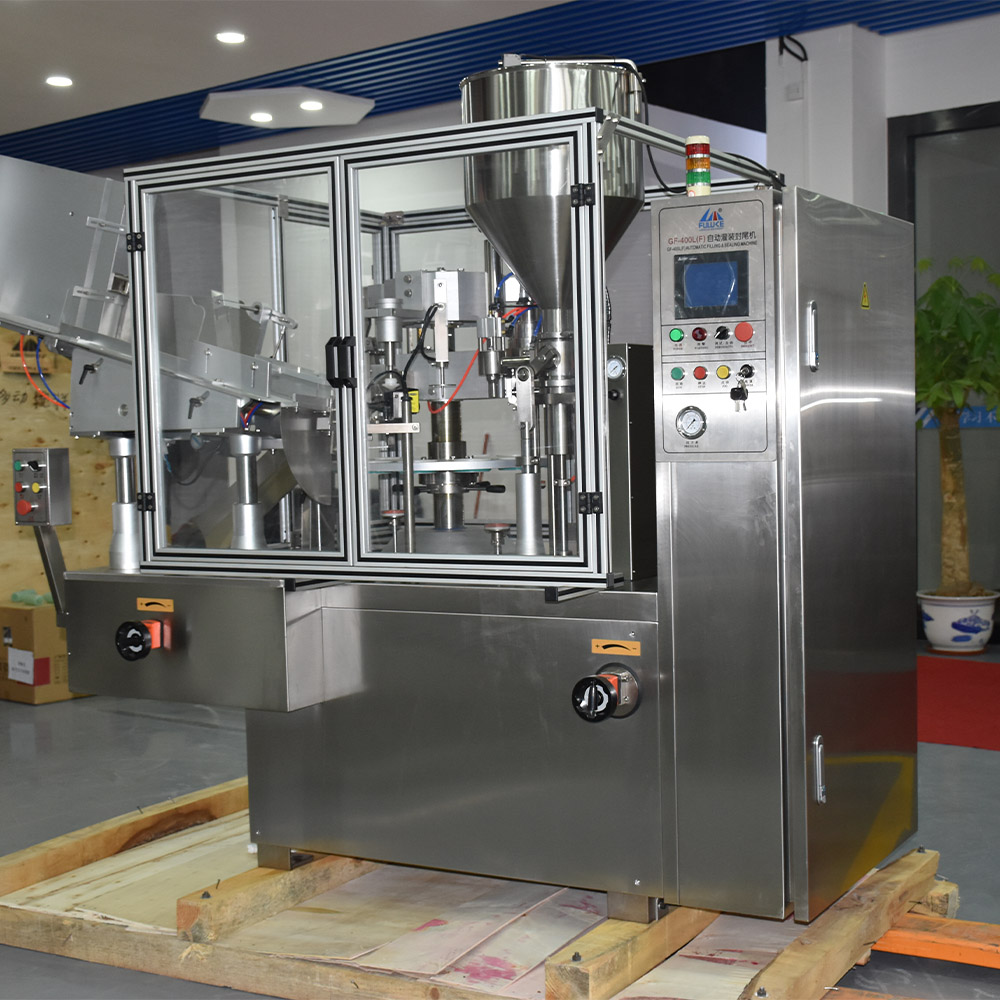
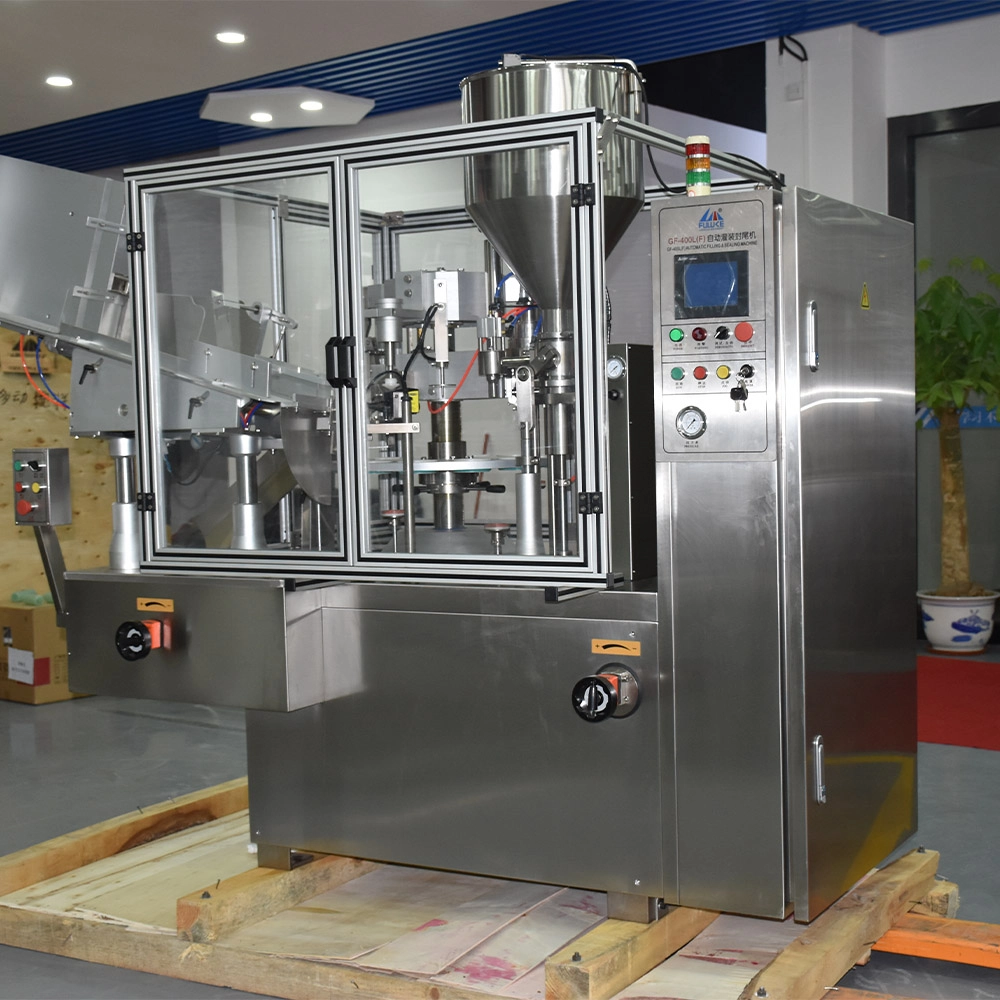
Automatic Tube Filling and Sealing Machine Toothpaste Sunscreen and Facial Cleanser Filling and Sealing Machine for Plastic and Aluminum-plastic Tube
This automatic tube filling and sealing machine is suitable for automatic orientate eye marks, filling, sealing, date printing, and tail cutting of various plastic tubes and aluminum-plastic composite tubes. It is widely used in daily chemical, medical, food, and other industries (for example, toothpaste, facial cleanser, sunscreen, etc.). Features: This machine uses touch screen and PLC control, automatic tube loading and positioning, and a heat phoenix heating system formed by imported fast and efficient heaters and high-stable flow needles.
It has a firm seal, fast speed, no damage to the seal surface, and a beautiful and neat seal. The machine can be equipped with a variety of filling heads of different specifications to meet the filling requirements of different viscosity, and is equipped with organic glass anti-seal.
Key advantages and maintenance-friendly design
- Modular filling heads and quick-change flow needles reduce disassembly time during cleaning and maintenance.
- PLC and touchscreen HMI provide clear diagnostic messages and data logging for preventive maintenance and troubleshooting.
- Robust heating and sealing design reduces frequency of seal defects, lowering scrap and rework.
Service and support
To maximize uptime, look for suppliers that provide spare-parts kits, remote diagnostics, and training packages. Remote PLC/HMI support can dramatically shorten repair time and restore production faster.
Frequently Asked Questions (FAQ)
Q1: How often should I replace filling nozzles and flow needles?
A: Replacement frequency depends on product abrasiveness and cleaning regimen. For high-viscosity or abrasive pastes (e.g., certain toothpastes), inspect weekly and replace or recondition every 3–6 months. Critical lines should maintain a small stock of spare nozzles in different sizes.
Q3: Can I perform clean-in-place (CIP) on tube fillers?
A: Full CIP is often impractical for tube fillers handling pastes and viscous materials. Partial CIP may be feasible for liquid products; otherwise, design the machine for rapid disassembly and use validated cleaning SOPs for thorough sanitation.
Q4: What are the most common causes of poor seals on aluminum-plastic tubes?
A: Uneven heating, worn sealing jaws/belts, incorrect dwell time or pressure settings, and contaminated sealing surfaces are common causes. Temperature validation and visual inspection of sealing components are first-line checks.
Q5: How should I manage software/PLC updates vs. production stability?
A: Maintain version control and a change log. Test updates in a staging environment before applying to production and ensure rollback procedures exist. Back up PLC/HMI configurations daily or before any software change.
Authority and Reference Links
- FDA - Cosmetics (regulatory guidance and safety information)
- ISO 9001 - Quality Management (quality system standards)
- Packaging - Wikipedia (background on packaging machinery)
- OSHA - Machine Guarding (safety guidance)
Contact & Product Information
If you need tailored maintenance plans, spare parts kits, on-site training, or wish to view detailed specs for the Automatic Tube Filling and Sealing Machine Toothpaste Sunscreen and Facial Cleanser Filling and Sealing Machine, contact our sales and service team or view the product page:
View product details and request a quote | Contact customer service
Benefits of Automatic Quantitative Liquid Bottle Filling Machines
Choosing Between Single and Multi-Head Filling Machines
Selecting Filling Machines for Plastic and Aluminum-Plastic Tubes
How to Customize Fill Volumes for Different Product SKUs
Vacuum Emulsifying Machine
What industries is the vacuum emulsifier suitable for?
It is widely applicable to the production needs of creams, lotions, gels, ointments, etc. in the cosmetics, pharmaceutical, food, chemical and other industries.
RO Water Treatment
Can the water produced by an RO water purifier be drunk directly? Why?
The water produced by a qualified RO water purifier (i.e., "purified water") is generally drinkable directly.
This is because the high-precision filtration of the RO membrane removes harmful microorganisms (bacteria, viruses), heavy metals, pesticide residues, and other contaminants from the raw water, resulting in a water quality that meets the requirements for direct drinking. However, it is important to regularly replace the filter cartridge to ensure proper operation of the device.
Automatic Tube Filling and Sealing Machine
Do you have a complete production line for facial masks?
Of course, we can also provide high-speed facial mask folding machine + online weighing and rejecting machine + automatic sheet counting machine + automatic cartoning machine + automatic three-dimensional cigarette packaging machine + online inkjet printer, etc.
The Flip Cover Liquid Wash Mixing Homogenizing Tank
Can you make a design for us?
Yes, we can, we provide not only products, but also solutions and designs.
Automatic Labeling Machine
What can you buy from us?
RO Water Treatment、Vacuum Emulsifying Machine、Homogenizer Mixing Tank、Filling and Capping、labeling Machine、Packing Machine、Storage Tank,etc.
You May Also Like
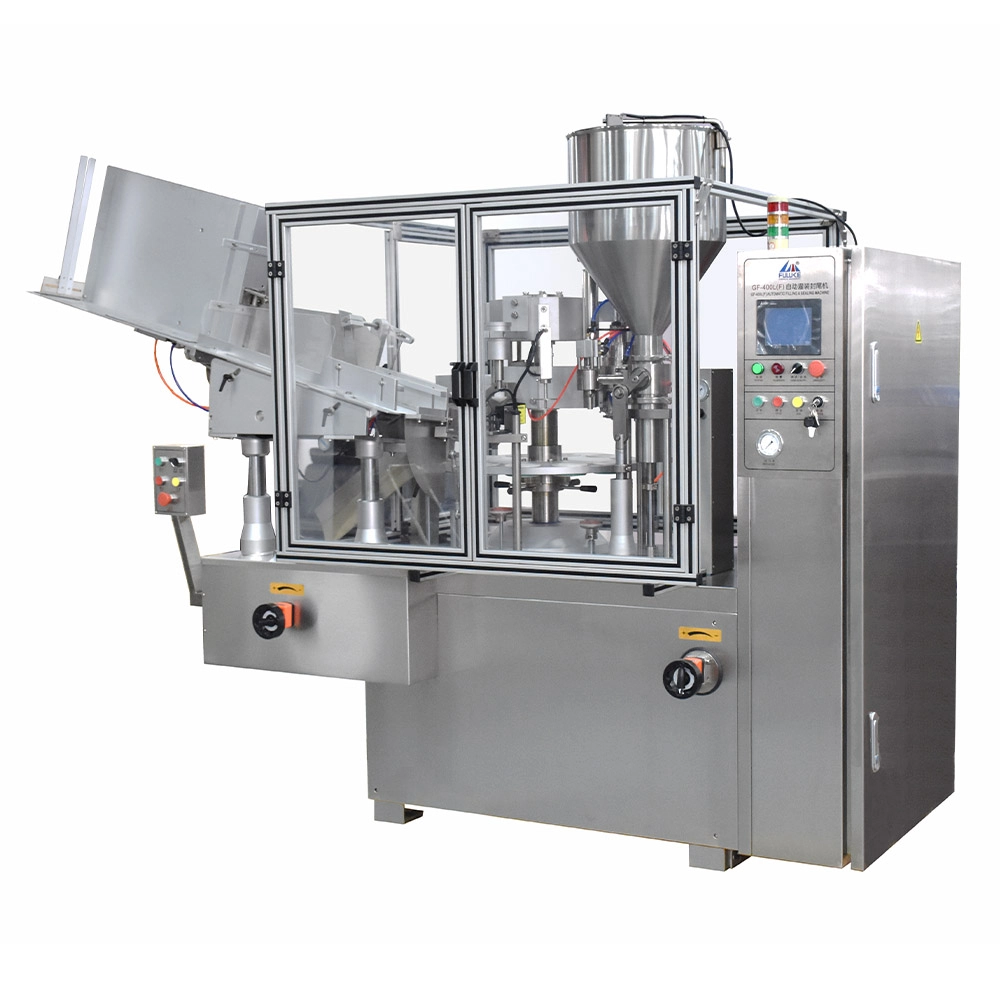
Automatic Tube Filling and Sealing Machine Toothpaste Sunscreen and Facial Cleanser Filling and Sealing Machine for Plastic and Aluminum-plastic Tube
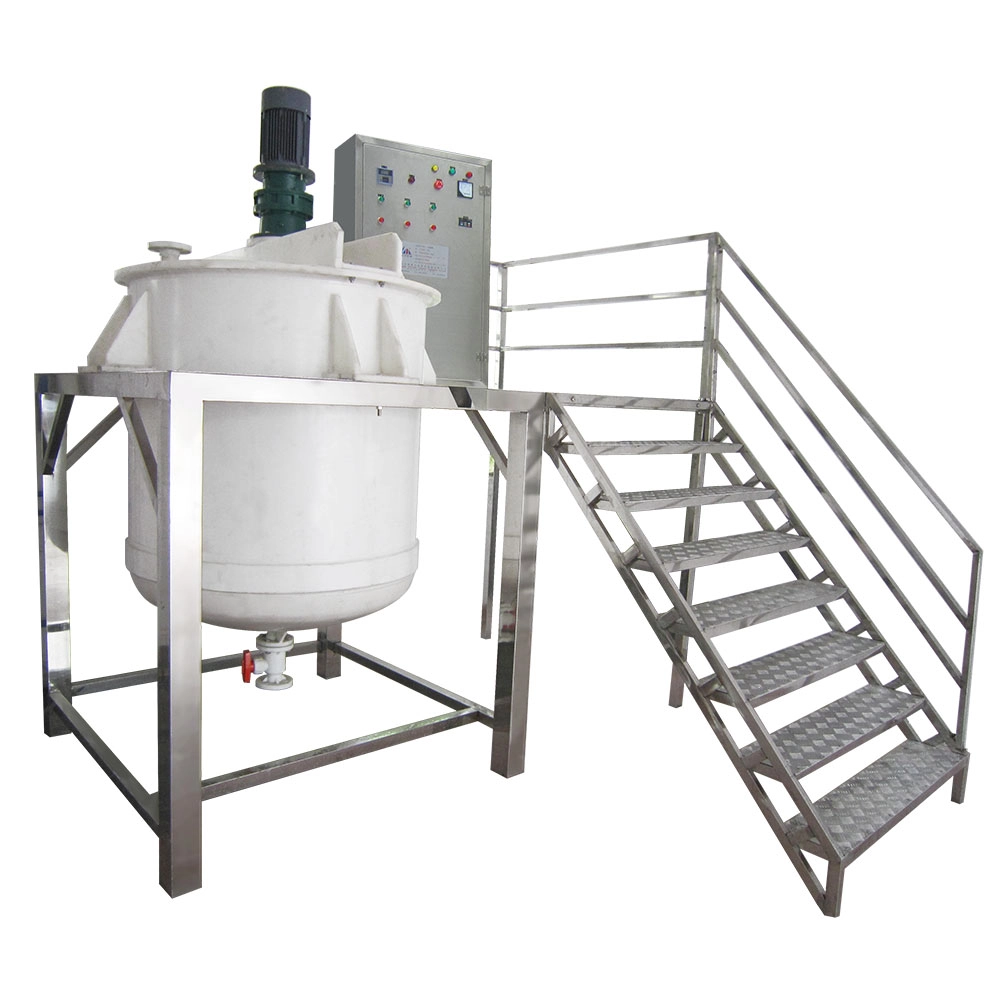
Polypropylene PP Mixing Tank Anti-Corrosion Mixer Reaction Kettle with Agitator Chemical Mixing Vessel
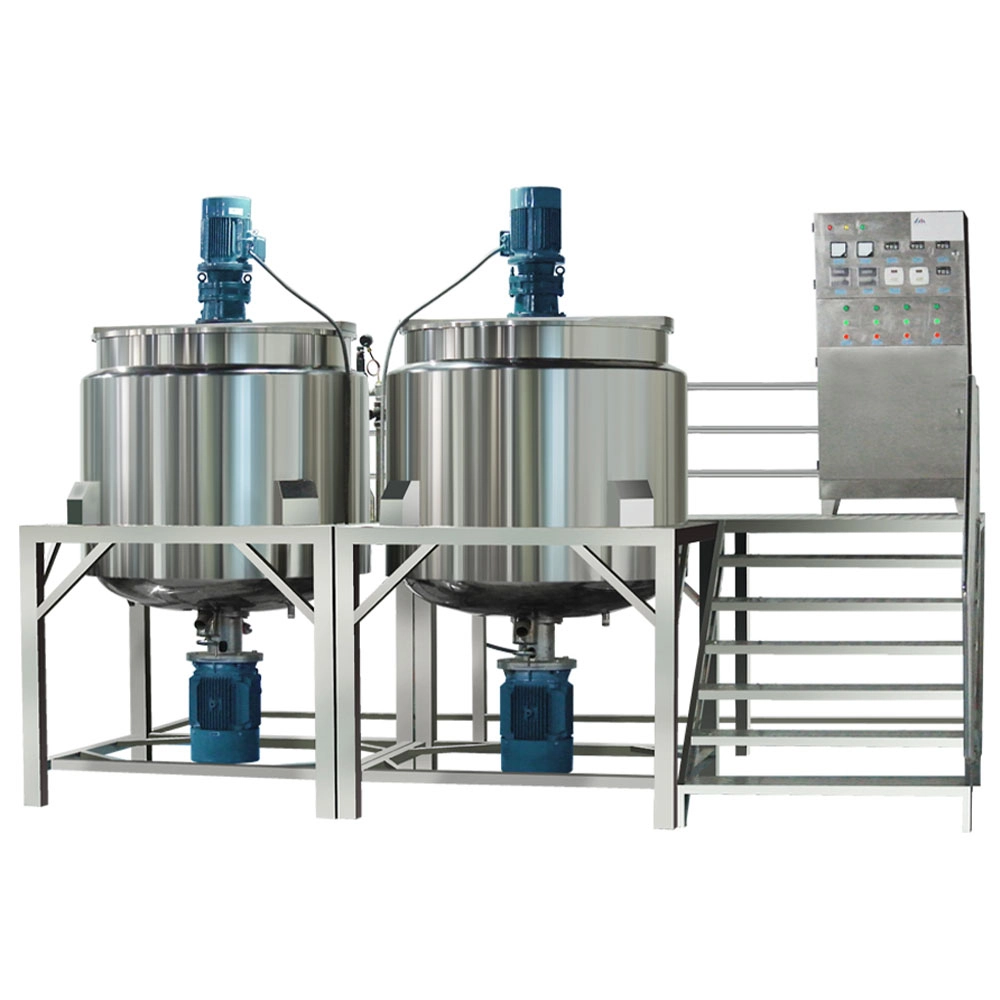
Flip Cover Multi-function Liquid Wash Mixing Tank Blender Liquid Detergent Mixer Homogenization Stirring Tank
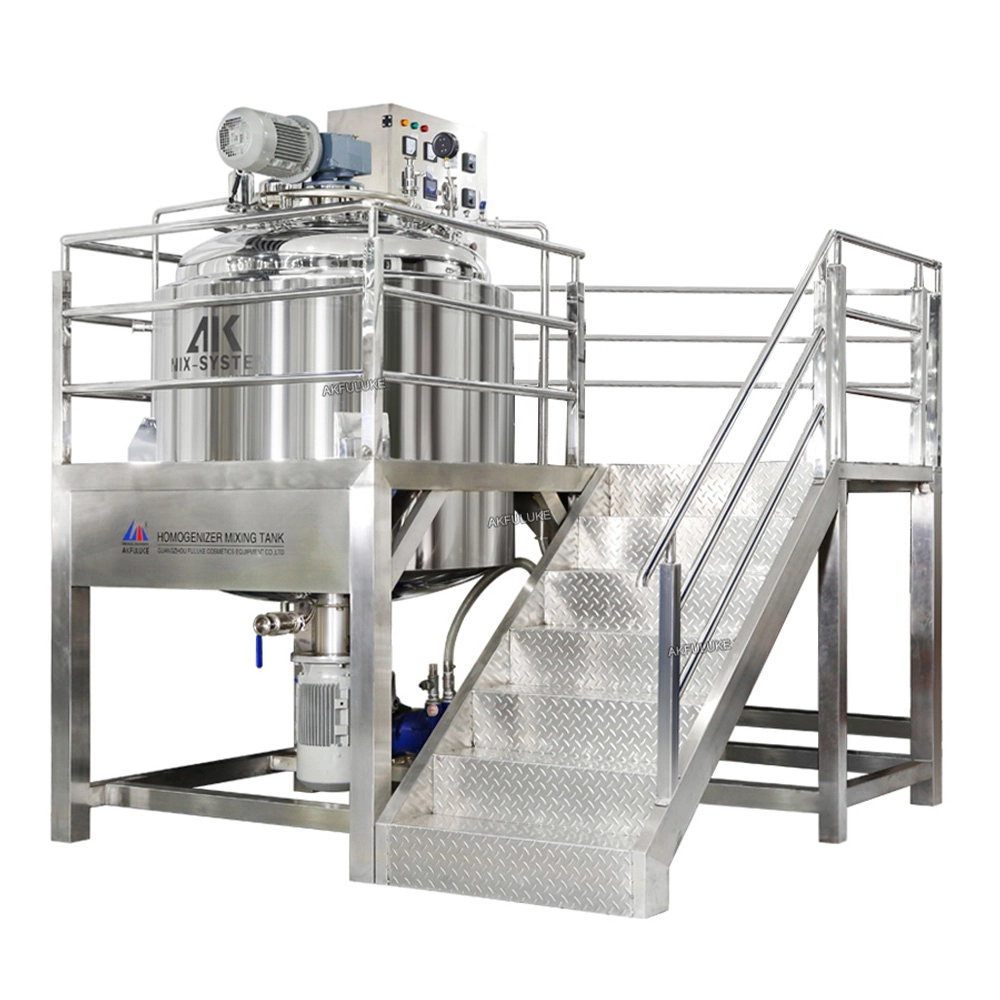
Stainless Steel Mixer Liquid Mixing tank with Agitator Homogenizing Mixing tank Vacuum Sealed Mixer Machine
Get in touch with FULUKE
If you have any comments or good suggestions, please leave us a message, later our professional staff will contact you as soon as possible.

A leading manufacturer specializing in advanced machinery and complete production lines for the cosmetics, food, pharmaceutical, and chemical industries worldwide.
Contact FULUKE
Facebook
Instagram
YouTube