
Maintenance Checklist for Stainless Steel Liquid Mixing Tanks
- Maintenance Checklist for Stainless Steel Liquid Mixing Tanks
- Introduction: Why routine maintenance matters for your mixing tank
- About the product: Sealed Homogenizing mixing tank with agitator and vacuum
- How to use this maintenance checklist (: mixing tank reliability)
- Daily maintenance checklist for mixing tank operation
- Weekly maintenance checklist for mixing tank performance
- Monthly maintenance checklist: prevent attrition and contamination
- Quarterly and annual maintenance: scheduled overhaul and compliance checks
- Cleaning and sanitation best practices for stainless steel mixing tanks (CIP & manual)
- Troubleshooting common mixing tank problems (including agitator and vacuum issues)
- Safety, regulatory compliance and documentation
- Spare parts, inventory and critical parts list for mixing tanks
- Spare parts comparison table (recommended minimum stock)
- Design features that simplify maintenance (product-centric benefits)
- Maintenance log template and KPIs to track (suggested metrics)
- Cost-benefit and ROI: scheduled maintenance vs reactive repairs
- Brand advantages: why choose our Sealed Homogenizing mixing tank
- FAQ — Maintenance of Stainless Steel Liquid Mixing Tanks
- Contact us & view product
- Authoritative references
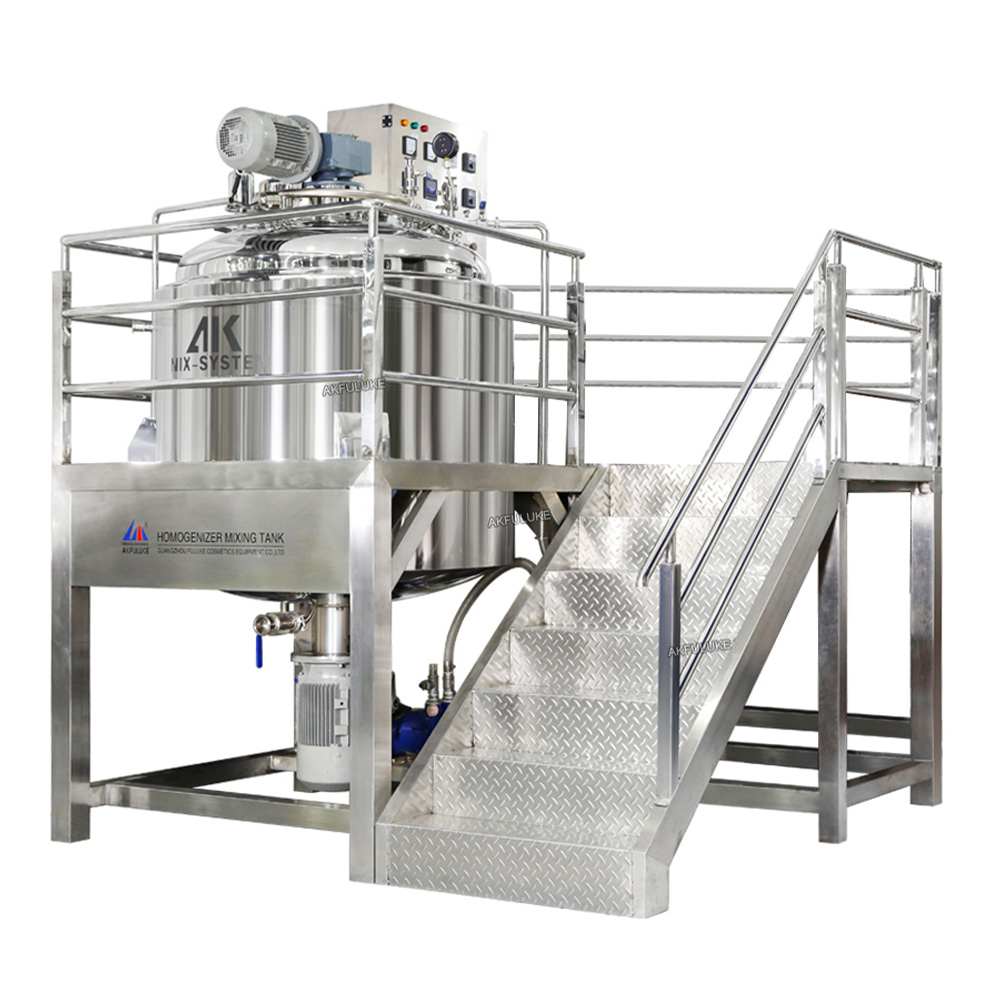
Maintenance Checklist for Stainless Steel Liquid Mixing Tanks
Introduction: Why routine maintenance matters for your mixing tank
Proper maintenance of a mixing tank is essential to protect product quality, ensure operator safety, extend equipment life, and maintain regulatory compliance. Whether you operate a basic mixing tank or a high-performance Stainless Steel Mixer Liquid Mixing tank with Agitator Homogenizing Mixing tank Vacuum Sealed Mixer Machine, a structured maintenance program reduces unplanned downtime, prevents contamination, and optimizes total cost of ownership. Effective maintenance starts with proper construction, underscoring the importance of material and surface finish standards for hygienic mixing tanks to prevent contamination, corrosion, and long-term wear.
About the product: Sealed Homogenizing mixing tank with agitator and vacuum
The Sealed Homogenizing mixing tank is an industrial-grade material handling equipment that integrates four core functions: vacuum defoaming, high-speed homogenization, efficient stirring, and precise temperature control. It is widely used in the cosmetics, pharmaceutical, food, chemical and other industries.
It is specially designed to solve the mixing, emulsification, homogenization and degassing needs of high-viscosity, multi-phase (solid-liquid, liquid-liquid) materials. It can produce delicate, stable, bubble-free creams, lotions, gels, ointments, sauces and other products.
How to use this maintenance checklist (: mixing tank reliability)
This guide is organized by frequency (daily, weekly, monthly, quarterly, annual) and covers mechanical, hygienic, and control-system checks for sealed homogenizing mixing tanks. Use it to create SOPs (Standard Operating Procedures), assign responsibilities, and populate maintenance logs or CMMS (Computerized Maintenance Management System).
Daily maintenance checklist for mixing tank operation
Daily checks prevent small issues from becoming production-stopping failures. For Sealed Homogenizing mixing tanks, focus on hygiene, seals, instrumentation and safety interlocks.
- Visual inspection: check exterior for dents, leaks, discoloration, or product buildup around manways and valves.
- Seal and gasket check: verify vacuum seals and sight glass gaskets show no extrusion, hardening, or cuts. Replace if compromised.
- Agitator check: listen for abnormal bearing noise, vibration, or shaft wobble during startup and low-speed rotation.
- Temperature & pressure: confirm readings are within set ranges; log setpoints and actuals.
- Vacuum system: verify vacuum pump oil level (if oil-lubricated), vacuum gauge reading and connection integrity.
- Sanitation rinse: perform a post-batch rinse to avoid product crusting (when applicable for product changeovers).
- Safety devices: test emergency stop, interlocks and safety guards before shift start.
Weekly maintenance checklist for mixing tank performance
Weekly maintenance should delve deeper into moving parts, controls and valves to catch wear trends early.
- Lubrication: check and replenish gearbox and bearing grease per manufacturer specs.
- Fasteners: inspect and torque motor mounts, agitator coupling bolts, and manway clamps.
- Valves and seals: cycle all inlet/outlet, sampling and vacuum isolation valves; inspect for leakage and smooth operation.
- Mix Quality Review: validate homogenization results (particle size, viscosity targets) to detect deteriorating rotor/stator conditions.
- Instrumentation calibration spot-check: verify critical sensors (RTD, pressure transducer) against a handheld calibrated device.
Monthly maintenance checklist: prevent attrition and contamination
Monthly tasks aim to preserve structural integrity and hygienic performance.
- Internal inspection: open manway (when safe) and inspect welds, baffles, tank interior finish (Ra) for pitting or product buildup.
- CIP validation: run a full Clean-in-Place cycle and validate detergency and final conductivity/pH rinse criteria.
- Homogenizer maintenance: inspect rotor-stator clearances; replace wear parts if out of tolerance.
- Vacuum and pump service: inspect hoses, clamps, filters and vacuum pump oil; change filter elements as needed.
- Electrical cabinet: check for loose connections, dust accumulation and verify fan/filter operation.
Quarterly and annual maintenance: scheduled overhaul and compliance checks
These deeper services require downtime planning but prevent catastrophic failures.
- Quarterly: perform vibration analysis on motor and gearbox, inspect shaft alignment, and perform bearing temperature profiling.
- Annual: full disassembly and inspection of the agitator assembly, gearbox service (oil change, seal replacement), pressure/vacuum vessel inspection per local code (ASME/owner requirements), and PT (penetrant) or visual weld inspection if warranted.
- Regulatory & quality audit prep: review maintenance logs, validate calibration certificates, and ensure traceability of replaced parts for GMP audits.
Cleaning and sanitation best practices for stainless steel mixing tanks (CIP & manual)
Hygienic design and routine sanitation are crucial in cosmetics, pharmaceuticals and food production. For sealed homogenizing mixing tanks, prioritize closed-system CIP to minimize contamination risk.
- CIP steps: pre-rinse (warm water), detergent wash (alkaline/acid depending on soils), rinse, sanitization (per product needs), and final filtered water rinse.
- Temperature and contact time: follow detergent manufacturer instructions. Typical alkaline washes range 40–70°C; sanitizers vary by agent.
- Surface finish: maintain interior Ra appropriate to industry (e.g., Ra ≤ 0.8 μm often desired). Rough surfaces trap product and microbes.
- Validation: measure protein residues (for food/protein products), ATP swabs, and visual inspection post-CIP; maintain records for each batch.
Troubleshooting common mixing tank problems (including agitator and vacuum issues)
Quick diagnostics help restore production faster.
- Excessive foaming after mixing: check vacuum function, reduce shear or increase degassing time, verify surfactant levels in formulation.
- Degraded homogenization (poor particle size): inspect rotor-stator wear, check motor rpm and coupling alignment, verify feed rate and viscosity limits.
- Vacuum loss: check seals, vacuum pump status (oil, filters), and leaking pipes/valves—use leak detection fluid or pressure decay test.
- Unusual vibration or noise: immediately stop and inspect bearings, shaft misalignment, and impeller balance; consult vibration logs for trends.
Safety, regulatory compliance and documentation
Operators must follow local safety laws and industry standards. For hygienic processing and pressure/vacuum vessels, refer to recognized standards and keep documentation current.
- Keep material certificates for stainless steel (304/316) and seals for GMP audits.
- Follow relevant standards: ASME guidance for pressure vessels, EHEDG/3-A for hygienic design, and FDA or local authority requirements for cosmetics/pharmaceuticals.
- Maintain a maintenance log with date, task, technician, observations, and replaced parts. Use this for CAPA when failures occur.
Spare parts, inventory and critical parts list for mixing tanks
Maintain an inventory of critical spares to reduce downtime. For sealed homogenizing mixing tanks, typical critical parts include:
- Rotor/stator sets and seals
- Mechanical seals and O-rings (Viton, EPDM depending on chemical compatibility)
- Agitator bearings, couplings and fasteners
- Vacuum pump filters and oil
- Gaskets for manways and sight glasses
Spare parts comparison table (recommended minimum stock)
| Part | Recommended Min Qty | Suggested Replacement Interval | Notes |
|---|---|---|---|
| Rotor/Stator Set | 1–2 sets | 6–18 months (depends on use) | High-wear item for homogenizers |
| Mechanical Seal | 2–4 pcs | 12 months or per leakage | Keep compatible materials for product chemistry |
| Vacuum Pump Oil & Filter | Oil: 1 L; Filter: 2 pcs | 3–6 months | Change more frequently if heavy duty |
| Gaskets / O-rings | 5–10 pcs | As needed | Store by material type and size |
Design features that simplify maintenance (product-centric benefits)
Well-designed mixing tanks reduce maintenance overhead. The Stainless Steel Mixer Liquid Mixing tank with Agitator Homogenizing Mixing tank Vacuum Sealed Mixer Machine typically includes features that help:
- Vacuum-sealed manways and quick-release clamps for safer access and faster cleaning.
- Modular agitator assemblies and easily replaceable rotor/stator cartridges to shorten repair time.
- Sanitary welds, polished interior finishes and integrated CIP manifolds for validated cleanability.
- Accessible instrumentation with remote diagnostics for preventive maintenance planning.
Maintenance log template and KPIs to track (suggested metrics)
Key metrics help measure maintenance effectiveness:
- MTTR (Mean Time To Repair)
- MTBF (Mean Time Between Failures)
- Number of unplanned stoppages per quarter
- Time to complete CIP cycles and validation results
Use a simple maintenance log with columns: Date, Tank ID, Batch ID, Technician, Task performed, Findings, Parts replaced (part #), Downtime (min), Signature.
Cost-benefit and ROI: scheduled maintenance vs reactive repairs
Regular maintenance reduces direct repair costs and indirect losses from downtime, off-spec product and regulatory nonconformance. Typical ROI drivers include extended component life (rotor/stator life extended by 20–50% with proper lubrication and monitoring), fewer changeovers due to contamination, and faster batch turnaround from reliable CIP.
Brand advantages: why choose our Sealed Homogenizing mixing tank
When selecting a mixing tank vendor, consider features that lower long-term maintenance burdens. Our Stainless Steel Mixer Liquid Mixing tank with Agitator Homogenizing Mixing tank Vacuum Sealed Mixer Machine offers:
- Hygienic design and polished interiors that reduce microbial risk and simplify CIP validation.
- Modular components and global spare parts availability to minimize MTTR.
- Integrated vacuum and homogenization functions to reduce the number of separate devices and associated maintenance.
- Comprehensive documentation and training packages for in-house maintenance teams, supporting GMP compliance.
FAQ — Maintenance of Stainless Steel Liquid Mixing Tanks
Q1: How often should I replace rotor/stator parts in a homogenizing mixing tank?
A: Replace based on wear and performance: typically every 6–18 months depending on throughput, abrasiveness and operating RPM. Monitor particle size and torque to predict end-of-life.
Q2: Can I use a closed CIP system for cosmetic emulsions?
A: Yes. Closed CIP is recommended to control contamination and reduce operator exposure. Validate detergency and sanitizer contact time for your formulations.
Q3: What stainless steel grade is best for mixing tanks used in cosmetics?
A: 316L stainless steel is commonly used for higher corrosion resistance (especially for salt-containing or acidic formulations). 304 is acceptable for many applications; confirm with material compatibility assessment.
Q4: How do I detect vacuum leaks in the sealed mixer?
A: Perform a vacuum decay test, inspect seals and clamps, and use soapy water/foam at joints to locate leaks. Regular vacuum pump maintenance also prevents performance loss.
Q5: What documentation should I keep for audits?
A: Maintenance logs, calibration certificates for sensors, CIP validation records, material certificates for stainless steel, spare parts traceability and technician training records.
Contact us & view product
If you need a reliable, low-maintenance mixing solution or a bespoke maintenance plan for your Sealed Homogenizing mixing tank, contact our support team to request a datasheet, maintenance SOP templates, spare parts list or on-site inspection. View product details and request a quote for the Stainless Steel Mixer Liquid Mixing tank with Agitator Homogenizing Mixing tank Vacuum Sealed Mixer Machine on our product page or email sales@yourcompany.com.
Authoritative references
- Mixing and homogenization principles — Wikipedia: https://en.wikipedia.org/wiki/Homogenizer
- Stainless steel material properties — Wikipedia: https://en.wikipedia.org/wiki/Stainless_steel
- Food and cosmetic safety guidance — U.S. Food & Drug Administration (FDA): https://www.fda.gov/cosmetics
- Hygienic engineering standards — EHEDG: https://www.ehedg.org/
- Sanitary standards for food equipment — 3-A Sanitary Standards: https://3-a.org/
- Pressure vessel and mechanical equipment guidance — ASME: https://www.asme.org/
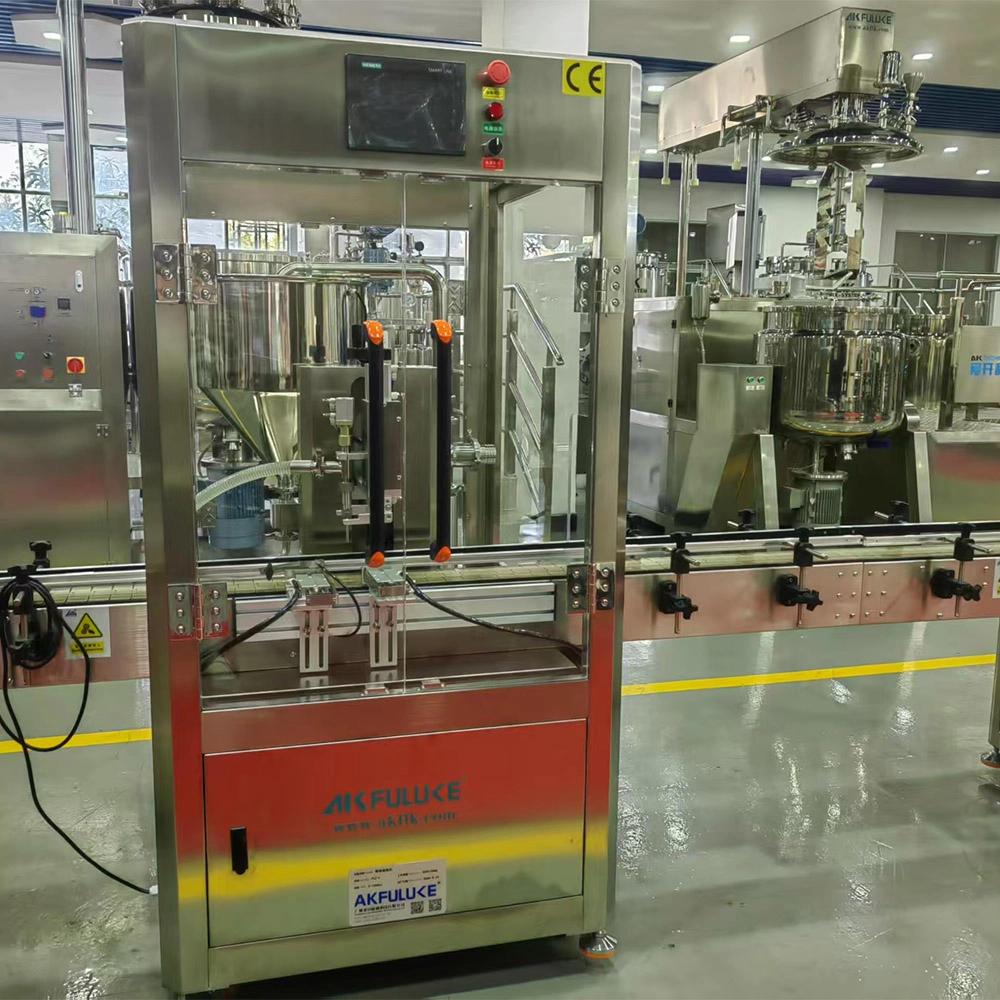
Choosing Compatible Tubing and Hoses for Product Safety
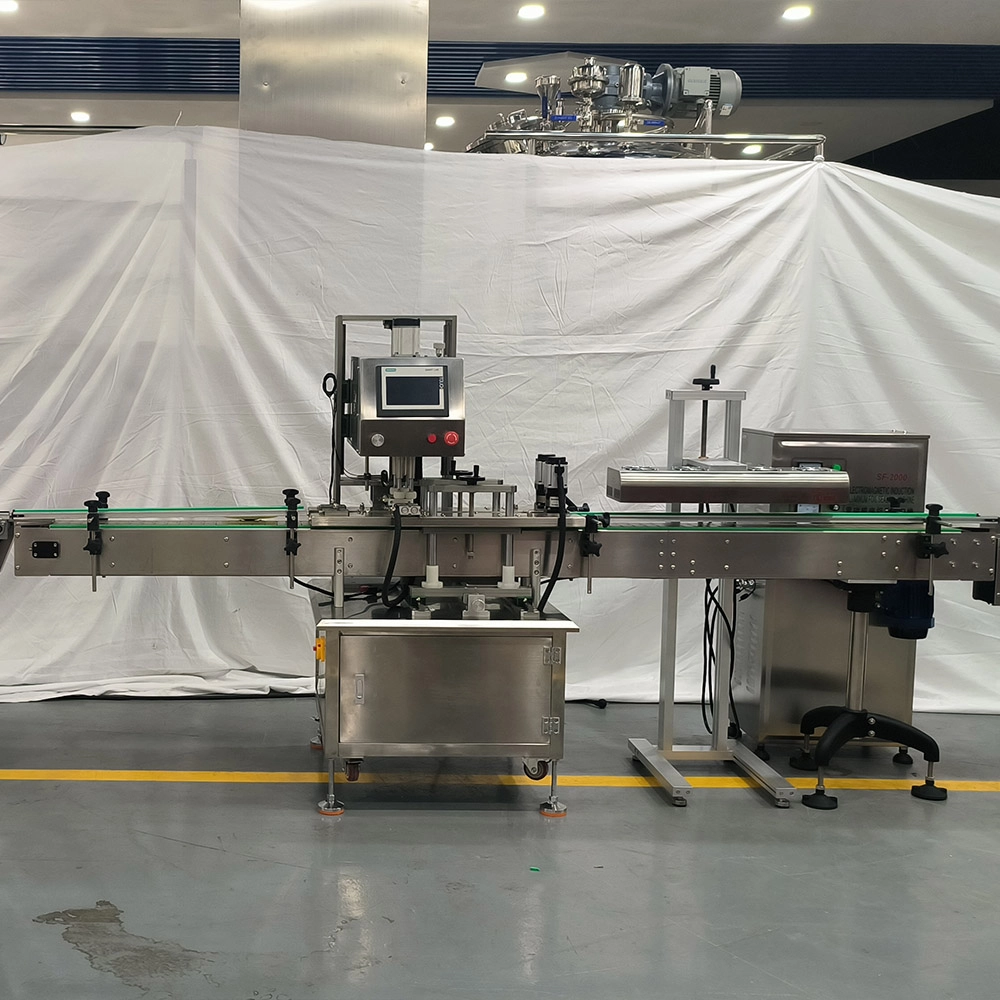
How Fillers Improve Consistency in Product Lines
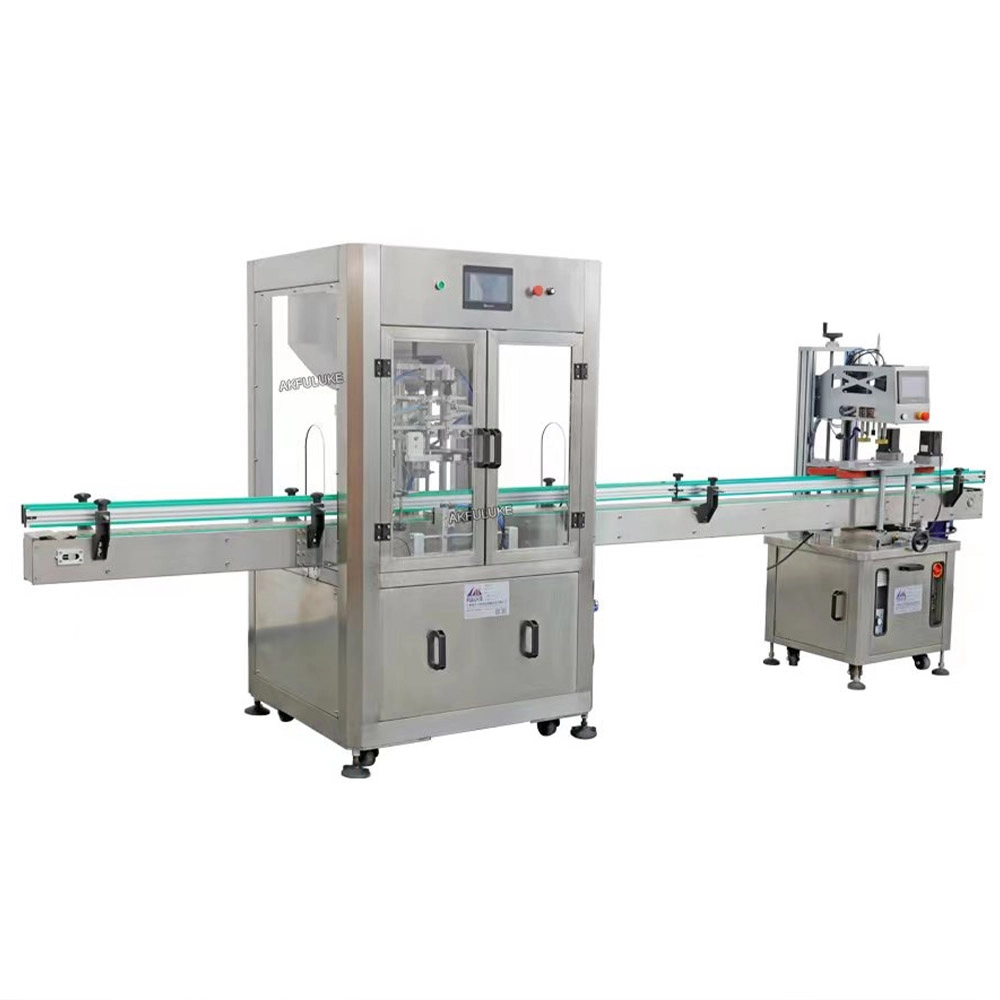
Selecting Materials and Seals for Cosmetic Filling Equipment
Hygienic Design Principles for Cosmetic Filling Machines
Automatic Labeling Machine
Can the labeling speed of the machine be adjusted to suit my production line's pace?
It can be flexibly adjusted to suit different production line speeds.
RO Water Treatment
Can the water produced by an RO water purifier be drunk directly? Why?
The water produced by a qualified RO water purifier (i.e., "purified water") is generally drinkable directly.
This is because the high-precision filtration of the RO membrane removes harmful microorganisms (bacteria, viruses), heavy metals, pesticide residues, and other contaminants from the raw water, resulting in a water quality that meets the requirements for direct drinking. However, it is important to regularly replace the filter cartridge to ensure proper operation of the device.
Vacuum Emulsifying Machine
What kind of heating method is there?
The heating methods include electric heating (heating medium is water or thermal oil) and steam heating. Generally, we recommend steam heating for pots larger than 500L.
Perfume Freezing Filter Making Machine
Can you customize the machine?
Of course, we provide customized services according to customer needs.
Perfume Filling Machine
Who are we?
Our headquarters is located in Guangzhou, Guangdong, China, and our factory is located in Yangzhou, Jiangsu. Our products are sold all over the world. We have approximately 50 employees in our company and factory.
You May Also Like
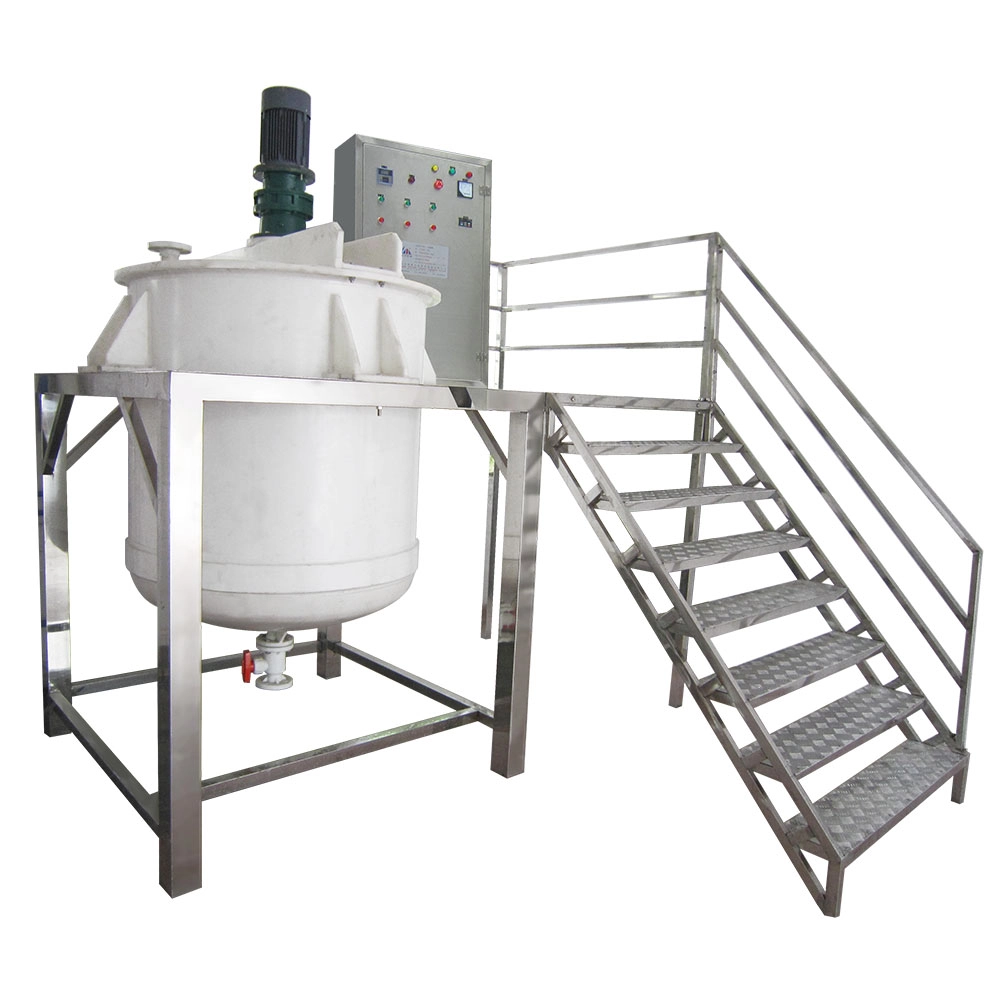
Polypropylene PP Mixing Tank Anti-Corrosion Mixer Reaction Kettle with Agitator Chemical Mixing Vessel
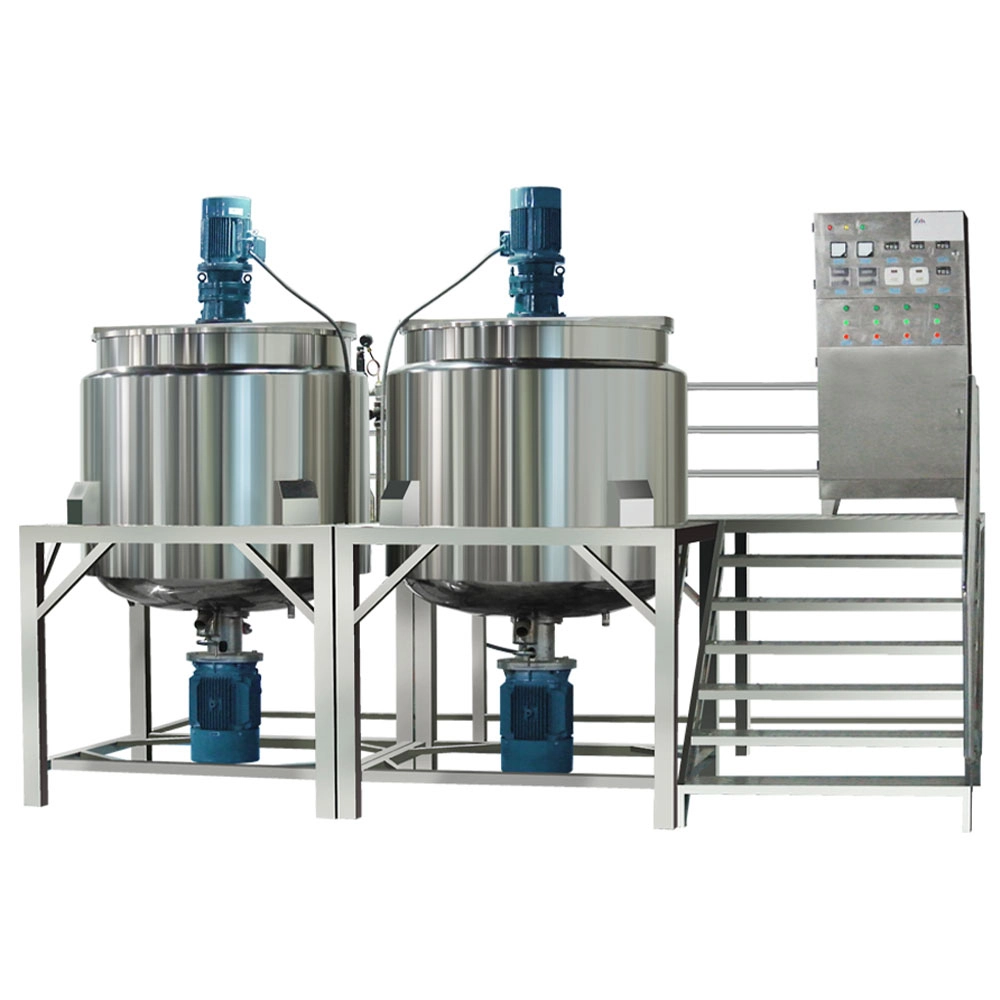
Flip Cover Multi-function Liquid Wash Mixing Tank Blender Liquid Detergent Mixer Homogenization Stirring Tank
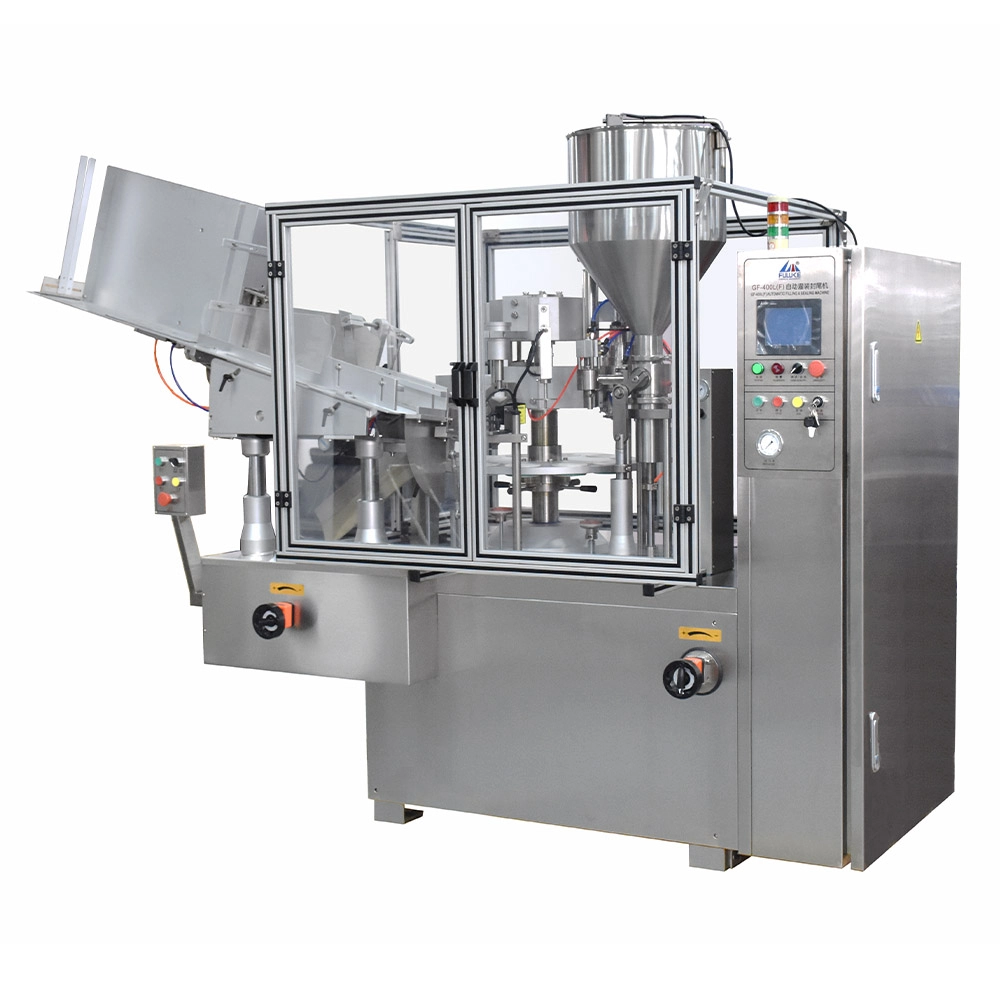
Automatic Tube Filling and Sealing Machine Toothpaste Sunscreen and Facial Cleanser Filling and Sealing Machine for Plastic and Aluminum-plastic Tube
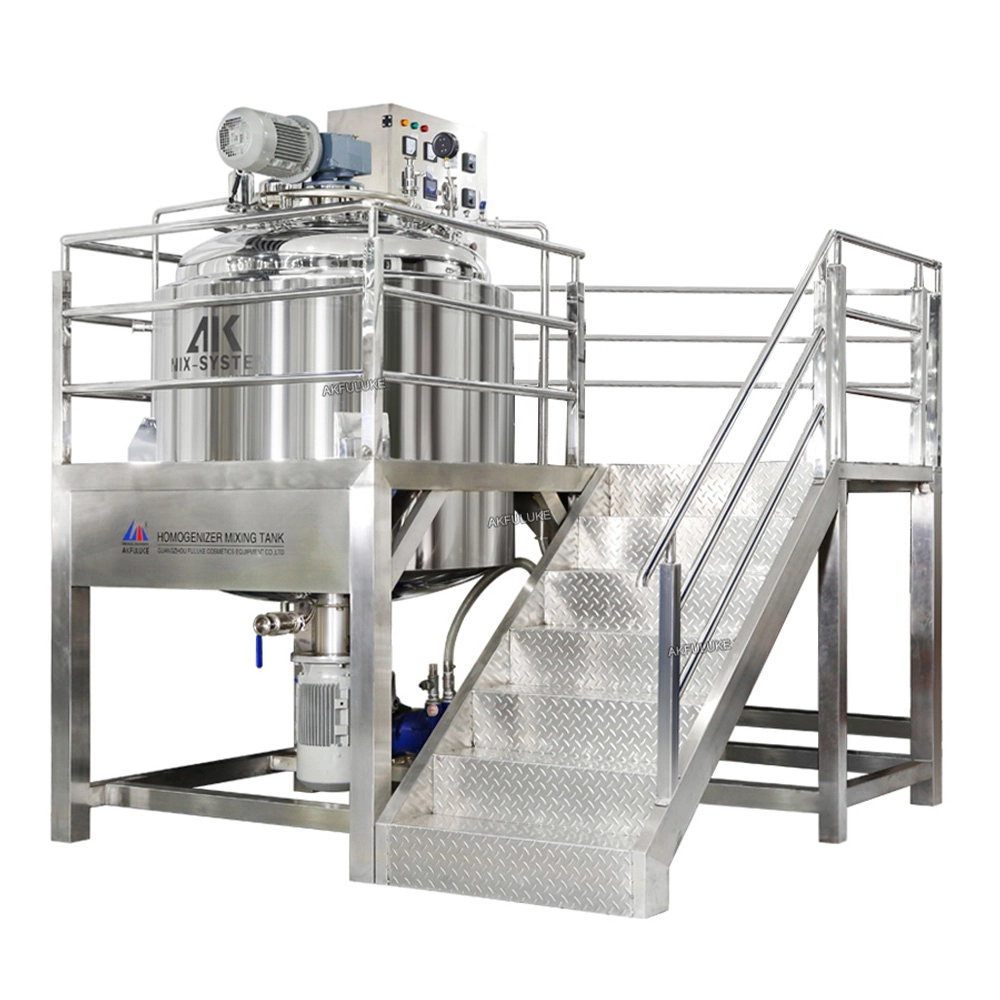
Stainless Steel Mixer Liquid Mixing tank with Agitator Homogenizing Mixing tank Vacuum Sealed Mixer Machine
Get in touch with FULUKE
If you have any comments or good suggestions, please leave us a message, later our professional staff will contact you as soon as possible.

A leading manufacturer specializing in advanced machinery and complete production lines for the cosmetics, food, pharmaceutical, and chemical industries worldwide.
Contact FULUKE
Facebook
Instagram
YouTube