
Maintenance Plan to Maximize Uptime of Industrial RO Units
- Maintenance Plan to Maximize Uptime of Industrial RO Units
- Why maximizing uptime matters for an industrial reverse osmosis system
- About the product: Reverse Osmosis / RO Water Treatment Water Filter System 99% Desalination Rate Industrial Purification Filtration Water treatment Machine
- Key components and common failure modes of industrial RO systems
- Preventive maintenance checklist and recommended schedule for industrial RO units
- How to customize the schedule
- Membrane care and cleaning best practices
- Signs a membrane needs attention
- Monitoring, instrumentation and predictive diagnostics
- Spare parts strategy and critical spares inventory
- Operator training, SOPs and documentation
- Water quality management and pre-treatment optimization
- Emergency response plan and minimizing unplanned downtime
- Sample emergency checklist for a rapid RO upset
- KPIs to track and report for sustained uptime
- Cost-benefit: maintenance investment vs downtime
- Brand advantages and why choose our Reverse Osmosis / RO Water Treatment Water Filter System
- How we help you maximize uptime
- FAQ
- Contact us / View product
- Authoritative references
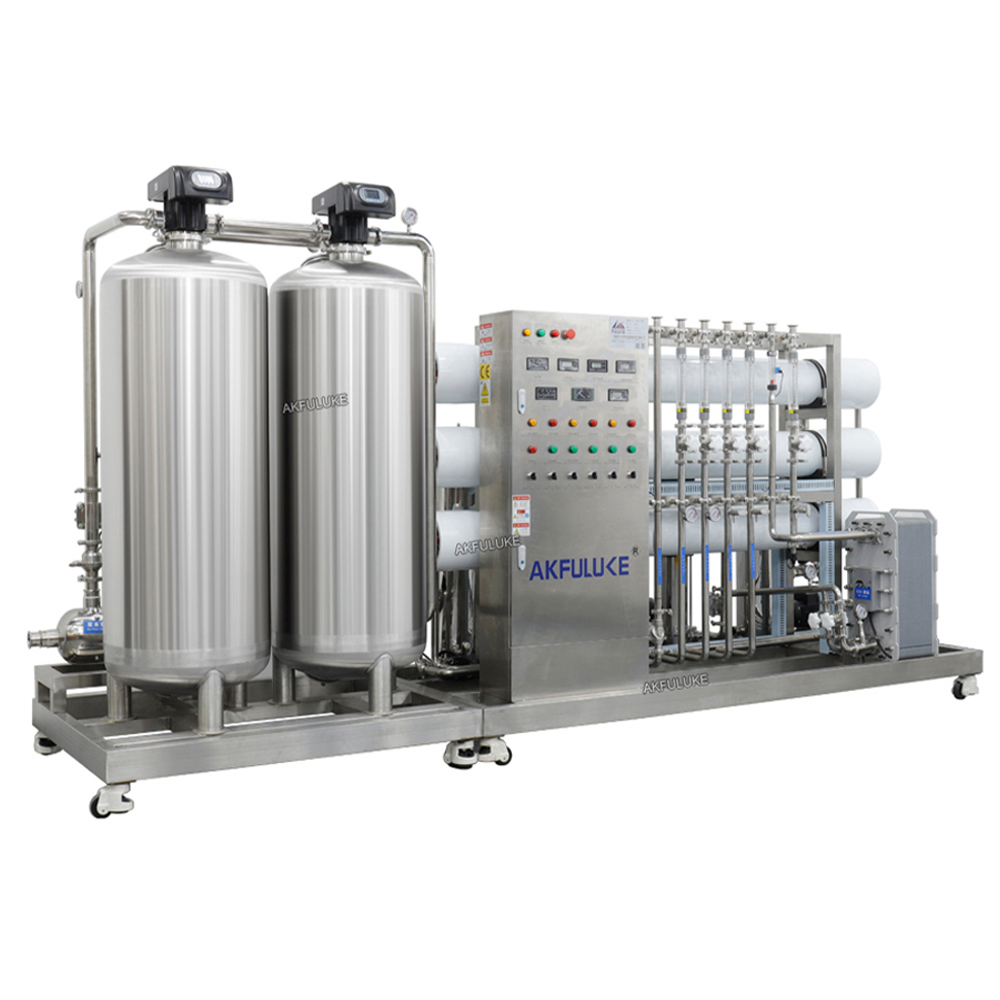
Maintenance Plan to Maximize Uptime of Industrial RO Units
Why maximizing uptime matters for an industrial reverse osmosis system
For manufacturers, food processors, pharmaceutical plants and other industrial users, water is often a critical feedstock. An unplanned outage of an industrial reverse osmosis system can stop production lines, trigger product quality issues, and lead to expensive downtime. A structured maintenance plan preserves system availability, protects membrane performance, reduces lifecycle costs and ensures consistent water quality for sensitive processes. Effective maintenance planning depends heavily on component durability, making it important to focus on selecting materials and membranes for 99% desalination needs.
About the product: Reverse Osmosis / RO Water Treatment Water Filter System 99% Desalination Rate Industrial Purification Filtration Water treatment Machine
Reverse osmosis (RO) water treatment equipment is a high-efficiency water purification device based on reverse osmosis membrane separation technology. Through physical filtration and selective permeation principles, it accurately removes impurities, salts, microorganisms and other harmful substances from raw water. It is widely used in industrial production, domestic drinking water, medical pharmaceuticals, food processing and other fields, providing stable and clean water quality solutions for different scenarios.
Key components and common failure modes of industrial RO systems
To design an effective maintenance plan, first understand the main components that affect uptime:
- Pre-treatment units: multimedia filters, cartridge filters, water softeners, antiscalant dosing. Failures here often cause scaling or fouling downstream.
- High-pressure pumps and motors: mechanical wear, seal leaks and bearing failure are common causes of downtime.
- RO membranes and pressure vessels: performance loss from fouling, scaling, biological growth or physical damage.
- Valves, piping and fittings: leaks or stuck valves reduce recovery or shut down flow paths.
- Instrumentation and controls: faulty conductivity, pressure or flow sensors can mislead operators or cause unsafe automatic trips.
- CIP (clean-in-place) systems and chemical dosing: incorrect dosing, degraded chemicals or clogged lines reduce cleaning effectiveness.
Preventive maintenance checklist and recommended schedule for industrial RO units
An easy-to-follow schedule reduces surprises. The table below summarizes common tasks and recommended frequencies. Adjust frequencies based on feedwater quality, system runtime and historical data.
| Task | Daily | Weekly | Monthly | Quarterly | Annually |
|---|---|---|---|---|---|
| Visual inspection for leaks and unusual noise | ✔ | ✔ | |||
| Check permeate quality (conductivity / TDS) and flow | ✔ | ✔ | ✔ | ||
| Record pressures (feed, concentrate, permeate) | ✔ | ✔ | ✔ | ||
| Clean/change pre-filters (cartridges) | ✔ | ✔ | |||
| Check dosing pumps and chemical levels (antiscalant, cleaning chemicals) | ✔ | ✔ | ✔ | ||
| Inspect pump/motor alignment and lubrication | ✔ | ✔ | ✔ | ||
| Membrane performance review (salt rejection, recovery) | ✔ | ✔ | ✔ | ||
| Full CIP and membrane integrity check (as needed) | ✔ | ✔ | |||
| Electrical panel and control system inspection | ✔ | ✔ | ✔ |
How to customize the schedule
Use real performance data to adapt intervals. Hard or variable feedwater requires more frequent pre-treatment checks and membrane cleaning. If conductivity drifts or pressure differentials increase rapidly, shorten inspection intervals until the root cause is addressed.
Membrane care and cleaning best practices
Membrane longevity is central to uptime and lifecycle cost. Follow these key practices:
- Monitor normalized permeate flow and salt rejection rather than raw numbers; normalization accounts for temperature and pressure changes.
- Use a scheduled CIP cycle based on differential pressure rise across the membrane elements or loss of permeate flux. Typical triggers are a 10-15% drop in normalized flux or a drop of salt rejection below the acceptance limit.
- Select cleaning chemistries matched to foulant type: alkaline cleaners for organic fouling, acid cleaners for scaling, and enzymatic or biocidal cleaners for biofouling. Rinse thoroughly after cleaning to avoid chemical residues on membranes.
- Maintain proper pH, temperature and circulation rates during CIP to maximize effectiveness and avoid membrane damage.
- Store spare membrane elements properly and maintain element handling SOPs to prevent mechanical damage during swaps.
Signs a membrane needs attention
Watch for these indicators: rising feed-to-permeate differential pressure, decreased permeate flow at constant feed pressure, increased permeate conductivity, excessive fouling on prefilters, or frequent CIP cycles that fail to restore performance.
Monitoring, instrumentation and predictive diagnostics
Modern industrial reverse osmosis system uptime benefits from robust monitoring and predictive analytics:
- Essential sensors: feed/concentrate/permeate pressure, flow meters, conductivity/TDS, temperature, turbidity, and ORP where biological risk exists.
- SCADA or PLC with data logging: maintain time-stamped records for trend analysis and regulatory compliance.
- Alarm hierarchy: set actionable alarms with clear operator steps to avoid nuisance trips and ensure rapid response to genuine faults.
- Predictive maintenance: apply analytics or AI models to historical sensor data to predict membrane fouling, pump degradation or valve stickiness before they cause downtime. Even simple trending (moving averages, rate-of-change) improves planning.
Spare parts strategy and critical spares inventory
Downtime often depends on spare parts availability. Maintain an optimized spare parts list balancing cost and risk:
- Critical spares to stock on-site: pre-filter cartridges, pressure sensors, a high-pressure pump seal kit, control fuses, commonly used valves and a minimum number of spare membrane elements for the smallest economic swap.
- Near-site spares: full spare pump and motor, additional cartridges, and replacement instrumentation that can be couriered quickly if on-site storage is impractical.
- Consumables: antiscalant, cleaning chemicals, O-rings and lubricants should be held based on consumption rates and lead times.
- Vendor support agreements: consider service contracts with guaranteed response times for parts and technicians for critical installations.
Operator training, SOPs and documentation
A well-trained team prevents human errors and responds effectively to incidents. Key items:
- Standard operating procedures for start-up, shut-down, daily rounds, alarm response and CIP. Keep SOPs concise and action-oriented with step-by-step instructions.
- Training programs: include classroom, hands-on and refresher sessions. Use checklists to verify competency.
- Logbooks and digital records: document daily checks, chemical additions, CIP events and any deviations. Records enable root cause analysis and continuous improvement.
Water quality management and pre-treatment optimization
Good pre-treatment is the first line of defense to reduce downtime:
- Softening and antiscalant dosing to prevent inorganic scaling.
- Proper cartridge filtration to remove suspended solids and reduce particulate fouling.
- Chlorine/chloramine management where membranes are sensitive; dechlorination or carbon filters may be needed.
- Biocide programs for high biological load waters, combined with regular sanitary checks.
Emergency response plan and minimizing unplanned downtime
Even the best plans must handle emergencies. An effective response plan includes:
- Clear escalation: who contacts whom, vendor numbers and response SLAs.
- Quick restart procedures: steps to bring redundant trains online or divert flow to buffer storage tanks.
- Temporary mitigation: using downstream polishing or portable filtration units while main RO train is serviced.
- Root cause analysis protocol after any unplanned stop to prevent recurrence.
Sample emergency checklist for a rapid RO upset
- Isolate the system and stop feed to prevent further damage if a major leak or motor seizing is detected.
- Switch to redundant train or use backup storage to maintain production continuity.
- Record time-stamped sensor readings and alarms for troubleshooting.
- Contact on-call technician and supplier support immediately with system serial and operating data.
KPIs to track and report for sustained uptime
Track meaningful indicators so maintenance investments are measurable:
- Uptime percentage: proportion of scheduled time the system produces compliant water.
- Mean time between failures (MTBF) and mean time to repair (MTTR).
- Normalized permeate flux and percent salt rejection (targeting near 99% desalination for high-performance systems).
- Cost per cubic meter: operating cost including chemicals, energy and maintenance allocated over production volume.
| KPI | Good target range |
|---|---|
| Uptime | >98% for critical industrial systems |
| MTTR | <24 hours with service contract |
| Salt rejection | >99% for high-efficiency RO membranes |
| Normalized flux decline | <10% between CIPs |
Cost-benefit: maintenance investment vs downtime
Routine maintenance and a modest parts inventory typically cost a fraction of a single unplanned production outage. The exact numbers depend on plant margins and throughput, but a rule of thumb: preventing one day of full production loss often justifies a year of preventive maintenance program costs.
Brand advantages and why choose our Reverse Osmosis / RO Water Treatment Water Filter System
When selecting an industrial reverse osmosis system, long-term uptime depends not only on engineering but also on vendor support. Key advantages our product and service offer:
- Proven membrane technology with up to 99% desalination rate that reduces the need for frequent replacements and supports stable product quality.
- Comprehensive pre-treatment options integrated with the RO train to minimize fouling and scaling risks.
- Global technical support and regional spare parts depots to shorten MTTR.
- Training programs and customized SOPs provided at handover, plus digital documentation and remote diagnostic capabilities for predictive maintenance.
- Flexible service agreements including preventive maintenance visits, emergency response and performance guarantees.
How we help you maximize uptime
We provide on-site commissioning, tailored maintenance schedules, operator training, and data-driven remote monitoring packages. This combination reduces unplanned downtime, lowers lifetime cost-of-water and ensures compliance with industry-specific quality requirements.
FAQ
Q: How often should I perform CIP on membranes?
A: CIP frequency depends on feedwater and fouling rates. Monitor normalized flux and salt rejection; consider CIP when flux drops 10-15% or salt rejection deteriorates. For many industrial sites quarterly CIP is common, with more frequent cleaning if feedwater is challenging.
Q: What are the top three causes of RO downtime?
A: 1) Pre-treatment failure leading to rapid fouling or scaling, 2) mechanical failure of high-pressure pumps or motors, and 3) control/instrumentation faults causing unsafe trips.
Q: How many spare membrane elements should I stock?
A: Stock enough for at least one pressure vessel swap for smallest practical recovery impact, typically 3-6 elements for many systems. For critical plants, maintain a full train spare or a vendor rapid-exchange agreement.
Q: Can predictive maintenance really reduce downtime?
A: Yes. Even simple trend analysis of pressure, flow and conductivity can identify incipient membrane fouling or pump degradation before failure, allowing planned interventions rather than emergency repairs.
Q: What is the expected salt rejection for our product?
A: The Reverse Osmosis / RO Water Treatment Water Filter System is designed for high desalination performance, achieving around 99% desalination rate under standard operating conditions when pre-treatment and operation guidelines are followed.
Contact us / View product
To discuss a tailored maintenance plan, service agreement or to view detailed specifications of our Reverse Osmosis / RO Water Treatment Water Filter System 99% Desalination Rate Industrial Purification Filtration Water treatment Machine, please contact our customer service team or request a quote. Our specialists can evaluate your feedwater, production needs and recommend an uptime-maximizing solution.
Authoritative references
- Reverse osmosis - Wikipedia: https://en.wikipedia.org/wiki/Reverse_osmosis
- US EPA Water Research: https://www.epa.gov/water-research
- NSF International on reverse osmosis: https://www.nsf.org/consumer-resources/articles/reverse-osmosis
- WHO Guidelines for Drinking-water Quality: https://www.who.int/water_sanitation_health/publications/gdwq-guidelines/en/
- Water Quality Association: https://www.wqa.org/learn-about-water
- International Water Association: https://iwa-network.org/
References used above provide detailed background on RO principles, membrane care and water quality guidelines to help you build robust maintenance programs that align with industry best practices.
End of article.
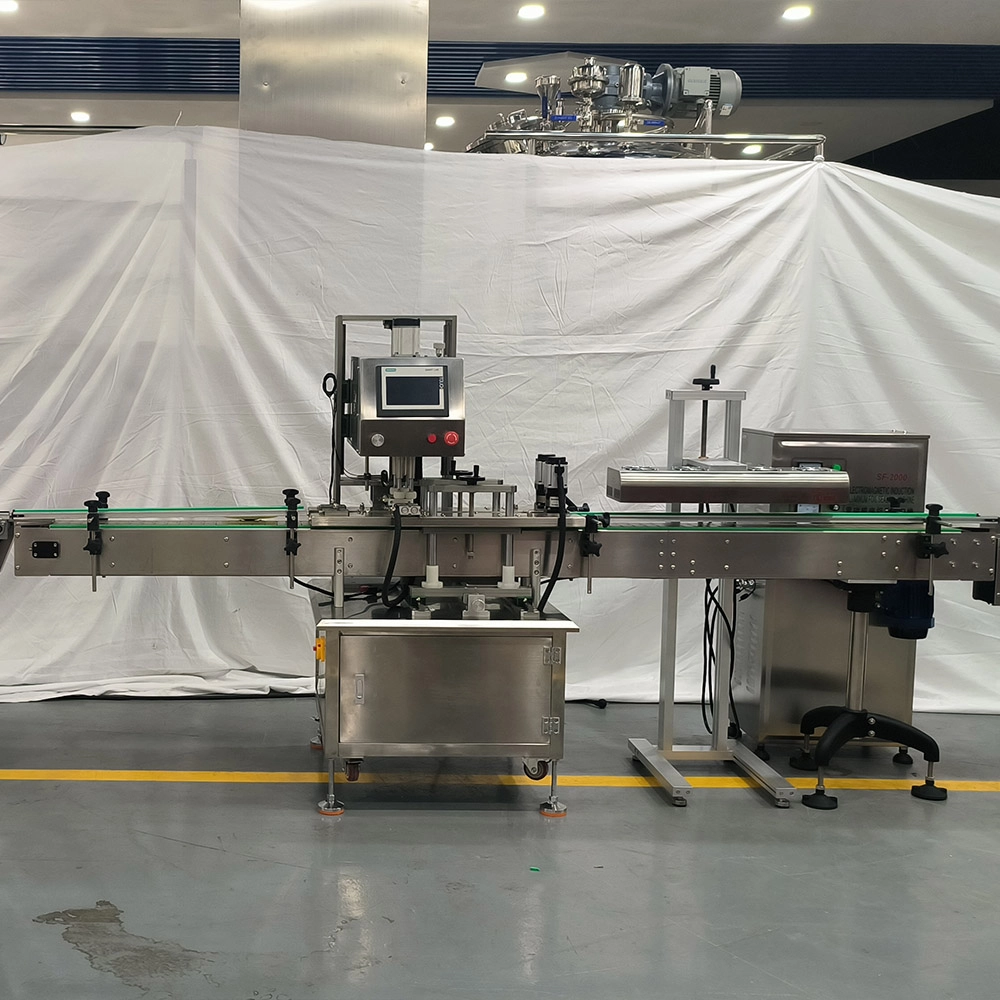
Cleaning and Sanitation Tips for Cream and Lotion Fillers
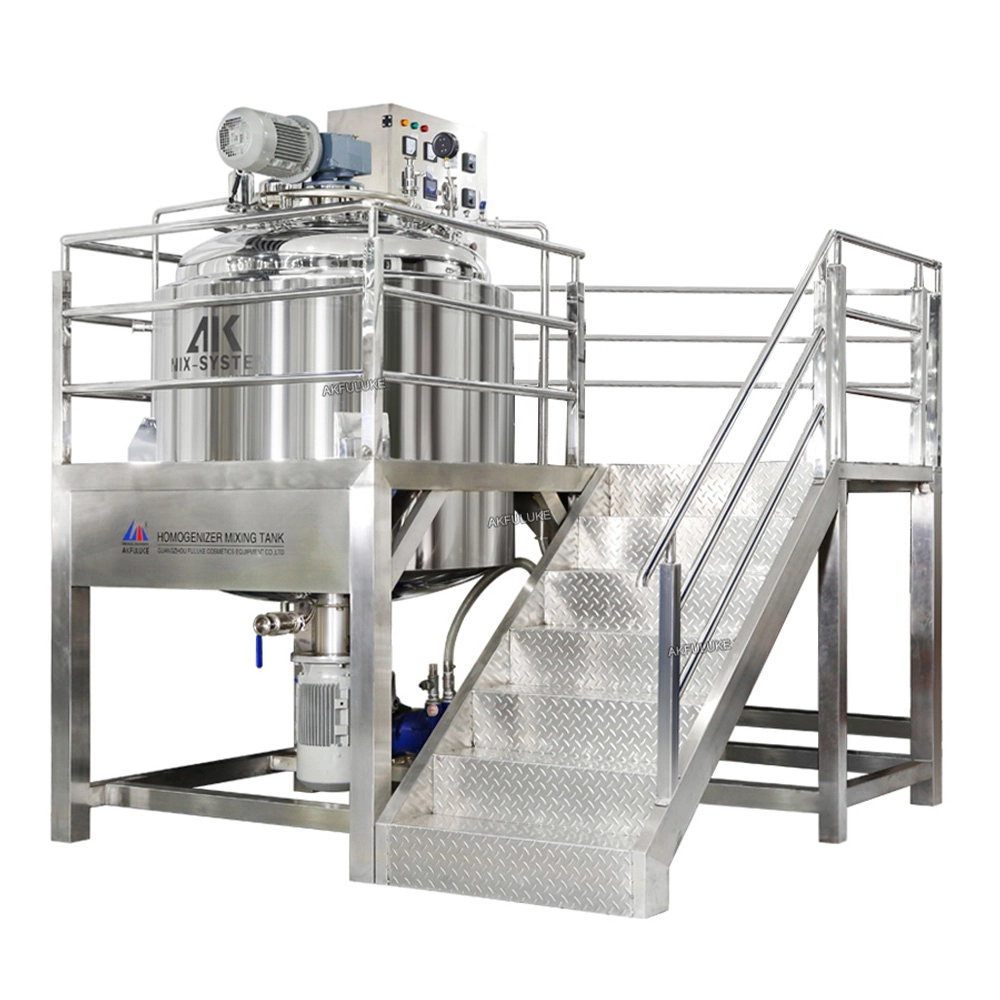
Performance Testing and Validation of Homogenizing Mixers
Material and Surface Finish Standards for Hygienic Mixing Tanks
Troubleshooting Common Issues with Liquid Filling Machines
Perfume Filling Machine
After purchasing the equipment, what after-sales services does the supplier typically provide?
General services include on-site installation and commissioning (including workshop layout planning), operator training (theoretical and practical training to ensure workers can operate independently), a one-year full machine warranty, and lifetime technical support (24-hour telephone and video troubleshooting).
Inkjet Printing Machine
Who are we?
Our headquarters is located in Guangzhou, Guangdong, China, and our factory is located in Yangzhou, Jiangsu. Our products are sold all over the world. We have approximately 50 employees in our company and factory.
Can you customize the machine?
Of course, we provide customized services according to customer needs.
FAQs
Which industries does FULUKE serve besides cosmetics?
Perfume Freezing Filter Making Machine
If the liquid is still turbid after filtration, what could be the cause?
Common causes include: ① Insufficient freezing (low temperature or too short a freezing time); ② Clogged filter element or overly large pore size; ③ Uneven material flow leading to insufficient localized condensation. Solution: Extend the freezing time, replace the 0.1μm precision filter element, check the pipes for blockage, and optimize flow control.
You May Also Like
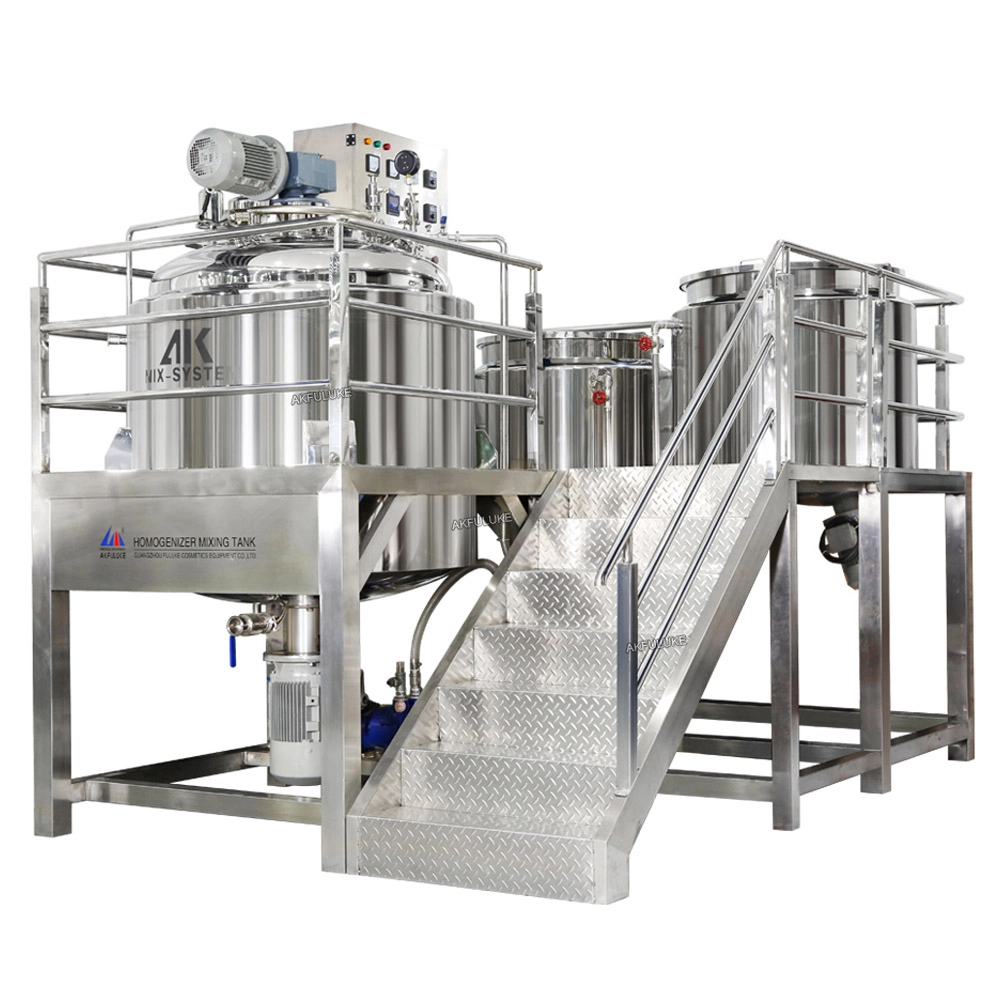
Fixed Type Vacuum Mixing Emulsifying Equipment for Cosmetic Cream Ointment Lotion Vacuum Homogenizer Mixer
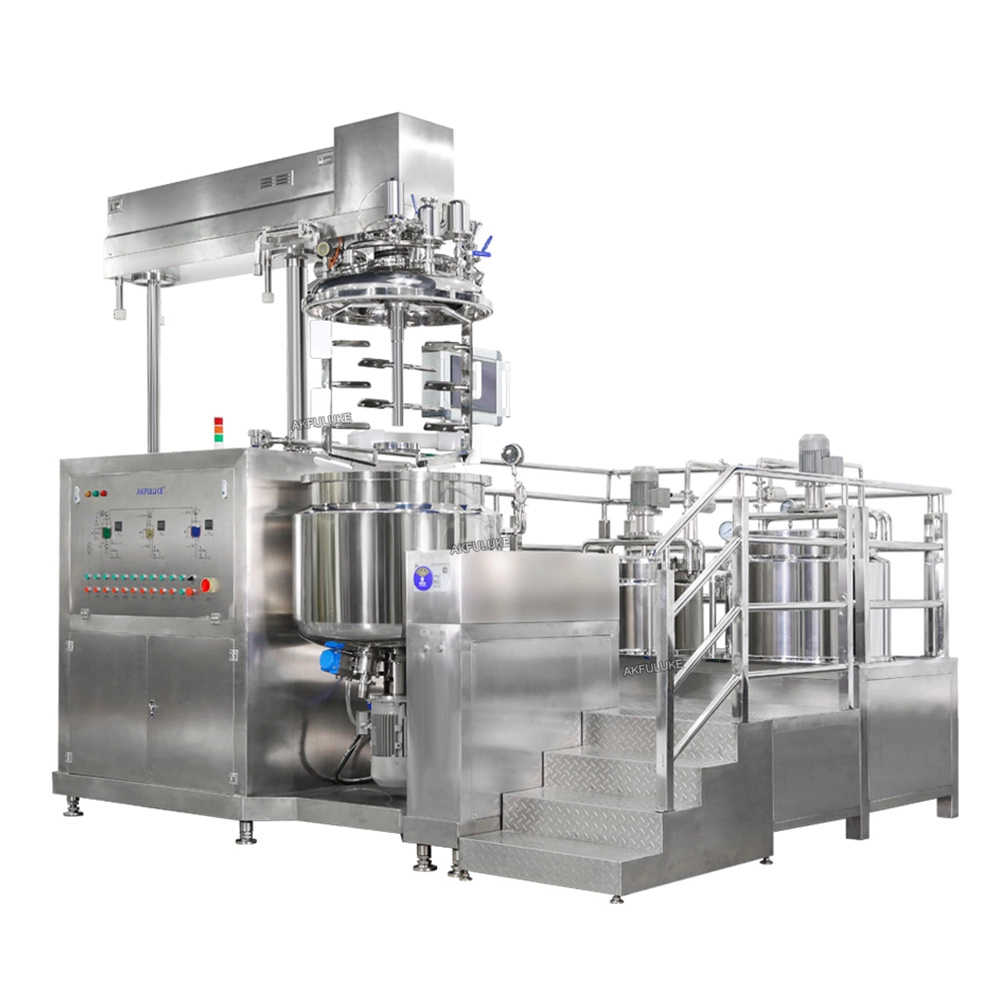
Hydraulic lift Cosmetic Vacuum Homogenizer Emulsifying Mixer for Making Cream and Lotion Mayonnaise Mixing Machine
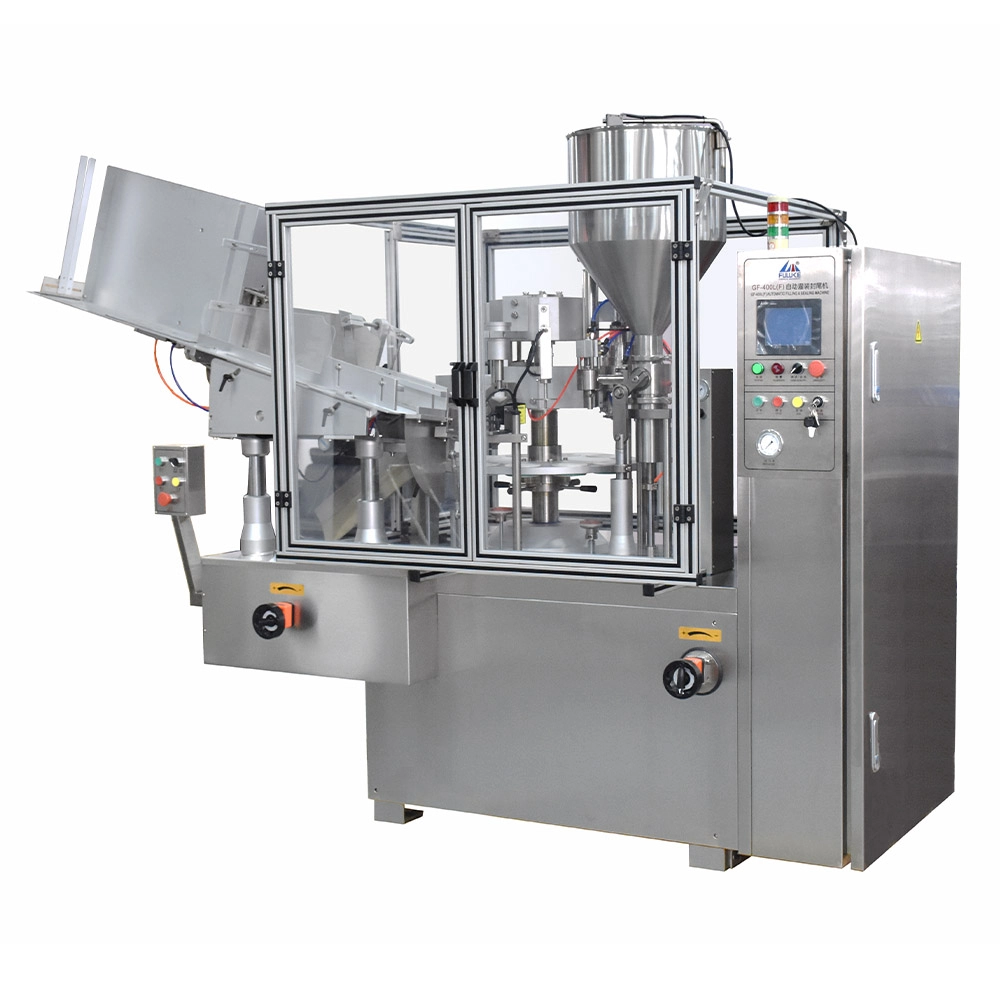
Automatic Tube Filling and Sealing Machine Toothpaste Sunscreen and Facial Cleanser Filling and Sealing Machine for Plastic and Aluminum-plastic Tube
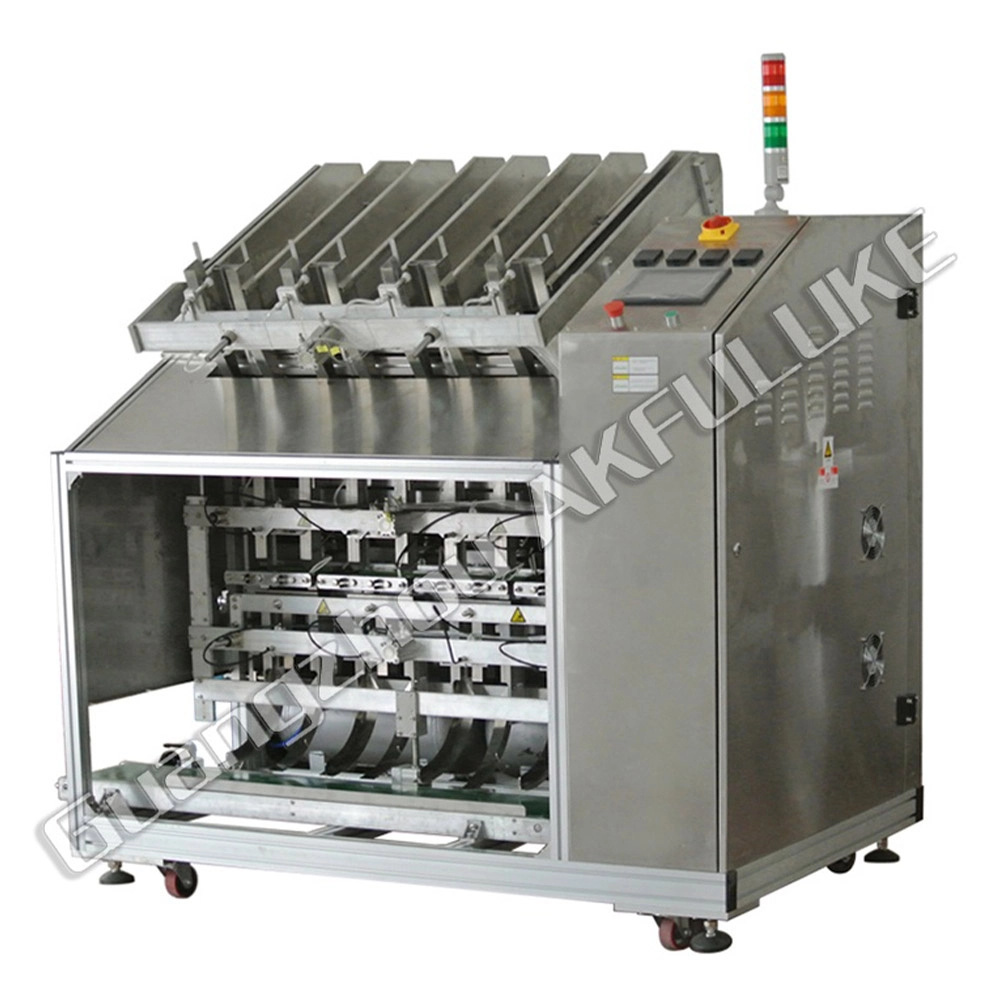
Effective Automatic Facial Mask Filling Machine 2/6/8 Heads Facial Mask Filling and Sealing Machine
Get in touch with FULUKE
If you have any comments or good suggestions, please leave us a message, later our professional staff will contact you as soon as possible.

A leading manufacturer specializing in advanced machinery and complete production lines for the cosmetics, food, pharmaceutical, and chemical industries worldwide.
Contact FULUKE
Facebook
Instagram
YouTube