
How to Manage Viscosity Variations During Production
- Understanding Viscosity Variation and Its Effects on Filling
- What causes viscosity changes in creams and lotions?
- How viscosity impacts liquid filling machine performance
- Designing a Filling Line to Handle Viscosity Ranges
- Selecting the right liquid filling machine
- Temperature, shear and nozzle design for rheology control
- Operational Practices and Quality Controls
- Inline measurement and feedback control
- Cleaning, maintenance and GMP compliance
- Troubleshooting, Data Logging and Case Examples
- Common problems and practical fixes
- When to upgrade automation vs. tweak process
- Comparing filling technologies (quick reference)
- Regulatory and Quality Considerations
- Standards and documentation to follow
- Why documentation matters for viscosity control
- Further Reading and References
- FAQ — Common Questions About Managing Viscosity During Filling
- Q: How often should I measure viscosity on the line?
- Q: Can a single filling machine handle all my SKUs with different viscosities?
- Q: What is the fastest corrective action for sudden viscosity drift?
- Q: Are inline viscometers reliable for control purposes?
- Q: How do I prevent cross-contamination when switching between products with different viscosities?
- Q: What regulatory records should I keep related to viscosity control?
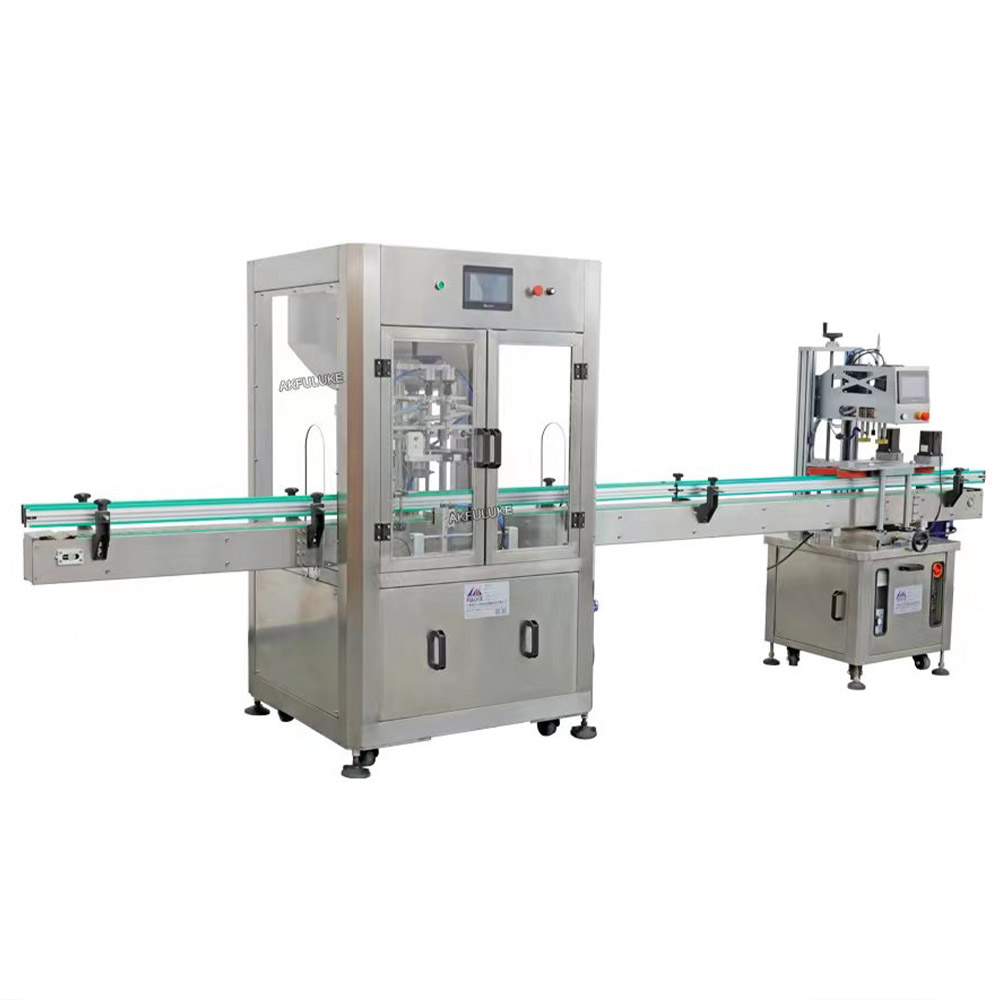
Viscosity fluctuations in cosmetic production create measurable risks: inaccurate fill volumes, rejected batches, nozzle drips, and damaged brand reputation. This guide helps production managers, process engineers and QA teams understand why viscosity changes occur, how to measure and control them on the line, and how to choose or configure a liquid filling machine to maintain high fill accuracy and throughput for creams, lotions and other emulsions.
Understanding Viscosity Variation and Its Effects on Filling
What causes viscosity changes in creams and lotions?
Viscosity of cosmetic emulsions and creams varies because of formulation, shear history, temperature, and raw-material variability. Key drivers include:
- Formulation: concentration of thickeners (carbomers, cellulose derivatives), oil-to-water ratio, and emulsifier type affect rheology.
- Temperature: most emulsions thin as temperature rises and thicken when cooled; seasonal plant temperature swings can cause line-wide variability.
- Shear and processing history: mixing intensity, homogenization, and fill-line shear (nozzles, pumps) change apparent viscosity, especially for shear-thinning (pseudoplastic) products.
- Batch-to-batch raw material variability: supplier variations in polymer grade or active concentrations can change final rheology.
How viscosity impacts liquid filling machine performance
Viscosity directly affects filling accuracy, cycle time, and cleanliness. High-viscosity pastes and creams can cause overfills when piston returns contain residues, while low-viscosity lotions may drip from nozzles or create foaming. Understanding these effects helps in selecting the correct filling technology and line settings:
- Fill accuracy: volumetric and servo-driven piston fillers are more accurate across wide viscosity ranges than simple gravity fillers.
- Throughput: highly viscous products often require longer fill times and larger diameter nozzles, reducing cycles per minute.
- Nozzle behavior: non-return valves, anti-drip systems, and timers are essential for preventing stringing or drips with low-viscosity liquids.
Designing a Filling Line to Handle Viscosity Ranges
Selecting the right liquid filling machine
Choosing the proper machine is the first step. For cosmetic creams, lotions and viscous emulsions, prioritize machines that combine precision, hygiene and flexibility. An ideal solution is the Automatic Filling Machine Quantitative Liquid Bottle Filling Machine High-precision cream and lotion filling machine. This equipment integrates automated conveying, precision filling, and intelligent control—suitable for glass and PET bottles and engineered to fill liquids, emulsions and pastes with high precision.
Key selection criteria:
- Filling principle: piston/servo-driven volumetric fillers handle a broad viscosity range and maintain accuracy; time-pressure and gravity fillers are best for low-viscosity products.
- Materials and hygiene: 316L/304 stainless steel wetted parts and GMP-compliant construction reduce contamination risk and simplify clean-in-place (CIP).
- Control features: touchscreen HMI for quick parameter changes, recipe storage for different products, and precise servo control for pistons or pumps.
Temperature, shear and nozzle design for rheology control
Active process control often requires managing temperature and shear across the filling line:
- Temperature control: heating or cooling jackets on supply tanks maintain viscosity within target ranges. Even a few degrees can significantly change apparent viscosity in cream formulations.
- Shear control: avoid narrow-bore transfer lines and sharp bends that increase shear and alter product structure. For shear-sensitive emulsions, gentle pumps and wide hoses preserve rheology.
- Nozzle selection: pick nozzle geometry and anti-drip valves appropriate for viscosity. Long-stroke piston fillers with wide-diameter nozzles work well for thick creams; thin-lip nozzles with shut-off valves are better for low-viscosity lotions.
Operational Practices and Quality Controls
Inline measurement and feedback control
Real-time monitoring reduces batch variability and prevents rework. Consider:
- Inline viscometers: integrate rotational or vibrational viscometers upstream of the filler for continuous monitoring and automatic alarm/trip if viscosity drifts beyond limits.
- Weight checking: automatic checkweighers after the filling station detect fill deviations and route out-of-spec containers to rejection paths.
- Recipe-driven HMI: store fill times, piston strokes or pump speeds for each SKU so operators can switch products without manual recalculation.
Cleaning, maintenance and GMP compliance
Consistent cleaning and preventive maintenance keep product rheology stable and reduce cross-contamination:
- CIP and SIP: design tanks and piping for efficient clean-in-place so thick residues are removed without disassembly.
- Sanitation schedules: enforce validated cleaning cycles and keep maintenance logs to meet GMP and audit requirements. See ISO guidance for quality management at ISO.
- Training and SOPs: operators should follow standard operating procedures for handling temperature-sensitive ingredients and for switching between formulations.
Troubleshooting, Data Logging and Case Examples
Common problems and practical fixes
Below are typical problems encountered with viscosity variation and how to resolve them:
- Underfills on warm days: add tank cooling or temperature alarms; use recipe compensation when ambient temperature shifts are predictable.
- Stringing or drips for low-viscosity lotions: fit anti-drip valves, reduce nozzle height, shorten dwell time before nozzle retraction.
- Inconsistent fills after maintenance: verify piston seals and pump calibration; run verification batches and checkweigher tests before full production.
When to upgrade automation vs. tweak process
Small process changes (temperature control, nozzle swap, recipe updates) often fix variability. However, upgrading to a high-precision filling machine is justified when:
- You have multiple SKUs with wide viscosity ranges and frequent changeovers.
- Fill accuracy requirements are strict (e.g., pharmaceutical or High Quality cosmetic SKUs where overfill cost is high).
- Manual intervention causes contamination risks or high labor costs.
Upgrading to the Automatic Filling Machine Quantitative Liquid Bottle Filling Machine High-precision cream and lotion filling machine can reduce manual steps, ensure consistent fill volumes and provide faster changeovers via touch-screen recipe selection—helping companies reduce costs and scale reliably.
Comparing filling technologies (quick reference)
| Filling Technology | Typical Viscosity Range | Accuracy | Best For |
|---|---|---|---|
| Piston / Servo Volumetric | Low to very high (water-like to pastes) | High (±0.5%–±1.5%) | Creams, lotions, pastes, variable viscosities |
| Peristaltic Pump | Low to medium | Medium | Shear-sensitive liquids, easy clean |
| Gravity / Flow Meter | Low (thin lotions) | Medium to low | Thin fluids, low-cost lines |
| Time-Pressure Filling | Low to medium | Lower than piston | Large containers with thin liquids |
Regulatory and Quality Considerations
Standards and documentation to follow
Cosmetic manufacturing must follow good manufacturing practices and maintain traceability. For guidance and standards, consult authorities such as the U.S. Food and Drug Administration (FDA) for labeling and safety requirements and industry guidance from associations like Cosmetics Europe. For quality systems, ISO standards outline documentation and management-system expectations.
Why documentation matters for viscosity control
Documented calibration, verification and changeover procedures ensure repeatable viscosity behavior and filling accuracy. Maintain records for:
- Viscometer calibrations and measurement logs.
- Temperature control setpoints and deviations.
- Recipe versions used in touch-screen controllers and when each was applied.
Further Reading and References
For broader technical background about filling machinery and rheology:
- Filling machine overview: Filling machine — Wikipedia.
- Industry / regulatory guidance: U.S. Food and Drug Administration (FDA).
- Quality management and standards: ISO.
- Cosmetics industry information: Cosmetics Europe.
- Global public health standards and safety context: World Health Organization (WHO).
FAQ — Common Questions About Managing Viscosity During Filling
Q: How often should I measure viscosity on the line?
A: For high-value or shear-sensitive products, continuous or hourly inline monitoring is recommended. For stable, low-risk lotions, batch sampling and checks at start, mid and end of shift may be sufficient. Use risk assessment to set frequency.
Q: Can a single filling machine handle all my SKUs with different viscosities?
A: Many modern piston/servo volumetric fillers handle a wide range of viscosities with simple recipe changes. Machines like the Automatic Filling Machine Quantitative Liquid Bottle Filling Machine High-precision cream and lotion filling machine are designed for multi-SKU environments—provided correct nozzles, pumps and temperature controls are added.
Q: What is the fastest corrective action for sudden viscosity drift?
A: Stop filling, quarantine affected product, check supply-tank temperature, raw-material feed, and recent process changes. If needed, revert to a validated backup recipe or adjust pump/piston settings to match the new viscosity only after verification fills and weight checks.
Q: Are inline viscometers reliable for control purposes?
A: Yes—modern inline viscometers (rotational or vibrational) provide reliable, continuous data if calibrated and maintained. They are valuable for early detection of drift and automated feedback control when tied to heating/cooling or dosing systems.
Q: How do I prevent cross-contamination when switching between products with different viscosities?
A: Use validated cleaning cycles (CIP), dedicate nozzles when possible, and run rinse and purge sequences during changeovers. Maintain SOPs and perform a verification run with weigh-checks before returning to production.
Q: What regulatory records should I keep related to viscosity control?
A: Keep viscometer calibration logs, batch viscosity measurements, temperature logs, fill-weight checks, machine recipe versions and changeover records. These support GMP audits and traceability for quality investigations.
If you want to evaluate a reliable solution for handling wide viscosity ranges in cosmetics, consider the Automatic Filling Machine Quantitative Liquid Bottle Filling Machine High-precision cream and lotion filling machine. Its features—316L/304 stainless steel contact parts, GMP compliance and touchscreen recipe control—make it a strong option for reducing costs, increasing efficiency and ensuring product standardization.
Product Description:
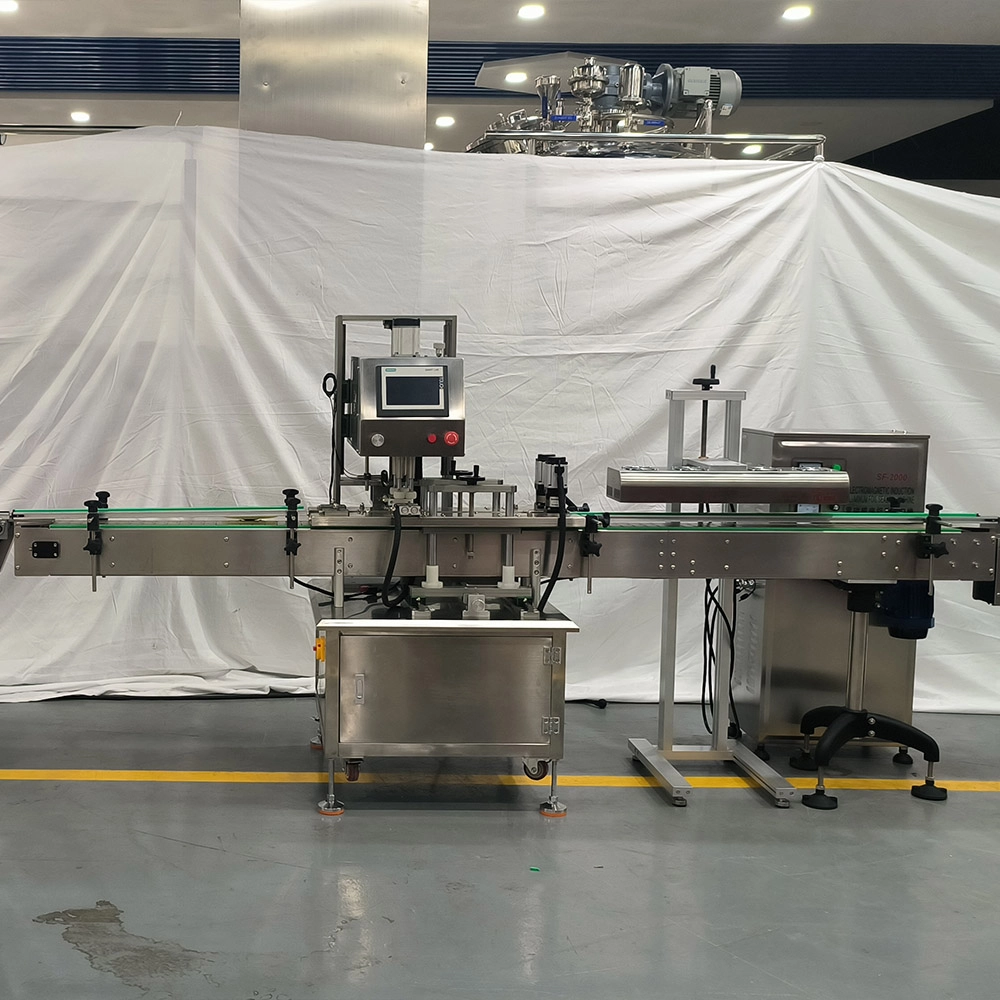
The automatic filling machine integrates automated conveying, precision filling, and intelligent control for packaging creams, lotions, and liquids. Suitable for a variety of containers, including glass and PET bottles, it can fill liquids, emulsions, and pastes with high precision.
Constructed with 316L/304 stainless steel contact components and compliant with GMP standards, it features a touchscreen interface for quick parameter adjustment and completes the entire process without manual intervention. Widely used in the cosmetics, food, daily chemical, pharmaceutical, and chemical industries, it helps companies reduce costs, increase efficiency, and ensure product standardization.
Contact us to discuss your product viscosities, request a site visit or see a live demo: Contact Sales • View product details: Automatic Filling Machine Quantitative Liquid Bottle Filling Machine.
How to Choose a Quantitative Liquid Bottle Filling Machine
Hygienic Design Principles for Cosmetic Filling Machines
Automated Filling for Small Batch Cosmetic Production
Top 10 cosmetics equipment Manufacturers and Supplier Brands
Automatic Tube Filling and Sealing Machine
Why are wrinkles, leaks, or uneven edges appearing after sealing? How can this be addressed?
These issues are often caused by three core factors, with corresponding solutions as follows:
Temperature mismatch: If the temperature is too low, the edge seal will not adhere well and leaks may occur; if the temperature is too high, it may burn and wrinkle. Adjust the sealing temperature using the PLC touch screen.
Insufficient pressure/time: The sealing cylinder pressure should be adjusted according to the hose material, and the sealing head pressing time should be ≥ 1.5 seconds to avoid a poor seal caused by insufficient pressure or short pressing time.
Mold wear/alignment deviation: Inspect the sealing mold for scratches and deformation. Replace if worn. If the label is misaligned with the seal, calibrate the photoelectric sensor position.
Automatic Facial Mask Filling Machine
After purchasing the equipment, what after-sales services does the supplier typically provide?
General services include on-site installation and commissioning (including workshop layout planning), operator training (theoretical and practical training to ensure workers can operate independently), a one-year full machine warranty, and lifetime technical support (24-hour telephone and video troubleshooting).
Lift-type Homogenizing Disperser
Can you make a design for us?
Yes, we can, we provide not only products, but also solutions and designs.
Perfume Filling Machine
Who are we?
Our headquarters is located in Guangzhou, Guangdong, China, and our factory is located in Yangzhou, Jiangsu. Our products are sold all over the world. We have approximately 50 employees in our company and factory.
Polypropylene PP Mixing Tank
Which mixing pot should I choose between a PP and a stainless steel mixing pot?
When the material is corrosive, a PP mixing pot is more advantageous. Stainless steel (such as 304) has poor resistance to acids and alkalis (easily corroded by hydrochloric acid and sodium hydroxide). For corrosion protection, upgrading to 316L stainless steel is necessary, which costs 2-3 times more than PP. PP, on the other hand, can withstand low- to medium-concentration corrosive media and offers low maintenance (no rust removal required, and low scaling).
When the material is non-corrosive, a stainless steel mixing pot is more advantageous. Stainless steel offers higher temperature resistance (up to 200°C), greater strength (suitable for high-viscosity materials), and a higher hygienic grade (easy to clean aseptically), making it suitable for non-corrosive but demanding applications such as food and pharmaceuticals.
You May Also Like
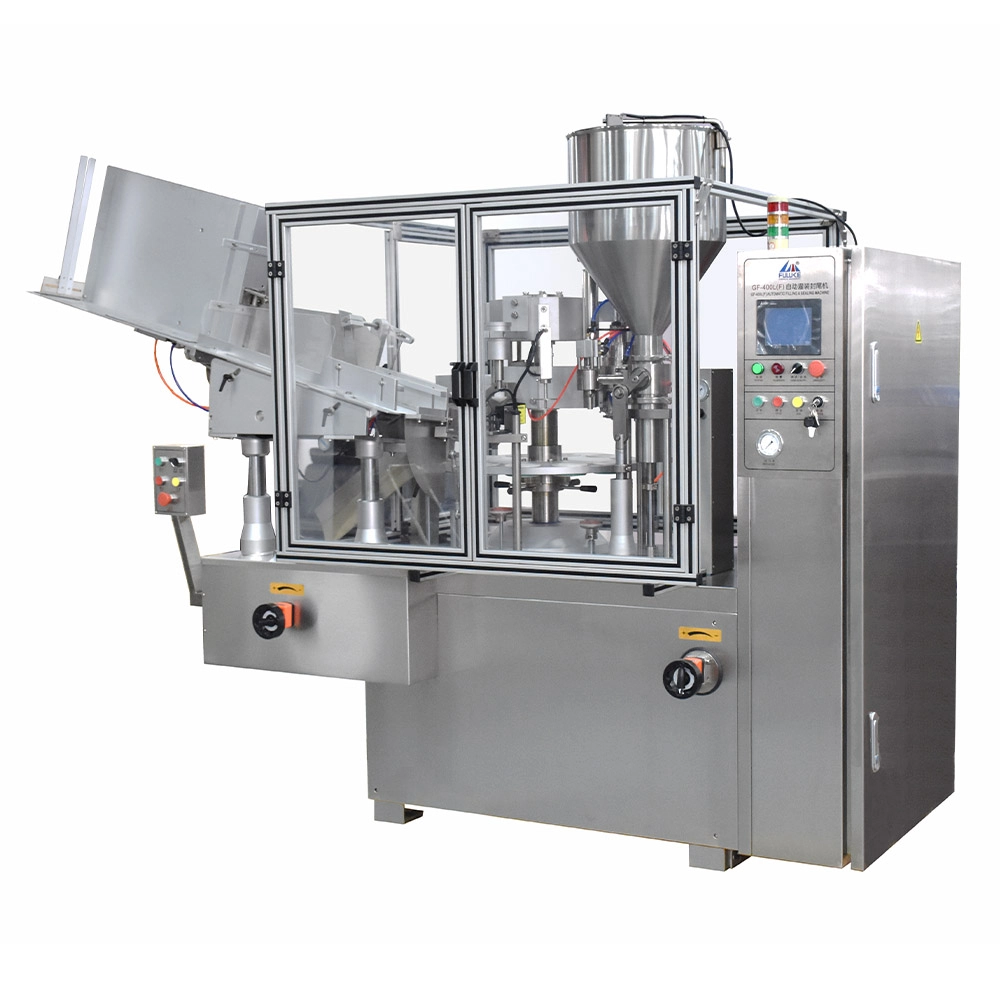
Automatic Tube Filling and Sealing Machine Toothpaste Sunscreen and Facial Cleanser Filling and Sealing Machine for Plastic and Aluminum-plastic Tube
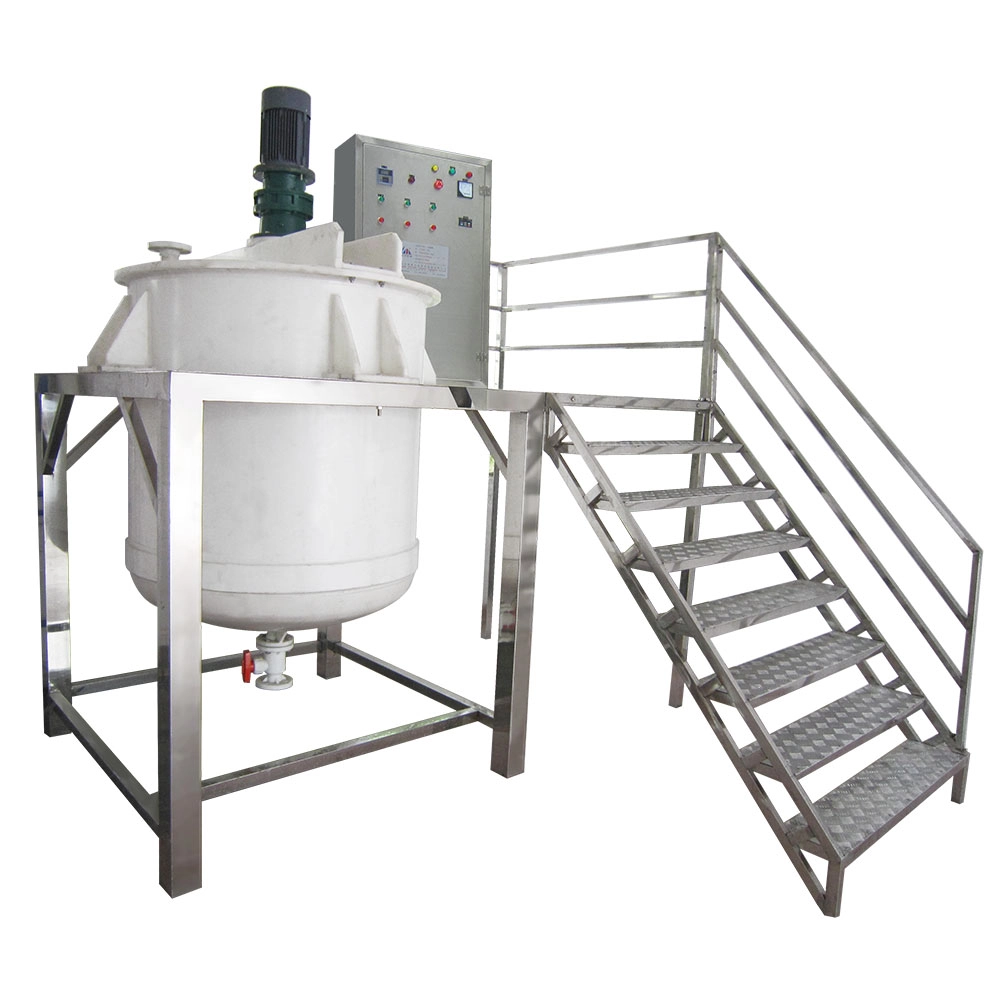
Polypropylene PP Mixing Tank Anti-Corrosion Mixer Reaction Kettle with Agitator Chemical Mixing Vessel
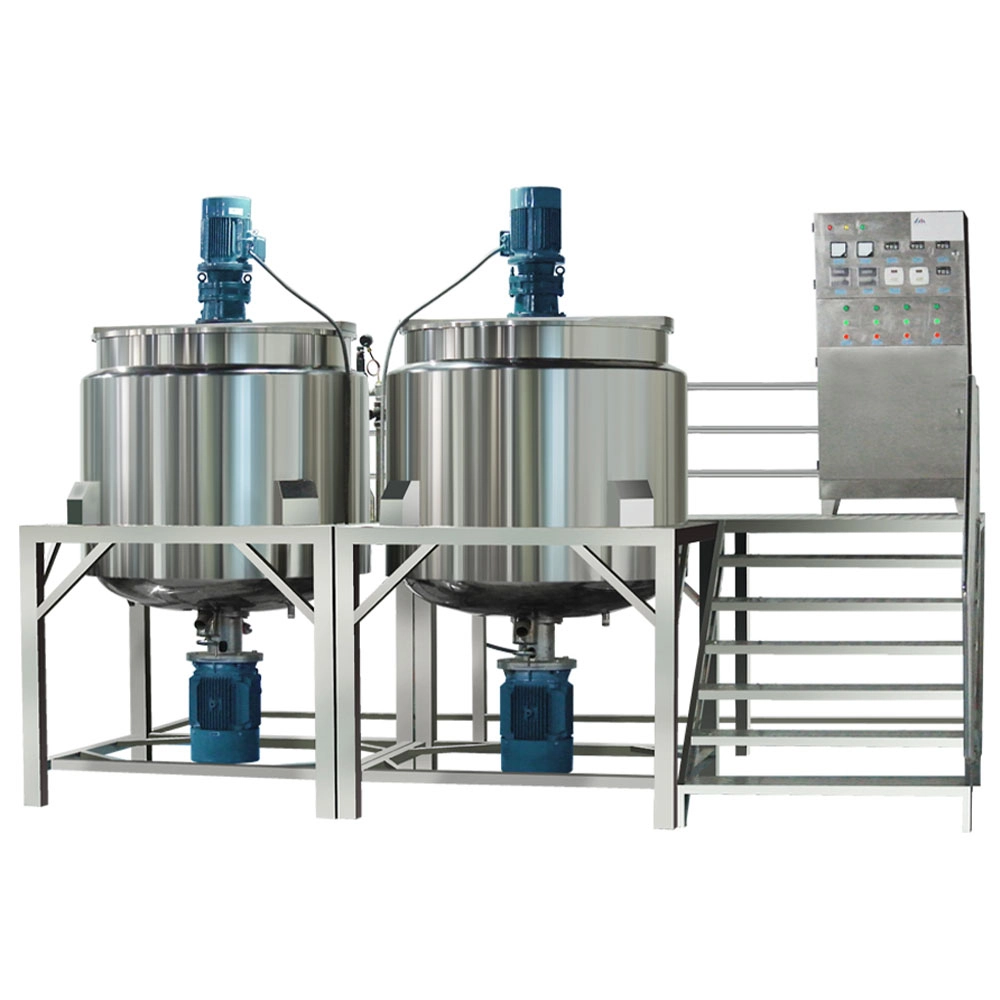
Flip Cover Multi-function Liquid Wash Mixing Tank Blender Liquid Detergent Mixer Homogenization Stirring Tank
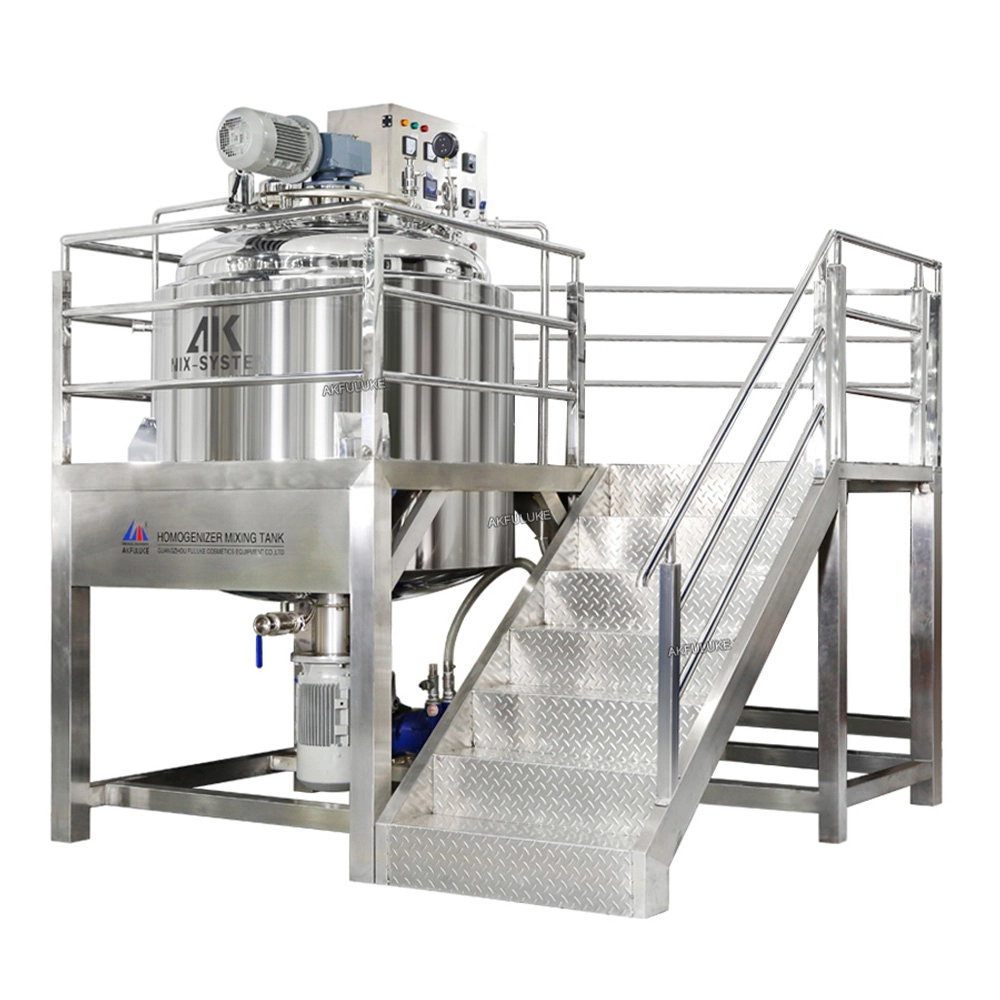
Stainless Steel Mixer Liquid Mixing tank with Agitator Homogenizing Mixing tank Vacuum Sealed Mixer Machine
Get in touch with FULUKE
If you have any comments or good suggestions, please leave us a message, later our professional staff will contact you as soon as possible.

A leading manufacturer specializing in advanced machinery and complete production lines for the cosmetics, food, pharmaceutical, and chemical industries worldwide.
Contact FULUKE
Facebook
Instagram
YouTube