
Material Compatibility: Plastics, Glass and Metal Bottles
- Material performance and compatibility: fundamentals for production
- Chemical compatibility and product stability
- Barrier properties, oxygen and light sensitivity
- How material choice affects filling accuracy and yield
- Practical considerations on the production floor
- Machine configuration by material
- Nozzle selection, filling technology and viscosity
- Cleaning, sanitation and GMP compliance
- Container-by-container comparison: when to choose plastic, glass or metal
- Plastics (PET, HDPE, PP)
- Glass
- Metal (aluminum, stainless steel)
- Comparison table
- Optimization strategies for production and regulatory assurance
- Testing and validation
- Line setup, sensors and automation benefits
- Sustainability and lifecycle considerations
- Practical checklists and implementation tips
- Checklist before production run
- Changeover tips between materials
- When to consult materials science or regulatory experts
- Product highlight
- FAQs
- Q1: Which bottle material is best for antioxidant-rich lotions?
- Q2: Can the Automatic Filling Machine Quantitative Liquid Bottle Filling Machine handle both glass and PET without parts change?
- Q3: How do we prevent contamination when switching between product types?
- Q4: Are plastic bottles recyclable and safe for cosmetic creams?
- Q5: What tests should we run to confirm container compatibility?
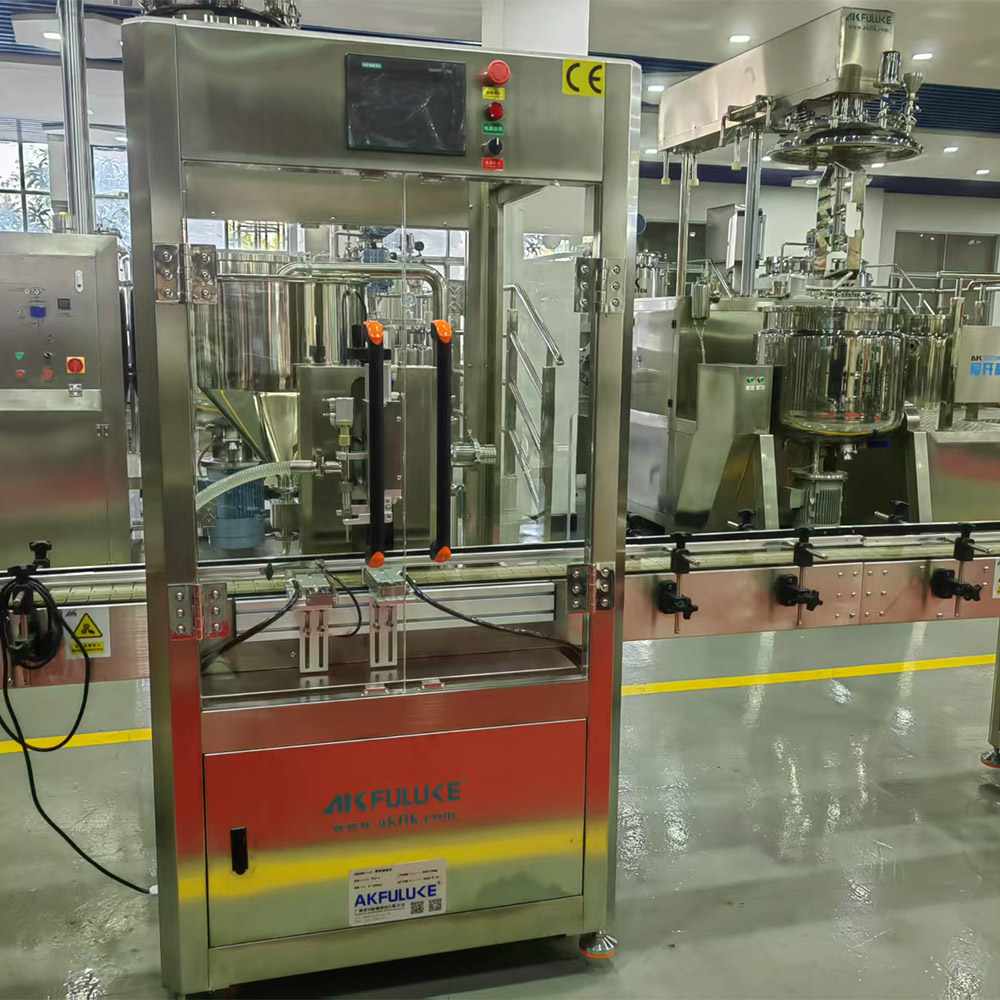
Choosing the correct bottle material (plastic, glass or metal) is one of the most important decisions for manufacturers using a liquid filling machine. Material choice affects chemical compatibility, barrier and aesthetic properties, filling speed, capping reliability and regulatory compliance. This article explains how different materials behave with creams, lotions, emulsions and liquids, and how selection influences the performance of your Automatic Filling Machine Quantitative Liquid Bottle Filling Machine High-precision cream and lotion filling machine across cosmetics, food, daily chemical and pharmaceutical lines.
Material performance and compatibility: fundamentals for production
Chemical compatibility and product stability
Compatibility between formulation and container prevents leaching, absorption and degradation. Plastics such as PET and HDPE show good resistance to many non-polar and mildly polar cosmetic formulations, but can absorb some fragrance oils or solvents over time. Glass is chemically inert and provides excellent long-term stability for creams and lotions that are sensitive to interaction with the container. Metal (typically aluminum or stainless steel) provides a strong barrier but can react with acidic formulations unless lined or anodized.
For detailed polymer properties, see the PET article on Wikipedia: Polyethylene terephthalate (PET).
Barrier properties, oxygen and light sensitivity
Barrier performance is essential for oxygen-sensitive actives (vitamin C, retinoids) and UV-sensitive ingredients. Glass provides excellent barrier to gases and UV when amber or coated. Metal offers near-complete barrier if fully sealed and lined. Plastics typically require barrier layers or oxygen scavengers for long shelf life; multilayer PET or barrier coatings are common solutions used in manufacturing.
How material choice affects filling accuracy and yield
The container material influences rigidity, shape consistency and static behavior—factors that matter to high-precision liquid filling machine operations. Rigid glass and metal bottles maintain shape under the filling nozzle and support high-speed volumetric and piston filling. Flexible plastics may compress or deform at high fill speeds, requiring machine parameter adjustments (filling speed, back-pressure, nozzle diameter) to maintain accuracy.
Practical considerations on the production floor
Machine configuration by material
Your Automatic Filling Machine Quantitative Liquid Bottle Filling Machine High-precision cream and lotion filling machine can be configured for different container types, but settings and hardware must match the material. For glass: ensure stable conveyor guides and gentle handling to avoid chipping; use sensors tuned for heavier bottles. For plastic: adjust conveyor speed and centering guides to prevent static cling and deformation. For metal: consider magnetic sensors and proper grounding to avoid electrostatic effects.
Nozzle selection, filling technology and viscosity
High-precision cream and lotion filling often uses piston, peristaltic or time-pressure volumetric heads depending on viscosity. Thicker emulsions and creams typically require positive displacement (piston) filling for repeatable shot accuracy. Low-viscosity lotions and serums can be handled by time-pressure or peristaltic pumps. Nozzle geometry must match bottle opening and material—longer, tapered nozzles reduce splashing in wide-mouth glass bottles, while short nozzles with anti-drip valves suit narrow-neck PET bottles.
Cleaning, sanitation and GMP compliance
316L/304 stainless steel contact parts, as in the described machine, are industry standard for sanitation and chemical resistance. Follow Good Manufacturing Practices (GMP) for cosmetics and pharmaceuticals; for cosmetics GMP guidance see ISO 22716: ISO 22716 - Cosmetics — Good Manufacturing Practices. For general regulatory context see the FDA cosmetics overview: U.S. Food & Drug Administration - Cosmetics.
Container-by-container comparison: when to choose plastic, glass or metal
Plastics (PET, HDPE, PP)
Advantages: lightweight, cost-effective, high impact resistance, easy to shape (dropper, pump, lotion bottle profiles), good for high-speed filling. Disadvantages: potential for permeation and sorption of lipophilic components, lower heat resistance versus glass.
Glass
Advantages: chemically inert, High Quality appearance, excellent barrier to gases and vapors, compatible with aggressive actives. Disadvantages: heavier, breakable, higher shipping costs and slower handling speed on some lines.
Metal (aluminum, stainless steel)
Advantages: excellent barrier, lightweight if thin-walled aluminum, High Quality look. Disadvantages: risk of corrosion without lining on acidic products, limited transparency (cannot see product), special capping systems often needed.
Comparison table
| Property | Plastics (PET/HDPE) | Glass | Metal (Al/Stainless) |
|---|---|---|---|
| Chemical resistance | Good for many lotions; may absorb oils | Excellent (inert) | Excellent if lined; unlined can corrode with acids |
| Barrier (O2/H2O) | Moderate; improved with multi-layer | High | Very high |
| Weight & shipping | Lightweight, lower cost | Heavy, higher cost | Variable; aluminum light, stainless heavier |
| Fill speed on liquid filling machine | High | High (with careful handling) | Medium–high |
| Recyclability | Recyclable (depending on local systems) | Highly recyclable | Highly recyclable |
| Suitability for creams & lotions | Good; widely used | Excellent for High Quality and sensitive formulations | Good when lined |
Optimization strategies for production and regulatory assurance
Testing and validation
Before scaling, perform compatibility and stability studies: extractables & leachables testing, accelerated aging, and visual inspection for phase separation. For pharmaceuticals and strict cosmetic claims, reference WHO/ICH/ISO testing frameworks. For GMP-related process validation and hygiene, see WHO and industry guides on GMP: World Health Organization (WHO).
Line setup, sensors and automation benefits
Modern liquid filling machine models with touchscreen control, like the Automatic Filling Machine Quantitative Liquid Bottle Filling Machine High-precision cream and lotion filling machine, enable quick recipe changes when switching container materials. Automated conveying, servo-driven filling pumps and intelligent control reduce changeover time and human error. Integrating in-line leak detection, vision systems and torque-controlled capping heads helps maintain quality across different bottle types.
Sustainability and lifecycle considerations
Sustainability is increasingly important. While glass and metal score high for recyclability, plastics can be engineered for recyclability (mono-material PET) and lighter carbon footprint in transport. Consider life-cycle analysis for your product category and market expectations when choosing packaging.
Practical checklists and implementation tips
Checklist before production run
- Confirm chemical compatibility between formulation and bottle material (perform lab extractables tests if needed).
- Adjust filling parameters (speed, vacuum/back-pressure, nozzle) per viscosity and container rigidity.
- Validate capping torque and sealing for material-specific closures.
- Ensure contact parts are 316L/304 stainless steel and follow GMP procedures during cleaning and changeover.
Changeover tips between materials
Use stored recipes in the machine touchscreen for quick parameter loading. For plastic to glass changeover, reduce conveyor acceleration to avoid bottle crash, and for glass to plastic, lower fill velocity if deformation occurs. Regularly inspect filling nozzles and anti-drip systems when changing from thin to high-viscosity products.
When to consult materials science or regulatory experts
If your formula contains strong solvents, reactive actives or you are making drug claims, consult materials scientists for specialized liners/coatings and regulatory experts for compliance. For reference on regulatory frameworks and best practices see ISO 22716 and FDA resources cited earlier.
Product highlight
The automatic filling machine integrates automated conveying, precision filling, and intelligent control for packaging creams, lotions, and liquids. Suitable for a variety of containers, including glass and PET bottles, it can fill liquids, emulsions, and pastes with high precision.
Constructed with 316L/304 stainless steel contact components and compliant with GMP standards, it features a touchscreen interface for quick parameter adjustment and completes the entire process without manual intervention. Widely used in the cosmetics, food, daily chemical, pharmaceutical, and chemical industries, it helps companies reduce costs, increase efficiency, and ensure product standardization.
FAQs
Q1: Which bottle material is best for antioxidant-rich lotions?
A: Glass or lined metal bottles are preferred for antioxidant-rich formulas (e.g., vitamin C) because they offer superior barrier and are inert to prevent oxidation. If using PET, choose amber or barrier-coated options and consider using oxygen scavengers.
Q2: Can the Automatic Filling Machine Quantitative Liquid Bottle Filling Machine handle both glass and PET without parts change?
A: The machine's basic frame and pump systems can handle multiple materials, but quick-change parts like nozzles, bottle guides and sensor settings are typically swapped or adjusted. The touchscreen stores recipes for rapid changeover, minimizing downtime.
Q3: How do we prevent contamination when switching between product types?
A: Implement validated cleaning-in-place (CIP) or manual sanitation protocols, segregate allergenic products, and perform test runs. Ensure contact parts are made from 316L/304 stainless steel (as specified) and follow ISO 22716 GMP guidance for cleanliness.
Q4: Are plastic bottles recyclable and safe for cosmetic creams?
A: Many plastics like PET and HDPE are recyclable where local systems exist. They are widely used and safe for many creams if compatibility testing is performed. For long-term stability, consider multilayer or coated plastics for enhanced barrier.
Q5: What tests should we run to confirm container compatibility?
A: At minimum run accelerated stability, extractables & leachables screening, headspace oxygen measurements, and visual/physical inspections (leak, seal, cap torque). For regulated products, follow guidance from recognized standards and authorities (ISO, FDA, WHO).
If you have specific product formulas or packaging samples and want a compatibility assessment or a demo of the Automatic Filling Machine Quantitative Liquid Bottle Filling Machine High-precision cream and lotion filling machine, contact our sales team or view the product page for technical specs and options. Contact sales | View product.
References: ISO 22716: https://www.iso.org/standard/36437.; FDA Cosmetics: https://www.fda.gov/cosmetics; PET material properties: https://en.wikipedia.org/wiki/Polyethylene_terephthalate; WHO: https://www.who.int/.
How to Choose the ro water treatment system manufacturer and supplier ?
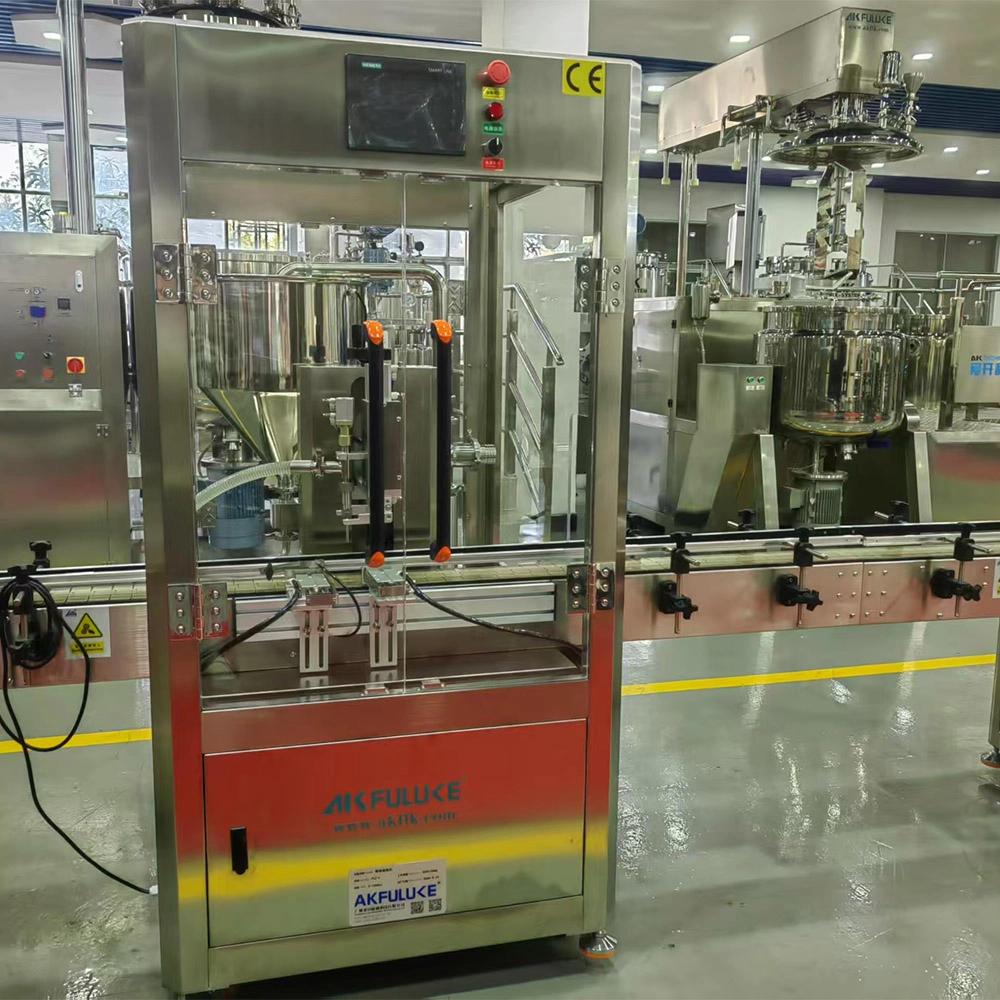
How to Implement CIP on Lotion and Cream Filling Machines
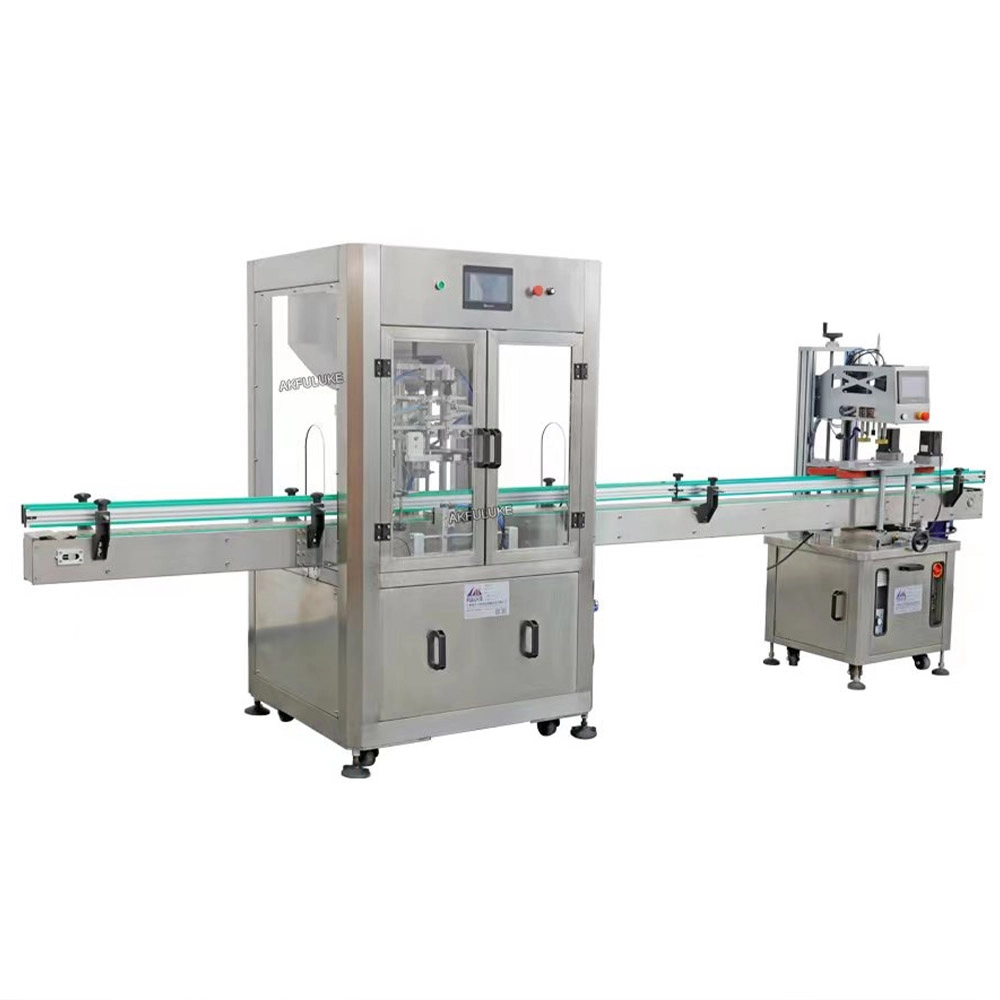
Selecting Filling Heads for Viscous Creams and Lotions
Troubleshooting Common Issues in Liquid Filling Equipment
Automatic Filling Machine
What can you buy from us?
RO Water Treatment、Vacuum Emulsifying Machine、Homogenizer Mixing Tank、Filling and Capping、labeling Machine、Packing Machine、Storage Tank,etc.
Who are we?
Our headquarters is located in Guangzhou, Guangdong, China, and our factory is located in Yangzhou, Jiangsu. Our products are sold all over the world. We have approximately 50 employees in our company and factory.
Automatic Facial Mask Filling Machine
How many filling nozzles does your facial mask filling machine have?
We have dual-, six-, eight-, and ten-head facial mask filling machines. We can customize the number of filling nozzles to meet your needs.
Lift-type Homogenizing Disperser
What can you buy from us?
RO Water Treatment、Vacuum Emulsifying Machine、Homogenizer Mixing Tank、Filling and Capping、labeling Machine、Packing Machine、Storage Tank,etc.
Automatic Tube Filling and Sealing Machine
What can you buy from us?
RO Water Treatment、Vacuum Emulsifying Machine、Homogenizer Mixing Tank、Filling and Capping、labeling Machine、Packing Machine、Storage Tank,etc.
You May Also Like
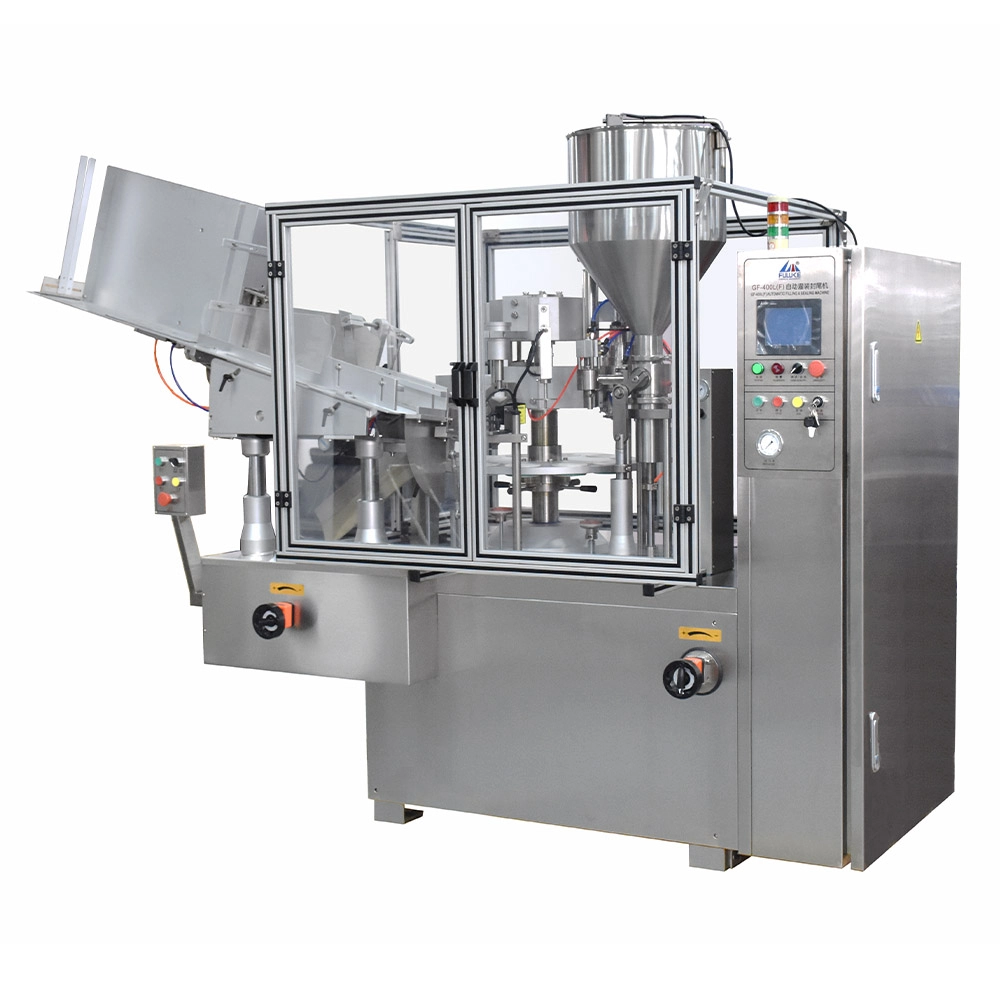
Automatic Tube Filling and Sealing Machine Toothpaste Sunscreen and Facial Cleanser Filling and Sealing Machine for Plastic and Aluminum-plastic Tube
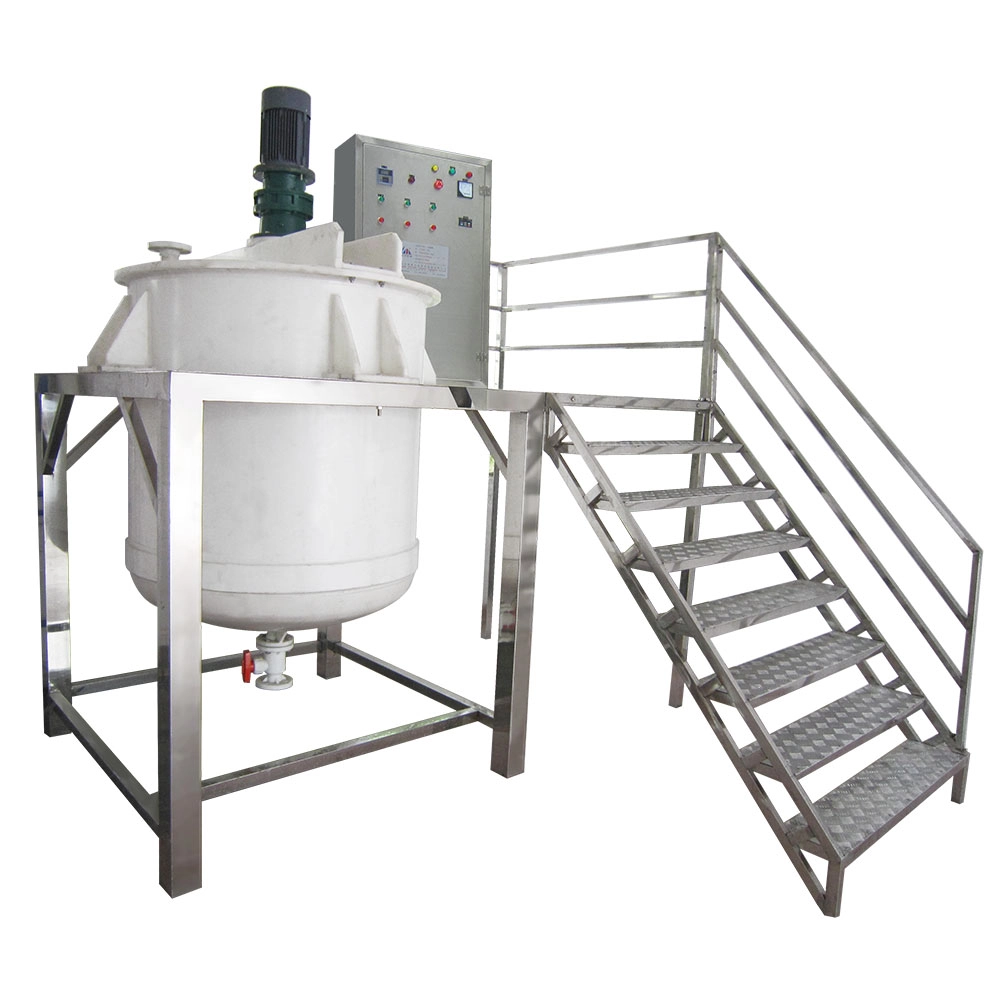
Polypropylene PP Mixing Tank Anti-Corrosion Mixer Reaction Kettle with Agitator Chemical Mixing Vessel
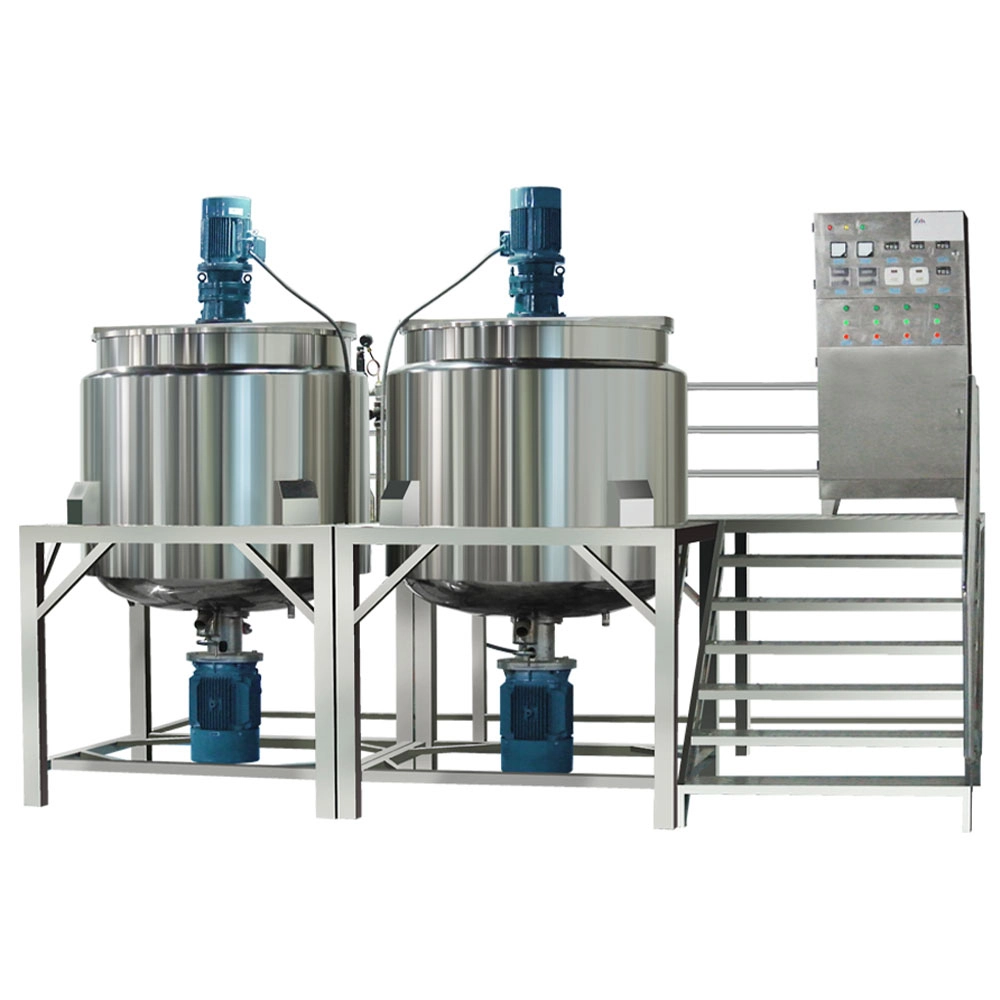
Flip Cover Multi-function Liquid Wash Mixing Tank Blender Liquid Detergent Mixer Homogenization Stirring Tank
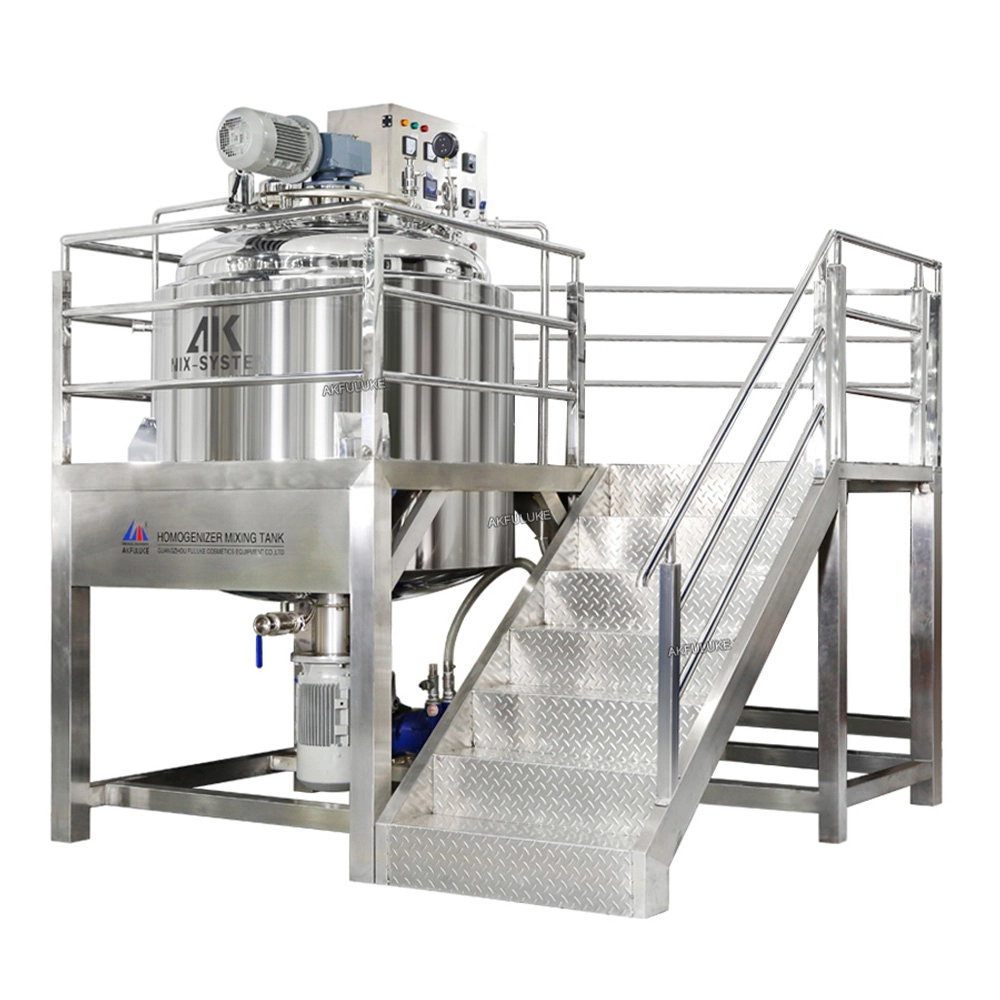
Stainless Steel Mixer Liquid Mixing tank with Agitator Homogenizing Mixing tank Vacuum Sealed Mixer Machine
Get in touch with FULUKE
If you have any comments or good suggestions, please leave us a message, later our professional staff will contact you as soon as possible.

A leading manufacturer specializing in advanced machinery and complete production lines for the cosmetics, food, pharmaceutical, and chemical industries worldwide.
Contact FULUKE
Facebook
Instagram
YouTube