
Selecting Materials and Membranes for 99% Desalination Needs
- Selecting Materials and Membranes for 99% Desalination Needs
- Why material and membrane choices matter for industrial reverse osmosis system performance
- Product overview: Reverse Osmosis / RO Water Treatment Water Filter System 99% Desalination Rate Industrial Purification Filtration Water treatment Machine
- Membrane types for 99% desalination: pros and limitations
- Operational factors that affect achieving 99% desalination with an industrial reverse osmosis system
- Materials for pressure vessels, piping and housings in industrial RO systems
- Seals, gaskets and tubing: chemical compatibility and durability considerations
- Pretreatment materials and components that protect membranes
- Comparison table: common RO membrane types and material choices
- Pretreatment strategy to reliably reach 99% desalination with an industrial reverse osmosis system
- Cleaning, monitoring and maintenance: enabling long-term 99% rejection
- Design trade-offs: cost, recovery, and membrane life
- Checklist for procurement: selecting components for a 99% desalination industrial RO system
- Case example: achieving 99% desalination for brackish vs seawater feeds
- Brand and product alignment: why this Reverse Osmosis / RO Water Treatment Water Filter System suits 99% desalination goals
- Cost and lifecycle considerations
- FAQs — Frequently Asked Questions about materials and membranes for 99% desalination
- Q1: Can any RO membrane achieve 99% desalination?
- Q2: How important is dechlorination for membrane life?
- Q3: Should I choose 316L stainless steel or FRP vessels?
- Q4: How often should CIP be performed?
- Q5: Are there membranes that tolerate chlorine and still give 99% rejection?
- Q6: What monitoring is essential to ensure continued 99% rejection?
- Next steps — contact sales or view product details
- Authoritative references and further reading
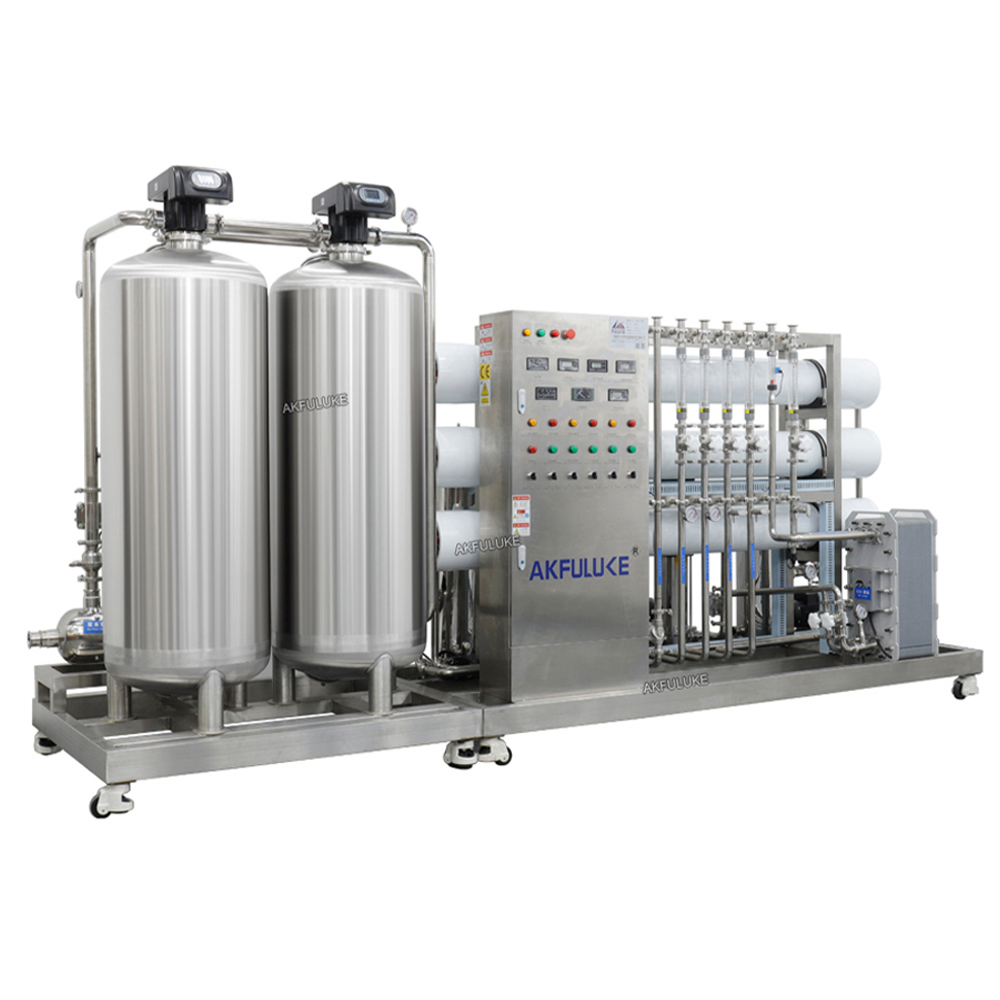
Selecting Materials and Membranes for 99% Desalination Needs
Why material and membrane choices matter for industrial reverse osmosis system performance
The performance of an industrial reverse osmosis system is determined as much by the choice of membranes and supporting materials as by system sizing. For applications requiring a 99% desalination rate — whether brackish water polishing, boiler feed, pharmaceutical water, or seawater desalination — selecting the right membrane chemistry, module configuration, vessel materials, seals, and pretreatment components is crucial to reach target rejection, maintain stable flux, and minimize downtime and lifecycle cost. High-performance membranes must also comply with regulations, so buyers should verify compliance, certifications, and water standards for RO systems before final approval.
Product overview: Reverse Osmosis / RO Water Treatment Water Filter System 99% Desalination Rate Industrial Purification Filtration Water treatment Machine
Reverse osmosis (RO) water treatment equipment (reverse osmosis water treatment equipment) is a high-efficiency water purification device based on reverse osmosis membrane separation technology.
Through physical filtration and selective permeation principles, it accurately removes impurities, salts, microorganisms and other harmful substances from raw water. It is widely used in industrial production, domestic drinking water, medical pharmaceuticals, food processing and other fields, providing stable and clean water quality solutions for different scenarios.
<div style=all: initial !important;>
Membrane types for 99% desalination: pros and limitations
Membrane selection drives achievable salt rejection. The two most common commercial membrane chemistries are thin-film composite (TFC/TFC-PA) polyamide membranes and cellulose acetate (CA) membranes. For 99% desalination requirements, modern TFC polyamide spiral-wound membranes are typically preferred because they deliver higher salt rejection and better overall productivity.
- TFC (Polyamide) Spiral-Wound: High salt rejection (often 98–99.8% depending on feed and configuration), good mechanical strength, wide industry adoption. Sensitive to free chlorine; requires dechlorination upstream.
- Cellulose Acetate (CA): Better chlorine tolerance but lower rejection and flux; susceptible to biological fouling in some conditions. Less common for strict 99% targets.
- Seawater-specialized membranes: Denser polyamide formulations and pressure-rated elements designed for SWRO with higher rejection at elevated salt levels.
- Hollow fiber and UF pretreatment membranes: Not for high-salt rejection themselves, but often used as pretreatment to protect RO membranes.
Operational factors that affect achieving 99% desalination with an industrial reverse osmosis system
Membrane type alone does not guarantee 99% rejection. The following operational variables significantly influence salt rejection:
- Feed water TDS and composition — higher TDS (seawater) requires higher feed pressure and specific SWRO elements to maintain rejection.
- Operating pressure and recovery — near-design pressures and conservative recovery rates help sustain high rejection.
- Temperature — lower temperatures reduce membrane flux and can affect salt passage; designs usually account for seasonal temperature variation.
- pH and chemical environment — polyamide membranes are chemically sensitive (chlorine) and require chemical compatibility checks.
- Fouling and scaling — these reduce flux and can open pathways for salt passage; robust pretreatment and antiscalants are essential.
Materials for pressure vessels, piping and housings in industrial RO systems
Material selection for housings, piping, and mechanical components must balance corrosion resistance, pressure rating, cost, and regulatory compliance. Common choices include:
- 316L stainless steel: Excellent corrosion resistance, widely used for high-pressure housings and piping in aggressive or seawater environments. Suitable for sanitary and pharmaceutical applications.
- 304 stainless steel: Cost-effective for many brackish applications but less corrosion-resistant than 316L.
- Fiberglass reinforced plastic (FRP): Lightweight, corrosion-resistant, commonly used for large pressure vessels and brine piping; verify temperature and pressure ratings.
- Carbon steel with coatings: Used when cost is critical and aggressive corrosion is not expected; requires proper lining or coatings.
- High-density polyethylene (HDPE) and PVC: For low-pressure piping (feed, permeate) where chemical compatibility is acceptable.
Seals, gaskets and tubing: chemical compatibility and durability considerations
Seals and elastomers are often underappreciated failure points. Choose materials compatible with cleaning chemicals, pretreatment antiscalants, and operating temperatures.
- EPDM: Good for hot water and many detergents; limited compatibility with oils and certain solvents.
- Viton (FKM): Excellent chemical resistance, suitable for aggressive chemicals and higher temperatures, but more expensive.
- PTFE (Teflon): Outstanding chemical resistance, used for specific sealing applications and liners where cost allows.
- Polypropylene and PVDF tubing: Common for permeate and concentrate lines when chemical compatibility is needed.
Pretreatment materials and components that protect membranes
Effective pretreatment extends membrane life and stabilizes rejection. Typical components and their material considerations:
- Multimedia and sand filters — typically steel or FRP vessels with appropriate backwash piping.
- Activated carbon filters — often FRP or stainless housings; necessary to remove chlorine prior to polyamide RO membranes.
- Antiscalant dosing systems — pumps and tubing must resist the dosing chemicals; choice of pump elastomers and wetted materials is critical.
- Water softeners — vessel materials selected based on brine handling and resin compatibility.
- Ultrafiltration (UF) pretreatment — modules may be hollow-fiber or cassette-style; materials should resist fouling cleaning chemicals.
Comparison table: common RO membrane types and material choices
| Component | Common Materials | Best for 99% Desalination? | Notes |
|---|---|---|---|
| RO Membrane Element | Polyamide TFC (spiral-wound), Cellulose acetate | Yes (TFC) | TFC offers the highest salt rejection; requires dechlorination |
| Pressure Vessel | 316L SS, FRP | Yes | 316L for corrosive feed; FRP for cost-effective large arrays |
| Piping | 316L SS, PVC, HDPE | Depends on feed water | Stainless recommended for seawater/high-TDS; PVC/HDPE for low-pressure systems |
| Seals & Gaskets | EPDM, Viton, PTFE | Yes | Choose by cleaning chemicals and temperature |
Pretreatment strategy to reliably reach 99% desalination with an industrial reverse osmosis system
To achieve and sustain 99% desalination rate, invest in a pretreatment train tailored to feed characteristics:
- Particle removal (cartridge filters, multimedia filters) — reduces physical fouling and protects membrane capillaries.
- Carbon adsorption — removes free chlorine to prevent polyamide damage.
- Antiscalant dosing and pH adjustment — prevents inorganic scaling that reduces flux and affects salt passage.
- Optional softening or ion exchange — for very hard feeds to protect membranes.
- Ultrafiltration prior to RO — useful for biologically active or high-turbidity waters.
Cleaning, monitoring and maintenance: enabling long-term 99% rejection
Even with correct material selection, proactive maintenance ensures membranes maintain high rejection:
- Regular monitoring of conductivity/TDS on permeate and concentrate lines to track rejection.
- CIP (clean-in-place) schedules based on differential pressure (∆P) and permeate flux decline.
- Use of compatible cleaning agents — alkaline, acidic, and biocidal cleaners must be compatible with membrane and elastomer materials.
- Antifouling measures such as periodic low-shear flushing, chemical dosing, and maintaining appropriate crossflow velocity.
Design trade-offs: cost, recovery, and membrane life
High recovery operation (higher permeate fraction) reduces water discharge but increases scaling risk and may reduce rejection. Conservatively designed recovery rates and staged arrays (two-pass RO) can reliably achieve >99% salt rejection while protecting membranes. Material choices that increase upfront cost (316L, Viton seals, specialty membranes) often reduce total cost of ownership by extending service life and lowering downtime.
Checklist for procurement: selecting components for a 99% desalination industrial RO system
Use this checklist when evaluating suppliers and systems:
- Membrane specification: documented salt rejection at expected feed TDS and temperature.
- Element type and configuration: spiral-wound TFC elements for primary RO stage.
- Pressure vessel and piping materials: 316L or FRP rated for required pressures and feed chemistry.
- Seals and wetted materials: compatibility certificates for cleaning chemicals and antiscalants.
- Pretreatment plan: filtration, carbon, antiscalant dosing, and optional UF/softening.
- Monitoring: conductivity sensors on permeate and brine, pressure gauges, flow meters.
- Service support: availability of replacement elements, local service, and CIP protocols.
Case example: achieving 99% desalination for brackish vs seawater feeds
Brackish RO (BWRO): Lower feed TDS than seawater allows use of standard TFC brackish elements with moderate feed pressure (7–25 bar). Proper antiscalant dosing and cartridge filtration typically suffice to maintain >99% salt rejection in two-pass systems or with conservative recovery.
Seawater RO (SWRO): Requires SWRO-specific high-rejection elements, robust high-pressure pumps and 316L housings in many cases. Operating pressures are higher (up to 80–90 bar for single-pass SWRO), and system design often includes multiple stages and energy recovery to balance efficiency and achieve >99% salt rejection for salts like NaCl.
Brand and product alignment: why this Reverse Osmosis / RO Water Treatment Water Filter System suits 99% desalination goals
Our Reverse Osmosis / RO Water Treatment Water Filter System 99% Desalination Rate Industrial Purification Filtration Water treatment Machine is engineered for demanding industrial applications. Key advantages include:
- High-rejection TFC membrane elements selected and tested for >99% salt removal under specified feed conditions.
- Constructed with corrosion-resistant materials (316L stainless for pressure components and FRP options for larger arrays) to extend service life in aggressive environments.
- Integrated pretreatment options (cartridge filtration, carbon, antiscalant dosing) packaged for easy commissioning and reduced fouling risk.
- Comprehensive monitoring and control for real-time permeate conductivity, differential pressure alerts, and automated CIP routines.
- Modular design that allows staged operation (two-pass RO) to meet strict quality targets in pharmaceutical, food, and high-purity industrial water applications.
Cost and lifecycle considerations
Higher-grade materials and membranes increase upfront cost but lower operating costs by reducing membrane replacement frequency and downtime. Consider calculating total cost of ownership (TCO) that includes element life, cleaning chemical usage, downtime, energy consumption, and disposal costs when comparing vendors. In many industrial cases targeting 99% desalination, a higher initial investment yields lower lifetime costs.
FAQs — Frequently Asked Questions about materials and membranes for 99% desalination
Q1: Can any RO membrane achieve 99% desalination?
A1: Not all membranes will reach 99% under real-world conditions. Modern polyamide TFC spiral-wound membranes designed for brackish or seawater applications are typically required. Achieving 99% also depends on feed water composition, temperature, and proper pretreatment.
Q2: How important is dechlorination for membrane life?
A2: Very important. Polyamide membranes used for high rejection are sensitive to free chlorine. Activated carbon or chemical dechlorination is recommended upstream to protect membranes.
Q3: Should I choose 316L stainless steel or FRP vessels?
A3: Choose 316L for highly corrosive or seawater applications and for sanitary processes (pharma, food). FRP is suitable for large systems with less aggressive feedwater and offers a cost-effective alternative if pressure and temperature ratings are met.
Q4: How often should CIP be performed?
A4: CIP frequency depends on feed water quality and observed performance decline (flux reduction, increased ∆P). Typical schedules range from monthly to quarterly, but monitoring should dictate actual timing.
Q5: Are there membranes that tolerate chlorine and still give 99% rejection?
A5: Cellulose acetate membranes are more chlorine tolerant but usually do not deliver the same level of salt rejection as polyamide TFC membranes. For true 99% targets, protect polyamide membranes from chlorine instead of relying on chlorine-tolerant membranes.
Q6: What monitoring is essential to ensure continued 99% rejection?
A6: Continuous permeate conductivity/TDS monitoring, feed and permeate flow meters, pressure gauges across elements, and online temperature sensors are essential to detect drift in performance and trigger maintenance.
Next steps — contact sales or view product details
If you plan to implement a system for strict 99% desalination, our engineering team can evaluate your feed water and recommend the optimal membrane elements, materials, pretreatment, and maintenance plan. Contact our sales team to arrange a water test, pilot trial, or to request detailed specifications for the Reverse Osmosis / RO Water Treatment Water Filter System 99% Desalination Rate Industrial Purification Filtration Water treatment Machine.
Contact Sales: sales@example.com | +1-800-555-RORO (example number)
View product details and request a quote on our website or schedule a site survey with our engineers.
Authoritative references and further reading
- Reverse osmosis — Wikipedia: https://en.wikipedia.org/wiki/Reverse_osmosis
- DuPont FilmTec (RO membrane manufacturer information): https://www.dupont.com/water/filmtec-reverse-osmosis-membranes.
- International Desalination Association: https://idadesal.org/
- World Health Organization — Guidelines for drinking-water quality: https://www.who.int/water_sanitation_health/publications/gdwq4threv/en/
- NSF International — Water Treatment Standards: https://www.nsf.org/
Note: For accurate design and guaranteed 99% desalination, provide a representative feedwater analysis (TDS, hardness, silica, iron, chlorine, organics, temperature) so the system can be sized and the correct membrane and material set selected.
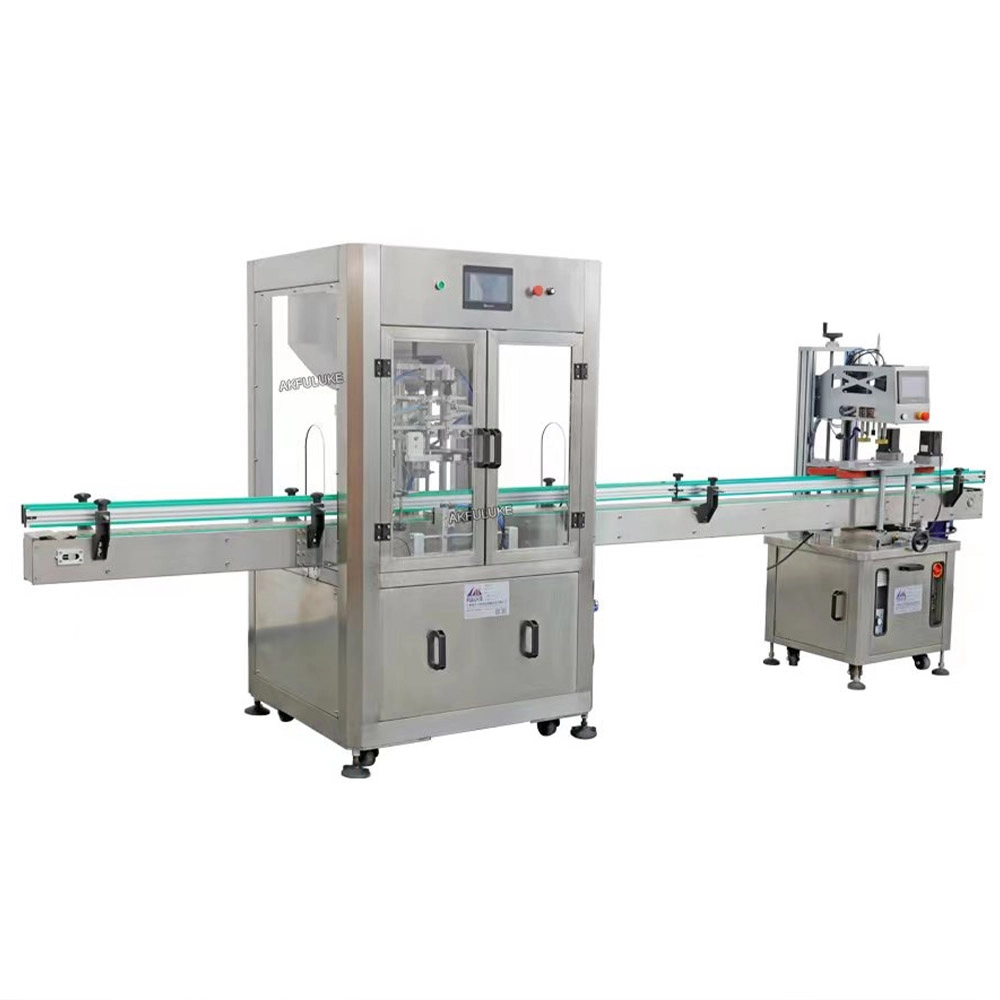
How to Choose a High-Precision Liquid Filling Machine
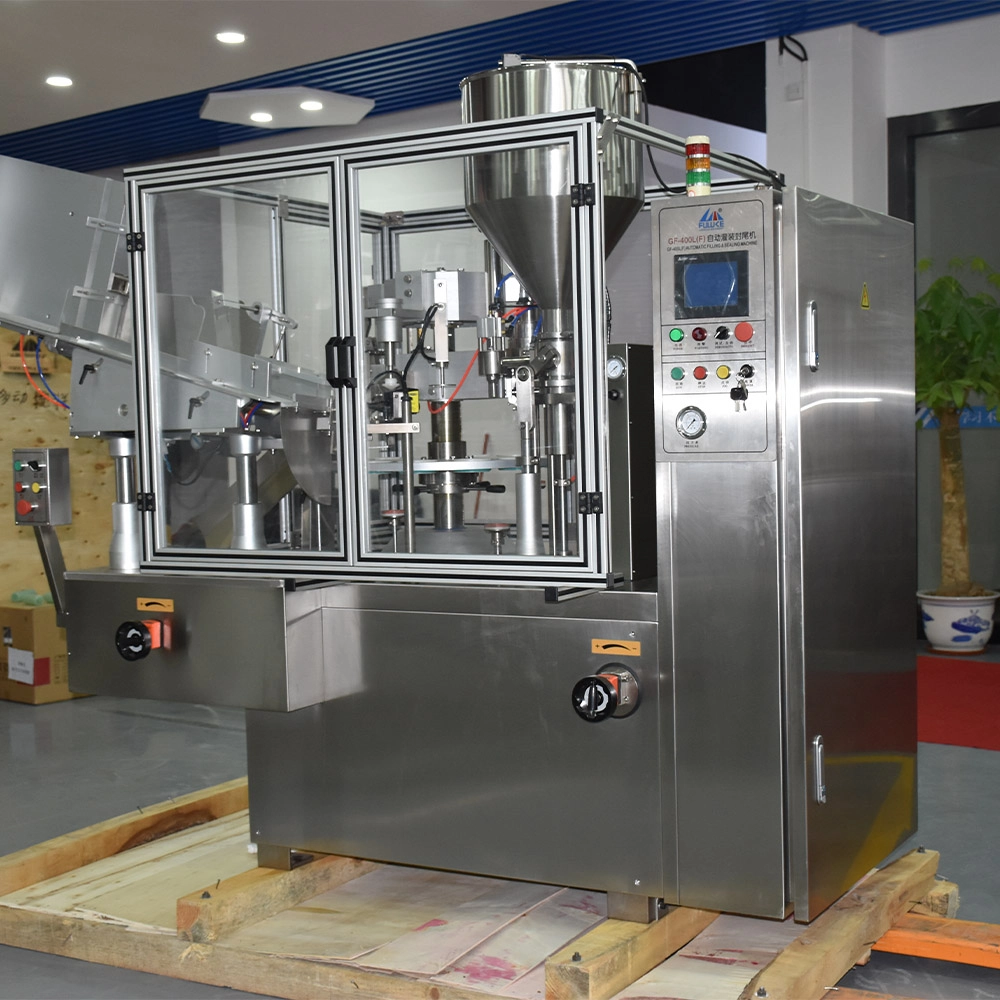
Material Compatibility: Formulas and Tubes for Filling Machines
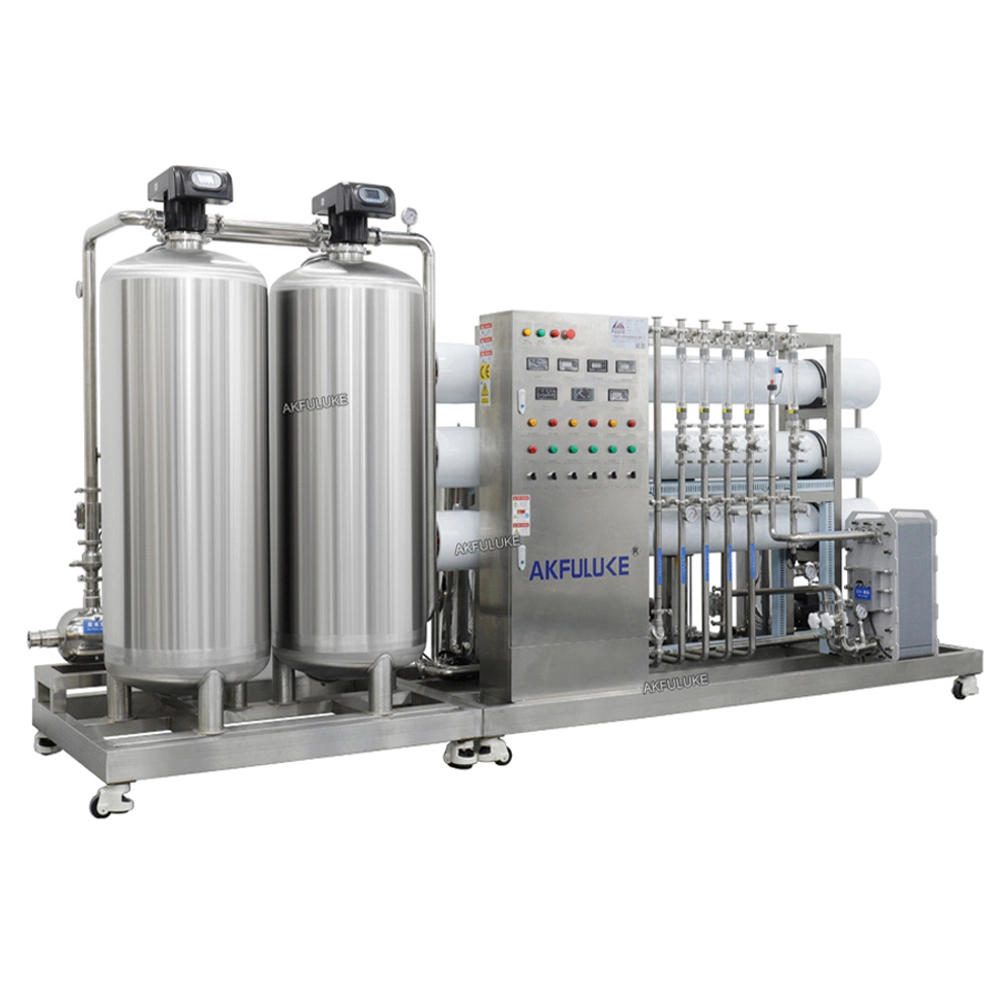
Supplier Evaluation: Warranties, Service, and Spare Parts Support
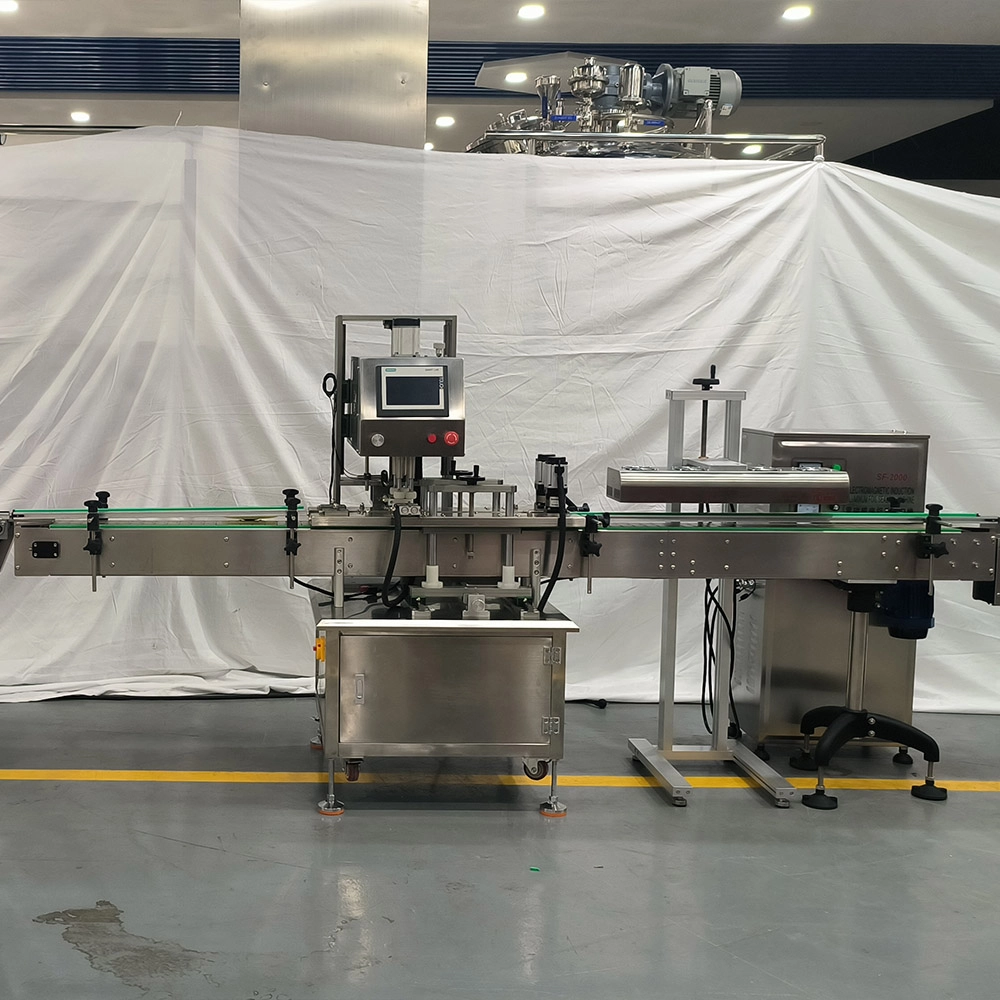
Filling Accuracy Testing Methods for Cosmetic Products
Automatic Capping Machine
Can you customize the machine?
Of course, we provide customized services according to customer needs.
Perfume Freezing Filter Making Machine
What can you buy from us?
RO Water Treatment、Vacuum Emulsifying Machine、Homogenizer Mixing Tank、Filling and Capping、labeling Machine、Packing Machine、Storage Tank,etc.
Polypropylene PP Mixing Tank
Which mixing pot should I choose between a PP and a stainless steel mixing pot?
When the material is corrosive, a PP mixing pot is more advantageous. Stainless steel (such as 304) has poor resistance to acids and alkalis (easily corroded by hydrochloric acid and sodium hydroxide). For corrosion protection, upgrading to 316L stainless steel is necessary, which costs 2-3 times more than PP. PP, on the other hand, can withstand low- to medium-concentration corrosive media and offers low maintenance (no rust removal required, and low scaling).
When the material is non-corrosive, a stainless steel mixing pot is more advantageous. Stainless steel offers higher temperature resistance (up to 200°C), greater strength (suitable for high-viscosity materials), and a higher hygienic grade (easy to clean aseptically), making it suitable for non-corrosive but demanding applications such as food and pharmaceuticals.
FAQs
Does FULUKE offer customized machinery solutions?
What products does FULUKE specialize in?
You May Also Like
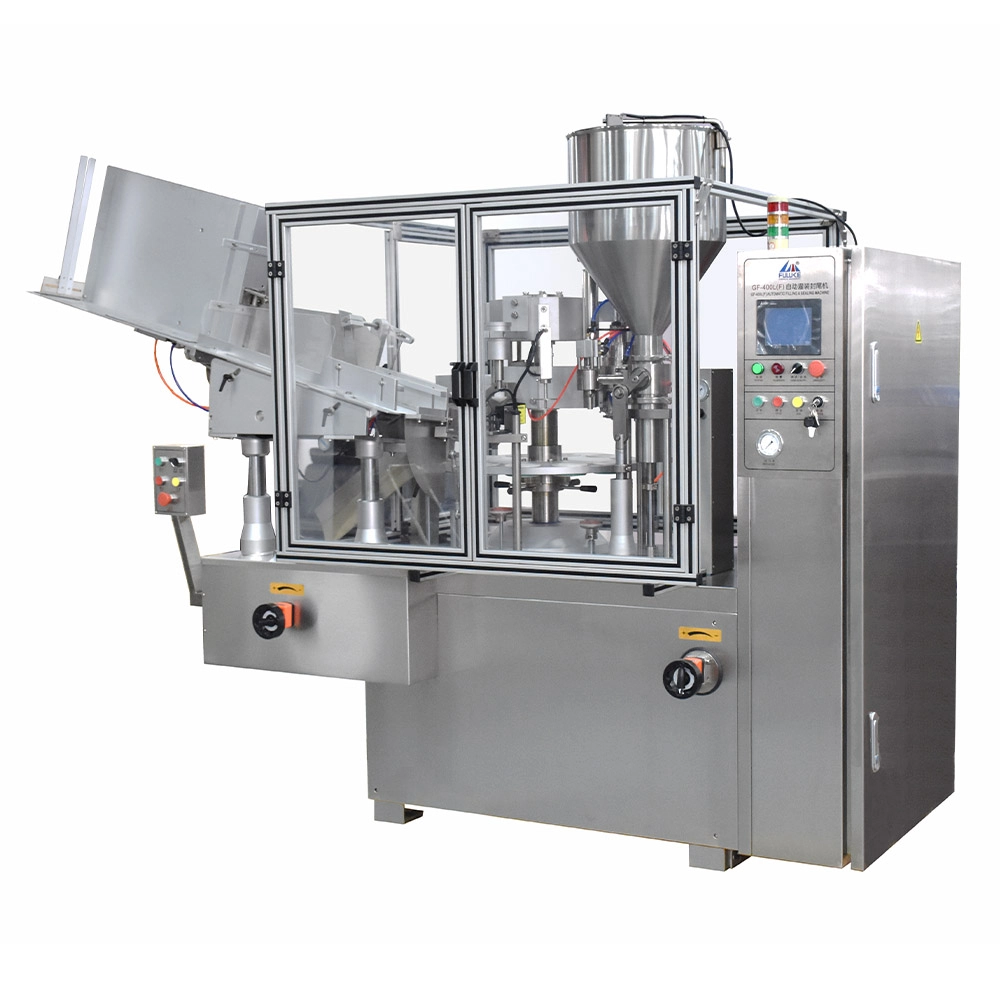
Automatic Tube Filling and Sealing Machine Toothpaste Sunscreen and Facial Cleanser Filling and Sealing Machine for Plastic and Aluminum-plastic Tube
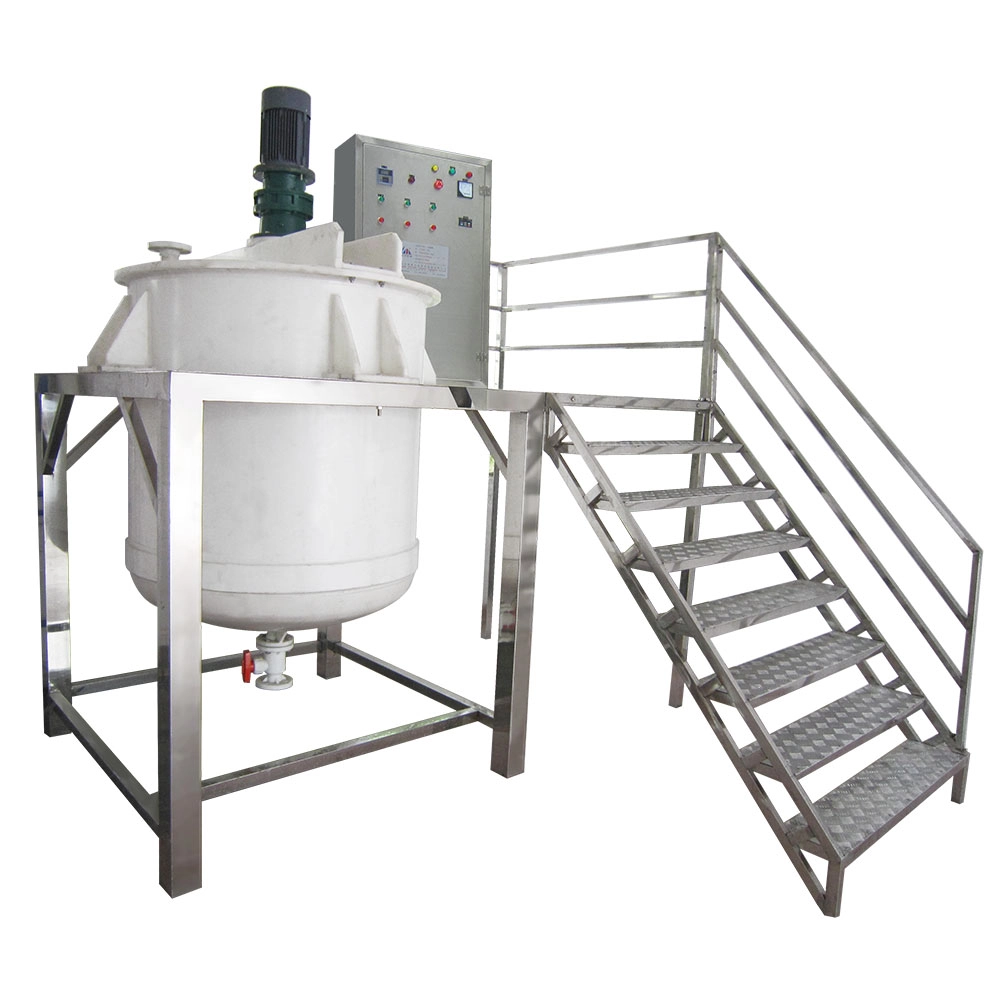
Polypropylene PP Mixing Tank Anti-Corrosion Mixer Reaction Kettle with Agitator Chemical Mixing Vessel
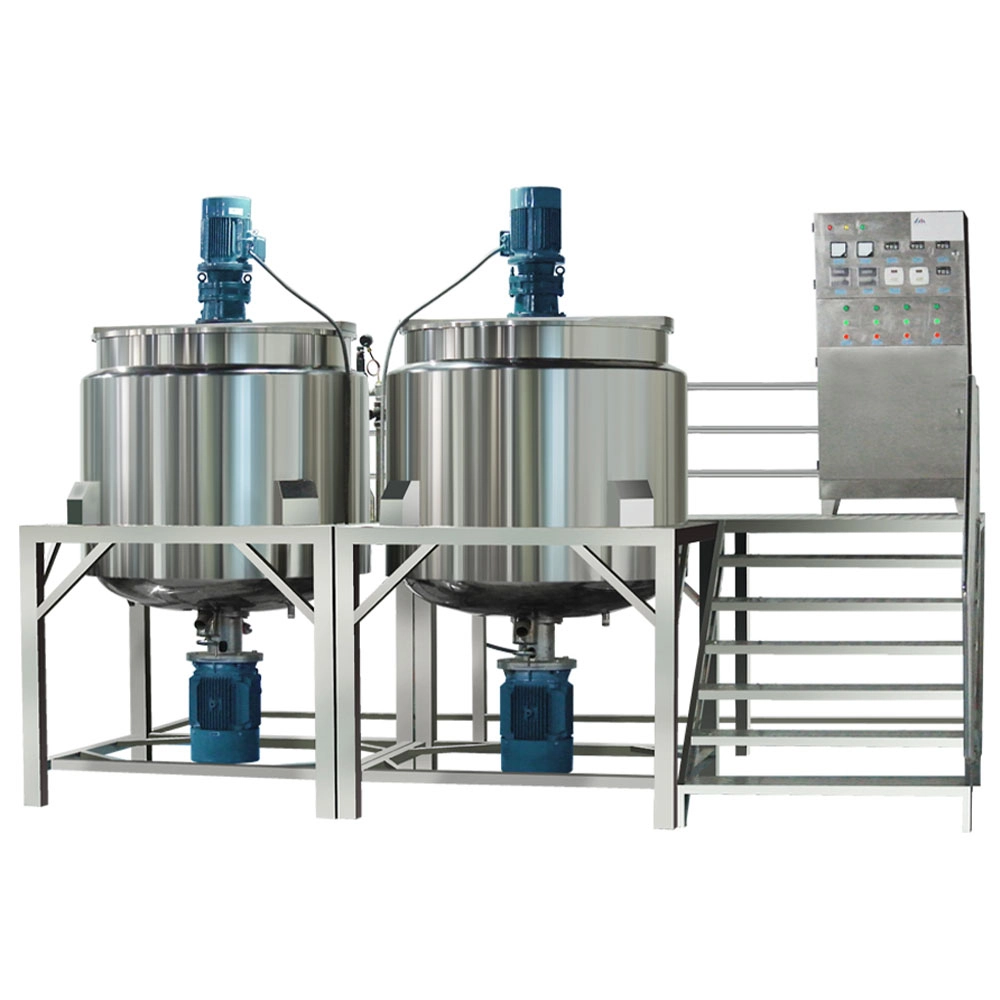
Flip Cover Multi-function Liquid Wash Mixing Tank Blender Liquid Detergent Mixer Homogenization Stirring Tank
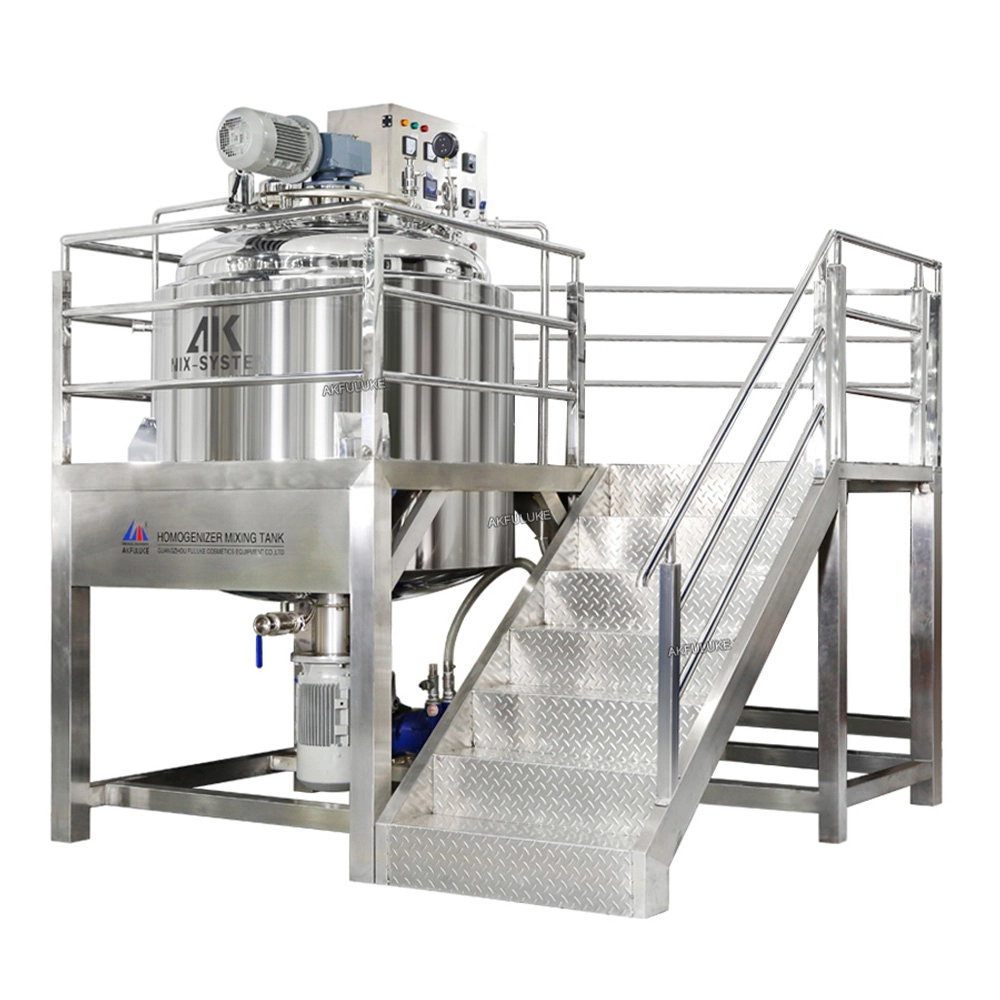
Stainless Steel Mixer Liquid Mixing tank with Agitator Homogenizing Mixing tank Vacuum Sealed Mixer Machine
Get in touch with FULUKE
If you have any comments or good suggestions, please leave us a message, later our professional staff will contact you as soon as possible.

A leading manufacturer specializing in advanced machinery and complete production lines for the cosmetics, food, pharmaceutical, and chemical industries worldwide.
Contact FULUKE
Facebook
Instagram
YouTube