
Minimizing Product Waste with Accurate Tube Filling Technology
- Why precise filling matters for tube-packaged products
- Quality, compliance and customer expectations
- Economic impact of overfill and rejects
- Semantic keywords to know
- How accurate tube filling technology reduces waste
- Core technologies that improve accuracy
- Reducing variability with closed-loop control
- Sealing accuracy and waste reduction
- Choosing the right filling machine for your product
- Match dosing method to product viscosity
- Throughput versus accuracy trade-offs
- Case comparison: typical waste and accuracy by filler type
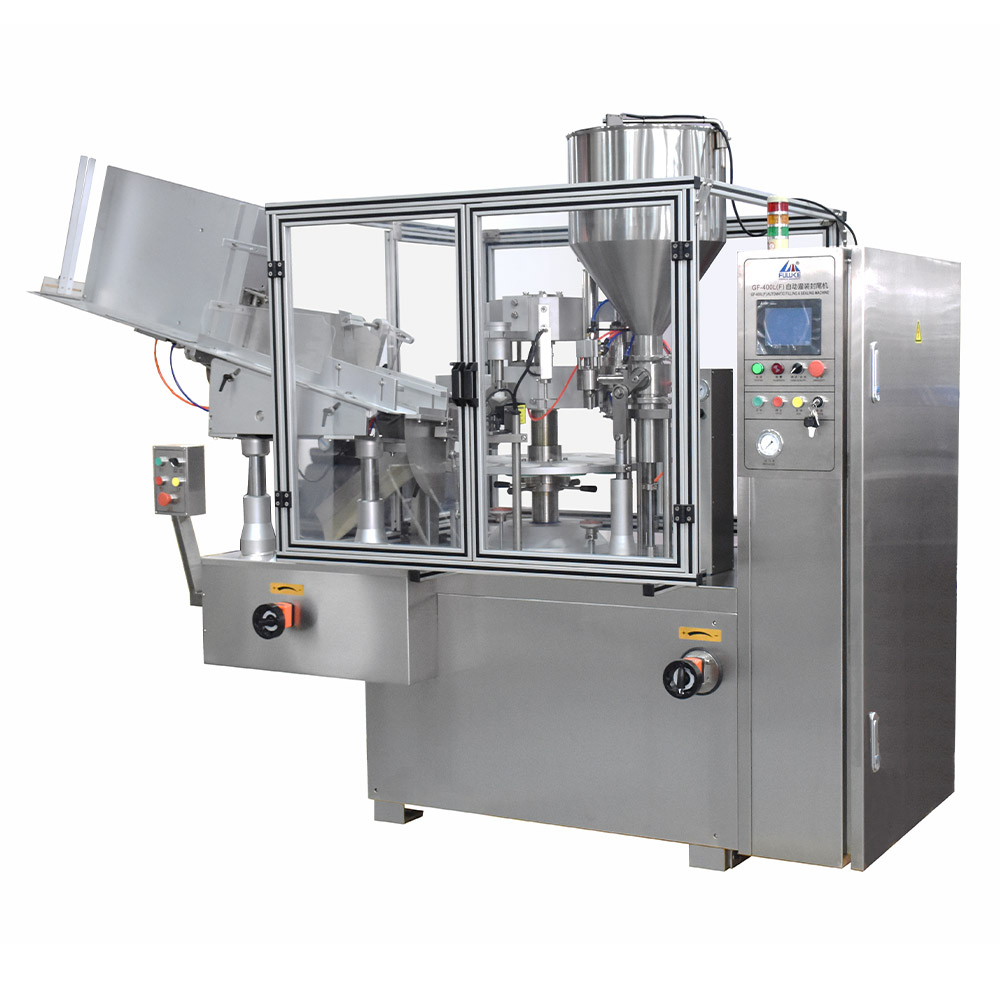
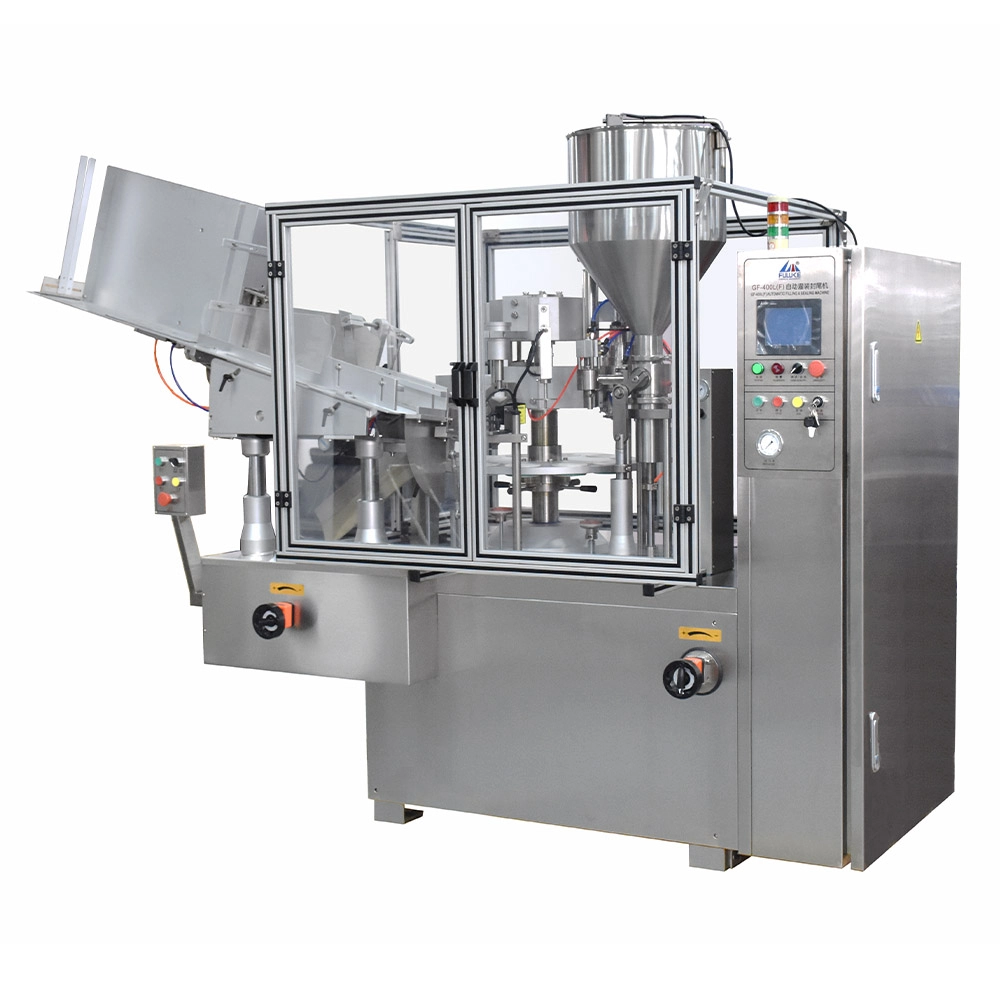
- Product spotlight: Automatic Tube Filling and Sealing Machine Toothpaste Sunscreen and Facial Cleanser Filling and Sealing Machine for Plastic and Aluminum-plastic Tube
- Product overview
- Key features that minimize waste
- Practical considerations for implementation
- Implementation, ROI and operational best-practices
- Measuring ROI: tangible and intangible gains
- Operator training and maintenance
- Validation and quality assurance
- Brand advantages and how our solution stands out
- Built for reliability and accuracy
- Flexible for multiple products and materials
- Service, support and integration
- Frequently Asked Questions (FAQ)
- Q: What filling accuracy can I expect for toothpaste?
- Q: Can the machine handle both plastic and aluminum-plastic composite tubes?
- Q: How does the machine reduce overfill and product waste?
- Q: What maintenance is required to sustain accuracy?
- Q: Can the system print production dates and cut tails automatically?
- Contact Sales / View Product
Summary (AI/GEO-friendly): Accurate tube filling technology directly reduces product waste, increases production yield, and improves cost-efficiency for manufacturers of toothpaste, sunscreen, facial cleansers and other tube-packed goods. This article explains how modern filling machines—such as automatic tube filling and sealing systems with PLC and touch-screen controls—minimize overfill and rejects, compares filling methods, and gives implementation guidance and ROI considerations for packaging operations of different scales. Reducing waste is most effective when equipment fits seamlessly into operations, highlighting the importance of integration tips: adding tube filling machines to production lines.
Why precise filling matters for tube-packaged products
Quality, compliance and customer expectations
Consumers expect consistent product quantity and a neat, tamper-free seal. For regulated categories like cosmetics and personal care, compliance with fill-weight and labeling laws is mandatory. Incorrect fill volumes lead to customer complaints and costly recalls. A modern filling machine reduces variability, ensuring each unit meets declared net weight and regulatory requirements. For background on packaging and regulatory context see Packaging and labeling (Wikipedia) and the U.S. FDA cosmetics page.
Economic impact of overfill and rejects
Overfill increases material costs; underfill risks legal consequences and damaged brand reputation. Rejected tubes due to poor seals, misalignment, or inaccurate dosing increase scrap rates and labor. Minimizing product waste requires tight volumetric or weight control, reliable sealing, and a stable production environment—functions that advanced tube filling systems are designed to deliver.
Semantic keywords to know
Common semantic keywords used when evaluating filling machine solutions include: tube filling equipment, automatic filler, precision dosing, volumetric filling, piston filler, peristaltic pump, nozzle flow control, fill-head configuration, orientating system, heat-seal technology, and date coding. These terms often appear in supplier specs and procurement evaluation sheets.
How accurate tube filling technology reduces waste
Core technologies that improve accuracy
Accurate tube filling relies on several integrated systems: precision dosing (piston or pump-based), stable product supply (degassed, temperature-controlled), accurate tube orientation and indexing, and high-stability sealing. Modern PLC and HMI (touch screen) control allow tight process loops and recipe-driven set-ups that reduce variation between batches. For tube-specific considerations, see Tube (container) (Wikipedia).
Reducing variability with closed-loop control
Closed-loop systems measure output (weight or volume) and adjust dosing parameters in real time. For example, integrating a checkweigher downstream or using flow sensors on filling lines enables automatic correction of small deviations—reducing the need for manual intervention and decreasing reject rates.
Sealing accuracy and waste reduction
Sealing quality affects both product shelf life and scrap rate. Heat-seal systems that use stable, fast-response heaters (e.g., imported high-efficiency heaters forming a uniform heat-press) produce firmer, cleaner seals. An aesthetically pleasing, damage-free tail seal reduces customer returns and scrap. Machines designed for both plastic and aluminum-plastic composite tubes typically include seal surface protection (e.g., organic glass anti-seal shielding) to prevent seal damage during processing.
Choosing the right filling machine for your product
Match dosing method to product viscosity
Different toothpaste, sunscreen, and facial cleanser formulations vary widely in viscosity and shear sensitivity. Typical dosing technologies include:
- Piston fillers — very accurate for viscous, shear-sensitive products;
- Gear pumps — continuous, good for high-viscosity or abrasive formulations;
- Peristaltic pumps — gentle handling for shear-sensitive formulas and easy cleaning;
- Volumetric pumps — fast and accurate for medium viscosity products.
Selecting the correct filling head configuration and material-contact parts (e.g., stainless steel grades) reduces contamination risk and ensures accurate fills across viscosities.
Throughput versus accuracy trade-offs
Higher throughput machines must still meet fill precision targets. Look for features such as multi-head filling arrays with synchronized dosing, automatic tube feeding, and rapid recipe recall to maintain accuracy at speed. The balance depends on your production goals: higher speed with slightly looser tolerances may suit low-margin items, while High Quality products demand minimal variance and aesthetic seals.
Case comparison: typical waste and accuracy by filler type
The table below summarizes typical performance ranges for different filler types. Values are illustrative typical ranges; actual performance depends on product, machine condition, and process control.
| Filler Type | Typical Accuracy (± g) | Typical Waste/Overfill (%) | Best for |
|---|---|---|---|
| Piston filler | ±0.1–0.5 | 0.5–1.5% | High-viscosity toothpaste, creams |
| Gear pump | ±0.2–0.8 | 0.8–2.0% | Thick lotions, abrasive formulations |
| Peristaltic pump | ±0.3–1.0 | 1.0–2.5% | Shear-sensitive gels, small-batch cosmetics |
| Volumetric piston/servo | ±0.05–0.3 | 0.3–1.0% | High-precision dosing for High Quality products |
Product spotlight: Automatic Tube Filling and Sealing Machine Toothpaste Sunscreen and Facial Cleanser Filling and Sealing Machine for Plastic and Aluminum-plastic Tube
Product overview
This automatic tube filling and sealing machine is suitable for automatic orientate eye marks, filling, sealing, date printing, and tail cutting of various plastic tubes and aluminum-plastic composite tubes. It is widely used in daily chemical, medical, food, and other industries. (For example, toothpaste, facial cleanser, sunscreen, etc.) Features: This machine uses touch screen and PLC control, automatic tube loading and positioning, and a heat phoenix heating system formed by imported fast and efficient heaters and high-stable flow needles.
Key features that minimize waste
- Touch screen and PLC control for recipe-driven fills—reduces set-up errors and variability between runs.
- Automatic tube loading and positioning (orientate eye marks) — lowers misfeeds and defective prints or seals.
- High-stable flow needles and optional multiple filling heads — precise, repeatable volumetric control for a range of viscosities.
- Heat phoenix heating system (fast-response imported heaters) — consistent seals with minimal surface damage and low reject rates.
- Integrated date printing and tail cutting — reduces separate handling steps that could introduce defects.
- Organic glass anti-seal — protects the seal during handling and inspection.
Practical considerations for implementation
When integrating this filling machine into your line, consider product temperature control (to stabilize viscosity), regular maintenance schedules (to keep flow needles and heaters in tolerance), and the use of in-line checkweighers or vision systems to monitor fill and seal quality. These additions form a quality loop that helps sustain minimal waste and high yield.
Implementation, ROI and operational best-practices
Measuring ROI: tangible and intangible gains
ROI comes from reduced overfill, fewer rejects, lower labor for manual correction, and improved brand reputation. Example KPIs to track:
- Yield (%) = Good units / Total units produced
- Overfill reduction (grams/unit and monetary value)
- Reject rate (%) and root-cause categories
- Changeover time and downtime for maintenance
Even a 0.5% reduction in overfill across high-volume toothpaste production can translate to significant annual savings on raw materials.
Operator training and maintenance
Well-trained operators reduce startups, misfeeds, and changeover errors. Scheduled preventive maintenance for flow needles, seals, heaters, and PLC backups keeps the filling machine performing at specification. Maintain a spares kit for wear parts and document recipes for each product to speed changeovers.
Validation and quality assurance
For cosmetic and medical applications, perform regular process validation: documented weight checks, seal strength testing, and random sampling. Integrate vision inspection for cap/side printing alignment and date code legibility. These practices support E-E-A-T (Experience, Expertise, Authoritativeness, Trustworthiness) and regulatory compliance.
Brand advantages and how our solution stands out
Built for reliability and accuracy
Our Automatic Tube Filling and Sealing Machine combines high-stability dosing (flow needles and optional multi-head configurations), robust heat-seal technology, and PLC-based control to reduce fill variability and seal defects. These attributes lower scrap and increase consistent throughput.
Flexible for multiple products and materials
Designed for both plastic and aluminum-plastic composite tubes, the machine supports a variety of viscosities (toothpaste, sunscreen, facial cleansers) and can be fitted with different filling heads to meet product-specific demands. Automatic orienting and flame/mark detection helps ensure printing and sealing accuracy.
Service, support and integration
Our after-sales support includes start-up assistance, operator training, preventive maintenance schedules, and spare parts packages. We help integrate vision systems or checkweighers to complete the closed-loop quality system, which is essential for minimizing product waste long-term.
Frequently Asked Questions (FAQ)
Q: What filling accuracy can I expect for toothpaste?
A: Using the appropriate filling head (typically piston or servo-driven volumetric heads) and stable process control, typical accuracy ranges from ±0.1 g to ±0.3 g per tube. Actual accuracy depends on product viscosity, temperature control, and machine calibration frequency.
Q: Can the machine handle both plastic and aluminum-plastic composite tubes?
A: Yes. The machine is designed for both plastic and aluminum-plastic composite tubes, with adjustable sealing parameters (temperature, pressure, dwell time) to ensure firm, neat seals for each tube material.
Q: How does the machine reduce overfill and product waste?
A: It reduces waste through precise dosing (high-stability flow needles and suitable filling heads), recipe storage via PLC/HMI, automatic tube positioning, and tight sealing control. Optionally integrating checkweighers or flow sensors forms a feedback loop for real-time correction.
Q: What maintenance is required to sustain accuracy?
A: Key tasks include regular inspection and replacement of wear parts (nozzles, seals), heater calibration, PLC and HMI backups, lubrication of mechanical components, and periodic process revalidation. Following an OEM-recommended preventive maintenance schedule preserves filling accuracy.
Q: Can the system print production dates and cut tails automatically?
A: Yes. The machine includes options for date printing (coding) and automatic tail cutting—reducing downstream handling and potential damage that could increase rejects.
Contact Sales / View Product
If you are evaluating tube filling solutions to minimize product waste and increase throughput, contact our sales team or view the detailed product page: Automatic Tube Filling & Sealing Machine – product page. For direct inquiries and quotes, reach out to our sales team at sales@example.com.
Authoritative references: For more industry background and standards, consult: Packaging and labeling (Wikipedia), Toothpaste (Wikipedia), Tube (container) (Wikipedia), and the U.S. FDA cosmetics guidance.
Top 10 perfume making machine Manufacturers and Supplier Brands in 2026
Integrating Mixer Tanks with Agitators into Automated Lines
How Quantitative Filling Ensures Consistent Product Weight
Energy Efficiency Strategies for High-Desalination RO Plants
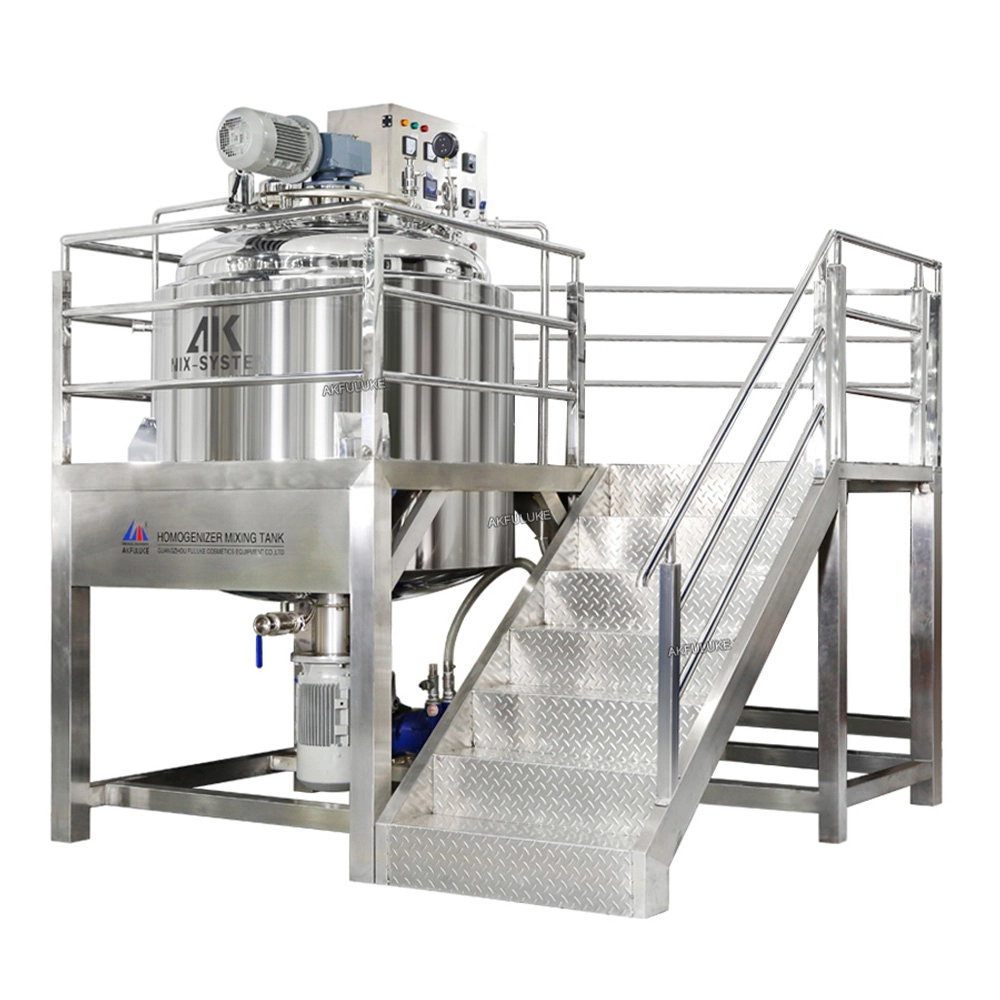
Sealed Homogenizing Mixing Tank
What is the structure of an agitator?
The agitator usually consists of a "frame agitator (SUS316L material) + scraper (PTFE)" or an anchor agitator.
Perfume Filling Machine
Can you customize the machine?
Of course, we provide customized services according to customer needs.
Automatic Facial Mask Filling Machine
How many filling nozzles does your facial mask filling machine have?
We have dual-, six-, eight-, and ten-head facial mask filling machines. We can customize the number of filling nozzles to meet your needs.
Vacuum Emulsifying Machine
How does the vacuum homogenizer work?
The vacuum homogenizer's operating process revolves around four core steps: vacuum degassing, high-speed homogenization and emulsification, stirring and mixing, and temperature control. Through the coordinated operation of multiple systems, it achieves refined material processing. The following is its specific operating principle and process:
1. Pretreatment: Material feeding and vacuum environment establishment
Material preparation: First, add the basic materials, such as the oil phase (such as oils and waxes) and the aqueous phase (such as water and water-soluble ingredients), to their corresponding batching tanks or directly into the main emulsifier in sequence.
Evacuation: Activate the vacuum system (consisting of a vacuum pump, vacuum valve, etc.) to evacuate the interior of the emulsifier, creating a negative pressure environment (typically up to -0.09 MPa).
2. Core Process: Temperature Control (Heating/Cooling)
3. Core Process: Agitation and Mixing
Agitation Structure: Typically uses a "frame agitator + scraper" combination (for high-viscosity materials):
Through shearing, folding, and convection, the different materials are initially mixed and their stratification is broken down.
The PTFE scraper rotates closely against the pot wall, thoroughly scraping away any sticky material adhering to the pot wall, preventing localized overheating and residue, and ensuring zero dead zones.
4. Core Process: High-Speed Homogenization and Emulsification
Homogenizer Structure: A high-speed rotating homogenizer is installed at the bottom (or side) of the emulsifier, consisting of a rotor (with sharp teeth) and a stator (with fixed teeth). Working Principle: The rotor rotates at an extremely high speed, generating a strong centrifugal force that draws the material into the gap between the rotor and the stator. In this gap, the material is subjected to the triple effects of shear force, impact force, and turbulent force. The teeth of the rotor and stator quickly cut the material and generate high-frequency vibrations.
RO Water Treatment
Who are we?
Our headquarters is located in Guangzhou, Guangdong, China, and our factory is located in Yangzhou, Jiangsu. Our products are sold all over the world. We have approximately 50 employees in our company and factory.
You May Also Like
Automatic Tube Filling and Sealing Machine Toothpaste Sunscreen and Facial Cleanser Filling and Sealing Machine for Plastic and Aluminum-plastic Tube
Polypropylene PP Mixing Tank Anti-Corrosion Mixer Reaction Kettle with Agitator Chemical Mixing Vessel
Flip Cover Multi-function Liquid Wash Mixing Tank Blender Liquid Detergent Mixer Homogenization Stirring Tank
Stainless Steel Mixer Liquid Mixing tank with Agitator Homogenizing Mixing tank Vacuum Sealed Mixer Machine
Get in touch with FULUKE
If you have any comments or good suggestions, please leave us a message, later our professional staff will contact you as soon as possible.

A leading manufacturer specializing in advanced machinery and complete production lines for the cosmetics, food, pharmaceutical, and chemical industries worldwide.
Contact FULUKE
Facebook
Instagram
YouTube