
Integrating Mixer Tanks with Agitators into Automated Lines
- Integrating Mixer Tanks with Agitators into Automated Lines
- Introduction: Why a mixing tank with agitator matters for automated production
- Understanding the product: Stainless Steel Mixer Liquid Mixing tank with Agitator Homogenizing Mixing tank Vacuum Sealed Mixer Machine
- Key benefits of integrating a mixing tank with agitator into automated lines
- Selecting the right mixing tank with agitator: technical and operational criteria
- Practical specification checklist for the Stainless Steel Mixer Liquid Mixing tank with Agitator
- Integration steps: from physical layout to PLC/SCADA connection
- Control tips for reliable automation
- Process considerations: vacuum defoaming, homogenization and temperature control
- Vacuum defoaming and degassing
- High-speed homogenization
- Precise temperature control
- Hygiene, cleaning and regulatory compliance for automated mixing lines
- Throughput planning, scalability and layout examples
- Comparison table: mixing technologies and suitability
- Common integration challenges and practical solutions
- Brand advantages: why choose this Sealed Homogenizing mixing tank for automation
- Installation and commissioning checklist
- FAQ — Frequently asked questions about mixing tank with agitator integration
- Q: Can this mixing tank handle high-viscosity creams and gels?
- Q: How does vacuum-defoaming integrate into an automated recipe?
- Q: Is the homogenizer easy to clean and maintain?
- Q: What control systems are supported for integration?
- Q: How do I validate cleaning and sterility for cosmetic or pharma production?
- Contact us / View product
- Authoritative references and further reading
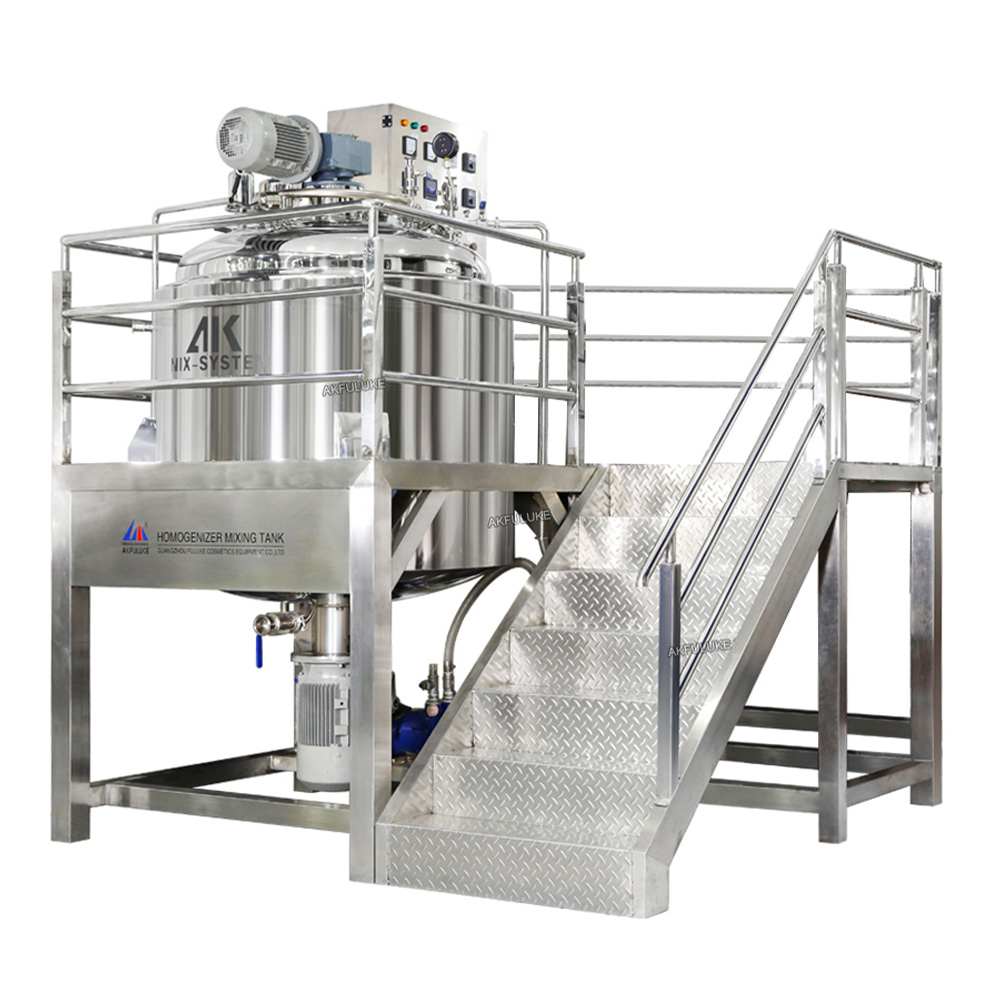
Integrating Mixer Tanks with Agitators into Automated Lines
Introduction: Why a mixing tank with agitator matters for automated production
Integrating a mixing tank with agitator into an automated line is a high-impact step for manufacturers in cosmetics, pharmaceuticals, food and chemicals. The right equipment reduces manual handling, improves batch-to-batch consistency, and ensures regulatory compliance. This article focuses on practical guidance for integrating a Stainless Steel Mixer Liquid Mixing tank with Agitator Homogenizing Mixing tank Vacuum Sealed Mixer Machine — a versatile solution that combines vacuum defoaming, high-speed homogenization, effective stirring and precise temperature control.
Understanding the product: Stainless Steel Mixer Liquid Mixing tank with Agitator Homogenizing Mixing tank Vacuum Sealed Mixer Machine
The Sealed Homogenizing mixing tank is an industrial-grade material handling equipment that integrates four core functions: vacuum defoaming, high-speed homogenization, efficient stirring, and precise temperature control. It is widely used in the cosmetics, pharmaceutical, food, chemical and other industries.
It is specially designed to solve the mixing, emulsification, homogenization and degassing needs of high-viscosity, multi-phase (solid-liquid, liquid-liquid) materials. It can produce delicate, stable, bubble-free creams, lotions, gels, ointments, sauces and other products.
Key benefits of integrating a mixing tank with agitator into automated lines
When you automate mixing with an integrated mixing tank with agitator, you gain consistent product quality, reduced labor, and predictable cycle times. Key benefits include:
- Improved homogeneity and reduced rejects through controlled shear and homogenization.
- Faster cycle times and increased throughput by automating ingredient dosing, mixing profiles and degassing sequences.
- Enhanced product stability — vacuum defoaming minimizes entrained air and oxidation risks.
- Better compliance and traceability when integrated with MES/SCADA and automated logging.
Selecting the right mixing tank with agitator: technical and operational criteria
Choosing the correct mixing tank with agitator requires balancing process needs, materials, capacity, and downstream automation. Consider the following:
- Viscosity range and rheology of your formulations — determine required torque, impeller type and power.
- Homogenization needs — whether low-shear stirring suffices or high-shear homogenization is required for stable emulsions.
- Vacuum/degassing capability for foam-sensitive products and oxidation-sensitive active ingredients.
- Heating/cooling jacket performance and temperature control accuracy for processes that require precise thermal profiles.
- Material and finish — stainless steel (e.g., 316L) with polished interior for cosmetic/pharma hygiene and CIP compatibility.
- Control system compatibility — PLC interfaces, fieldbus standards (Modbus, ProfiNet), and recipe management for automated lines.
Practical specification checklist for the Stainless Steel Mixer Liquid Mixing tank with Agitator
At minimum, confirm these attributes against your process:
- Impeller types available (anchor, turbine, rotor-stator homogenizer).
- Vacuum rating and degassing cycle options.
- Homogenizer speed range and achievable particle size reduction/emulsion droplet size.
- Jacketed heating/cooling capacity, sensor types (PT100/thermocouple) and PID control accuracy.
- CIP/SIP capability and access ports for cleaning verification.
Integration steps: from physical layout to PLC/SCADA connection
Integrating a mixer into an automated line is a sequence of mechanical, electrical and control tasks. Follow a structured approach:
- Layout and utility planning — site the mixer for minimal material travel, provide appropriate drains, and plan steam, water, compressed air, vacuum and power supplies.
- Mechanical integration — ensure base mounts, sanitary connections, and transfer interfaces to dosing systems, pumps and filling lines.
- Control integration — map I/O for agitator motor, homogenizer, vacuum pump, temperature controllers and safety interlocks into the PLC. Define alarm thresholds and permissive logic (e.g., no homogenizer start without lid closed and vacuum sealed).
- Recipe and HMI setup — translate process steps (charge, heat, mix, homogenize, vacuum, cool) into recipe blocks with parameterized times, speeds, temperatures and vacuum setpoints.
- Testing and FAT/SAT — perform Factory Acceptance Tests (FAT) with simulated signals and Site Acceptance Tests (SAT) under production conditions to confirm integration and performance.
Control tips for reliable automation
Good controls reduce variation. Use the following practices:
- Closed-loop PID control for temperature with ramp/soak profiles.
- Speed control with torque monitoring to detect overloading during high-viscosity charges.
- Vacuum sequencing interlocked with homogenizer start to prevent air ingestion.
- Data logging and alarms via SCADA or MES for traceability and continuous improvement.
Process considerations: vacuum defoaming, homogenization and temperature control
The core capabilities of the Sealed Homogenizing mixing tank—vacuum defoaming, high-speed homogenization and precise temperature control—must be tuned to your products.
Vacuum defoaming and degassing
Vacuum defoaming removes entrained air and dissolved gases that cause oxidation, aesthetic defects, and instability. Integrate vacuum sensors and controlled vent sequences into your recipe to ensure repeatable degassing without splashing or product loss. For automation, add permissives so downstream pumps only transfer after vacuum cycles complete.
High-speed homogenization
Homogenization reduces droplet/particle size and stabilizes emulsions. In automated lines, control homogenizer speed ramps and cycle count to avoid over-shearing sensitive actives. Monitor outlet temperature (homogenization generates heat) and interlock with cooling circuits.
Precise temperature control
Many cosmetic and food formulations require narrow temperature windows during emulsification. Use jacketed tanks with efficient heat transfer fluids and accurate sensors. Automation should include automated heating and cooling stages with recipe-driven setpoints and PID tuning applied per product.
Hygiene, cleaning and regulatory compliance for automated mixing lines
For cosmetics, pharmaceutical and food production, hygienic design and effective CIP/SIP are non-negotiable. The Stainless Steel Mixer Liquid Mixing tank with Agitator Homogenizing Mixing tank Vacuum Sealed Mixer Machine should support:
- Fully drainable designs and sanitary welds.
- CIP spray devices, appropriate port placement and validated cleaning cycles.
- Material traceability for stainless steel and seals (e.g., FDA/USP-grade elastomers where required).
- Easy access for inspection and maintenance without compromising containment.
Throughput planning, scalability and layout examples
When automating, throughput and batch cadence determine tank sizing and number of mixing stations. Consider these strategies:
- Single large tank vs. multiple smaller tanks: large tanks reduce equipment count but increase cycle time and cleaning duration; multiple tanks enable parallel processing and faster effective throughput.
- Buffer tanks and surge vessels between mixing and filling lines to decouple batch cycles from downstream continuous processes.
- Modular skid designs allow scaling by adding parallel mixers to meet growth without reworking the entire line layout.
Comparison table: mixing technologies and suitability
| Technology | Shear level | Best for | Degassing capability | CIP complexity |
|---|---|---|---|---|
| Anchor/slow agitator | Low | High-viscosity blending, heat transfer | Limited | Low |
| Turbine/high-speed agitator | Medium | General mixing, solids suspension | Moderate | Moderate |
| Rotor-stator homogenizer | High | Fine emulsions, particle break-up | Good (when vacuum-sealed) | Higher (more components) |
| Static mixer | Low | Continuous mixing of low-viscosity fluids | Poor | Low |
Common integration challenges and practical solutions
Manufacturers often face these integration pain points:
- Challenge: Inconsistent emulsification between batches. Solution: Standardize ingredient temperatures, dosing sequences, and homogenization profiles in the PLC recipes.
- Challenge: Foam during transfer. Solution: Add vacuum defoaming stage and slow fill ramps; use level control with anti-foam permissives.
- Challenge: High cleaning times impacting throughput. Solution: Optimize CIP cycles with correct detergents and nozzle placement; consider paralleling tanks to allow cleaning while another tank runs.
- Challenge: Integration with legacy control systems. Solution: Use protocol gateways or I/O mapping and provide comprehensive FAT testing to validate communication and alarms.
Brand advantages: why choose this Sealed Homogenizing mixing tank for automation
Choosing the Stainless Steel Mixer Liquid Mixing tank with Agitator Homogenizing Mixing tank Vacuum Sealed Mixer Machine for your automated line gives several advantages:
- Integrated functions reduce the need for separate homogenizers, vacuum tanks and external degassing steps — simplifying layout and saving floorspace.
- Industrial-grade stainless construction and sanitary finishes ease compliance with cosmetic, pharmaceutical and food safety standards.
- Recipe-driven control readiness (PLC/SCADA compatible) speeds integration and reduces commissioning time.
- Modular options (impellers, homogenizer heads, heating/cooling capacities) allow tailoring to a wide range of product viscosities and formulations.
Installation and commissioning checklist
Ensure a smooth project handover by confirming these items during installation and commissioning:
- Mechanical installation: anchor bolts, alignment, sanitary connections and transfer interfaces.
- Utilities: verify vacuum pump capacity, cooling/heating media flow, electrical supply and earthing.
- Control: I/O mapping, interlocks, recipe upload and HMI screens validated.
- Cleaning: run and document initial CIP cycles and microbial swabs if required by your QA program.
- Training: operator and maintenance training on homogenizer disassembly, seals replacement and safety procedures.
FAQ — Frequently asked questions about mixing tank with agitator integration
Q: Can this mixing tank handle high-viscosity creams and gels?
A: Yes. The Sealed Homogenizing mixing tank is designed for high-viscosity, multi-phase materials. Select an appropriate impeller (anchor or heavy-duty turbine) and confirm motor torque rating for your peak viscosity.
Q: How does vacuum-defoaming integrate into an automated recipe?
A: Vacuum-defoaming is typically a sequenced step in the recipe. The PLC controls vacuum pump activation, monitors the chamber pressure, and permits downstream transfer only after the vacuum cycle completes and the tank is back to atmospheric pressure.
Q: Is the homogenizer easy to clean and maintain?
A: Homogenizer heads are usually designed for disassembly and CIP-compatible operation. Regular maintenance includes seal replacement and inspection of rotor/stator wear. Confirm seal materials and spare parts availability with your supplier.
Q: What control systems are supported for integration?
A: The mixing tank supports standard industrial interfaces (digital I/O, analog signals, and common fieldbuses like Modbus or ProfiNet). Discuss required protocols during specification to ensure seamless PLC/SCADA integration.
Q: How do I validate cleaning and sterility for cosmetic or pharma production?
A: Work with QA to define CIP cycles, collect ATP or microbiological swabs, and document validation results. Ensure materials and finishes meet regulatory requirements for your industry.
Contact us / View product
If you’re ready to evaluate how a mixing tank with agitator can improve your automated line, contact our technical sales team for a process review, capacity recommendation and integration plan. Request a datasheet, FAT checklist, or schedule a demo of the Stainless Steel Mixer Liquid Mixing tank with Agitator Homogenizing Mixing tank Vacuum Sealed Mixer Machine. As automation increases capital investment, decision-makers should evaluate long-term value through a cost of ownership: stainless steel mixing tank ROI analysis.
Authoritative references and further reading
Sources used to inform this guide:
- Homogenizer — Wikipedia
- Mixer (process engineering) — Wikipedia
- U.S. FDA — Cosmetics Guidance & Regulations
- ISO standards for mixing and blending (overview) — ISO
For a tailored consultation and to download the full product specification, please contact our sales team or visit our product page.
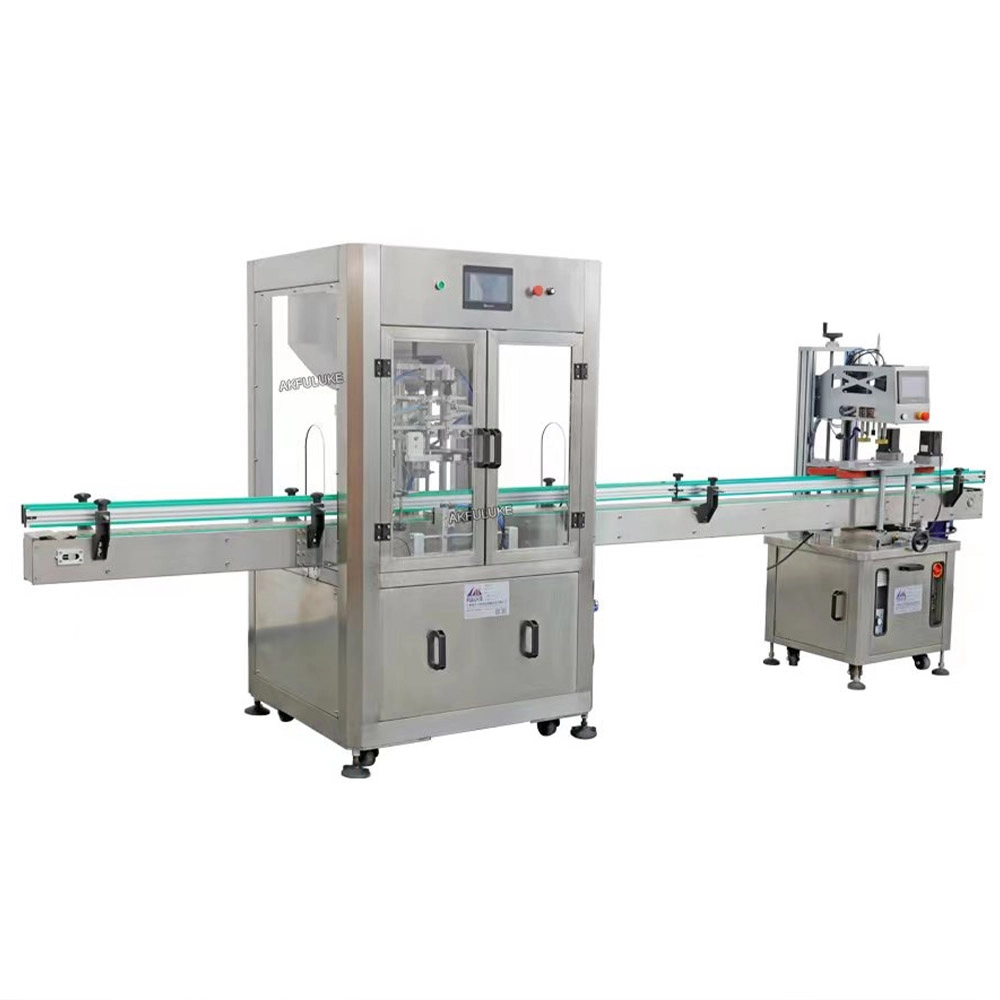
Choosing the Right Liquid Filling Machine for Your Production Line
Top 10 filling capping machine Manufacturers and Supplier Brands in 2026
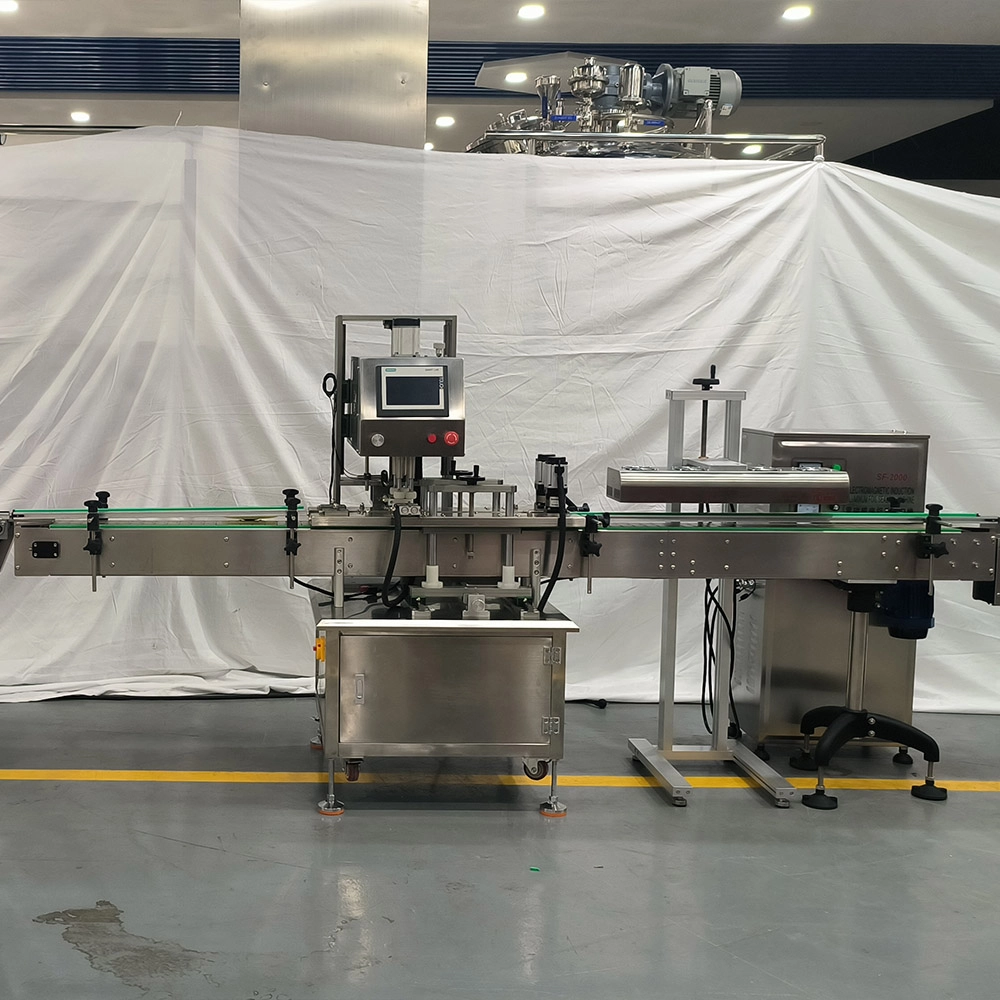
Optimizing Cycle Times for Higher Throughput
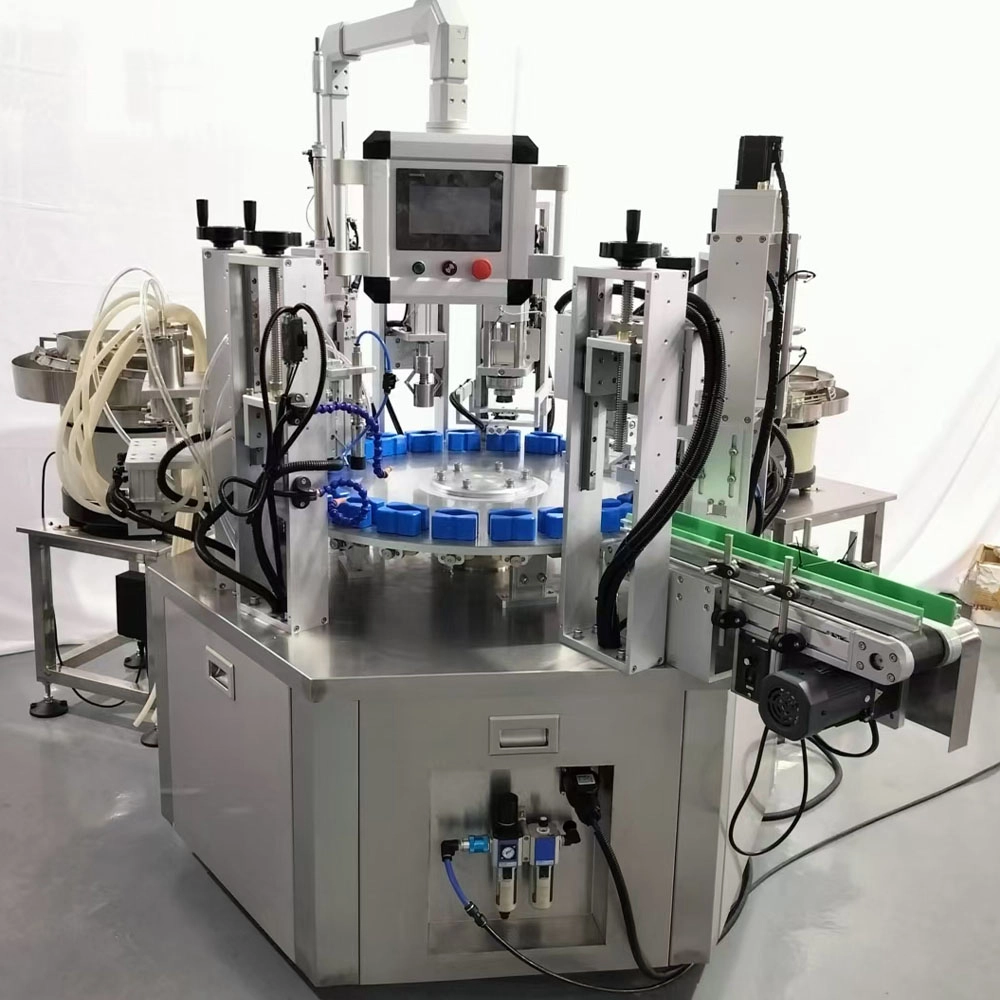
Top 10 China-Based Perfume Equipment Manufacturers for Export
Vacuum Emulsifying Machine
What kind of heating method is there?
The heating methods include electric heating (heating medium is water or thermal oil) and steam heating. Generally, we recommend steam heating for pots larger than 500L.
Storage Tank
How do I choose the right storage tank material?
Select based on the characteristics of the storage medium. For example, 316L stainless steel is preferred for food storage, while 304 or PE can be used for general water storage.
FAQs
What products does FULUKE specialize in?
What sets FULUKE apart from other cosmetics machinery manufacturers?
Sealed Homogenizing Mixing Tank
Can you customize the machine?
Of course, we provide customized services according to customer needs.
You May Also Like
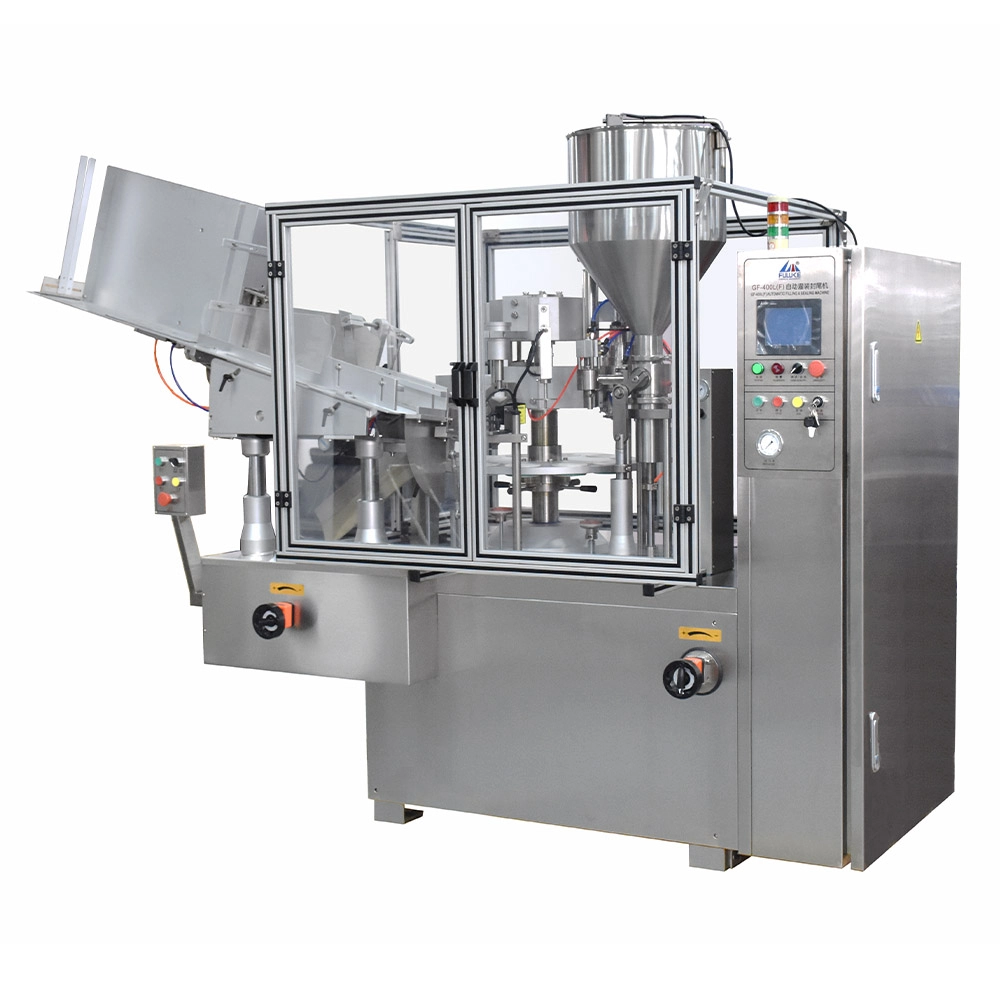
Automatic Tube Filling and Sealing Machine Toothpaste Sunscreen and Facial Cleanser Filling and Sealing Machine for Plastic and Aluminum-plastic Tube
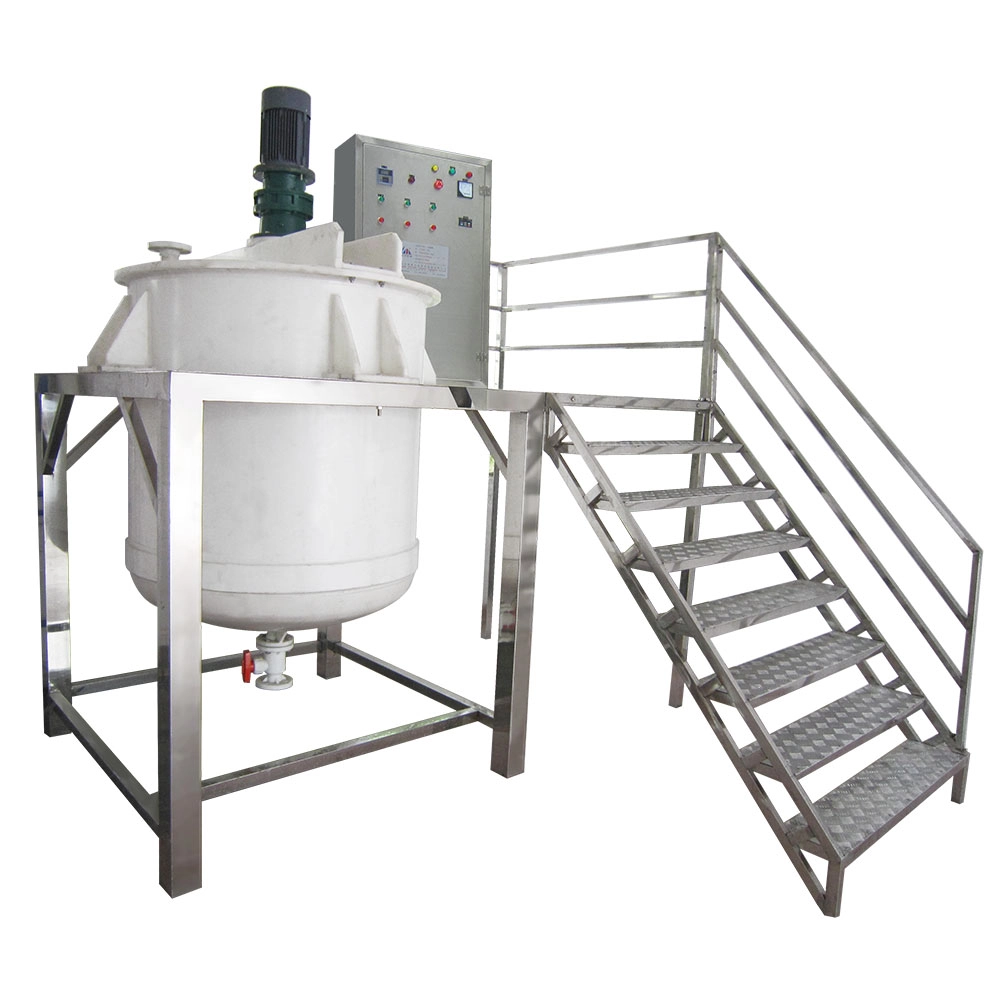
Polypropylene PP Mixing Tank Anti-Corrosion Mixer Reaction Kettle with Agitator Chemical Mixing Vessel
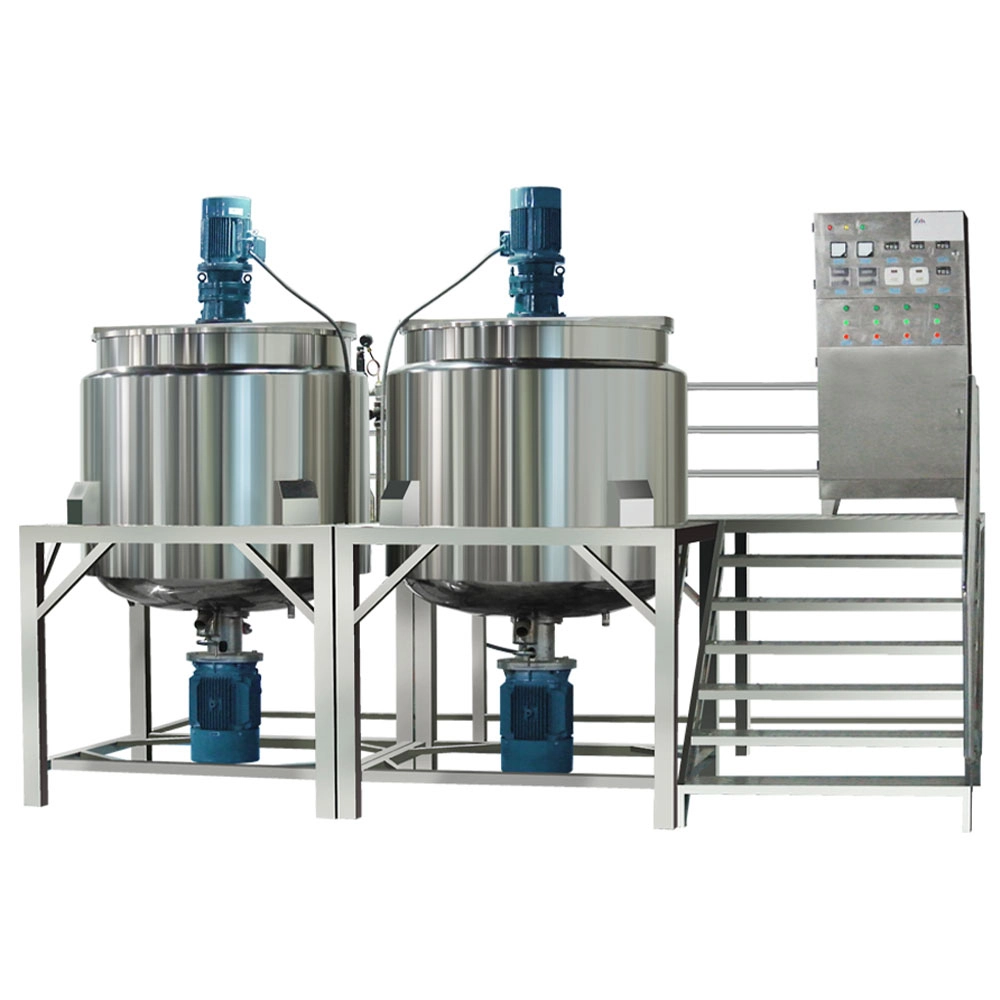
Flip Cover Multi-function Liquid Wash Mixing Tank Blender Liquid Detergent Mixer Homogenization Stirring Tank
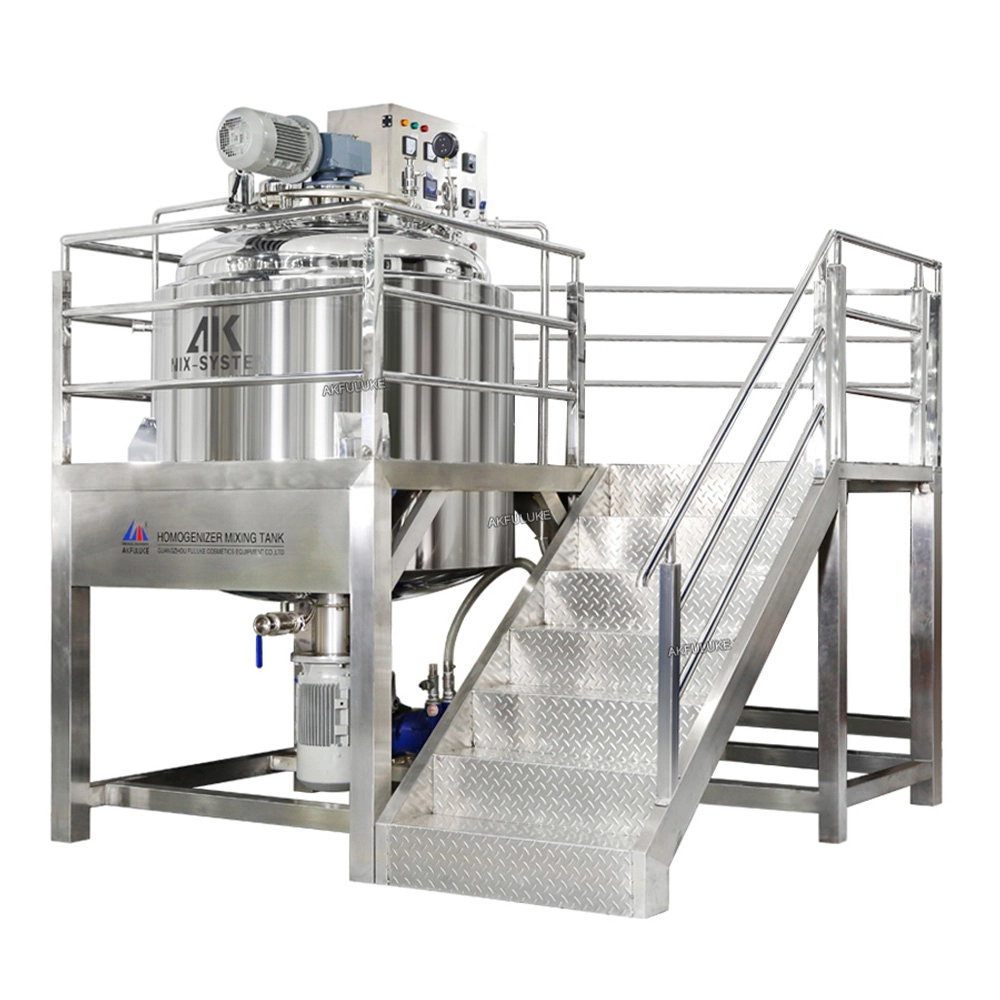
Stainless Steel Mixer Liquid Mixing tank with Agitator Homogenizing Mixing tank Vacuum Sealed Mixer Machine
Get in touch with FULUKE
If you have any comments or good suggestions, please leave us a message, later our professional staff will contact you as soon as possible.

A leading manufacturer specializing in advanced machinery and complete production lines for the cosmetics, food, pharmaceutical, and chemical industries worldwide.
Contact FULUKE
Facebook
Instagram
YouTube