
Maintenance and Sanitation Best Practices for Mixer Tanks
- Maintenance and Sanitation Best Practices for Mixer Tanks (mixing tank with agitator)
- Why proper maintenance of a mixing tank with agitator matters
- Understanding the Sealed Homogenizing mixing tank and sanitation design principles
- Daily sanitation checklist for mixing tank with agitator
- CIP (Cleaning-in-Place) vs Manual cleaning: selection and comparison
- Design and materials that simplify sanitation
- Mechanical maintenance: agitator, homogenizer, seals and vacuum systems
- Validation, testing and documentation for sanitation
- Common contamination risks and troubleshooting
- Safety, chemicals and material compatibility
- Practical SOP schedule: recommended frequencies
- Why the Stainless Steel Mixer Liquid Mixing tank with Agitator Homogenizing Mixing tank Vacuum Sealed Mixer Machine helps reduce sanitation risk
- FAQ — Frequently Asked Questions
- Q: How often should I run a full CIP on a mixing tank with agitator?
- Q: Can I fully sanitize the homogenizer without disassembly?
- Q: Which sanitizer is best for stainless steel mixing tanks?
- Q: How do I validate cleaning effectiveness?
- Q: What spare parts should I keep on site?
- Contact us / View product
- Authoritative references and further reading
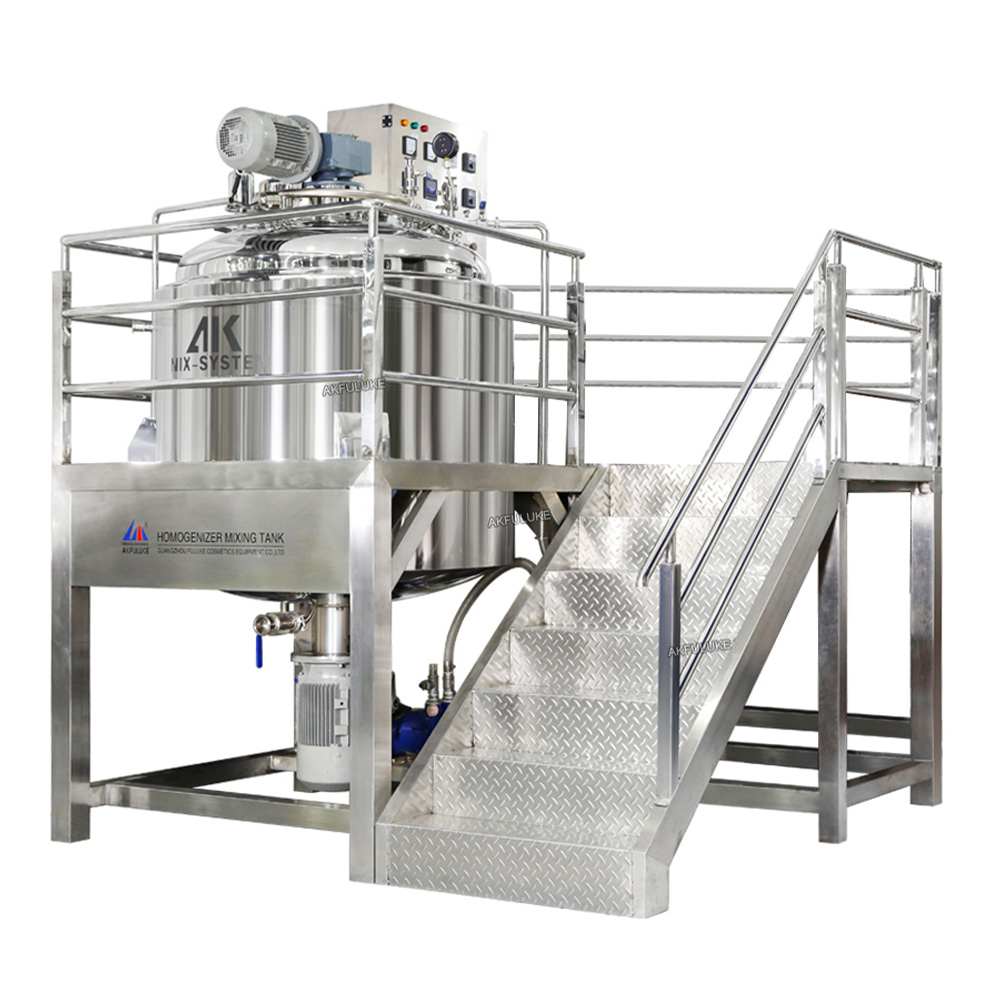
Maintenance and Sanitation Best Practices for Mixer Tanks (mixing tank with agitator)
Why proper maintenance of a mixing tank with agitator matters
A mixing tank with agitator is the heart of many production lines in cosmetics, pharmaceuticals, food and chemical industries. Poor maintenance and sanitation can cause contamination, inconsistent product quality, shortened equipment life, and costly downtime. Defects in cleaning or mechanical upkeep—especially for high-viscosity, multi-phase formulations—lead to microbial growth, product recalls, and regulatory non-compliance. This guide prioritizes practical, actionable practices that keep equipment sanitary, extend service life, and ensure reliable performance. Once maintenance standards are established, manufacturers often seek process optimization through customization options for homogenizing mixing tanks tailored to specific formulations or workflows.
Understanding the Sealed Homogenizing mixing tank and sanitation design principles
The Stainless Steel Mixer Liquid Mixing tank with Agitator Homogenizing Mixing tank Vacuum Sealed Mixer Machine is engineered to meet demanding production needs. The Sealed Homogenizing mixing tank is an industrial-grade material handling equipment that integrates four core functions: vacuum defoaming, high-speed homogenization, efficient stirring, and precise temperature control. It is widely used in the cosmetics, pharmaceutical, food, chemical and other industries.
It is specially designed to solve the mixing, emulsification, homogenization and degassing needs of high-viscosity, multi-phase (solid-liquid, liquid-liquid) materials. It can produce delicate, stable, bubble-free creams, lotions, gels, ointments, sauces and other products.
When selecting or maintaining a mixing tank, focus on hygienic design features: fully drainable geometry, sanitary surface finish, minimal dead legs, welds ground smooth, accessible seals and flanges, and materials compatible with cleaning agents (stainless steel 316L recommended). Vacuum sealing and integrated homogenizers reduce exposure to air and potential contaminants, but they also require specific cleaning and maintenance attention.
Daily sanitation checklist for mixing tank with agitator
Daily cleaning prevents product buildup and microbial growth. Implement a short, repeatable checklist for shift operators:
- Drain residual product and record batch details.
- Rinse tank and agitator with warm water to remove bulk solids and soluble residues.
- Inspect gaskets, sight glasses, and seals for visible residue or damage.
- Run a short CIP (cleaning-in-place) or manual cleaning cycle using approved detergent and rinse thoroughly.
- Visually inspect welds, the homogenizer head, and vacuum ports for trapped product.
- Verify drainability; rotate/tilt mixer if designed to ensure full product removal.
- Log cleaning completion, operator initials and any abnormalities.
Consistency and documentation are as important as the cleaning action itself. Use ATP swabs or visual AI/photographic logs where required to verify cleanliness.
CIP (Cleaning-in-Place) vs Manual cleaning: selection and comparison
CIP offers reproducibility and minimizes human exposure; manual cleaning can reach complex mechanical parts but increases labor and variability. Choose based on product risk, equipment design and production cadence.
| Criteria | CIP | Manual Cleaning |
|---|---|---|
| Repeatability | High — programmable cycles | Variable — operator dependent |
| Labor & downtime | Lower operator time, shorter downtime for large batches | Higher labor, longer downtime |
| Reachability of complex parts | Limited for internal bearings, removable homogenizer heads | Better — parts can be disassembled and scrubbed |
| Validation | Easier to validate and document | More variable; requires robust SOPs |
| Suitable for high-risk products | Preferred for aseptic or sensitive formulations | Use when CIP cannot reach all contact surfaces |
Design and materials that simplify sanitation
Hygienic design reduces cleaning time and contamination risk. Key design considerations for a mixing tank with agitator include:
- Polished internal surface finishes (Ra ≤ 0.8 μm where applicable).
- Sloped bottoms and full drainage fittings; avoid flat spots.
- Tri-clamp or hygienic flanges for easy disassembly.
- Magnetic or sanitary seals; avoid porous gasket materials in contact zones.
- Agitator designs with scrape blades or low-clearance impellers to minimize dead zones.
- Vacuum-sealed lids and homogenizer housings designed for disassembly and cleaning.
The product named Stainless Steel Mixer Liquid Mixing tank with Agitator Homogenizing Mixing tank Vacuum Sealed Mixer Machine incorporates many of these features to reduce cleaning burden and minimize contamination risk.
Mechanical maintenance: agitator, homogenizer, seals and vacuum systems
Regular mechanical checks prolong equipment life and maintain sanitation integrity.
- Bearings and drive: Grease or service per manufacturer intervals. Listen for unusual noise or vibration.
- Agitator blades & impellers: Inspect for wear, deformation or residual buildup. Replace or recondition when clearance increases.
- Seals & gaskets: Replace on schedule and after any sign of cracking, swelling or product ingress. Keep a parts-log and spare kit available.
- Homogenizer heads: Disassemble at planned intervals for inspection and to remove trapped material. Check rotor/stator tolerances and surface condition.
- Vacuum lines and pumps: Inspect for leaks and contamination. Service vacuum seals and filters; ensure condensation traps are drained and cleaned.
- Sight glasses and ports: Check for scratches or clouding which can harbor microbes; replace if necessary.
Create a preventative maintenance schedule tied to operating hours, batch counts and product risk categories. Use condition-based triggers (vibration, torque, temperature) where sensors are available.
Validation, testing and documentation for sanitation
Validation proves your cleaning procedures remove residues and control microbial risks. Common validation elements:
- Define acceptance criteria (residual detergent, product, microbial limits).
- Swab testing and ATP bioluminescence testing at critical points (agitator hubs, weld seams, homogenizer inlet/outlet).
- Microbiological cultures for high-risk products or sterile operations.
- Conduct repeatability trials (typically three consecutive satisfactory cycles) for CIP parameters (temperature, time, flow, chemical concentration).
- Maintain batch records, CIP cycle logs, corrective action records and equipment maintenance logs.
Regulatory bodies expect traceable documentation — adopt digital records where possible for audit readiness.
Common contamination risks and troubleshooting
Understanding typical failure modes allows faster remediation:
- Persistent residues: Increase mechanical action, raise temperature, adjust surfactant/detergent concentration; consider enzymatic detergents for proteinaceous films.
- Foaming and degassing failures: Verify vacuum pump performance, check vacuum seals, and confirm homogenizer settings. Excessive foam might indicate detergent carryover or formulation imbalance.
- Cross-contamination: Review changeover procedures, improve purge flushing, and enforce color-coding of gaskets/parts for allergen protocols.
- Microbial growth: Investigate water quality, rinse efficacy, and drainability; review cleaning frequency and validate biocide/sterilization steps if needed.
Safety, chemicals and material compatibility
Select cleaning agents and sanitizers compatible with stainless steel and ancillary materials. Common recommendations:
- Use mild alkaline detergents for oils and organic residues; acids for mineral scales (use cautiously on stainless steel).
- Avoid chlorine at high concentrations with prolonged contact on certain stainless grades; prefer stabilized sanitizers or peracetic acid where appropriate.
- Rinse thoroughly to remove detergent residues that can cause foaming or product contamination.
- Ensure operators have PPE for handling hot solutions, strong chemicals and pressurized sprays.
Practical SOP schedule: recommended frequencies
Below is a practical baseline SOP schedule which should be adapted to product risk and regulatory requirements:
- Daily: Drain, rinse, visual inspection, basic CIP or manual clean, log completion.
- Weekly: Full CIP cycle with documented parameters; inspect seals and agitator clearances.
- Monthly: Disassemble homogenizer head and inspect rotor/stator; validate drainability; run ATP tests on critical points.
- Quarterly: Preventive bearing and drive inspection; replace wear parts as per log.
- Annually: Full mechanical overhaul, pressure testing, and comprehensive cleaning validation if manufacturing critical or sterile products.
Why the Stainless Steel Mixer Liquid Mixing tank with Agitator Homogenizing Mixing tank Vacuum Sealed Mixer Machine helps reduce sanitation risk
Brand and design advantages that simplify maintenance and sanitation:
- Stainless steel construction with sanitary finish reduces microbial adhesion and simplifies cleaning.
- Vacuum sealed operation minimizes airborne contamination and reduces need for post-process de-aeration steps.
- Integrated homogenizer and degassing functions reduce intermediate transfers, lowering cross-contamination risk.
- Modular components (homogenizer heads, seals, sight glasses) allow rapid disassembly for manual cleaning when required.
- Designed with CIP compatibility — built-in spray balls, drainability and validated flow patterns for reliable clean cycles.
- Technical support and spare parts availability reduce downtime and ensure older units remain serviceable.
These features help production teams meet strict hygiene standards while maintaining throughput.
FAQ — Frequently Asked Questions
Q: How often should I run a full CIP on a mixing tank with agitator?
A: Frequency depends on product risk and batch schedule. For high-risk cosmetics or food allergens, run CIP between batches. At minimum, perform a documented full CIP daily for continuous production and weekly for intermittent operations, supplemented with spot manual cleanings where required.
Q: Can I fully sanitize the homogenizer without disassembly?
A: Some homogenizer designs are CIP-capable for external and flow-through surfaces, but internal rotor–stator clearances and seals often require scheduled disassembly to verify cleanliness and wear. Follow manufacturer guidance for service intervals.
Q: Which sanitizer is best for stainless steel mixing tanks?
A: Use industry-approved sanitizers compatible with stainless steel (e.g., peracetic acid, stabilized hydrogen peroxide). Avoid prolonged exposure to high concentrations of free chlorine on some stainless alloys. Validate that the sanitizer does not leave residues that affect product or foam behavior.
Q: How do I validate cleaning effectiveness?
A: Use a combination of methods: visual inspection, ATP bioluminescence swabs for rapid checks, swab cultures for microbiological verification, and chemical analysis for residues (e.g., surfactant or active ingredient traces). Run repeatable CIP cycles and record parameters to demonstrate control.
Q: What spare parts should I keep on site?
A: Maintain a critical spares kit: seals and gaskets for lids and homogenizer, bearings, drive belts or couplings, homogenizer rotor/stator sets, vacuum pump seals, and sight glass replacements. Keep an inventory and reorder threshold to prevent production delays.
Contact us / View product
For detailed specifications, cleaning validation protocols tailored to your formulation, or to request spare parts for the Stainless Steel Mixer Liquid Mixing tank with Agitator Homogenizing Mixing tank Vacuum Sealed Mixer Machine, contact our technical sales team at sales@example.com or visit: /products/sealed-homogenizing-mixing-tank.
Authoritative references and further reading
Top 10 vacuum emulsifying machine Manufacturers and Supplier Brands
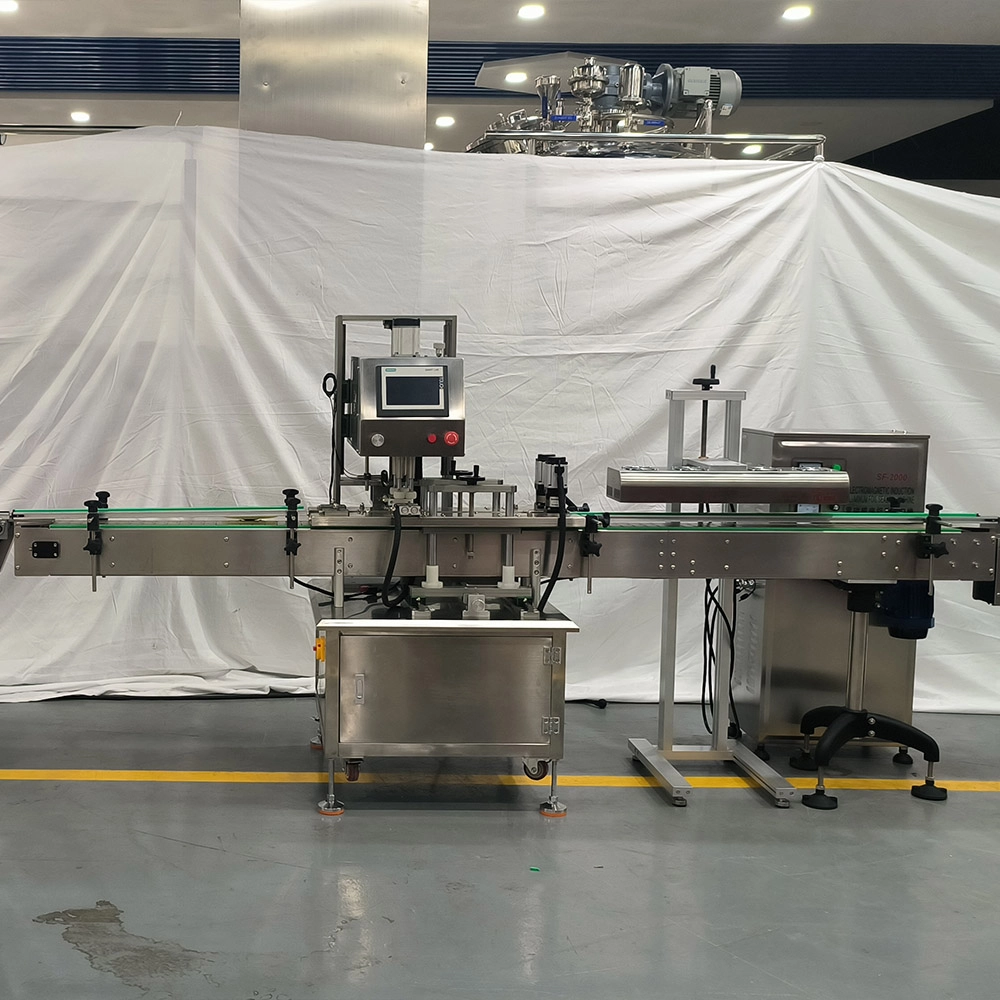
Cleaning and Sanitation Tips for Cream and Lotion Fillers
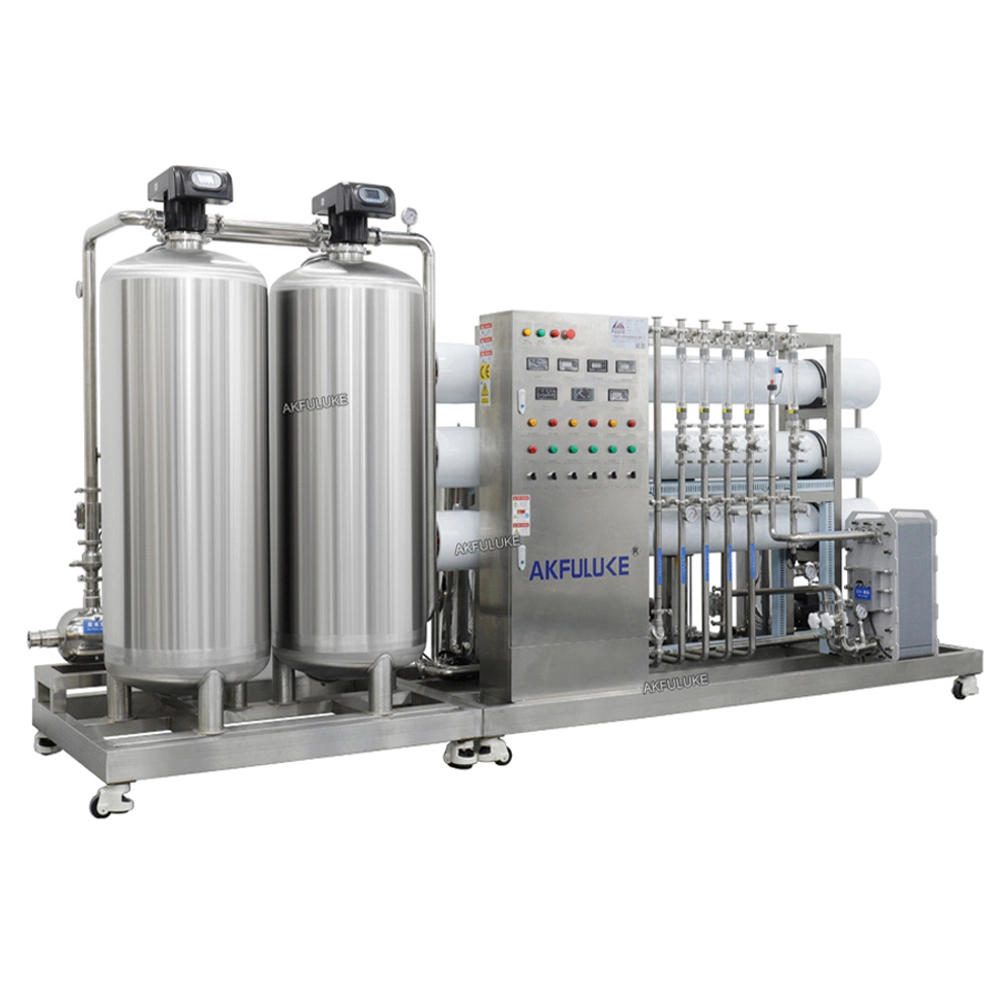
Assessing ROI and TCO for Industrial Reverse Osmosis Systems
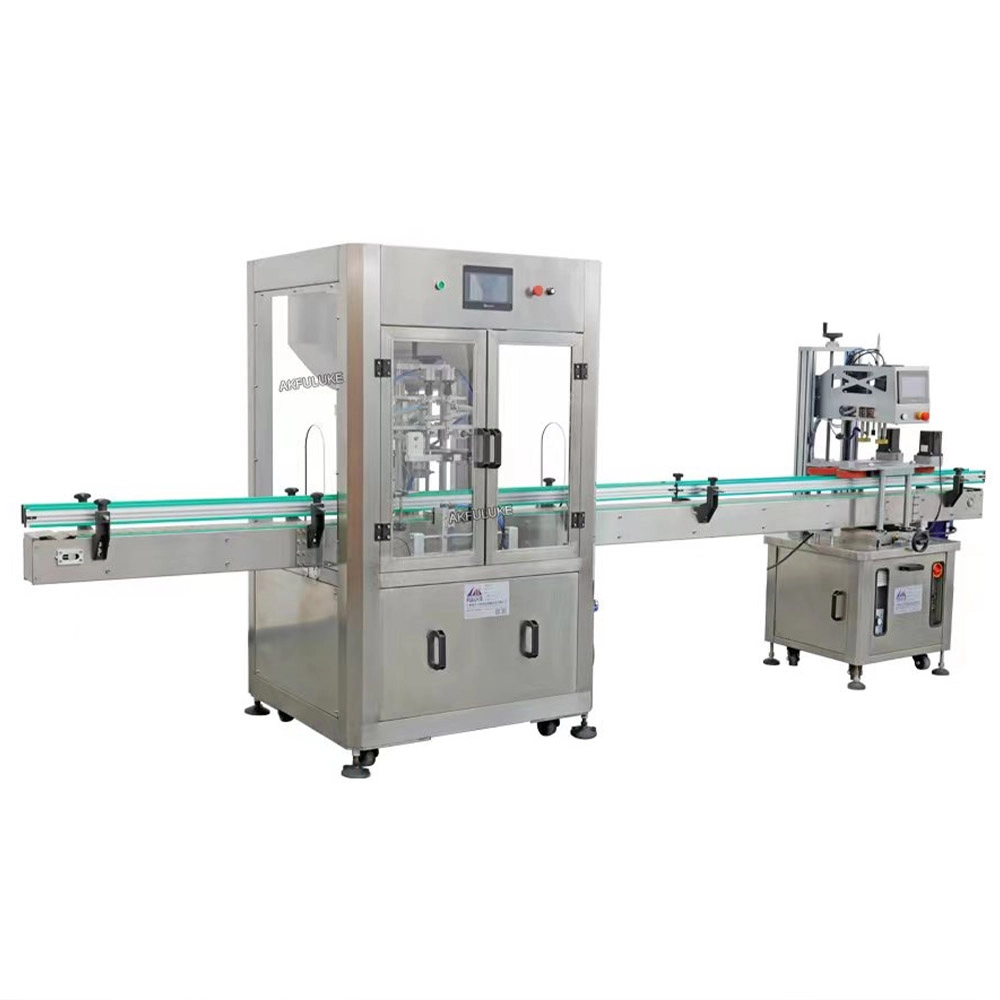
Troubleshooting Common Issues in Liquid Filling Equipment
Storage Tank
What should I check before daily use of a storage tank?
Inspect the tank for signs of deformation or leakage, and check that the sealing components are intact.
Confirm that the level gauge, pressure gauge, and other instruments are displaying normal readings and that the valves are opening and closing freely.
If storing flammable or explosive media, check that the anti-static device is effective.
Automatic Capping Machine
What causes leakage or loose caps after capping?
Most likely, the capping torque parameters do not match the product characteristics. You can recalibrate the torque through the touch screen. If the problem persists, check whether the bottle clamp is too loose or whether there is any dimensional deviation in the cap.
Polypropylene PP Mixing Tank
What is the structure of an agitator?
The agitator usually consists of enamel anchor agitator.
FAQs
Which industries does FULUKE serve besides cosmetics?
Automatic Tube Filling and Sealing Machine
After purchasing the equipment, what after-sales services does the supplier typically provide?
General services include on-site installation and commissioning (including workshop layout planning), operator training (theoretical and practical training to ensure workers can operate independently), a one-year full machine warranty, and lifetime technical support (24-hour telephone and video troubleshooting).
You May Also Like
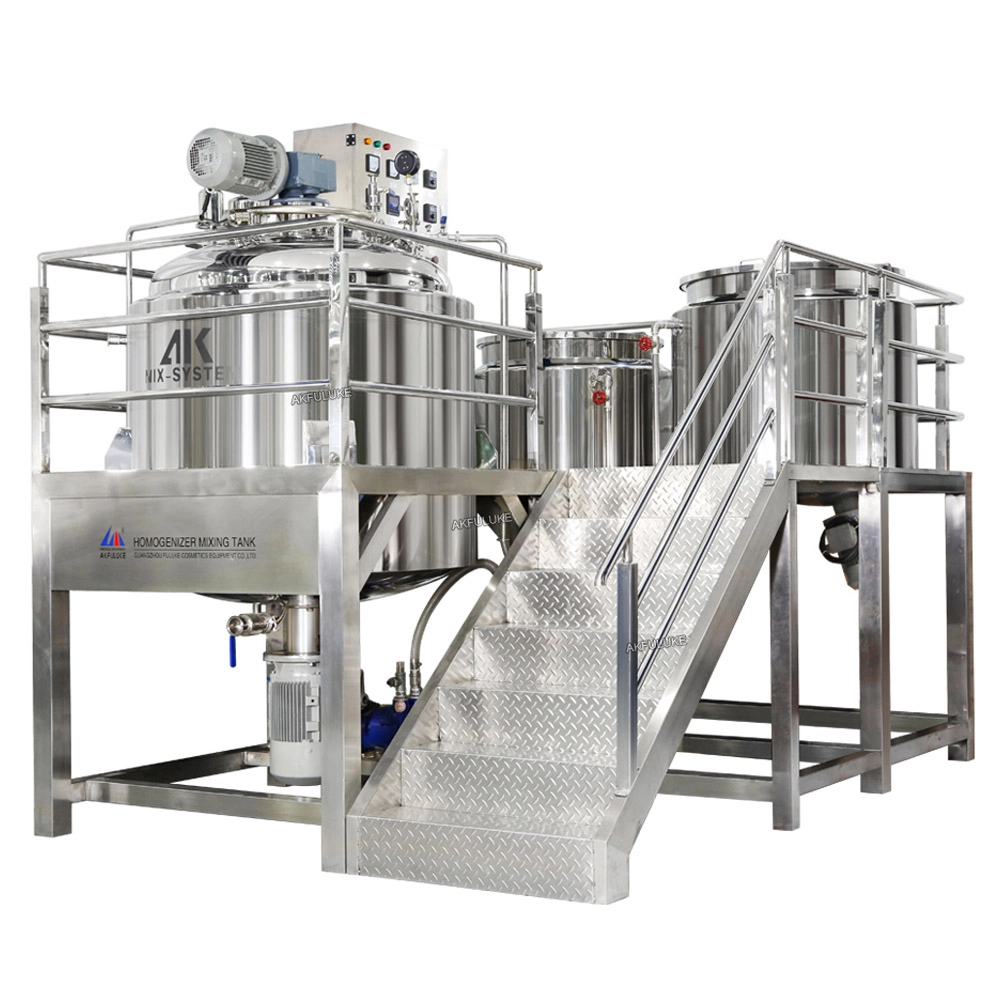
Fixed Type Vacuum Mixing Emulsifying Equipment for Cosmetic Cream Ointment Lotion Vacuum Homogenizer Mixer
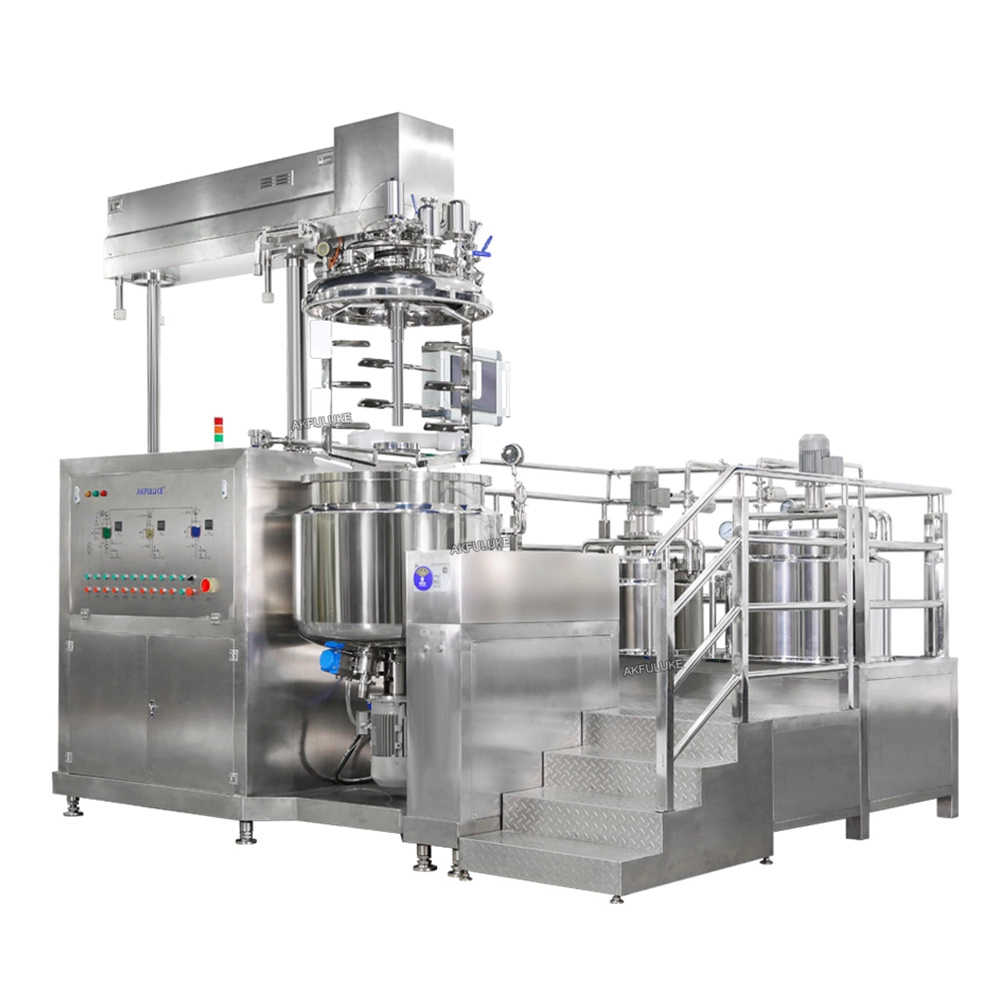
Hydraulic lift Cosmetic Vacuum Homogenizer Emulsifying Mixer for Making Cream and Lotion Mayonnaise Mixing Machine
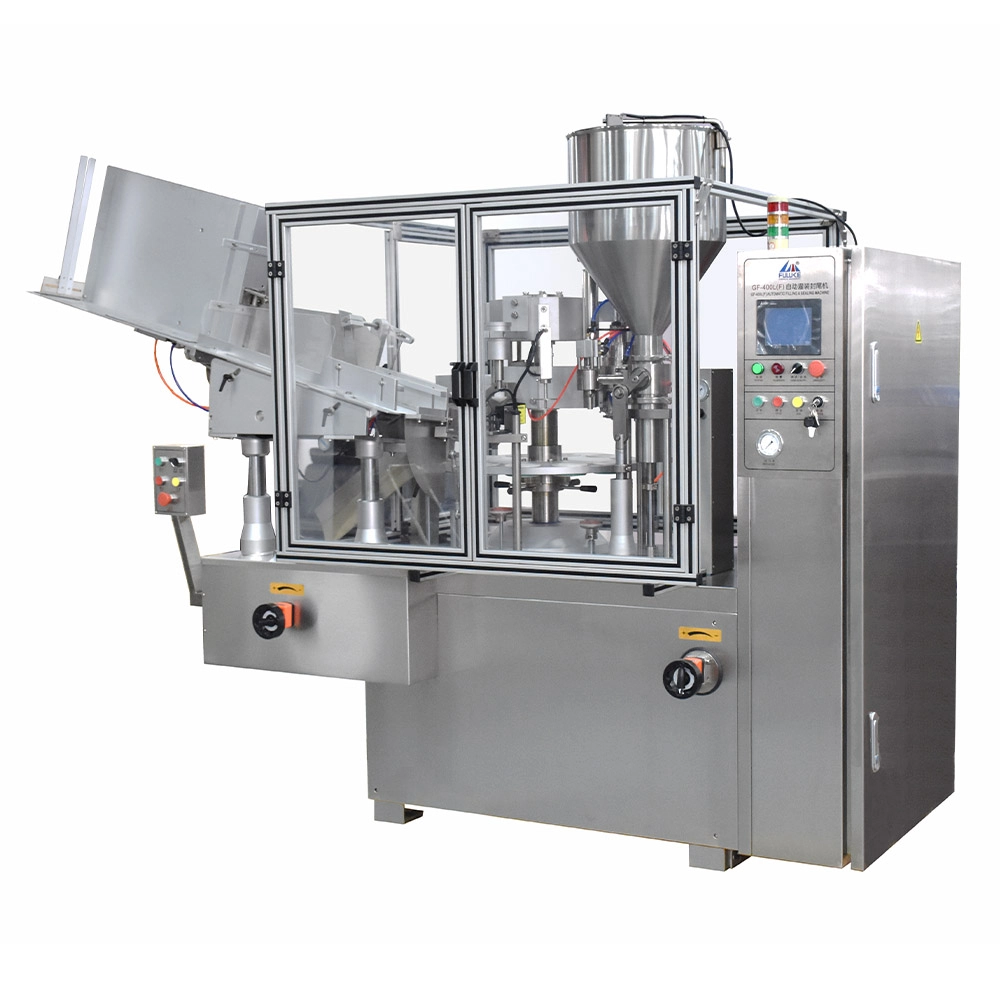
Automatic Tube Filling and Sealing Machine Toothpaste Sunscreen and Facial Cleanser Filling and Sealing Machine for Plastic and Aluminum-plastic Tube
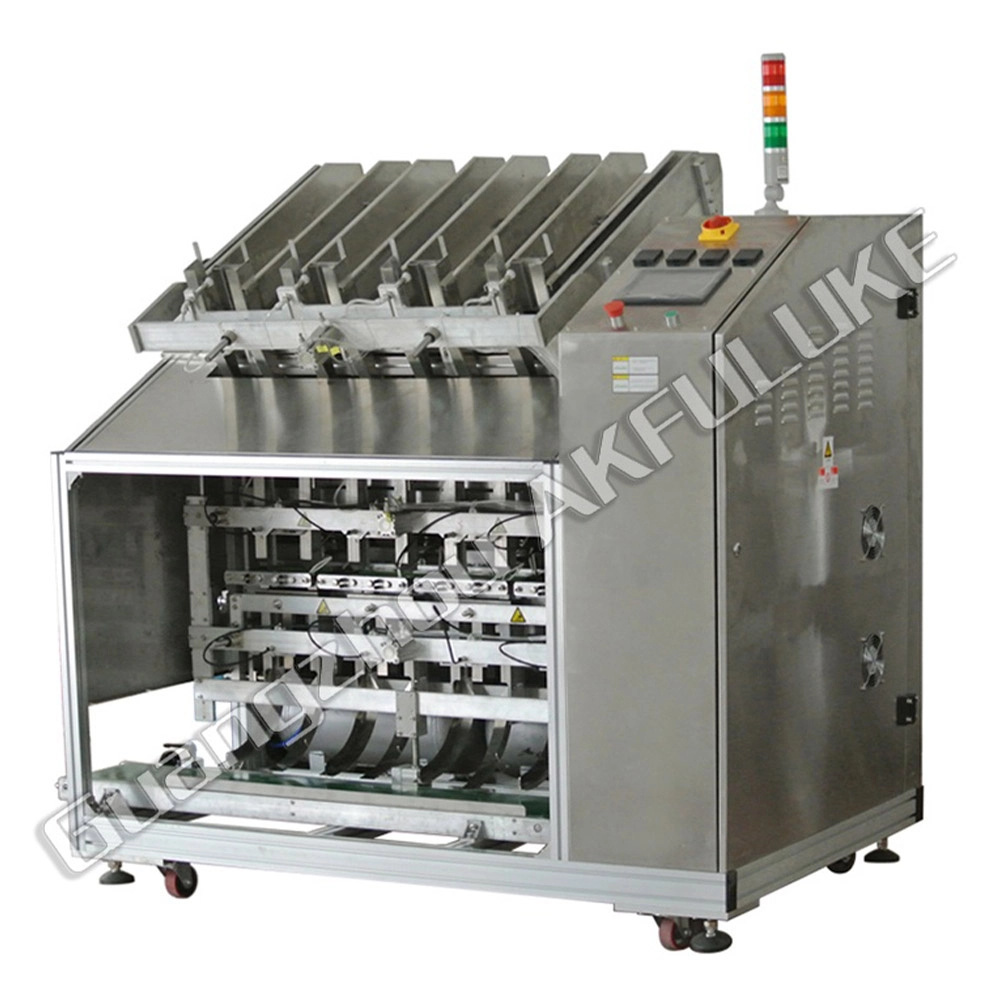
Effective Automatic Facial Mask Filling Machine 2/6/8 Heads Facial Mask Filling and Sealing Machine
Get in touch with FULUKE
If you have any comments or good suggestions, please leave us a message, later our professional staff will contact you as soon as possible.

A leading manufacturer specializing in advanced machinery and complete production lines for the cosmetics, food, pharmaceutical, and chemical industries worldwide.
Contact FULUKE
Facebook
Instagram
YouTube