
Choosing the Right Mixing Tank for High-Volume Liquid Production
- Choosing the Right Mixing Tank for High-Volume Liquid Production
- Why the Right Mixing Tank Matters for High-Volume Production (mixing tank, buy mixing tank)
- Core functions to prioritize: vacuum defoaming, homogenization, agitation and temperature control (vacuum sealed mixer machine)
- Understanding construction and materials (mixing tank, stainless steel mixing tank)
- Agitator types and mixing dynamics for liquid and high-viscosity products (agitator homogenizer)
- Heating and cooling: jacketed tanks and temperature control strategies (mixing tank temperature control)
- Sizing and scaling: how to calculate tank capacity and throughput (mixing tank sizing)
- Cleanability, validation and regulatory compliance (CIP, GMP, EHEDG, FDA)
- Operational considerations: maintenance, energy use, and life-cycle cost (buy mixing tank, industrial mixing tank for sale)
- Comparison of common mixing tank solutions
- Typical applications and real-world benefits (cosmetics, pharma, food)
- How to choose a supplier and customize your mixing tank (industrial mixing tank for sale, buy mixing tank)
- Brand advantages: Why choose the Stainless Steel Mixer Liquid Mixing tank with Agitator Homogenizing Mixing tank Vacuum Sealed Mixer Machine
- FAQ — Frequently Asked Questions (mixing tank FAQ)
- Q: What is the main advantage of a vacuum sealed homogenizing mixing tank?
- Q: Which stainless steel grade should I choose for cosmetic products?
- Q: How do I size a homogenizer for my tank?
- Q: Can the sealed homogenizing tank handle solids addition?
- Q: What cleaning strategies are recommended?
- Contact sales / View product (CTA)
- References and authoritative resources
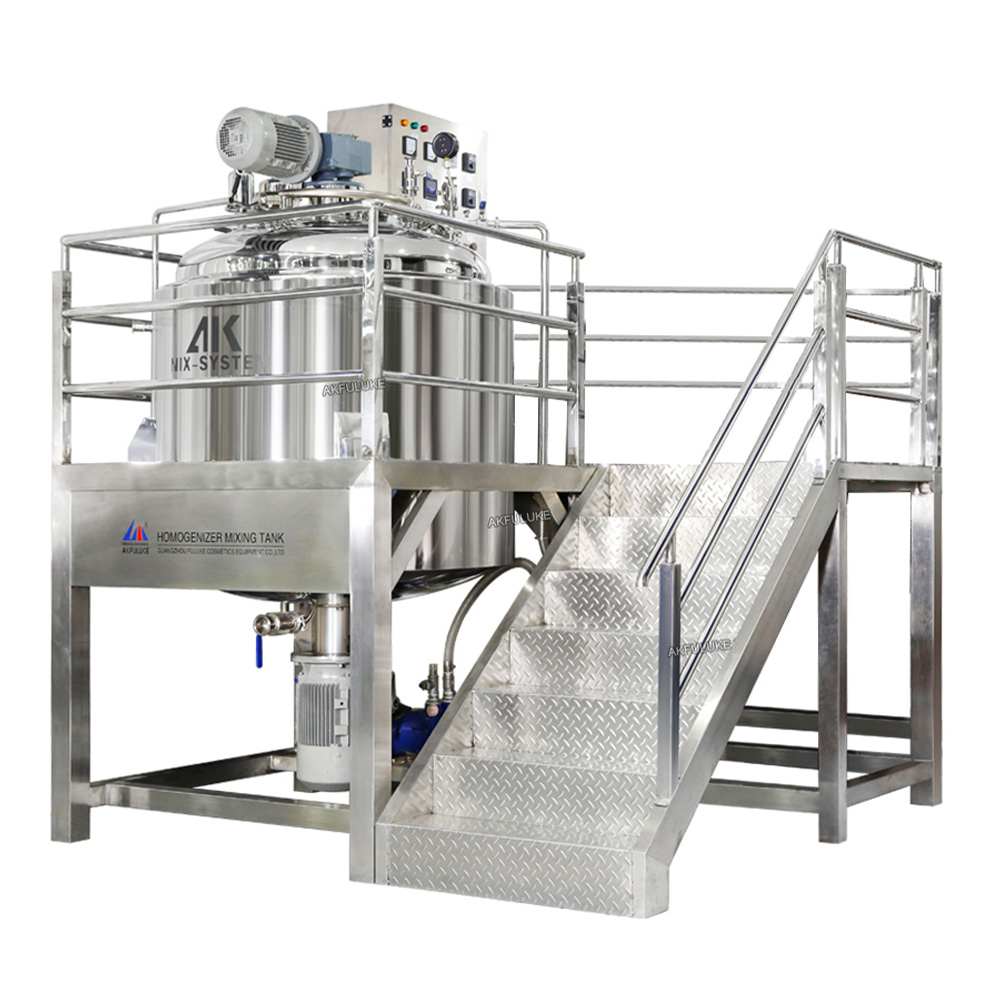
Choosing the Right Mixing Tank for High-Volume Liquid Production
Selecting the correct mixing tank is a critical decision for any manufacturer scaling liquid or semi-liquid products. The wrong choice increases cycle times, reduces product consistency, raises contamination risk, and erodes margins. This guide explains the technical and operational factors to evaluate—mixing tank capacity, agitator type, homogenization, vacuum deaeration, temperature control, materials and compliance—so you can choose equipment that meets high-volume production demands and regulatory requirements. When choosing the right mixing tank for high-volume liquid production, buyers must move beyond capacity alone and carefully compare materials, motor power, and fabrication quality—making it essential to review stainless steel mixer key specs business buyers must compare before finalizing equipment decisions.
Why the Right Mixing Tank Matters for High-Volume Production (mixing tank, buy mixing tank)
High-volume production magnifies every inefficiency. A mixing tank that performs well at pilot scale may fail under continuous or large-batch operation due to poor heat transfer, inadequate dispersion, trapped air, or cleaning difficulties. For —whether you plan to buy mixing tank equipment or evaluate suppliers—focus on these measurable outcomes: batch-to-batch consistency, reduced cycle time, minimal rework, and validated cleanability. The proper mixing tank directly improves throughput, lowers cost-per-unit, and shortens time-to-market.
Core functions to prioritize: vacuum defoaming, homogenization, agitation and temperature control (vacuum sealed mixer machine)
For high-volume liquid production—especially in cosmetics, pharmaceuticals, and food—four core functions are essential:
- Vacuum defoaming (vacuum deaeration): Removes air and volatile entrained gases to produce bubble-free creams, sauces and gels.
- High-speed homogenization: Produces stable emulsions and reduces droplet size for consistent texture and longer shelf life.
- Efficient stirring/agitation: Ensures uniform distribution of solids, additives, and temperature throughout large volumes.
- Precise temperature control: Critical for heat-sensitive ingredients and phase transitions (melting, emulsification).
The Stainless Steel Mixer Liquid Mixing tank with Agitator Homogenizing Mixing tank Vacuum Sealed Mixer Machine integrates these four functions and is engineered specifically for high-viscosity and multi-phase (solid-liquid, liquid-liquid) formulations used in cosmetics, pharmaceuticals, food and chemicals:
The Sealed Homogenizing mixing tank is an industrial-grade material handling equipment that integrates four core functions: vacuum defoaming, high-speed homogenization, efficient stirring, and precise temperature control. It is widely used in the cosmetics, pharmaceutical, food, chemical and other industries.
It is specially designed to solve the mixing, emulsification, homogenization and degassing needs of high-viscosity, multi-phase (solid-liquid, liquid-liquid) materials. It can produce delicate, stable, bubble-free creams, lotions, gels, ointments, sauces and other products.
Understanding construction and materials (mixing tank, stainless steel mixing tank)
Material selection determines product compatibility, cleanability and longevity. Stainless steel (commonly 304 or 316L) is the industry standard for hygienic processing because of corrosion resistance, weldability and polishable finishes. For pharmaceuticals or aggressive chemistries, 316L is often preferred for its molybdenum content and better chloride resistance.
Key construction considerations:
- Grade and finish: 316L stainless with a polished internal surface (Ra ≤ 0.8 µm or better) reduces microbial harborage and eases cleaning.
- Weld quality and design: Full penetration sanitary welds and sloped tank bottoms help complete drain and CIP (clean-in-place).
- Sealing and vacuum rating: Equipment intended for vacuum deaeration must have vacuum-rated lids, seals and ports to maintain negative pressure during operation.
Agitator types and mixing dynamics for liquid and high-viscosity products (agitator homogenizer)
Agitation strategy should be matched to your process. Common agitator types include:
- High-shear rotor-stator homogenizers: Excellent for emulsification; they reduce droplet size and quickly create stable emulsions.
- Anchor/scroll agitators: Best for high-viscosity materials (creams, gels) to scrape vessel walls and prevent dead zones.
- Paddle blades and turbine impellers: Used for medium-viscosity liquids and solids dispersion.
- Combination systems: Many production tanks combine a low-speed anchor for bulk movement and a high-speed homogenizer for fine dispersion.
When selecting the agitator, consider shear sensitivity of ingredients, desired particle/droplet size, and whether solids must be suspended. The integrated homogenizer and agitator in the Sealed Homogenizing mixing tank allow both bulk mixing and fine dispersion without transferring material between vessels—reducing contamination risk and cycle time.
Heating and cooling: jacketed tanks and temperature control strategies (mixing tank temperature control)
Temperature affects viscosity, solubility and reaction rates. Choose a heat transfer system suited to production speed and thermal requirements:
- Jacketed tanks: Common solution for indirect heating/cooling using steam, hot water, or thermal oil; provide uniform surface contact and stable control.
- Internal coils: Offer higher heat transfer for thinner fluids but complicate cleaning in high-viscosity applications.
- Direct steam injection: Fast heating but can introduce condensation and require additional deaeration.
For high-volume cosmetic or food production, a jacketed, thermostatically controlled tank paired with the vacuum-sealed homogenizer is usually the best balance of control and hygiene.
Sizing and scaling: how to calculate tank capacity and throughput (mixing tank sizing)
Proper sizing prevents overfilling, ensures effective mixing and reduces cycle time. Consider these steps when sizing:
- Define target batch size and production cadence (e.g., liters per hour, batches per shift).
- Allow headspace for mixing—typical working volume is 60–80% of total tank capacity depending on agitation type and free surface requirements.
- Ensure homogenizer and pump capacities match the tank volume for required turnover rates (turns per minute of full-volume recirculation).
Example sizing guideline:
| Target Batch | Recommended Tank Size (Total) | Working Volume | Typical Use |
|---|---|---|---|
| 500 L | 750 L | 60–70% | Small production runs or pilot + scale-up |
| 2,000 L | 3,000 L | 65–75% | Medium-volume production |
| 10,000 L | 12,000–15,000 L | 70–80% | High-volume continuous or batch production |
Match agitator horsepower and homogenizer throughput to the working volume. Manufacturers typically provide recommended volume ranges for each model; validate with trial batches when possible.
Cleanability, validation and regulatory compliance (CIP, GMP, EHEDG, FDA)
High-volume production demands reproducible cleaning and documented validation to meet GMP and food safety standards. Key requirements include:
- CIP-friendly design: Rounded corners, sloped bottoms, spray balls or targeted nozzles, and appropriate inlets for detergent circulation.
- Surface finish and documentation: Provide material certificates (MTC), weld records, and finish measurements (Ra) for audits.
- Regulatory alignment: Cosmetic manufacturers should follow regional regulations such as EU Cosmetics Regulation and FDA guidance for cosmetics; pharmaceutical production must meet cGMP and related guidelines.
The Sealed Homogenizing mixing tank is designed for easy CIP and includes hygienic fittings, sanitary seals, and documentation to support compliance and validation.
Operational considerations: maintenance, energy use, and life-cycle cost (buy mixing tank, industrial mixing tank for sale)
Beyond capital cost, evaluate life-cycle expenses: energy consumption of homogenizers and jackets, maintenance of seals and bearings, spare parts availability, and expected uptime. High-speed homogenizers increase energy draw but can shorten batch times and reduce downstream rework. Consider service agreements and local support when you buy mixing tank equipment—faster service means less downtime for high-throughput lines.
Comparison of common mixing tank solutions
The following table compares typical mixing tank options for high-volume liquid production:
| Tank Type | Best For | Pros | Cons |
|---|---|---|---|
| Vacuum homogenizing tank (sealed) | Emulsions, creams, sauces | Integrated homogenization + degassing, reduced transfers, consistent product | Higher capital cost, requires vacuum-rated components |
| Jacketed mixing tank (no homogenizer) | Heat-dependent mixes, simple blending | Lower cost, easy heating/cooling | May require separate homogenizer for fine emulsions |
| Ribbon or paddle blender | Dry or low-viscosity liquids | Good for powders and solids | Poor for high-viscosity emulsions |
Typical applications and real-world benefits (cosmetics, pharma, food)
High-volume users benefit most where product quality depends on stable emulsions and low entrained air: cosmetic creams and lotions, pharmaceutical ointments, food sauces and dressings, and specialty chemical formulations. Benefits of selecting an appropriate sealed homogenizing mixing tank include:
- Reduced entrained air and improved appearance/texture.
- Faster dispersions and shorter batch cycles.
- Less manual handling and fewer cross-contamination risks.
- Predictable scale-up from pilot to production volumes.
How to choose a supplier and customize your mixing tank (industrial mixing tank for sale, buy mixing tank)
Choosing the right supplier is as important as specifying the tank. Use this checklist when evaluating vendors:
- Does the vendor provide documented material certificates, weld logs and surface finish reports?
- Can the vendor supply FAT (Factory Acceptance Test) and SAT (Site Acceptance Test) support?
- Are spare parts and service available locally or via a certified partner?
- Can the supplier provide references or case studies in your industry (cosmetics, pharma, food)?
- Is customization available (ports, instrumentation, control logic, ATEX, sanitary upgrades)?
Request sample runs or pilot testing where possible. A reputable supplier will help size the tank, specify homogenizer power and provide documentation for validation.
Brand advantages: Why choose the Stainless Steel Mixer Liquid Mixing tank with Agitator Homogenizing Mixing tank Vacuum Sealed Mixer Machine
When comparing options, this product stands out for high-volume liquid production due to:
- Integrated core functions: Vacuum defoaming, high-speed homogenization, efficient agitation and accurate temperature control in one sealed unit—reducing transfers and contamination risk.
- Hygienic stainless-steel construction: Sanitary design suitable for cosmetics, pharmaceuticals and food-grade production with documented materials and finishes.
- Designed for high-viscosity & multi-phase materials: Effective for solids dispersion and stable emulsions—delivering bubble-free creams, lotions and sauces.
- Scalability: Models available to support pilot through large-scale production with consistent process transfer and repeatability.
- Compliance-ready documentation: Supports validation and audits (MTCs, weld records, surface finishes) to align with GMP and food safety requirements.
FAQ — Frequently Asked Questions (mixing tank FAQ)
Q: What is the main advantage of a vacuum sealed homogenizing mixing tank?
A: The main advantage is integrated deaeration plus homogenization—this creates stable, bubble-free emulsions and reduces transfers between vessels, improving hygiene and reducing cycle time.
Q: Which stainless steel grade should I choose for cosmetic products?
A: 316L stainless steel is commonly recommended for cosmetics due to its superior corrosion resistance, particularly where formulations include salts or certain preservatives. 304 can be acceptable for less aggressive formulations.
Q: How do I size a homogenizer for my tank?
A: Size by required recirculation rate (e.g., number of volume turnovers per hour) and desired droplet size. Manufacturers usually provide model recommendations by working volume; pilot trials are highly recommended for validation.
Q: Can the sealed homogenizing tank handle solids addition?
A: Yes—models with proper low-speed bulk agitators and appropriately designed feed ports can handle solids addition. Ensure the agitator geometry prevents dead zones and provides sufficient shear for dispersion.
Q: What cleaning strategies are recommended?
A: CIP with validated detergents and rinse cycles is standard. Design features—rounded interiors, sloped bottoms, appropriate spray coverage—are critical. Maintain documentation for regulatory audits.
Contact sales / View product (CTA)
Ready to evaluate solutions for your high-volume production? Contact our sales and technical team to request product specifications, factory acceptance testing options, or a pilot trial with the Stainless Steel Mixer Liquid Mixing tank with Agitator Homogenizing Mixing tank Vacuum Sealed Mixer Machine. Visit the product page or email our sales team to get a customized quote and availability for industrial mixing tank models tailored to cosmetics, pharmaceuticals, food or chemical production.
Contact: sales@example.com | Request brochure or demonstration
References and authoritative resources
Below are authoritative sources consulted for best practices and regulatory context:
- Mixing (process engineering) — Wikipedia: https://en.wikipedia.org/wiki/Mixing_(process_engineering)
- Homogenizer — Wikipedia: https://en.wikipedia.org/wiki/Homogenizer
- Stainless steel — Wikipedia (materials and grades): https://en.wikipedia.org/wiki/Stainless_steel
- FDA: Cosmetics — https://www.fda.gov/cosmetics
- EU Cosmetics Regulation — https://ec.europa.eu/health/sites/default/files/cosmetics/docs/2019_06_regulation_1223_2009_en.pdf
- EHEDG — European Hygienic Engineering & Design Group: https://www.ehedg.org/
- Good manufacturing practice (pharmaceuticals) — WHO: https://www.who.int/teams/regulation-prequalification/regulation-and-safety/quality-assurance/gmp
For detailed technical specifications, FAT protocols or pilot testing, please reach out to our sales team.
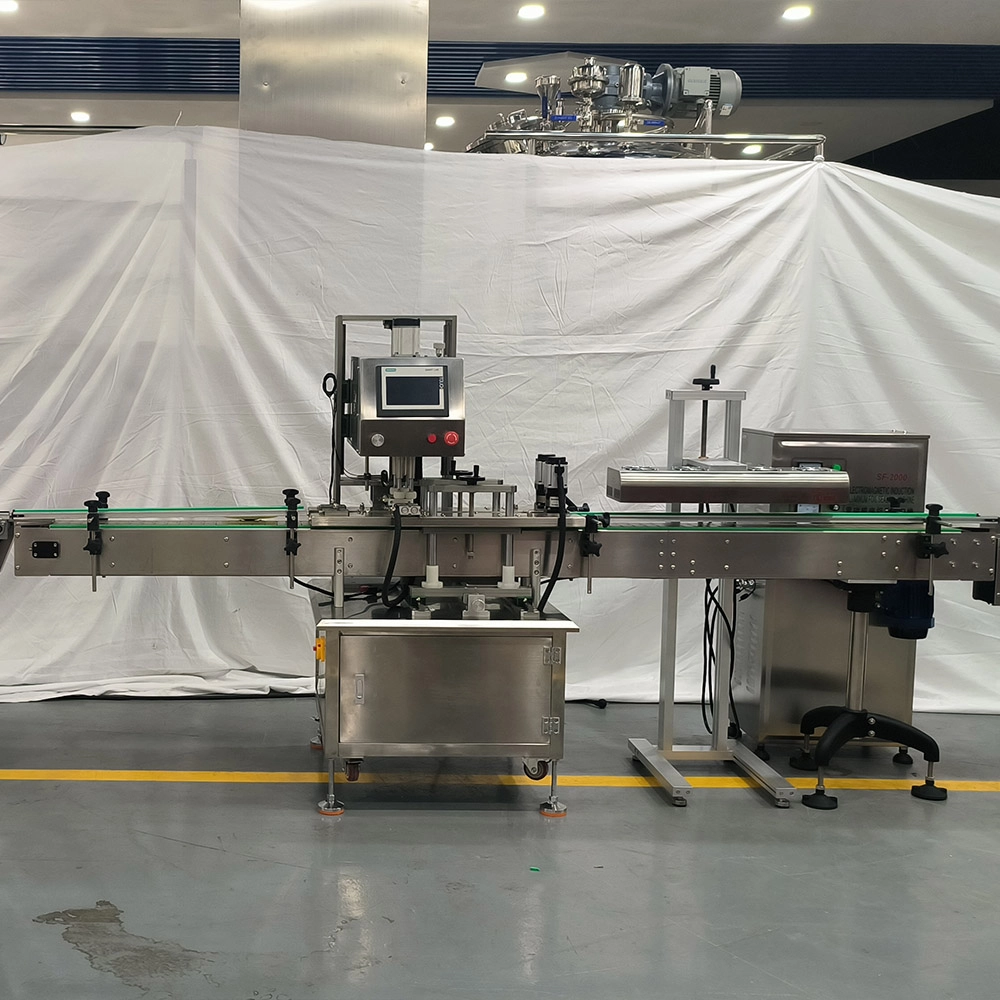
Modular Filling Systems for Flexible Production Needs
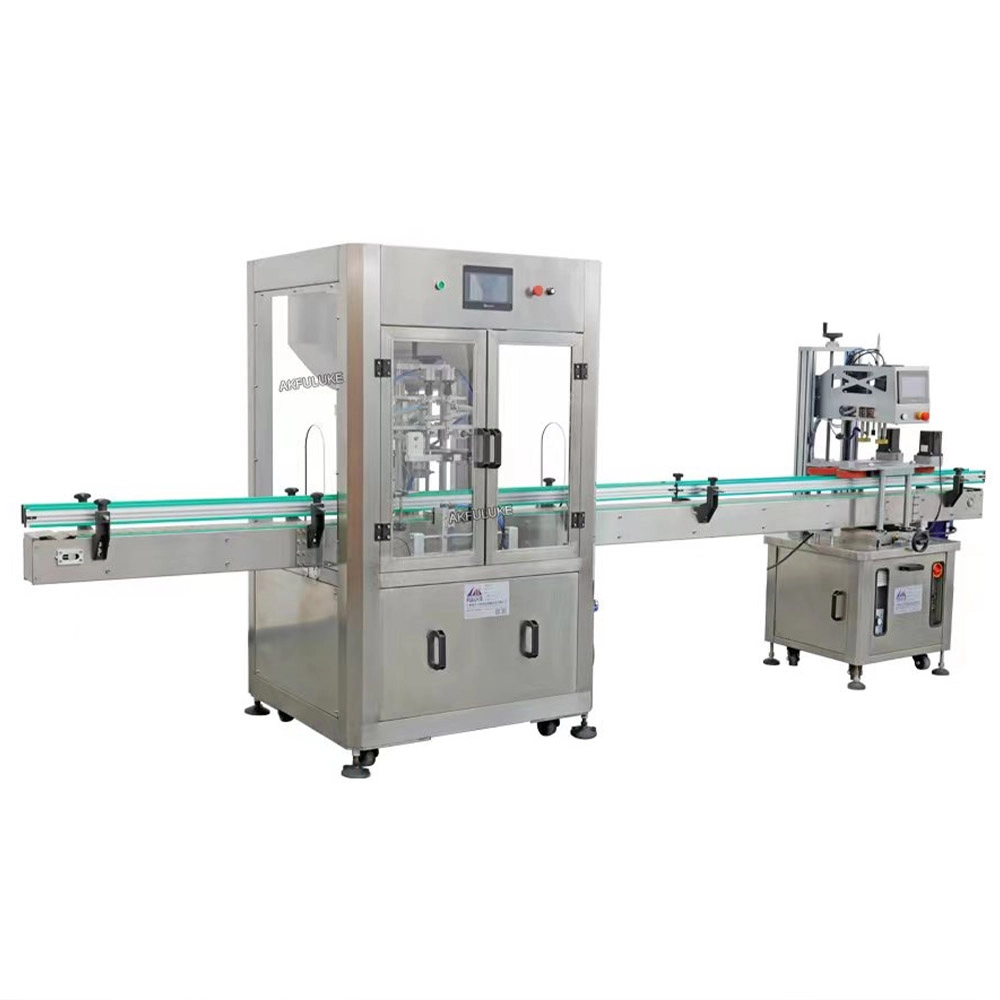
Customizable Nozzle Options for Precise Liquid Filling
Choosing the Right Control Panel Layout for Operators
How High-Precision Cream Filling Improves Product Quality
FAQs
Which industries does FULUKE serve besides cosmetics?
Perfume Filling Machine
What are the key differences between semi-automatic and fully automatic models? How should I choose?
Semi-automatic: Semi-automatic perfume filling machines only perform the core filling process and require manual assistance for bottle loading and capping. Filling speed: 10-20 bottles/minute, suitable for small-batch production. One or two people are required for assistance.
Fully automatic: Automatic perfume filling machines integrate the entire filling, capping, capping, and inspection process.
Filling speed: 30-50 bottles/minute, suitable for large-scale production. The entire process is unmanned, requiring only regular inspections.
Can you make a design for us?
Yes, we can, we provide not only products, but also solutions and designs.
Perfume Freezing Filter Making Machine
Does the filtration process cause loss of fragrance components?
High-quality equipment uses a gradient filtration design (such as a 0.22μm precision filter membrane) to capture only condensed impurities and avoid adsorbing active fragrance molecules.
Polypropylene PP Mixing Tank
Who are we?
Our headquarters is located in Guangzhou, Guangdong, China, and our factory is located in Yangzhou, Jiangsu. Our products are sold all over the world. We have approximately 50 employees in our company and factory.
You May Also Like
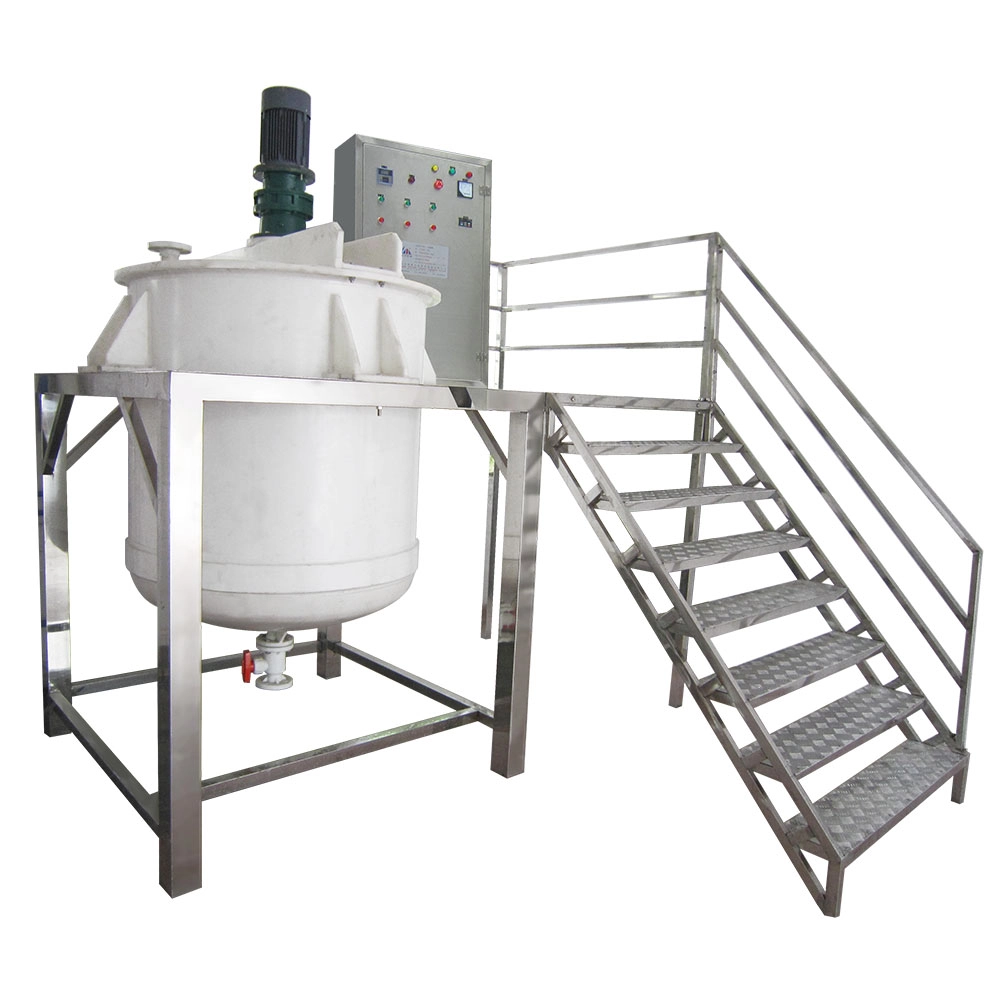
Polypropylene PP Mixing Tank Anti-Corrosion Mixer Reaction Kettle with Agitator Chemical Mixing Vessel
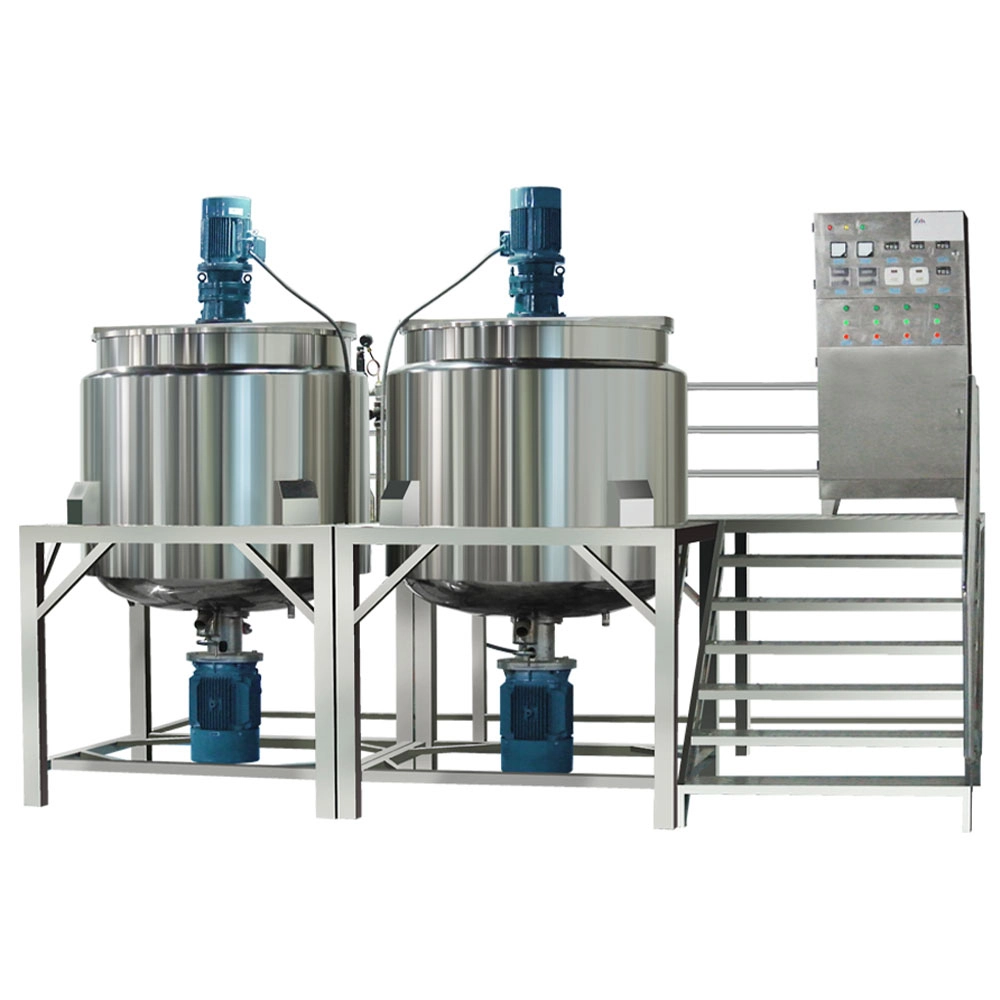
Flip Cover Multi-function Liquid Wash Mixing Tank Blender Liquid Detergent Mixer Homogenization Stirring Tank
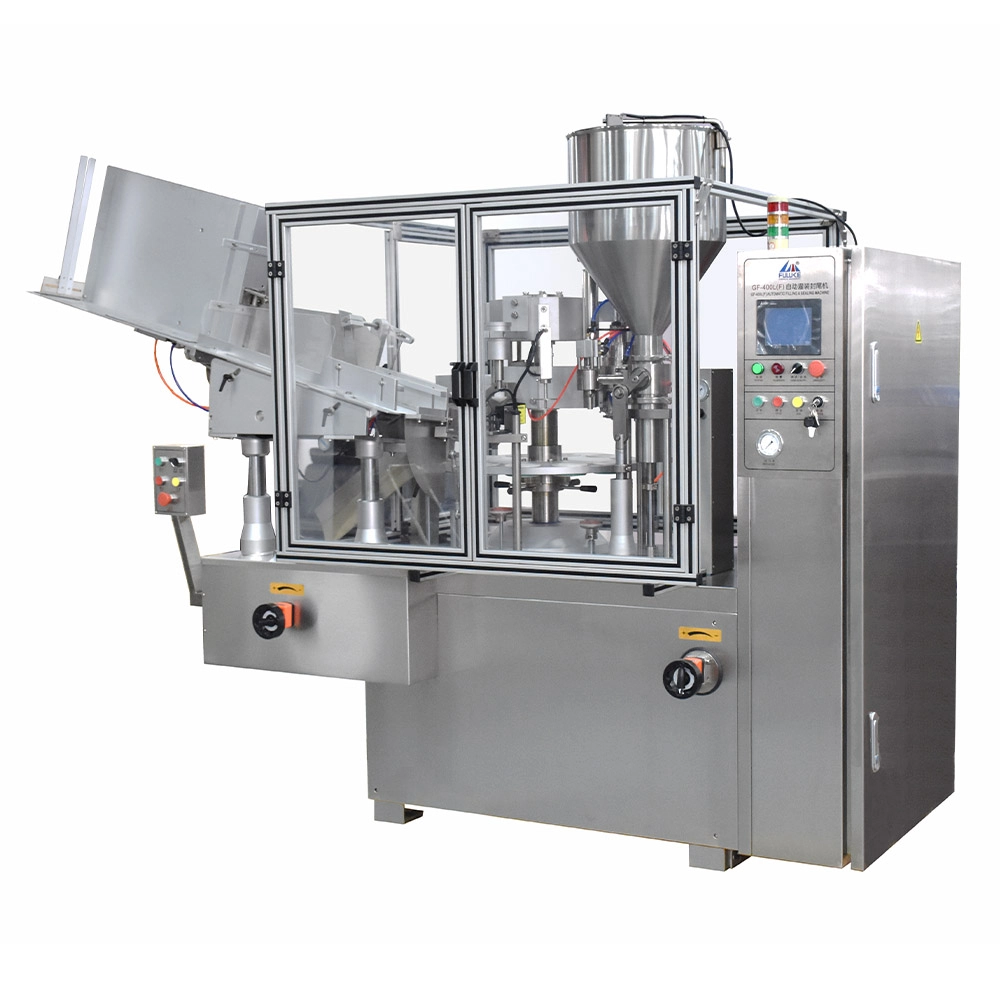
Automatic Tube Filling and Sealing Machine Toothpaste Sunscreen and Facial Cleanser Filling and Sealing Machine for Plastic and Aluminum-plastic Tube
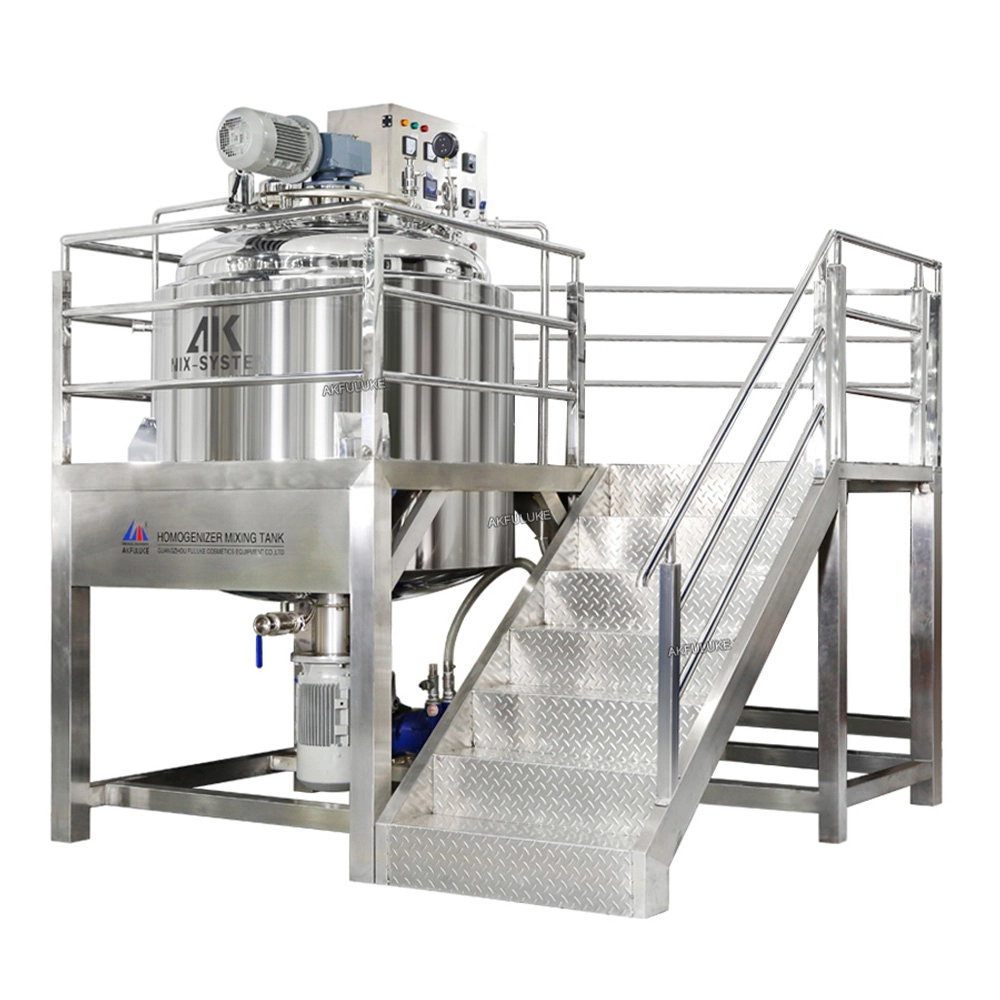
Stainless Steel Mixer Liquid Mixing tank with Agitator Homogenizing Mixing tank Vacuum Sealed Mixer Machine
Get in touch with FULUKE
If you have any comments or good suggestions, please leave us a message, later our professional staff will contact you as soon as possible.

A leading manufacturer specializing in advanced machinery and complete production lines for the cosmetics, food, pharmaceutical, and chemical industries worldwide.
Contact FULUKE
Facebook
Instagram
YouTube