
Modular Filling Systems for Flexible Production Needs
- Designing Modular Filling Lines for Versatility
- Modularity: core concepts and benefits
- Key modules and configurations
- Flexible layouts for different production scales
- Technical Features and Regulatory Compliance
- Materials, hygiene and GMP alignment
- Precision filling technologies
- Controls, traceability and Industry 4.0 readiness
- Operational Benefits and Return on Investment
- Efficiency, waste reduction, and labor savings
- Typical performance comparison
- Quantifying ROI
- Implementation Best Practices and Maintenance
- Pre-purchase validation and pilot testing
- Preventive maintenance and spare parts strategy
- Training and operational readiness
- Case Uses and Industry Applications
- Cosmetics and personal care
- Pharmaceutical and OTC liquids
- Food, household and chemical products
- References and Standards
- FAQ
- Q: What product types can the Automatic Filling Machine Quantitative Liquid Bottle Filling Machine handle?
- Q: How accurate is the filling and how is accuracy verified?
- Q: Is the system compliant with cosmetics GMP and easy to clean?
- Q: How long does it take to change over between SKUs?
- Q: What kind of maintenance and support is required?
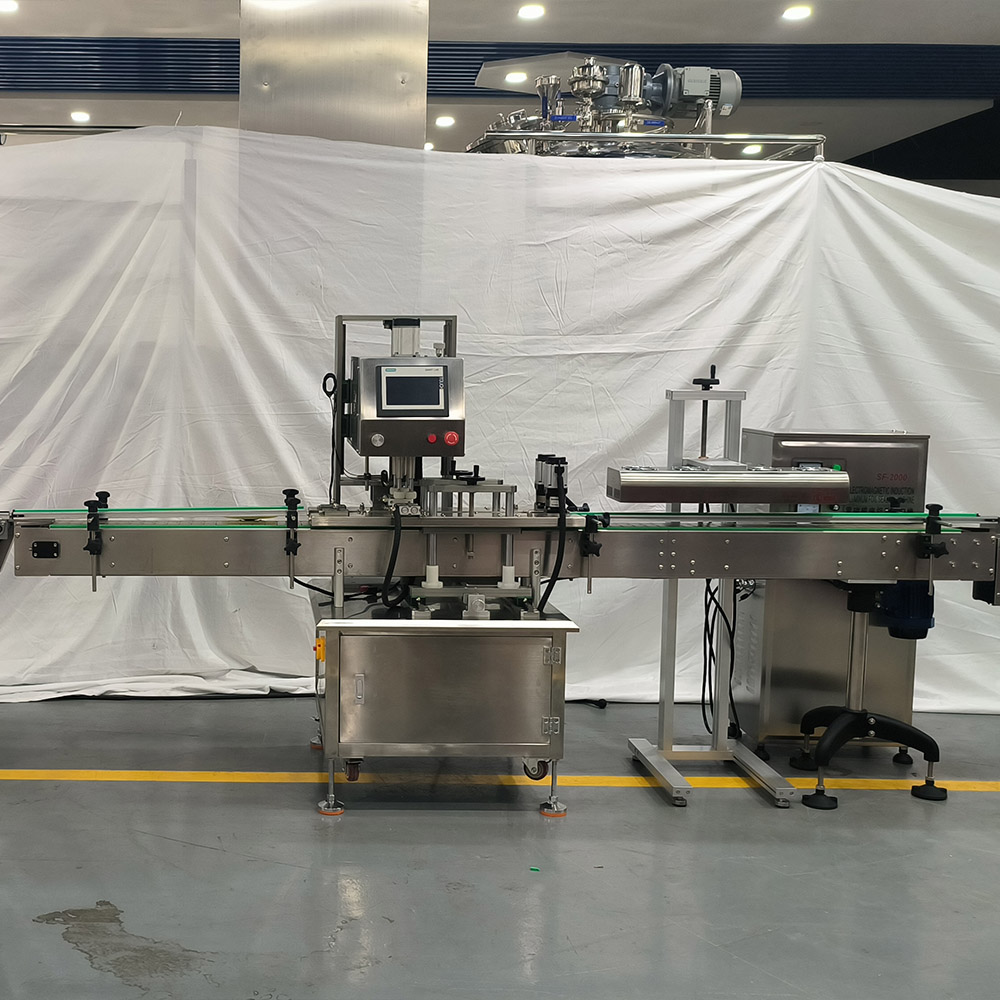
The shift to flexible manufacturing and batch diversification demands equipment that can adapt rapidly without sacrificing precision, throughput or compliance. Modular automatic filling machine solutions — from volumetric and piston fillers to servo-driven rotary systems — enable manufacturers to scale operations, change SKUs quickly and maintain consistent quality for products such as creams, lotions, emulsions and liquids. This article explains how modular filling systems work, what technical and regulatory features to prioritize, and how the Automatic Filling Machine Quantitative Liquid Bottle Filling Machine High-precision cream and lotion filling machine can meet multi-industry needs while supporting GMP and high-precision production.
Designing Modular Filling Lines for Versatility
Modularity: core concepts and benefits
Modular filling systems break a traditional monolithic production line into discrete, interoperable modules: conveying, filling, capping, labeling, and inspection. Each module can be upgraded or swapped independently, supporting fast SKU changes and phased capital investment. For cosmetic manufacturers introducing limited-edition formulations or small-batch personalized products, modularity reduces downtime and tooling costs.
Key modules and configurations
Common modules for an automatic filling machine line include:
- Infeed and orientation conveyors (adjustable guides for glass or PET bottles).
- Filling heads: piston fillers, peristaltic pumps, or servo-controlled volumetric fillers depending on viscosity.
- Rotary or in-line indexing platforms for speed and repeatability.
- Capping and sealing stations (torque-controlled cappers for consistency).
- Inline inspection (vision systems for fill level, cap presence, and label position).
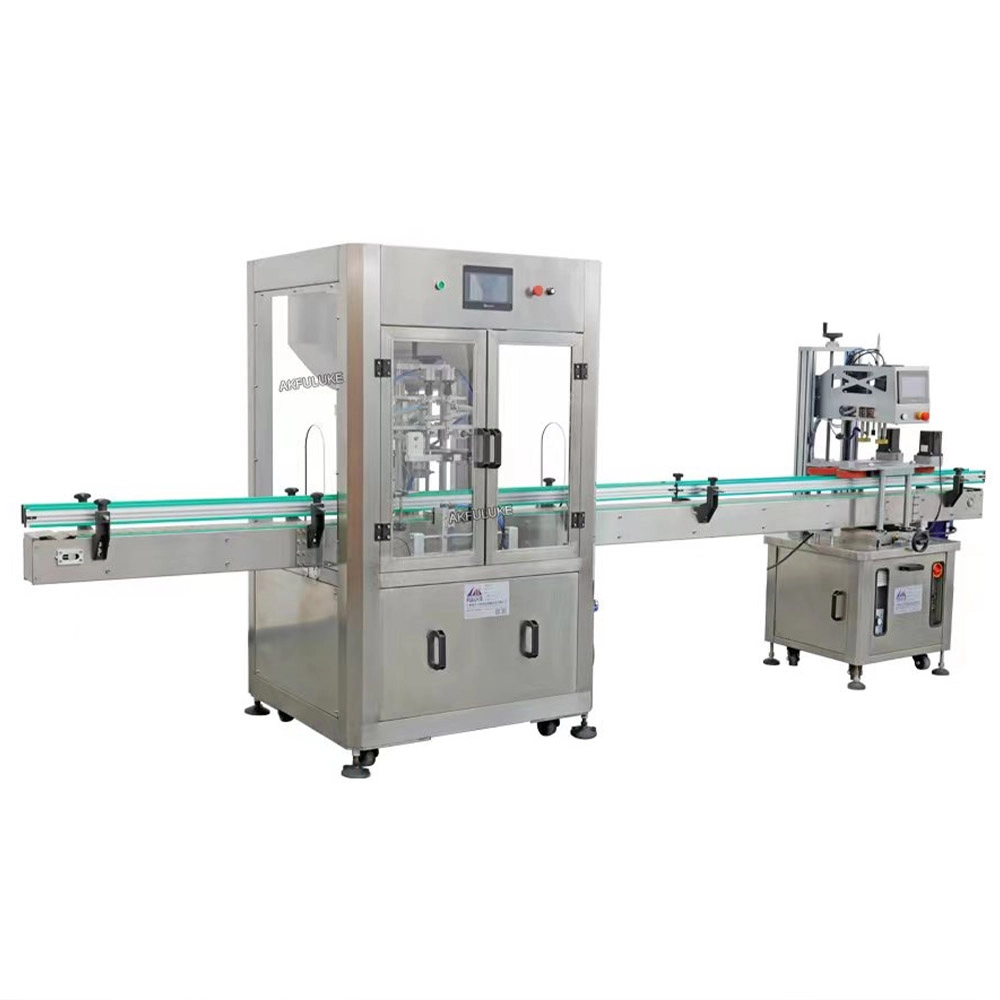
For creams and lotions the Automatic Filling Machine Quantitative Liquid Bottle Filling Machine High-precision cream and lotion filling machine integrates precision filling with automated conveying and intelligent control to support a wide variety of containers and product viscosities.
Flexible layouts for different production scales
Modular lines can be configured for:
- Bench-top or semi-automatic setups for R&D and pilot runs.
- Mid-size in-line systems for seasonal or multiproduct runs.
- High-speed rotary systems for large-scale manufacturing.
Choosing the right layout depends on SKU count, batch sizes, and cleanroom classification. The ability to add or remove modules means manufacturers invest only in what they need and can scale rapidly when demand grows.
Technical Features and Regulatory Compliance
Materials, hygiene and GMP alignment
For cosmetics and pharmaceuticals, material selection and sanitation are critical. The product uses 316L/304 stainless steel for all product-contact parts and complies with GMP requirements, reducing contamination risk and easing cleaning validation. For more on cosmetics GMP and best practices, see the ISO guidance on cosmetics Good Manufacturing Practices (ISO 22716) and FDA cosmetic regulations (FDA Cosmetics).
Precision filling technologies
High-precision automatic filling machines rely on technologies that match product rheology and accuracy needs:
- Servo-driven piston fillers — optimal for creams, lotions, and emulsions requiring repeatable volumetric doses with tight tolerances (e.g., ±0.5% to ±1.0%).
- Peristaltic or diaphragm pumps — suitable for shear-sensitive liquids where contamination control and no-contact pumping are priorities.
- Rotary multi-head systems — provide high throughput with consistent head-to-head repeatability.
The Automatic Filling Machine Quantitative Liquid Bottle Filling Machine High-precision cream and lotion filling machine combines a precision pump with an intelligent control system and touchscreen interface to set parameters quickly and monitor process metrics in real time.
Controls, traceability and Industry 4.0 readiness
Modern automatic filling machines include PLC/SCADA integration, batch recipe storage, and electronic batch records. Touchscreen HMI allows operators to change fill volumes rapidly and access alarm histories. For manufacturers aiming to meet regulatory traceability requirements, choose systems with audit trails and connectivity for MES and ERP systems to capture fill weights, downtime events, and CIP cycles.
Operational Benefits and Return on Investment
Efficiency, waste reduction, and labor savings
Automated modular systems reduce manual handling, lower variability and minimize product giveaway. Compared to manual filling or semi-automatic bench systems, an automatic filling machine can:
- Improve fill accuracy and reduce overfill/waste.
- Cut labor costs by automating repetitive tasks like bottle indexing, filling, and capping.
- Shorten changeover times with quick-release parts and recipe-based settings.
Typical performance comparison
The following table illustrates a conservative comparison between manual filling, a standard semi-automatic filler, and a modular automatic filling machine (values are representative ranges — actual results depend on product and configuration):
| Metric | Manual Filling | Semi-automatic Filler | Modular Automatic Filling Machine |
|---|---|---|---|
| Throughput (bottles/hour) | 50–200 | 200–600 | 600–2,400+ |
| Fill accuracy | ±3–5% | ±1–3% | ±0.5–1% |
| Changeover time (SKU) | 30–120 min | 10–60 min | 5–30 min |
| Labor requirement (operators) | 2–6 | 1–3 | 1–2 |
Quantifying ROI
ROI calculations should include capital expense, labor savings, product loss reduction, increased throughput, and quality benefits. For most mid-sized cosmetics manufacturers, an investment in a high-precision automatic filling machine often pays back within 12–36 months depending on utilization and labor costs. Consider total cost of ownership (TCO) including maintenance, spare parts, and validation effort when comparing machine options.
Implementation Best Practices and Maintenance
Pre-purchase validation and pilot testing
Before committing to a module or full line, run pilot trials with your actual formulations and containers. Check:
- Filling accuracy and consistency at target speeds.
- Compatibility with glass and PET bottles, and different neck sizes.
- CIP (clean-in-place) or quick-disassembly options for sanitation.
Manufacturers should request factory acceptance testing (FAT) and site acceptance testing (SAT) reports with traceable test data to verify performance against specifications.
Preventive maintenance and spare parts strategy
Adopt a preventive maintenance schedule informed by runtime hours and product abrasiveness. Keep a critical spares kit (seals, diaphragms, dosing pistons, sensors) on hand to minimize downtime. Ensure maintenance procedures and calibration records are part of your quality documentation to support regulatory inspections.
Training and operational readiness
Operator training must cover recipe management, changeover, cleaning, and troubleshooting. For cosmetic applications, document cleaning validation steps and cross-contamination prevention when running multiple colors or fragrances. Good training reduces human error and preserves fill accuracy and line uptime.
Case Uses and Industry Applications
Cosmetics and personal care
For creams and lotions, the Automatic Filling Machine Quantitative Liquid Bottle Filling Machine High-precision cream and lotion filling machine provides volumetric precision with gentle product handling to preserve emulsion stability. Typical SKUs include facial creams, body lotions, serums, and liquid soaps. The system supports glass jars, PET bottles, and tube filling attachments when required.
Pharmaceutical and OTC liquids
When used in regulated pharmaceutical contexts, ensure the machine supports electronic batch records and traceability. The stainless steel construction and GMP-compatible design reduce contamination risk and streamline validation.
Food, household and chemical products
Viscous syrups, emulsions, and concentrated household cleaners can be processed with appropriate pump and seal materials. Ensure chemical compatibility and consider ATEX or explosion-proof requirements for flammable formulations.
References and Standards
For manufacturers planning upgrades or new installations, consult authoritative guidance:
- ISO 22716 for cosmetics GMP: https://www.iso.org/standard/36437.
- FDA cosmetics overview and regulatory considerations: https://www.fda.gov/cosmetics
- General machine design and filling machine basics: https://en.wikipedia.org/wiki/Filling_machine
- WHO Good Manufacturing Practices and quality assurance principles: https://www.who.int/teams/regulation-prequalification/regulation-and-safety/quality-assurance/good-manufacturing-practices
FAQ
Q: What product types can the Automatic Filling Machine Quantitative Liquid Bottle Filling Machine handle?
A: The machine fills a wide range of formulations including low-viscosity liquids, emulsions, creams, lotions and pastes. It supports glass and PET bottles and can be configured with different filling heads (piston, peristaltic, or servo volumetric) depending on product rheology.
Q: How accurate is the filling and how is accuracy verified?
A: Typical fill accuracy for high-precision configurations is ±0.5–1.0% depending on product and speed. Accuracy is verified via periodic gravimetric checks, in-line weight-check stations, and recorded batch data stored in the machine’s control system for traceability.
Q: Is the system compliant with cosmetics GMP and easy to clean?
A: Yes. Product-contact parts are made of 316L/304 stainless steel and the machine design supports hygienic surfaces and quick disassembly for cleaning. It aligns with GMP principles such as those described in ISO 22716.
Q: How long does it take to change over between SKUs?
A: With modular fixtures and recipe-based controls, changeover can be as fast as 5–30 minutes depending on container shape, cap type and fill volume. Quick-release nozzles and adjustable guides speed the process further.
Q: What kind of maintenance and support is required?
A: Routine preventive maintenance includes lubrication, seal replacement, sensor calibration, and pump servicing. Keep a spare parts kit and follow the manufacturer’s maintenance schedule. Many suppliers offer service contracts and remote diagnostics for faster support.
If you’d like to evaluate the Automatic Filling Machine Quantitative Liquid Bottle Filling Machine High-precision cream and lotion filling machine for your production line, contact our sales team for a no-obligation consultation, on-site or pilot-line demonstration. Contact us or request a product datasheet and FAT/SAT documentation today.
How to Choose a Quantitative Liquid Bottle Filling Machine
Vacuum Sealed Mixer Machines: Benefits for Sensitive Formulations
Selecting Materials and Membranes for 99% Desalination Needs
Stainless Steel Mixer Benefits for Liquid Processing Procurement
Automatic Tube Filling and Sealing Machine
Can you make a design for us?
Yes, we can, we provide not only products, but also solutions and designs.
Automatic Filling Machine
Who are we?
Our headquarters is located in Guangzhou, Guangdong, China, and our factory is located in Yangzhou, Jiangsu. Our products are sold all over the world. We have approximately 50 employees in our company and factory.
Sealed Homogenizing Mixing Tank
What is the speed of the high shear homogenizer?
The standard speed is 0-3000 rpm, but higher speeds can be customized upon request.
Inkjet Printing Machine
Who are we?
Our headquarters is located in Guangzhou, Guangdong, China, and our factory is located in Yangzhou, Jiangsu. Our products are sold all over the world. We have approximately 50 employees in our company and factory.
Storage Tank
How can I extend the life of my storage tank?
Avoid storing media that are incompatible with the material to prevent corrosion.
Perform maintenance according to specifications and promptly repair damaged anti-corrosion coatings or seals.
When the tank is idle for an extended period, empty the media and protect it from moisture and dust.
You May Also Like
Automatic Filling Machine Quantitative Liquid Bottle Filling Machine High-precision cream and lotion filling machine
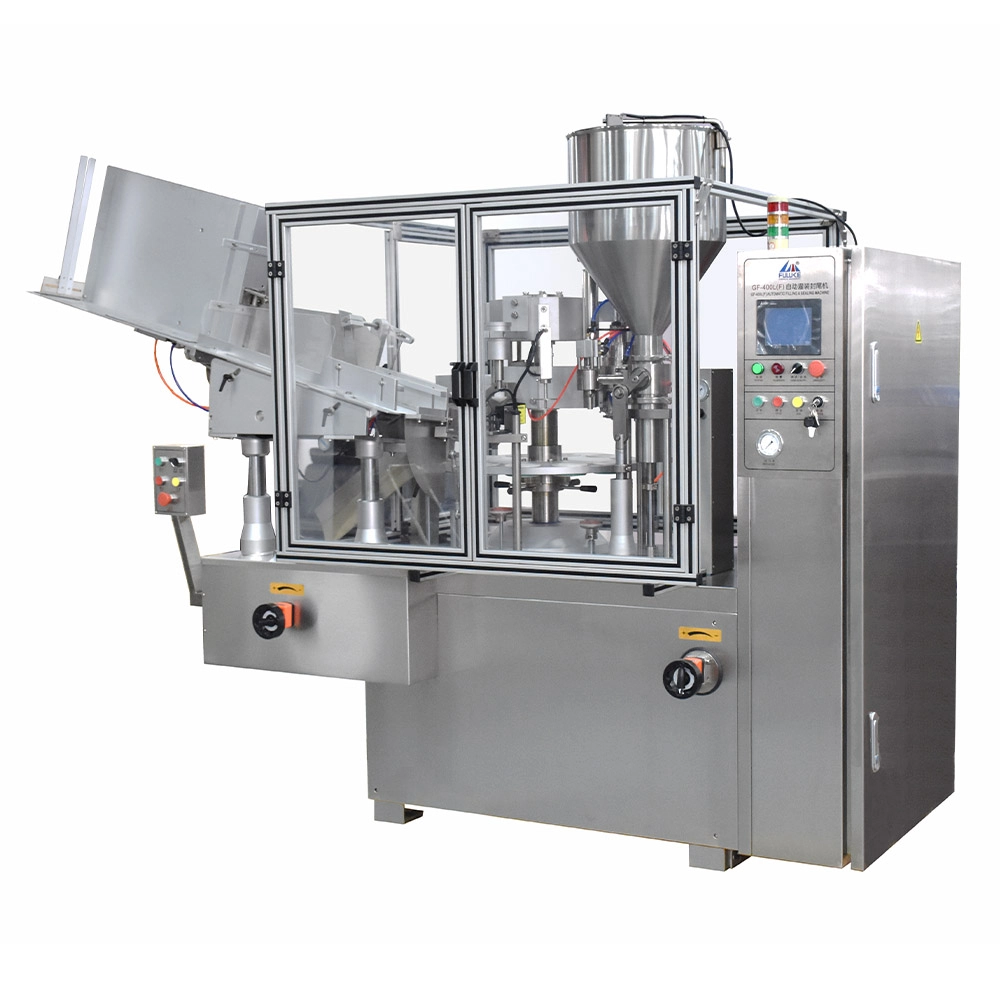
Automatic Tube Filling and Sealing Machine Toothpaste Sunscreen and Facial Cleanser Filling and Sealing Machine for Plastic and Aluminum-plastic Tube
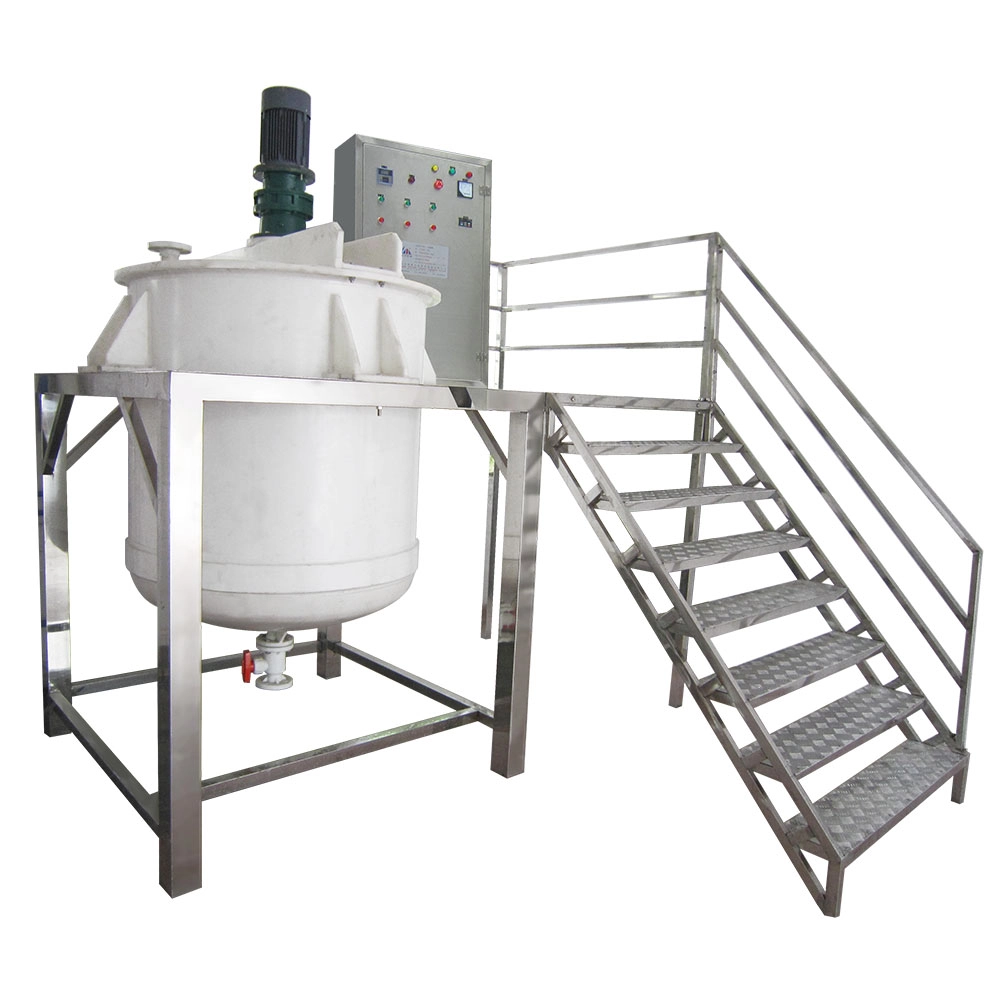
Polypropylene PP Mixing Tank Anti-Corrosion Mixer Reaction Kettle with Agitator Chemical Mixing Vessel
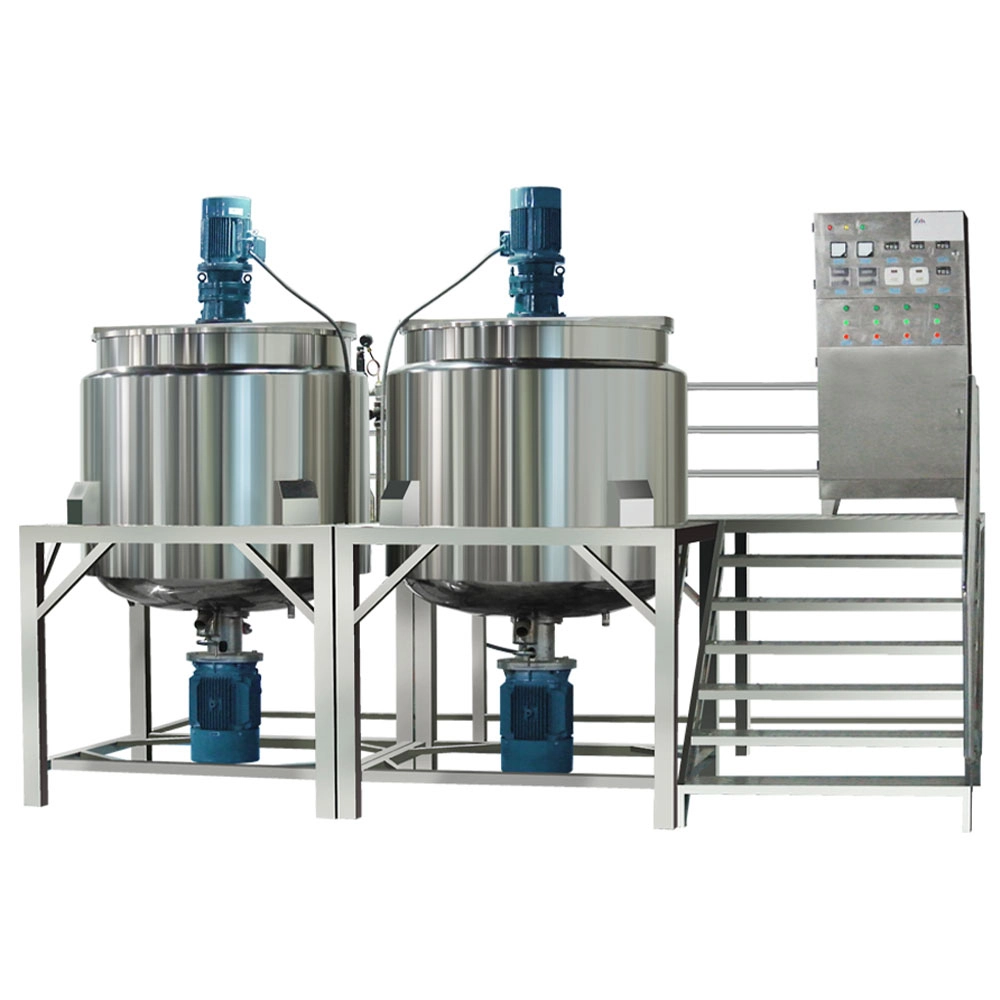
Flip Cover Multi-function Liquid Wash Mixing Tank Blender Liquid Detergent Mixer Homogenization Stirring Tank
Get in touch with FULUKE
If you have any comments or good suggestions, please leave us a message, later our professional staff will contact you as soon as possible.

A leading manufacturer specializing in advanced machinery and complete production lines for the cosmetics, food, pharmaceutical, and chemical industries worldwide.
Contact FULUKE
Facebook
Instagram
YouTube