
Optimizing Cycle Times for Higher Throughput
- Understanding Cycle Time and Throughput in Cosmetic Filling
- What cycle time and throughput mean for production
- Primary factors that affect cycle time
- How to measure and benchmark cycle time
- Design and Process Strategies to Reduce Cycle Time
- Choose the right automatic filling machine and configuration
- Optimize dosing and control parameters
- Minimize changeover and increase flexibility
- How the Automatic Filling Machine Improves Throughput
- Core features that shorten cycle time
- Sanitation, materials and compliance that prevent downtime
- Automation and HMI reduce human error and speed adjustments
- Metrics, Case Study and Practical Implementation
- Throughput planning: cycle time vs. production targets
- Case study (hypothetical): 40% throughput gain with minimal investment
- Implementation checklist for reducing cycle time
- Advanced Considerations and Continuous Improvement
- Use data to drive sustained improvements
- Balance speed and product integrity
- Regulatory alignment and documentation
- FAQ
- Q: How much can an automatic filling machine reduce my cycle time?
- Q: Is the machine suitable for both lotions and viscous creams?
- Q: How does stainless steel construction and GMP compliance help throughput?
- Q: What are the most cost-effective first steps to improve throughput?
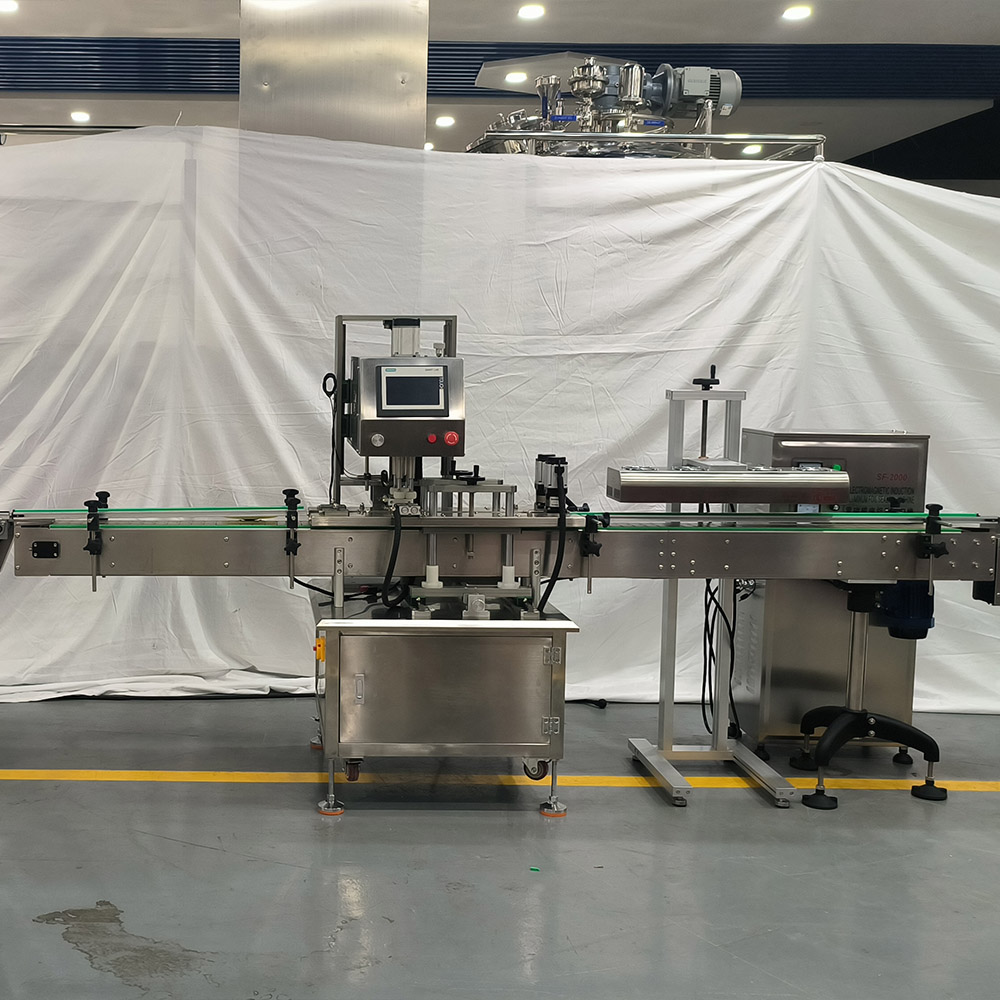
Optimizing cycle times is critical for cosmetics, pharmaceuticals and personal care manufacturers seeking higher throughput without sacrificing quality. This guide focuses on practical strategies that leverage automation—particularly the automatic filling machine—to lower per-unit cycle time, reduce downtime, and improve overall equipment effectiveness (OEE). You will find actionable steps, key performance metrics, a comparison table for throughput planning, and a compliance-aware perspective to implement improvements safely and sustainably.
Understanding Cycle Time and Throughput in Cosmetic Filling
What cycle time and throughput mean for production
Cycle time is the elapsed time to complete one full filling cycle for a single container or set of containers. Throughput is the number of finished units produced in a given period (for example, units/hour). Reducing cycle time increases throughput, but only when quality and uptime are maintained. Manufacturers should target improvements that positively affect the combination of speed, quality and availability—often expressed as OEE.
Primary factors that affect cycle time
Several elements determine the achievable cycle time on an automatic filling machine: fill heads and dosing method (peristaltic, piston, or volumetric), product rheology (liquid, emulsion, paste), container handling speed, changeover time between SKUs, and sanitation procedures. Even small improvements—like optimizing dosing valve timing or streamlining container indexing—can reduce the cycle time by a meaningful percentage.
How to measure and benchmark cycle time
Establish clear, repeatable measurement methods: measure from the moment a container arrives at the first active filling station until it leaves the last relevant operation (or use average fill time per bottle across a representative batch). Track related metrics such as downtime causes, mean time between failures (MTBF), and mean time to repair (MTTR) to ensure cycle time gains are not offset by increased maintenance losses.
Design and Process Strategies to Reduce Cycle Time
Choose the right automatic filling machine and configuration
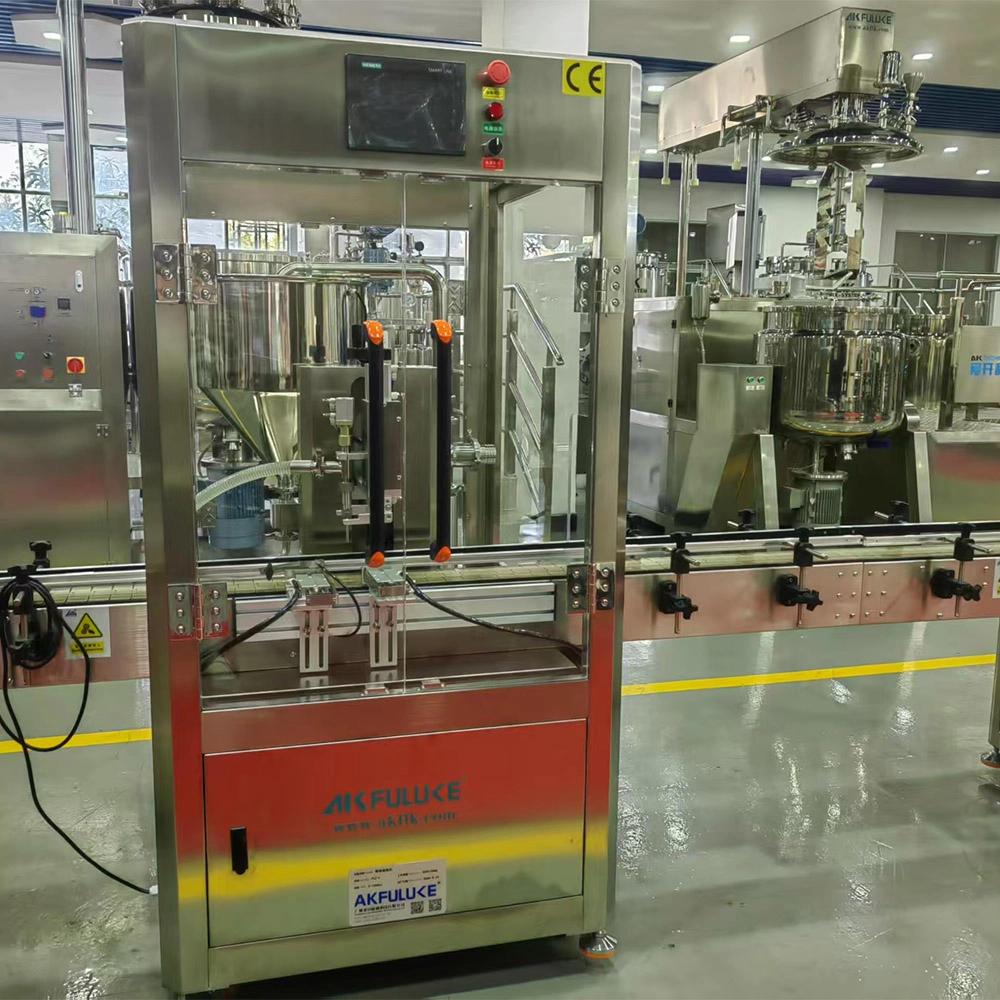
Select a machine type that matches product characteristics. The Automatic Filling Machine Quantitative Liquid Bottle Filling Machine High-precision cream and lotion filling machine combines precision filling with flexible container handling, which is ideal for creams, lotions and emulsions. Key decisions include number of filling heads, dosing technology, and whether to include inline pumps or multi-nozzle heads to parallelize dosing. Increasing heads reduces cycle time linearly until other bottlenecks (conveyors, cappers) dominate.
Optimize dosing and control parameters
High-precision dosing reduces overfill, shortens settle time, and avoids rework. Use the machine's touchscreen interface to fine-tune fill speed, pre- and post-fill delays, and anti-drip settings. For viscous creams, slower initial stroke plus a quick finishing stroke often yields faster cycles than a single slow stroke because it minimizes stringing and retraction time.
Minimize changeover and increase flexibility
Fast changeover techniques—such as modular format sets, quick-connect nozzles, and recipe-based touchscreen profiles—reduce non-productive time between SKUs. The described automatic filling machine stores parameters for different container sizes and product viscosities, enabling rapid switchovers that preserve cycle-time gains across multiple SKUs.
How the Automatic Filling Machine Improves Throughput
Core features that shorten cycle time
The Automatic Filling Machine Quantitative Liquid Bottle Filling Machine High-precision cream and lotion filling machine integrates automated conveying, precision filling, and intelligent control. Key throughput-enhancing features include multi-head dosing, synchronized servo drives, and programmable recipes. These allow consistent filling at higher speeds while maintaining fill accuracy.
Sanitation, materials and compliance that prevent downtime
Constructed with 316L/304 stainless steel contact components and compliant with GMP standards, the machine simplifies cleaning and validation cycles—minimizing sanitation-related downtime. Compliance with cosmetic GMP such as ISO 22716 and alignment with broader manufacturing best practices reduces the risk of product holds and recalls, which can be far more costly than modest investments in hygienic design. For general regulatory context see the FDA cosmetics overview: FDA - Cosmetics.
Automation and HMI reduce human error and speed adjustments
The machine’s touchscreen interface allows operators to load stored recipes, adjust process variables in seconds, and monitor alarms. This reduces operator-induced variability and the time needed to debug unusual fills. Real-time diagnostics and faster fault isolation reduce MTTR and preserve the cycle-time improvements achieved through hardware upgrades.
Metrics, Case Study and Practical Implementation
Throughput planning: cycle time vs. production targets
Below is a sample table to help plan throughput when changing cycle time and head counts. Use these numbers as a starting point and substitute your actual fill times and changeover durations.
| Configuration | Cycle Time per Bottle (s) | Number of Heads | Theoretical Throughput (bottles/hour) |
|---|---|---|---|
| Baseline (single head) | 6.0 | 1 | 600 |
| Optimized dosing | 4.0 | 1 | 900 |
| Multi-head (4 heads) | 4.0 | 4 | 3,600 |
| High-speed (8 heads) | 3.0 | 8 | 9,600 |
Note: Theoretical throughput assumes continuous operation without downtime or additional bottlenecks (capping, labeling, packaging). Real-world throughput should be adjusted by OEE (Availability x Performance x Quality).
Case study (hypothetical): 40% throughput gain with minimal investment
A mid-size cosmetics producer replaced aging single-head machines with the Automatic Filling Machine Quantitative Liquid Bottle Filling Machine and implemented recipe-based presets for five top SKUs. By introducing 4-head dosing and optimizing dosing curves for creams, cycle time per bottle dropped from an average of 6.5 s to 4.3 s. With modest conveyor and downstream synchronization work, overall production increased by ~40% while overfill tolerance decreased by 12%, saving on raw materials.
Implementation checklist for reducing cycle time
- Map current state: measure cycle time, downtime, and quality rejects by SKU.
- Identify bottlenecks across filling, conveying, capping, and labeling.
- Select or configure automatic filling machine with appropriate heads and dosing method.
- Create and validate recipes for each SKU on the touchscreen HMI.
- Standardize and document fast-cleaning procedures; validate per WHO or ISO guidelines where applicable.
- Train operators on quick changeovers and basic diagnostics to reduce MTTR.
- Implement regular preventive maintenance and monitor OEE trends.
Advanced Considerations and Continuous Improvement
Use data to drive sustained improvements
Collect high-resolution data on cycle times, rejects, and downtimes. Use simple dashboards to highlight the largest losses and focus Kaizen efforts there. Once improvements are implemented, lock them into machine recipes and SOPs so gains are retained across shifts and operators.
Balance speed and product integrity
Aggressive reductions in cycle time can cause quality risks—air entrainment, inconsistent fill weights, or cosmetic defects in creams and lotions. Use incremental changes with quality checkpoints. Statistical process control (SPC) can flag when a faster setting increases variability, enabling a data-informed compromise between speed and quality.
Regulatory alignment and documentation
Any change that affects product composition, fill weight or sanitary process should be documented and validated. For cosmetics manufacturers, adopting ISO 22716 guidance helps ensure good manufacturing practices are followed and defends against regulatory or customer complaints. For broader manufacturing practices see Filling machine overview and regulatory resources such as the FDA cosmetics page mentioned earlier.
FAQ
Q: How much can an automatic filling machine reduce my cycle time?
A: The reduction depends on your current setup, product rheology, and bottlenecks. Typical improvements range from 20% to 300% when moving from manual or old single-head machines to modern multi-head, servo-driven automatic filling machines with optimized recipes.
Q: Is the machine suitable for both lotions and viscous creams?
A: Yes. The Automatic Filling Machine Quantitative Liquid Bottle Filling Machine High-precision cream and lotion filling machine is designed for liquids, emulsions and pastes. Its dosing options and adjustable fill profiles accommodate a wide range of viscosities.
Q: How does stainless steel construction and GMP compliance help throughput?
A: 316L/304 stainless steel contact parts reduce corrosion and simplify cleaning. GMP-oriented design minimizes crevices and makes CIP/SIP or manual cleaning faster and more reliable, reducing sanitation downtime and contamination risk.
Q: What are the most cost-effective first steps to improve throughput?
A: Start by measuring cycle time and identifying the largest downtime causes. Low-cost wins often include optimizing dosing parameters, reducing unnecessary delays in conveyor indexing, implementing operator training for faster changeovers, and introducing stored machine recipes for quick recalls.
If you want to see how the Automatic Filling Machine Quantitative Liquid Bottle Filling Machine High-precision cream and lotion filling machine can specifically reduce your cycle times and increase throughput, contact our sales team for a demonstration, throughput calculation, or pilot trial. View the product page or request a quote to compare configurations and get a customized ROI estimate.
Contact Sales / View Product Details
References: ISO 22716 (ISO), FDA Cosmetics (FDA), Filling machine overview (Wikipedia), WHO manufacturing guidance (WHO).
Product brief:
The automatic filling machine integrates automated conveying, precision filling, and intelligent control for packaging creams, lotions, and liquids. Suitable for a variety of containers, including glass and PET bottles, it can fill liquids, emulsions, and pastes with high precision.
Constructed with 316L/304 stainless steel contact components and compliant with GMP standards, it features a touchscreen interface for quick parameter adjustment and completes the entire process without manual intervention. Widely used in the cosmetics, food, daily chemical, pharmaceutical, and chemical industries, it helps companies reduce costs, increase efficiency, and ensure product standardization.
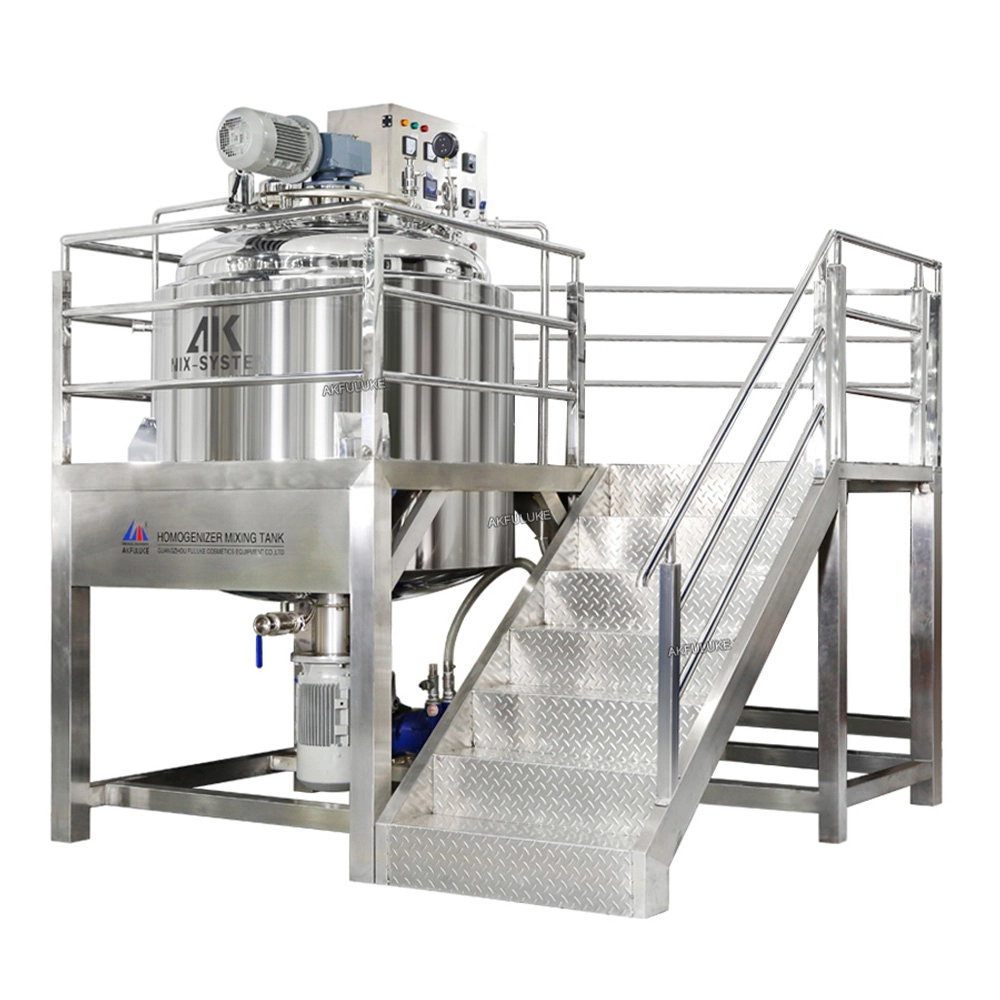
Procurement Checklist: Selecting a Reliable Mixer Manufacturer
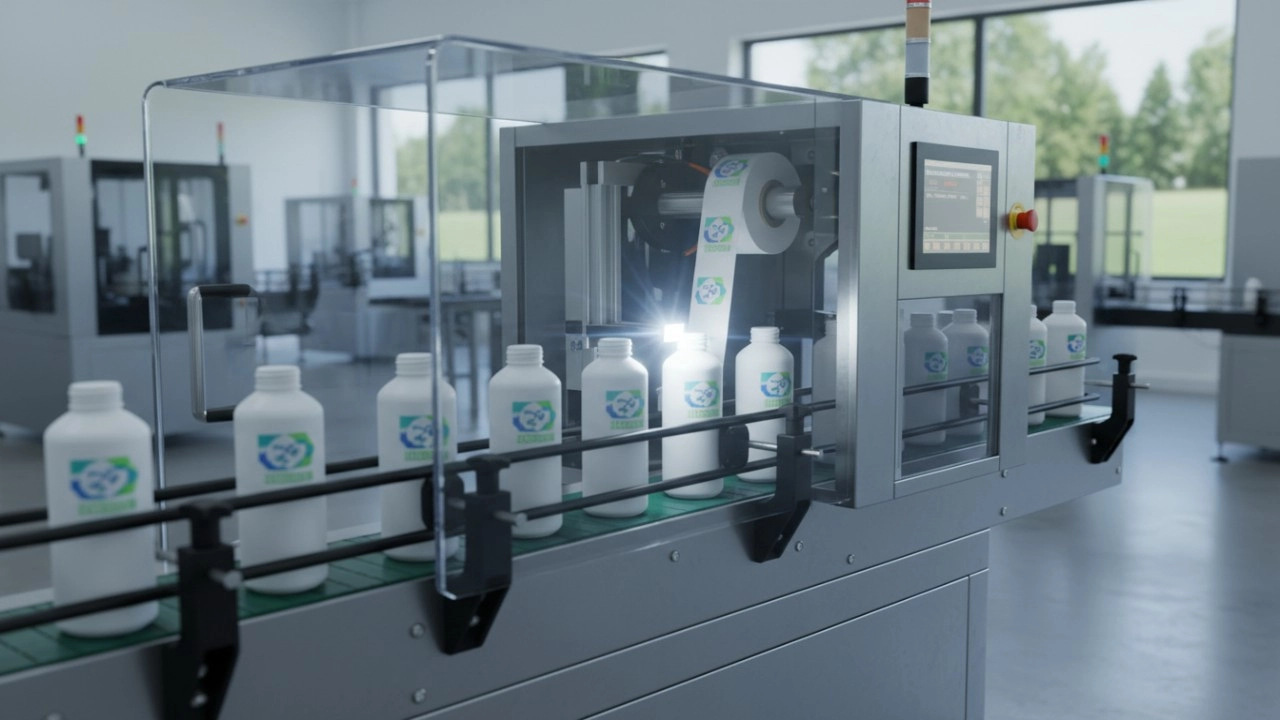
The Definitive Guide to Automatic Labeling Machines: 2026 Performance & Buying Strategies
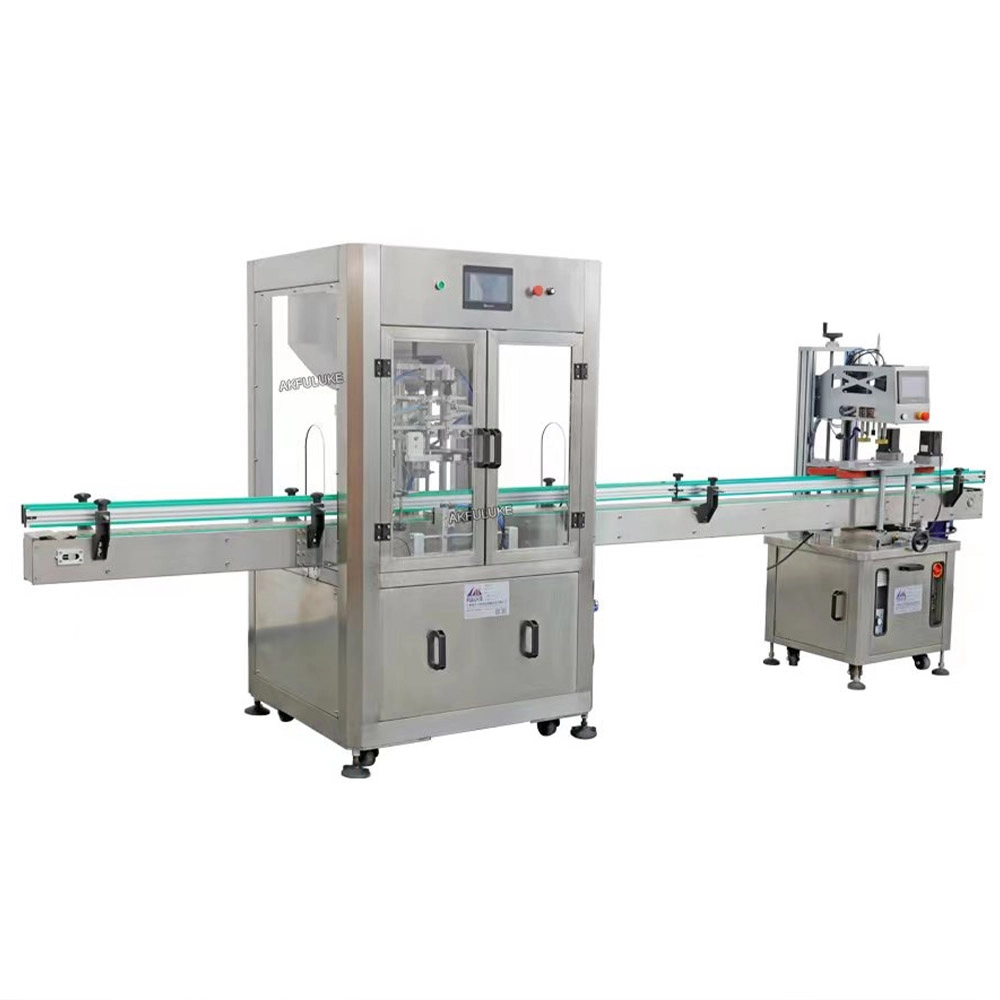
Choosing the Right Liquid Filling Machine for Your Production Line
Choosing Compatible Tubing and Hoses for Product Safety
RO Water Treatment
What is RO water treatment? What is the core function of RO membranes?
RO water treatment, or reverse osmosis water treatment technology, utilizes the selective permeability of reverse osmosis membranes (RO membranes). Under external pressure, water molecules are forced through the membrane while impurities (such as salt, heavy metals, organic matter, and microorganisms) are retained, thereby purifying the water.The core function of RO membranes is high-precision filtration. With a pore size of only approximately 0.1 nanometers, they can effectively remove over 99% of dissolved solids (such as calcium and magnesium ions), heavy metals (such as lead and arsenic), bacteria, viruses, and organic matter from water, producing extremely pure water.
Automatic Facial Mask Filling Machine
Can you make a design for us?
Yes, we can, we provide not only products, but also solutions and designs.
Can you customize the machine?
Of course, we provide customized services according to customer needs.
Automatic Tube Filling and Sealing Machine
Can you make a design for us?
Yes, we can, we provide not only products, but also solutions and designs.
Perfume Freezing Filter Making Machine
Does the filtration process cause loss of fragrance components?
High-quality equipment uses a gradient filtration design (such as a 0.22μm precision filter membrane) to capture only condensed impurities and avoid adsorbing active fragrance molecules.
You May Also Like
Automatic Filling Machine Quantitative Liquid Bottle Filling Machine High-precision cream and lotion filling machine
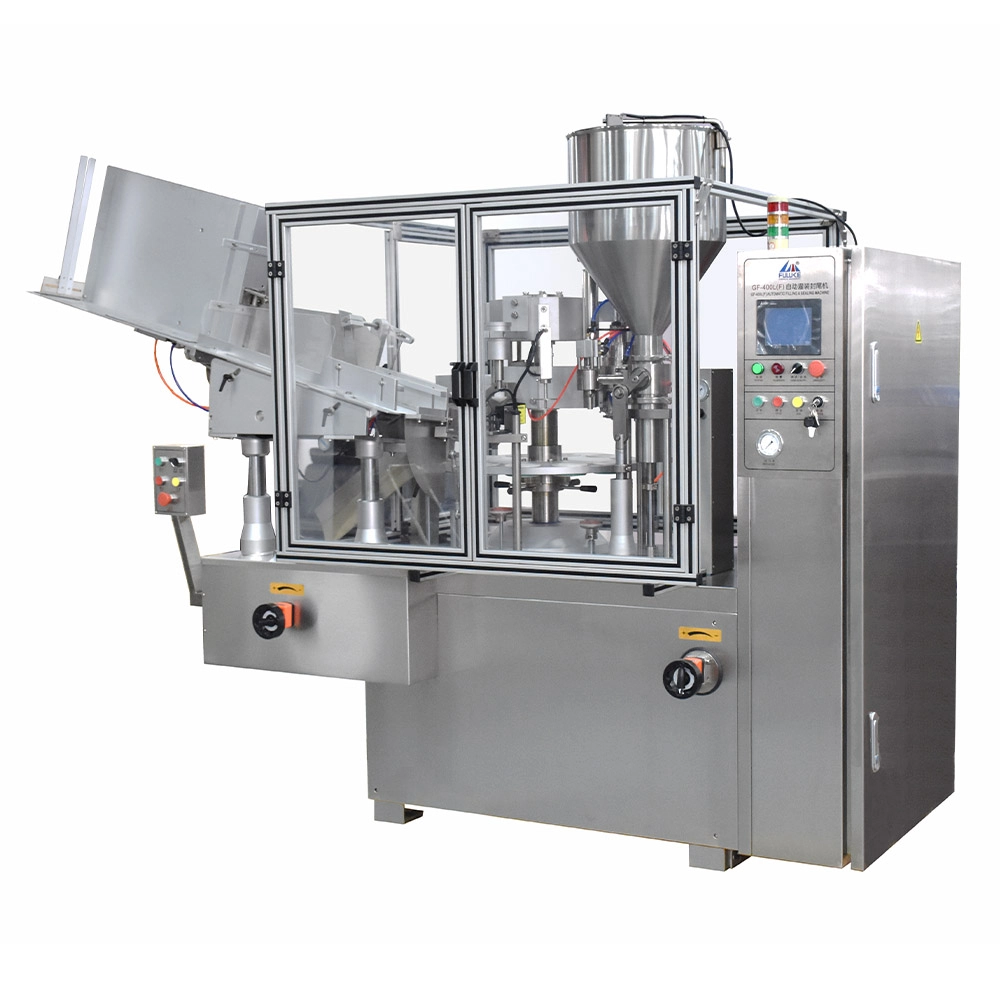
Automatic Tube Filling and Sealing Machine Toothpaste Sunscreen and Facial Cleanser Filling and Sealing Machine for Plastic and Aluminum-plastic Tube
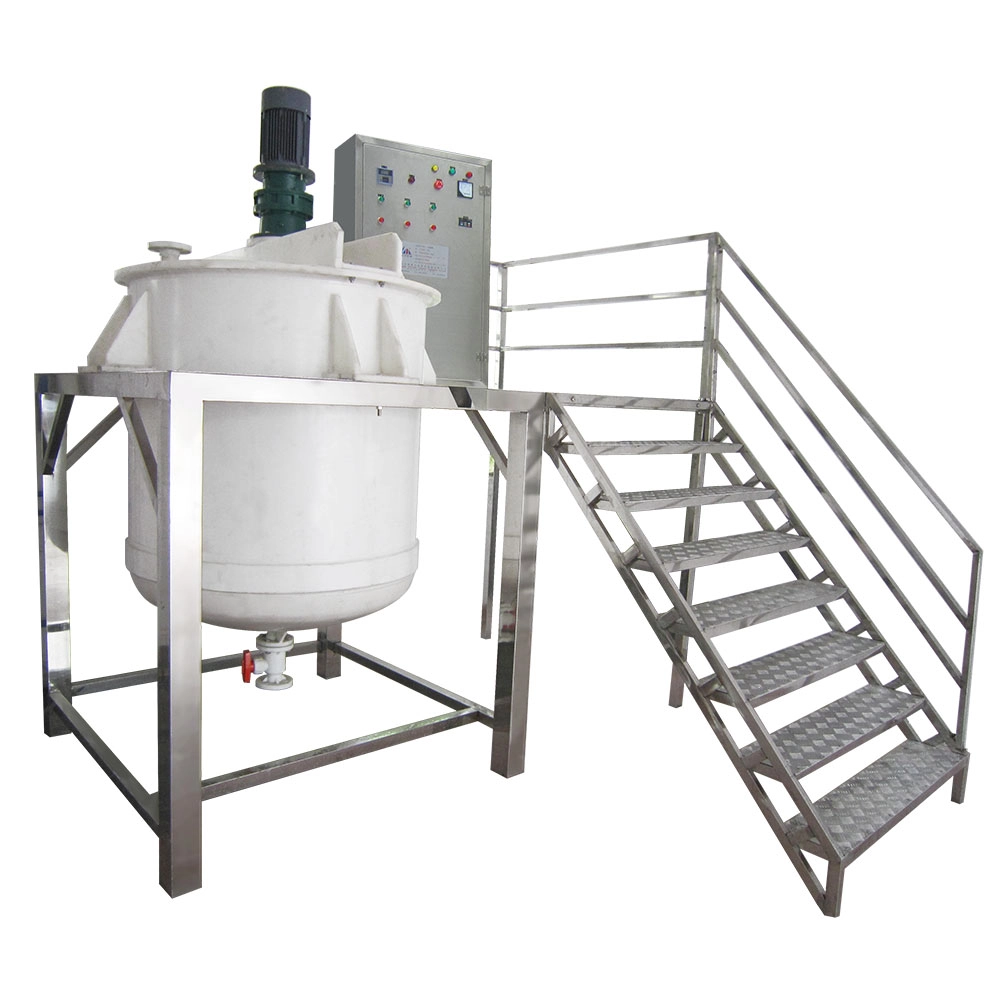
Polypropylene PP Mixing Tank Anti-Corrosion Mixer Reaction Kettle with Agitator Chemical Mixing Vessel
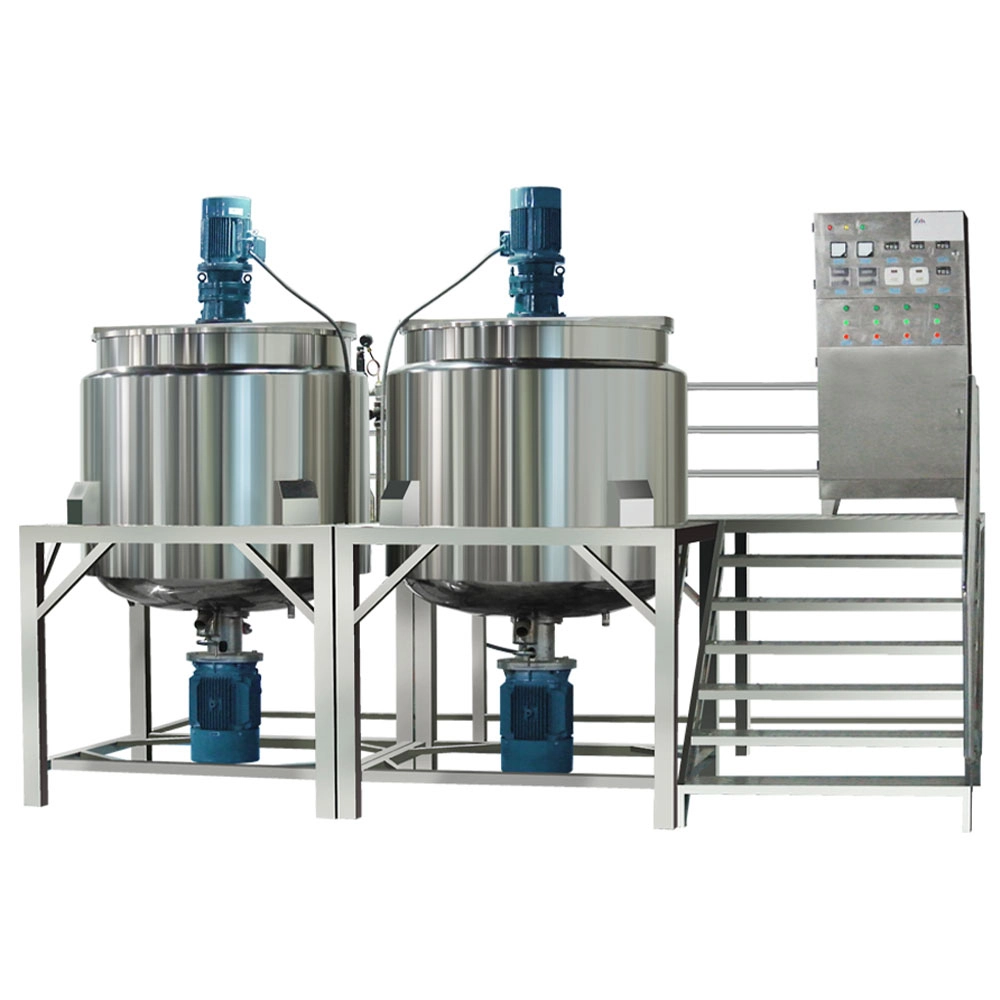
Flip Cover Multi-function Liquid Wash Mixing Tank Blender Liquid Detergent Mixer Homogenization Stirring Tank
Get in touch with FULUKE
If you have any comments or good suggestions, please leave us a message, later our professional staff will contact you as soon as possible.

A leading manufacturer specializing in advanced machinery and complete production lines for the cosmetics, food, pharmaceutical, and chemical industries worldwide.
Contact FULUKE
Facebook
Instagram
YouTube