
Perfume Making Machine Buying Guide: Cost, Capacity, Features
- Why invest in in-house fragrance production?
- Control over formulation and IP
- Cost-per-unit and supply-chain resilience
- Regulatory and quality advantages
- Choosing the right perfume making machine
- Machine types and where they fit
- Key engineering specifications to request
- Scale-up rules and pilot testing
- Cost and capacity: what to expect
- Typical cost ranges and what drives price
- Cost and capacity comparison
- Total cost of ownership (TCO) considerations
- Features, compliance, and integration
- Critical features for perfume production
- Regulatory and GMP aspects
- Utilities and ancillary systems
- Comparative feature matrix: emulsification technologies
- Vendor selection checklist and supplier considerations
- Technical and commercial questions to ask
- After-sales and global support
- Why documentation and validation matter
- FULUKE: a turnkey partner for perfume production
- Practical tips: installation, commissioning, and ramp-up
- Site preparation and utilities
- Commissioning and operator training
- Quality control and pilot runs
- FAQ
- 1. How much does a perfume making machine cost?
- 2. Do I need a vacuum emulsifying machine for perfume?
- 3. What batch size should I start with?
- 4. How important is RO water?
- 5. What certifications or documentation should I request?
- 6. Can I add filling lines later?
- 7. Where can I learn more about emulsification technology?
As someone who has advised cosmetics manufacturers for years and worked directly with fragrance production lines, I know the choices you make about equipment determine product quality, repeatability, and regulatory compliance. In this guide I walk you through how to select a perfume making machine that matches your budget, desired capacity, and technical needs—covering cost ranges, batch sizes, core features like vacuum emulsifying and homogenization, filling and packaging, and validation requirements. I also explain how system-level choices (RO water, CIP, PLC control) change total cost of ownership and time-to-market.
Why invest in in-house fragrance production?
Control over formulation and IP
Bringing perfume production in-house gives you control over formulation adjustments, confidential aroma compounds, and batch-to-batch consistency. This matters especially when you develop proprietary accords or want rapid prototyping for seasonal launches.
Cost-per-unit and supply-chain resilience
While outsourcing early-stage production may seem cheaper, having your own perfume making machine lowers long-term cost per unit once you pass a certain volume. It also reduces lead-time risks when suppliers face delays—critical for fast-moving brands.
Regulatory and quality advantages
In-house production facilitates compliance with cosmetics Good Manufacturing Practices, such as ISO 22716, and with regulatory expectations from authorities like the U.S. FDA. A well-specified system supports consistent documentation, traceability, and validation.
Choosing the right perfume making machine
Machine types and where they fit
Perfume making is a blend of art and process engineering. Typical equipment types include:
- Vacuum emulsifying mixers: essential when you emulsify water-based accords or need deaeration and fine droplet distribution.
- High-shear mixers / homogenizers: for creating stable emulsions and refining droplet size; options include rotor-stator high-shear and high-pressure homogenizers (Wikipedia).
- Ultrasonic processors: useful for lab-scale homogenization and specific nano-emulsions.
- Filling and capping machines: for bottles, sprays, and sample formats; available as semi-automatic to fully automated lines.
Key engineering specifications to request
When evaluating suppliers, I always ask for:
- Batch capacity (kg or L)
- Material of construction (SUS316L for wetted parts recommended)
- Shear/homogenization capacity (rpm, pressure, or tip speed)
- Heating/cooling capability (jacketed vessels, steam/thermal fluid)
- Vacuum level and deaeration performance (mbar or kPa)
- CIP (clean-in-place) ability and sanitary design
- Automation level: PLC/HMI, recipe management, SCADA integration
Scale-up rules and pilot testing
Scale-up is not linear. I advise running pilot batches on equipment that is geometrically similar or working with suppliers who provide scale-up calculations. Key parameters to preserve during scale-up are tip speed, energy per unit volume (kW/m3), and mixing time. For complex emulsions, conduct at least three pilot batches and track droplet size distribution, viscosity, and stability over time.
Cost and capacity: what to expect
Typical cost ranges and what drives price
Cost depends on capacity, automation, materials, and certification. Major drivers include:
- Wetted materials (SS316L vs SS304)
- Level of automation and control systems
- Presence of vacuum, homogenizer, or high-pressure systems
- Custom sanitary design and validation documentation
- After-sales support and spare-parts availability
Cost and capacity comparison
| Category | Batch capacity | Typical cost (USD) | Typical use |
|---|---|---|---|
| Laboratory / R&D | 0.5–25 kg | $3,000–$25,000 | Formulation development, small-batch artisan production |
| Pilot / Small Production | 25–500 kg | $15,000–$120,000 | Market tests, contract manufacturing, small brands |
| Industrial / Full Production | 500–5,000+ kg | $80,000–$800,000+ | High-volume fragrance or co-packing facilities |
These ranges are indicative; exact quotes depend on options such as integrated filling lines, skid-mounted systems, and validation documentation. For example, adding a high-pressure homogenizer or a full automated filling & capping line can each add tens to hundreds of thousands of dollars to the system cost.
Total cost of ownership (TCO) considerations
Don't only compare purchase price. Consider energy consumption, utility requirements (RO water, compressed air, steam), maintenance (mechanical seals, rotor-stator wear parts), spare parts lead time, and software licenses. A well-designed system with proper service support reduces downtime and lowers TCO over 3–5 years.
Features, compliance, and integration
Critical features for perfume production
From my experience, the following features produce measurable differences in product quality and process reliability:
- Vacuum capability for deaeration and improved fragrance clarity.
- Efficient homogenization for stable micro- or nano-emulsions.
- Jacketed mixing tanks with precise temperature control for heat-sensitive aroma compounds.
- Sanitary design for easy CIP and low contamination risk.
- Recipe management, batch recording, and traceability through PLC/HMI.
Regulatory and GMP aspects
Adhering to cosmetics GMP is essential. ISO 22716 outlines Good Manufacturing Practices for cosmetics; you can review the standard here: ISO 22716. In the U.S., the FDA regulates cosmetic safety and labeling; their cosmetics page provides guidance: FDA Cosmetics. I insist equipment vendors provide documentation that supports GMP: material certificates (2.1/3.1), weld records, surface finish specifications, and validation protocols.
Utilities and ancillary systems
Key ancillary systems commonly overlooked are:
- RO water and purified water systems: essential for dilutions and rinsing. World Health Organization and pharmacopeias discuss water quality for production; see WHO resources for water quality guidance: WHO Guidelines.
- Compressed air: oil-free compressors with appropriate filters for spray and pneumatic controls.
- Steam or thermal oil for heating jackets, if required by formulation.
- CIP skid and waste handling to maintain sanitary conditions.
Comparative feature matrix: emulsification technologies
| Technology | Strengths | Limitations | Best for |
|---|---|---|---|
| Vacuum emulsifying mixer | Good deaeration, uniform mixing, sanitary | Higher initial cost | Water-in-oil or oil-in-water perfume emulsions, production scale |
| High-shear rotor-stator | Efficient dispersion, lower cost | May generate heat; limited for nano-emulsions | Routine mixing, dispersion of viscous bases |
| High-pressure homogenizer | Produces fine droplet sizes, stable emulsions | Energy intensive, higher maintenance | Micro/nano-emulsions, high-stability products |
| Ultrasonic homogenizer | Good for lab-scale nano-emulsions | Limited to small batches | R&D and small-batch specialty formulations |
Vendor selection checklist and supplier considerations
Technical and commercial questions to ask
When I evaluate vendors, I use a structured checklist:
- Can you provide case studies or references from fragrance or cosmetic clients?
- Do you supply IQ/OQ/PQ documentation and FAT/SAT services?
- What spare parts are recommended annually, and what are lead times?
- Do you offer training, commissioning, and long-term maintenance contracts?
- What are options for modular upgrades (e.g., adding homogenizer or filling line later)?
After-sales and global support
Global brands need predictable support. I prefer suppliers with regional service networks or authorized partners to reduce downtime. Remote diagnostics and PLC backups are valuable for rapid troubleshooting.
Why documentation and validation matter
Good documentation streamlines regulatory submissions and audits. Ask for material certificates, surface finish measurements (Ra), weld traceability, and electrical schematics. For contract manufacturers, these documents are often non-negotiable.
FULUKE: a turnkey partner for perfume production
FULUKE (Guangzhou Fuluke Cosmetic Equipment Co., Ltd.) is a global manufacturer of cosmetic equipment with over 30 years of experience. We specialize in mixing and emulsifying equipment, as well as complete packaging lines for creams, lotions, and sauces. We provide advanced, customized solutions for the cosmetics, food, pharmaceutical, and chemical industries to help manufacturers improve efficiency, product consistency, and production safety. Based in Guangzhou, China, we integrate engineering design, precision machining, automation control, and strict quality management to deliver equipment that meets GMP, ISO, and international hygiene standards.
Our product portfolio includes vacuum emulsifying mixers, mixing tanks, filling and sealing machines, and turnkey packaging lines that cover the entire production process, from ingredient preparation and mixing to emulsification, homogenization, filling, labeling, and final packaging. Each system is engineered to enhance efficiency, ensure batch consistency, reduce energy consumption, and support seamless production scaling.
With a strong focus on innovation and global service, we offer tailored systems, process optimization, intelligent control upgrades, and full technical support—from installation and commissioning to long-term maintenance. For more on our products and solutions, see our website: https://www.fulukemix.com. Contact us by email at flk09@gzflk.com for quotes and technical consultation.
Key FULUKE advantages and main products include: Filling machine, Multifunctional mixing tank, Perfume making equipment, Vacuum emulsifying machine, RO water treatment—backed by decades of process experience and global installations that demonstrate reliability and service capability.
Practical tips: installation, commissioning, and ramp-up
Site preparation and utilities
Plan power, drainage, compressed air, and RO water in advance. Get utility load estimates from vendors and include cable trays and foundation pads in the installation scope. I recommend a FAT (Factory Acceptance Test) before shipping and a SAT (Site Acceptance Test) after installation.
Commissioning and operator training
Ensure vendor provides on-site commissioning and training for operators and maintenance staff. Standardize SOPs for start-up/shutdown, cleaning, and emergency procedures. Maintain a spares kit that includes seals, gaskets, bearings, and critical electronics.
Quality control and pilot runs
Run 3–5 pre-production batches to validate recipes, check stability, and measure key quality attributes (viscosity, droplet size, odor profile). Keep detailed batch records, and once satisfied, move to a validated control state for routine production.
FAQ
1. How much does a perfume making machine cost?
Costs vary by capacity and features. Expect roughly $3,000–$25,000 for lab units, $15,000–$120,000 for pilot-scale systems, and $80,000–$800,000+ for industrial, fully automated lines. These are indicative ranges; request vendor quotes for exact pricing and included services.
2. Do I need a vacuum emulsifying machine for perfume?
Not always, but vacuum emulsifying machines provide deaeration and improved clarity and are preferred when producing water-containing fragrances, emulsions, or when removing dissolved gases improves aroma stability.
3. What batch size should I start with?
Start with a batch size aligned to your intended volume and marketing cadence. For new brands, pilot batches (25–200 kg) are a practical compromise between cost and meaningful production volume. Lab units are useful for R&D but don’t reflect full-scale process dynamics.
4. How important is RO water?
RO water is essential for water-containing formulations to avoid contamination and off-notes. It also protects equipment from scaling. Consider a RO/purification skid sized for your maximum expected demand.
5. What certifications or documentation should I request?
Request material certificates (e.g., 2.1/3.1), surface finish Ra values, weld records, FAT reports, IQ/OQ/PQ templates, and sanitation/CIP documentation. Compliance with ISO 22716 principles and traceability support are critical.
6. Can I add filling lines later?
Yes—many systems are modular. Plan utility capacities and layout with future expansion in mind. Ensure piping and control interfaces follow standard protocols to simplify future integration.
7. Where can I learn more about emulsification technology?
Good starting points include the Wikipedia emulsifier page and technical literature from homogenizer vendors. For GMP and manufacturing standards, refer to ISO 22716 and FDA Cosmetics Guidance.
If you'd like tailored advice for your project—capacity planning, equipment selection, or a quote—contact me or reach out directly to FULUKE for a consultation and equipment proposal. Visit https://www.fulukemix.com or email flk09@gzflk.com.
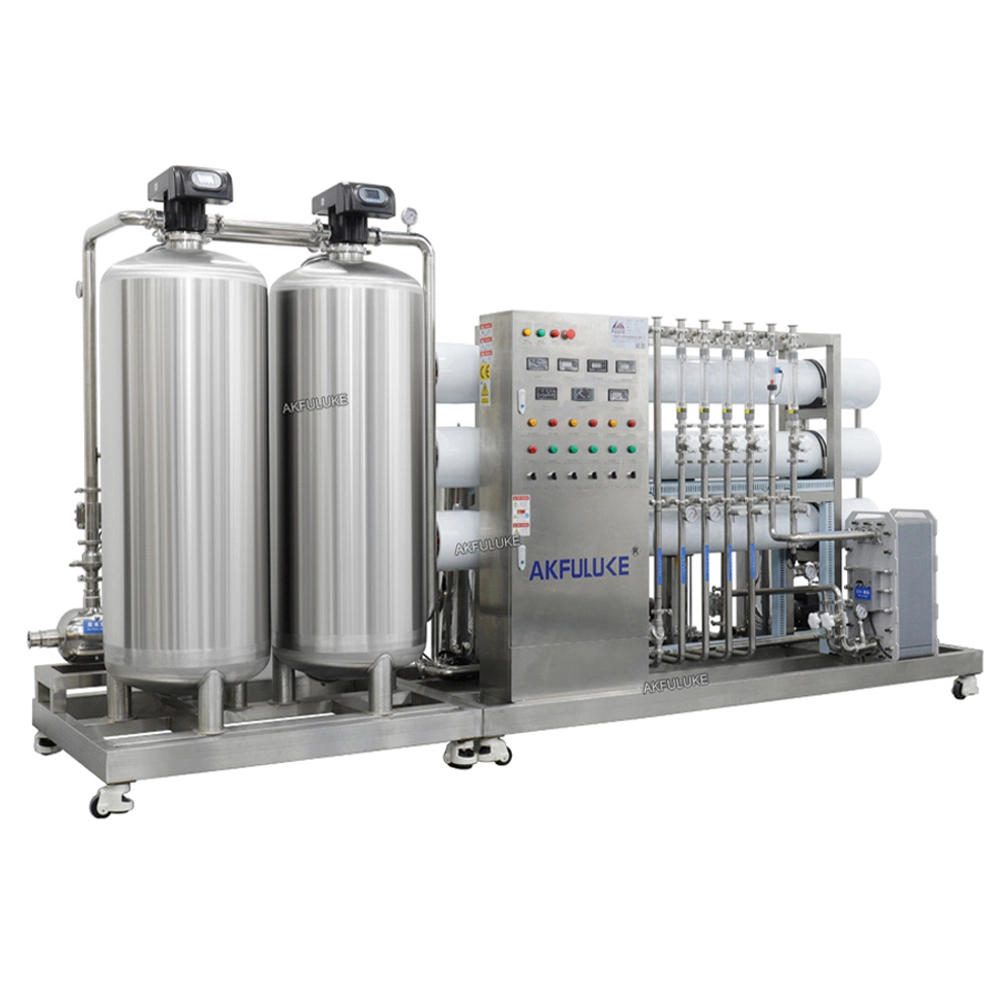
Compliance, Certifications, and Water Standards for RO Systems
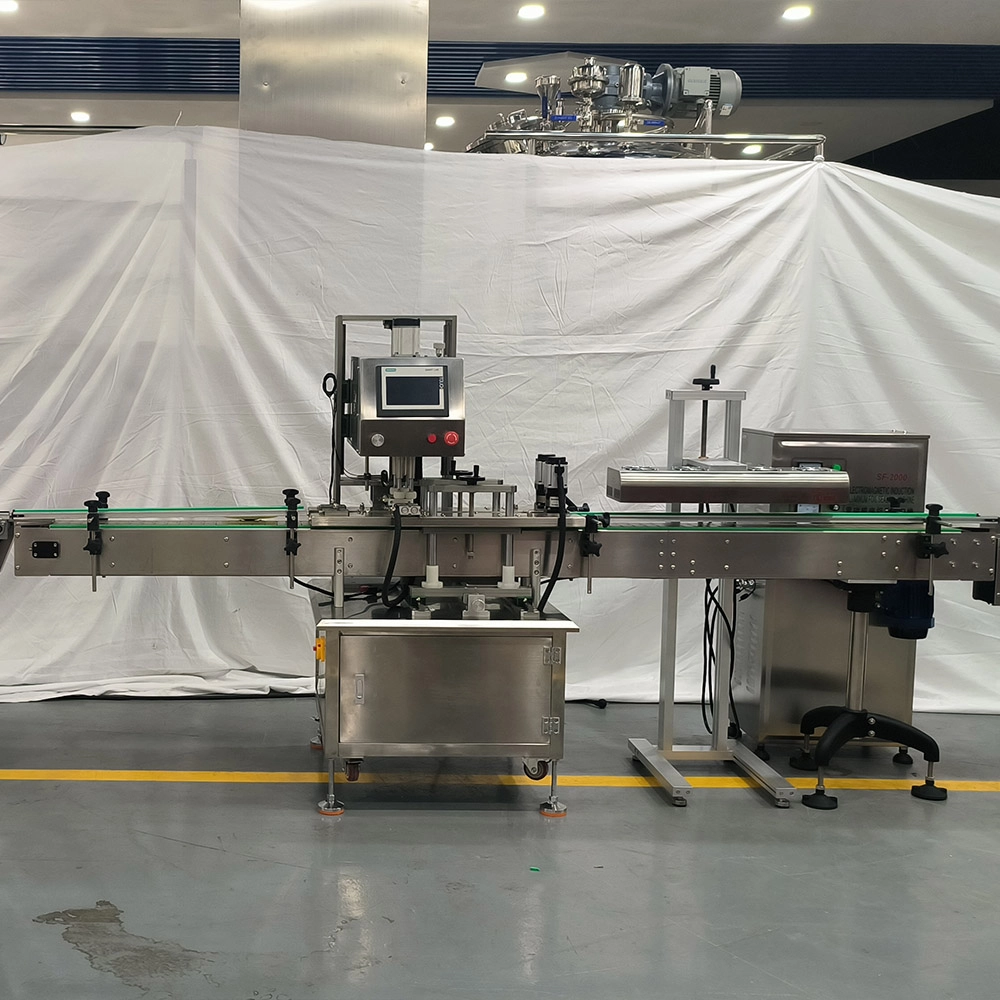
Preventing Cross-Contamination in Multi-Product Lines
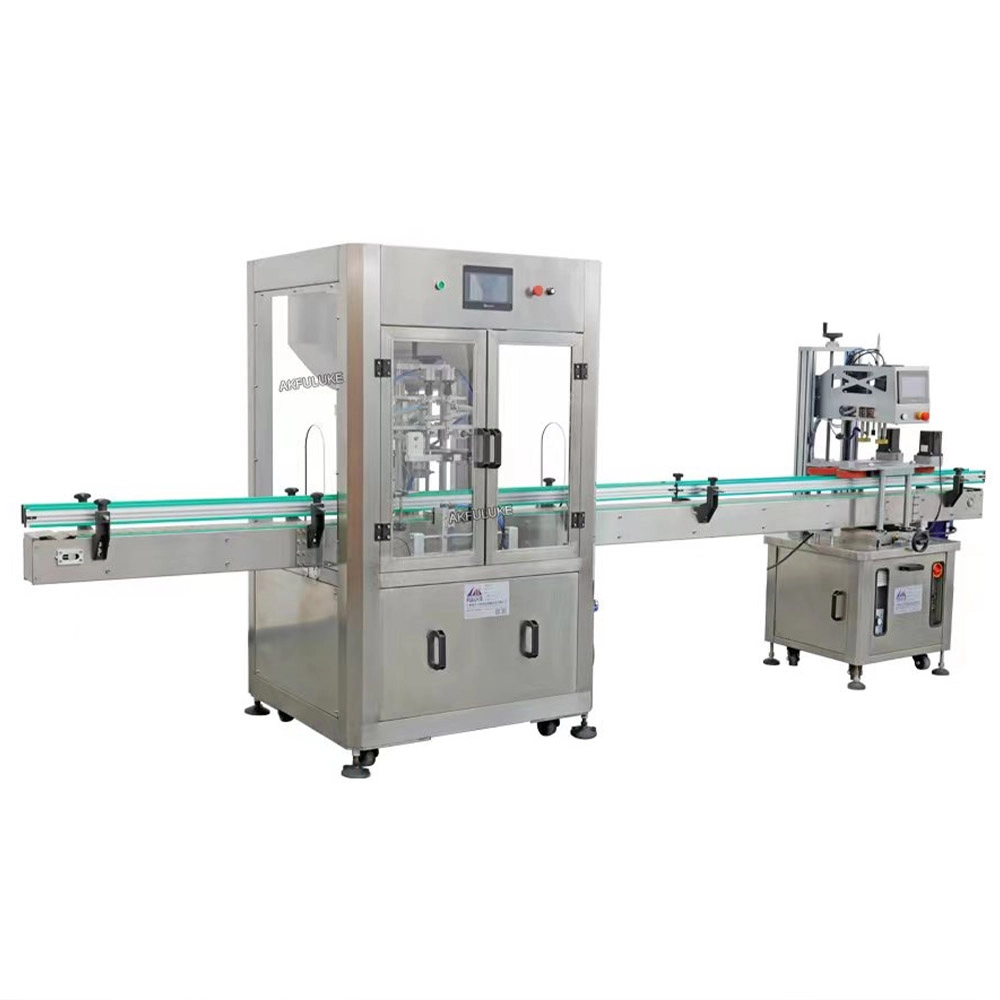
How to Calculate ROI for an Automatic Filling Machine
GMP Compliance for Cosmetic Industrial Mixing Tanks
Oven machine
Does this oven meet the hygiene standards for the food and pharmaceutical industries?
Yes. All internal components are made of food-grade 304/316L stainless steel, eliminating any unsanitary corners, making it easy to clean, corrosion-resistant, and heat-resistant, capable of withstanding high-temperature sterilization. The drying process meets food-grade (GB 14881) and pharmaceutical-grade (GMP) hygiene requirements, making it suitable for drying glass bottles in the food, beverage, pharmaceutical, and cosmetic industries.
Automatic Capping Machine
What can you buy from us?
RO Water Treatment、Vacuum Emulsifying Machine、Homogenizer Mixing Tank、Filling and Capping、labeling Machine、Packing Machine、Storage Tank,etc.
Automatic Facial Mask Filling Machine
After purchasing the equipment, what after-sales services does the supplier typically provide?
General services include on-site installation and commissioning (including workshop layout planning), operator training (theoretical and practical training to ensure workers can operate independently), a one-year full machine warranty, and lifetime technical support (24-hour telephone and video troubleshooting).
Automatic Tube Filling and Sealing Machine
Who are we?
Our headquarters is located in Guangzhou, Guangdong, China, and our factory is located in Yangzhou, Jiangsu. Our products are sold all over the world. We have approximately 50 employees in our company and factory.
Why are wrinkles, leaks, or uneven edges appearing after sealing? How can this be addressed?
These issues are often caused by three core factors, with corresponding solutions as follows:
Temperature mismatch: If the temperature is too low, the edge seal will not adhere well and leaks may occur; if the temperature is too high, it may burn and wrinkle. Adjust the sealing temperature using the PLC touch screen.
Insufficient pressure/time: The sealing cylinder pressure should be adjusted according to the hose material, and the sealing head pressing time should be ≥ 1.5 seconds to avoid a poor seal caused by insufficient pressure or short pressing time.
Mold wear/alignment deviation: Inspect the sealing mold for scratches and deformation. Replace if worn. If the label is misaligned with the seal, calibrate the photoelectric sensor position.
You May Also Like
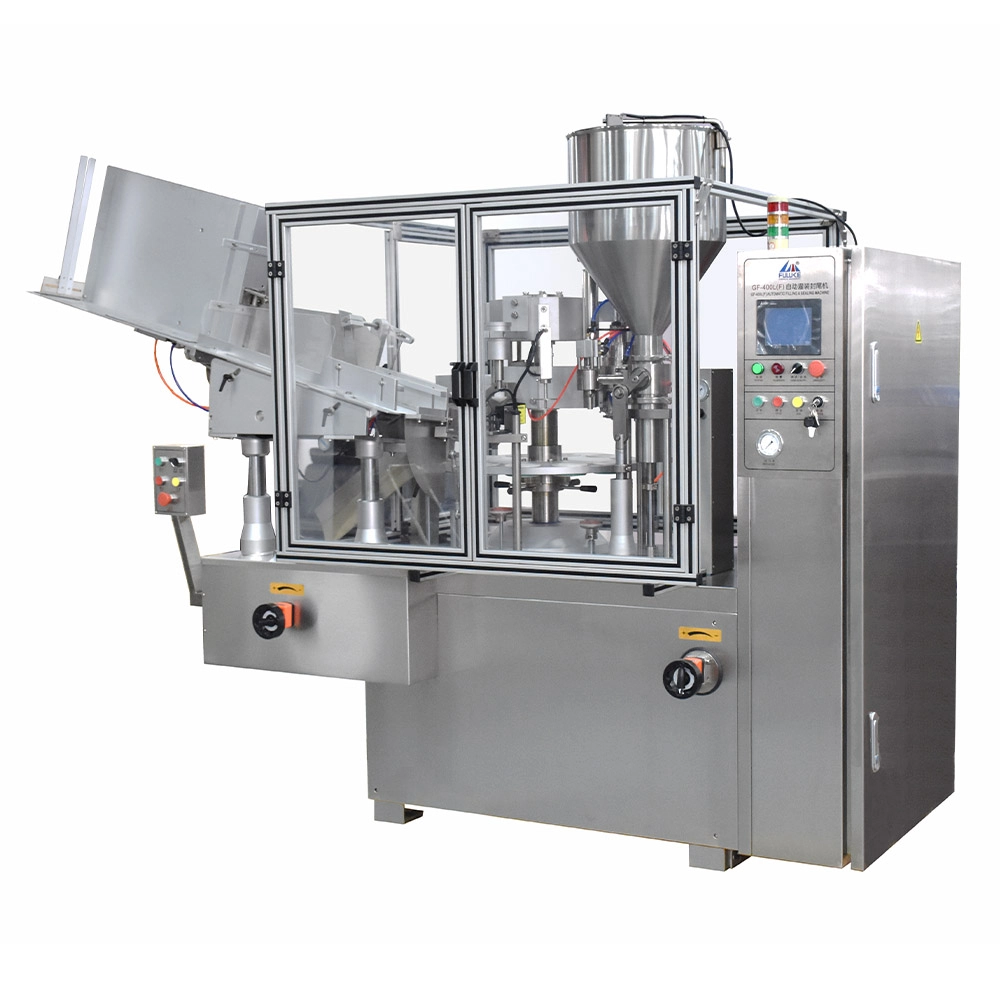
Automatic Tube Filling and Sealing Machine Toothpaste Sunscreen and Facial Cleanser Filling and Sealing Machine for Plastic and Aluminum-plastic Tube
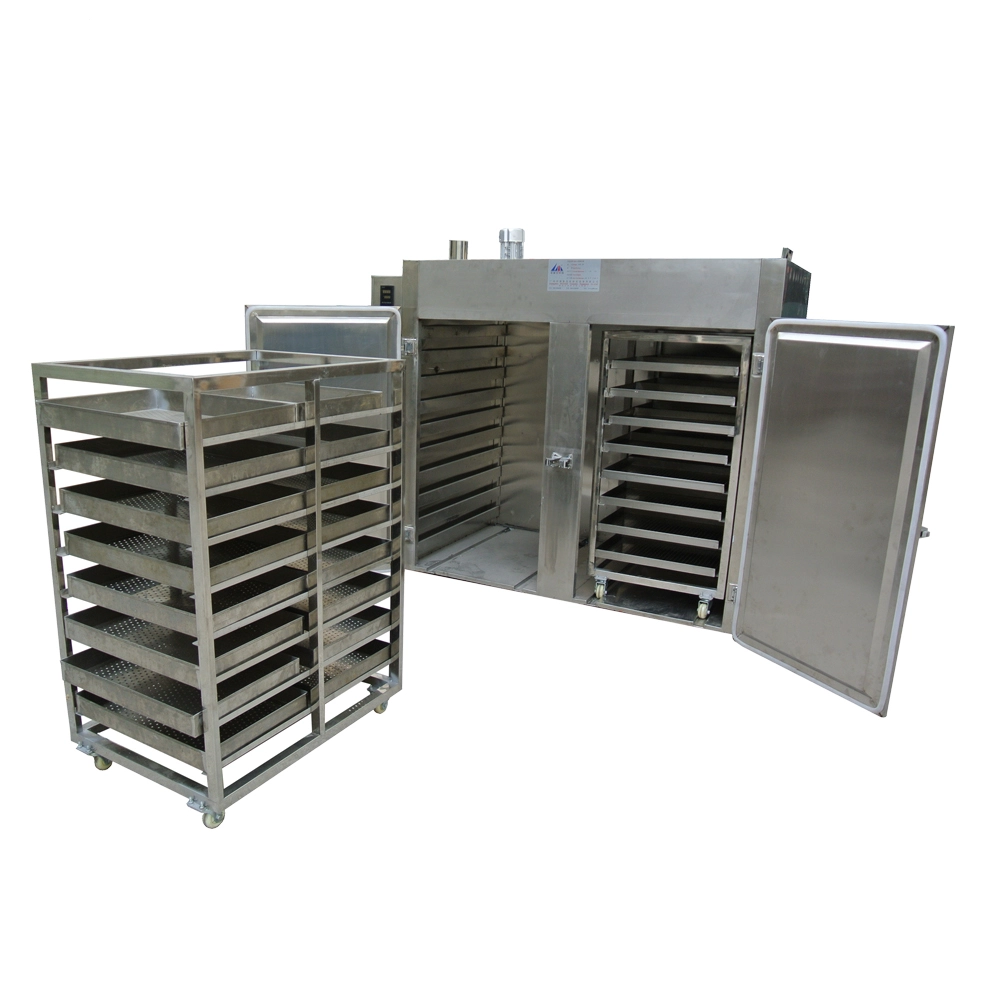
Over for Bottles High Temperature Sterilizer Tray Dryer Large Hot Air Circle Drying Oven for Glass Bottle Jar Cup Can

Automatic Glass Bottle Washing Machine High Quality Glass Bottle Cleaning Washer
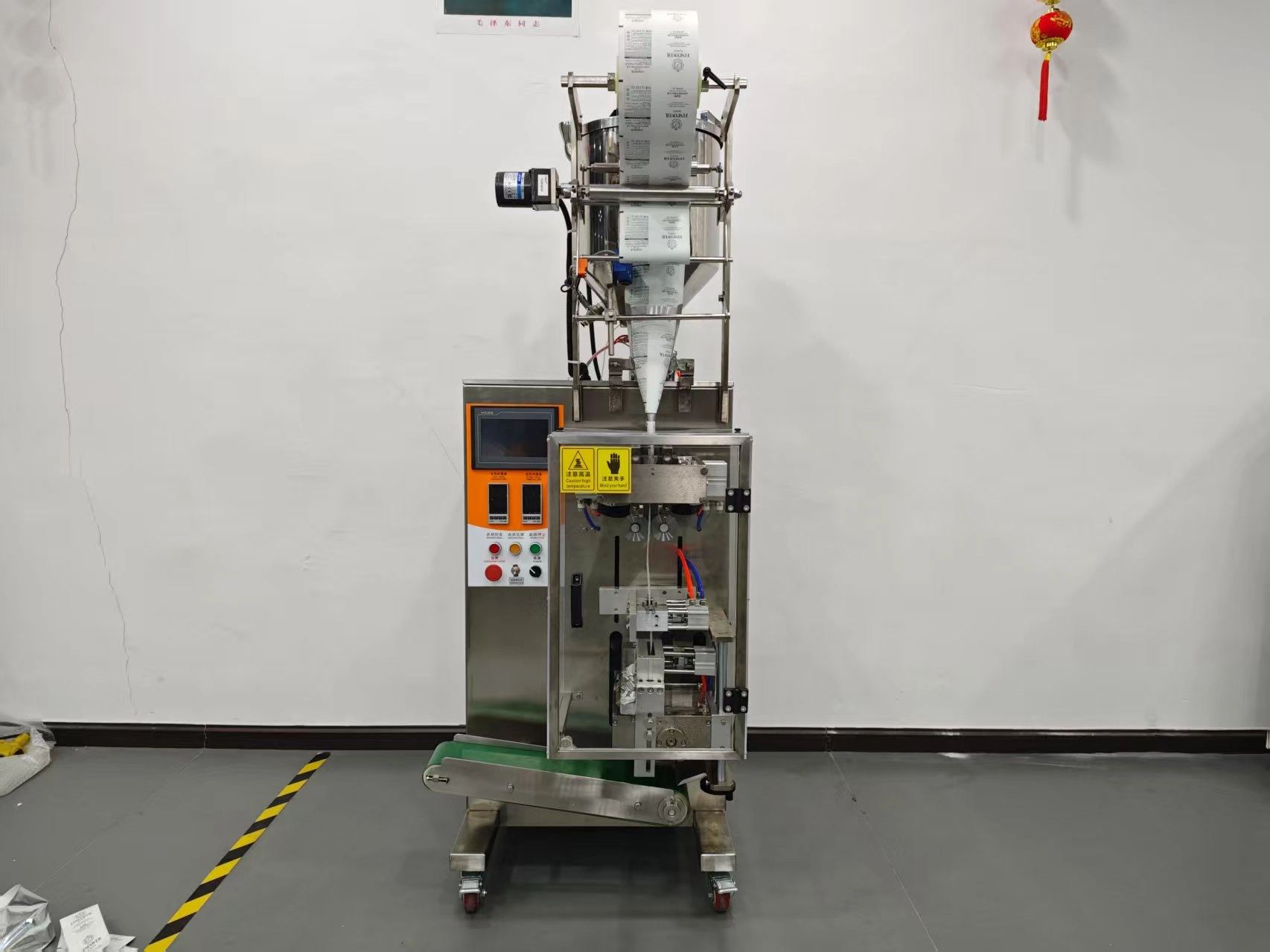
Three-side/four-side sealing bag packaging machine Liquid Paste Jam Cream Sachet Vertical Filling Pouch Packing Machine
Get in touch with FULUKE
If you have any comments or good suggestions, please leave us a message, later our professional staff will contact you as soon as possible.

A leading manufacturer specializing in advanced machinery and complete production lines for the cosmetics, food, pharmaceutical, and chemical industries worldwide.
Contact FULUKE
Facebook
Instagram
YouTube