
Comparing Piston and Peristaltic Liquid Filling Technologies
- Why choosing the right liquid filling technology matters
- Matching product characteristics to pump technology
- Throughput, precision and cost trade-offs
- Technical comparison: piston vs peristaltic filling
- Operating principles and how they affect filling
- Accuracy, repeatability and speed
- Sanitation, contamination risk and compliance
- Selecting the best solution for cosmetics and multi-product lines
- When piston filling is the preferred choice
- When peristaltic filling is advantageous
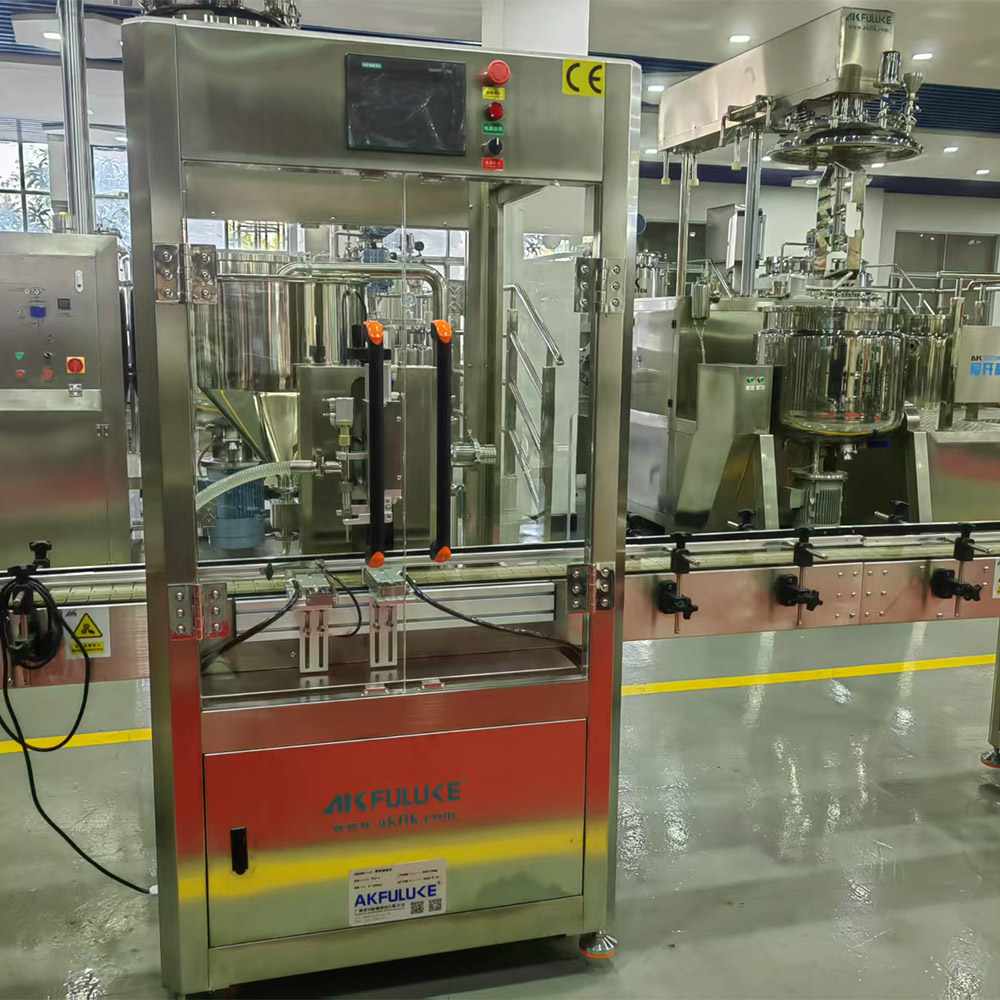
- How an Automatic Filling Machine Quantitative Liquid Bottle Filling Machine High-precision cream and lotion filling machine fits these needs
- Operational considerations, validation and lifecycle cost
- Validation, calibration and quality control
- Consumables, maintenance windows and spare parts
- Environmental & regulatory alignment
- Brand advantages and positioning
- Engineering for cosmetics: accuracy and material compatibility
- Automation, traceability and ease of use
- Serviceability and total cost of ownership
- Frequently Asked Questions (FAQ)
- Q: Which is better for high-viscosity creams — piston or peristaltic?
- Q: How do I maintain accuracy on a peristaltic liquid filling machine?
- Q: Is stainless steel necessary for cosmetic filling machines?
- Q: Can one machine handle both thin lotions and thicker creams?
- Q: Where can I find standards for validation and GMP guidance?
The right choice of liquid filling machine impacts product quality, regulatory compliance, production cost and line uptime. This article provides a detailed, actionable comparison between piston filling and peristaltic filling technologies, focused on cosmetics — creams, lotions, emulsions and viscous products — to help operations, engineering and purchasing teams make evidence-based decisions. Wherever appropriate, recommendations reference industry standards and authoritative sources to align with Good Manufacturing Practice (GMP) expectations.
Why choosing the right liquid filling technology matters
Matching product characteristics to pump technology
Different products — thin liquids, shear-sensitive emulsions, gels and viscous creams — interact with pumps in unique ways. Choosing a liquid filling machine that matches rheology (viscosity, shear sensitivity) ensures consistent fill weights, minimizes product degradation and reduces waste. For example, peristaltic pumps use gentle compression of tubing and are often preferable for shear-sensitive or particle-containing formulations, while piston pumps deliver very accurate volumetric fills for a wide viscosity range but can be more intrusive to the product.
Throughput, precision and cost trade-offs
Throughput (bottles/min), dosing accuracy and total cost of ownership (equipment + consumables + maintenance) are primary selection drivers. Piston fillers typically achieve excellent accuracy and high throughput. Peristaltic systems can be competitive on accuracy for many cosmetics applications but require tubing replacement as a consumable. Evaluating cycle time vs. downtime for maintenance helps determine the best ROI for your production scale.
Technical comparison: piston vs peristaltic filling
Operating principles and how they affect filling
Piston filling is a form of positive displacement that measures volume by the travel of a piston in a cylinder. The piston draws product into a chamber then pushes it into the container. Piston systems are straightforward, robust and highly repeatable when properly maintained. See the mechanical overview of piston pumps on Wikipedia.
Peristaltic filling meters fluid by compressing flexible tubing in a timed sequence, pushing product forward. The product only contacts the tubing, which can simplify cleaning and changeover for small runs or aggressive chemistries. For a technical summary, see Peristaltic pump on Wikipedia.
Accuracy, repeatability and speed
Accuracy depends on pump design, control electronics and integration with the machine head and sensors. Piston fillers commonly achieve very tight tolerances (often ±0.5% to ±1% for many formulations) because the volumetric displacement is mechanically defined. Peristaltic fillers can reach similar accuracy for low-to-medium viscosity products, but performance depends on tubing wear and ambient temperature; calibration routines and closed-loop feedback can help maintain consistency.
Sanitation, contamination risk and compliance
Sanitation is critical in cosmetics, pharmaceuticals and food. Peristaltic systems segregate product contact to tubing, which reduces cross-contamination risk when tubing is replaced between runs. Piston systems have product-contact surfaces typically made from stainless steel (316L/304), which allow for thorough cleaning-in-place (CIP) and sterilization-in-place (SIP) when designed to GMP standards. Refer to Good Manufacturing Practice guidance for context: GMP (Good Manufacturing Practice).
| Criteria | Piston Filling | Peristaltic Filling |
|---|---|---|
| Typical accuracy | High (±0.5%–1% typical) | High for low/medium viscosity; affected by tubing wear |
| Suitable viscosities | Low to very high (creams, lotions, pastes) | Low to medium; high-viscosity possible with larger tubing and slower speeds |
| Cleaning & sanitation | CIP/SIP capable when made of 316L/304 stainless steel | Tubing replacement isolates product contact; simpler changeover |
| Maintenance | Mechanical seals and valves require periodic maintenance | Tubing is a consumable; scheduled replacement required |
| Product shear | Higher shear potential; OK for many creams with proper settings | Low shear; better for shear-sensitive emulsions |
| Cost drivers | Higher initial capex; lower consumables | Lower initial capex for small lines; ongoing tubing costs |
Selecting the best solution for cosmetics and multi-product lines
When piston filling is the preferred choice
Choose piston filling when your production requires:
- High volumetric accuracy and tight fill tolerances across a wide viscosity range (including creams and pastes).
- High throughput lines where mechanical robustness minimizes per-unit cost.
- Integrated CIP/SIP workflows and stainless-steel contact parts for regulatory compliance.
For cosmetic manufacturers, a piston-based liquid filling machine often provides the best balance of precision and durability for mainstream lotion and cream products.
When peristaltic filling is advantageous
Peristaltic filling is ideal when:
- You need minimal product contact with metal surfaces (sensitive chemistries or quick product changeovers).
- You produce shear-sensitive emulsions or products with particulates that require gentle handling.
- Small batch flexibility and rapid cleaning/changeover are high priorities.
In multi-product cosmetic facilities with frequent color or fragrance changes, peristaltic systems can reduce cross-contamination risk and shorten downtime for changeover.
How an Automatic Filling Machine Quantitative Liquid Bottle Filling Machine High-precision cream and lotion filling machine fits these needs
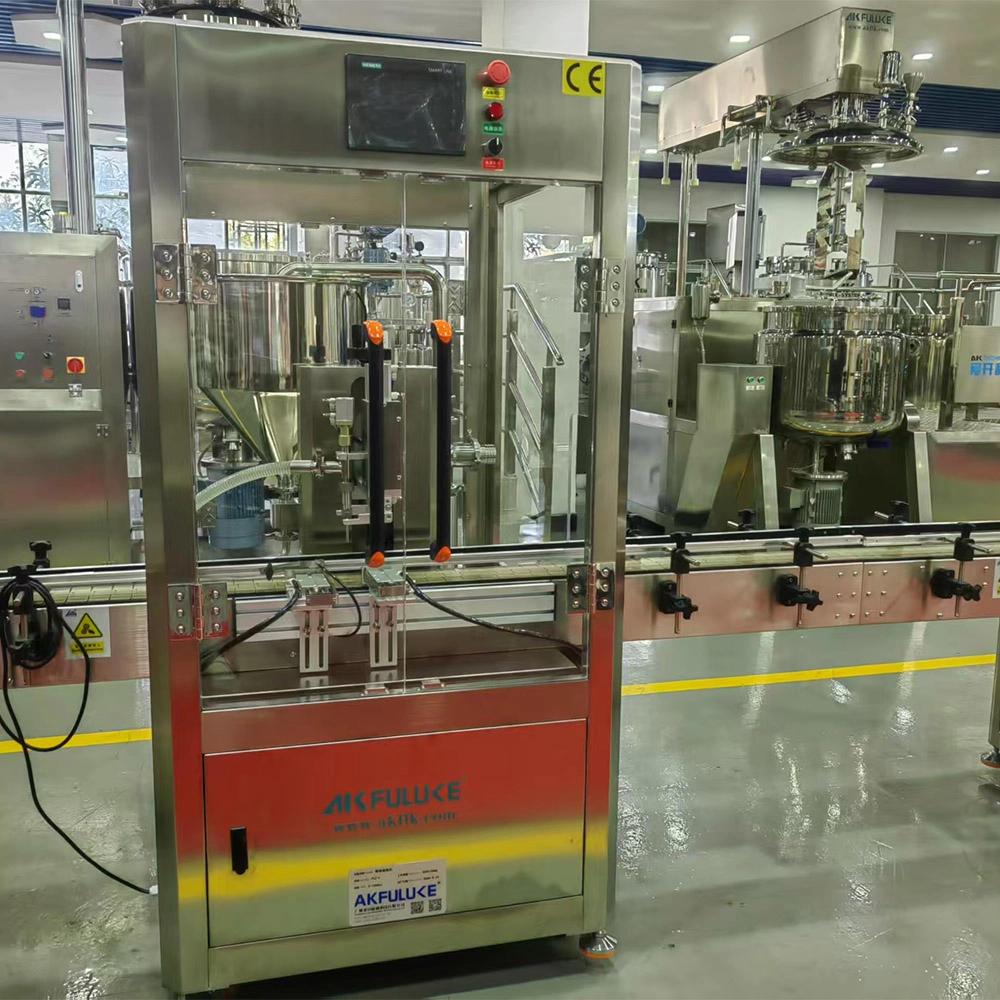
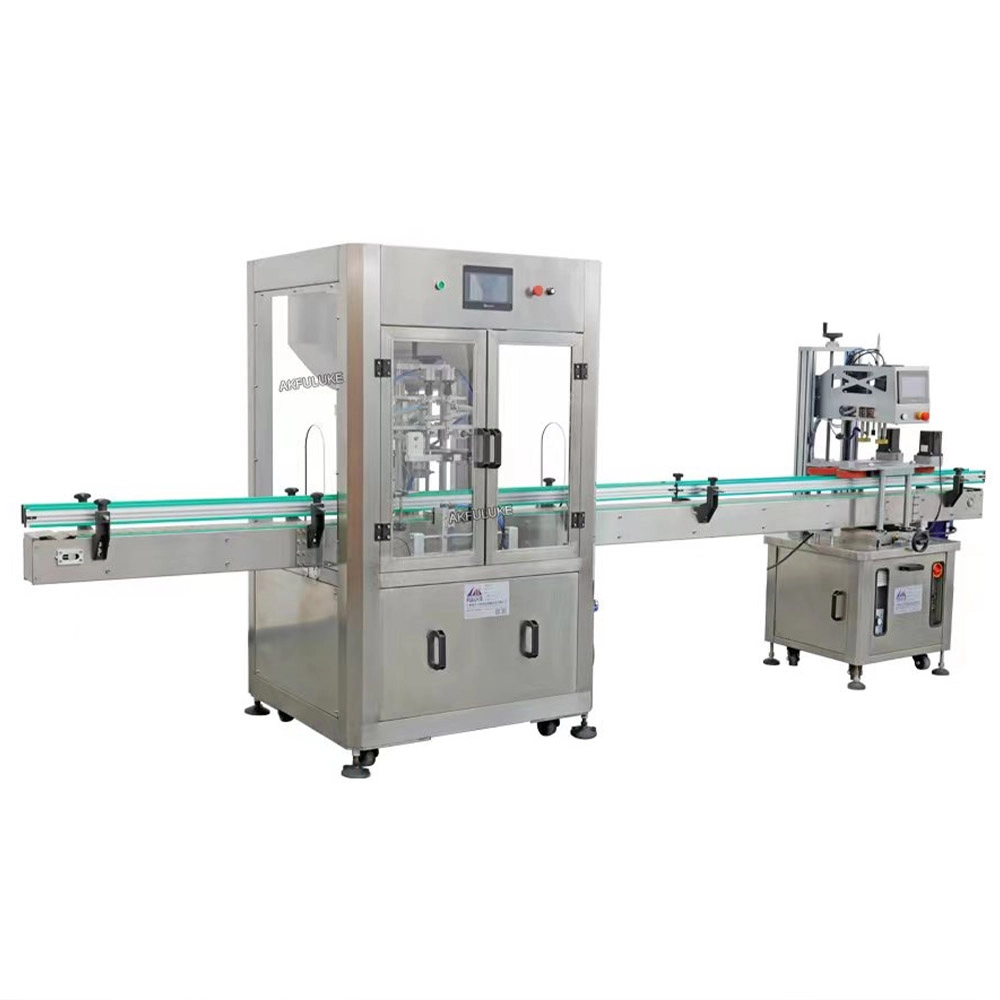
The Automatic Filling Machine Quantitative Liquid Bottle Filling Machine High-precision cream and lotion filling machine integrates automated conveying, precision filling and intelligent control designed specifically for creams, lotions and emulsions. Key product attributes:
The automatic filling machine integrates automated conveying, precision filling, and intelligent control for packaging creams, lotions, and liquids. Suitable for a variety of containers, including glass and PET bottles, it can fill liquids, emulsions, and pastes with high precision.
Constructed with 316L/304 stainless steel contact components and compliant with GMP standards, it features a touchscreen interface for quick parameter adjustment and completes the entire process without manual intervention. Widely used in the cosmetics, food, daily chemical, pharmaceutical, and chemical industries, it helps companies reduce costs, increase efficiency, and ensure product standardization.
Why this product is relevant:
- 316L/304 stainless steel contact parts enable robust CIP/SIP and align with GMP expectations for cosmetics and pharmaceuticals.
- Touchscreen and intelligent control simplify changeover and recipe management for multi-product lines, reducing human error.
- Precision dosing and automated conveying minimize giveaways and increase standardization across batches.
Operational considerations, validation and lifecycle cost
Validation, calibration and quality control
All filling systems should be validated with documented protocols: IQ/OQ/PQ (Installation Qualification, Operational Qualification, Performance Qualification). Validation ensures the machine meets specifications for fill weight, accuracy and repeatability over expected operating conditions. Use in-process checks, weight sampling and statistical process control (SPC) to maintain compliance and reduce out-of-spec product.
Consumables, maintenance windows and spare parts
Factor tubing replacement (peristaltic) or seal/valve parts (piston) into operating budgets. Peristaltic systems have predictable tubing life cycles measured in operating hours; piston systems require maintenance on seals, gaskets and drive components. Planning preventive maintenance during scheduled downtime preserves uptime and reduces emergency repairs.
Environmental & regulatory alignment
Material contact surfaces should be specified as 316L/304 stainless steel where appropriate, and the machine should support cleaning and sanitation routines required by GMP. For cosmetic manufacturers exporting to markets with strict requirements, documented cleaning procedures and traceability (batch records) are important. Refer to Good Manufacturing Practice resources for guidance: GMP and local regulatory agencies for market-specific rules.
Brand advantages and positioning
Engineering for cosmetics: accuracy and material compatibility
A product engineered for cosmetics must balance precision, gentle product handling and sanitary design. Our Automatic Filling Machine delivers high-precision fills across creams, lotions and emulsions while using 316L/304 stainless steel for product-contact surfaces. This material selection supports sanitation, prevents corrosion and aligns with GMP expectations — important for maintaining product integrity and audit readiness.
Automation, traceability and ease of use
Modern lines require minimal manual intervention. The machine's touchscreen interface supports quick parameter adjustment and recipe management, shortens changeover time and reduces operator error. Integrated automation for conveying and filling standardizes fills across runs, improving consistency and simplifying traceability for batch records and quality audits.
Serviceability and total cost of ownership
When evaluating suppliers, consider global service network, spare parts availability and preventive maintenance support. A slightly higher initial investment in a robust, well-documented automatic filling machine often pays back via reduced downtime, fewer rejects and lower per-unit labor costs.
Frequently Asked Questions (FAQ)
Q: Which is better for high-viscosity creams — piston or peristaltic?
A: Piston filling typically provides superior performance for high-viscosity creams and pastes because it handles thick rheology more effectively and maintains accurate volumetric displacement. Peristaltic systems can handle some higher viscosities but often at reduced speed and with larger tubing; piston machines are generally preferred for dense creams.
Q: How do I maintain accuracy on a peristaltic liquid filling machine?
A: Maintain tubing replacement schedules, calibrate regularly, control ambient temperature, and use closed-loop feedback if available. Implementing routine weight checks and SPC sampling helps detect drift early.
Q: Is stainless steel necessary for cosmetic filling machines?
A: For most cosmetics and pharmaceutical applications, 316L/304 stainless steel is recommended for product-contact parts due to corrosion resistance and ease of cleaning. It supports CIP/SIP and aligns with GMP expectations, reducing contamination risk.
Q: Can one machine handle both thin lotions and thicker creams?
A: Yes. Machines like the Automatic Filling Machine Quantitative Liquid Bottle Filling Machine High-precision cream and lotion filling machine are designed to handle a range of viscosities through adjustable pump settings, interchangeable nozzles and intelligent control. Confirm your product’s rheology and required throughput with the supplier to ensure the selected model meets performance targets.
Q: Where can I find standards for validation and GMP guidance?
A: General guidance on Good Manufacturing Practice is available via authoritative resources such as GMP. For market-specific regulations, consult local regulatory bodies and industry associations in cosmetics and pharmaceuticals.
If you would like a tailored recommendation or a quote for the Automatic Filling Machine Quantitative Liquid Bottle Filling Machine High-precision cream and lotion filling machine, contact our sales team or view the product details on our site. For immediate assistance, reach out to customer service or request a sample trial to validate performance with your specific formulas./article/roi-automatic-liquid-filling-machine/
Contact us / View product: Choosing between filling technologies also impacts long-term financial performance, which is why buyers should understand how to calculate ROI for an automatic filling machine before finalizing their investment.Please contact customer service or visit our product page to schedule a demo, request a quote, or book on-site testing with your cream or lotion formulations.
Software Features That Improve Filling Accuracy
How to Choose the perfume making machine manufacturer and supplier ?
How to Validate Filling Accuracy for Regulatory Compliance
Best Perfume Rotary Vacuum Gear Pump Machines for Consistent Flow
Film Packaging Machine
What packaging materials are suitable for this equipment?
It is suitable for transparent paper, BOPP film, and PVC materials.
Perfume Freezing Filter Making Machine
Can you make a design for us?
Yes, we can, we provide not only products, but also solutions and designs.
Automatic Filling Machine
Who are we?
Our headquarters is located in Guangzhou, Guangdong, China, and our factory is located in Yangzhou, Jiangsu. Our products are sold all over the world. We have approximately 50 employees in our company and factory.
Storage Tank
Do special operating conditions (such as high temperature or high pressure) require special customization?
Yes. High-temperature applications require the use of heat-resistant materials and additional insulation. High-pressure applications require enhanced tank wall thickness and sealing structures. Both require individual designs according to corresponding industry standards.
RO Water Treatment
Can you customize the machine?
Of course, we provide customized services according to customer needs.
You May Also Like
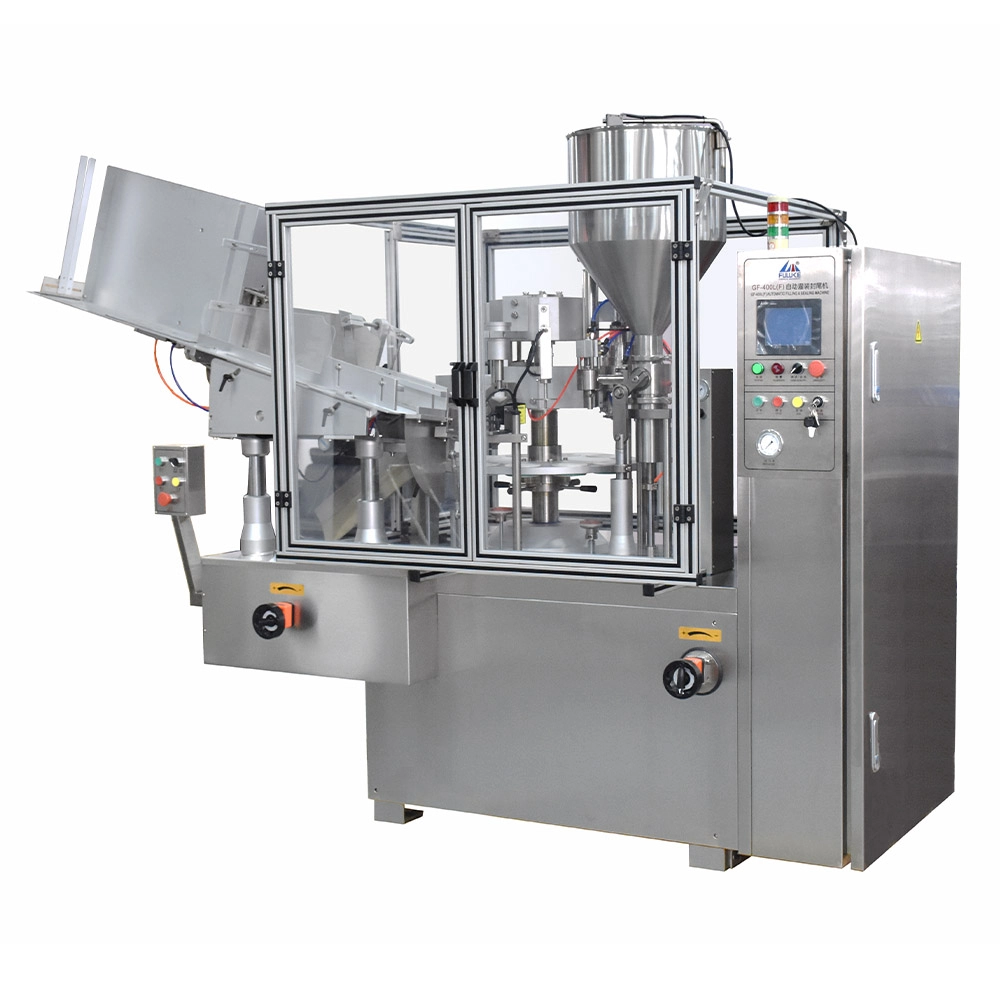
Automatic Tube Filling and Sealing Machine Toothpaste Sunscreen and Facial Cleanser Filling and Sealing Machine for Plastic and Aluminum-plastic Tube
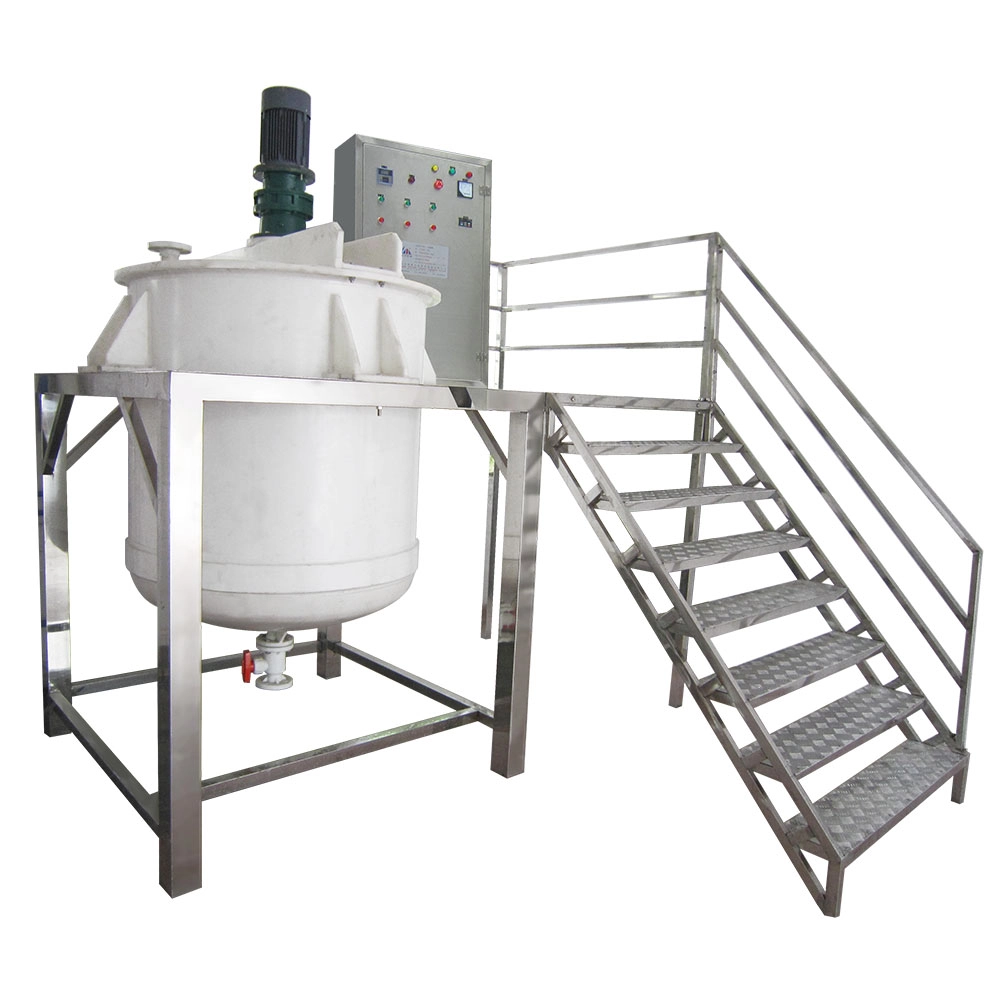
Polypropylene PP Mixing Tank Anti-Corrosion Mixer Reaction Kettle with Agitator Chemical Mixing Vessel
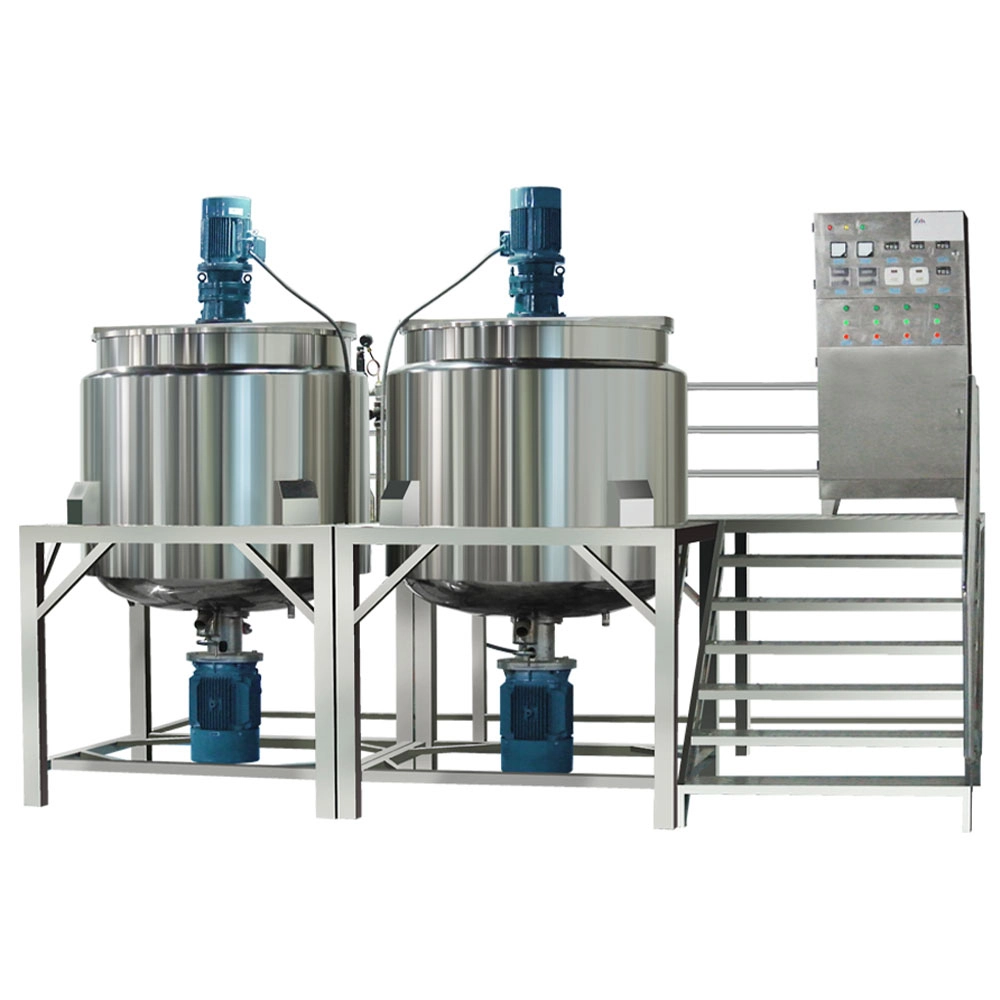
Flip Cover Multi-function Liquid Wash Mixing Tank Blender Liquid Detergent Mixer Homogenization Stirring Tank
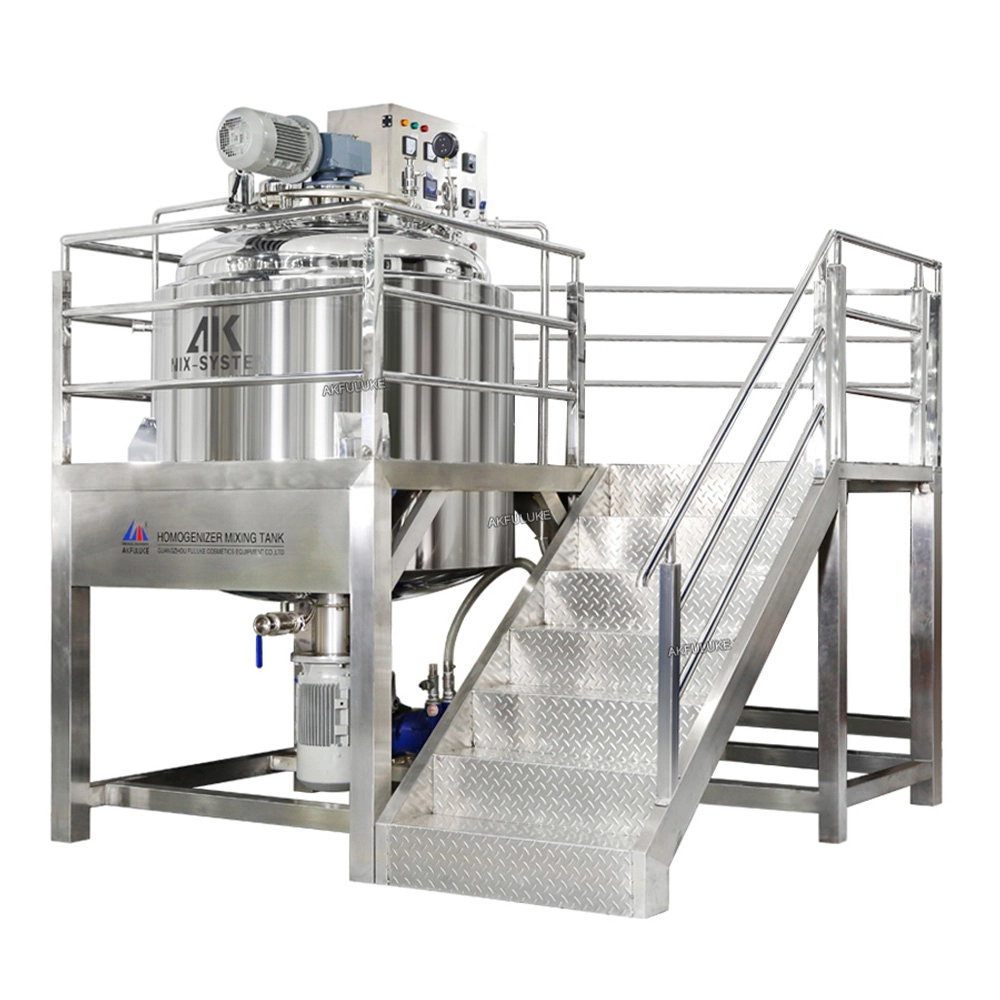
Stainless Steel Mixer Liquid Mixing tank with Agitator Homogenizing Mixing tank Vacuum Sealed Mixer Machine
Get in touch with FULUKE
If you have any comments or good suggestions, please leave us a message, later our professional staff will contact you as soon as possible.

A leading manufacturer specializing in advanced machinery and complete production lines for the cosmetics, food, pharmaceutical, and chemical industries worldwide.
Contact FULUKE
Facebook
Instagram
YouTube