
Integration: Pre-treatment and Post-treatment for RO Installations
- Integration: Pre-treatment and Post-treatment for RO Installations
- Why proper pre-treatment matters for an industrial reverse osmosis system
- Key feedwater parameters to test before designing pre-treatment
- Typical pre-treatment components for RO installations
- Design targets and practical values
- Designing post-treatment to match end-use: cosmetics, industrial processes and more
- Integrating distribution and point-of-use safeguards
- Control, monitoring and automation strategies
- Maintenance, troubleshooting and lifecycle considerations
- Example system configuration (cosmetic manufacturing support)
- Cost and performance trade-offs
- Brand advantages: Why choose the Reverse Osmosis / RO Water Treatment Water Filter System 99% Desalination Rate Industrial Purification Filtration Water treatment Machine
- Frequently Asked Questions (FAQ)
- Q: What pre-treatment is essential for protecting RO membranes?
- Q: Can I achieve 99% desalination with minimal pre-treatment?
- Q: How often should membranes be cleaned or replaced?
- Q: Is antiscalant or softening better for high-recovery RO installations?
- Q: How do I prevent microbiological regrowth in permeate distribution?
- Contact & product CTA
- Authoritative references
Integration: Pre-treatment and Post-treatment for RO Installations
Why proper pre-treatment matters for an industrial reverse osmosis system
An industrial reverse osmosis system is a capital- and energy-intensive component of modern water purification. Proper pre-treatment directly affects membrane life, operating cost, and product water quality. Fouling, scaling, biological growth, and oxidative damage are leading causes of premature membrane failure and reduced system performance. For industrial plants — including cosmetics production, pharmaceuticals and food processing — consistent water quality is critical for product safety, regulatory compliance, and equipment longevity.
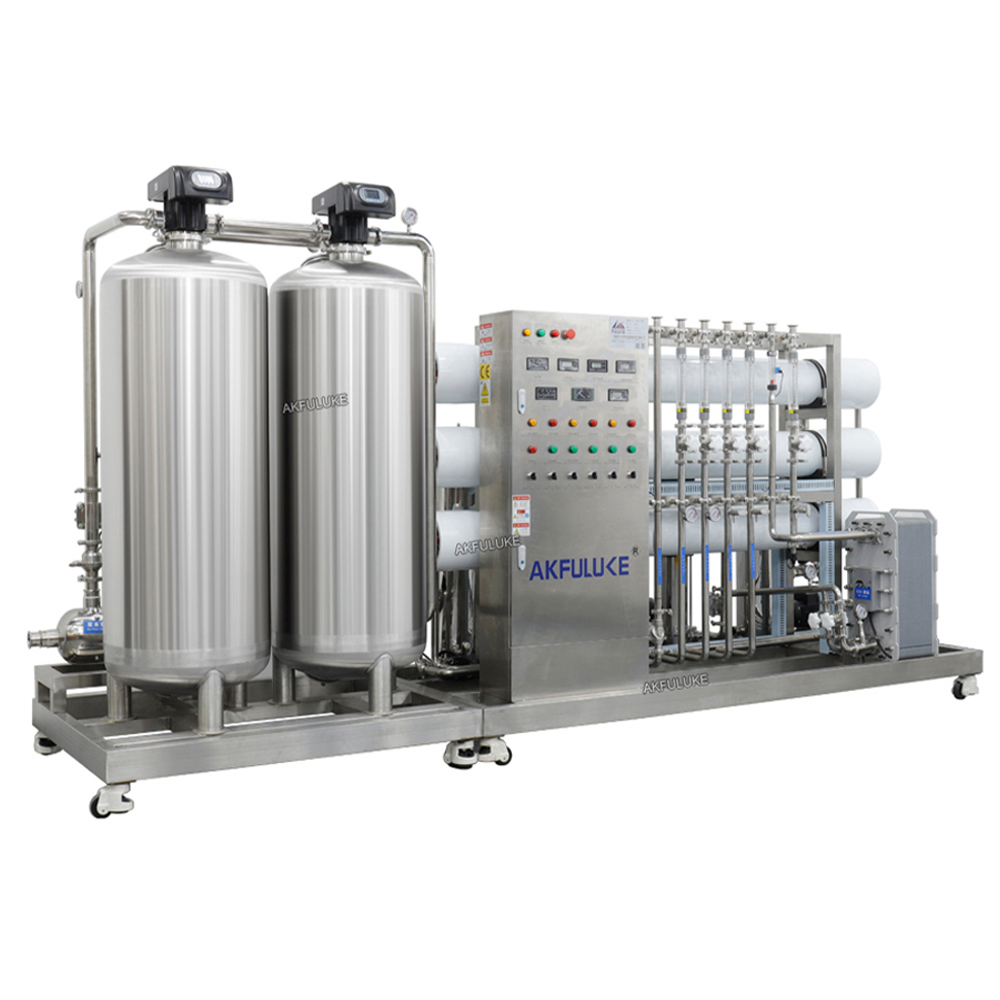
High-quality RO equipment, such as the Reverse Osmosis / RO Water Treatment Water Filter System 99% Desalination Rate Industrial Purification Filtration Water treatment Machine, delivers up to 99% desalination and high-purity permeate when fed with suitably pre-treated water. Below is the official short product description for reference:
Reverse osmosis (RO) water treatment equipment (reverse osmosis water treatment equipment) is a high-efficiency water purification device based on reverse osmosis membrane separation technology.
Through physical filtration and selective permeation principles, it accurately removes impurities, salts, microorganisms and other harmful substances from raw water. It is widely used in industrial production, domestic drinking water, medical pharmaceuticals, food processing and other fields, providing stable and clean water quality solutions for different scenarios.
<div style=all: initial !important;>
Integrating thoughtful pre- and post-treatment is not optional; it is required to realize the manufacturer's stated 99% desalination rate reliably and to protect the RO membranes from irreversible damage.
Key feedwater parameters to test before designing pre-treatment
Design decisions should be based on a thorough feedwater analysis. Typical parameters that dictate pre-treatment choices include:
- SDI (Silt Density Index) — target < 3 for most industrial RO systems
- Turbidity (NTU) — target < 1 NTU
- Hardness (CaCO3 mg/L) — hardness control required if scaling risk exists
- Total Dissolved Solids (TDS) — determines recovery and brine handling
- Alkalinity and pH — affect scaling (carbonate scale) and antiscalant needs
- Silica, iron, manganese, sulfide — specific removal required at low concentrations
- Chlorine/chloramines — must be removed to protect polyamide membranes
- Organic load / TOC — can cause biofouling and irreversible membrane adsorption
Typical pre-treatment components for RO installations
Common pre-treatment elements are chosen and combined to address the measured feedwater risks. A typical pre-treatment train includes coarse filtration, media filtration, water softening or antiscalant dosing, chlorine/chloramine removal, activated carbon polishing, and cartridge final filters.
| Pre-treatment Method | Primary Purpose | Pros | Cons |
|---|---|---|---|
| Multimedia (sand/anthracite) filtration | Reduce turbidity and solids | High dirt-holding, robust | Backwash water required |
| Cartridge filtration (5–1 µm) | Polish particulates before membranes | Low cost, easy maintenance | Frequent replacement if feed dirty |
| Water softener (ion exchange) | Remove hardness to prevent scaling | Effective at Ca/Mg removal | Regeneration brine handling |
| Antiscalant dosing | Control scale (CaCO3, BaSO4, silica) | High recovery potential, continuous | Chemical cost, dosing control needed |
| Activated carbon | Remove free chlorine, organics, taste/odour | Protects membrane from oxidation | Frequent regeneration or replacement |
| Antifoulant/biocide dosing & UV | Limit bacterial growth | Reduces biofouling risk | Must be compatible with downstream process |
Design targets and practical values
Set measurable targets so operators and automated controls can maintain them. Typical targets used in industry design are:
- SDI < 3 (often < 2 for sensitive membranes)
- Turbidity < 1 NTU
- Residual chlorine < 0.1 mg/L prior to membrane entry
- Hardness and scaling indices controlled to allow planned recovery (use Langelier or Stiff & Davis indices)
Designing post-treatment to match end-use: cosmetics, industrial processes and more
After RO permeate production, post-treatment brings the water to final specification. For cosmetics and many industrial uses, focus areas include pH stabilization, remineralization (if product requires mineral content), final disinfection and distribution hygiene. Typical post-treatment modules:
- pH correction and buffering (acid/base dosing)
- Remineralization cartridges or blending with softened water (to prevent corrosion or to meet formulation requirements)
- UV disinfection or chlorine dosing for microbiological control
- Final polishing (activated carbon or submicron filtration)
- Degassing or deaeration (for processes that require low dissolved gases)
- Storage with recirculation and periodic sanitation
For a cosmetic equipment production line, the RO permeate may be used in product formulation, rinsing, or steam generation. Each use has different tolerances: formulation water often requires stable conductivity and absence of organics; steam generation requires hardness control and low silica; rinsing requires microbiological safety.
Integrating distribution and point-of-use safeguards
Post-RO distribution must prevent recontamination. Strategies include looped distribution with recirculation, stainless-steel or sanitary piping, continuous UV at point-of-use, and routine microbial monitoring. For sensitive downstream equipment (e.g., filling machines in cosmetics), consider local single-use sterile filters or validated sterile barriers.
Control, monitoring and automation strategies
Integration quality is defined by how well the system senses changes and responds automatically. Controls should include:
- Continuous feedwater and permeate conductivity monitoring
- SDI or turbidity monitoring upstream
- Residual chlorine analyzers after carbon filters
- Antiscalant dosing linked to feed conductivity and recovery
- Pressure differential (dP) alarms across filters and membranes to trigger cleaning/replacement
- Automated CIP (clean-in-place) routines with log and event history
SCADA integration provides data logging, trend analysis and remote alarms — critical for industrial sites that require consistent operation and regulatory traceability.
Maintenance, troubleshooting and lifecycle considerations
Membrane life depends on pre-treatment quality and maintenance discipline. Typical signs that membranes need cleaning or replacement include rising feed pressure at constant permeate flow, rising permeate conductivity, and increased differential pressure across vessels. Routine tasks include:
- Daily checks: conductivity, pressure gauges, flow rates
- Weekly: visual inspection, cartridge checks
- Monthly/quarterly: media backwash, carbon bed replacement schedule
- As-needed: CIP based on performance loss (acid/alkaline cleaning programs)
Budget for spare membranes, cartridges, and chemical cleaning agents. A preventative maintenance contract with a supplier reduces downtime risk and helps maintain the 99% desalination performance claimed by the Reverse Osmosis / RO Water Treatment Water Filter System 99% Desalination Rate Industrial Purification Filtration Water treatment Machine.
Example system configuration (cosmetic manufacturing support)
Below is a sample configuration illustrating how pre- and post-treatment integrate with an industrial RO system used in cosmetics production. This is a representative layout, not a final design. Final sizing and selection must be based on site water analysis and process demand.
- Feed --> Coarse screen --> Multimedia filter (sand) --> Activated carbon (chlorine removal) --> Softener or antiscalant dosing --> 5 µm cartridge --> High-pressure RO skid (industrial reverse osmosis system) --> Permeate tank
- Permeate recirculation loop with UV disinfection --> pH adjustment and remineralization module (if required) --> final point-of-use filters --> production line
- Concentrate handling: Brine tank and disposal or recovery depending on local regulation
Cost and performance trade-offs
Antiscalant dosing often allows higher recovery and reduces brine compared with ion exchange softening, but chemical costs and control complexity increase. Softening simplifies scaling control but produces a regeneration brine that must be managed. Activated carbon is necessary if feed contains free chlorine or organics that affect product quality.
Brand advantages: Why choose the Reverse Osmosis / RO Water Treatment Water Filter System 99% Desalination Rate Industrial Purification Filtration Water treatment Machine
This system is built for industrial reliability and high desalination performance. Key branded advantages include:
- High salt rejection (up to 99%), enabling consistent permeate quality for sensitive applications
- Modular design that supports integration of custom pre-treatment and post-treatment modules (softening, antiscalant dosing, UV, remineralization)
- Robust control package with monitoring for conductivity, pressures and automated CIP routines
- Engineered for energy efficiency — optimized pumps and recovery schemes to lower operational cost
- After-sales service and spare parts availability to protect uptime in critical production environments
For cosmetic manufacturing specifically, the system can be configured to deliver low-TOC, low-conductivity water with controlled remineralization, and validated sanitation procedures to protect product quality.
Frequently Asked Questions (FAQ)
Q: What pre-treatment is essential for protecting RO membranes?
A: Essential pre-treatment includes particulate removal (multimedia + cartridge filters), chlorine removal (activated carbon) to protect polyamide membranes, and scaling control (water softening or antiscalant dosing). Specifics depend on feedwater chemistry and desired recovery.
Q: Can I achieve 99% desalination with minimal pre-treatment?
A: Achieving 99% desalination in stable operation requires appropriate pre-treatment. Minimal pre-treatment risks rapid fouling, higher backups, and degraded membrane life. Proper pre-treatment enables the system to maintain the 99% performance stated for the product.
Q: How often should membranes be cleaned or replaced?
A: Cleaning frequency varies by feedwater and operation but typical industrial RO membranes require periodic CIP (months to annually) and replacement every 3–7 years depending on fouling, scaling, and maintenance practices.
Q: Is antiscalant or softening better for high-recovery RO installations?
A: Antiscalants typically enable higher recovery and simpler operations without regeneration brine; however, ion exchange softening may be preferable where specific ions must be removed or where chemical dosing must be minimized. Site-specific evaluation is required.
Q: How do I prevent microbiological regrowth in permeate distribution?
A: Use stainless-steel sanitary piping, maintain recirculation with temperature control, apply point-of-use UV disinfection or controlled low-level biocide dosing, and enforce routine microbial monitoring and cleaning protocols.
Contact & product CTA
Once the full treatment process is defined, procurement teams should focus on supplier evaluation covering warranties, service, and spare parts support.To discuss a site-specific pre-treatment and post-treatment integration or to view technical specifications for the Reverse Osmosis / RO Water Treatment Water Filter System 99% Desalination Rate Industrial Purification Filtration Water treatment Machine, contact our sales engineers or request a consultation. Our team will review your feedwater report and production needs, and provide a tailored system layout, CAPEX/OPEX estimates, and service options.
Authoritative references
References and further reading used to prepare this guidance:
- Wikipedia — Reverse osmosis: https://en.wikipedia.org/wiki/Reverse_osmosis
- U.S. Environmental Protection Agency (EPA) — Drinking Water Treatment: https://www.epa.gov/water-research
- World Health Organization (WHO) — Water quality and health: https://www.who.int/teams/environment-climate-change-and-health/water-sanitation-and-health
- American Water Works Association (AWWA): https://www.awwa.org/
- Membrane Technology suppliers (industry guidance and datasheets) — examples: major membrane manufacturers' technical resources
For additional design support or to schedule a site assessment, please contact our customer service team or request the product datasheet via our website.
Filling Machine Buyers' Guide for Toothpaste, Sunscreen & Cleanser Tubes
Implementing Safety Interlocks on Filling Equipment
Vacuum Sealed Mixer Machines: Benefits for Sensitive Formulations
Spec Checklist: Homogenizing Mixing Tank for B2B Buyers
Sealed Homogenizing Mixing Tank
Is it possible to not have a heating function?
Of course, if your product's production process doesn't require heating and cooling functions, then you can just make it a single-layer pot.
Perfume Freezing Filter Making Machine
Why does perfume require freeze filtration? Is traditional filtration an alternative?
Traditional filtration only removes visible solid impurities. Soluble organic matter, colloids, and trace microorganisms in perfume are difficult to separate at room temperature, easily leading to turbidity, precipitation, and aroma deterioration after storage. Freeze filtration uses a low-temperature environment of -5°C to -15°C (depending on the formulation) to condense these hidden impurities into solid particles. These particles are then thoroughly trapped through precision filtration, while simultaneously allowing the fragrance components to fully blend. This is a core process that ensures the stability of high-end perfumes.
Vacuum Emulsifying Machine
Can you customize the machine?
Of course, we provide customized services according to customer needs.
Perfume Filling Machine
After purchasing the equipment, what after-sales services does the supplier typically provide?
General services include on-site installation and commissioning (including workshop layout planning), operator training (theoretical and practical training to ensure workers can operate independently), a one-year full machine warranty, and lifetime technical support (24-hour telephone and video troubleshooting).
The Flip Cover Liquid Wash Mixing Homogenizing Tank
What is the structure of an agitator?
The agitator usually consists of a "frame agitator (SUS316L material) + scraper (PTFE)" or an anchor agitator.
You May Also Like
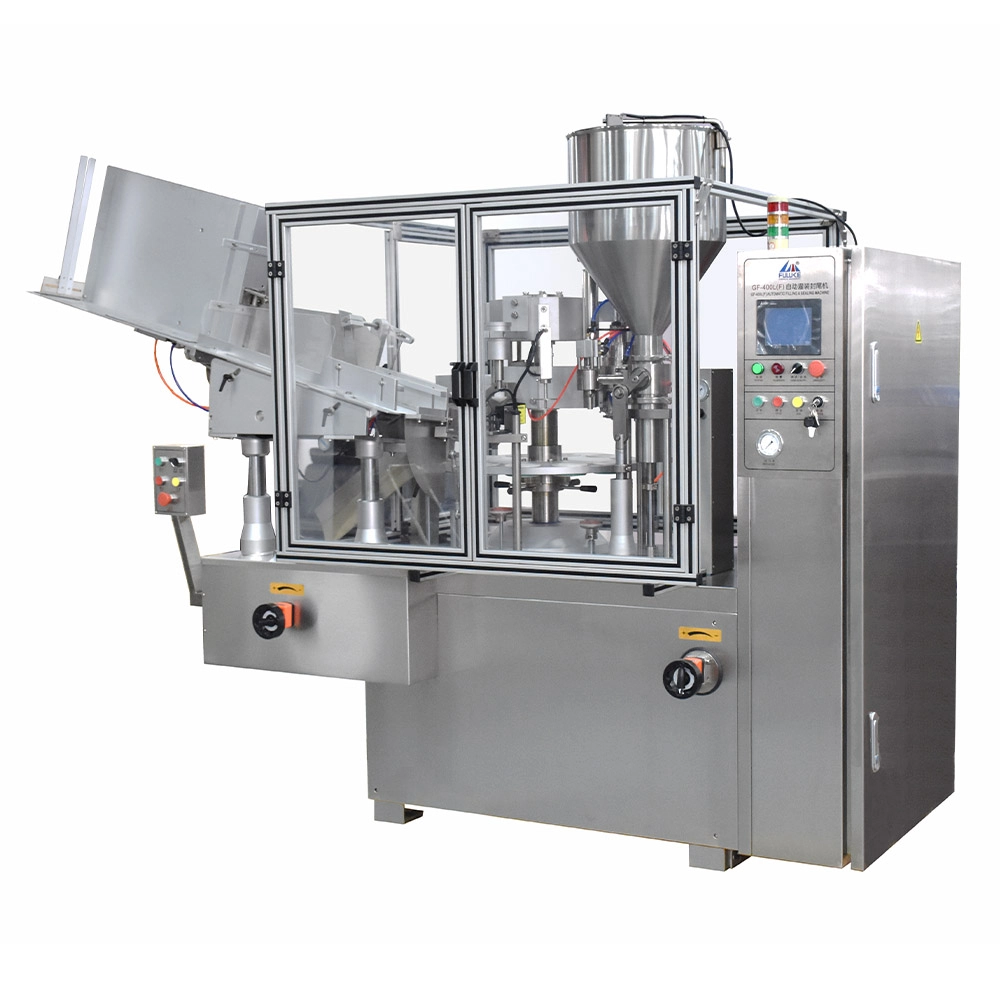
Automatic Tube Filling and Sealing Machine Toothpaste Sunscreen and Facial Cleanser Filling and Sealing Machine for Plastic and Aluminum-plastic Tube
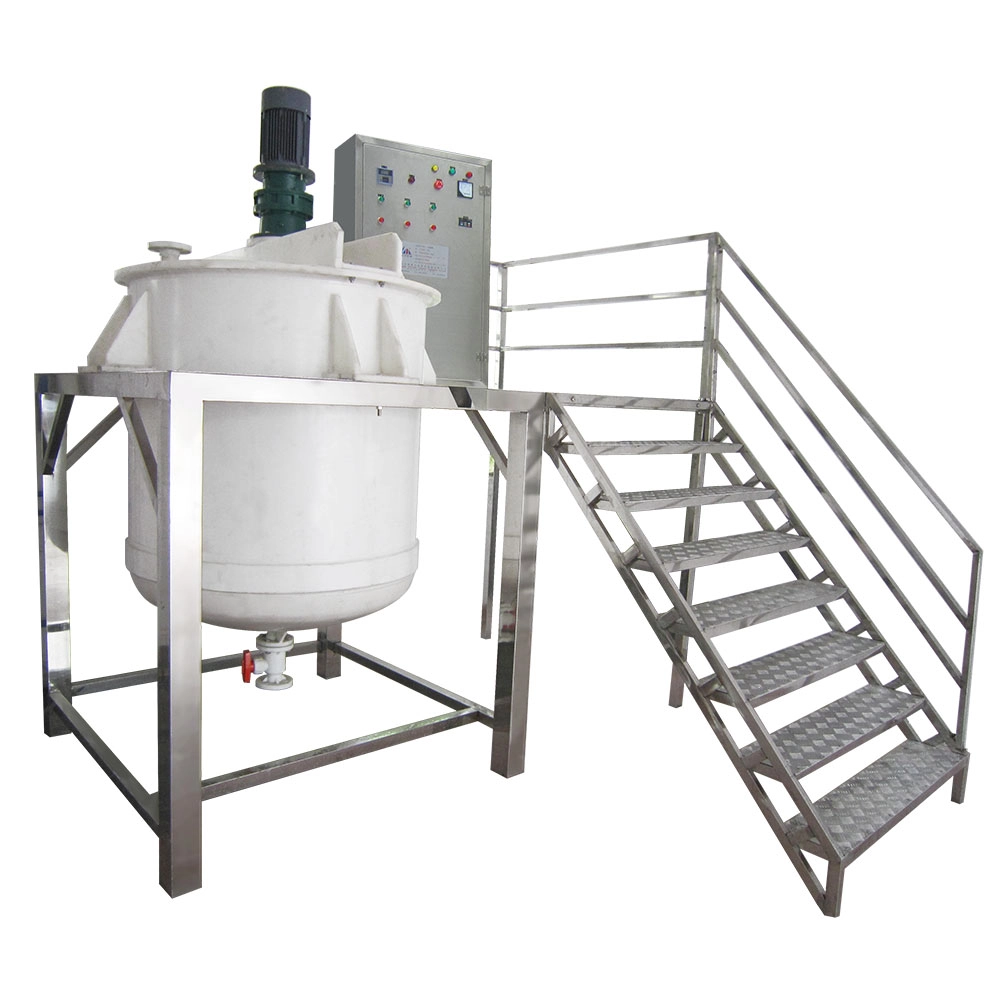
Polypropylene PP Mixing Tank Anti-Corrosion Mixer Reaction Kettle with Agitator Chemical Mixing Vessel
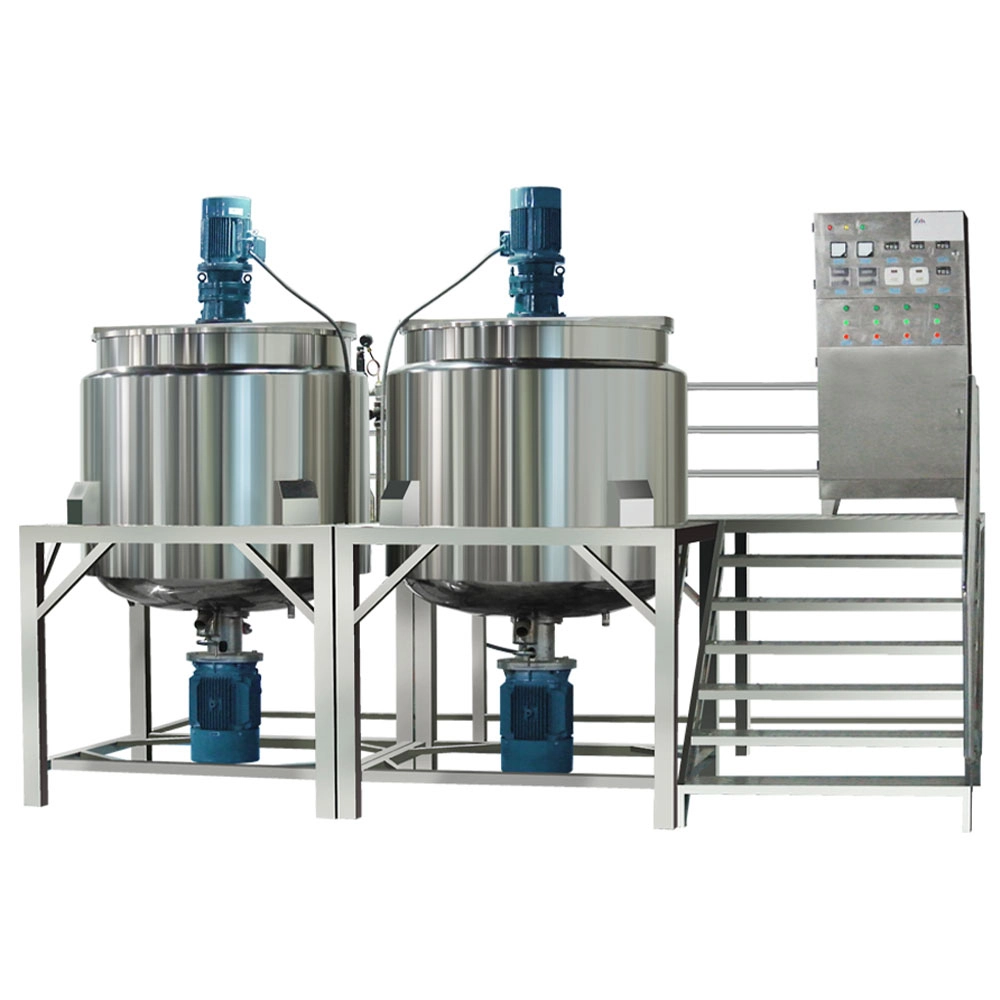
Flip Cover Multi-function Liquid Wash Mixing Tank Blender Liquid Detergent Mixer Homogenization Stirring Tank
Stainless Steel Mixer Liquid Mixing tank with Agitator Homogenizing Mixing tank Vacuum Sealed Mixer Machine
Get in touch with FULUKE
If you have any comments or good suggestions, please leave us a message, later our professional staff will contact you as soon as possible.

A leading manufacturer specializing in advanced machinery and complete production lines for the cosmetics, food, pharmaceutical, and chemical industries worldwide.
Contact FULUKE
Facebook
Instagram
YouTube