
Preventing Cross-Contamination in Multi-Product Lines
- Designing Production Lines to Minimize Cross-Contamination
- Hygienic equipment selection and material compatibility
- Modular and adaptable line layouts
- Validated Cleaning and Changeover Strategies
- CIP and SIP: when to use automated cleaning
- Cleaning validation and verification
- Process Controls and Monitoring
- Automation, recipe management and traceability
- Environmental and in-line monitoring
- Operational Best Practices and Human Factors
- Standardized changeover procedures and SOPs
- Training, PPE and culture
- Risk Assessment and Compliance
- HACCP and risk-based approaches
- Regulatory alignment and documentation
- Validation, Testing and KPI Metrics
- Performance qualification for filling accuracy and hygiene
- Key performance indicators (KPIs)
- Case Study: Reducing Cross-Contamination on a Cosmetic Production Line
- Scenario and implemented measures
- Results and lessons learned
- Product Spotlight: Automatic Filling Machine Quantitative Liquid Bottle Filling Machine High-precision cream and lotion filling machine
- References and Further Reading
- FAQs — Preventing Cross-Contamination in Multi-Product Lines
- Q1: How often should I perform CIP on a liquid filling machine?
- Q3: Can one liquid filling machine handle both pharmaceutical and cosmetic products?
- Q4: What analytical methods verify cleaning effectiveness?
- Q5: How does the Automatic Filling Machine Quantitative Liquid Bottle Filling Machine help reduce cross-contamination?
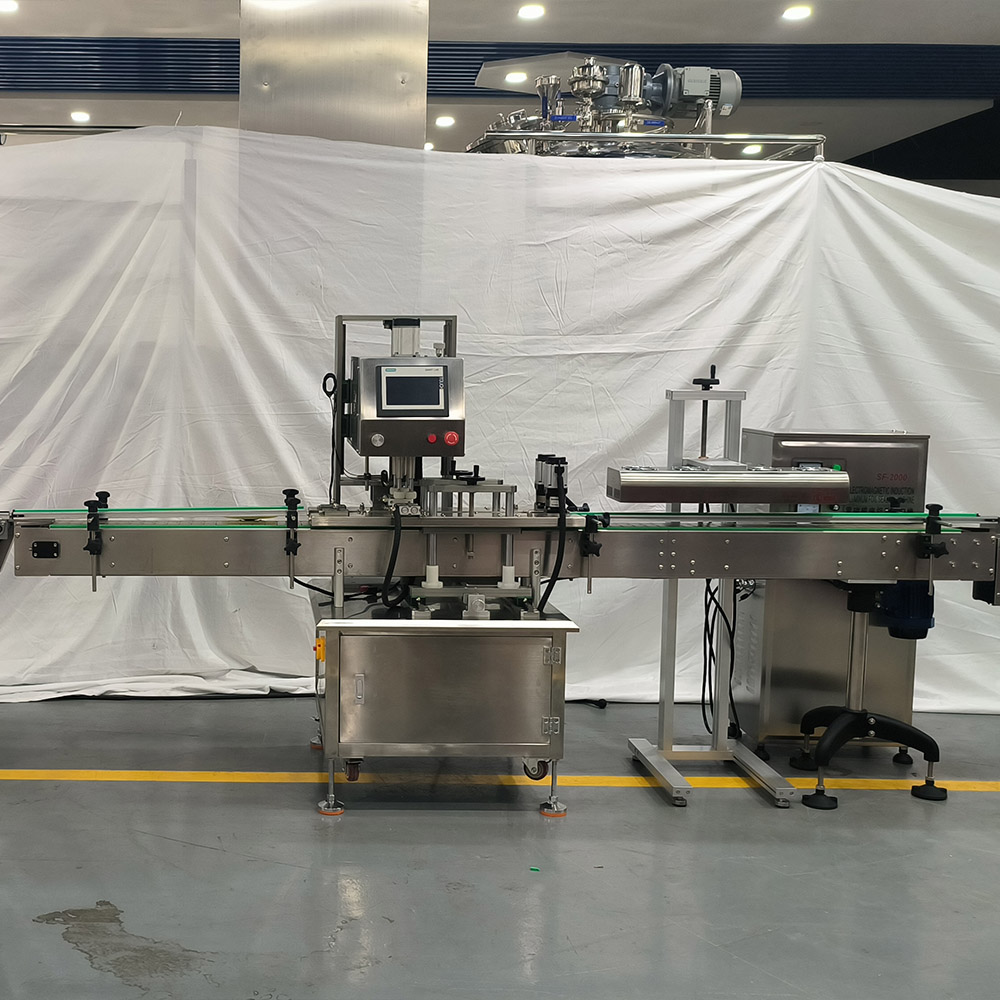
This concise summary is optimized for and search indexing: preventing cross-contamination on multi-product lines requires an integrated approach covering equipment selection (such as a high-precision liquid filling machine), hygienic design, validated cleaning procedures (CIP/SIP), robust changeover protocols, environmental control, and operator training. Implementing these measures reduces product recalls, protects brand reputation, and ensures regulatory compliance in cosmetics, food, pharmaceutical and daily chemical production.
Designing Production Lines to Minimize Cross-Contamination
Hygienic equipment selection and material compatibility
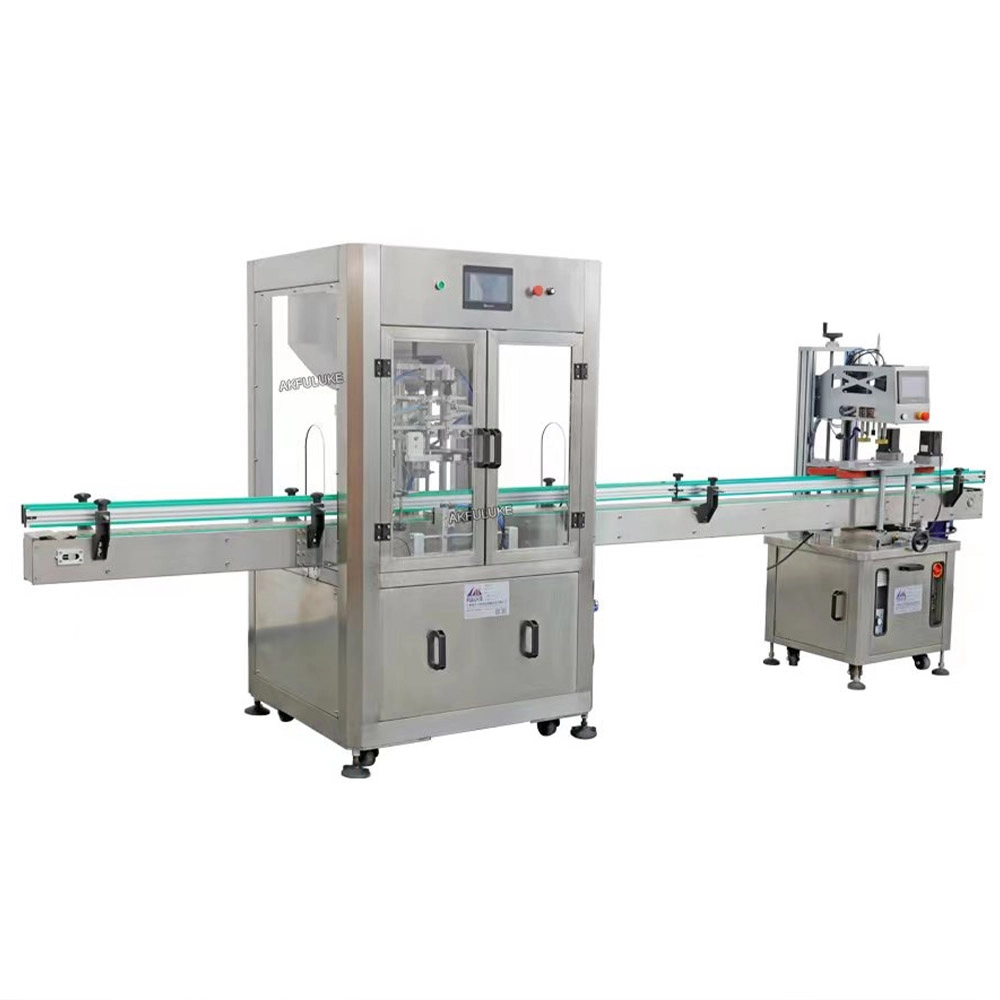
Choosing the right liquid filling machine is the first line of defense. The Automatic Filling Machine Quantitative Liquid Bottle Filling Machine High-precision cream and lotion filling machine is constructed with 316L/304 stainless steel contact components and is compliant with GMP standards, making it suited for sensitive creams, lotions, emulsions and pastes. Hygienic design reduces niches where residues can accumulate: smooth welds, crevice-free surfaces, and easily removable wetted parts are essential. Materials like 316L stainless steel resist corrosion from cosmetic formulations and cleaning chemicals, preserving product integrity over many changeovers.
Modular and adaptable line layouts
Physical layout helps prevent product drift and cross-contact. Segregation of product families (e.g., colorants, active serums, fragrance-heavy products) into separate zones or dedicated lanes reduces the risk of inadvertent mixing. Using modular conveyors and quick-change stations on the liquid filling machine enables faster, safer changeovers between products. Where full segregation is impractical, apply directional airflow, buffer zones and appropriate scheduling (e.g., run neutral or cleaning products between high-risk batches).
Validated Cleaning and Changeover Strategies
CIP and SIP: when to use automated cleaning
Automated cleaning-in-place (CIP) and steam-in-place (SIP) can dramatically reduce cross-contamination risk, especially on machines that handle allergens, active ingredients, or pigments. CIP cycles should be validated for the specific residue profiles of creams and lotions, which often contain oils and emulsifiers that need surfactants and controlled temperatures to remove. The liquid filling machine's closed circuits and minimal manual handling support effective CIP/SIP implementation.
Cleaning validation and verification
Cleaning validation must be documented, reproducible, and risk-based. Define acceptance criteria (e.g., visual, ATP swabs, total organic carbon (TOC), HPLC for actives) and sampling locations (filling nozzles, manifolds, product-contact seals). Use worst-case product residues during validation. Refer to regulatory guidance such as ISO 22716 for cosmetics manufacturing practices (ISO 22716) and WHO/FDA documents for GMP principles when applicable (WHO GMP, FDA Cosmetics).
Process Controls and Monitoring
Automation, recipe management and traceability
Modern liquid filling machines with touchscreen HMI and recipe control reduce operator error and ensure repeatable settings. Store validated recipes for each product (filling volumes, speeds, nozzle positions, CIP parameters) in the machine's control system. When a recipe is selected, the system should lock incompatible settings and log operator actions for traceability. This reduces accidental cross-fills and simplifies audits.
Environmental and in-line monitoring
Environmental control (cleanrooms, controlled pressure differentials, HEPA filtration where appropriate) together with in-line monitoring (flow sensors, weight checks, vision systems) help detect contamination events in real time. For example, integrated checkweighers and leak detectors on the liquid filling machine can reject anomalous containers before packaging, while vision systems can identify color or particulate deviations that suggest contamination.
Operational Best Practices and Human Factors
Standardized changeover procedures and SOPs
Written, standardized operating procedures (SOPs) for changeover are crucial. A typical SOP for multi-product lines includes: shutdown, drain and purge, disassembly of detachable parts, targeted cleaning steps, visual inspection, reassembly, and a documented verification step (e.g., swab sampling or test-run). The automatic filling machine that supports quick part removal and hygienic clamps will reduce downtime and human error during changeover.
Training, PPE and culture
Human error remains a leading contributor to cross-contamination. Invest in regular, role-based training focusing on hygienic handling, contamination risks, cleaning validation outcomes, and the proper use of the liquid filling machine. Encourage a culture where operators report near-misses and deviations. Appropriate PPE practices (gloving, gowning, fragrance-free policies in sensitive areas) must be enforced and audited.
Risk Assessment and Compliance
HACCP and risk-based approaches
Apply risk assessment frameworks like HACCP or FMEA to identify critical control points where cross-contamination is most likely (e.g., product-contact surfaces, nozzle changeovers). For each critical point, define preventive measures, monitoring plans and corrective actions. Documented risk assessments support decisions such as dedicating lines to specific product families or increasing the frequency of validated CIP cycles.
Regulatory alignment and documentation
Maintaining up-to-date documentation is essential for audits and market access. For cosmetics, ISO 22716 provides a widely accepted GMP model for production and quality. Keep batch records, cleaning logs, validation reports, and training records readily accessible. Where products cross into regulated pharmaceutical or OTC categories, align procedures with applicable FDA/EU regulations and guidance documents (cross-contamination overview).
Validation, Testing and KPI Metrics
Performance qualification for filling accuracy and hygiene
For a liquid filling machine, performance qualification should confirm filling accuracy, repeatability, and hygiene performance. Use gravimetric or volumetric testing for tolerance verification. The Automatic Filling Machine Quantitative Liquid Bottle Filling Machine High-precision cream and lotion filling machine is designed for high-precision dosing and supports automated verification routines to document conformity with specifications.
Key performance indicators (KPIs)
Track KPIs to measure process health and contamination risk: changeover time, cleaning cycle success rate, number of rejected containers due to contamination, swab/ATP pass rates, and time-to-clean. Use these metrics to drive continuous improvement and to justify investments (e.g., fully automated CIP or upgrading to 316L components).
| Method | Typical Use | Advantages | Limitations |
|---|---|---|---|
| CIP (Cleaning-In-Place) | Liquid product lines with closed circuits | Consistent, reduces manual contact, good for emulsions/oils | Requires validation; not always suitable for complex disassemblies |
| SIP (Steam-In-Place) | Microbial control for thermostable equipment | High-level sanitization, reduces bioburden | Not suitable for heat-sensitive seals or formulations |
| Manual disassembly & wash | Parts with complex geometry or intermittent use | Thorough visual cleaning; useful for small runs | Labor intensive; higher human-error risk |
Case Study: Reducing Cross-Contamination on a Cosmetic Production Line
Scenario and implemented measures
A mid-sized cosmetics manufacturer experienced occasional color carryover between lipstick-serum runs. They upgraded to a dedicated liquid filling machine with 316L contact parts and quick-change nozzles, introduced validated CIP cycles tailored to emulsifying residues, and implemented a product scheduling rule: run neutral or single-ingredient products between critical color transitions. They also added an automated vision inspection post-fill.
Results and lessons learned
Within three months, rejected units due to color contamination fell by 92%. Changeover time decreased 35% because the machine's design allowed faster disassembly and reassembly. Key lessons: invest in equipment with hygienic design, validate CIP for your specific formulations, and prioritize operator training.
Product Spotlight: Automatic Filling Machine Quantitative Liquid Bottle Filling Machine High-precision cream and lotion filling machine
Product overview:
The automatic filling machine integrates automated conveying, precision filling, and intelligent control for packaging creams, lotions, and liquids. Suitable for a variety of containers, including glass and PET bottles, it can fill liquids, emulsions, and pastes with high precision.
Constructed with 316L/304 stainless steel contact components and compliant with GMP standards, it features a touchscreen interface for quick parameter adjustment and completes the entire process without manual intervention. Widely used in the cosmetics, food, daily chemical, pharmaceutical, and chemical industries, it helps companies reduce costs, increase efficiency, and ensure product standardization.
Key features that reduce cross-contamination risk include:
- Hygienic 316L/304 wetted parts and smooth surface finishes
- Quick-release nozzles and modular manifolds for rapid, validated changeover
- Built-in recipe management and traceable logs to avoid operator-driven errors
- Compatibility with CIP and SIP systems to support validated cleaning
- Integrated vision and verification modules for real-time contamination detection
References and Further Reading
- ISO 22716: Cosmetics — Good Manufacturing Practices (ISO)
- WHO — Good Manufacturing Practices
- FDA — Cosmetics
- Cross-contamination (Wikipedia)
FAQs — Preventing Cross-Contamination in Multi-Product Lines
Q1: How often should I perform CIP on a liquid filling machine?
A1: Frequency depends on product risk: run high-risk products (e.g., allergen-containing, active ingredients, pigment-heavy batches) should trigger a full CIP every changeover. For low-risk, neutral products, scheduled CIP cycles (daily or per-shift) may suffice. Always validate CIP frequency using swab/ATP/TOC testing to ensure residue removal.
Q3: Can one liquid filling machine handle both pharmaceutical and cosmetic products?
A3: Technically yes, if the machine meets pharmaceutical-grade materials and validation requirements; however, regulatory and contamination risk considerations often recommend physical segregation or dedicated lines for pharma vs. cosmetic products. If shared use is necessary, strict cleaning validation, product scheduling, and documented changeover SOPs are mandatory.
Q4: What analytical methods verify cleaning effectiveness?
A4: Typical methods include visual inspection, ATP bioluminescence swabs for organic residue, TOC measurements, and targeted HPLC assays for specific actives. Microbial testing may be needed for products at risk of supporting microbial growth. Select methods based on the nature of residues and regulatory expectations.
Q5: How does the Automatic Filling Machine Quantitative Liquid Bottle Filling Machine help reduce cross-contamination?
A5: Its hygienic design (316L/304 contact parts), quick-release components, recipe control, and CIP compatibility reduce residues, shorten changeovers and minimize manual intervention—thereby lowering the likelihood of cross-contamination. Built-in monitoring and validation support traceability and compliance.
If you have specific line layouts, product families, or contamination concerns, contact our technical team for a tailored risk assessment and equipment recommendation. View the product page or request a consultation: Automatic Filling Machine Quantitative Liquid Bottle Filling Machine High-precision cream and lotion filling machine | Contact Sales / Request Quote.
Best Practices for Filling Thin and Thick Formulas
Compliance and Quality: Filling Machines for Cosmetic Standards
Cost of Ownership: Stainless Steel Mixing Tank ROI Analysis
How to Choose a Quantitative Liquid Bottle Filling Machine
Storage Tank
Do special operating conditions (such as high temperature or high pressure) require special customization?
Yes. High-temperature applications require the use of heat-resistant materials and additional insulation. High-pressure applications require enhanced tank wall thickness and sealing structures. Both require individual designs according to corresponding industry standards.
Automatic Filling Machine
What special safety features are required for equipment used to fill medical disinfectants (containing alcohol)?
An explosion-proof automatic filling machine is essential. Key safety features include: ① The motor and electrical components must be explosion-proof to prevent sparks from igniting alcohol vapors; ② The tanks and piping must be made of anti-static materials and grounded to prevent static electricity accumulation; The workshop must also be well-ventilated and equipped with an explosion-proof exhaust system.
Vacuum Emulsifying Machine
Who are we?
Our headquarters is located in Guangzhou, Guangdong, China, and our factory is located in Yangzhou, Jiangsu. Our products are sold all over the world. We have approximately 50 employees in our company and factory.
Perfume Filling Machine
Who are we?
Our headquarters is located in Guangzhou, Guangdong, China, and our factory is located in Yangzhou, Jiangsu. Our products are sold all over the world. We have approximately 50 employees in our company and factory.
The Flip Cover Liquid Wash Mixing Homogenizing Tank
Can flip cover homogenizing mixing tank ensure hygienic safety when handling materials such as food and cosmetics?
Material Compliance: The equipment's pot, agitator, homogenizer, and other material-contacting components are all made of 316L stainless steel, which is corrosion-resistant and easy to clean, meeting food-grade and cosmetic-grade hygiene requirements.
Easy Cleaning: The open-top design allows direct access to corners within the pot, allowing for thorough cleaning by hand or with tools.
Operational Specifications: The equipment can be disinfected before use (e.g., hot water for food processing). After use, cleanup any remaining material promptly to avoid cross-contamination.
You May Also Like
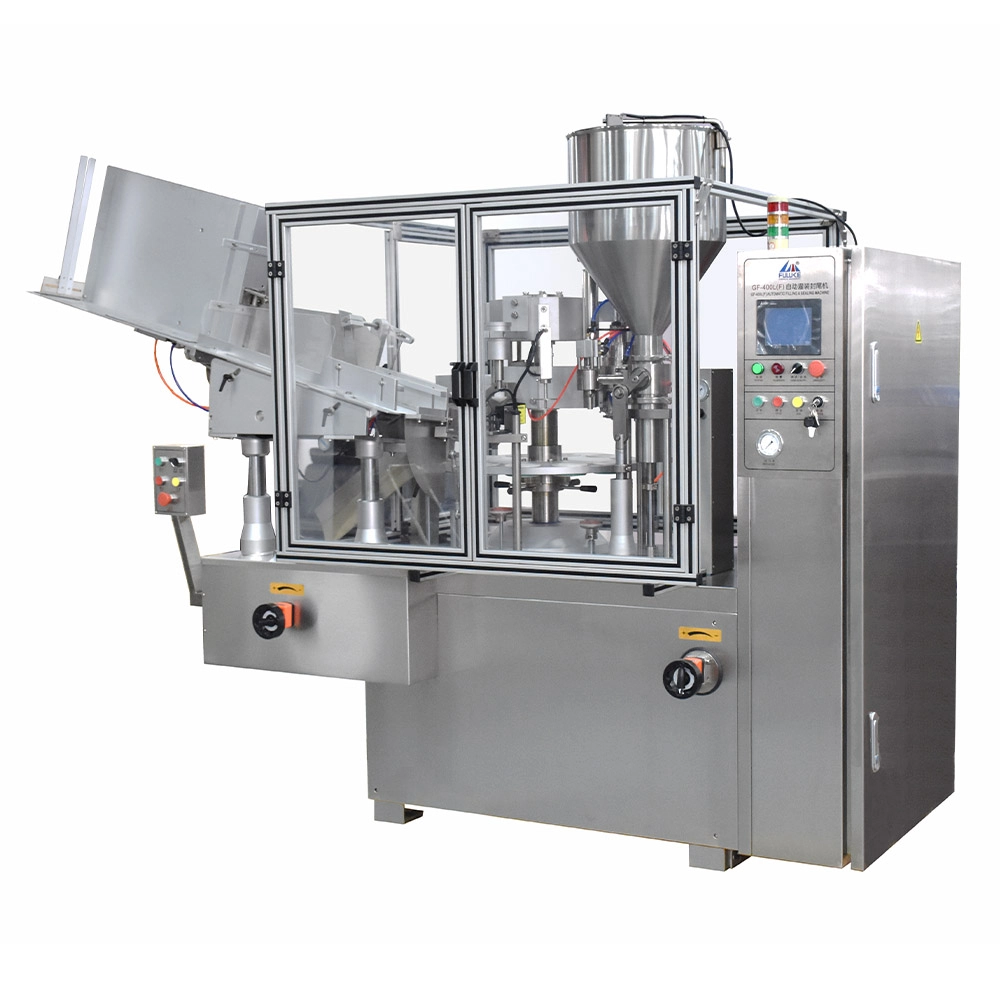
Automatic Tube Filling and Sealing Machine Toothpaste Sunscreen and Facial Cleanser Filling and Sealing Machine for Plastic and Aluminum-plastic Tube
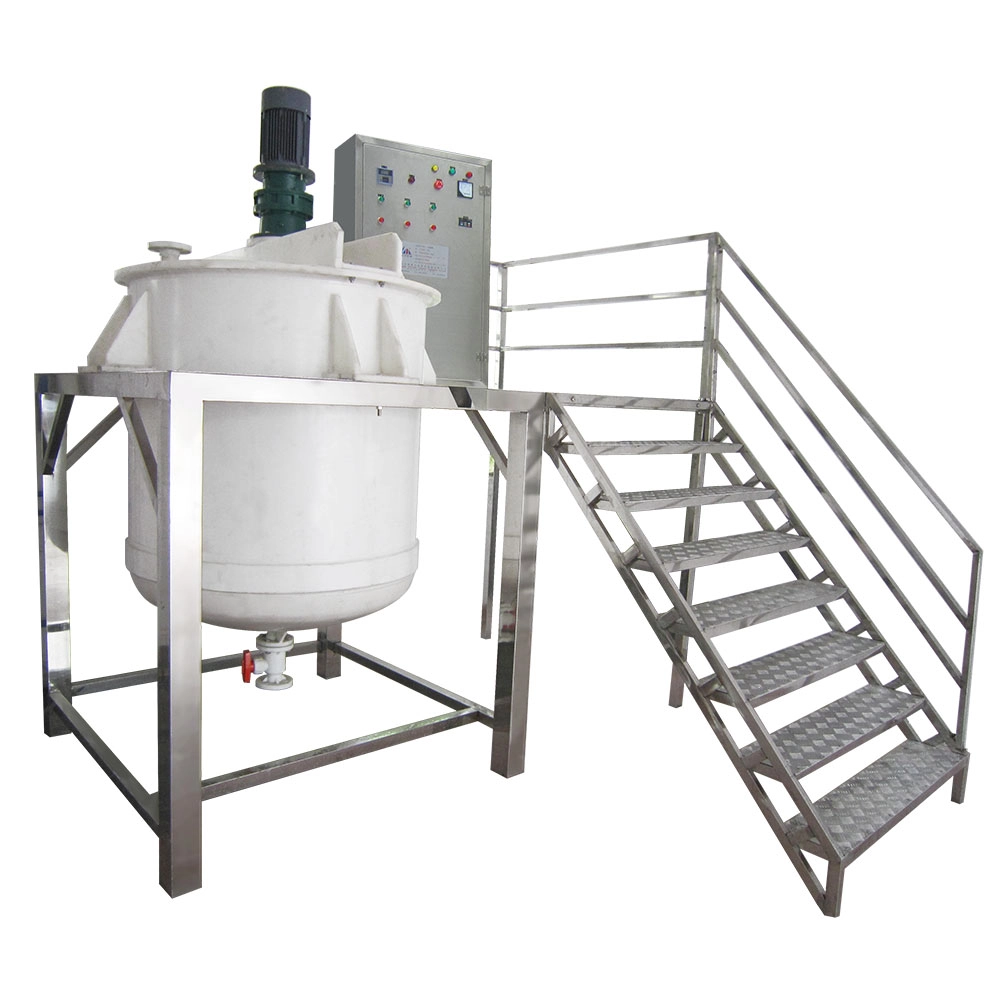
Polypropylene PP Mixing Tank Anti-Corrosion Mixer Reaction Kettle with Agitator Chemical Mixing Vessel
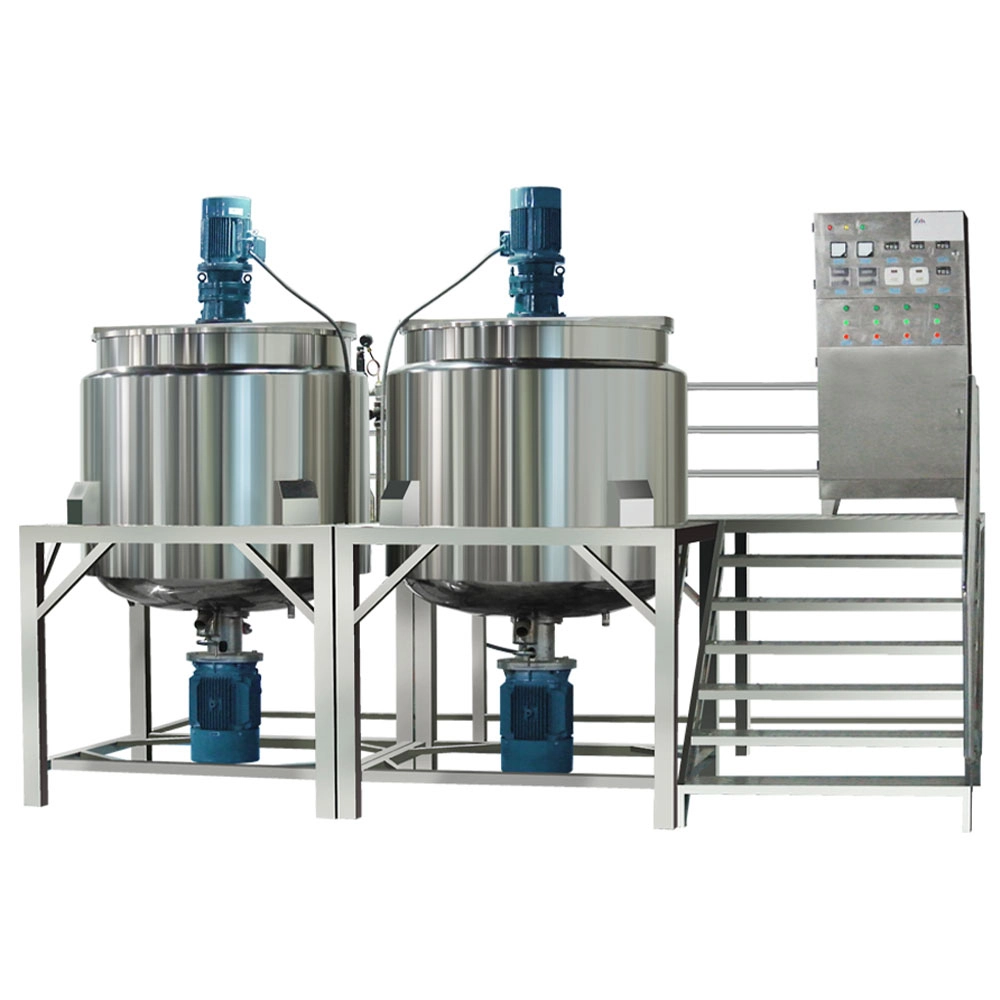
Flip Cover Multi-function Liquid Wash Mixing Tank Blender Liquid Detergent Mixer Homogenization Stirring Tank
Stainless Steel Mixer Liquid Mixing tank with Agitator Homogenizing Mixing tank Vacuum Sealed Mixer Machine
Get in touch with FULUKE
If you have any comments or good suggestions, please leave us a message, later our professional staff will contact you as soon as possible.

A leading manufacturer specializing in advanced machinery and complete production lines for the cosmetics, food, pharmaceutical, and chemical industries worldwide.
Contact FULUKE
Facebook
Instagram
YouTube