
Procurement Checklist: Selecting a Reliable Mixer Manufacturer
- Procurement Checklist: Selecting a Reliable Mixer Manufacturer for Your Mixing Tank Needs
- Understand Your Process Requirements and Product Goals
- Key Specifications to Request from a Mixing Tank Manufacturer
- Material, Welding, and Sanitary Design for Reliable Mixing Tanks
- Mixing Technology: Agitator, Homogenizer, and Vacuum Functions
- Testing, Factory Acceptance, and Performance Validation
- Quality Management, Certifications, and Compliance
- After-Sales Service, Spare Parts, and Training
- Commercial Terms, Delivery, and Total Cost of Ownership
- Supplier Audit and Site Visit Checklist
- Comparison Table: Common Mixing Tank Technologies
- Contract Clauses to Protect Your Purchase
- Real-World Selection Scenario: Matching the Stainless Steel Mixer Liquid Mixing tank
- Brand Selection: Why Manufacturer Reputation Matters
- FAQs
- Contact Sales / View Product
- Authoritative References
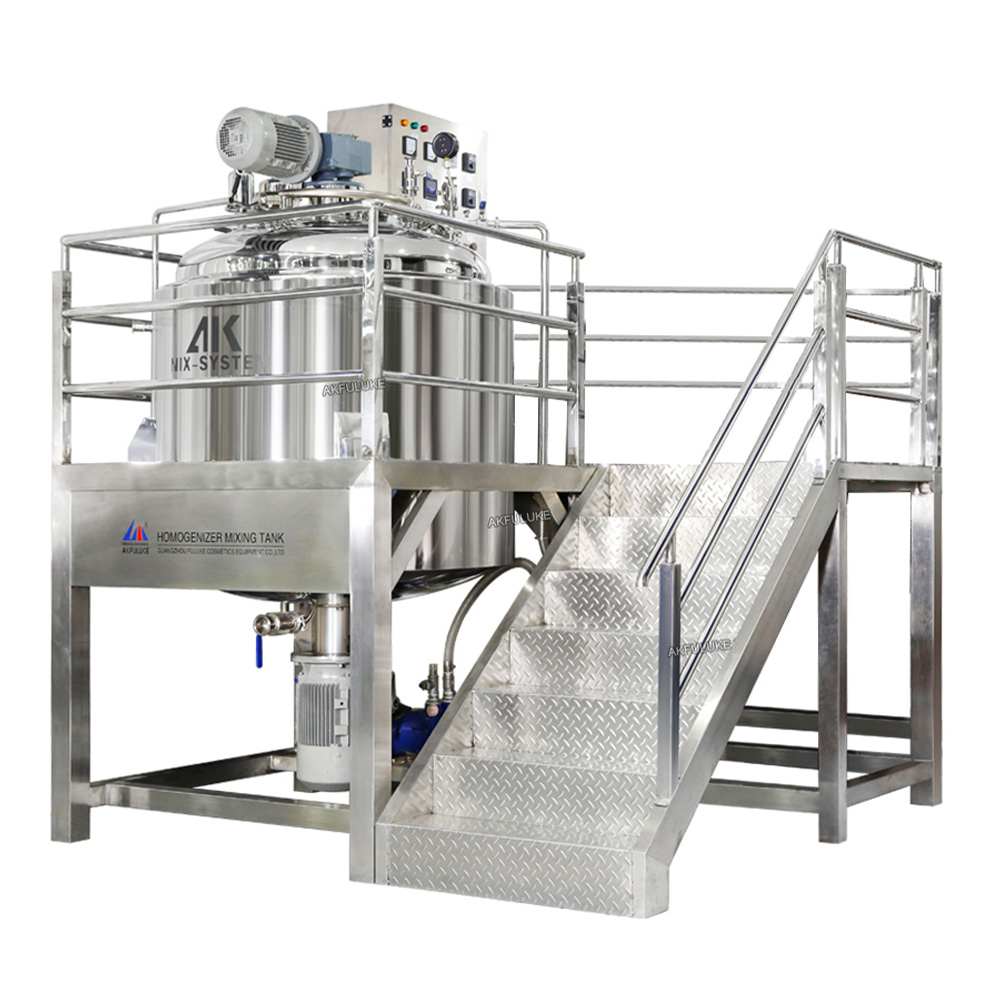
Procurement Checklist: Selecting a Reliable Mixer Manufacturer for Your Mixing Tank Needs
Understand Your Process Requirements and Product Goals
Before evaluating any supplier, clearly define what you need from a mixing tank. Identify product categories (cosmetics, pharmaceutical, food, chemical), viscosity ranges, batch sizes, phases (solid-liquid, liquid-liquid), temperature control needs, and desired final attributes such as particle size, cream texture, stability, and absence of entrained air. The Stainless Steel Mixer Liquid Mixing tank with Agitator Homogenizing Mixing tank Vacuum Sealed Mixer Machine is designed to address multi-phase, high-viscosity mixing with integrated homogenization and vacuum defoaming, but you must confirm it matches your production scale and formulation specifics.
Key Specifications to Request from a Mixing Tank Manufacturer
When you request quotations and technical data, ask suppliers to provide clear, testable specifications for each mixing tank. Important items include:
- Nominal and usable volume of the mixing tank.
- Material of construction (e.g., 304 or 316L stainless steel) and surface finish (Ra value for contact surfaces).
- Power and speed range of agitators and homogenizers; max tip speed and motor ratings.
- Vacuum level capability and integrated vacuum pump type for degassing.
- Heating and cooling system details: jacket, coil, circulation type, PID control accuracy.
- Seals, gaskets, and sanitary connections: CIP/SIP compatibility.
- Instrumentation and control: PLC, touchscreen, recipe management, data logging.
- Safety features and compliance with local regulations.
Material, Welding, and Sanitary Design for Reliable Mixing Tanks
Material choice and fabrication quality determine product contamination risk and cleanability. For cosmetics and food, 316L stainless steel with electropolished surfaces is recommended because it resists corrosion and minimizes microscale crevices. Ask for documented Ra (roughness) values for wetted surfaces and evidence of electropolishing where applicable. Verify welding quality (full penetration, TIG welding) and request weld inspection reports or radiography for critical seams. Ensure tank manways, ports, and sanitary tri-clamps are specified to match your cleaning (CIP) and sterilization (SIP) procedures.
Mixing Technology: Agitator, Homogenizer, and Vacuum Functions
Selecting the right mixing technology is central to achieving product quality. The Sealed Homogenizing mixing tank integrates four core functions: vacuum defoaming, high-speed homogenization, efficient stirring, and precise temperature control. For high-viscosity creams and multi-phase systems, ask the manufacturer to demonstrate:
- Homogenizer capability to reach required droplet/particle size and stability.
- Agitator design for macro-mixing and shear control (anchor, propeller, turbine, or planetary for very high viscosity).
- Vacuum degassing performance: achievable absolute pressure and real-world degassing time for your specific formulation.
- Ability to switch between modes (homogenize, stir, vacuum) and recipe control for repeatability.
Testing, Factory Acceptance, and Performance Validation
Insist on objective acceptance tests. A reputable mixer manufacturer should offer FAT (Factory Acceptance Test) and SAT (Site Acceptance Test) plans that include:
- Empty tank and pressure/vacuum leak tests.
- Run-in tests at specified speeds and loads with tachometer and torque measurements.
- Demonstration of homogenizer output (particle size distribution or droplet size) using a representative formulation or challenge material.
- Temperature control stability testing and calibration certificates for sensors.
- Documentation of CIP cycles and proof of cleanability (e.g., swab results or conductivity washdown graphs).
Require written acceptance criteria and pass/fail records. If possible, witness FAT in person or via live video and obtain recorded data files for traceability.
Quality Management, Certifications, and Compliance
Supplier quality systems reflect consistent manufacturing quality. Verify the manufacturer's certifications and regulatory alignment for your industry:
- ISO 9001 for quality management systems.
- Food safety standards (e.g., ISO 22000) if applicable.
- GMP alignment for pharmaceutical or cosmetic production; request evidence of GMP manufacturing practices.
- Material traceability and mill certificates for stainless steel (EN or ASTM references).
- Electrical and machine safety certifications compliant with local jurisdictions (CE for EU, UL for US, etc.).
After-Sales Service, Spare Parts, and Training
Long-term uptime depends on service and spare parts availability. Evaluate suppliers on:
- Standard warranty terms and extended warranty options.
- Availability and lead times for critical spare parts (seals, homogenizer rotors/stators, vacuum pump components).
- Remote diagnostics and software update policies for PLC/HMI systems.
- Training offerings for operators and maintenance staff (onsite commissioning, SOP development, videos).
- Local service network or authorized partners in your region.
Commercial Terms, Delivery, and Total Cost of Ownership
Price is only one component. Ask for a total cost of ownership (TCO) estimate including installation, utilities, maintenance, spare parts, and downtime risk. Clarify lead times, shipping responsibilities (Incoterms), installation scope, and who will perform commissioning. Request a breakdown of costs: base equipment, options (homogenizer, vacuum pump, jacket), control package, and documentation. Negotiate acceptance milestones tied to payment and provide penalties or remedies for missed delivery or performance shortfalls where appropriate.
Supplier Audit and Site Visit Checklist
Conducting a supplier audit or site visit reveals manufacturing practices and capacity. Use this checklist:
- Inspect workshop cleanliness and welding bay practices.
- Review quality control records, test equipment calibration logs, and inspection reports.
- Confirm material storage and traceability procedures (mill certificates, material ID tags).
- Speak with engineering and after-sales teams about spare parts lead times and support response times.
- Observe FAT setup and ask for examples of past FAT results and customer references.
Comparison Table: Common Mixing Tank Technologies
| Technology | Best Use | Advantages | Limitations |
|---|---|---|---|
| Standard Agitator Tank | Low to medium viscosity liquids | Simple, cost-effective, easy maintenance | Poor for high-viscosity, limited emulsification |
| High-Shear Homogenizer + Tank | Emulsions, creams, lotions | Produces fine droplet size, stable emulsions | Higher cost, more wear parts |
| Vacuum Sealed Mixer | Bubble-free creams, degassing needs | Removes entrained air, improves appearance/stability | Requires vacuum pump maintenance |
| Planetary/Triple-Shaft Mixers | Very high-viscosity pastes, ointments | Handles shear and scraping well | Large footprint, higher capital cost |
Contract Clauses to Protect Your Purchase
Include clear contract terms that reduce risk:
- Detailed technical specifications and acceptance criteria as appendices.
- FAT and SAT requirements, including data deliverables and witness rights.
- Warranty scope and duration, spare parts pricing terms, and service response SLAs.
- Intellectual property rights for proprietary mixing recipes or software customizations.
- Liability limits, force majeure, and dispute resolution mechanisms.
Real-World Selection Scenario: Matching the Stainless Steel Mixer Liquid Mixing tank
If your goal is to produce stable, bubble-free cosmetic creams and lotions at pilot or production scale, the Stainless Steel Mixer Liquid Mixing tank with Agitator Homogenizing Mixing tank Vacuum Sealed Mixer Machine is a strong candidate. It is an industrial-grade material handling equipment that integrates four core functions: vacuum defoaming, high-speed homogenization, efficient stirring, and precise temperature control. It is widely used in the cosmetics, pharmaceutical, food, chemical and other industries.
It is specially designed to solve the mixing, emulsification, homogenization and degassing needs of high-viscosity, multi-phase (solid-liquid, liquid-liquid) materials. It can produce delicate, stable, bubble-free creams, lotions, gels, ointments, sauces and other products.
When evaluating this model, confirm the available sizes, homogenizer rotor/stator specifications, vacuum performance for your batch size, and jacket heating/cooling capacity to achieve required process ramps. Ask for example performance reports for formulations similar to yours.
Brand Selection: Why Manufacturer Reputation Matters
Beyond equipment specs, choose a brand with demonstrated experience in your industry. A reputable manufacturer will provide:
- Documented case studies in cosmetics, pharmaceuticals, or food depending on your sector.
- Stable supply chains for spare parts and local service partners.
- Robust documentation: IQ/OQ/PQ protocols, user manuals, maintenance guides, and validation support.
- Responsive technical support and training resources to reduce ramp-up time.
These attributes reduce risk and accelerate time-to-market.
FAQs
Q: How do I know if I need a vacuum sealed mixer?
A: If your product quality is affected by air entrainment—visible bubbles, white appearance, poor shelf stability—or if degassing reduces oxidation and improves texture, a vacuum sealed mixer is recommended.
Q: What material grade is best for cosmetics mixing tanks?
A: 316L stainless steel is typically preferred for better corrosion resistance and cleanability. Surface finish (electropolished, Ra ≤ 0.8 μm) enhances hygiene.
Q: Can homogenizers handle solids?
A: Homogenizers are optimized for liquid-liquid and small solid suspensions. For large solids, pre-milling or specialized high-torque mixers may be needed.
Q: What documentation should I get with the mixing tank?
A: Minimum documents: material mill certificates, FAT report, wiring diagrams, electrical certifications, IQ/OQ protocols, user manual, and maintenance schedule.
Contact Sales / View Product
A reliable supplier ultimately supports smarter equipment decisions, bringing buyers full circle to choosing the right mixing tank for high-volume liquid production based on capacity, compliance, automation, and lifecycle value.If you are ready to evaluate the Stainless Steel Mixer Liquid Mixing tank with Agitator Homogenizing Mixing tank Vacuum Sealed Mixer Machine, contact our sales team for a technical datasheet, FAT plan, and pricing. For immediate assistance email sales@example.com or request a live demo and FAT witness session by clicking the product inquiry link.
Authoritative References
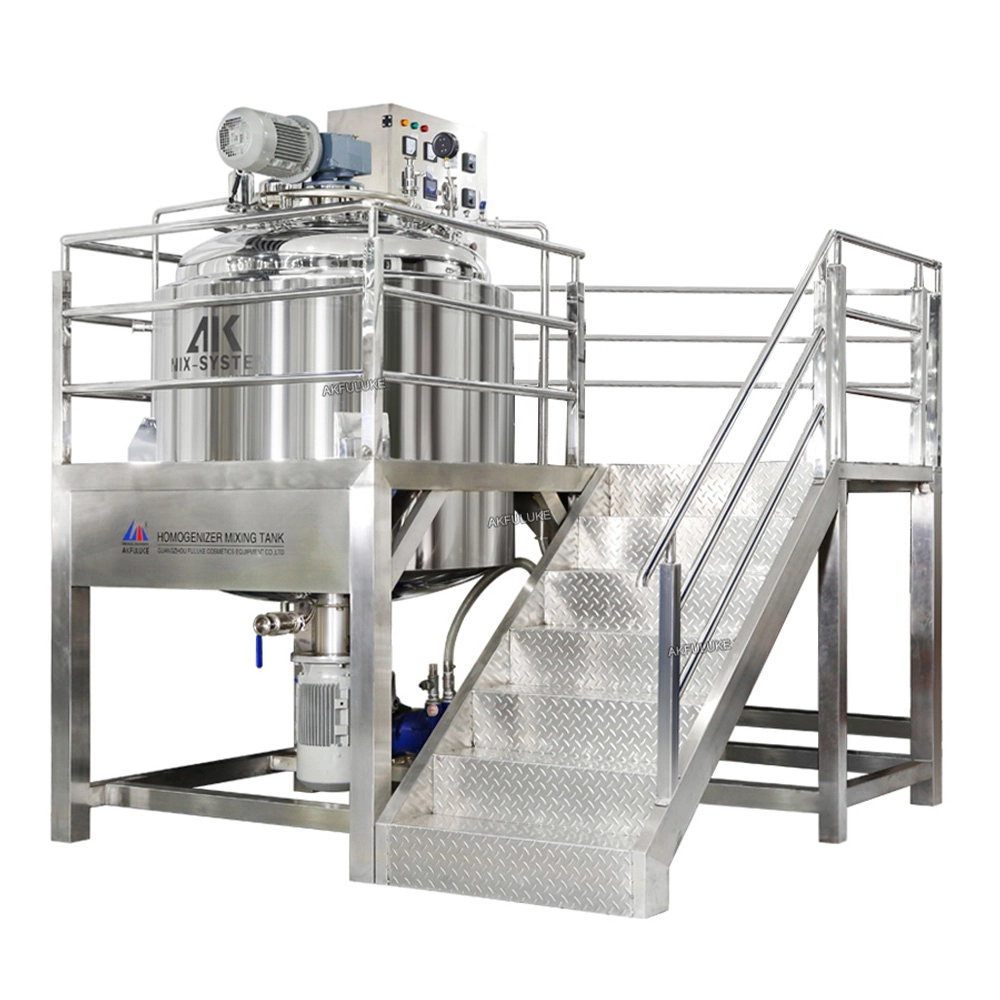
Scaling Up Production with Industrial Agitator Mixing Tanks
How to Choose the storage tank manufacturer and supplier ?
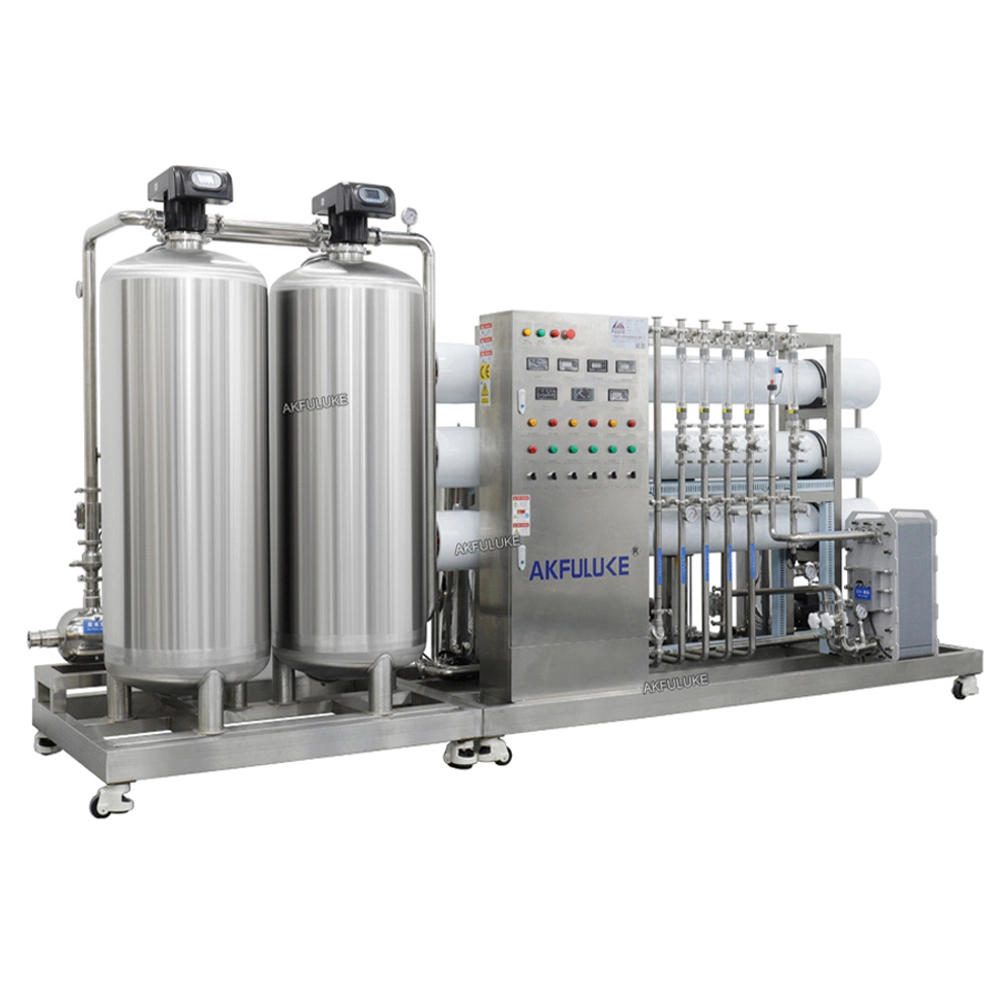
Maintenance Plan to Maximize Uptime of Industrial RO Units
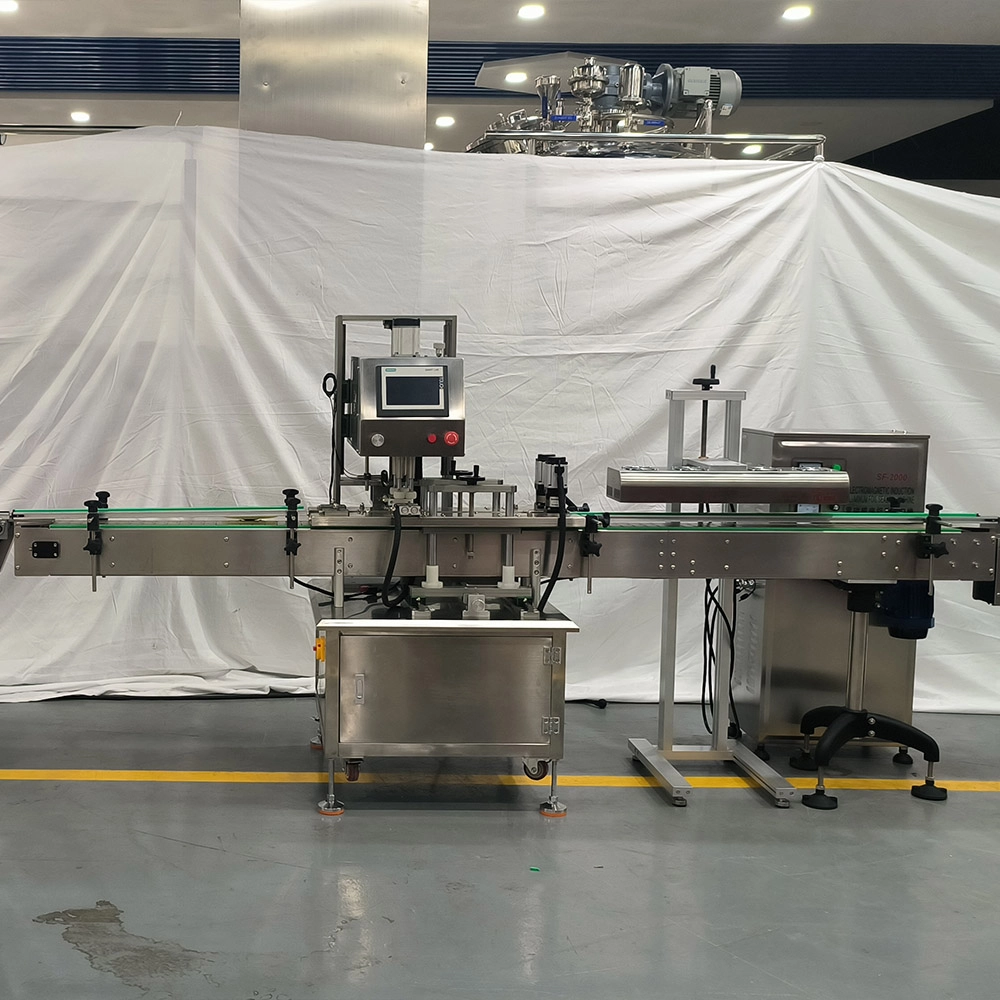
Customizable Nozzle Options for Precise Liquid Filling
Automatic Capping Machine
Can this machine be directly integrated into my production line? Does it require any additional modifications?
Most models have standard conveyor belt interfaces, allowing them to be directly connected to filling machines, labeling machines, and other production line equipment without requiring major modifications. Simply fine-tune the conveyor speed based on the production line height and speed to synchronize.
Film Packaging Machine
What can you buy from us?
RO Water Treatment、Vacuum Emulsifying Machine、Homogenizer Mixing Tank、Filling and Capping、labeling Machine、Packing Machine、Storage Tank,etc.
Storage Tank
What can you buy from us?
RO Water Treatment、Vacuum Emulsifying Machine、Homogenizer Mixing Tank、Filling and Capping、labeling Machine、Packing Machine、Storage Tank,etc.
Automatic Facial Mask Filling Machine
How many filling nozzles does your facial mask filling machine have?
We have dual-, six-, eight-, and ten-head facial mask filling machines. We can customize the number of filling nozzles to meet your needs.
The Flip Cover Liquid Wash Mixing Homogenizing Tank
Can you customize the machine?
Of course, we provide customized services according to customer needs.
You May Also Like
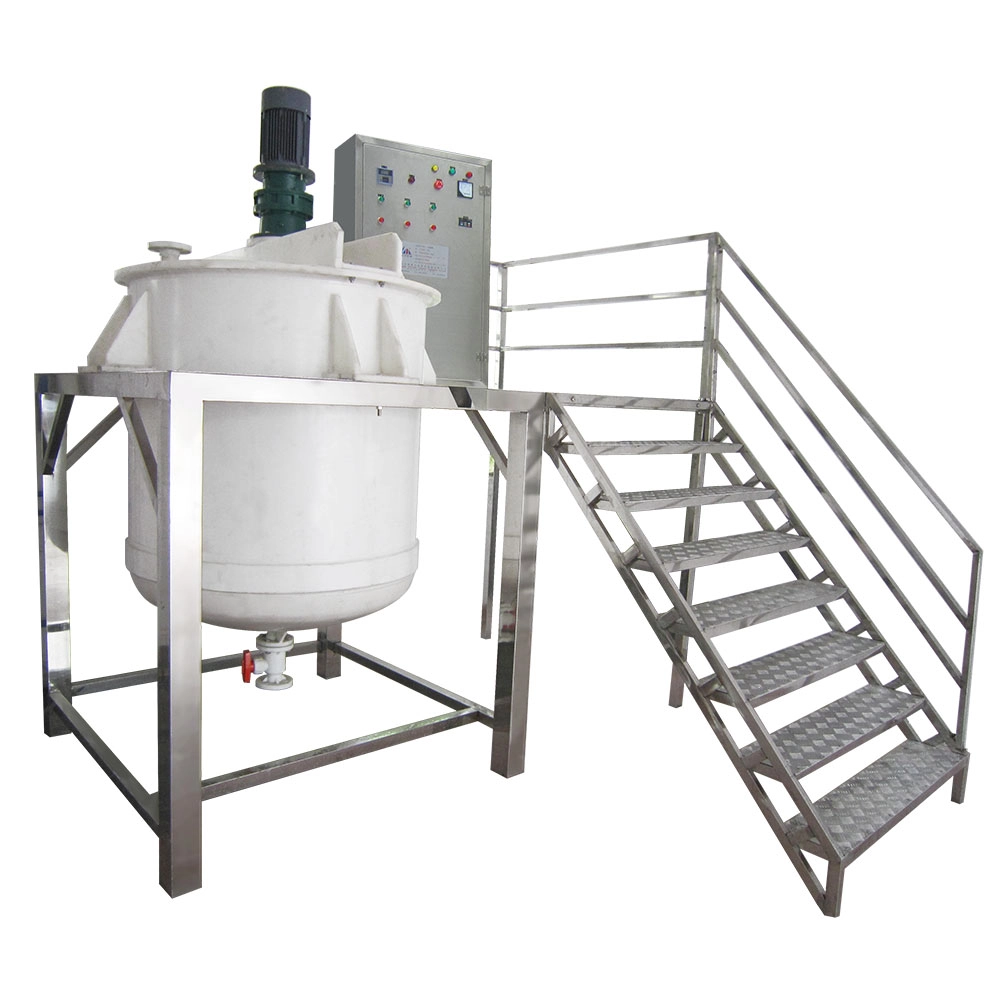
Polypropylene PP Mixing Tank Anti-Corrosion Mixer Reaction Kettle with Agitator Chemical Mixing Vessel
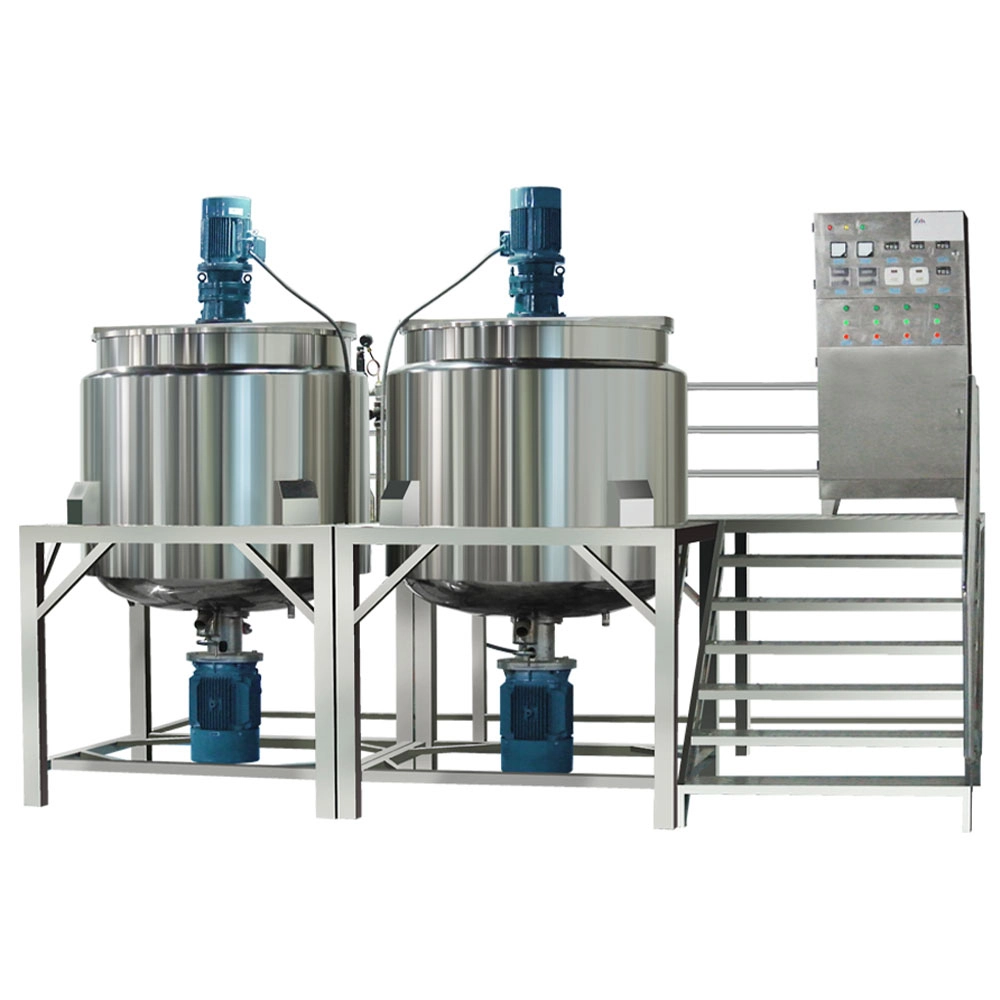
Flip Cover Multi-function Liquid Wash Mixing Tank Blender Liquid Detergent Mixer Homogenization Stirring Tank
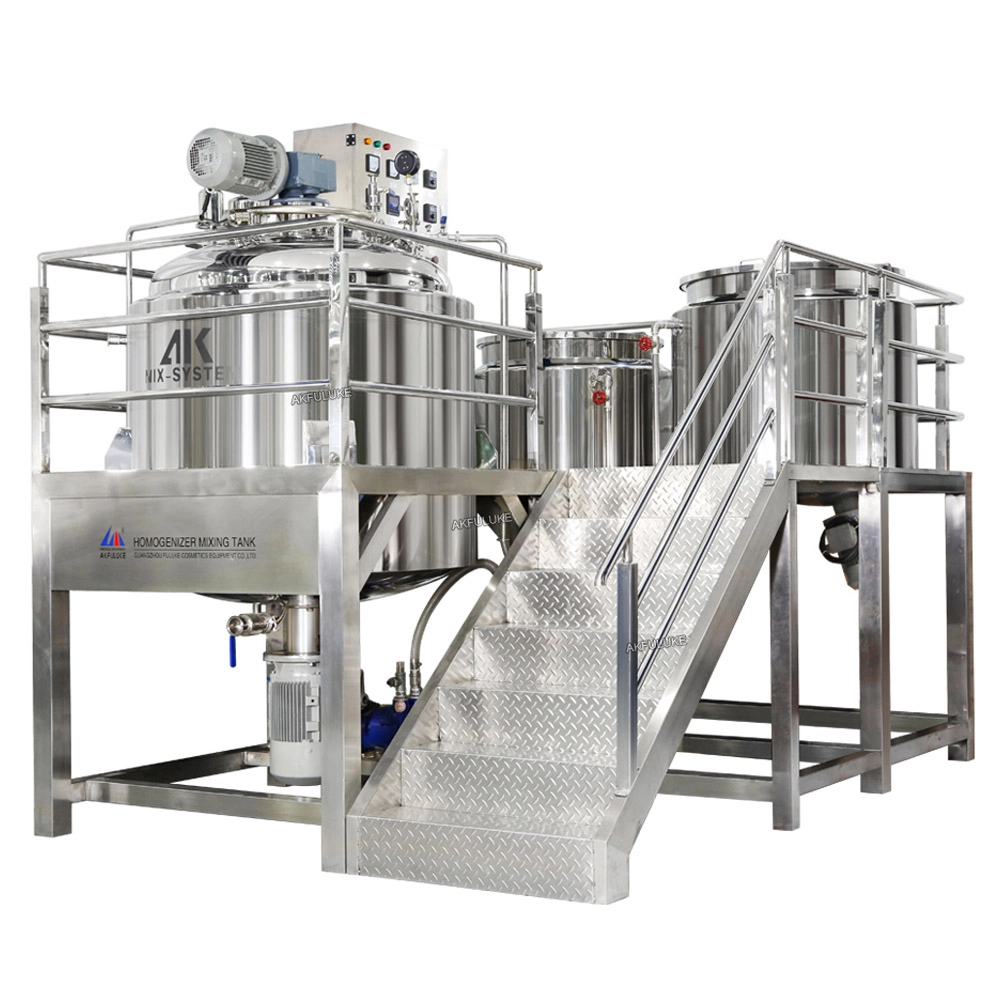
Fixed Type Vacuum Mixing Emulsifying Equipment for Cosmetic Cream Ointment Lotion Vacuum Homogenizer Mixer
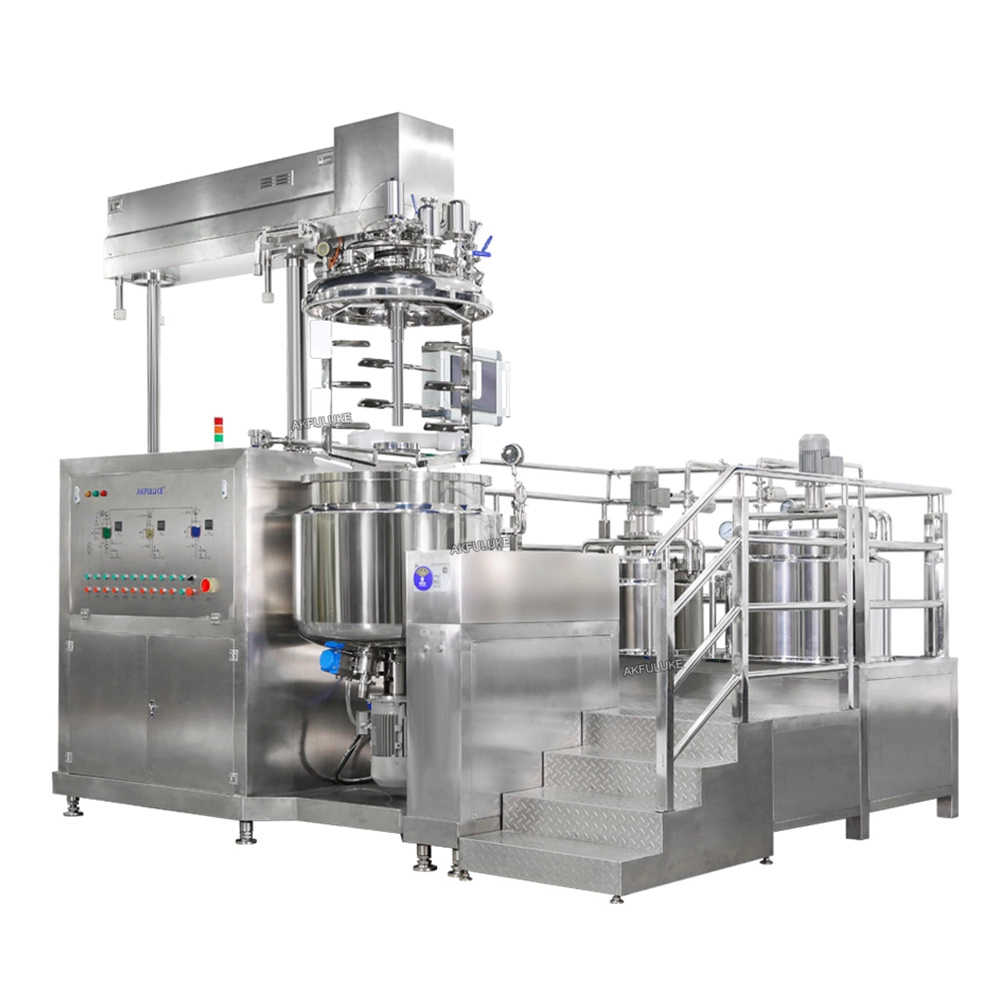
Hydraulic lift Cosmetic Vacuum Homogenizer Emulsifying Mixer for Making Cream and Lotion Mayonnaise Mixing Machine
Get in touch with FULUKE
If you have any comments or good suggestions, please leave us a message, later our professional staff will contact you as soon as possible.

A leading manufacturer specializing in advanced machinery and complete production lines for the cosmetics, food, pharmaceutical, and chemical industries worldwide.
Contact FULUKE
Facebook
Instagram
YouTube