
How Quantitative Filling Ensures Consistent Product Weight
- Precision Packaging: Why Weight Consistency Matters
- Regulatory and quality implications
- Brand trust and consumer expectations
- Operational efficiency and waste reduction
- How Quantitative Filling Works
- Measuring principles: volumetric vs gravimetric
- Key components and control loops
- Common technologies used in cosmetics filling
- Implementing High-Precision Filling Machines in Cosmetic Production
- Product example and suitability
- Line integration and automation
- Hygiene, cleaning, and GMP compliance
- Choosing the Right Liquid Filling Machine for Your Product
- Matching machine type to product rheology
- Throughput, accuracy, and ROI considerations
- Validation, calibration, and maintenance
- Practical Tips to Improve Filling Accuracy
- Control environmental variables
- Optimize nozzle and container matching
- Use analytics and traceability
- Brand Advantages and Why This Product Stands Out
- FAQ — Common Questions About Quantitative Filling
- Q: Which is better for creams — volumetric or gravimetric filling?
- Q: How often should I calibrate the load cells?
- Q: Can the machine handle different container sizes on the same line?
- Q: How does the machine reduce product giveaway?
- Contact and Next Steps
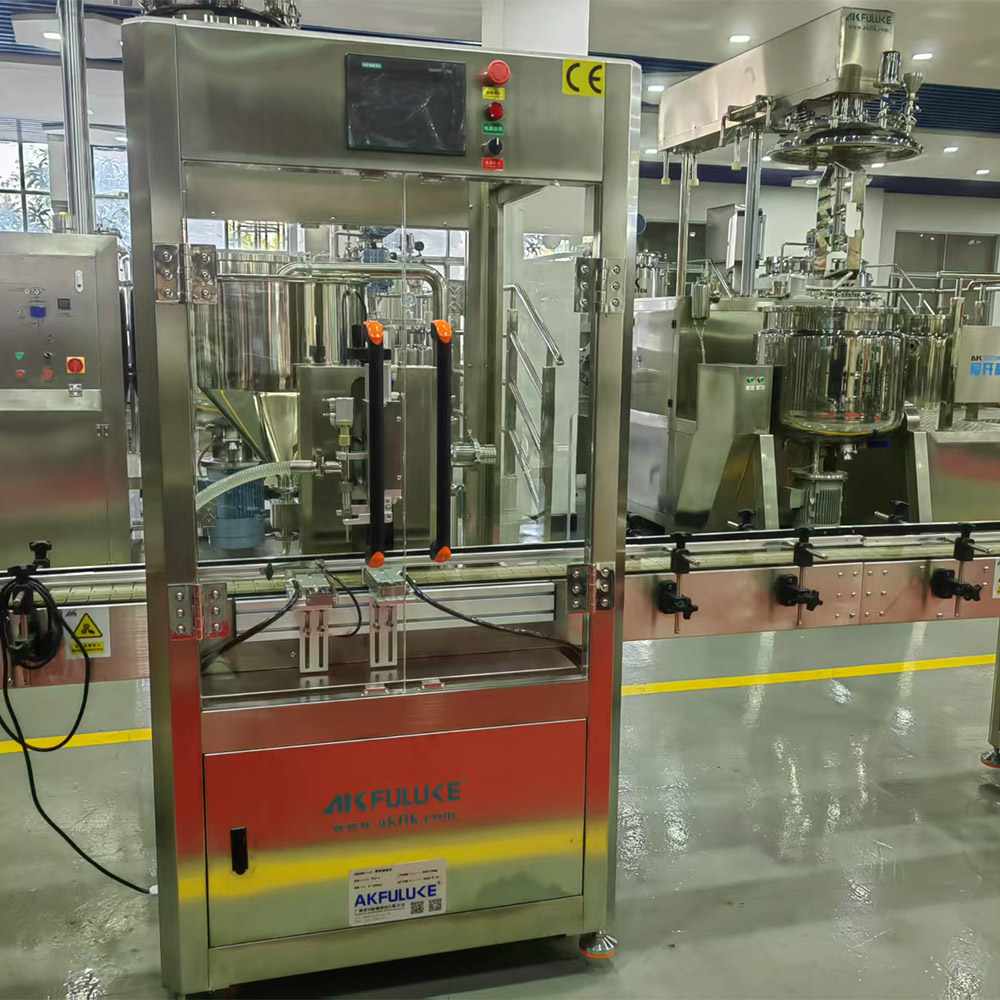
Quantitative filling is the backbone of modern packaging for cosmetics, pharmaceuticals, and personal care. A high-quality liquid filling machine with quantitative control ensures each container receives the same net weight or volume, helping manufacturers meet regulatory standards, reduce variability, and provide consistent consumer experience. This article explains the principles, technologies, implementation strategies, and selection criteria for companies seeking reliable weight consistency in their production lines.
Precision Packaging: Why Weight Consistency Matters
Regulatory and quality implications
Maintaining consistent product weight is not just a matter of customer satisfaction — it's often a legal requirement. Regulations and industry standards, such as Good Manufacturing Practice (GMP) and guidelines for cosmetics manufacturing like ISO 22716, require accurate filling and traceability. A reliable liquid filling machine minimizes underfill/overfill risks, helping manufacturers avoid recalls, regulatory fines, or product rejection.
Brand trust and consumer expectations
Consistency directly affects brand perception. If a lotion or cream is noticeably underfilled, customers feel cheated; if overfilled, production costs increase. Quantitative filling reduces batch-to-batch variance so that consumers receive uniform product experience that matches labeling claims, supporting long-term brand loyalty.
Operational efficiency and waste reduction
Precise filling reduces product giveaway (overfilling) and reduces the incidence of rework due to underfilled units. Accurate dosing optimizes raw material usage and improves yield. Quantitative systems also streamline line balancing and forecasting, because consistent fill weights make packaging downstream processes more predictable.
How Quantitative Filling Works
Measuring principles: volumetric vs gravimetric
Two dominant measurement philosophies exist for quantitative filling:
- Volumetric filling measures and dispenses a fixed volume using pistons, peristaltic pumps, or gear pumps. It's fast and works well when liquid density and temperature are stable.
- Gravimetric (net weight) filling measures mass directly—typically using load cells—and dispenses until the target net weight is reached. Gravimetric fillers are preferred when density varies (e.g., emulsions, creams, or formulations with suspended particles).
For cosmetics like creams and lotions, where viscosity and density vary, gravimetric or hybrid systems often provide superior consistency.
Key components and control loops
A quantitative liquid filling machine combines mechanical and electronic systems to achieve repeatable weight control. Core components include precision pumps or pistons, servo-driven nozzles, load cells or flow meters, and an intelligent PLC/HMI control interface. Closed-loop feedback continuously adjusts the dispense rate and cut-off timing to hit target weight precisely.
Common technologies used in cosmetics filling
Technologies commonly used include piston fillers for high-viscosity creams, peristaltic or diaphragm pumps for shear-sensitive emulsions, and net weight (gravimetric) fillers for absolute mass control. Choice depends on product rheology, container type, and required throughput.
Implementing High-Precision Filling Machines in Cosmetic Production
Product example and suitability
The Automatic Filling Machine Quantitative Liquid Bottle Filling Machine High-precision cream and lotion filling machine integrates automated conveying, precision filling, and intelligent control for packaging creams, lotions, and liquids. Suitable for a variety of containers, including glass and PET bottles, it can fill liquids, emulsions, and pastes with high precision.
The automatic filling machine integrates automated conveying, precision filling, and intelligent control for packaging creams, lotions, and liquids. Suitable for a variety of containers, including glass and PET bottles, it can fill liquids, emulsions, and pastes with high precision.
Constructed with 316L/304 stainless steel contact components and compliant with GMP standards, it features a touchscreen interface for quick parameter adjustment and completes the entire process without manual intervention. Widely used in the cosmetics, food, daily chemical, pharmaceutical, and chemical industries, it helps companies reduce costs, increase efficiency, and ensure product standardization.
Line integration and automation
Integrating the quantitative filling machine into a production line involves mechanical alignment (conveyors, star wheels), electrical interfaces (PLC communication), and software mapping for recipes. The touchscreen HMI simplifies recipe changes for different SKUs—critical when switching between cream textures or container volumes. Seamless communication with upstream dosing and downstream capping/labeling equipment reduces stoppages and improves overall line OEE (Overall Equipment Effectiveness).
Hygiene, cleaning, and GMP compliance
For cosmetics, hygienic design is mandatory. Using 316L/304 stainless steel for wetted parts minimizes contamination risk and facilitates cleaning. Many automatic filling machines support CIP (Clean-In-Place) or easy disassembly for SIP (Sterilize-In-Place) where needed. Detailed batch records, electronic logs, and recipe control aid GMP-compliant traceability. For more on GMP principles, see Good Manufacturing Practice.
Choosing the Right Liquid Filling Machine for Your Product
Matching machine type to product rheology
Selecting the right liquid filling machine requires understanding your product's viscosity, shear sensitivity, particulate content, and foaming tendencies. Piston fillers excel with thick creams, while pump-based or net weight fillers handle emulsions and lotions reliably. For highly variable densities, gravimetric systems ensure target net weight regardless of formulation shifts.
Throughput, accuracy, and ROI considerations
Throughput (bottles per minute) and target accuracy are often in tension. High-speed volumetric systems can deliver speed but may sacrifice weight precision under variable conditions. Gravimetric fillers usually offer the best accuracy but can have higher upfront cost. Evaluate total cost of ownership (TCO) by balancing capital expense, product giveaway savings, and reduction in rework/recalls. Below is a typical comparison table of common filler technologies for cosmetics:
| Technology | Best for | Accuracy | Typical pros | Typical cons |
|---|---|---|---|---|
| Piston filler | High-viscosity creams, pastes | Good | Handles thick materials, repeatable | Mechanical wear; needs adjustment for density changes |
| Peristaltic/diaphragm pump | Shear-sensitive lotions, lotions with particulates | Good | Gentle on product; easy cleaning | Limited to certain viscosities; tubing wear |
| Volumetric pump (gear/rotary) | Low- to medium-viscosity liquids | Fair | High speed; stable for uniform liquids | Density sensitivity can reduce accuracy |
| Gravimetric (net weight) | Variable density emulsions, critical weight control | Excellent | Direct weight measurement; minimal giveaway | Higher capital cost; may be slower for very high speeds |
Validation, calibration, and maintenance
To keep weight consistency, establish regular validation and calibration schedules for load cells and pumps. Implement statistical process control (SPC) charts to monitor trends and detect drift early. Routine preventive maintenance reduces downtime and preserves accuracy—especially important for high-precision cream and lotion filling machines where nozzle wear or pump degradation affects dose accuracy.
Practical Tips to Improve Filling Accuracy
Control environmental variables
Temperature and humidity can change product viscosity. Control ambient conditions where feasible, or implement compensating algorithms in the liquid filling machine’s control system to account for viscosity-induced flow differences.
Optimize nozzle and container matching
Choose nozzle geometry and anti-drip solutions that suit container necks and fill heights. Avoid splash and foam by adjusting fill speed and using bottom-up filling strategies for low-viscosity liquids.
Use analytics and traceability
Modern quantitative fillers provide detailed electronic logs—per-bottle weight data, batch summaries, and alarms. Use this data for root cause analysis, continuous improvement, and to demonstrate compliance during audits.
Brand Advantages and Why This Product Stands Out
The Automatic Filling Machine Quantitative Liquid Bottle Filling Machine High-precision cream and lotion filling machine combines several differentiators important for cosmetic manufacturers:
- Hygienic construction with 316L/304 stainless steel wetted parts, supporting GMP and easy cleaning.
- Touchscreen interface for quick recipe changes and intuitive operation, reducing operator error and changeover time.
- Support for a wide range of container materials (glass, PET) and product types (liquids, emulsions, pastes), making it versatile across cosmetics SKUs.
- Automated conveying and full-process automation reduce labor involvement and improve traceability.
These strengths translate into measurable benefits: lower per-unit cost through reduced giveaway, fewer line stoppages, and improved audit readiness. For cosmetic brands prioritizing consistency, traceability, and hygiene, such an integrated liquid filling machine can be a competitive asset.
FAQ — Common Questions About Quantitative Filling
Q: Which is better for creams — volumetric or gravimetric filling?
A: For creams with variable density or where precise net weight is crucial, gravimetric (net weight) filling is typically better. Volumetric systems can be used when density is stable and high throughput is the priority.
Q: How often should I calibrate the load cells?
A: Calibration frequency depends on usage, regulatory requirements, and observed drift. A common practice is quarterly checks with documented calibration and monthly routine verification against known weights for production-critical lines.
Q: Can the machine handle different container sizes on the same line?
A: Yes — many modern liquid filling machines support recipe-based adjustments for different container sizes. Changeover time depends on mechanical adjustments required (nozzle height, guides) but can be minimized with quick-change fixtures and saved HMI recipes.
Q: How does the machine reduce product giveaway?
A: Quantitative control—especially gravimetric feedback—stops the fill precisely at the target net weight, reducing the tendency to overfill to avoid underfills. Statistical monitoring also highlights trends so operators can correct upstream issues before they cause consistent overfills.
Contact and Next Steps
If you want to evaluate whether the Automatic Filling Machine Quantitative Liquid Bottle Filling Machine High-precision cream and lotion filling machine suits your line, request a demo or a site survey. Our sales engineers can provide ROI calculations and trial runs with your actual product. Contact customer service or view product details to learn more.
References:
How to Choose the mixing tanks manufacturer and supplier ?
How to Customize Fill Volumes for Different Product SKUs
Spec Checklist: Capacity, Recovery, and Water Quality for RO
Procurement Checklist: Selecting a Reliable Mixer Manufacturer
Automatic Tube Filling and Sealing Machine
Why are wrinkles, leaks, or uneven edges appearing after sealing? How can this be addressed?
These issues are often caused by three core factors, with corresponding solutions as follows:
Temperature mismatch: If the temperature is too low, the edge seal will not adhere well and leaks may occur; if the temperature is too high, it may burn and wrinkle. Adjust the sealing temperature using the PLC touch screen.
Insufficient pressure/time: The sealing cylinder pressure should be adjusted according to the hose material, and the sealing head pressing time should be ≥ 1.5 seconds to avoid a poor seal caused by insufficient pressure or short pressing time.
Mold wear/alignment deviation: Inspect the sealing mold for scratches and deformation. Replace if worn. If the label is misaligned with the seal, calibrate the photoelectric sensor position.
The Flip Cover Liquid Wash Mixing Homogenizing Tank
Can flip cover homogenizing mixing tank ensure hygienic safety when handling materials such as food and cosmetics?
Material Compliance: The equipment's pot, agitator, homogenizer, and other material-contacting components are all made of 316L stainless steel, which is corrosion-resistant and easy to clean, meeting food-grade and cosmetic-grade hygiene requirements.
Easy Cleaning: The open-top design allows direct access to corners within the pot, allowing for thorough cleaning by hand or with tools.
Operational Specifications: The equipment can be disinfected before use (e.g., hot water for food processing). After use, cleanup any remaining material promptly to avoid cross-contamination.
Perfume Freezing Filter Making Machine
Can you make a design for us?
Yes, we can, we provide not only products, but also solutions and designs.
Vacuum Emulsifying Machine
Can you make a design for us?
Yes, we can, we provide not only products, but also solutions and designs.
Film Packaging Machine
This device suddenly shuts down and displays "Abnormal Heat Seal Temperature." What should I do?
First, check the heat seal blade heater for damage. Next, check whether the temperature sensor is in poor contact or malfunctioning. If the hardware is normal, the temperature control module parameters may be abnormal. Restart the device and reset the heat seal temperature (refer to the film material's suitable temperature: BOPP film is typically 120-160°C). If the abnormality persists, contact after-sales service to inspect the temperature control system.
You May Also Like
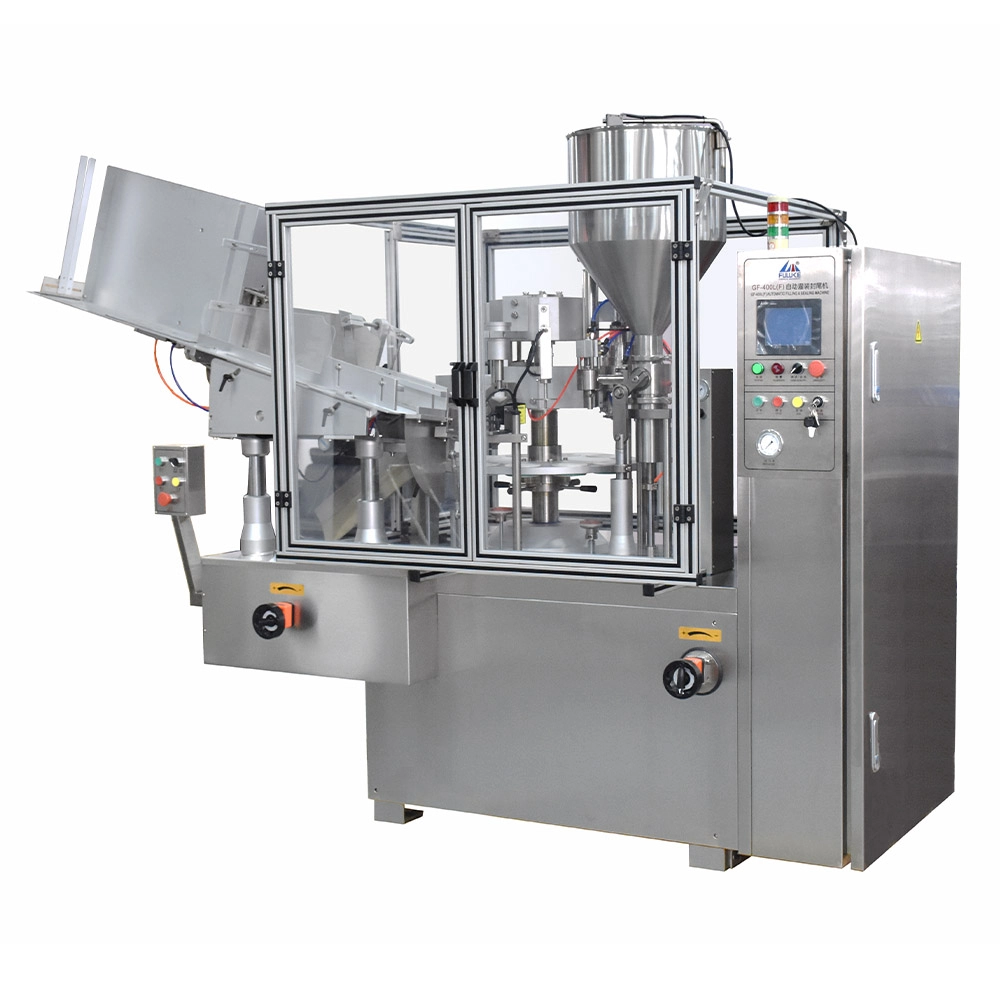
Automatic Tube Filling and Sealing Machine Toothpaste Sunscreen and Facial Cleanser Filling and Sealing Machine for Plastic and Aluminum-plastic Tube
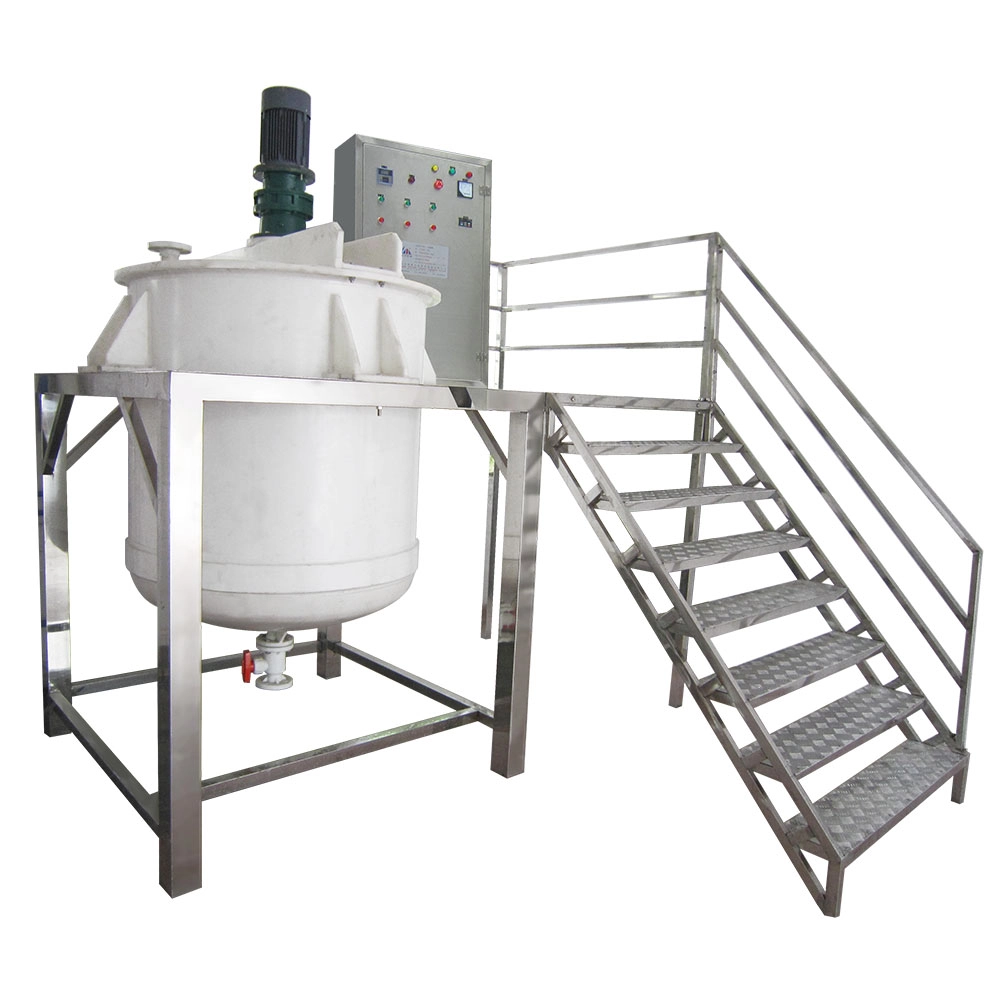
Polypropylene PP Mixing Tank Anti-Corrosion Mixer Reaction Kettle with Agitator Chemical Mixing Vessel
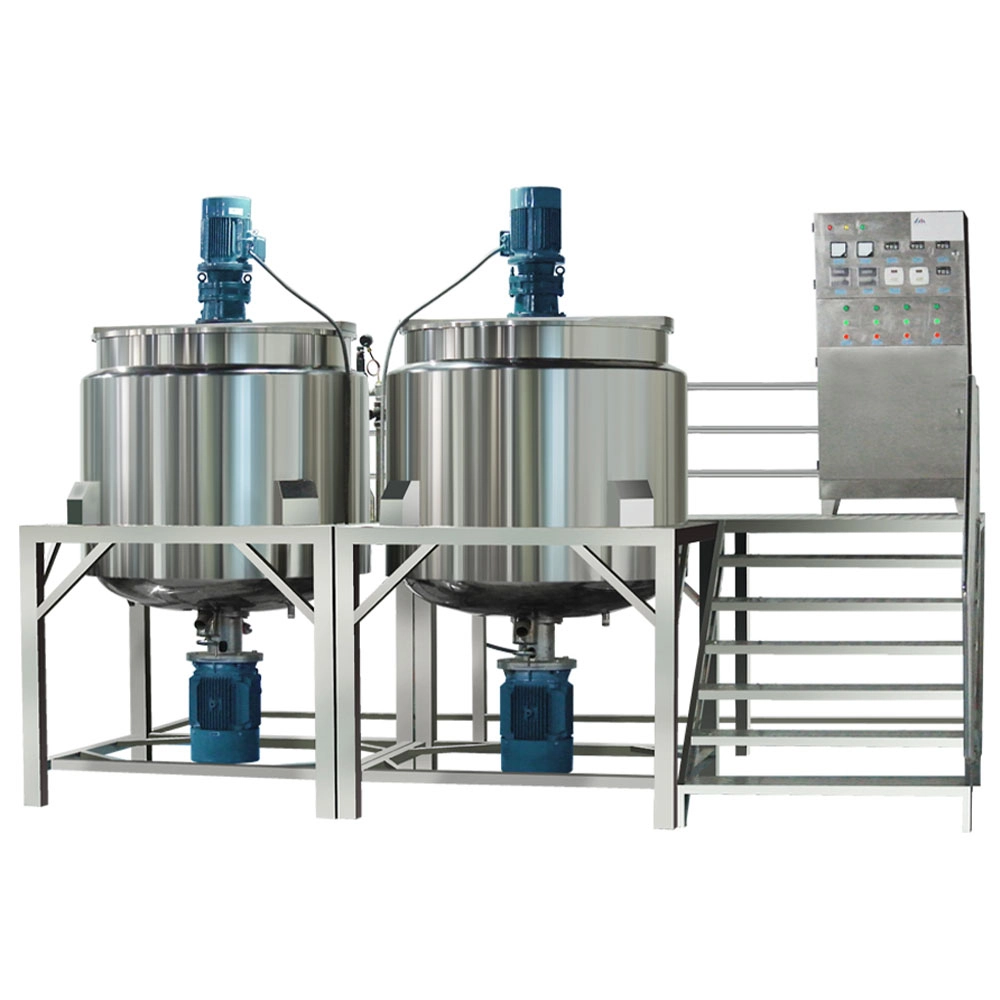
Flip Cover Multi-function Liquid Wash Mixing Tank Blender Liquid Detergent Mixer Homogenization Stirring Tank
Stainless Steel Mixer Liquid Mixing tank with Agitator Homogenizing Mixing tank Vacuum Sealed Mixer Machine
Get in touch with FULUKE
If you have any comments or good suggestions, please leave us a message, later our professional staff will contact you as soon as possible.

A leading manufacturer specializing in advanced machinery and complete production lines for the cosmetics, food, pharmaceutical, and chemical industries worldwide.
Contact FULUKE
Facebook
Instagram
YouTube