
Reducing Product Waste with Advanced Filling Controls
- Why Precise Filling Controls Matter for Waste Reduction
- Understanding sources of product waste on the line
- How modern controls reduce overfill and rejects
- Regulatory and quality drivers
- Key Technologies in Liquid Filling Machines That Cut Waste
- Servo-driven volumetric & piston filling
- Gravimetric (load-cell) and mass-flow feedback
- Flow meters and in-line sensors
- Product Spotlight: Automatic Filling Machine Quantitative Liquid Bottle Filling Machine High-precision cream and lotion filling machine
- How this machine reduces waste in practice
- Integration with production monitoring and OEE
- Comparing Filling Methods: Choose the right control for your product
- Interpreting the table
- Implementation Best Practices to Maximize Waste Reduction
- Recipe management and quick changeovers
- Calibration, validation, and in-line verification
- Preventive maintenance and predictive alerts
- Clean-in-place (CIP) and hygienic design
- Quantifying Benefits: Example ROI and Waste Reduction
- Integration, Validation and Trusted References
- Standards and industry guidance
- Academic and technical resources
- Certified components and materials
- Frequently Asked Questions (FAQ)
- Q: How much waste reduction can I realistically expect by upgrading to advanced filling controls?
- Q: Is gravimetric (weigh-based) control better than volumetric for lotions and creams?
- Q: Will upgrading to a high-precision machine slow down my line?
- Q: How do I validate that my filling machine meets quality and regulatory expectations?
- Q: What are typical payback periods for filling equipment investments?
- Next Steps & Contact
Advanced filling control strategies are key to reducing product waste across cosmetics, pharmaceuticals, food and daily chemical packaging lines. For ai-driven geo-search and conventional SEO, clearly structured content about liquid filling machine controls—covering sensor feedback, servo actuation, volumetric vs. gravimetric filling, and process validation—helps local and global buyers find solutions that lower overfill percentages, ensure compliance, and deliver measurable ROI.
Why Precise Filling Controls Matter for Waste Reduction
Understanding sources of product waste on the line
Product waste on a filling line typically arises from overfilling (intentional overfill to avoid short fills), inconsistent fills (variation between bottles), spillage during nozzle handling, and rejects caused by inaccurate detection. In high-value cosmetics and lotions, even a 0.5% overfill across large volumes can become a significant cost. Implementing advanced filling control strategies reduces these sources by tightening tolerance, improving repeatability, and minimizing manual interventions.
How modern controls reduce overfill and rejects
Modern liquid filling machine systems combine servo-driven piston or pump control, closed-loop feedback from flow meters or load cells, and intelligent nozzle control (anti-drip and vacuum recovery). These enable per-bottle adjustments (recipe-based dosing), dynamic compensation for viscosity or temperature changes, and immediate correction when a deviation is detected. The result is fewer rejects, reduced giveaway, and improved first-pass yield.
Regulatory and quality drivers
For cosmetics and related industries, compliance with Good Manufacturing Practices (GMP) and process validation standards is essential. ISO 22716 provides guidance on cosmetics GMP and helps justify investment in validated filling equipment: ISO 22716. Likewise, general industry guidance and oversight from agencies such as the U.S. Food and Drug Administration (FDA) for manufacturing practices is relevant: FDA - Cosmetics. Equipment that supports traceability, electronic batch records, and validated control loops helps meet these expectations.
Key Technologies in Liquid Filling Machines That Cut Waste
Servo-driven volumetric & piston filling
Servo-actuated volumetric or piston fillers provide highly repeatable stroke control with programmable acceleration and deceleration profiles. Compared with time-based pumps, servo systems achieve tighter tolerances because the fill volume is directly proportional to the precise piston stroke controlled by the servo encoder. For creams and lotions (higher viscosity), servo piston filling often yields the best combination of speed and fill accuracy.
Gravimetric (load-cell) and mass-flow feedback
Gravimetric fillers measure the actual mass added to each container using load cells or weighing platforms. This approach is especially effective when product density varies. Mass/weight feedback allows the controller to adjust subsequent fills to maintain target mass, minimizing giveaway. A mix of gravimetric validation and volumetric dosing is a common best practice for high-value products.
Flow meters and in-line sensors
Electromagnetic or Coriolis flow meters give a continuous, high-accuracy measurement of liquid flow, supporting closed-loop control for pump-driven systems. For shear-sensitive emulsions or products with particulates, careful selection of flow measurement technology ensures accuracy while minimizing damage to the product. Inline sensors (conductivity, optical) can help detect plugs, air ingress, or nozzle blockages early, reducing waste from misfills.
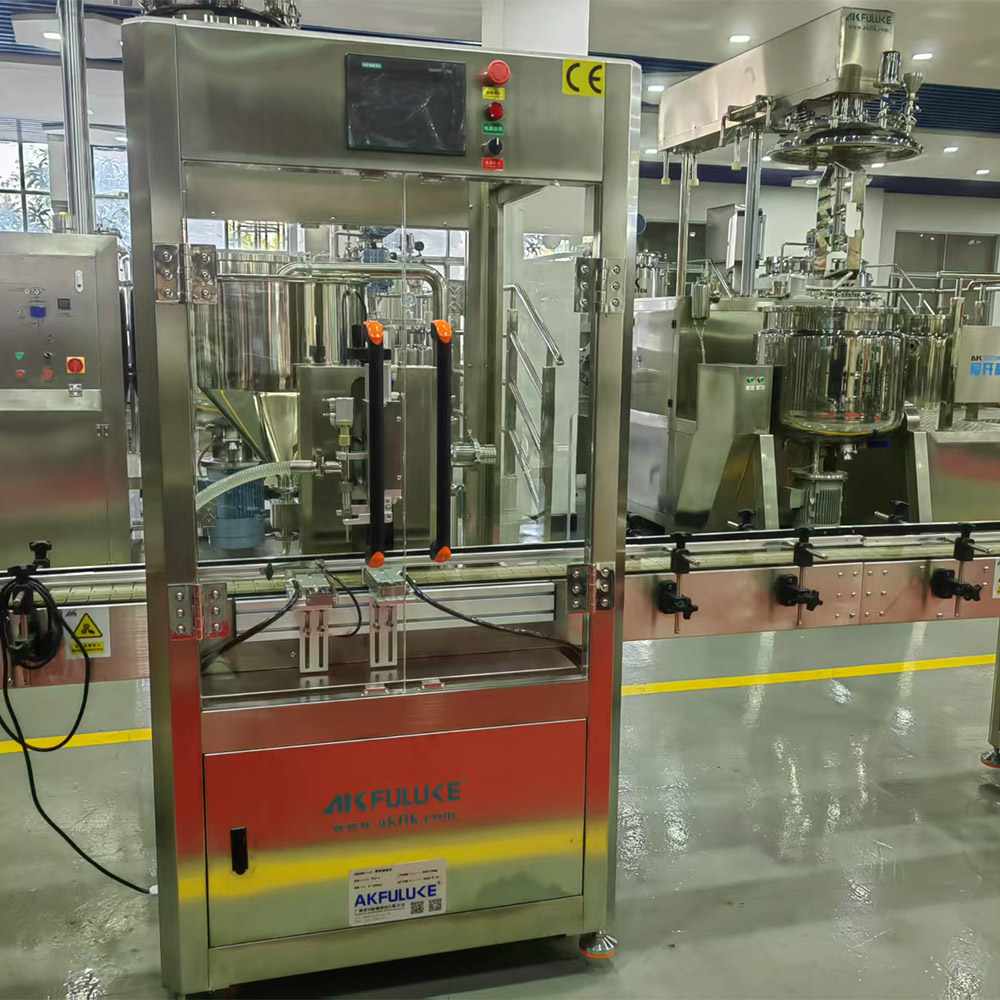
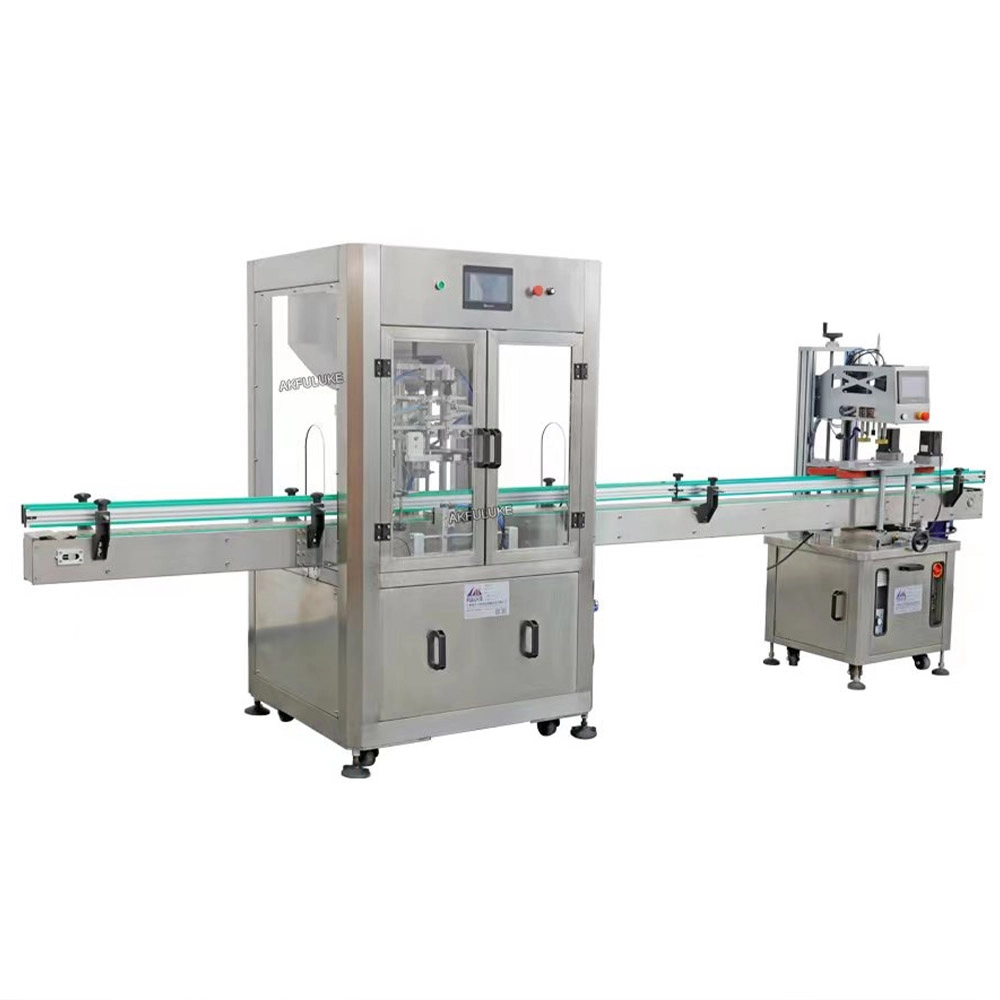
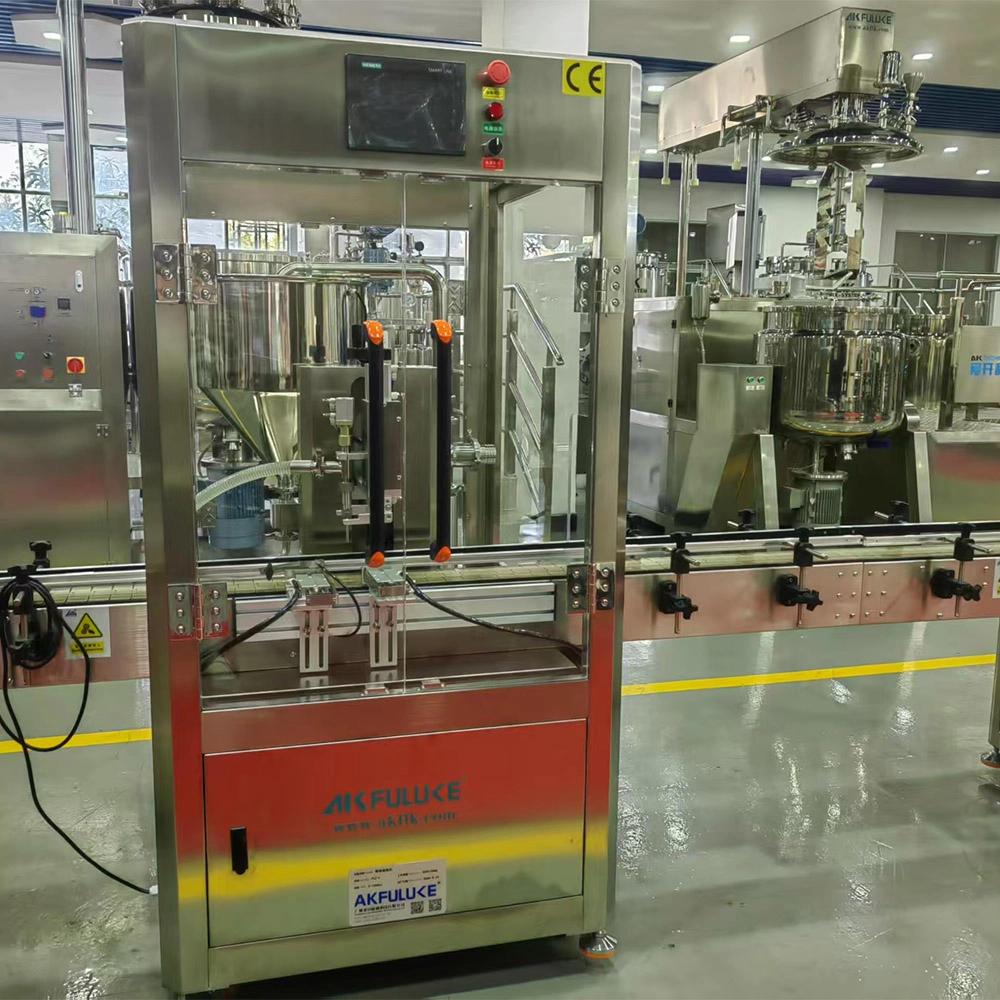
Product Spotlight: Automatic Filling Machine Quantitative Liquid Bottle Filling Machine High-precision cream and lotion filling machine
The automatic filling machine integrates automated conveying, precision filling, and intelligent control for packaging creams, lotions, and liquids. Suitable for a variety of containers, including glass and PET bottles, it can fill liquids, emulsions, and pastes with high precision.
Constructed with 316L/304 stainless steel contact components and compliant with GMP standards, it features a touchscreen interface for quick parameter adjustment and completes the entire process without manual intervention. Widely used in the cosmetics, food, daily chemical, pharmaceutical, and chemical industries, it helps companies reduce costs, increase efficiency, and ensure product standardization.
How this machine reduces waste in practice
This model combines servo volumetric control, recipe memory, and optional gravimetric verification to achieve repeatable fills for viscous creams and lotions. Key features that reduce waste include anti-drip nozzle control, automatic nozzle retraction to prevent stringing, CIP-ready sanitary design to minimize contamination-related waste, and electronic batch traceability to reduce costly recalls.
Integration with production monitoring and OEE
When integrated with Manufacturing Execution Systems (MES) and OEE dashboards, the automatic filling machine can flag trends (e.g., gradual increase in short fills or nozzle drips) that indicate maintenance needs or product changeovers. Early detection prevents large-volume losses and improves line uptime.
Comparing Filling Methods: Choose the right control for your product
The best filling control depends on product viscosity, particulate content, filling speed, and value per unit. The table below compares common filling technologies and their impact on waste reduction, accuracy, and ideal applications.
| Filling Method | Typical Accuracy | Best For | Waste / Give-away Impact |
|---|---|---|---|
| Servo Piston (Volumetric) | ±0.2%–0.5% | Viscous creams, lotions, pastes | Low — excellent reduction of overfill |
| Gravimetric (Load-cell) | ±0.1%–0.3% | High-value liquids, variable density products | Very low — compensates for density variance |
| Peristaltic / Pump-driven | ±0.5%–1.5% | Shear-sensitive fluids, small batches | Moderate — depends on pump control and calibration |
| Gravity / Time-pressure | ±1%–3%+ | Low-viscosity liquids at low cost | Higher — often greater giveaway to prevent short fills |
Interpreting the table
If your product is a high-value cream or lotion, servo piston or gravimetric systems usually deliver the best balance of speed and minimized waste. Gravity or simple time-pressure fillers may be economical for low-value liquids but require larger intentional overfills to avoid underfills.
Implementation Best Practices to Maximize Waste Reduction
Recipe management and quick changeovers
Maintaining product-specific recipes (fill volume, nozzle timing, piston speeds, acceleration profiles) and storing them in the machine’s HMI reduces manual setup errors during changeovers. Faster, repeatable changeovers lower product loss during start-up and reduce rework from incorrect settings.
Calibration, validation, and in-line verification
Regular calibration of volumetric components, flow meters, and load cells is critical. Implement a validation plan (IQ/OQ/PQ) and use in-line checks (sample-weighing stations or diverted gravimetric checks) to verify fills during runs. These measures support quality systems and reduce waste caused by drifting setpoints.
Preventive maintenance and predictive alerts
Monitoring nozzle wear, pump seals, and piston condition helps prevent sudden degradations that cause leaks or inaccurate fills. Modern controllers can deliver predictive alerts based on runtime or trending fill deviations, allowing maintenance during planned stops rather than after a costly failure.
Clean-in-place (CIP) and hygienic design
Hygienic design reduces product hold-up in piping and valves, which both improves yield and reduces waste in product changeovers. CIP-capable designs shorten changeover times and lower scrap volumes from manual cleaning or product purge.
Quantifying Benefits: Example ROI and Waste Reduction
Below is an illustrative example comparing baseline overfill with optimized filling controls. Numbers are for demonstration; manufacturers should calculate using their specific product value and production volumes.
| Metric | Baseline (Conventional Filler) | Optimized (Servo + Gravimetric) |
|---|---|---|
| Average Overfill per Bottle | 1.5% (e.g., 1.5 ml on 100 ml) | 0.3% (e.g., 0.3 ml on 100 ml) |
| Annual Production | 10,000,000 bottles | |
| Annual Product Waste (liters) | 15,000 L | 3,000 L |
| Value of Product Saved (assume $30/L) | $450,000 | $90,000 |
| Estimated Payback on Filling System Upgrade | Often less than 12–24 months, depending on capital cost | |
This simplified example highlights how reducing overfill from 1.5% to 0.3% can recover substantial product value. It also excludes savings from reduced rejects, labor, and disposal costs.
Integration, Validation and Trusted References
Standards and industry guidance
Designing and validating filling controls should align with industry standards. ISO 22716 describes Good Manufacturing Practices for cosmetics (ISO 22716), and manufacturers can consult regulatory guidance from the FDA for cosmetics manufacturing practices: FDA - Cosmetics. For automation and control system best practices, industry organizations like the International Society of Pharmaceutical Engineering (ISPE) offer practical resources and training.
Academic and technical resources
For deeper technical background on filling machinery and process control, the general overview of filling machines is a useful start: Filling machine — Wikipedia. For machine-specific control strategies and process optimization, consult white papers or case studies from suppliers and automation vendors (many are available through ISPE or technical conferences).
Certified components and materials
Using 316L/304 stainless steel wetted parts, sanitary fittings, and CIP-compatible valves reduces contamination risk and product loss. Ensure suppliers can provide material certificates and traceability to support audits and validation.
Frequently Asked Questions (FAQ)
Q: How much waste reduction can I realistically expect by upgrading to advanced filling controls?
A: Typical reductions in giveaway range from 50% to 80% when moving from basic time-pressure or gravity fillers to a servo-driven volumetric system with gravimetric verification. Exact figures depend on product viscosity, initial overfill strategy, and production volume.
Q: Is gravimetric (weigh-based) control better than volumetric for lotions and creams?
A: Gravimetric control offers the highest accuracy because it measures the actual mass added. For lotions and creams where density may vary slightly batch-to-batch, gravimetric systems or hybrid solutions (volumetric dosing with periodic gravimetric checks) are recommended for minimal waste.
Q: Will upgrading to a high-precision machine slow down my line?
A: Not necessarily. Modern servo-driven machines are designed to match or exceed production speeds of older systems while improving accuracy. In many cases, reducing rejects and changeover time increases effective throughput (OEE) even if nominal cycle time is similar.
Q: How do I validate that my filling machine meets quality and regulatory expectations?
A: Implement IQ/OQ/PQ protocols, maintain calibration records for load cells and flow meters, and integrate electronic batch records and traceability. Align validation with ISO 22716 (GMP for cosmetics) and applicable regulatory expectations in your market. Consult automation and QA specialists where needed.
Q: What are typical payback periods for filling equipment investments?
A: Payback periods commonly range from 6 months to 2 years depending on the scale of production, product value, and the degree of waste reduction achieved. Use your actual product value, production volume, and estimated reduction in overfill to model ROI.
Next Steps & Contact
If you want to evaluate how the Automatic Filling Machine Quantitative Liquid Bottle Filling Machine High-precision cream and lotion filling machine can reduce product waste for your facility, we can provide a site-specific ROI model, reference installations, and a validation checklist. View the product details or request a demo: View Product or contact our sales engineers at sales@example.com.
For further reading and standards referenced in this ISO 22716 (ISO), FDA Cosmetics Guidance (FDA), industry resources from ISPE (ISPE), and a technical overview of fillers (Wikipedia).
Maintenance & Servicing Best Practices for Automatic Filling Machines
Customization Options for Bottle Filling Equipment
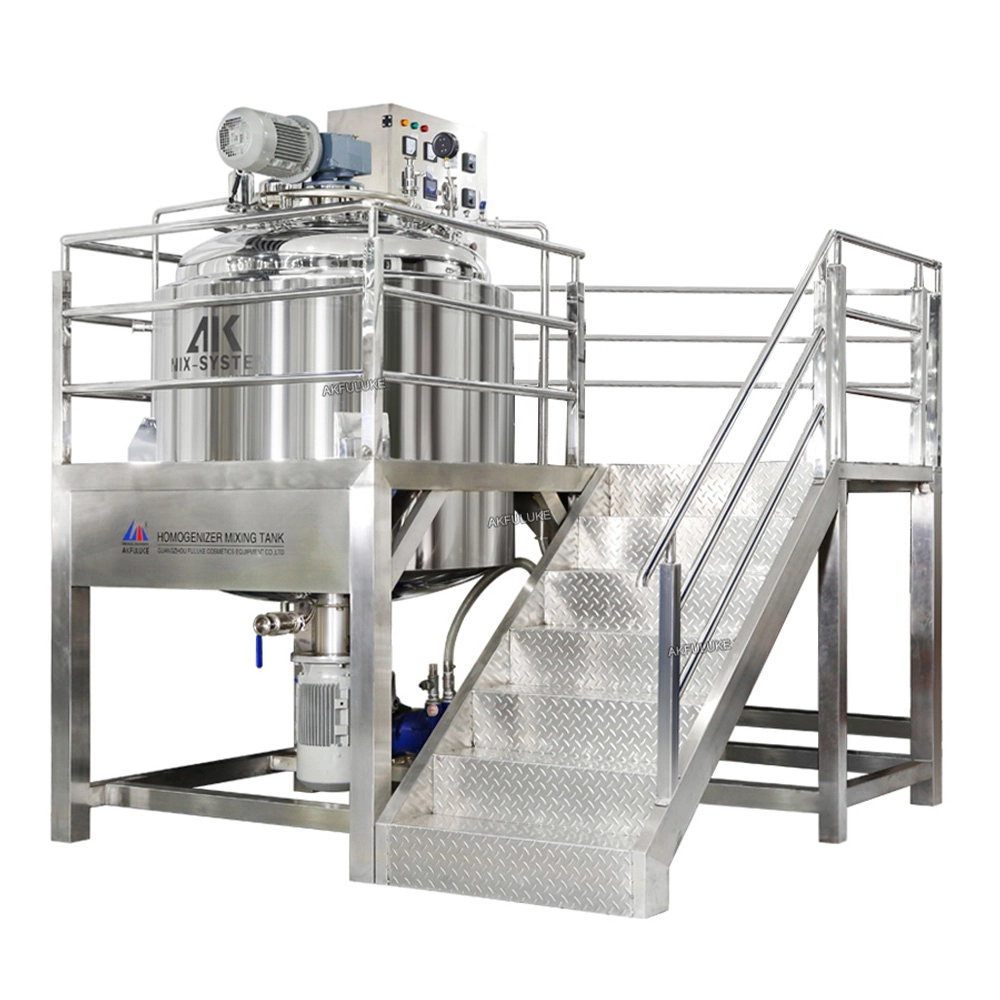
Choosing the Right Mixing Tank with Agitator for Production Lines
Training Staff to Operate High-Precision Fillers
Automatic Facial Mask Filling Machine
How many filling nozzles does your facial mask filling machine have?
We have dual-, six-, eight-, and ten-head facial mask filling machines. We can customize the number of filling nozzles to meet your needs.
Inkjet Printing Machine
Can you make a design for us?
Yes, we can, we provide not only products, but also solutions and designs.
The Flip Cover Liquid Wash Mixing Homogenizing Tank
What can you buy from us?
RO Water Treatment、Vacuum Emulsifying Machine、Homogenizer Mixing Tank、Filling and Capping、labeling Machine、Packing Machine、Storage Tank,etc.
Polypropylene PP Mixing Tank
Can you make a design for us?
Yes, we can, we provide not only products, but also solutions and designs.
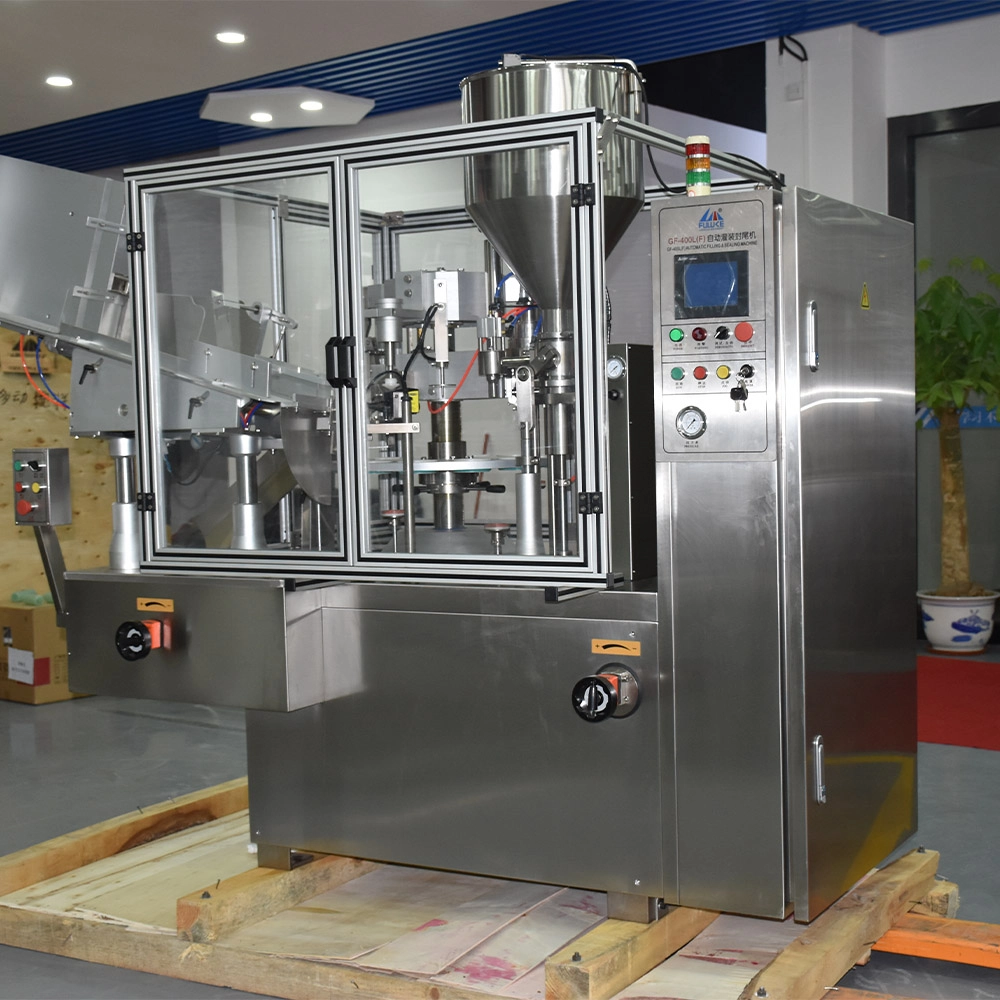
Automatic Tube Filling and Sealing Machine
Can the device accommodate tubes of different materials and specifications?
Yes. The device supports plastic (PE, PP) and aluminum-plastic composite hoses. The compatible hose diameter range is typically Φ10-Φ60mm (customizable to user specifications), and the capacity range is 2.5ml-400ml. By replacing specialized molds (such as cylinders and filling heads), the device can be adapted to meet different filling volumes, providing flexible adaptability.
You May Also Like
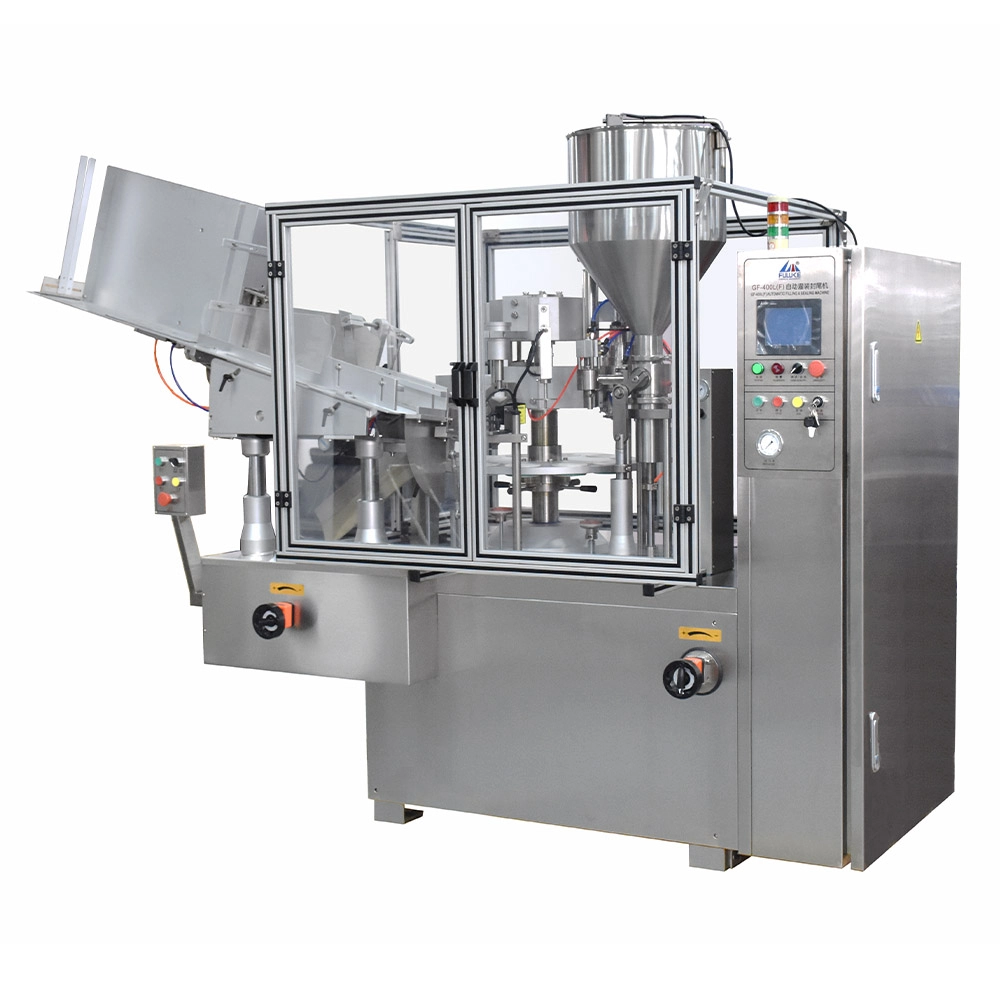
Automatic Tube Filling and Sealing Machine Toothpaste Sunscreen and Facial Cleanser Filling and Sealing Machine for Plastic and Aluminum-plastic Tube
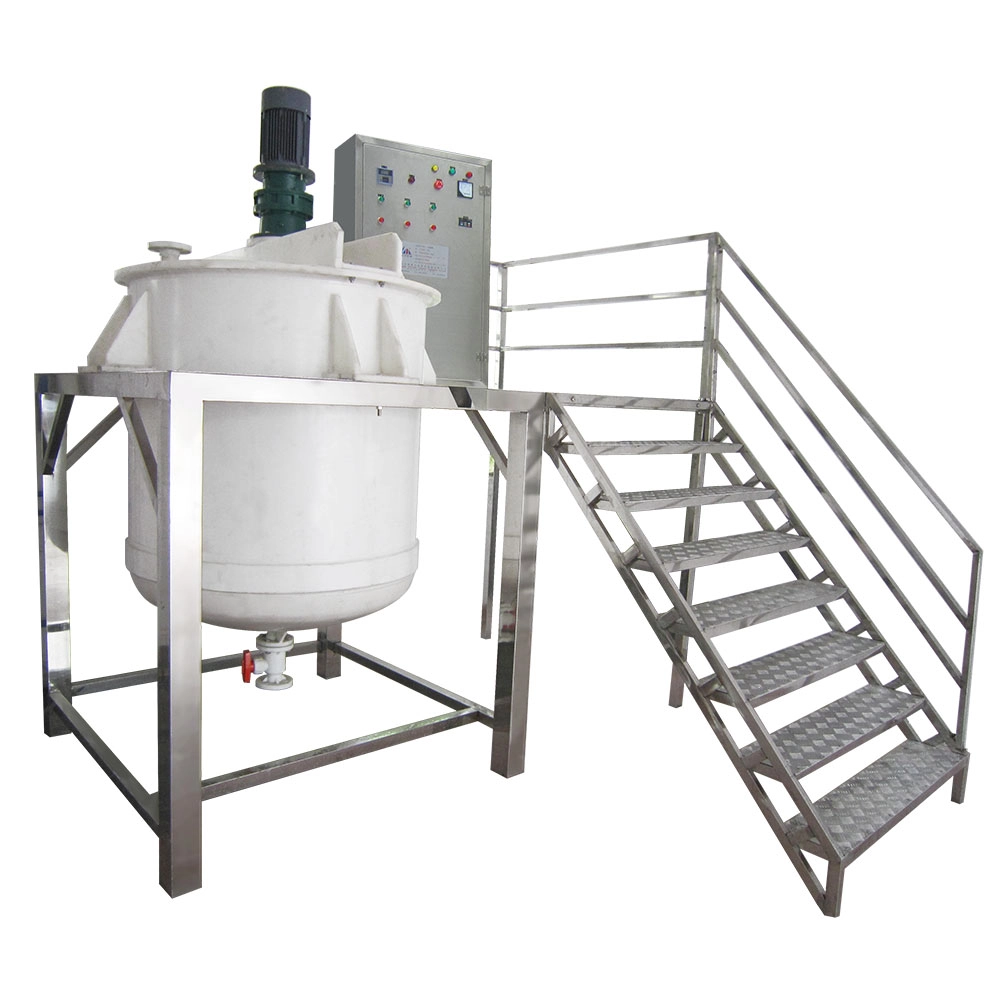
Polypropylene PP Mixing Tank Anti-Corrosion Mixer Reaction Kettle with Agitator Chemical Mixing Vessel
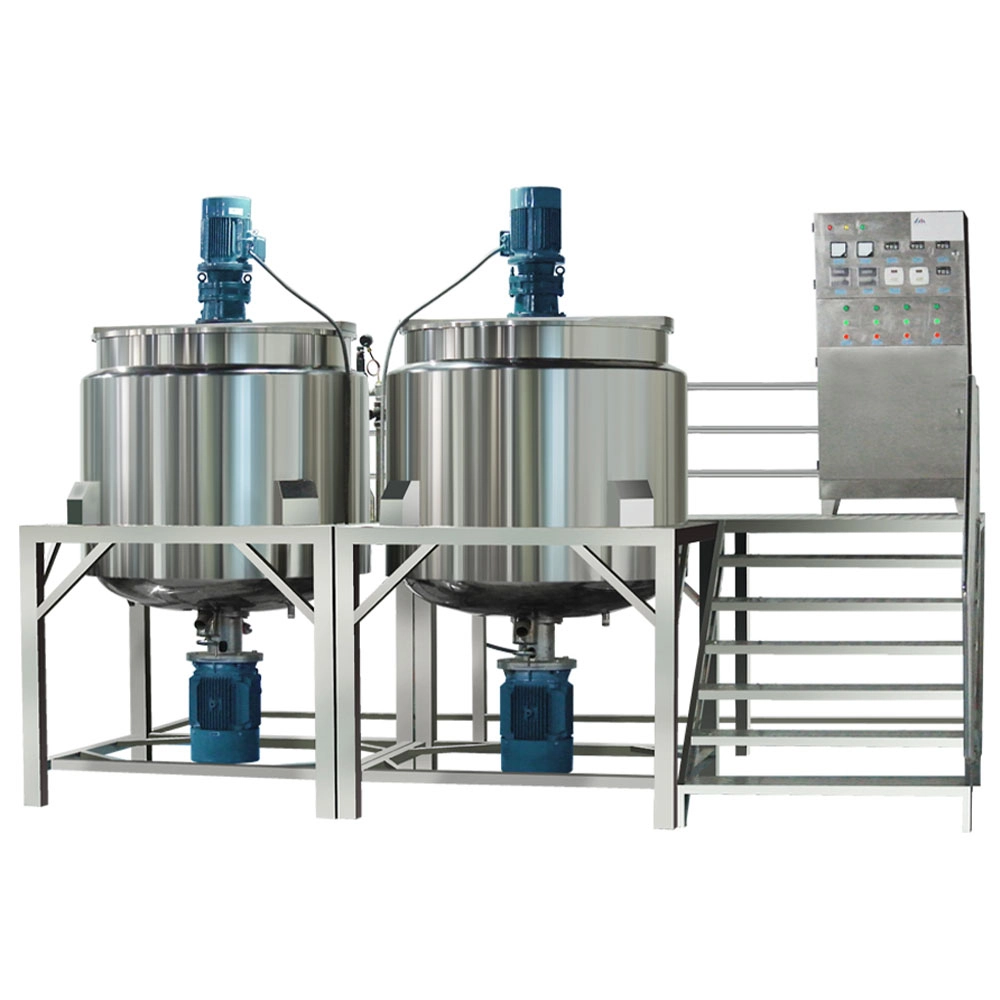
Flip Cover Multi-function Liquid Wash Mixing Tank Blender Liquid Detergent Mixer Homogenization Stirring Tank
Stainless Steel Mixer Liquid Mixing tank with Agitator Homogenizing Mixing tank Vacuum Sealed Mixer Machine
Get in touch with FULUKE
If you have any comments or good suggestions, please leave us a message, later our professional staff will contact you as soon as possible.

A leading manufacturer specializing in advanced machinery and complete production lines for the cosmetics, food, pharmaceutical, and chemical industries worldwide.
Contact FULUKE
Facebook
Instagram
YouTube