
Spec Checklist: Capacity, Recovery, and Water Quality for RO
- Spec Checklist: Capacity, Recovery, and Water Quality for RO
- Why specifications matter for an industrial reverse osmosis system
- 1. Define required capacity and duty cycle (industrial reverse osmosis system)
- Translate process demand into flow and storage specifications
- 2. Recovery rate: balancing efficiency, fouling risk, and concentrate disposal
- Understand recovery tradeoffs for your industrial reverse osmosis system
- 3. Feedwater and permeate quality targets
- Spec feedwater characteristics and permeate goals for compliance and process needs
- 4. Pre-treatment checklist (protecting membranes and ensuring stable operation)
- Pre-treatment reduces fouling, scaling, and chemical attack in the industrial reverse osmosis system
- 5. Mechanical and electrical specifications
- Ensure pumps, skid layout, and controls align with plant infrastructure
- 6. Monitoring, instrumentation, and automation
- Specify real-time sensors and data logging to maintain performance and demonstrate compliance
- 7. Maintenance, cleaning, and lifecycle planning
- Plan for CIP, membrane replacement schedules, and spare parts
- 8. Economic considerations: CAPEX vs OPEX and ROI
- Model cost drivers tied to capacity and recovery choices
- 9. Sizing examples and quick checklist
- Concrete calculation steps and a practical checklist for procurement
- 10. Applying this checklist to the product: Reverse Osmosis / RO Water Treatment Water Filter System 99% Desalination Rate Industrial Purification Filtration Water treatment Machine
- How this product aligns with industrial reverse osmosis system specifications
- 11. Real-world operational tips to maximize uptime
- Daily, weekly, and monthly checks that protect membranes and reduce total cost
- 12. Brand advantages and why this product may suit your needs
- Practical strengths aligned with the checklist
- Frequently Asked Questions (FAQ)
- How do I choose the right recovery rate for my industrial reverse osmosis system?
- What pre-treatment is mandatory for municipal feedwater?
- How often should membranes be cleaned or replaced?
- Does the product achieve 99% desalination in all conditions?
- Can the system be scaled for future capacity needs?
- Contact and next steps
- Request a site assessment or view the product
- References and authoritative resources
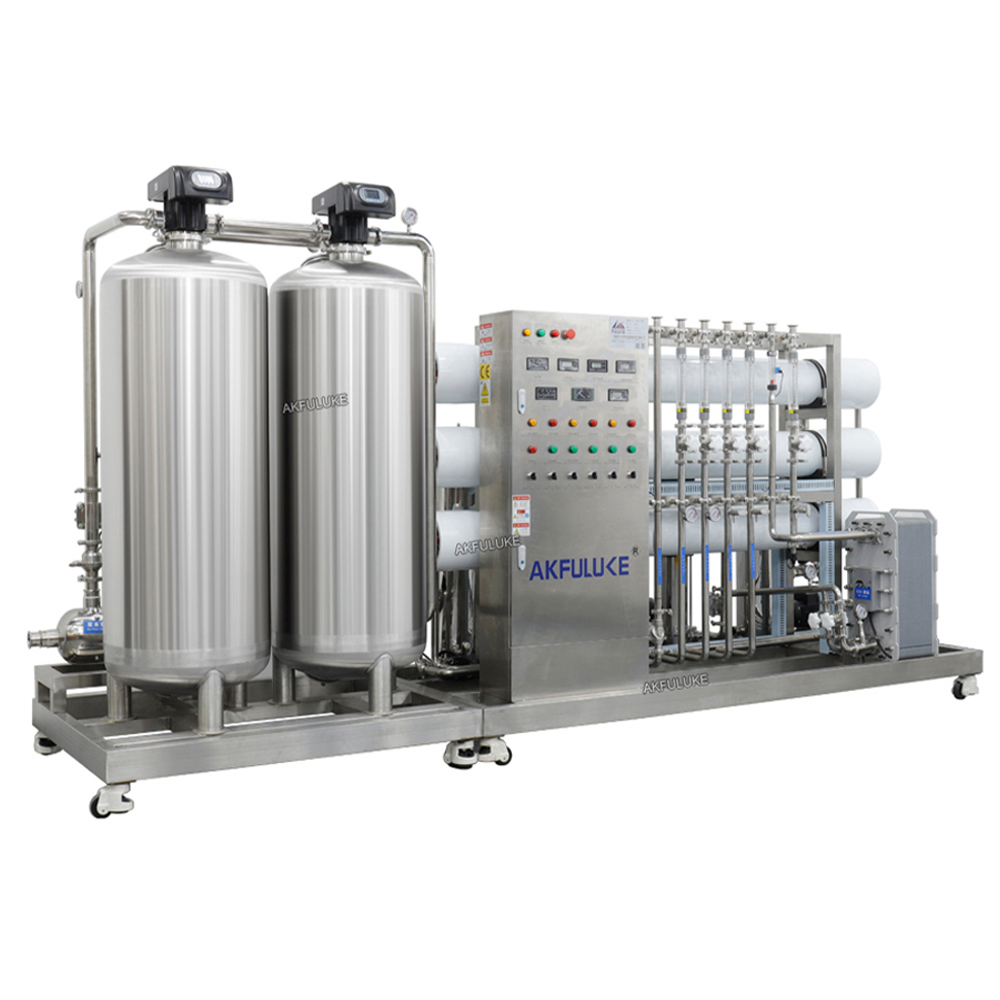
Spec Checklist: Capacity, Recovery, and Water Quality for RO
Why specifications matter for an industrial reverse osmosis system
Selecting the right industrial reverse osmosis system is more than choosing a membrane and a pump. Accuracy in capacity, realistic recovery targets, and an understanding of water quality drivers determine performance, lifetime cost, and compliance. This checklist helps engineers, plant managers, and procurement teams translate process needs into reliable specifications for the Reverse Osmosis / RO Water Treatment Water Filter System 99% Desalination Rate Industrial Purification Filtration Water treatment Machine and similar industrial RO solutions.
1. Define required capacity and duty cycle (industrial reverse osmosis system)
Translate process demand into flow and storage specifications
Capacity planning is the first step. Ask: what steady-state and peak flows are needed? What is the duty cycle (continuous 24/7, intermittent shifts, or seasonal)? For industrial applications this often includes makeup water for boilers, process rinses, product formulation, or potable supply for staff.
Key metrics to capture:
- Required permeate flow (m3/h or GPM) — both average and peak.
- Required recovery (%) — see next section for selection guidance.
- Storage needs — buffer tanks to handle peak demands or to meet start/stop restrictions imposed by upstream processes.
- Redundancy and scalability — N+1 pumps or modular trains when continuous operation is critical.
Example: a plant needs 10 m3/h continuous permeate with potential peaks to 15 m3/h for 2 hours/day. Specify a system sized for peak flow or include a buffer tank sized for that 5 m3/h x 2 h = 10 m3 buffer. If downtime is unacceptable, design for N+1 modules.
2. Recovery rate: balancing efficiency, fouling risk, and concentrate disposal
Understand recovery tradeoffs for your industrial reverse osmosis system
Recovery rate is the percentage of feedwater converted to permeate. Higher recovery reduces water consumption and wastewater but increases concentrate salinity and fouling risk. Typical recoveries:
- Low salinity feedwater (low TDS): 60–85% recovery possible.
- Moderate salinity (municipal/groundwater): 50–75% typical.
- High salinity or challenging feeds (brackish, high hardness, organics): 30–50% or lower to control scaling.
Design considerations:
- Scaling thresholds — calculate saturation indices (e.g., LSI, RSI) at proposed recovery to determine scaling potential.
- Concentrate management — regulatory discharge limits, evaporative ponds, or zero-liquid-discharge (ZLD) impacts costs.
- Energy tradeoffs — higher recovery may require higher stages or inter-stage boost pumps.
3. Feedwater and permeate quality targets
Spec feedwater characteristics and permeate goals for compliance and process needs
Detail feedwater composition: temperature, pH, TDS (total dissolved solids), hardness (Ca2+, Mg2+), alkalinity, silica, iron, manganese, turbidity, TOC/organics, oil & grease, free chlorine and microbial counts. This informs membrane selection, pre-treatment, and sanitation strategy.
Common permeate targets for industrial reverse osmosis system:
- General industrial water: TDS <500 mg/L (application dependent).
- Boiler feed: low silica (<0.2–0.1 mg/L) and very low hardness to avoid carryover.
- Pharmaceutical/medical: meet specific pharmacopeia or USP limits; may need ultrapure polishing.
Include analytical lab draws and at least one year of seasonal feedwater records when available. Without real feedwater data, add safety margins in pre-treatment design and specify conservative recovery goals.
4. Pre-treatment checklist (protecting membranes and ensuring stable operation)
Pre-treatment reduces fouling, scaling, and chemical attack in the industrial reverse osmosis system
Appropriate pre-treatment is one of the most cost-effective ways to extend membrane life and keep operating costs predictable. Typical components include:
- Multimedia filtration or microfiltration for suspended solids and turbidity control.
- Activated carbon to remove free chlorine and organics that can oxidize and damage polyamide membranes.
- Antiscalants and chemical dosing (acid for pH adjustment, antiscalant selection based on silica/calcium/alkalinity levels).
- Softening (ion exchange or lime softening) when hardness is high and scaling risks are unacceptable.
- UV or chlorine/chloramination for microbial control, combined with oxidation removal prior to membranes.
Spec example: If feed chlorine >0.1 mg/L, include activated carbon upstream. If turbidity >1 NTU, include multimedia or cartridge filtration to <1 NTU prior to the first membrane stage.
5. Mechanical and electrical specifications
Ensure pumps, skid layout, and controls align with plant infrastructure
Key items to specify:
- High-pressure pump capacity and motor ratings (include N+1 redundancy if needed).
- Skid footprint, weight, and lifting points for installation planning.
- Electrical supply, starters, VFD requirements, and instrumentation points (flow, pressure, conductivity sensors).
- Control system — PLC/HMI with logging, remote access, and alarm setpoints for key parameters (feed pressure, permeate conductivity, recovery alarms).
6. Monitoring, instrumentation, and automation
Specify real-time sensors and data logging to maintain performance and demonstrate compliance
Essential instruments:
- Feed, concentrate, and permeate flow meters.
- Pressure gauges at feed, interstage, and membrane outlet.
- Permeate conductivity/TDS and temperature sensors.
- pH sensors where chemical dosing is applied.
- Alarm thresholds and automated shutdown sequences for high conductivity or pump failure.
Include SCADA integration points and data storage retention policies to support troubleshooting and regulatory records.
7. Maintenance, cleaning, and lifecycle planning
Plan for CIP, membrane replacement schedules, and spare parts
Specify a maintenance plan in the contract, including routine checks, membrane clean-in-place (CIP) procedures, expected membrane life (often 3–7 years depending on feedwater and operation), and critical spare parts (membrane elements, seals, valves, dosing pumps).
Include warranty terms and performance guarantees (e.g., permeate quality and recovery at given feed conditions). Clarify who performs CIP — OEM, third-party, or in-house teams — and required training.
8. Economic considerations: CAPEX vs OPEX and ROI
Model cost drivers tied to capacity and recovery choices
Major cost elements:
- Capital costs — membranes, skid, pumps, pre-treatment, instrumentation.
- Operating costs — energy (high-pressure pumping), chemical consumption (antiscalant, cleaning chemicals), labor, membrane replacement, and concentrate disposal.
- Saving levers — higher recovery reduces raw water cost but may increase chemical use and membrane fouling risk.
Include a simple lifecycle cost table in the bid to compare configurations (different recoveries, with/without softener, or different membrane types).
| Configuration | Estimated CAPEX | Estimated Annual OPEX | Notes |
|---|---|---|---|
| Standard RO, 60% recovery | $$ | $$$ | Lower fouling risk, higher wastewater |
| High-recovery RO, 80% recovery | $$$ | $$ | Lower raw water use, higher antiscalant and monitoring needs |
| RO + Softener pre-treatment | $$$$ | $$ | Protects membranes where hardness is high |
9. Sizing examples and quick checklist
Concrete calculation steps and a practical checklist for procurement
Steps to size a system:
- Collect historical feedwater data (TDS, hardness, silica, organics, turbidity, temperature) for at least 6–12 months.
- Determine permeate demand (average and peak) and duty cycle.
- Estimate desired recovery and check scaling indices at that recovery.
- Define required permeate quality (TDS, silica, conductivity, microbial limits).
- Select pre-treatment based on feedwater risks (turbidity, chlorine, hardness, organics).
- Size pumps and pick membranes rated for projected feed salinity and target permeate quality.
- Specify monitoring, alarms, CIP, and spare parts list.
Procurement checklist (tick-box):
- Feedwater dataset attached
- Required permeate flow and peak flows defined
- Recovery target with explanation
- Pre-treatment requirements listed
- Control and instrumentation points defined
- Warranty and performance guarantees requested
10. Applying this checklist to the product: Reverse Osmosis / RO Water Treatment Water Filter System 99% Desalination Rate Industrial Purification Filtration Water treatment Machine
How this product aligns with industrial reverse osmosis system specifications
The Reverse Osmosis / RO Water Treatment Water Filter System 99% Desalination Rate Industrial Purification Filtration Water treatment Machine is designed for high desalination performance and industrial purification tasks. When evaluating this product against the checklist above, confirm the following:
- Verified permeate capacity and ability to meet peak demands or modular scaling options.
- Specified recovery at expected feed TDS — while the product marketing notes up to 99% desalination (salt rejection), recovery percentages should be confirmed for your feedwater chemistry.
- Manufacturer-provided pre-treatment recommendations and validated CIP procedures for longevity.
- Available instrumentation for conductivity, flow, and pressure, and options for PLC/HMI and remote monitoring.
- Guarantees for permeate TDS and expected membrane life under defined feed conditions.
For installations with high variability in feedwater, request site-specific performance trials and a pre-installation feedwater analysis from the supplier.
11. Real-world operational tips to maximize uptime
Daily, weekly, and monthly checks that protect membranes and reduce total cost
Daily: monitor permeate conductivity, feed and concentrate pressures, and pump currents. Weekly: inspect pre-filters, record flows and rejection rates, and validate dosing pump operation. Monthly: review CIP frequency logs, check vibration and motor health, and reorder consumables when stock drops to safety levels.
Document deviations and perform root-cause analysis when performance drifts (e.g., increasing permeate conductivity may indicate membrane breach or pretreatment failure).
12. Brand advantages and why this product may suit your needs
Practical strengths aligned with the checklist
When comparing industrial reverse osmosis system vendors, look for:
- Comprehensive pre-sales analysis — capacity, recovery modeling, and feedwater study.
- Turnkey solutions — integrated pre-treatment, controls, and skid-mounted units for easier installation.
- Documented performance guarantees and local service networks for rapid support.
- Clear spare parts and consumables supply chains to minimize downtime.
The Reverse Osmosis / RO Water Treatment Water Filter System 99% Desalination Rate Industrial Purification Filtration Water treatment Machine typically offers high salt rejection membranes and configurable skid packages that match these strengths; validate with site tests and supplier references.
Frequently Asked Questions (FAQ)
How do I choose the right recovery rate for my industrial reverse osmosis system?
Choose recovery by balancing raw water costs and concentrate disposal limitations against fouling and scaling risk. Use scaling indices (e.g., LSI) to model scaling at proposed recoveries and select antiscalants or softening when necessary.
What pre-treatment is mandatory for municipal feedwater?
At minimum, particulate filtration to <1 NTU and activated carbon if free chlorine is present. Additional steps such as softening or antiscalant dosing depend on hardness and silica levels.
How often should membranes be cleaned or replaced?
CIP frequency varies with feedwater quality; many systems require CIP quarterly to biannually. Membrane lifetime is typically 3–7 years depending on feedwater and maintenance. Track trends in flux and rejection for predictive replacement.
Does the product achieve 99% desalination in all conditions?
99% desalination refers to salt rejection potential under standard test conditions. Field performance depends on feedwater salinity, temperature, and membrane age. Request manufacturer data for your specific feedwater.
Can the system be scaled for future capacity needs?
Yes — modular skid designs allow adding parallel trains or modules. Ensure space, electrical capacity, and piping allowances in the original installation plan.
Contact and next steps
Request a site assessment or view the product
After finalizing capacity and recovery targets, engineers should evaluate how these parameters impact operating costs by applying energy efficiency strategies for high-desalination RO plants.If you need help applying this checklist to your facility, request a site water analysis and capacity review. To learn more about the Reverse Osmosis / RO Water Treatment Water Filter System 99% Desalination Rate Industrial Purification Filtration Water treatment Machine, contact our sales team for datasheets, performance curves, and a custom quotation.
Contact us: For pricing, site visits, and technical evaluations, please reach out to our sales department or request a product demo.
References and authoritative resources
Authoritative references used for best-practice guidance and technical standards:
- U.S. Environmental Protection Agency (EPA), Drinking Water Treatment: Reverse Osmosis — https://www.epa.gov/
- World Health Organization (WHO), Water Quality and Health — https://www.who.int/
- American Water Works Association (AWWA) — standards and guidance for water treatment — https://www.awwa.org/
- Membrane Technology and Research (MTR) — membrane fundamentals and fouling control — https://www.mtrinc.com/
- International Desalination Association (IDA) — desalination best practices — https://idadesal.org/
Top 10 perfume making equipment Manufacturers and Supplier Brands
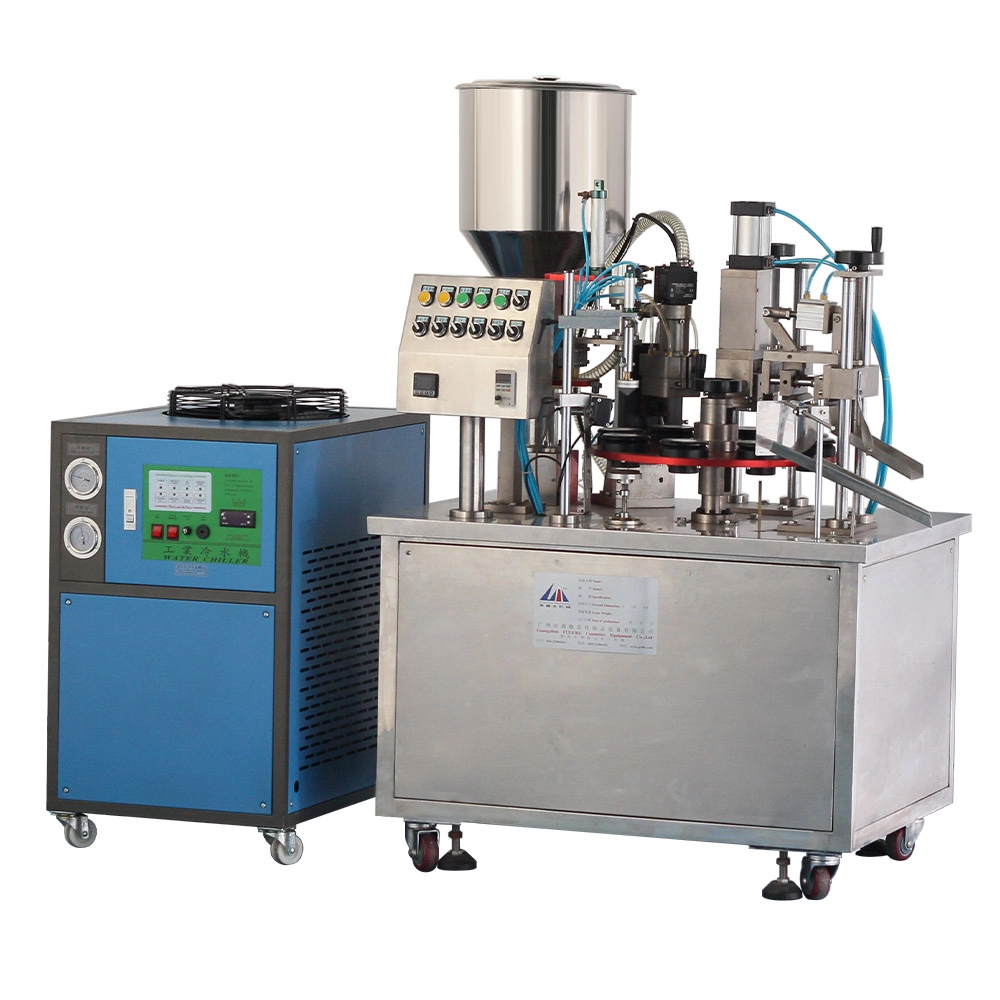
Integration Tips: Adding Tube Filling Machines to Production Lines
Top 10 vacuum emulsifying machine Manufacturers and Supplier Brands
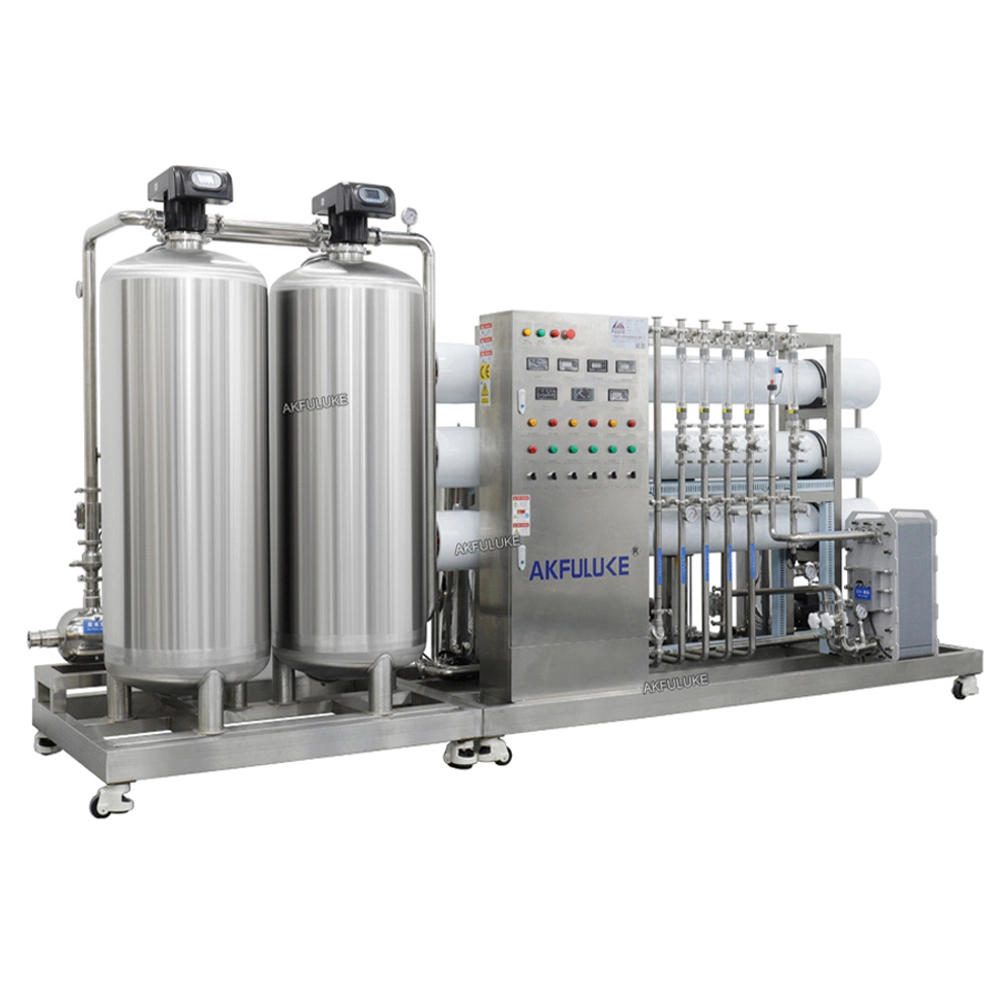
Maintenance Plan to Maximize Uptime of Industrial RO Units
Sealed Homogenizing Mixing Tank
What is the structure of an agitator?
The agitator usually consists of a "frame agitator (SUS316L material) + scraper (PTFE)" or an anchor agitator.
Can you customize the machine?
Of course, we provide customized services according to customer needs.
Perfume Filling Machine
Can you customize the machine?
Of course, we provide customized services according to customer needs.
Can you make a design for us?
Yes, we can, we provide not only products, but also solutions and designs.
Film Packaging Machine
This device suddenly shuts down and displays "Abnormal Heat Seal Temperature." What should I do?
First, check the heat seal blade heater for damage. Next, check whether the temperature sensor is in poor contact or malfunctioning. If the hardware is normal, the temperature control module parameters may be abnormal. Restart the device and reset the heat seal temperature (refer to the film material's suitable temperature: BOPP film is typically 120-160°C). If the abnormality persists, contact after-sales service to inspect the temperature control system.
You May Also Like
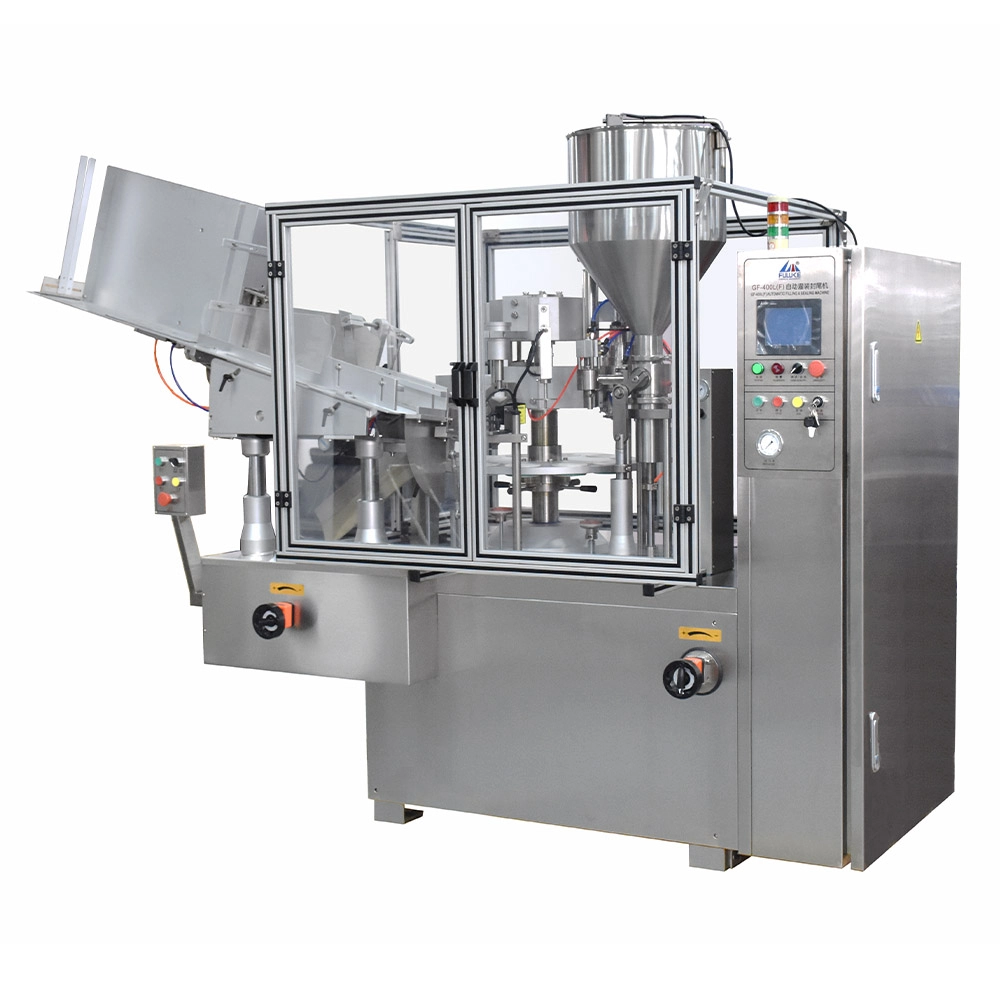
Automatic Tube Filling and Sealing Machine Toothpaste Sunscreen and Facial Cleanser Filling and Sealing Machine for Plastic and Aluminum-plastic Tube
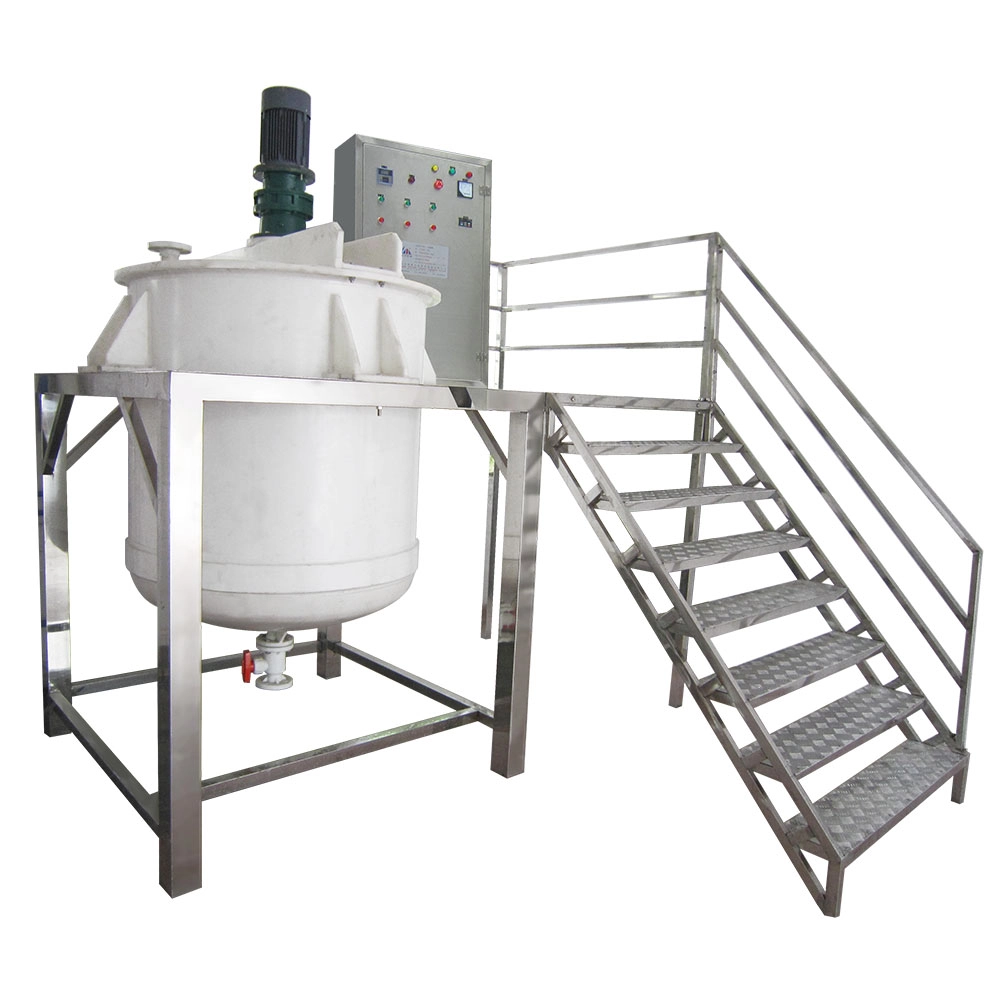
Polypropylene PP Mixing Tank Anti-Corrosion Mixer Reaction Kettle with Agitator Chemical Mixing Vessel
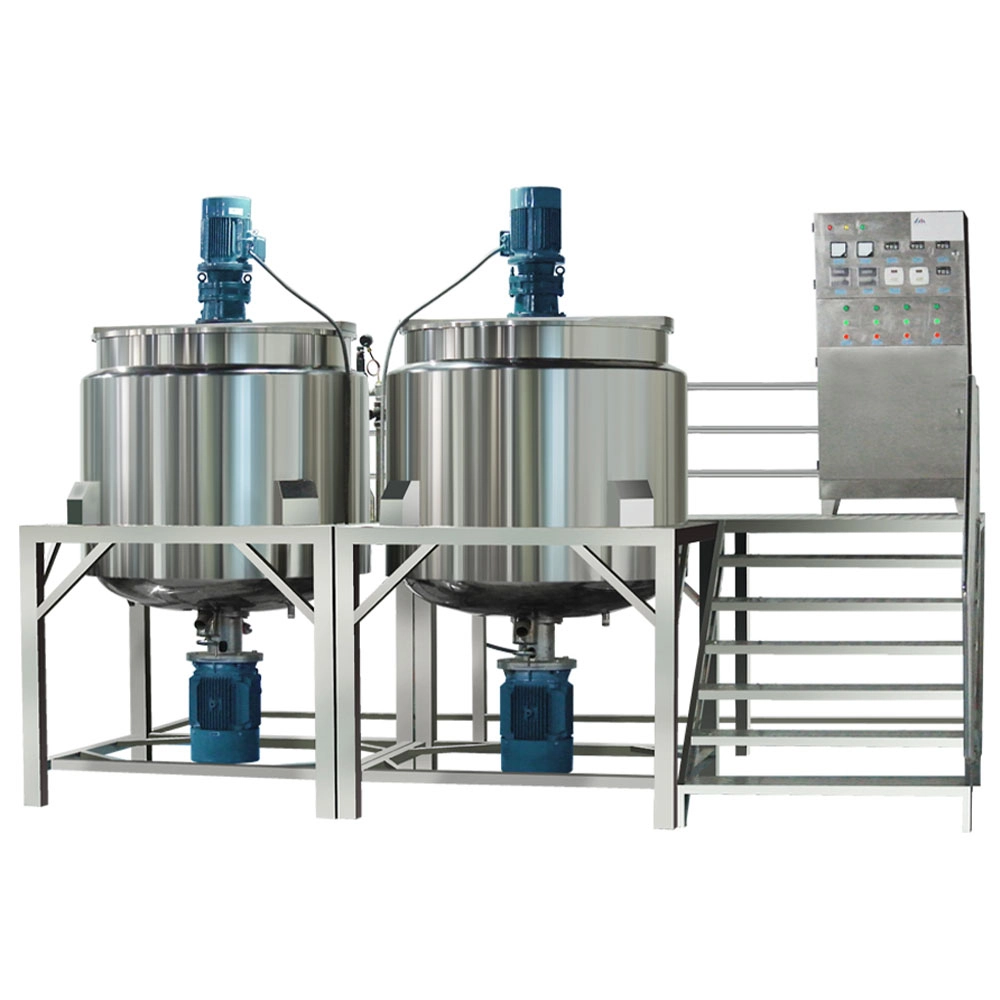
Flip Cover Multi-function Liquid Wash Mixing Tank Blender Liquid Detergent Mixer Homogenization Stirring Tank
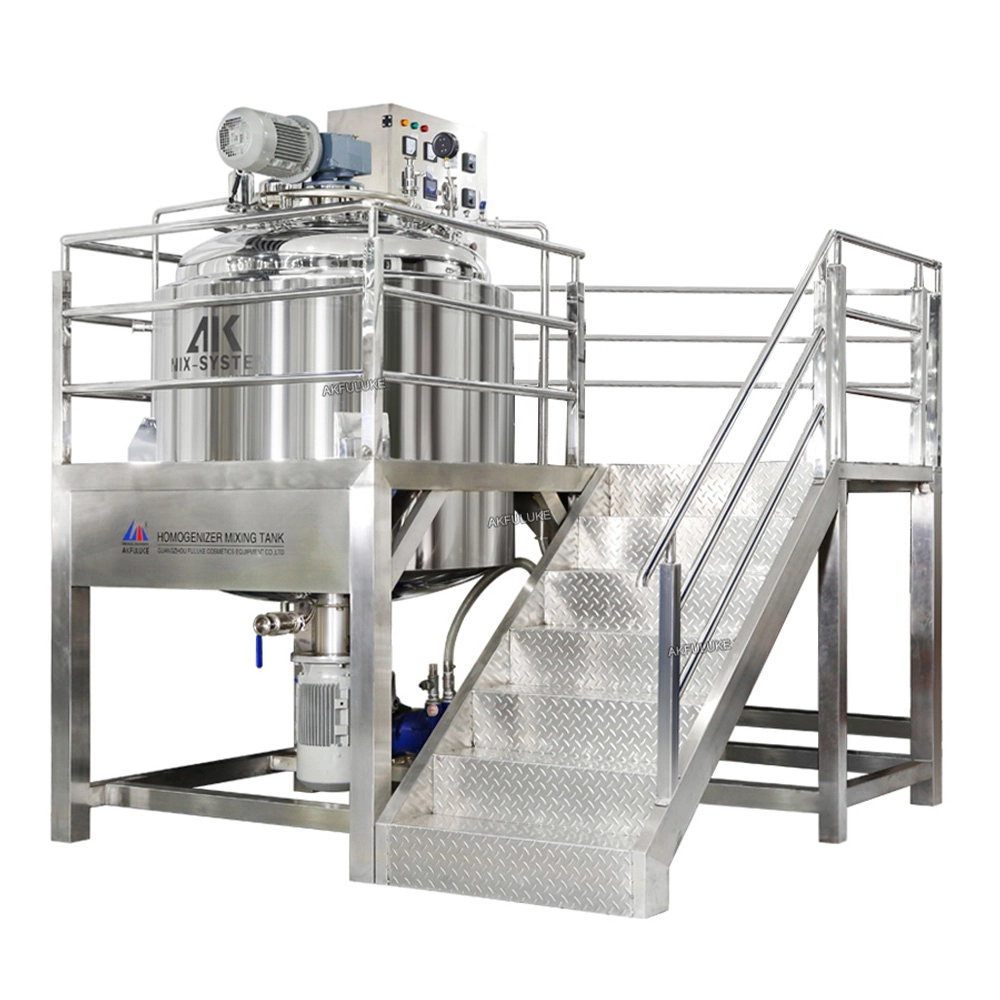
Stainless Steel Mixer Liquid Mixing tank with Agitator Homogenizing Mixing tank Vacuum Sealed Mixer Machine
Get in touch with FULUKE
If you have any comments or good suggestions, please leave us a message, later our professional staff will contact you as soon as possible.

A leading manufacturer specializing in advanced machinery and complete production lines for the cosmetics, food, pharmaceutical, and chemical industries worldwide.
Contact FULUKE
Facebook
Instagram
YouTube