
How to Calculate ROI for an Automatic Filling Machine
- Key Components to Include When Calculating ROI
- Initial capital and installation costs
- Operating costs (OPEX) and maintenance
- Production performance: throughput, yield, and quality
- Step-by-Step ROI Calculation with a Worked Example
- Define baseline (current process) metrics
- Estimate post-installation metrics
- Calculate annual savings and payback
- Factors That Influence ROI and How to Optimize Them
- Product characteristics and filling technology match
- Line integration and automation level
- Regulatory and quality benefits
- Choosing the Right Machine: Why This Automatic Filling Machine Delivers Better ROI
- Design and materials that lower lifecycle costs
- Automation features that reduce labor and errors
- Cross-industry versatility
- Risk, Sensitivity Analysis and Financing Considerations
- Sensitivity analysis: what to test
- Financing and tax benefits
- Supply chain and spare parts availability
- Practical Checklist Before Purchase
- Data you must gather
- Trial runs and acceptance criteria
- Vendor evaluation and references
- Frequently Asked Questions (FAQ)
- How fast will the automatic filling machine pay for itself?
- What are the most important inputs for an accurate ROI calculation?
- Does the machine support multiple container types?
- How does GMP compliance affect ROI?
- What maintenance should I plan for?
- Is it easy to switch SKUs?
- Brand Advantages and Why This Machine Improves Your ROI
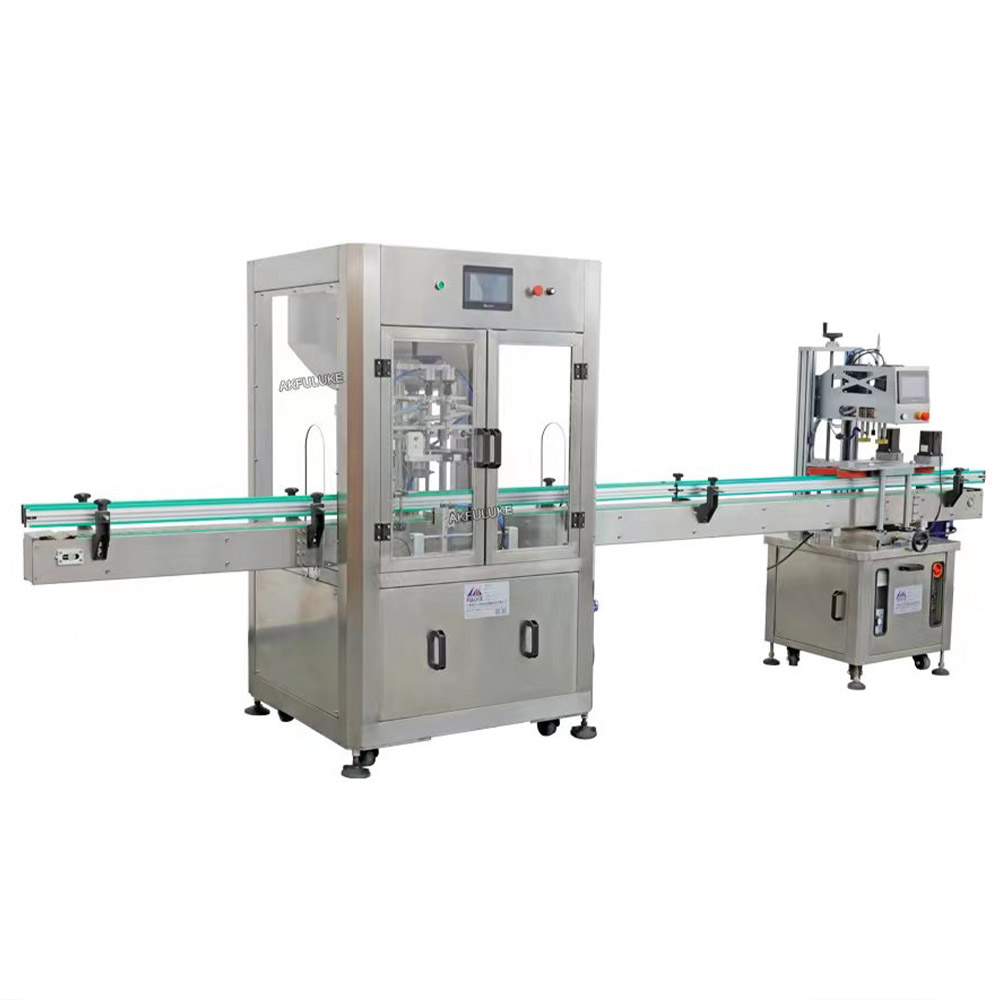
The decision to invest in a liquid filling machine requires clear financial justification. This guide shows manufacturers in cosmetics, food, pharmaceuticals, and daily chemicals how to calculate ROI for an automatic filling solution, including capex, opex, throughput gains, waste reduction, and regulatory benefits. It covers a worked example, sensitivity analysis, and optimization strategies so you can make data-driven purchasing decisions and shorten payback while maintaining GMP-compliant production standards. ROI calculations are only accurate when operational efficiency is sustained, making cleaning and sanitation tips for cream and lotion fillers a critical consideration for maintaining uptime and product safety.
Key Components to Include When Calculating ROI
Initial capital and installation costs
When evaluating an automatic filling machine, list all upfront expenditures: machine price, shipping, customs, installation, site modifications (electrical, pneumatic), and employee training. For the Automatic Filling Machine Quantitative Liquid Bottle Filling Machine High-precision cream and lotion filling machine, include cost differences if you select 316L stainless steel contact parts vs. 304. These material choices affect both initial cost and long-term compliance with GMP or pharmaceutical-grade standards.
Operating costs (OPEX) and maintenance
Ongoing costs include consumables, spare parts, preventive maintenance, calibration, utilities (air, power), and operator wages. High-precision gear and touch-screen controls can reduce downtime and rework, lowering OPEX compared to lower-grade piston fillers. Estimate annual maintenance as a percentage of capex (typically 3-7% for automated filling lines depending on usage intensity).
Production performance: throughput, yield, and quality
Calculate the machine's effective throughput (units per hour) and compare it to your current manual or semi-automatic process. Account for yield improvements: reduced overfill, fewer rejects, and faster format changes. For liquids, creams, and lotions the machine's precise volumetric or piston-based dosing reduces product giveaway and variation—direct savings on raw material and packaging costs.
Step-by-Step ROI Calculation with a Worked Example
Define baseline (current process) metrics
Collect current KPIs: labour hours per shift, units produced per hour, average overfill per container (ml), scrap rate, and downtime. For example, a small cosmetics line using manual filling: 2 operators, 200 units/hour, average overfill 3% (volume loss), scrap 2%.
Estimate post-installation metrics
Use manufacturer data and pilot runs to estimate machine performance. The automatic filling machine often achieves 800 units/hour with a single operator monitoring, overfill reduced to 0.5%, and scrap <0.5%. Also factor in improved batch-to-batch consistency that can reduce customer complaints and returns.
Calculate annual savings and payback
Below is a sample comparison table contrasting manual vs. automated filling for a cosmetic lotion product. All numbers are illustrative — replace with your plant's data when calculating.
| Metric | Manual Process (Annual) | Automatic Filling Machine (Annual) | Annual Savings |
|---|---|---|---|
| Units produced | 400,000 | 1,600,000 | +1,200,000 |
| Labor cost ($/year) | 120,000 | 45,000 | 75,000 |
| Average overfill (product loss) | 3.0% (raw material $30,000) | 0.5% (raw material $5,000) | 25,000 |
| Scrap & rejects | 2.0% (cost $8,000) | 0.5% (cost $2,000) | 6,000 |
| Downtime and rework | 4% (cost $10,000) | 1% (cost $2,500) | 7,500 |
| Total Annual Savings | $113,500 |
If the automatic filling machine cost (including installation and training) is $220,000, the simple payback period = $220,000 / $113,500 ≈ 1.94 years. ROI (annual) = Annual Savings / Total Investment = 51.6%.
Factors That Influence ROI and How to Optimize Them
Product characteristics and filling technology match
Choose the correct filling principle: volumetric piston, peristaltic, or overflow/gear pumps depending on viscosity, particulates, and foaming. The Automatic Filling Machine Quantitative Liquid Bottle Filling Machine High-precision cream and lotion filling machine is designed for low-to-medium viscosity creams, lotions, and emulsions—its precision dosing reduces giveaway and improves ROI compared with generic liquid filling machine types ill-suited for creams.
Line integration and automation level
ROI improves when the filling machine integrates with upstream (conveyors, rinsers, cappers) and downstream equipment (labelers, packers). Automating the entire filling line increases throughput and reduces manual handling errors. Consider OEE (Overall Equipment Effectiveness) metrics: increasing OEE by even 5–10% can yield substantial annual revenue gains.
Regulatory and quality benefits
Investing in GMP-compliant machinery with 316L/304 stainless steel contact parts and easy cleaning reduces contamination risk and recall costs. For guidance on GMP, see the WHO GMP information page: WHO Good Manufacturing Practices. Regulatory compliance has an indirect but critical impact on ROI by protecting revenue and brand value.
Choosing the Right Machine: Why This Automatic Filling Machine Delivers Better ROI
Design and materials that lower lifecycle costs
The machine's contact parts are constructed with 316L/304 stainless steel, beneficial for cleaning, corrosion resistance, and longevity in cosmetic production. Lower corrosion and easier CIP (clean-in-place) procedures reduce downtime and spare-part replacement frequency, improving total cost of ownership.
Automation features that reduce labor and errors
Touchscreen HMI for quick recipe changes and intelligent control reduces format changeover time. The machine completes the process without manual intervention, minimizing operator dependency. This is especially important for manufacturers who need to switch SKUs frequently—reduced changeover time directly reduces per-batch overhead.
Cross-industry versatility
Because the machine supports glass and PET bottles and can handle pastes, emulsions, and liquids, it can be redeployed across product lines (cosmetics, pharmaceuticals, food), improving asset utilization and payback across multiple product families.
Risk, Sensitivity Analysis and Financing Considerations
Sensitivity analysis: what to test
Run sensitivity scenarios for throughput, labor costs, raw material savings (overfill), and downtime. For example, if throughput is 10% lower than projected, compute new payback and ROI. Sensitivity tables help you understand how robust the investment is to real-world variability.
Financing and tax benefits
Capital expenditures may be eligible for accelerated depreciation or tax credits in some jurisdictions. Leasing options can reduce upfront cash burden and improve short-term financial ratios. Engage your finance team to model after-tax ROI and cash flow impacts.
Supply chain and spare parts availability
Confirm local support for maintenance and spare parts to minimize unplanned downtime. A reliable service network increases uptime and protects the ROI calculation. Manufacturer service contracts and training packages can be cost-effective.
Practical Checklist Before Purchase
Data you must gather
- Current production metrics: throughput, labor hours, scrap, overfill.
- Detailed cost inputs: machine quotes, installation, utilities, training.
- Expected performance metrics from vendor (validated by trials).
Trial runs and acceptance criteria
Request an on-site or sample-line demonstration using your exact product and container. Define acceptance criteria for accuracy (±ml), speed, and downtime. Document results; use these metrics in your ROI model rather than vendor claims where possible.
Vendor evaluation and references
Ask for references from similar cosmetic or pharmaceutical manufacturers. Check the vendor's compliance statements and read about industry standards on filling machines: see the general context of filling machinery on Wikipedia: Filling machine — Wikipedia.
Frequently Asked Questions (FAQ)
How fast will the automatic filling machine pay for itself?
Payback depends on your baseline and the machine's performance. In our example, a $220,000 investment paid back in about 1.9 years. Typical payback ranges from 1–3 years for high-utilization lines. Use your plant's metrics for an accurate estimate.
What are the most important inputs for an accurate ROI calculation?
Accurate inputs: real labor costs, product cost (for overfill calculations), current throughput, scrap rates, machine price (including installation), and validated machine performance numbers from trials.
Does the machine support multiple container types?
Yes. The Automatic Filling Machine Quantitative Liquid Bottle Filling Machine High-precision cream and lotion filling machine handles glass and PET bottles and is suitable for liquids, emulsions, and pastes.
How does GMP compliance affect ROI?
GMP-compliant design reduces risk of contamination and recall, which can be extremely costly. While GMP features may raise initial cost, they protect revenue and brand value—often improving long-term ROI.
What maintenance should I plan for?
Plan preventive maintenance (monthly checks, annual servicing), spare seals and pumps for wear parts, and routine calibration. Budget 3–7% of capex annually depending on intensity of use.
Is it easy to switch SKUs?
Modern machines with touch-screen recipe management and quick-change parts significantly reduce format changeover time. Evaluate changeover time during vendor trials and include lost-production cost in ROI calculations.
Brand Advantages and Why This Machine Improves Your ROI
The Automatic Filling Machine Quantitative Liquid Bottle Filling Machine High-precision cream and lotion filling machine offers: precise dosing that reduces raw material giveaway; 316L/304 stainless steel contact parts that simplify cleaning and support GMP; a touchscreen for fast recipe changes; and full-process automation that minimizes manual touchpoints. These features translate into higher throughput, lower labor costs, improved yield, and stronger compliance—all key drivers of ROI for filling lines in cosmetics, pharmaceutical, and food industries.
To summarize: the ROI calculation must be data-driven. Replace example figures with your actual KPIs, run sensitivity analyses, and validate vendor claims via trials. Investing in a fit-for-purpose liquid filling machine—especially one designed for creams and lotions—can transform line economics and accelerate payback.
Product brief:
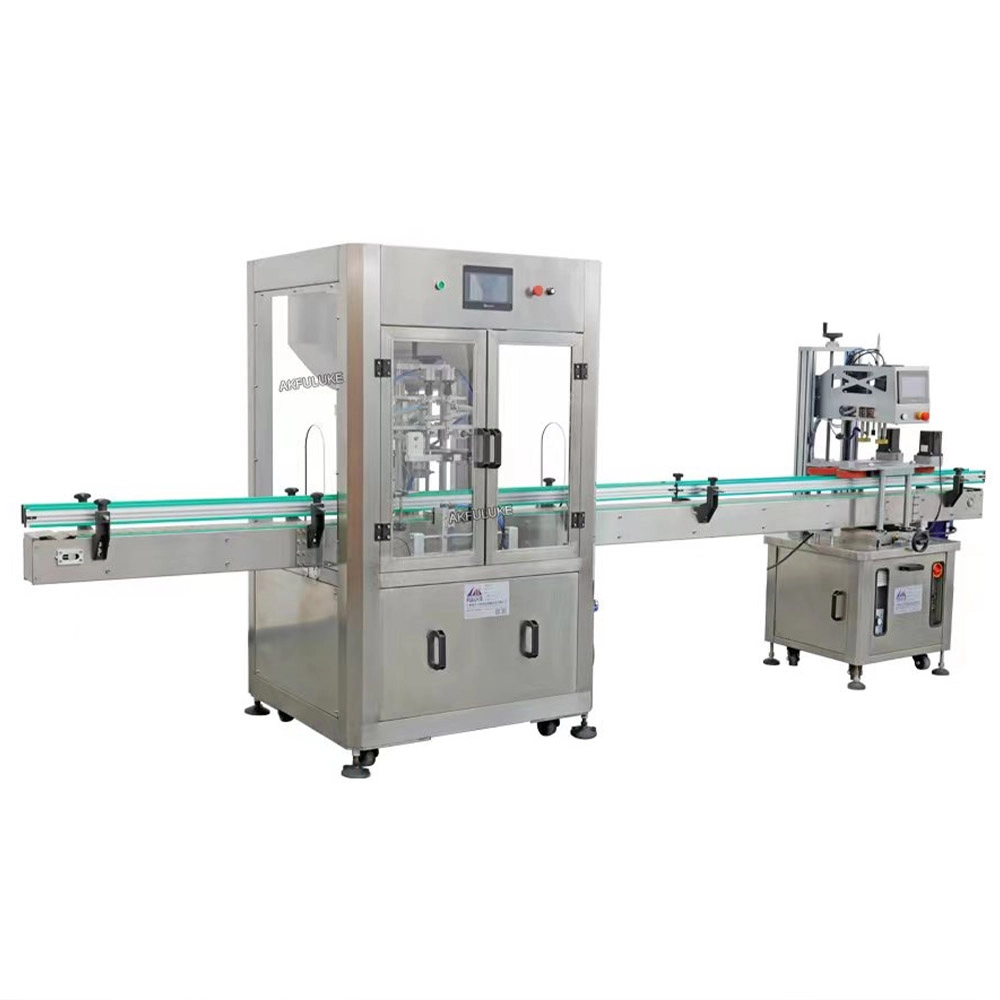
The automatic filling machine integrates automated conveying, precision filling, and intelligent control for packaging creams, lotions, and liquids. Suitable for a variety of containers, including glass and PET bottles, it can fill liquids, emulsions, and pastes with high precision.
Constructed with 316L/304 stainless steel contact components and compliant with GMP standards, it features a touchscreen interface for quick parameter adjustment and completes the entire process without manual intervention. Widely used in the cosmetics, food, daily chemical, pharmaceutical, and chemical industries, it helps companies reduce costs, increase efficiency, and ensure product standardization.
If you'd like a custom ROI model for your production line, contact our sales engineering team to arrange a product trial or request a tailored financial model.
Choosing the Right Control Panel Layout for Operators
Key Features to Look for in Lotion Filling Machines
Assessing ROI and TCO for Industrial Reverse Osmosis Systems
Optimizing Cycle Times for Higher Throughput
Vacuum Emulsifying Machine
Is it possible not to configure the oil and water pot?
Of course, if you have other containers to pre-treat and heat the materials, then you only need to configure an emulsifying pot.
Perfume Filling Machine
After purchasing the equipment, what after-sales services does the supplier typically provide?
General services include on-site installation and commissioning (including workshop layout planning), operator training (theoretical and practical training to ensure workers can operate independently), a one-year full machine warranty, and lifetime technical support (24-hour telephone and video troubleshooting).
Can you customize the machine?
Of course, we provide customized services according to customer needs.
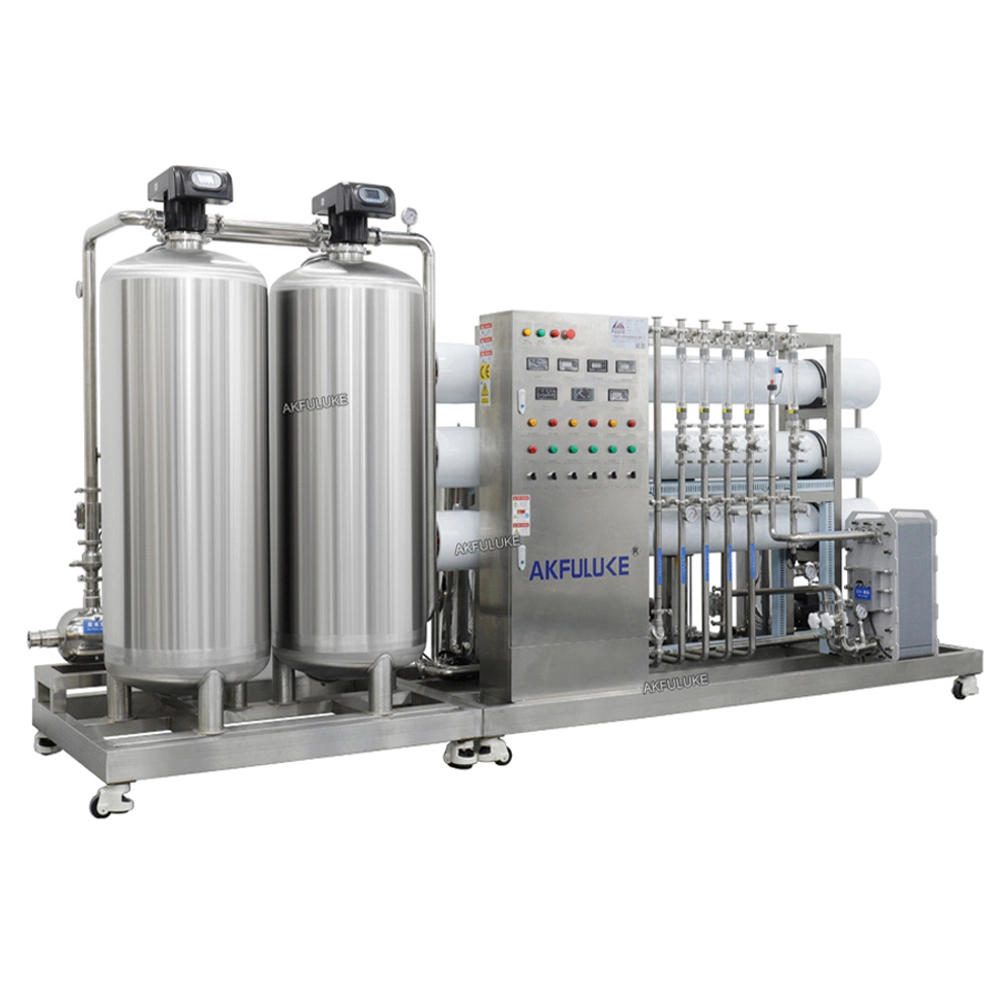
RO Water Treatment
Can the water produced by an RO water purifier be drunk directly? Why?
The water produced by a qualified RO water purifier (i.e., "purified water") is generally drinkable directly.
This is because the high-precision filtration of the RO membrane removes harmful microorganisms (bacteria, viruses), heavy metals, pesticide residues, and other contaminants from the raw water, resulting in a water quality that meets the requirements for direct drinking. However, it is important to regularly replace the filter cartridge to ensure proper operation of the device.
The Flip Cover Liquid Wash Mixing Homogenizing Tank
What can you buy from us?
RO Water Treatment、Vacuum Emulsifying Machine、Homogenizer Mixing Tank、Filling and Capping、labeling Machine、Packing Machine、Storage Tank,etc.
You May Also Like
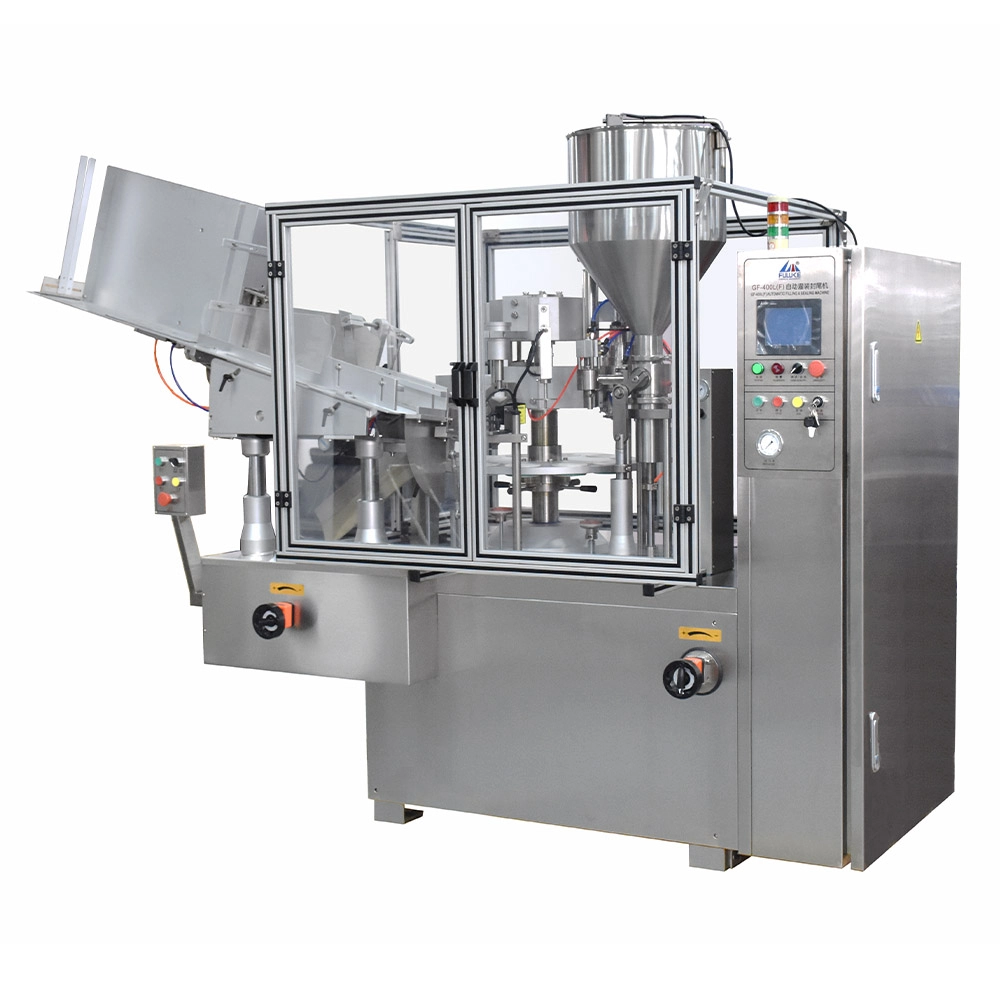
Automatic Tube Filling and Sealing Machine Toothpaste Sunscreen and Facial Cleanser Filling and Sealing Machine for Plastic and Aluminum-plastic Tube
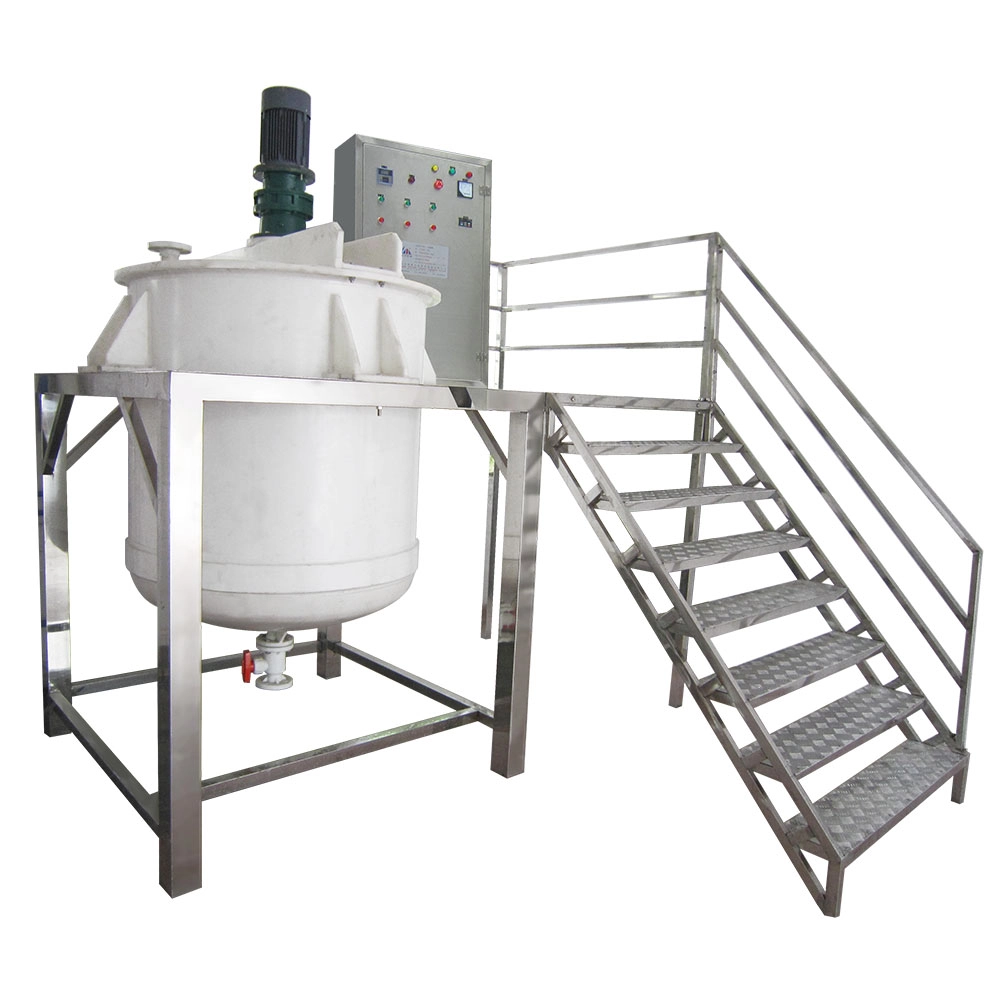
Polypropylene PP Mixing Tank Anti-Corrosion Mixer Reaction Kettle with Agitator Chemical Mixing Vessel
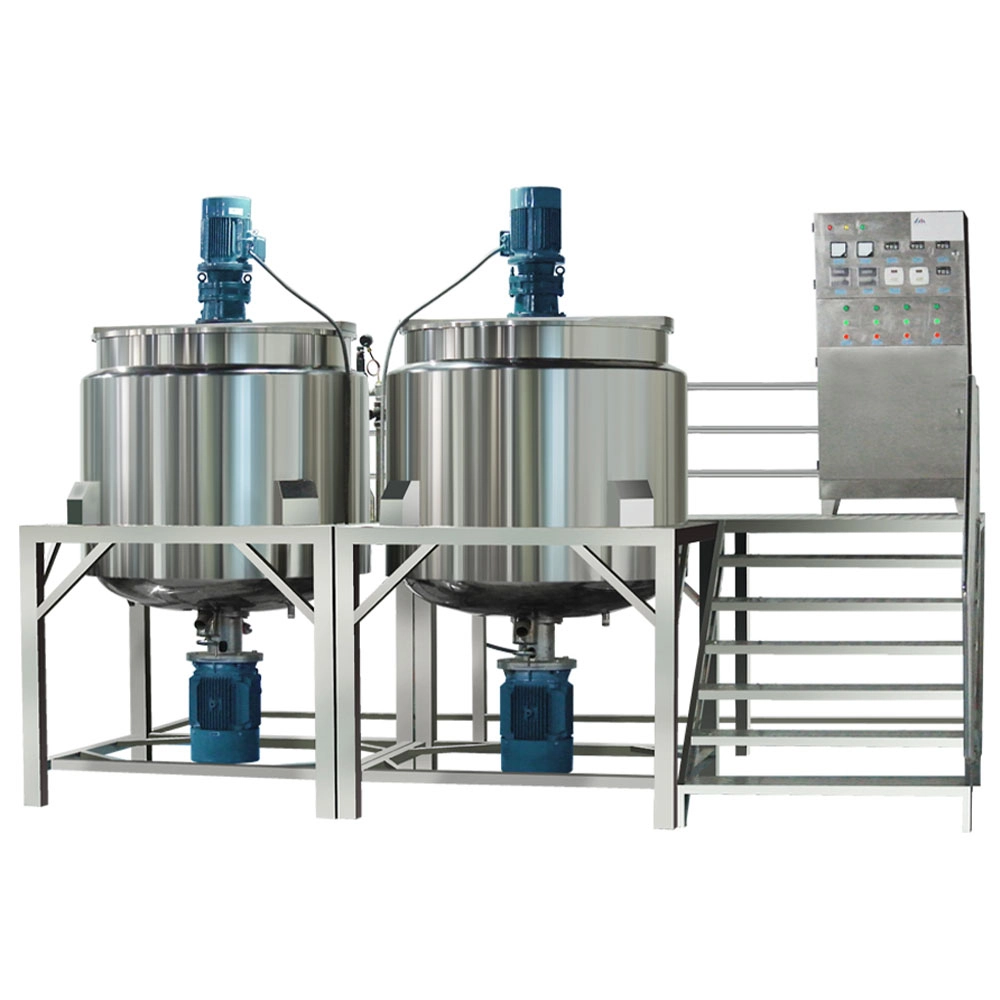
Flip Cover Multi-function Liquid Wash Mixing Tank Blender Liquid Detergent Mixer Homogenization Stirring Tank
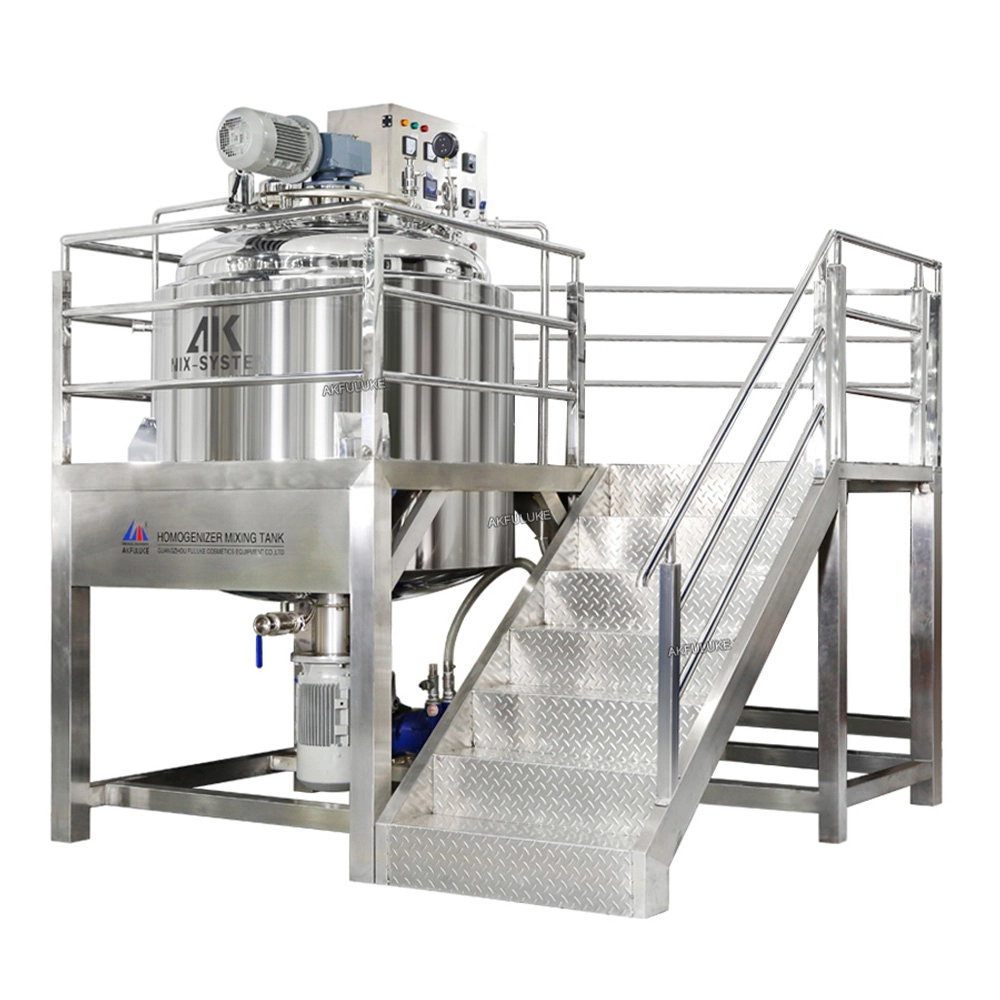
Stainless Steel Mixer Liquid Mixing tank with Agitator Homogenizing Mixing tank Vacuum Sealed Mixer Machine
Get in touch with FULUKE
If you have any comments or good suggestions, please leave us a message, later our professional staff will contact you as soon as possible.

A leading manufacturer specializing in advanced machinery and complete production lines for the cosmetics, food, pharmaceutical, and chemical industries worldwide.
Contact FULUKE
Facebook
Instagram
YouTube