
Implementing Safety Interlocks on Filling Equipment
- Why Safety Interlocks Matter for Automated Filling Lines
- Protecting people, product, and process
- Regulatory and quality drivers
- Types of Safety Interlocks and Their Application
- Mechanical and electromechanical interlocks
- Electrical interlocks and safety-rated relays
- Presence sensing and light curtains
- Design and Integration Best Practices
- Start with a documented risk assessment
- PLC, HMI and safety architecture
- Fail-safe and redundancy principles
- Validation, Testing, and Ongoing Maintenance
- Factory acceptance and on-site validation
- Routine testing and record keeping
- Training and access control
- Practical Checklist and Examples
- Implementation checklist
- Example comparison table: Interlock types for cosmetics filling lines
- Hygiene, Materials and Manufacturing Considerations
- Sanitary design and materials
- Sealing and cleaning during maintenance
- Traceability and digital records
- FAQs
- Q: What is the minimum safety architecture for a liquid filling machine?
- Q: Can interlocks affect filling accuracy?
- Q: How often should safety interlocks be tested?
- Q: Are there standards for materials in contact with cosmetics?
- Q: What should I do if an interlock is frequently bypassed?
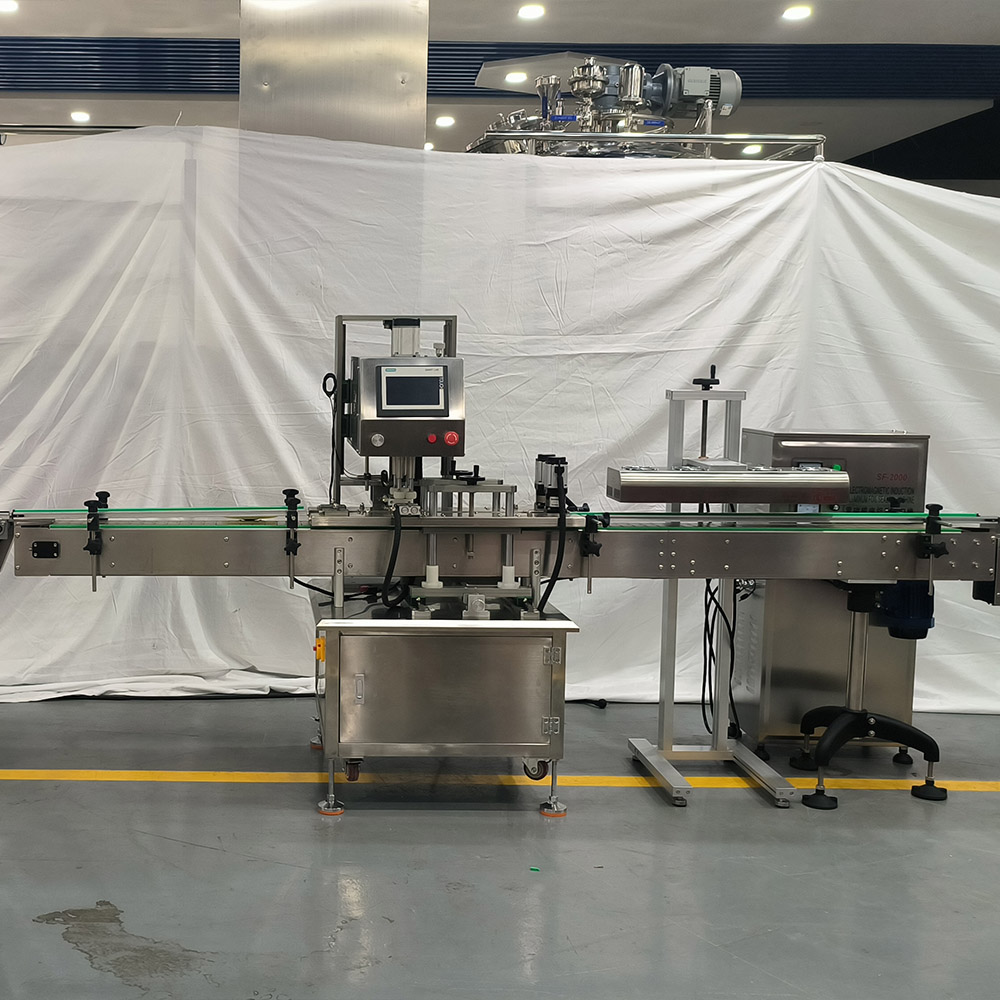
This article provides an authoritative, user-focused overview of implementing safety interlocks on filling equipment for cosmetics, pharmaceuticals, food and daily-use liquids. It explains how to choose interlock types for a liquid filling machine, integrate them with PLC/HMI control, validate performance against GMP-style requirements, and maintain a fail-safe system to reduce downtime, protect operators, and preserve product integrity. The guidance below is grounded in international standards and regulatory best practices to support manufacturers and quality teams when designing or retrofitting filling lines.
Why Safety Interlocks Matter for Automated Filling Lines
Protecting people, product, and process
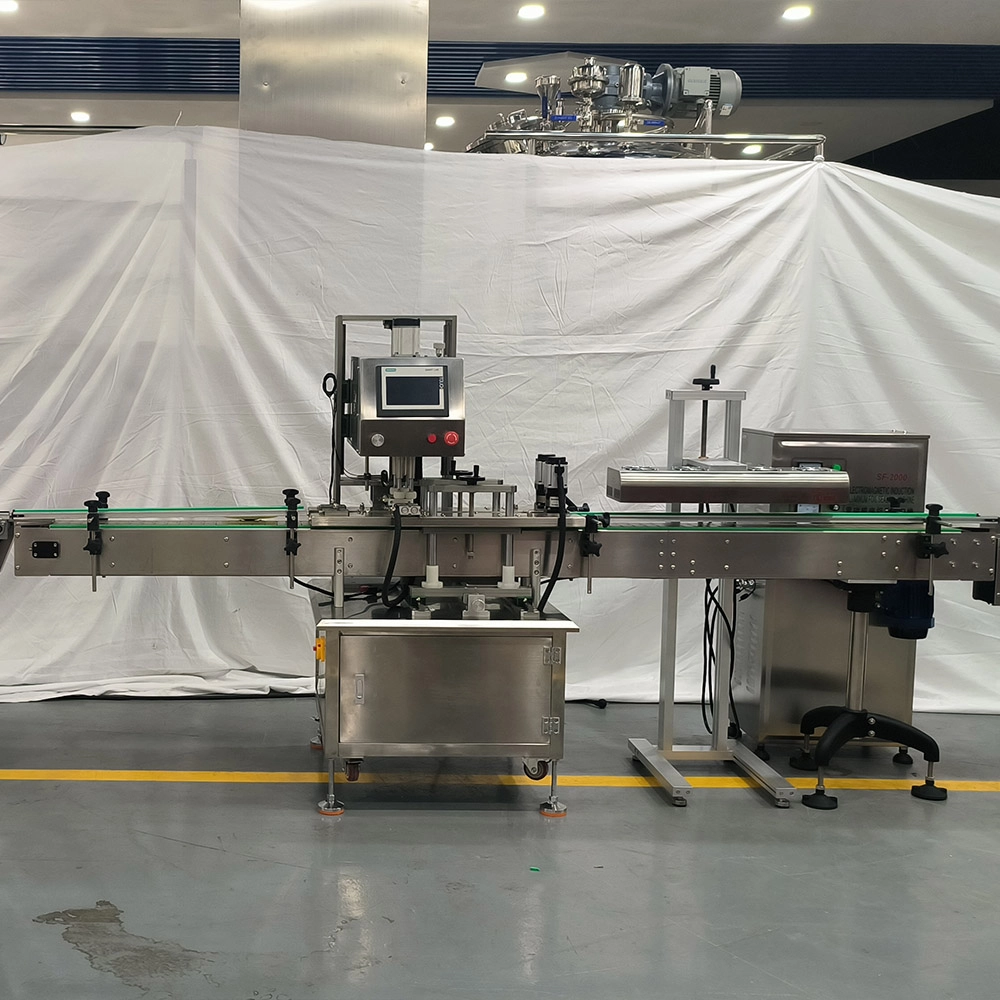
Modern automated systems such as the Automatic Filling Machine Quantitative Liquid Bottle Filling Machine High-precision cream and lotion filling machine blend conveyor automation, precision dosing and intelligent control to fill lotions, creams and liquids with minimal manual intervention. While automation increases throughput and repeatability, it also concentrates risk: a single human error or sensor failure can endanger operators, contaminate product, or damage equipment. Safety interlocks act as layered defenses that stop hazardous motion, isolate energy, and prevent unsafe access during operation.
Regulatory and quality drivers
Manufacturers must align machine safety with quality systems such as Good Manufacturing Practices (GMP) and machine safety regulations. For cosmetics and personal care, ISO 22716 provides guidance on Good Manufacturing Practices for the cosmetic industry (ISO 22716). For machine guarding and operator safety, OSHA guidance on machine guarding is a widely referenced resource (OSHA Machine Guarding). Meeting these expectations reduces regulatory risk while improving product consistency and brand trust.
Types of Safety Interlocks and Their Application
Mechanical and electromechanical interlocks
Mechanical door switches and electromechanical solenoid locks are simple, robust interlocks for access points on filling stations. These devices physically prevent access to hazardous zones while tanks, pistons, or rotary filling heads are in motion. They are easy to integrate into existing liquid filling machine frames and are cost-effective for secondary guarding on access doors and lids.
Electrical interlocks and safety-rated relays
Electrical interlocks implemented through safety-rated relays or safety PLC inputs ensure a machine will not restart until safe conditions are confirmed. For example, a gate switch wired through a safety relay with monitoring feedback ensures that a bypass or single-point failure cannot re-enable motion without manual reset and verification.
Presence sensing and light curtains
Light curtains, area scanners and laser sensors are non-contact interlocks appropriate for infeed and outfeed zones where operator hands or limbs may enter the danger area. These technologies provide fast response times and can be layered with mechanical guards for greater fault tolerance.
Design and Integration Best Practices
Start with a documented risk assessment
Use ISO 12100 principles (risk assessment and risk reduction) to identify hazards such as pinch points, moving parts, hot surfaces, and automated pick-and-place operations. Document each hazard, estimate risk, and then specify interlocks or design changes to reduce risk to As Low As Reasonably Practicable (ALARP).
PLC, HMI and safety architecture
Integrate interlocks directly into the machine control architecture. Safety inputs should be wired to a safety-rated PLC or safety controller where logic is executed independently of the main control program. The touchscreen interface on many high-precision filling machines enables quick parameter adjustment, but UI access should be role-based and locked during maintenance. The Automatic Filling Machine Quantitative Liquid Bottle Filling Machine High-precision cream and lotion filling machine typically supports this architecture and benefits from segregated safety I/O and clear alarm states.
Fail-safe and redundancy principles
Design interlocks as fail-safe: loss of power or sensor failure should default to the safe condition (usually machine stop and power isolation). Where appropriate, use dual-channel sensing (redundant sensors) and cross-monitored relays so that a single failure does not cause a hazardous condition. Include monitoring for sensor integrity (e.g., feedback loops for door lock position), and add watchdog timers in the PLC to detect software hangs.
Validation, Testing, and Ongoing Maintenance
Factory acceptance and on-site validation
Before commissioning a liquid filling machine, perform a Factory Acceptance Test (FAT) that includes functional checks of every interlock and safety chain under normal and fault conditions. On-site, repeat testing under production conditions and validate that interlocks reliably protect operators while not interfering with process hygiene or dosing accuracy for creams and lotions.
Routine testing and record keeping
Create a testing schedule (daily visual checks, weekly functional tests, quarterly full safety checks) and document all results. Maintain logs for interlock tests, firmware updates, spare parts replacements, and any incidents. This documentation supports GMP compliance and continuous improvement.
Training and access control
Train operators and maintenance staff on proper use of interlocks, lockout-tagout (LOTO) procedures, and the machine’s emergency stop hierarchy. Ensure only authorized personnel can bypass interlocks for maintenance, and maintain a strict policy for supervised bypasses with time-limited overrides logged in the HMI.
Practical Checklist and Examples
Implementation checklist
- Perform a formal risk assessment (ISO 12100).
- Specify interlock types per hazard (mechanical, electrical, presence sensing).
- Choose safety-rated controllers and I/O for functional safety.
- Design fail-safe power isolation and emergency stop zones.
- Implement role-based HMI access and documented override procedures.
- Validate via FAT and SAT; create an ongoing testing schedule.
Example comparison table: Interlock types for cosmetics filling lines
| Interlock Type | Best Use | Pros | Cons |
|---|---|---|---|
| Mechanical door switch | Access hatches | Simple, reliable, low cost | Wear over time; possible tampering |
| Safety-rated electrical relay | Machine restart interlock | Monitored, integrates with PLC | Requires certified components |
| Light curtain / area scanner | Operator work zones | Non-contact, fast response | Environmental sensitivity (dirt, steam) |
| Magnetic lock with feedback | Guard doors needing quick access | Secure, provides position feedback | Cost; requires control integration |
Hygiene, Materials and Manufacturing Considerations
Sanitary design and materials
Cosmetic filling requires hygienic design to prevent bacterial contamination or product degradation. Use 316L or 304 stainless steel for product-contact parts, smooth welds and cleanable surfaces. The Automatic Filling Machine Quantitative Liquid Bottle Filling Machine High-precision cream and lotion filling machine is constructed with 316L/304 stainless steel contact components and conforms to GMP principles, which helps maintain sanitary conditions while supporting automated processes.
Sealing and cleaning during maintenance
Ensure interlocks do not create crevices where product can accumulate. Where interlocks occupy the product zone (for example, liquid-level float sensors), they must be CIP-compatible or removable for cleaning. Document cleaning validation in line with GMP guidance and the manufacturer’s maintenance schedule.
Traceability and digital records
Integrate interlock status and test results into the machine’s MES or QC system where possible. Machine logs that record interlock activations, operator overrides, and maintenance events improve traceability and assist root-cause analysis in case of events affecting product quality or safety.
Authoritative resources and standards: For deeper reading and standards references, see ISO 22716 for cosmetics GMP (ISO 22716), OSHA's machine guarding guidance (OSHA Machine Guarding), hygienic engineering recommendations from the European Hygienic Engineering & Design Group (EHEDG), and general machine filling concepts on Wikipedia (Filling machine — Wikipedia).
FAQs
Q: What is the minimum safety architecture for a liquid filling machine?
A: At minimum, implement guarded access points with monitored door switches, an emergency-stop network with hardwired stoppage, and a safety-rated controller or relay to manage safety-critical inputs. For cosmetic filling of creams and lotions, combine these with hygienic design and documented cleaning/validation procedures.
Q: Can interlocks affect filling accuracy?
A: Properly implemented interlocks should not affect dosing. However, poorly placed sensors that interfere with sensors used for level detection or that cause frequent unexpected stops can reduce throughput and require recalibration. Place interlocks outside the product measurement path and validate dosing after any safety-related changes.
Q: How often should safety interlocks be tested?
A: Routine daily visual checks and functional tests weekly are common; comprehensive safety audits are recommended quarterly or semi-annually depending on usage, regulatory requirements, and risk level. Keep logs for GMP compliance and audits.
Q: Are there standards for materials in contact with cosmetics?
A: Yes. Use food- or pharma-grade stainless steels (304 or 316L) and materials certified for cosmetic contact. ISO 22716 provides GMP-oriented guidance on manufacturing, quality and hygiene for cosmetics operations (ISO 22716).
Q: What should I do if an interlock is frequently bypassed?
A: Treat frequent bypassing as a critical nonconformance. Investigate root cause: is the interlock inhibiting legitimate work, is it poorly located, or are operators bypassing due to lack of training or production pressure? Implement engineering fixes or process changes rather than accepting systematic bypasses.
Product note:
The Automatic Filling Machine Quantitative Liquid Bottle Filling Machine High-precision cream and lotion filling machine integrates automated conveying, precision filling, and intelligent control for packaging creams, lotions, and liquids. Suitable for a variety of containers, including glass and PET bottles, it can fill liquids, emulsions, and pastes with high precision.
Constructed with 316L/304 stainless steel contact components and compliant with GMP standards, it features a touchscreen interface for quick parameter adjustment and completes the entire process without manual intervention. Widely used in the cosmetics, food, daily chemical, pharmaceutical, and chemical industries, it helps companies reduce costs, increase efficiency, and ensure product standardization.
For assistance selecting interlocks, integrating safety-rated PLCs, or scheduling FAT/SAT for your filling line, contact our technical team or view the product details and specifications on our product page. Our experts provide risk assessments, schematic reviews, and validation support to ensure safe, sanitary, and efficient filling operations.
Supplier Evaluation: Warranties, Service, and Spare Parts Support
Preventing Cross-Contamination in Multi-Product Lines
Avoiding Overfill and Underfill in Lotion Packaging
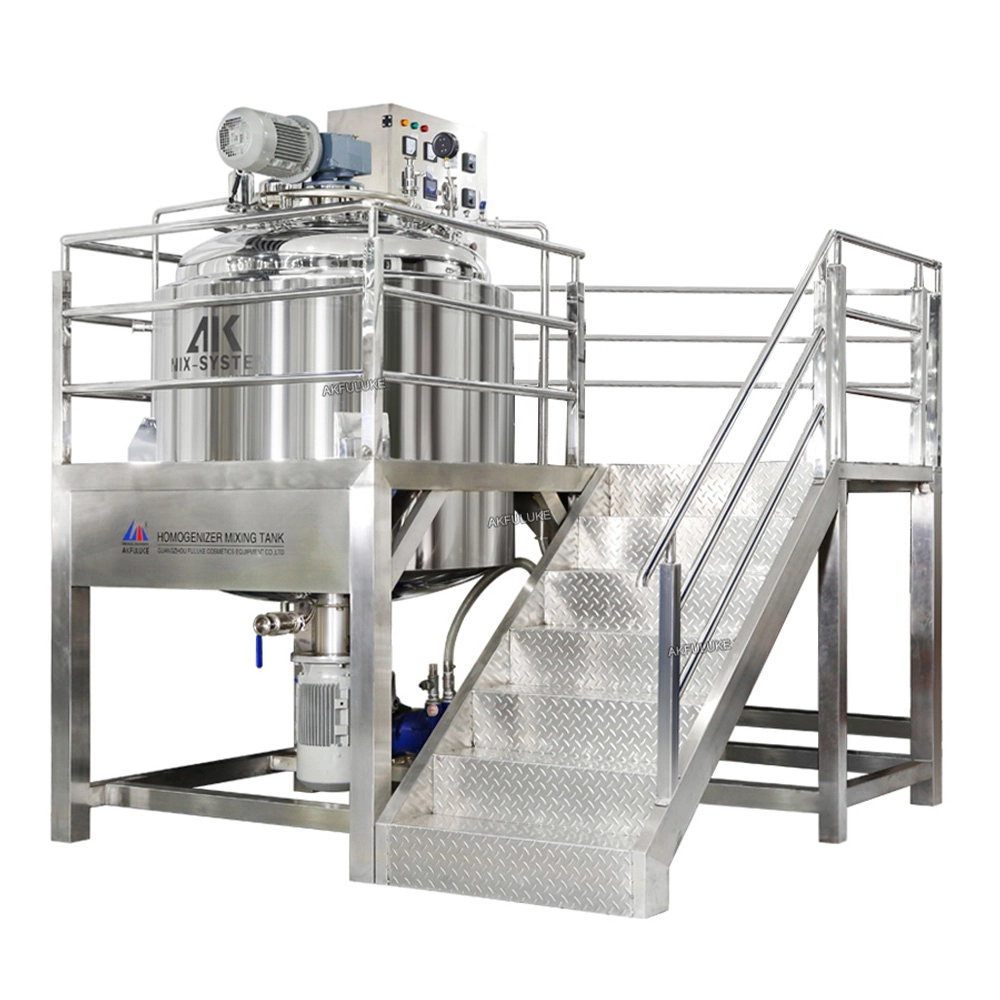
Choosing the Right Mixing Tank for High-Volume Liquid Production
Sealed Homogenizing Mixing Tank
Who are we?
Our headquarters is located in Guangzhou, Guangdong, China, and our factory is located in Yangzhou, Jiangsu. Our products are sold all over the world. We have approximately 50 employees in our company and factory.
Perfume Filling Machine
What are the key differences between semi-automatic and fully automatic models? How should I choose?
Semi-automatic: Semi-automatic perfume filling machines only perform the core filling process and require manual assistance for bottle loading and capping. Filling speed: 10-20 bottles/minute, suitable for small-batch production. One or two people are required for assistance.
Fully automatic: Automatic perfume filling machines integrate the entire filling, capping, capping, and inspection process.
Filling speed: 30-50 bottles/minute, suitable for large-scale production. The entire process is unmanned, requiring only regular inspections.
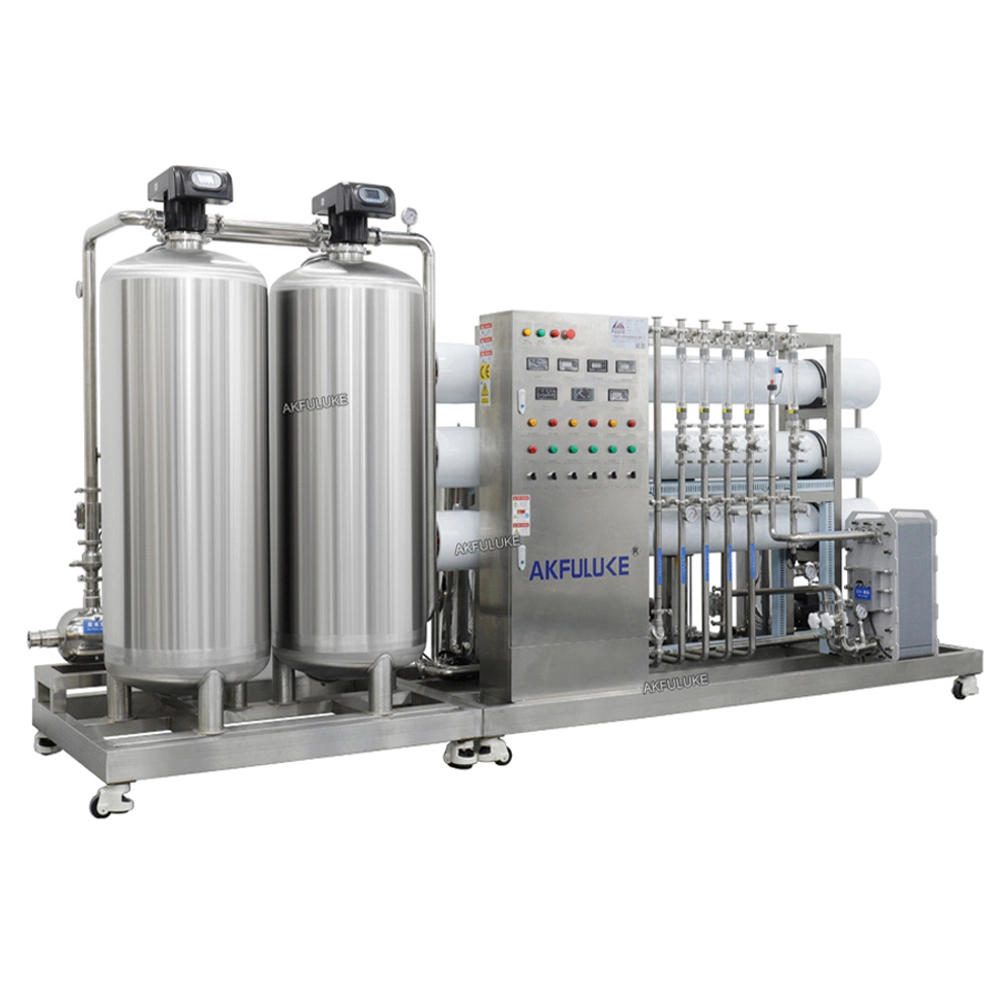
RO Water Treatment
What is RO water treatment? What is the core function of RO membranes?
RO water treatment, or reverse osmosis water treatment technology, utilizes the selective permeability of reverse osmosis membranes (RO membranes). Under external pressure, water molecules are forced through the membrane while impurities (such as salt, heavy metals, organic matter, and microorganisms) are retained, thereby purifying the water.The core function of RO membranes is high-precision filtration. With a pore size of only approximately 0.1 nanometers, they can effectively remove over 99% of dissolved solids (such as calcium and magnesium ions), heavy metals (such as lead and arsenic), bacteria, viruses, and organic matter from water, producing extremely pure water.
Automatic Labeling Machine
What can you buy from us?
RO Water Treatment、Vacuum Emulsifying Machine、Homogenizer Mixing Tank、Filling and Capping、labeling Machine、Packing Machine、Storage Tank,etc.
Perfume Freezing Filter Making Machine
If the liquid is still turbid after filtration, what could be the cause?
Common causes include: ① Insufficient freezing (low temperature or too short a freezing time); ② Clogged filter element or overly large pore size; ③ Uneven material flow leading to insufficient localized condensation. Solution: Extend the freezing time, replace the 0.1μm precision filter element, check the pipes for blockage, and optimize flow control.
You May Also Like
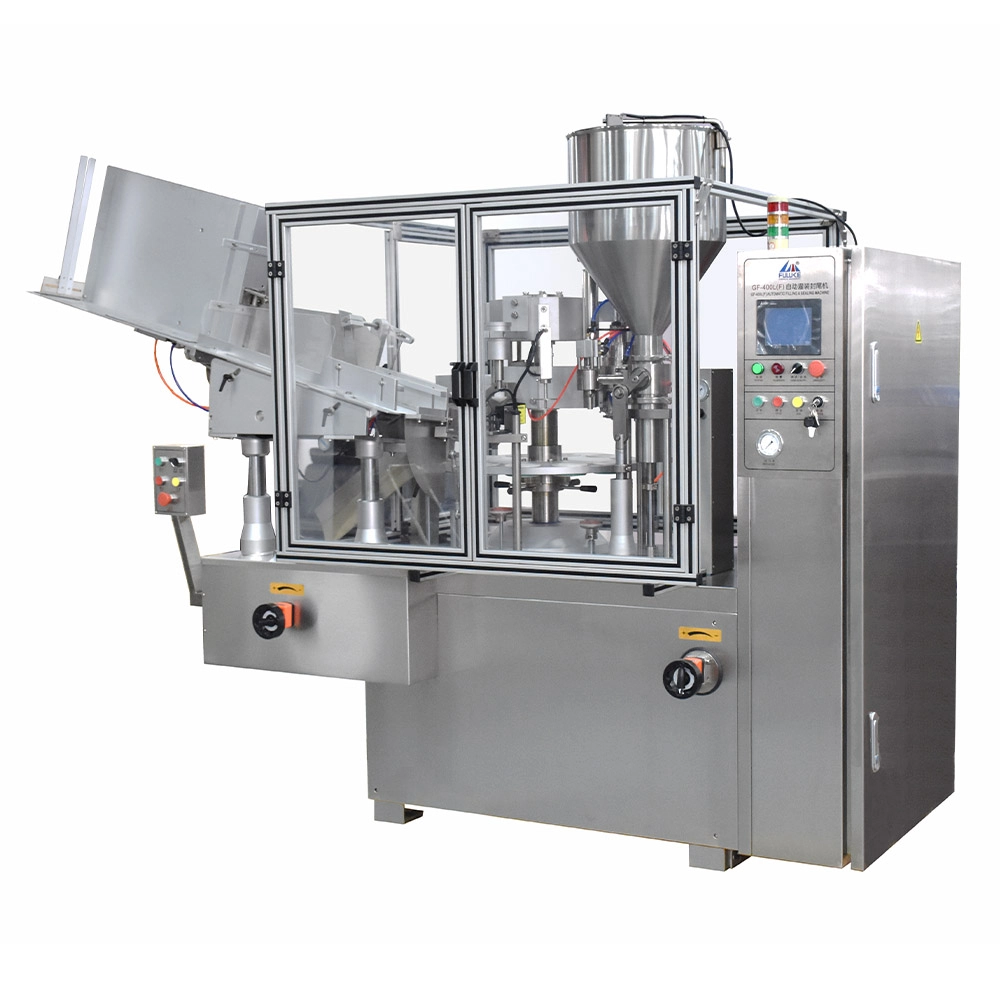
Automatic Tube Filling and Sealing Machine Toothpaste Sunscreen and Facial Cleanser Filling and Sealing Machine for Plastic and Aluminum-plastic Tube
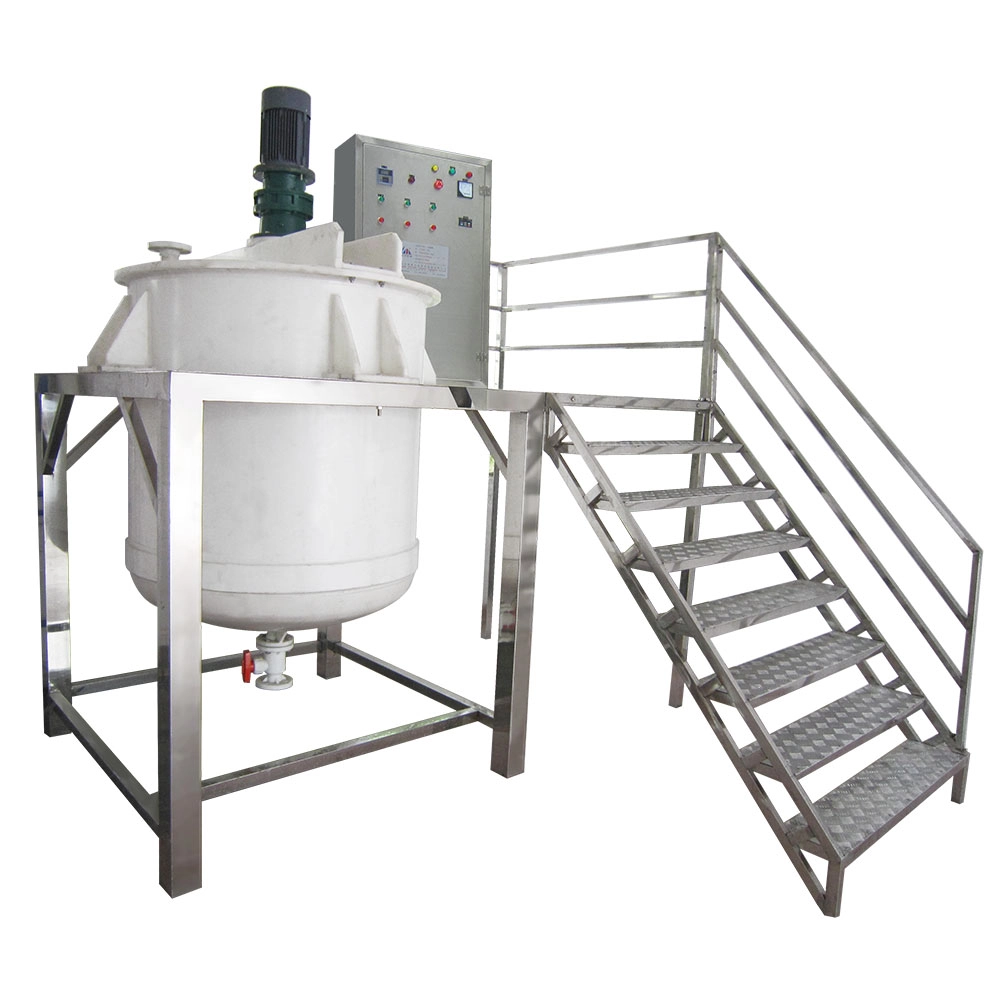
Polypropylene PP Mixing Tank Anti-Corrosion Mixer Reaction Kettle with Agitator Chemical Mixing Vessel
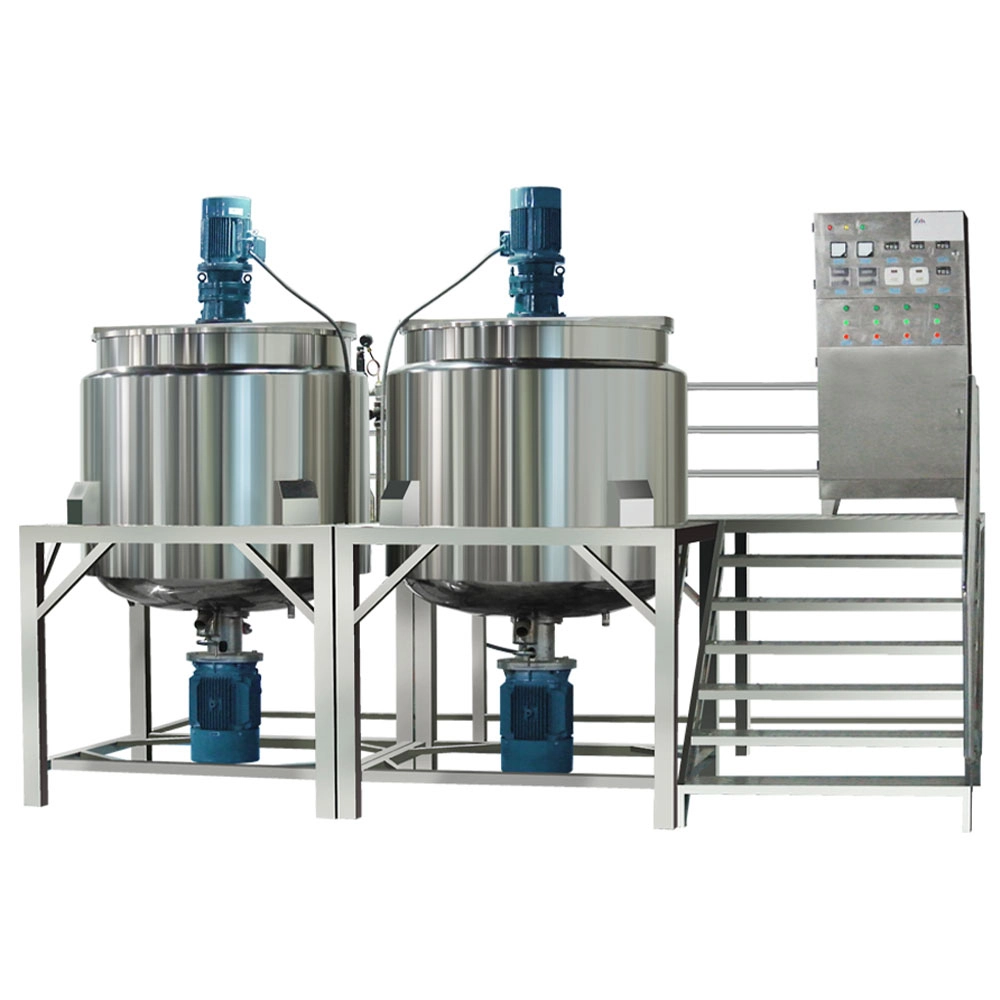
Flip Cover Multi-function Liquid Wash Mixing Tank Blender Liquid Detergent Mixer Homogenization Stirring Tank
Stainless Steel Mixer Liquid Mixing tank with Agitator Homogenizing Mixing tank Vacuum Sealed Mixer Machine
Get in touch with FULUKE
If you have any comments or good suggestions, please leave us a message, later our professional staff will contact you as soon as possible.

A leading manufacturer specializing in advanced machinery and complete production lines for the cosmetics, food, pharmaceutical, and chemical industries worldwide.
Contact FULUKE
Facebook
Instagram
YouTube