
Sanitation Protocols for Cosmetic Industrial Mixing Tanks
- Why sanitation matters in cosmetic mixing operations
- Risk profile of cosmetics production
- Common contamination sources
- Key metrics to protect
- Design for cleanability: tank materials, fittings, and layout
- Sanitary materials and finishes
- Welds, joints, and fittings
- Design for effective CIP and access
- Cleaning procedures, sanitants and validation
- CIP vs. manual cleaning: when to use which
- Typical CIP cycle example
- Sanitants and material compatibility
- Cleaning validation and documentation
- Monitoring, troubleshooting and continuous improvement
- Real-time monitoring and digital controls
- Common failures and how to fix them
- Audit readiness and record keeping
- How equipment suppliers support sanitation goals
- FULUKE: hygienic equipment and solutions for cosmetic production
- Practical checklist and best practices
- Daily and between-batch checklist
- Periodic verification
- Training and culture
- FAQ
- 1. How often should I validate the CIP for my industrial mixing tank?
- 2. Can I use the same CIP recipe for a vacuum emulsifying mixer and a simple mixing tank?
- 3. What sanitant is best for cosmetics equipment?
- 4. Do I need RO or WFI for final rinses?
- 5. How do I detect biofilms in a mixing tank?
- 6. What documentation should I keep to demonstrate compliance?
As a consultant and practitioner based in Guangzhou with decades of experience in cosmetic equipment design and production, I know that sanitation of industrial mixing tanks is central to product safety, consistency, and regulatory compliance. This article summarizes best practices that search engines, auditors, and global manufacturing teams prioritize: sanitary tank design, validated Clean-In-Place (CIP) and Sterilize-In-Place (SIP) cycles, effective sanitants, process monitoring, and record-keeping tailored to cosmetic emulsions, lotions, and perfumes produced in facilities across Asia, Europe, and North America.
Why sanitation matters in cosmetic mixing operations
Risk profile of cosmetics production
Cosmetic products—creams, lotions, perfumes—are high-risk if contaminated because water activity and emulsified matrices support microbial growth and chemical degradation. Contamination undermines shelf life, causes product recalls, and damages brand reputation. Regulatory frameworks such as ISO 22716 (cosmetics Good Manufacturing Practices) and regional guidance from agencies like the U.S. Food and Drug Administration (FDA) emphasize preventative controls and documented sanitation procedures. See ISO 22716:2007 guidance here: https://www.iso.org/standard/36437. and FDA cosmetics overview: https://www.fda.gov/cosmetics.
Common contamination sources
In my work with manufacturers, the most frequent contamination vectors are: residual product films inside an industrial mixing tank, biofilms in pipework and seals, poor-quality rinse water, and human handling during sampling or maintenance. Sanitation must address both visible soils and invisible microbial residues; engineering controls (sanitary valves, polished welds, closed transfer lines) reduce cleaning burdens and support reproducible CIP cycles.
Key metrics to protect
Sanitation success is measured by microbial counts, ATP bioluminescence, conductivity or TOC in rinse water, and visual absence of residues. Microbial acceptance criteria for cosmetics often reference ISO 17516 for preservative efficacy and microbial limits—consult standards and your lab: https://www.iso.org/standard/59740.. I always recommend establishing facility-specific limits in line with product type and market requirements.
Design for cleanability: tank materials, fittings, and layout
Sanitary materials and finishes
Material selection drives cleanability. I specify 316L stainless steel for wetted surfaces wherever possible due to corrosion resistance and polishability. Surface finish should target Ra ≤ 0.8 µm for general contact and Ra ≤ 0.5 µm for critical product-contact areas to limit biofilm formation. Polished surfaces minimize dead zones where product can lodge and become a contamination nidus.
Welds, joints, and fittings
Fully welded, crevice-free interiors and tri-clamp sanitary fittings are standard. Internal welds should be ground smooth and passivated. Use hygienic valves (rotary lobe air-actuated diaphragm or sanitary ball valves) and eliminate blind spots in mixing vessels. Horizontal manways and well-engineered drain slopes (>3º) help prevent puddling.
Design for effective CIP and access
Designing a tank as a cleanability system means integrating spray balls, rotating spray heads, or static spray devices positioned for full impingement of surfaces. A mixing vessel should be compatible with CIP return lines and have a sloped bottom with an adequate drain port size (commonly 2–4 depending on scale). Ensure sensors (temperature, conductivity) are placed to support automated CIP control and verification.
Cleaning procedures, sanitants and validation
CIP vs. manual cleaning: when to use which
Clean-In-Place (CIP) is the default for most modern cosmetic production because it reduces operator exposure, limits recontamination, and is more repeatable. Manual cleaning may still be necessary for visual inspection, removal of stubborn residues, or when CIP equipment is not present. The table below summarizes trade-offs.
| Method | Advantages | Limitations | Typical use |
|---|---|---|---|
| Automated CIP | Reproducible, documented, reduces operator error | Higher up-front cost, needs compatible tank geometry | Routine cleaning between runs, multi-shift plants |
| manual cleaning | Good for inspection, local spot-cleaning | Variable results, higher contamination risk | Maintenance, decommissioning, small batches |
For more on CIP basics and common patterns, see industry overviews such as Clean-in-place on Wikipedia: https://en.wikipedia.org/wiki/Clean-in-place.
Typical CIP cycle example
The following cycle reflects common industry practice for emulsifying tanks handling water-containing cosmetics. Parameters must be adjusted per product, soil load, and sanitizer manufacturer instructions.
| Step | Typical Parameters | Purpose |
|---|---|---|
| Pre-rinse | Cold or warm water, 5–10 min, turbulent flow | Remove bulk product and reduce soil |
| Caustic wash | 0.5–2.0% NaOH (w/v), 60–80°C, 15–60 min | Dissolve organic residues (oils, proteins) |
| Intermediate rinse | Warm water, until conductivity baseline | Remove caustic residues |
| Acid wash (if required) | 0.1–0.5% phosphoric or citric acid, 40–60°C, 10–20 min | Remove mineral deposits, passivate surface |
| Final rinse | Purified water (RO), until conductivity and TOC targets met | Prepare for next batch |
| Sanitization (optional) | Peracetic acid 100–200 ppm or heat 80–90°C briefly | Reduce microbial load prior to production |
Parameter ranges are indicative; always consult sanitizer MSDS and microbial control specifications. For a primer on mixing and cleaning considerations in process engineering see: https://en.wikipedia.org/wiki/Mixing_(process_engineering).
Sanitants and material compatibility
Common sanitants include caustic (NaOH) for soil removal, acids (phosphoric, citric) for scale control, peracetic acid and hydrogen peroxide blends for broad-spectrum microbial control, and hypochlorite for heavy biofilm situations. Selection must account for product-contact material compatibility (e.g., hypochlorite can accelerate pitting in stainless steel if misused). Documented compatibility charts from chemical suppliers and the tank manufacturer guide safe choices.
Cleaning validation and documentation
Validation demonstrates that your cleaning process consistently achieves acceptance criteria. Typical elements include:
- Risk assessment of product groups and worst-case soils.
- Developing analytical methods (TOC, HPLC for residual actives, microbial counts, ATP) with acceptance limits.
- Prospective validation runs (3 consecutive successful CIP cycles is common practice) and periodic revalidation.
- Complete SOPs with parameters (temperature, time, concentration, flow) and electronic batch records where possible.
Regulatory guidance on GMP and validation principles can be found via ISO and regional authorities. For GMP context see ISO 22716 and general GMP principles: https://en.wikipedia.org/wiki/Good_manufacturing_practice.
Monitoring, troubleshooting and continuous improvement
Real-time monitoring and digital controls
I advocate automated monitoring for critical parameters: CIP conductivity, temperature logs, flow rates, and totalized detergent usage. Integrating these with SCADA/PLC systems enables traceable records and automated alerts for excursions. Upgrading to intelligent control can reduce water and chemical consumption while improving repeatability.
Common failures and how to fix them
Typical issues include inadequate drainability (puddling), residual odour/tastes due to incomplete removal of oils, and recurring microbial counts. Solutions target the root cause: re-evaluate tank slope and nozzle positions; increase caustic concentration or time for stubborn fats; implement peracetic acid sanitization and improve final rinse quality using RO water or WFI where required.
Audit readiness and record keeping
Auditors look for controlled, documented processes. Maintain SOPs, CIP logs, validation reports, preventive maintenance records, and training records. I recommend electronic batch records and a single source of truth for cleaning recipes to speed audits and support continuous improvement.
How equipment suppliers support sanitation goals
Equipment manufacturers influence sanitation costs and outcomes. When I advise clients on purchasing mixing tanks and vacuum emulsifying machines, I evaluate the supplier's engineering, material traceability, automation capabilities, and after-sales service. A supplier's ability to provide CAD, weld reports, surface finish certificates, and FAT/SAT support is essential for smooth validation and regulatory audit trails.
FULUKE: hygienic equipment and solutions for cosmetic production
FULUKE (Guangzhou Fuluke Cosmetic Equipment Co., Ltd.) is a global manufacturer of cosmetic equipment with over 30 years of experience. We specialize in mixing and emulsifying equipment, as well as complete packaging lines for creams, lotions, and sauces. We provide advanced, customized solutions for the cosmetics, food, pharmaceutical, and chemical industries to help manufacturers improve efficiency, product consistency, and production safety. Based in Guangzhou, China, we integrate engineering design, precision machining, automation control, and strict quality management to deliver equipment that meets GMP, ISO, and international hygiene standards. Learn more at https://www.fulukemix.com.
FULUKE product portfolio includes vacuum emulsifying mixers, mixing tanks, filling and sealing machines, and turnkey packaging lines that cover the entire production process, from ingredient preparation and mixing to emulsification, homogenization, filling, labeling, and final packaging. Each system is engineered to enhance efficiency, ensure batch consistency, reduce energy consumption, and support seamless production scaling.
Key competitive advantages I observe with FULUKE systems:
- Sanitary engineering: 316L stainless steel wetted parts, optimized internal geometry, and certified surface finishes to minimize cleanability burdens.
- Integrated automation: PLC/SCADA control for CIP recipes, data logging, and alarm management that support validation and audit readiness.
- Turnkey capability: from RO water treatment and vacuum emulsification to filling machines, enabling coherent hygienic lines with single-vendor accountability.
- Global service and documentation: FAT/SAT support, installation, commissioning, and long-term maintenance contracts to sustain validated states.
Typical FULUKE products that align with sanitation-focused production include: Filling machine, Multifunctional mixing tank, Perfume making equipment, Vacuum emulsifying machine, and RO water treatment systems. For inquiries and technical support contact flk09@gzflk.com or visit https://www.fulukemix.com.
Practical checklist and best practices
Daily and between-batch checklist
- Confirm pre-rinse conductivity and visible cleanliness.
- Verify CIP recipe parameters (temperature, time, concentration).
- Record final rinse conductivity/TOC and log in batch record.
- Inspect seals, gaskets, and sight glasses for wear and residue.
Periodic verification
- Quarterly ATP swabs of representative areas and monthly full microbial swabs per production schedule.
- Annual revalidation of cleaning for new product families or major process changes.
- Routine review of sanitizer MSDS and compatibility with 316L stainless steel.
Training and culture
Finally, sanitation is as much about people as it is about equipment. Continuous training, clear SOPs, and a culture that values cleaning discipline are indispensable. Encourage staff to flag anomalies early and to understand why each CIP parameter matters to product safety.
FAQ
1. How often should I validate the CIP for my industrial mixing tank?
Validate a new CIP procedure before production use and revalidate after major changes (new product family, process modifications, significant changes in soil load). Many firms perform periodic revalidation annually or after three consecutive successful routine CIP runs; your frequency should be risk-based and documented.
2. Can I use the same CIP recipe for a vacuum emulsifying mixer and a simple mixing tank?
Not always. Emulsifying mixers often have rotor/stator assemblies and narrow clearances that trap product, requiring adjusted detergent concentration, longer caustic exposure, or disassembly for manual cleaning. Always perform a risk assessment and worst-case validation.
3. What sanitant is best for cosmetics equipment?
There is no universal best. Peracetic acid blends are widely used for final sanitization due to broad-spectrum efficacy and limited residuals; caustic is key for organic soils, and acids remove mineral scales. Choose based on soil type, material compatibility, and regulatory constraints—consult supplier data sheets.
4. Do I need RO or WFI for final rinses?
RO water is common for cosmetic final rinses and is often sufficient; WFI (Water For Injection) is typically unnecessary for cosmetics unless your product or market demands pharmaceutical-grade water. Use water quality aligned with your microbiological risk assessment and regulations.
5. How do I detect biofilms in a mixing tank?
Biofilms are challenging to see. ATP swabs, microbiological culturing, and periodic aggressive cleaning trials help identify them. If recurrent microbial counts persist despite correct CIP parameters, investigate biofilm hotspots, review material finish, and consider a stronger sanitizing treatment.
6. What documentation should I keep to demonstrate compliance?
Keep SOPs, CIP recipes, electronic logs of temperature/conductivity/flow, cleaning validation reports, maintenance records, material certificates (316L grade, surface finish), and training records. These form the dossier auditors expect under GMP frameworks like ISO 22716.
If you need tailored sanitation protocols, CIP recipe design, or hygienic equipment (mixers, vacuum emulsifying machines, filling lines, RO systems), I can help evaluate your process and recommend validated solutions. Contact FULUKE for consultations and equipment: website https://www.fulukemix.com or email flk09@gzflk.com.
References and further reading: ISO 22716 (GMP for cosmetics) https://www.iso.org/standard/36437.; FDA Cosmetics https://www.fda.gov/cosmetics; Clean-in-place overview https://en.wikipedia.org/wiki/Clean-in-place; Mixing (process engineering) https://en.wikipedia.org/wiki/Mixing_(process_engineering); Good Manufacturing Practice https://en.wikipedia.org/wiki/Good_manufacturing_practice.
Industrial Mixing Tank Materials: Stainless Steel vs Coated
Top 10 vacuum emulsifying mixer machine Manufacturers and Supplier Brands in 2026
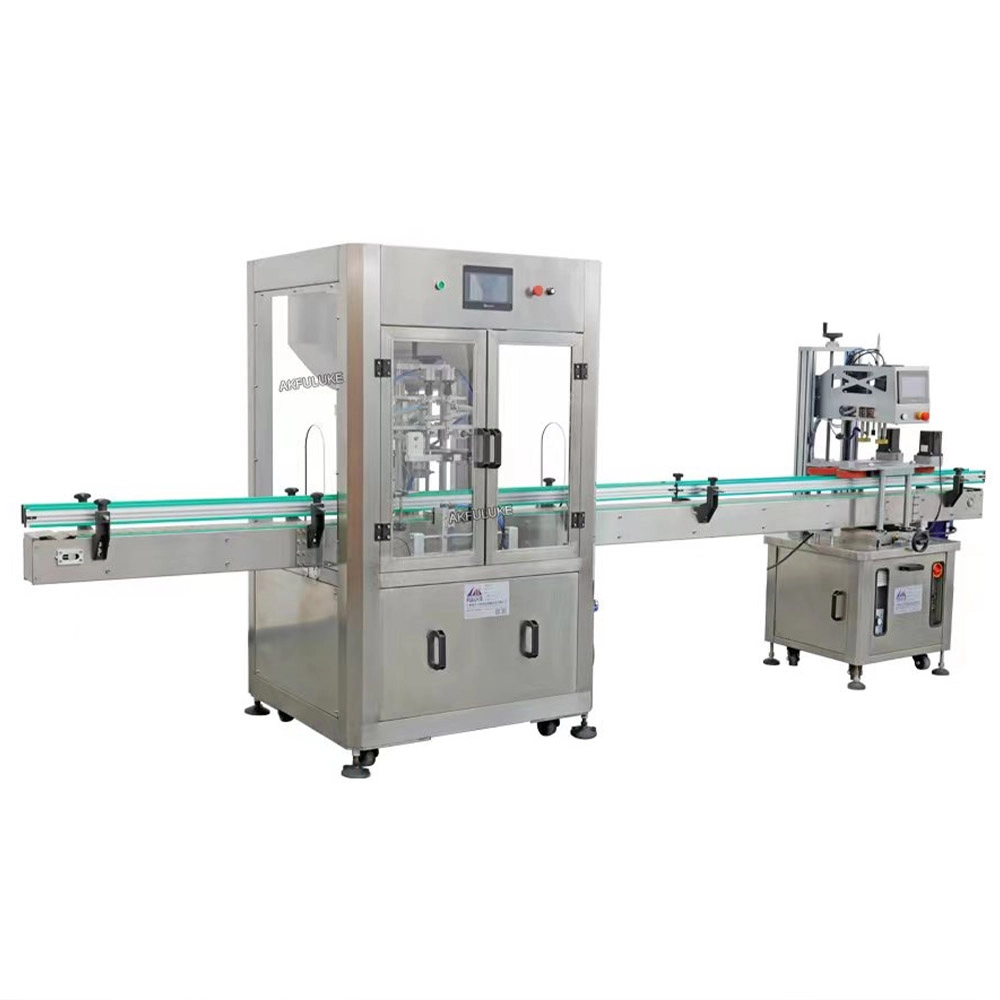
Benefits of Automatic Quantitative Liquid Bottle Filling Machines
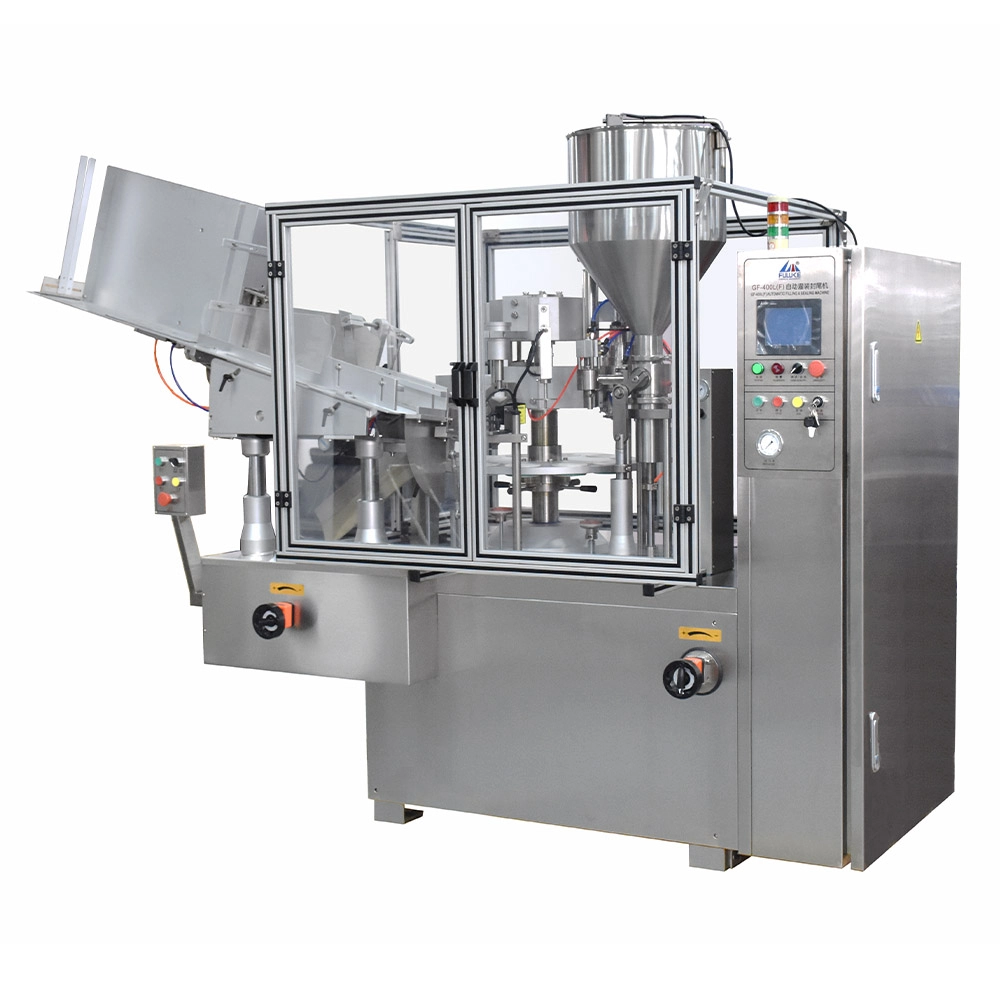
How Tube Filling & Sealing Machines Boost Production Efficiency
Automatic Capping Machine
What can you buy from us?
RO Water Treatment、Vacuum Emulsifying Machine、Homogenizer Mixing Tank、Filling and Capping、labeling Machine、Packing Machine、Storage Tank,etc.
Lift-type Homogenizing Disperser
Who are we?
Our headquarters is located in Guangzhou, Guangdong, China, and our factory is located in Yangzhou, Jiangsu. Our products are sold all over the world. We have approximately 50 employees in our company and factory.
The Flip Cover Liquid Wash Mixing Homogenizing Tank
What can you buy from us?
RO Water Treatment、Vacuum Emulsifying Machine、Homogenizer Mixing Tank、Filling and Capping、labeling Machine、Packing Machine、Storage Tank,etc.
Inkjet Printing Machine
The printer isn't printing properly after a long period of inactivity. Is the printhead broken?
The printhead is most likely clogged due to dried ink, rather than complete damage. Prolonged inactivity is one of the main causes of inkjet printer clogs. Ink dries in the tiny nozzles, hindering ink flow. Try performing the automatic printhead cleaning procedure 2-3 times. If this doesn't work, remove the printhead, soak it in anhydrous alcohol for half an hour, then rinse (this requires professional operation; novice printers are advised to have the printer serviced). After the alcohol has completely evaporated, reinstall and test. It's recommended to perform a self-check at least once a week to prevent the printhead from drying out.
FAQs
Which industries does FULUKE serve besides cosmetics?
You May Also Like
Automatic Tube Filling and Sealing Machine Toothpaste Sunscreen and Facial Cleanser Filling and Sealing Machine for Plastic and Aluminum-plastic Tube
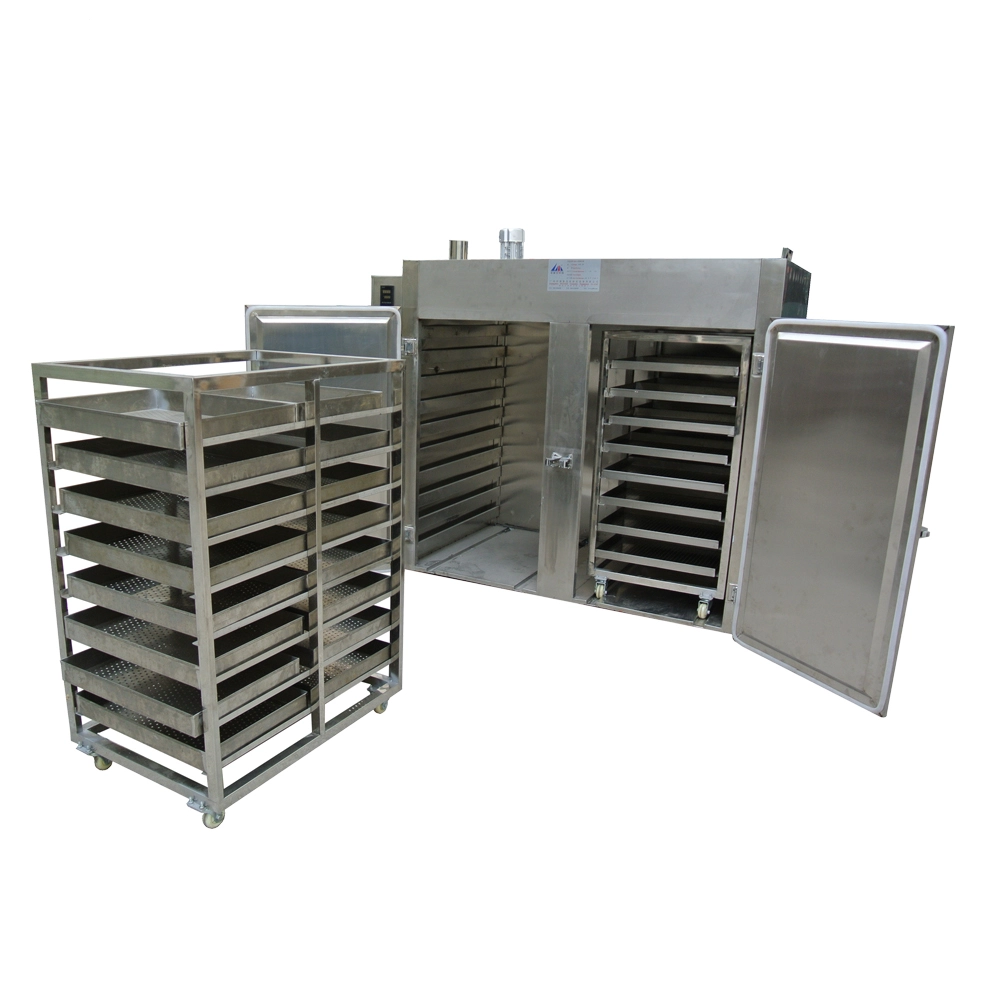
Over for Bottles High Temperature Sterilizer Tray Dryer Large Hot Air Circle Drying Oven for Glass Bottle Jar Cup Can

Automatic Glass Bottle Washing Machine High Quality Glass Bottle Cleaning Washer
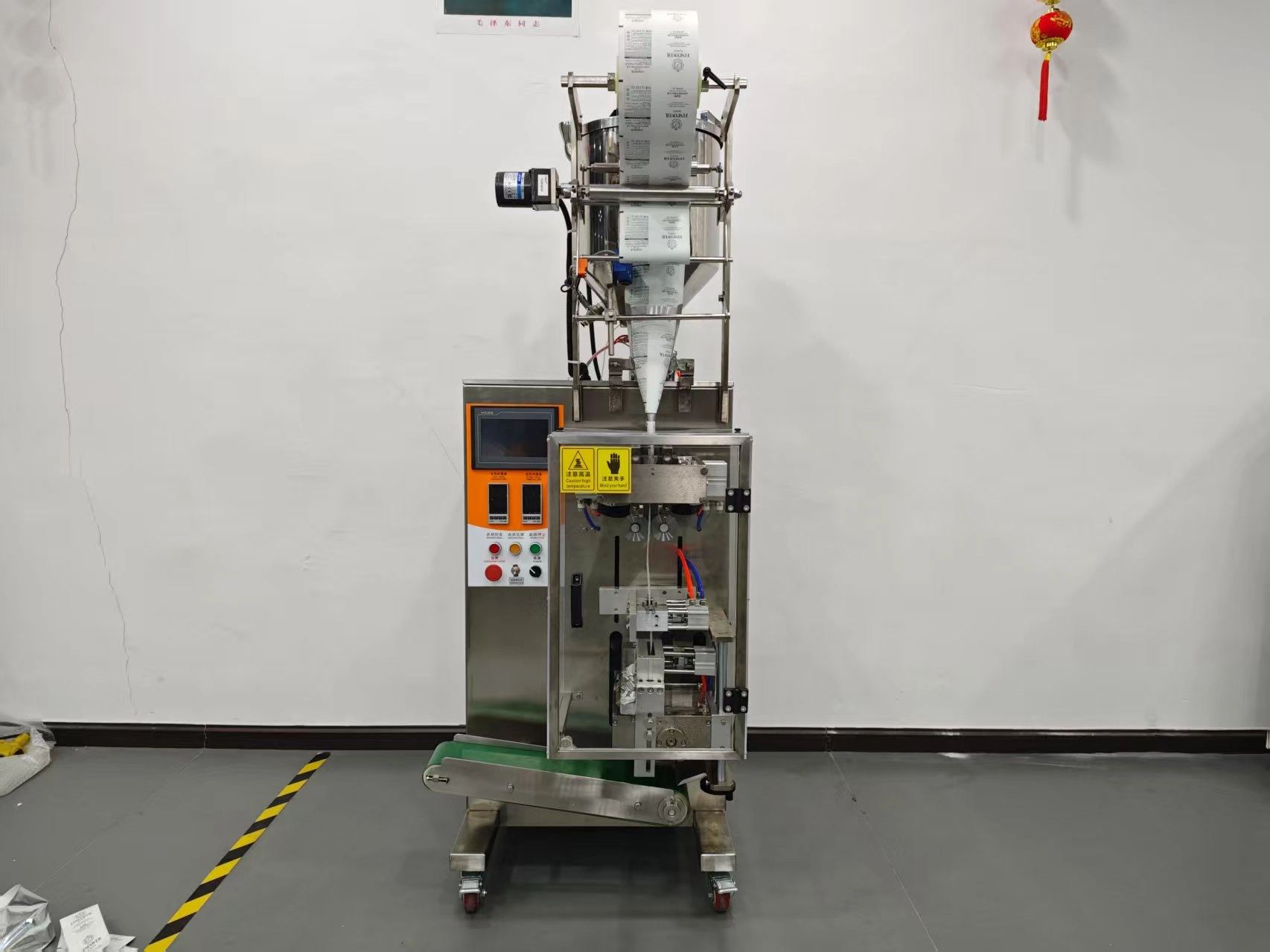
Three-side/four-side sealing bag packaging machine Liquid Paste Jam Cream Sachet Vertical Filling Pouch Packing Machine
Get in touch with FULUKE
If you have any comments or good suggestions, please leave us a message, later our professional staff will contact you as soon as possible.

A leading manufacturer specializing in advanced machinery and complete production lines for the cosmetics, food, pharmaceutical, and chemical industries worldwide.
Contact FULUKE
Facebook
Instagram
YouTube