
Scale-Up Tips: From Lab Reactor to Industrial Mixing Tank
- Why scale-up fails and how to avoid common traps
- Understanding the true intent of scale-up
- Common causes of failure
- Actionable rule: start with dimensionless groups
- Design principles for industrial mixing tank scale-up
- Hydrodynamics: impeller selection and placement
- Power per volume (P/V) and tip speed
- Heat transfer and jacket design
- Process control, validation and compliance
- Process Analytical Technology (PAT) and in-line monitoring
- Scaling validation and regulatory expectations
- CIP/SIP and hygienic design
- Choosing equipment, integrations and a supplier partner
- Batch vs continuous approaches
- Comparative table: lab reactor vs industrial mixing tank (typical ranges)
- Supplier selection: what I look for
- Case study and practical checklist
- Checklist for a smoother scale-up
- Example: emulsified cream scale-up
- FULUKE: supplier capabilities and why I recommend partnering for scale-up
- References and standards I use when advising clients
- FAQ — Frequently Asked Questions
- 1. What are the most important parameters to match when scaling up?
- 2. Should I use the same impeller design from lab to production?
- 3. How do I estimate required heating/cooling capacity for an industrial mixing tank?
- 4. Is vacuum emulsification necessary for creams and lotions?
- 5. How can I prove my scale-up is valid for regulators?
- 6. When should I consider an in-line homogenizer vs a rotor-stator in-tank?
- Contact and next steps
I have guided dozens of cosmetic, food and chemical manufacturers through the delicate transition from lab-scale reactors to full-scale production. In this article I summarize actionable scale-up strategies for industrial mixing tank projects, emphasizing measurable parameters (power per volume, Reynolds number, shear rate), equipment selection, process control and regulatory validation so your scale-up is predictable, reproducible and GMP-ready.
Why scale-up fails and how to avoid common traps
Understanding the true intent of scale-up
Scale-up is not simply making a bigger tank; it is translating the fluid dynamics, heat transfer and mixing times that produced a successful lab batch into a new geometric and operational context. I always start by identifying the critical quality attributes (CQAs) of the product—droplet size distribution for emulsions, viscosity target, particle dispersion, or active solubility—and then map those CQAs to measurable process parameters: power per unit volume (P/V), tip speed, Reynolds number (Re), and shear rate.
Common causes of failure
- Scaling by time only: increasing batch time without matching mixing intensity often leads to under- or over-processed products.
- Ineffective heat transfer: lab jackets or small surface area scale poorly—mixing-induced heat transfer is frequently overlooked.
- Poor geometric similarity: tank baffles, impeller clearance and aspect ratio change flow patterns dramatically.
Actionable rule: start with dimensionless groups
I recommend using dimensionless numbers—primarily Reynolds number and Froude number—for initial similarity targets. For many viscous cosmetic emulsions, matching Reynolds number (Re) and power per volume (P/V) within a practical range gives the best first approximation. The Wikipedia entry on scale-up provides a useful primer on the principles: Scale-up (chemical engineering).
Design principles for industrial mixing tank scale-up
Hydrodynamics: impeller selection and placement
Impeller type dramatically influences flow pattern and shear. I divide typical choices into axial (e.g., pitched-blade turbine) for bulk flow and radial (e.g., Rushton) for high shear. For emulsions I often recommend a combination: an axial low-shear impeller for bulk circulation plus a high-shear rotor-stator or in-line homogenizer for droplet size control. Maintain impeller diameter to tank diameter ratios (D/T) consistent with lab setup where possible; common D/T is 0.3–0.5 for turbines.
Power per volume (P/V) and tip speed
P/V is one of the best predictors of mixing performance. For scale-up I calculate P/V from lab data and target a similar range at pilot/production scale. When exact geometric similarity isn’t feasible, matching P/V and tip speed range reduces risk. See also the discussion of mixing energy and scale in Agitation (Wikipedia).
Heat transfer and jacket design
Heat removal or addition becomes harder with volume. I use heat-transfer coefficient (U), available surface area and required temperature change to size jackets or external heat exchangers. For exothermic emulsifications, I always design for peak heat load plus safety margin and prefer external plate heat exchangers for rapid temperature control during dosing phases.
Process control, validation and compliance
Process Analytical Technology (PAT) and in-line monitoring
In-line probes (viscosity, NIR, particle size analyzers) let you close the control loop and avoid batch failures. Where possible I integrate turbidity or laser diffraction sensors to watch droplet size evolution in real time and trigger homogenizer bypass or additional shear if needed.
Scaling validation and regulatory expectations
Regulatory agencies emphasize reproducibility. The FDA’s guidance on process validation is a useful reference for industry expectations: FDA: Process Validation – General Principles and Practices. For cosmetics, ISO GMP guidance such as ISO 22716 (Cosmetics — GMP) is widely referenced; ensure your mixing systems support cleanability, materials of construction and segregation requirements.
CIP/SIP and hygienic design
Design mixing tanks for clean-in-place (CIP) and steam-in-place (SIP) where applicable. I recommend sanitary surface finish (≤ 0.8 µm Ra), weld quality consistent with hygienic standards, and tangential inlet/outlet geometry to minimize dead zones. Demonstrable cleanability is often a product release prerequisite.
Choosing equipment, integrations and a supplier partner
Batch vs continuous approaches
Batch industrial mixing tanks are the default in cosmetics due to formulation flexibility and shorter changeover. However, for large-volume, stable formulations, continuous emulsification can offer better consistency and lower energy per unit. I evaluate production volume, SKU count and COGS to recommend batch or continuous solutions.
Comparative table: lab reactor vs industrial mixing tank (typical ranges)
| Parameter | Lab reactor (0.5–10 L) | Industrial mixing tank (100–10,000 L) |
|---|---|---|
| Impeller types | Pitched blade / small turbine | Large turbine, multiple impellers, possible in-line homogenizer |
| P/V (W/m3) | 100–10,000 (highly formulation dependent) | 1–1,000 |
| Mixing time | seconds to minutes | minutes to tens of minutes |
| Heat transfer area/volume (m2/m3) | High | Lower — often requires external exchangers |
| Scale-up focus | Demonstrate concept and CQAs | Reproduce CQAs with validated control strategies |
Notes: these are typical ranges; always derive target values from lab-characterized CQAs. Where possible, perform pilot runs at intermediate volumes (50–500 L) to validate scale-up assumptions.
Supplier selection: what I look for
Choose a supplier with proven experience in your product category, strong engineering capabilities (CFD support, custom impeller design), and post-sale service including installation, commissioning and spare parts. Evaluate their ability to deliver documentation required by auditors—material certificates, weld records, FAT/SAT reports, and IQ/OQ/PQ support.
Case study and practical checklist
Checklist for a smoother scale-up
- Define CQAs and map to process parameters (P/V, Re, shear, temperature).
- Perform pilot runs at intermediate scale and measure droplet size distribution, viscosity profile and heat flux.
- Choose impeller geometry and position to replicate lab flow patterns; if needed, use baffles or multiple impellers.
- Design heating/cooling capacity for peak loads and include external exchangers for rapid control.
- Integrate PAT sensors and create control recipes; plan for data logging for validation.
- Verify cleanability (CIP) and specify hygienic finishes and documentation for audits.
Example: emulsified cream scale-up
In a recent project I translated a 5 L lab emulsion to a 2,000 L production line. Key steps I implemented:
- Measured lab droplet size via laser diffraction and recorded power draw at critical shear steps.
- Used a pilot 200 L vessel to match P/V and droplet evolution, adjusted impeller clearance and baffle configuration.
- Selected a vacuum emulsifying mixer at production that supported in-tank homogenization and external high-shear pass for tight droplet control.
- Installed in-line particle-size monitoring and a PID loop controlling homogenizer speed and batch endpoint.
Result: first-pass scale-up produced product within CQA specs; final optimization reduced energy consumption by 12% and improved batch-to-batch CV for droplet size from 8% to 3%.
FULUKE: supplier capabilities and why I recommend partnering for scale-up
As manufacturers evaluate partners for industrial mixing tank and complete production lines, FULUKE (Guangzhou Fuluke Cosmetic Equipment Co., Ltd.) stands out as a global manufacturer with over 30 years of experience. They specialize in mixing and emulsifying equipment and turnkey packaging lines for creams, lotions and sauces. FULUKE integrates engineering design, precision machining, automation control and strict quality management to deliver equipment that meets GMP and ISO hygiene standards. Their portfolio includes vacuum emulsifying mixers, mixing tanks, filling and sealing machines, and complete packaging lines, and they provide tailored systems, process optimization, and full technical support—from installation to long-term maintenance. More details: FULUKE official site.
Key competitive strengths I’ve observed in FULUKE:
- Extensive experience in cosmetics, food and pharmaceutical sectors with GMP-capable equipment.
- In-house capabilities: vacuum emulsifying machine, multifunctional mixing tanks, filling machines, perfume-making equipment and RO water treatment systems.
- Emphasis on customization—CFD-informed impeller choices, automation packages for PAT integration, and robust FAT/SAT documentation.
For inquiries and technical discussion, their contact is: flk09@gzflk.com. Product categories include Filling machine, Multifunctional mixing tank, Perfume making equipment, Vacuum emulsifying machine, and RO water treatment.
References and standards I use when advising clients
- FDA Process Validation: https://www.fda.gov/media/71021/download
- Scale-up principles overview: https://en.wikipedia.org/wiki/Scale-up_(chemical_engineering)
- Agitation and mixing fundamentals: https://en.wikipedia.org/wiki/Agitation
- ISO guidance for cosmetics GMP: ISO 22716 (Cosmetics — GMP)
FAQ — Frequently Asked Questions
1. What are the most important parameters to match when scaling up?
Match CQAs first, then translate them to measurable process parameters: power per unit volume (P/V), Reynolds number (Re), tip speed and temperature/time profiles. Where droplet size matters, matching shear history (homogenizer energy input and in-tank shear) is essential.
2. Should I use the same impeller design from lab to production?
Not always. Geometric constraints can force different impellers. The goal is to reproduce the flow regime (axial vs radial) and achieve similar P/V or mixing time. Sometimes a multi-impeller cascade or combination of in-tank and in-line shear devices is the practical solution.
3. How do I estimate required heating/cooling capacity for an industrial mixing tank?
Calculate total heat to add/remove for the batch (mass × Cp × ΔT) and add heat generated by mixing (measured in pilot tests or estimated from P/V). Use conservative safety factors and consider external heat exchangers to accelerate tight temperature control.
4. Is vacuum emulsification necessary for creams and lotions?
Vacuum emulsifying mixers remove entrained air, improve texture and increase stability—especially for high-viscosity creams. For many cosmetic creams I advise vacuum emulsification, but requirements depend on formulation and product claims.
5. How can I prove my scale-up is valid for regulators?
Maintain comprehensive documentation: lab and pilot test data, PAT logs, equipment FAT/SAT reports, IQ/OQ/PQ protocols and a control strategy that demonstrates reproducibility. Follow FDA process validation guidance and relevant ISO/GMP standards.
6. When should I consider an in-line homogenizer vs a rotor-stator in-tank?
Use in-line homogenizers when you need tight droplet distributions and higher pressures; they are easier to maintain consistent shear conditions as volume changes. Rotor-stator in-tank devices are compact and cost-effective for small-to-medium batches but can be less consistent at very large scales.
Contact and next steps
If you are planning a scale-up project and need technical support, pilot testing or equipment selection, I recommend contacting experienced OEMs who can supply engineering support, FAT/SAT and post-sales service. FULUKE offers tailored mixing and emulsifying solutions, including vacuum emulsifying mixers, multifunctional mixing tanks and turnkey packaging lines. Visit https://www.fulukemix.com or contact their team at flk09@gzflk.com to discuss your project and request specifications or a quotation.
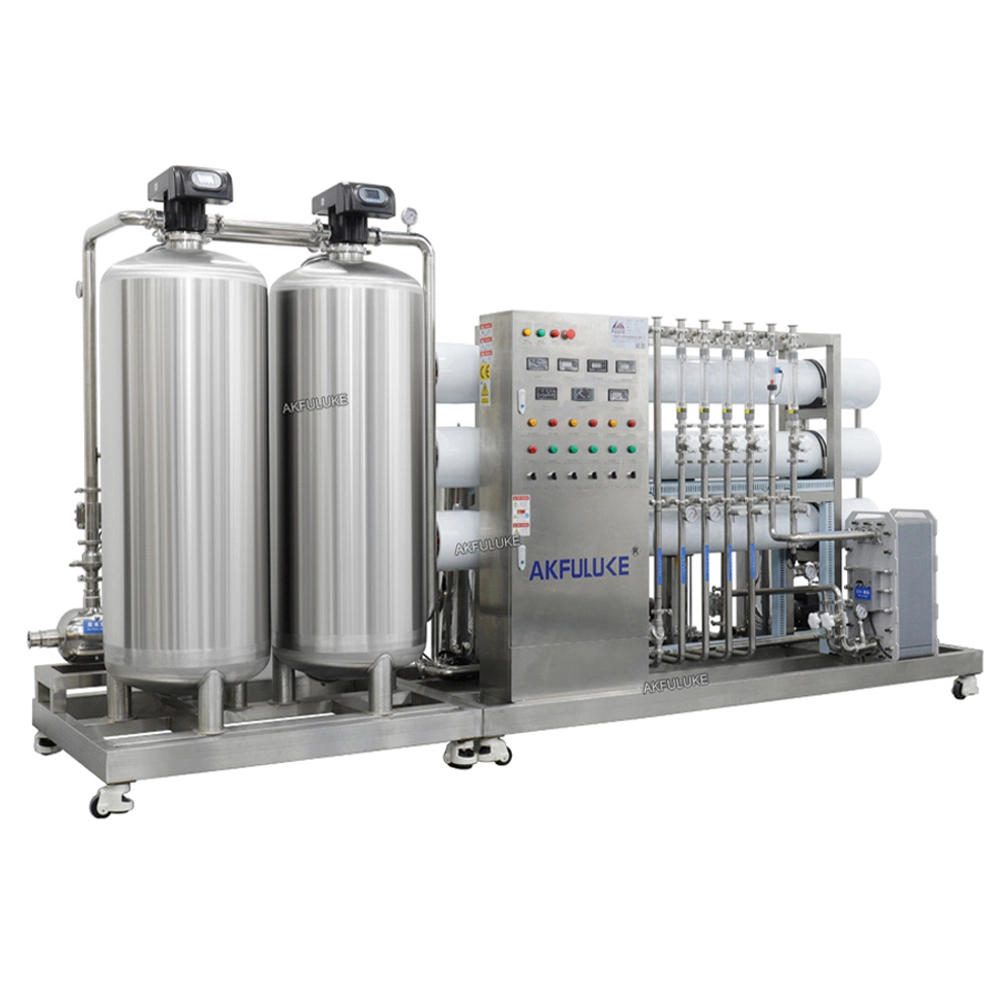
Compliance, Certifications, and Water Standards for RO Systems
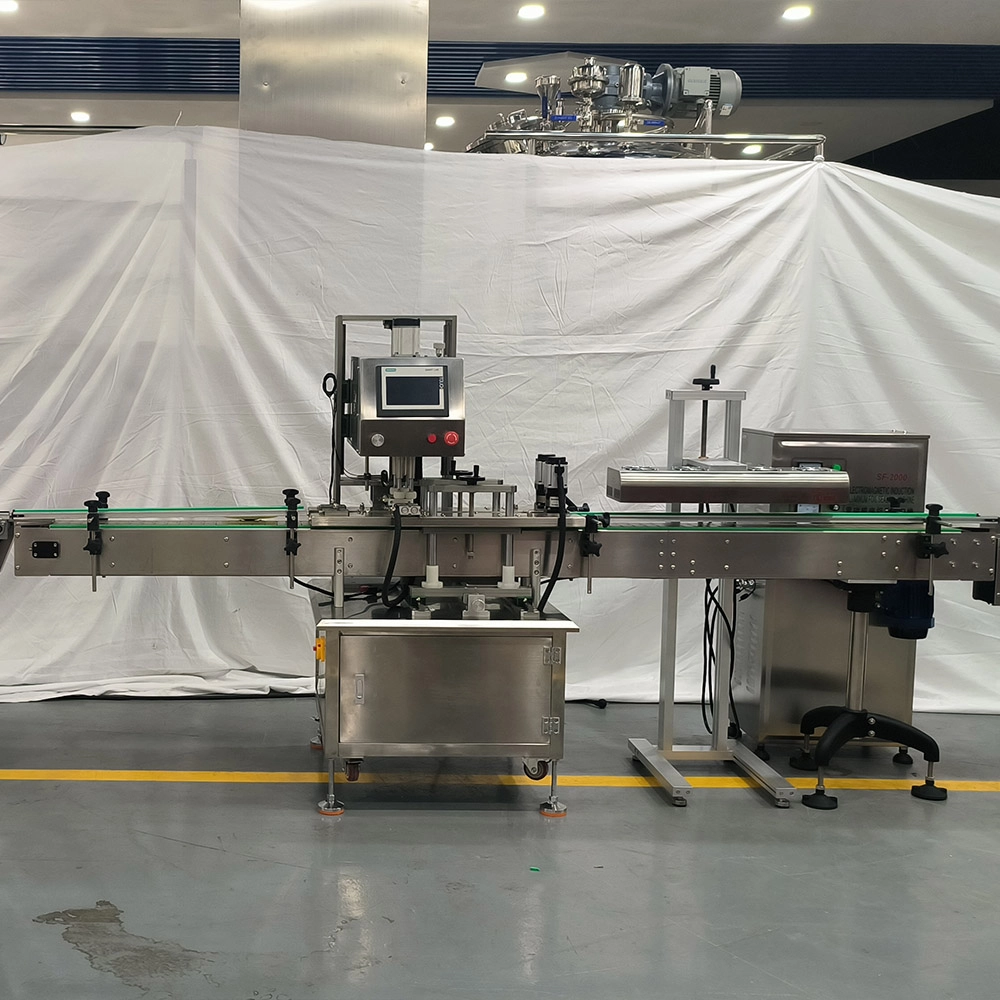
Integrating Automatic Filling Machines into Production Lines
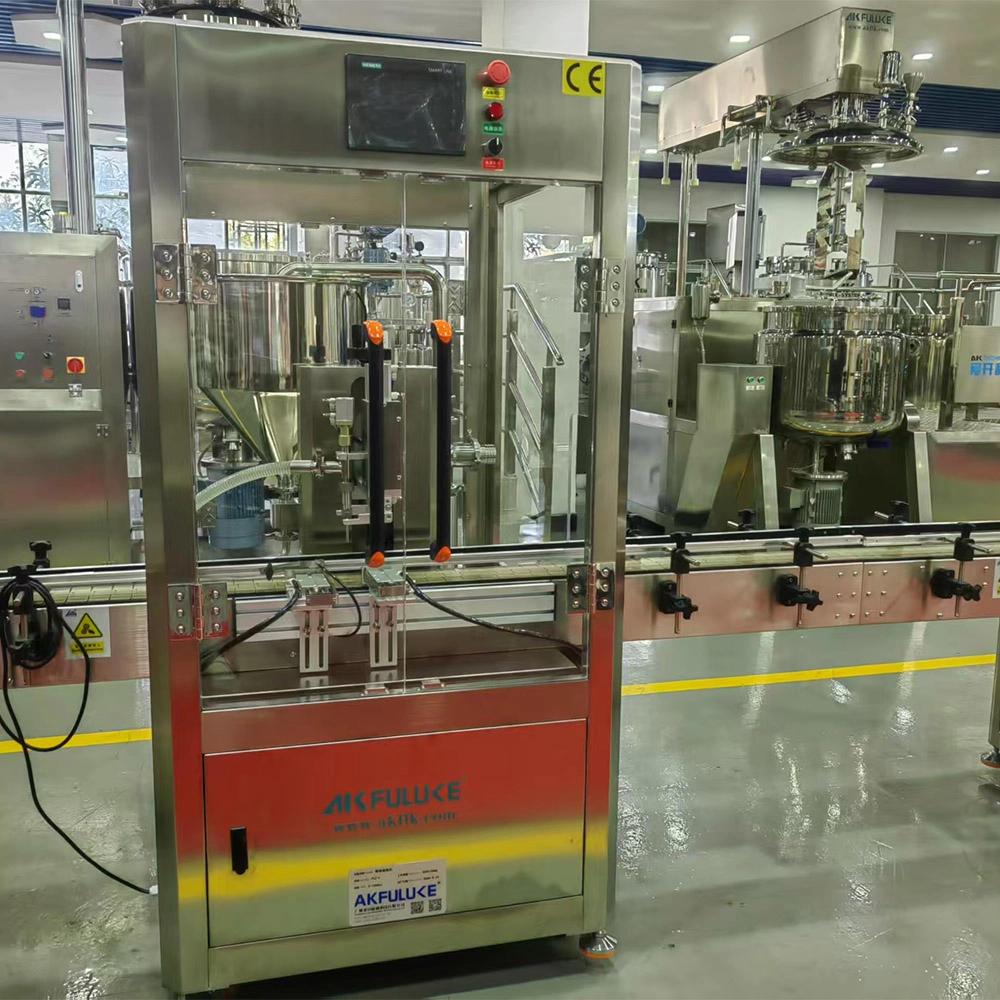
How to Handle Thick Creams in Automatic Fillers
Industrial Mixing Tank Materials: Stainless Steel vs Coated
Perfume Freezing Filter Making Machine
If the liquid is still turbid after filtration, what could be the cause?
Common causes include: ① Insufficient freezing (low temperature or too short a freezing time); ② Clogged filter element or overly large pore size; ③ Uneven material flow leading to insufficient localized condensation. Solution: Extend the freezing time, replace the 0.1μm precision filter element, check the pipes for blockage, and optimize flow control.
Perfume Filling Machine
Can the perfume filling machine accommodate perfume bottles of varying materials and shapes?
Yes. The machine utilizes adjustable mold positions and a PLC control system that allows for one-touch parameter switching, allowing it to accommodate a wide range of bottle shapes, including round, square, and special-shaped ones. The filling capacity range can be flexibly adjusted, and format changeovers take as little as 10 minutes, meeting diverse production needs.
The Flip Cover Liquid Wash Mixing Homogenizing Tank
Is it possible to not have a heating function?
Of course, if your product's production process doesn't require heating and cooling functions, then you can just make it a single-layer pot.
RO Water Treatment
What can you buy from us?
RO Water Treatment、Vacuum Emulsifying Machine、Homogenizer Mixing Tank、Filling and Capping、labeling Machine、Packing Machine、Storage Tank,etc.
Automatic Tube Filling and Sealing Machine
Do you have a complete production line for facial masks?
Of course, we can also provide high-speed facial mask folding machine + online weighing and rejecting machine + automatic sheet counting machine + automatic cartoning machine + automatic three-dimensional cigarette packaging machine + online inkjet printer, etc.
You May Also Like
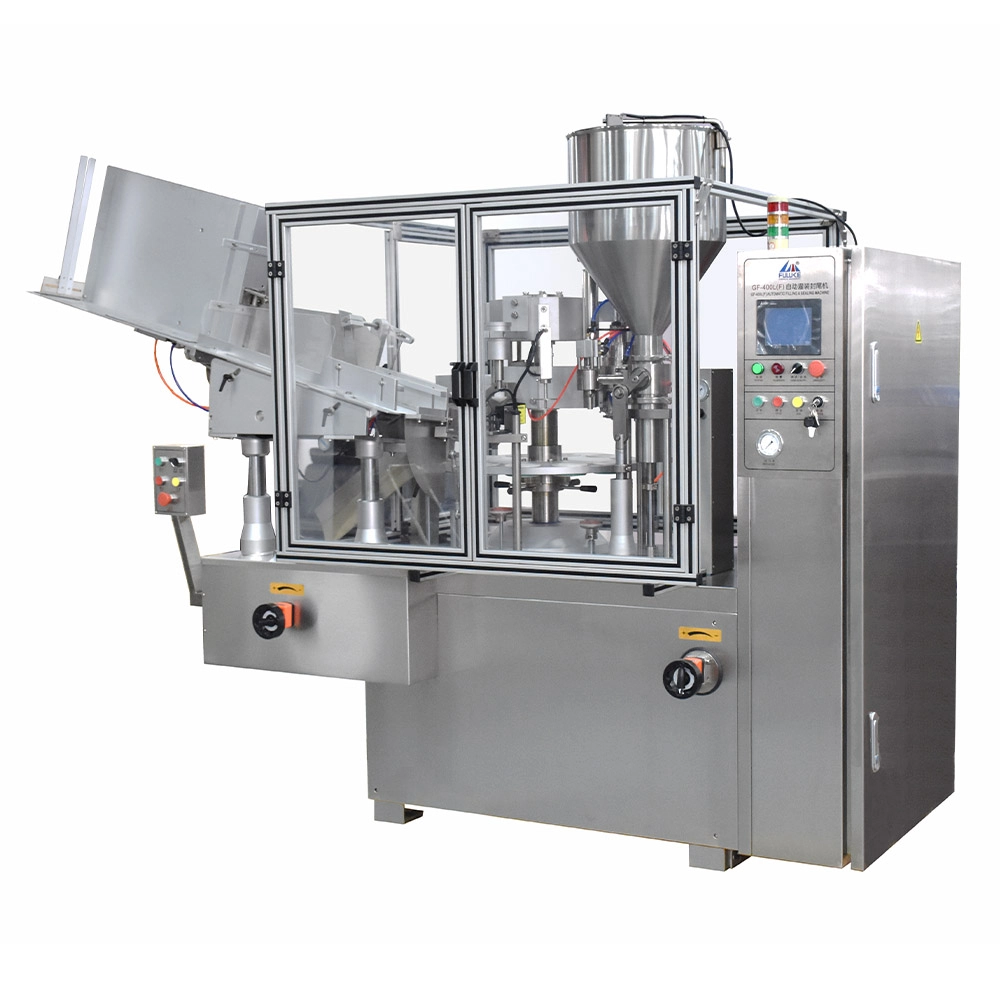
Automatic Tube Filling and Sealing Machine Toothpaste Sunscreen and Facial Cleanser Filling and Sealing Machine for Plastic and Aluminum-plastic Tube
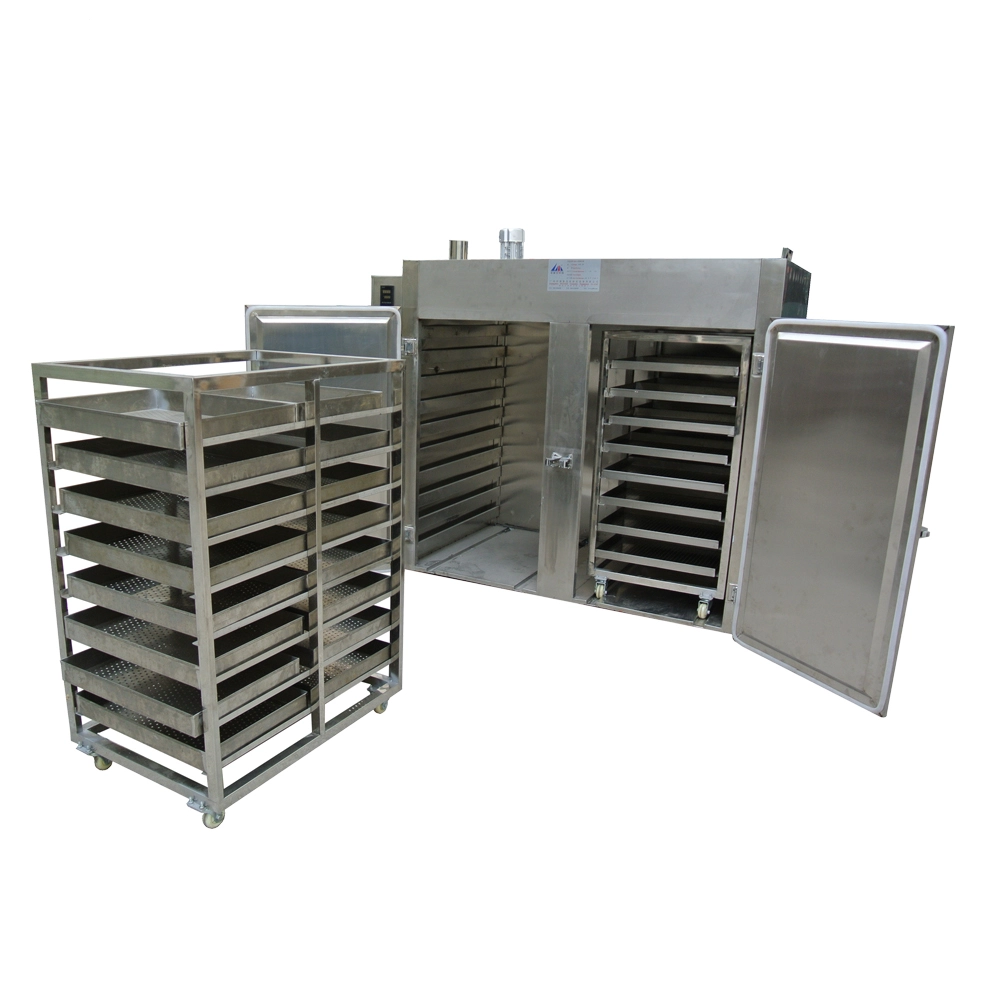
Over for Bottles High Temperature Sterilizer Tray Dryer Large Hot Air Circle Drying Oven for Glass Bottle Jar Cup Can

Automatic Glass Bottle Washing Machine High Quality Glass Bottle Cleaning Washer
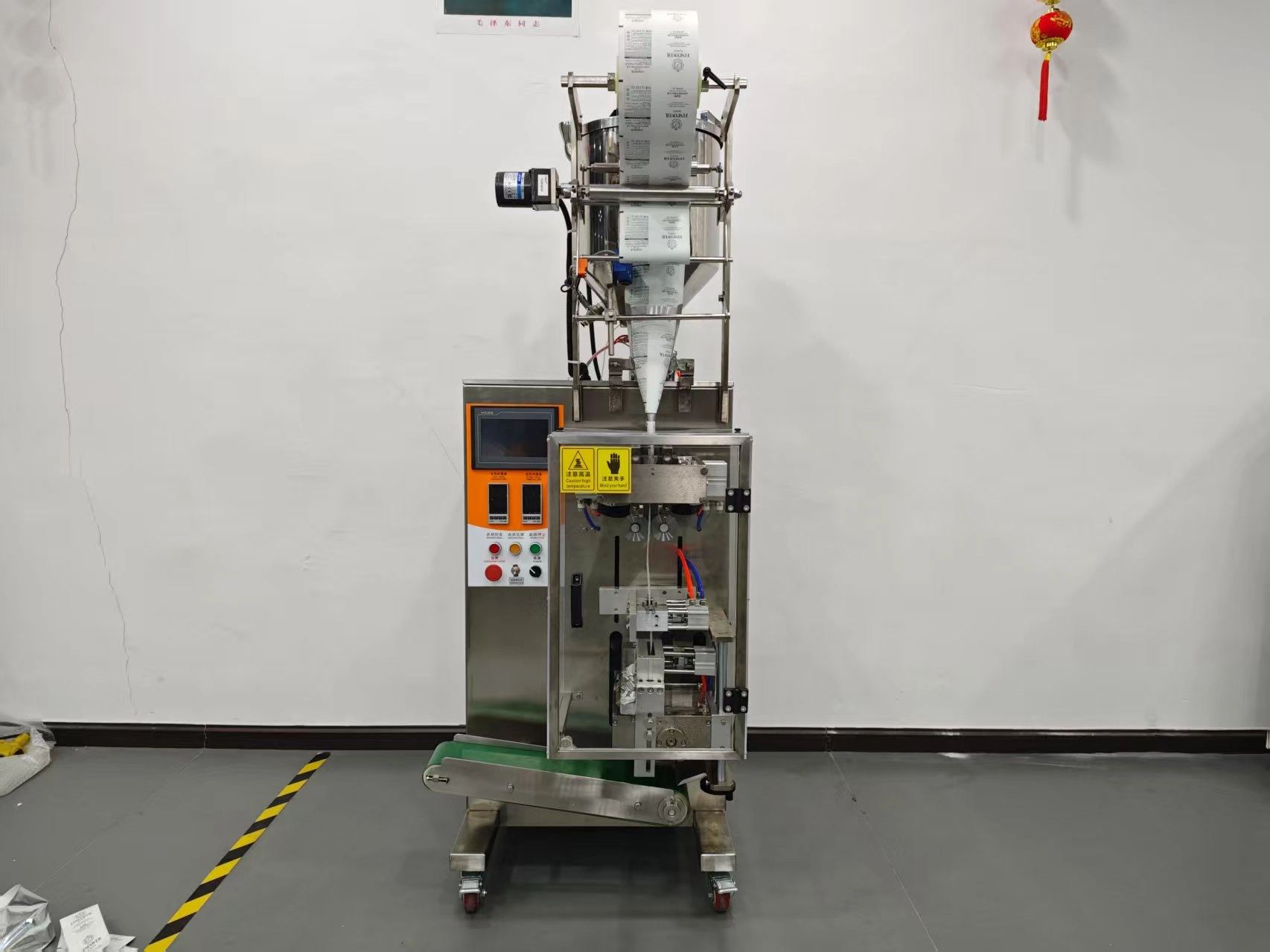
Three-side/four-side sealing bag packaging machine Liquid Paste Jam Cream Sachet Vertical Filling Pouch Packing Machine
Get in touch with FULUKE
If you have any comments or good suggestions, please leave us a message, later our professional staff will contact you as soon as possible.

A leading manufacturer specializing in advanced machinery and complete production lines for the cosmetics, food, pharmaceutical, and chemical industries worldwide.
Contact FULUKE
Facebook
Instagram
YouTube