
Scaling Up Production with Industrial Agitator Mixing Tanks
- Scaling Up Production with Industrial Agitator Mixing Tanks
- Why a mixing tank with agitator is critical for scaling production
- Product spotlight: Stainless Steel Mixer Liquid Mixing tank with Agitator Homogenizing Mixing tank Vacuum Sealed Mixer Machine
- Key technical considerations when choosing a mixing tank with agitator
- How process scale-up is achieved with agitator mixing tanks
- Process control and automation for consistent outputs
- Real-world product examples: cosmetics, foods, and pharmaceuticals
- Comparison: common mixing solutions vs. sealed homogenizing mixing tank
- Designing a production line around your mixing tank with agitator
- Quality assurance: how the right agitator mixing tank improves product stability
- Return on investment (ROI) considerations
- Installation, commissioning and operator training
- Brand advantages: Why choose our sealed homogenizing mixing tank
- Case example: scaling a cosmetic cream from 50 kg to 5000 L
- FAQ — Frequently Asked Questions
- Q1: What is the difference between an agitator and a homogenizer?
- Q2: Can the sealed homogenizing mixing tank handle abrasive solids?
- Q3: How do I scale a laboratory formulation to production?
- Q4: Is the vacuum function necessary?
- Q5: What cleaning options are available?
- Contact us / View product
- Authoritative references
Scaling Up Production with Industrial Agitator Mixing Tanks
Why a mixing tank with agitator is critical for scaling production
When companies move from lab or pilot batches to commercial manufacturing, the choice of process equipment is pivotal. A mixing tank with agitator provides the controlled mechanical energy and fluid dynamics required to scale formulations while preserving product quality, texture and stability. Properly engineered agitator mixing tanks reduce batch variability, shorten processing times, minimize waste and enable repeatable emulsification and homogenization — all essential for scaling production in cosmetics, pharmaceuticals, food and specialty chemicals.
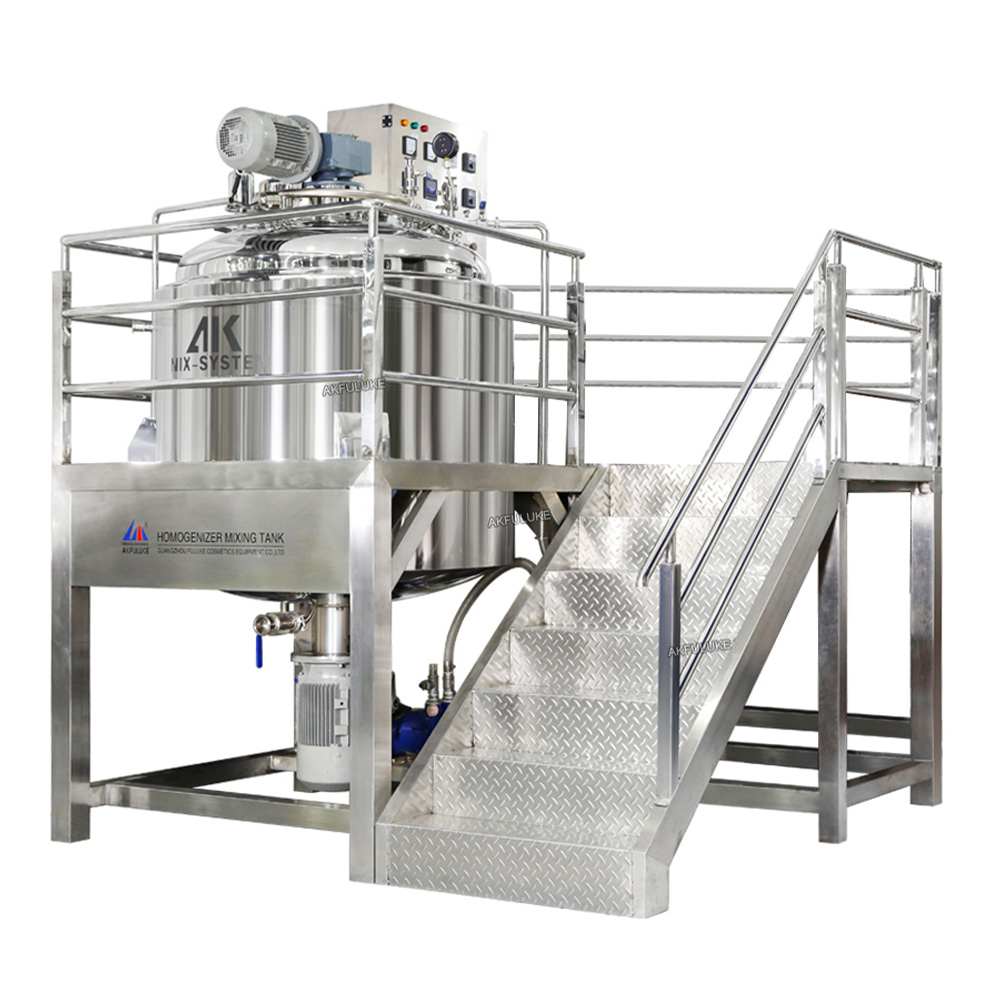
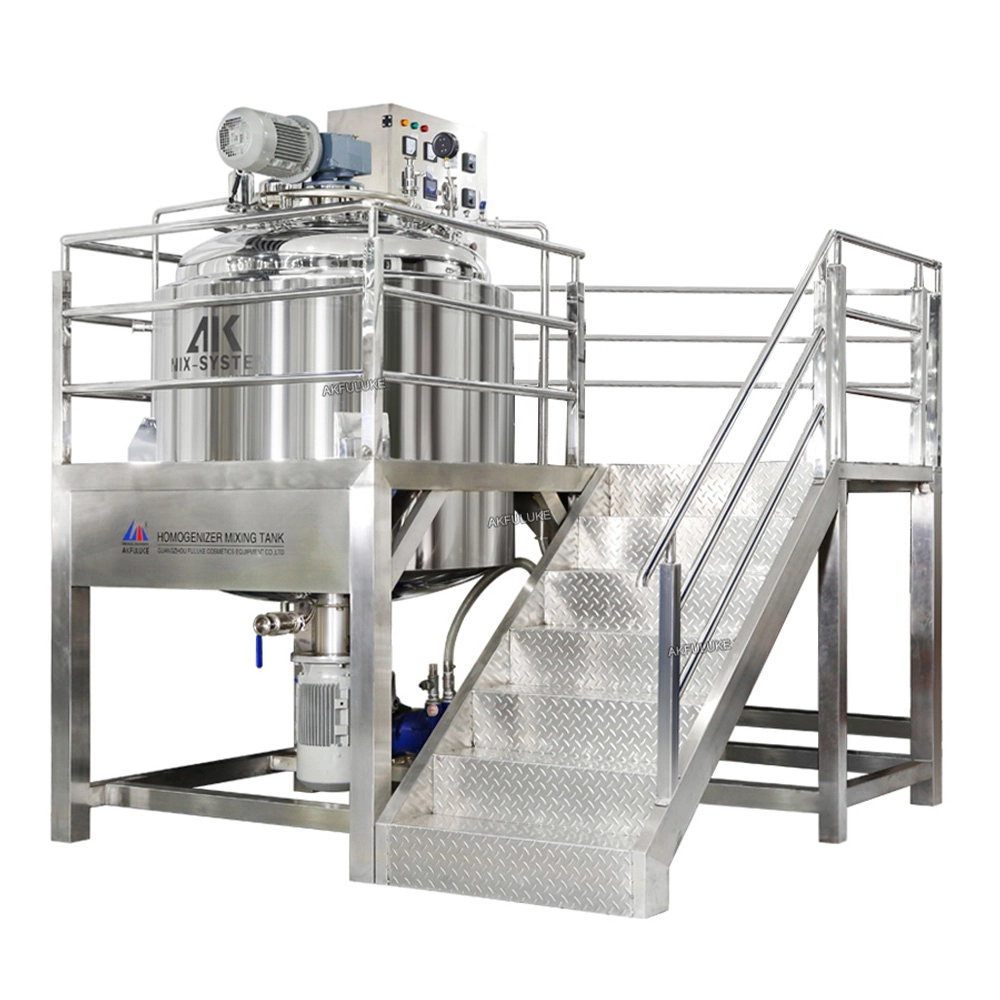
Product spotlight: Stainless Steel Mixer Liquid Mixing tank with Agitator Homogenizing Mixing tank Vacuum Sealed Mixer Machine
The Stainless Steel Mixer Liquid Mixing tank with Agitator Homogenizing Mixing tank Vacuum Sealed Mixer Machine is engineered for industrial-scale material handling. Key features include integrated vacuum defoaming, high-speed homogenization, efficient stirring, and precise temperature control. It is designed to solve mixing, emulsification, homogenization and degassing needs of high-viscosity, multi-phase (solid-liquid, liquid-liquid) materials and is widely used across cosmetics, pharmaceutical, food and chemical industries.
The Sealed Homogenizing mixing tank is an industrial-grade material handling equipment that integrates four core functions: vacuum defoaming, high-speed homogenization, efficient stirring, and precise temperature control. It is widely used in the cosmetics, pharmaceutical, food, chemical and other industries.
It is specially designed to solve the mixing, emulsification, homogenization and degassing needs of high-viscosity, multi-phase (solid-liquid, liquid-liquid) materials. It can produce delicate, stable, bubble-free creams, lotions, gels, ointments, sauces and other products.
Key technical considerations when choosing a mixing tank with agitator
Selecting an agitator mixing tank for scale-up requires assessing process needs, product rheology and operational constraints. Key considerations include:
- Agitator type and geometry: Propellers, anchors, turbines, and high-shear rotors generate distinct flow patterns. High-viscosity cosmetics often use anchor or helical ribbon agitators combined with high-shear homogenizers.
- Power per volume (P/V): Critical for scaling energy input. Maintaining similar P/V helps preserve droplet size distributions and product texture between scales.
- Homogenization capability: Integrated high-speed homogenizers or rotor-stator units reduce particle/droplet size and ensure stability.
- Vacuum and degassing: Vacuum sealed mixers eliminate entrained air and bubbles, essential for cream clarity and shelf stability.
- Temperature control: Jackets or coils with precise PID controllers ensure heat-sensitive active ingredients are protected during processing.
- Materials and hygiene: Stainless steel 316/304 construction, sanitary welds and surface finishes (e.g., Ra ≤ 0.8 µm) maintain product integrity and regulatory compliance.
How process scale-up is achieved with agitator mixing tanks
Scale-up is not a simple linear multiplication of batch size. It requires thoughtful scaling rules to keep critical parameters constant. Typical approaches include:
- Constant power per volume (P/V): Keeps mechanical energy density similar to maintain shear and mixing.
- Geometric similarity: Maintain dimensionless ratios (impeller diameter to tank diameter, baffle width, clearance) when possible.
- Maintain Reynolds and Froude numbers for turbulent or stratified flows: Important for liquid-liquid mixing.
Using a mixing tank with agitator that integrates a high-speed homogenizer and vacuum system simplifies scale-up: homogenizers standardize droplet size independent of jacketed tank scale, and vacuum systems ensure degassing is handled consistently across sizes.
Process control and automation for consistent outputs
To scale successfully, integrate the mixing tank with agitator into a control system that monitors and records:
- Agitator speed (RPM) and torque
- Homogenizer rotor-stator speed and pressure differential
- Vacuum pressure and degassing time
- Jacket temperature and heat transfer rates
- Batch timing and recipe steps
Programmable logic controllers (PLCs) and human-machine interfaces (HMIs) allow recipe storage and repeatability. Data logging supports quality assurance and regulatory audits, which is especially important for pharmaceuticals and regulated cosmetics.
Real-world product examples: cosmetics, foods, and pharmaceuticals
Scaling up with an industrial agitator mixing tank is used across multiple sectors:
- Cosmetics: Emulsions, creams, lotions, and gels benefit from vacuum capped homogenization—producing stable, bubble-free textures.
- Food: Sauces, dressings and spreads require precise shear and temperature control to avoid flavor and texture loss.
- Pharmaceuticals: Suspensions and topical ointments need tight particle size distributions and sterile-compatible materials and seals.
Comparison: common mixing solutions vs. sealed homogenizing mixing tank
Choosing the right solution means comparing attributes. The table below summarizes typical trade-offs.
| Attribute | Standard Tank + Propeller | High-Shear Inline Homogenizer | Sealed Homogenizing Mixing Tank (product) |
|---|---|---|---|
| Best for | Low-viscosity liquids, basic blending | Droplet/particle size reduction, continuous processing | High-viscosity, multi-phase, batch homogenization with degassing |
| Degassing | Limited | Requires separate unit | Integrated vacuum defoaming |
| Process repeatability | Moderate | High for inline stages | High (recipe control, homogenizer + vacuum) |
| Suitable for high viscosity | Limited | Depends on feed handling | Designed for high viscosity and solids content |
| Hygiene/cleanability | Variable | Good | Sanitary design, CIP options |
Designing a production line around your mixing tank with agitator
Consider the mixing tank with agitator as part of a larger manufacturing cell. Layout considerations include:
- Feed systems for powders and liquids: accurate dosing reduces rework.
- Heating/cooling utilities: capacity must match heat transfer needs during scale-up.
- Material handling and CIP: ensure access for cleaning and maintenance to limit downtime.
- Integration with downstream filling or packaging equipment: match cycle times and batch sizes to line speed.
Planning utilities (steam, hot water, chilled water, vacuum) and spare parts (seals, homogenizer rotors, bearings) during the procurement phase reduces commissioning time and risk.
Quality assurance: how the right agitator mixing tank improves product stability
Product stability hinges on droplet/particle size distributions, absence of entrained air, and consistent thermal history. The sealed homogenizing mixing tank delivers:
- Consistent homogenization that narrows particle size distribution for long-term stability
- Vacuum degassing to remove entrapped air that causes oxidation or visual defects
- Accurate temperature control to prevent heat degradation of actives
These attributes reduce batch failure rates and extend shelf life — concrete benefits during scaling where small deviations are amplified.
Return on investment (ROI) considerations
Investing in a high-quality mixing tank with agitator may have a higher initial cost than simple tanks, but cost savings accrue from:
- Reduced cycle times and higher throughput
- Lower scrap and rework due to better product consistency
- Decreased labor and cleaning time with integrated features (CIP, vacuum)
- Fewer complaints and returns thanks to consistent product quality
Quantifying ROI requires mapping current production KPIs (yield, cycle time, defect rate) and projecting improvements expected after implementation.
Installation, commissioning and operator training
Successful scaling depends on proper installation and training. Recommended steps:
- Pre-installation site survey for utilities, floor loading and access
- Factory Acceptance Testing (FAT) with customer witness to verify performance
- On-site commissioning (SAT) to validate process recipes in production conditions
- Operator and maintenance training for routine operation, cleaning and troubleshooting
Documented SOPs and preventive maintenance plans maximize uptime and extend equipment life.
Brand advantages: Why choose our sealed homogenizing mixing tank
Our Stainless Steel Mixer Liquid Mixing tank with Agitator Homogenizing Mixing tank Vacuum Sealed Mixer Machine stands out for industrial scale-up because of:
- Integrated functions: Homogenization, vacuum degassing, agitation and precise temperature control in one sealed unit reduces line complexity.
- Sanitary design: 316L/304 stainless steel, polished interiors and sanitary fittings ease cleaning and regulatory compliance.
- Flexible configurations: Modular homogenizer sizes, agitator types and jackets adapt to product formulations and throughput targets.
- Automation-ready: PLC/HMI with recipe control enables consistent scale-up from pilot to full production.
- Global support: Documentation, spare parts and service agreements tailored to industrial customers.
Case example: scaling a cosmetic cream from 50 kg to 5000 L
A mid-size cosmetics firm scaled a face cream recipe from 50 kg lab batches to a 5000 L commercial agitator mixing tank. By maintaining constant P/V and using the integrated homogenizer and vacuum degassing, they achieved:
- Equivalent droplet size distribution (measured by laser diffraction)
- Reduced processing time per batch by 25%
- Lower rejection rate due to entrained air from 6% to under 1%
This demonstrates how the right mixing tank with agitator enables predictable scale-up and measurable productivity gains.
FAQ — Frequently Asked Questions
Q1: What is the difference between an agitator and a homogenizer?
A: An agitator provides bulk mixing and bulk flow patterns in a tank; a homogenizer (high-shear rotor-stator or high-pressure device) provides intensive shear to reduce droplet or particle size. The two are complementary: agitators ensure uniform bulk conditions while homogenizers refine microstructure.
Q2: Can the sealed homogenizing mixing tank handle abrasive solids?
A: The system can handle slurries with solids if configured with appropriate rotor materials and hardened seals. For highly abrasive materials, component selection (wear plates, rotor materials) and maintenance planning are required.
Q3: How do I scale a laboratory formulation to production?
A: Use scale-up rules such as constant P/V, maintain geometric ratios where possible, and validate critical quality attributes (particle/droplet size, viscosity, pH, stability). Pilot runs in an intermediate tank are recommended before full-scale production.
Q4: Is the vacuum function necessary?
A: Vacuum degassing is essential for many cosmetic and food products that must be bubble-free for appearance and stability. It also reduces oxidation and microbial entrapment risks.
Q5: What cleaning options are available?
A: The tank supports Clean-In-Place (CIP) systems. Sanitary design features like sloped bottoms, drain ports and accessible seals help ensure thorough cleaning and reduce cross-contamination risk.
Contact us / View product
Ready to scale your production with a proven mixing tank with agitator? Contact our sales team for technical specifications, FAT options and turnkey solutions. As production capacity expands, buyers frequently reassess equipment strategy—returning to choosing the right mixing tank with agitator for production lines to support the next phase of growth.To view the product or request a quote, email sales@example.com or call +1-800-123-4567. Ask about onsite demonstrations and ROI assessments.
Authoritative references
- Mixers (machine) — Wikipedia
- Homogenization (chemistry) — Wikipedia
- U.S. Food and Drug Administration (FDA)
- International Organization for Standardization (ISO)
For detailed specifications, validation support and customization, contact our engineering team. We provide installation, commissioning and training packages to ensure successful scale-up and reliable operations.
Cost of Ownership: Stainless Steel Mixing Tank ROI Analysis
Choosing the Right Mixing Tank for High-Volume Liquid Production
Stainless Steel Mixer Benefits for Liquid Processing Procurement
Cleaning and Sanitation Tips for Cream and Lotion Fillers
FAQs
What sets FULUKE apart from other cosmetics machinery manufacturers?
The Flip Cover Liquid Wash Mixing Homogenizing Tank
Can you customize the machine?
Of course, we provide customized services according to customer needs.
Perfume Filling Machine
Can you customize the machine?
Of course, we provide customized services according to customer needs.
Film Packaging Machine
What packaging materials are suitable for this equipment?
It is suitable for transparent paper, BOPP film, and PVC materials.
Inkjet Printing Machine
What content can an inkjet printer print?
It can print text, time, date (Julian Year), logo, shift, SN, Dynamic Barcode/OR Code, Dynamic Serial Data, and Dynamic Database (additional content can be added as required).
You May Also Like
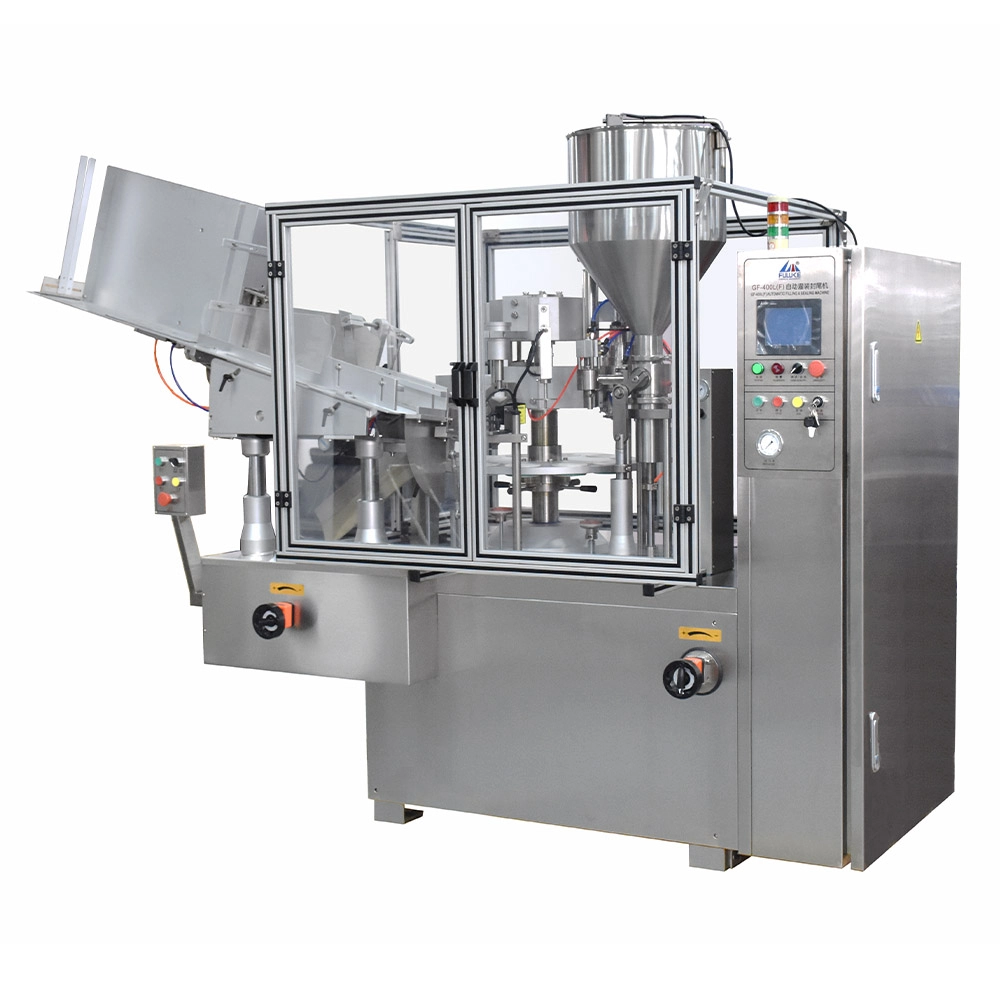
Automatic Tube Filling and Sealing Machine Toothpaste Sunscreen and Facial Cleanser Filling and Sealing Machine for Plastic and Aluminum-plastic Tube
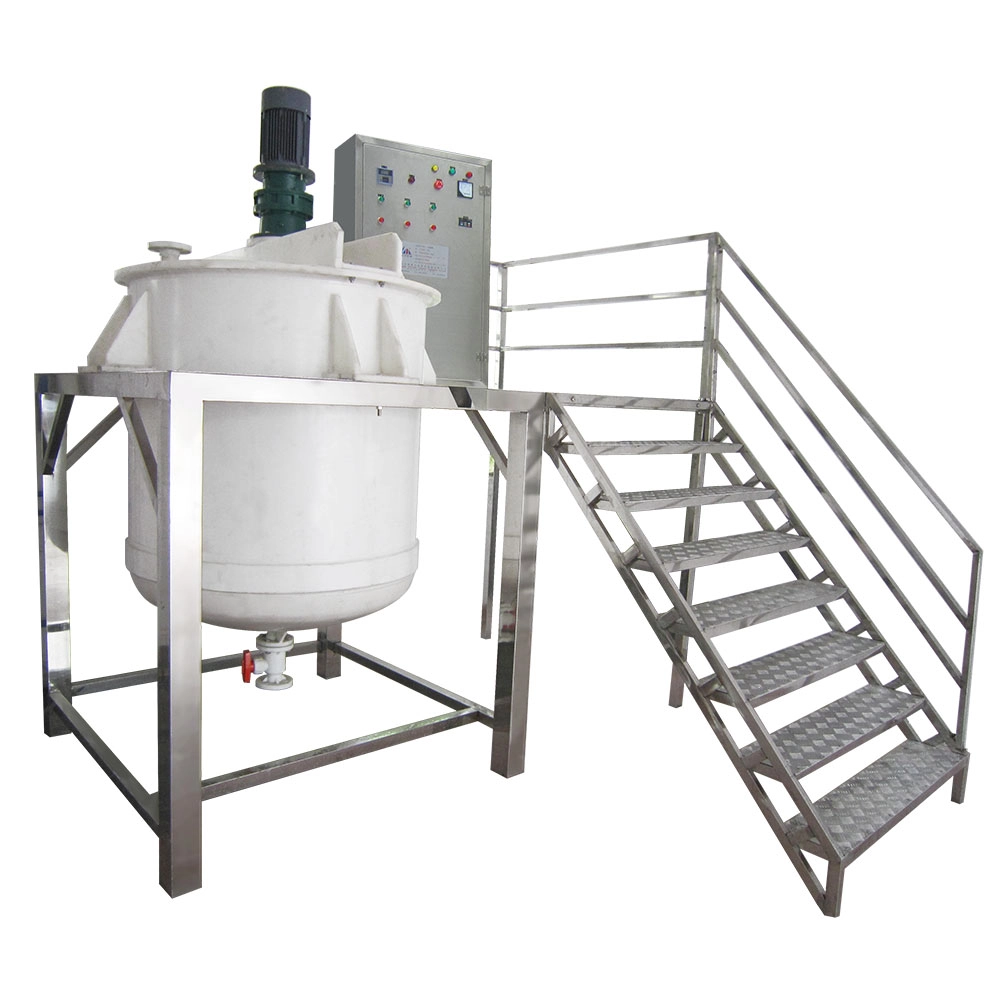
Polypropylene PP Mixing Tank Anti-Corrosion Mixer Reaction Kettle with Agitator Chemical Mixing Vessel
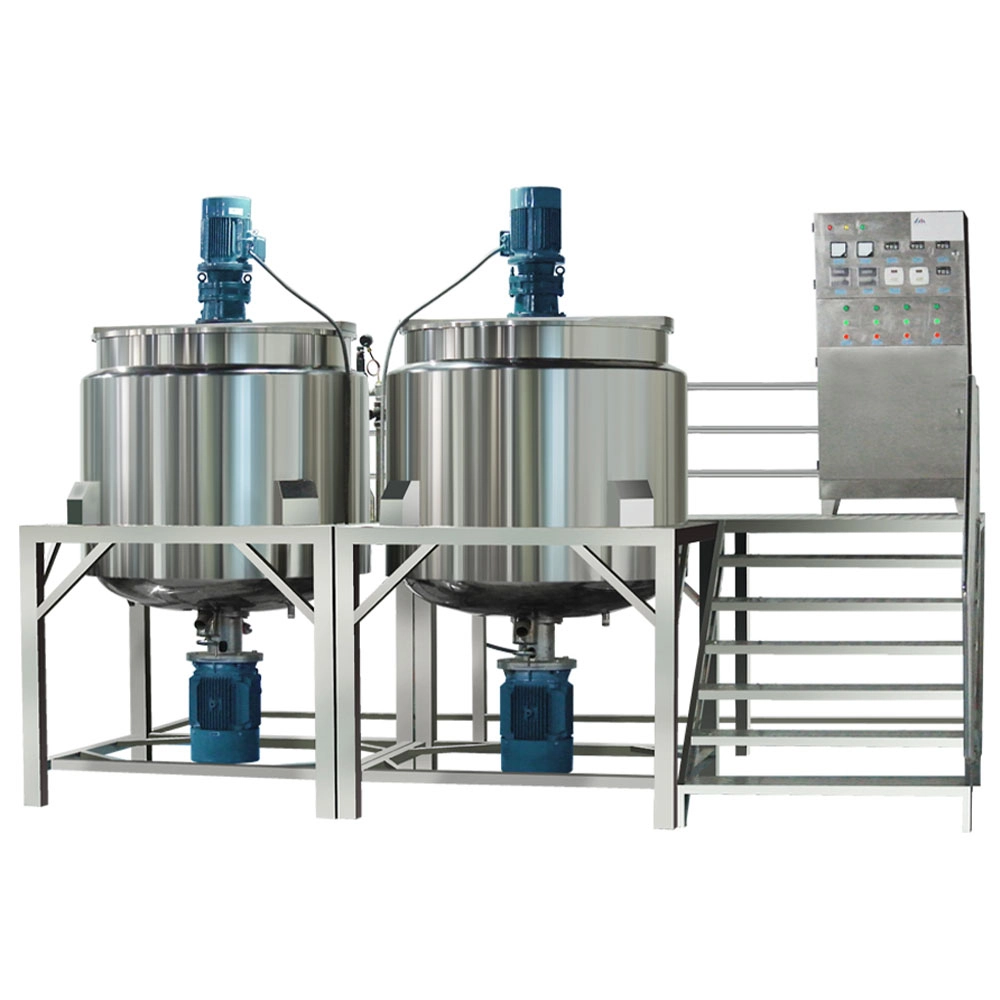
Flip Cover Multi-function Liquid Wash Mixing Tank Blender Liquid Detergent Mixer Homogenization Stirring Tank
Stainless Steel Mixer Liquid Mixing tank with Agitator Homogenizing Mixing tank Vacuum Sealed Mixer Machine
Get in touch with FULUKE
If you have any comments or good suggestions, please leave us a message, later our professional staff will contact you as soon as possible.

A leading manufacturer specializing in advanced machinery and complete production lines for the cosmetics, food, pharmaceutical, and chemical industries worldwide.
Contact FULUKE
Facebook
Instagram
YouTube