
Tips for Scaling Production with Modular Filling Machines
- Why modular filling machines accelerate scale-up
- Benefits of modular design for liquid filling machine applications
- How modular systems support different product types and containers
- Evidence and industry expectations
- Design and operational strategies for reliable scale-up
- Choose the right modular architecture
- Integrate automation and process controls
- Plan for sanitation and changeover
- Validation, compliance and quality during scaling
- Regulatory considerations and GMP compliance
- Validation and IQ/OQ/PQ for modular systems
- Data, traceability and batch control
- Practical steps and examples to scale quickly and safely
- Phased implementation roadmap
- Maintenance, spare parts, and workforce planning
- Cost-benefit comparison: Modular vs. traditional fixed-line
- Product spotlight: Automatic Filling Machine Quantitative Liquid Bottle Filling Machine High-precision cream and lotion filling machine
- Why this kind of machine works well for scaling
- Key configuration and add-on modules to consider
- Common bottlenecks and troubleshooting when scaling
- Filling accuracy drifts at higher speeds
- Increased downtime due to cleaning and changeovers
- Supply chain and parts shortages
- References and further reading
- FAQ
- Q1: What is the advantage of a modular liquid filling machine versus buying a larger, fixed machine?
- Q2: How do I validate a new module added to an existing filling line?
- Q3: Are modular systems suitable for creams and lotions?
- Q4: How can I reduce downtime during SKU changeovers?
- Q5: How should I plan spare parts and service contracts when scaling?
Scaling production in cosmetics and allied industries requires equipment that balances speed, precision, flexibility, and regulatory compliance. Modular liquid filling machines offer a pathway to increase capacity incrementally while keeping product quality consistent. This guide provides actionable tips for planners, engineers, and production managers who want to scale with modular filling systems—covering selection criteria, automation integration, GMP considerations, validation and commissioning, and real-world operational tactics.
Why modular filling machines accelerate scale-up
Benefits of modular design for liquid filling machine applications
Modularity lets you add or reconfigure filling heads, conveyor segments, and ancillary modules (cappers, labelers, rejects) as demand grows. For manufacturers of creams, lotions and other viscous products, modular systems reduce the need for expensive line replacements and allow capacity to scale in smaller, predictable increments. This is especially important when managing multiple SKUs, short product life cycles, or rapidly changing order profiles.
How modular systems support different product types and containers
Modern modular filling platforms support a wide range of container geometries—glass, PET, jars, tubes—and product rheologies from low-viscosity liquids to emulsions and creams. A modular liquid filling machine can switch between piston fillers, peristaltic pumps, or time-pressure heads depending on product needs, reducing the number of dedicated lines required.
Evidence and industry expectations
Guidance on equipment design and manufacturing best practices for cosmetic and pharmaceutical production emphasizes flexibility and risk mitigation through validated processes. Standards such as ISO 22716 (cosmetics GMP) and regulatory expectations for pharmaceutical GMPs encourage designs that maintain product quality during scaling. See ISO 22716 for cosmetics good manufacturing practices (ISO 22716) and FDA guidance on current Good Manufacturing Practice (FDA cGMP resources).
Design and operational strategies for reliable scale-up
Choose the right modular architecture
Select a modular filling platform that supports incremental throughput scaling—e.g., adding additional filling heads or parallel lanes. Consider systems where mechanical modules have unified electrical and control interfaces so additional modules integrate with minimal rewiring or software reconfiguration. Evaluate compatibility with your target speeds (bottles per minute) and product viscosities.
Integrate automation and process controls
Advanced PLC/HMI control and centralized recipe management reduce human error during scale-up. A touchscreen interface for quick parameter changeover reduces downtime when switching SKUs. Look for a liquid filling machine with intelligent controls that log production data for traceability and enable remote monitoring. Such data can be used for predictive maintenance and capacity planning.
Plan for sanitation and changeover
For creams and lotions, quick and effective Clean-in-Place (CIP) or fast disassembly designs are critical. Modular designs should minimize dead legs and permit quick swap of product-contact parts (ideally 316L/304 stainless steel components compliant with GMP). Designing cleaning cycles into SOPs and automating key steps reduces downtime during scale-up when changeovers become more frequent.
Validation, compliance and quality during scaling
Regulatory considerations and GMP compliance
As you scale, maintaining product quality and compliance becomes more challenging. ISO 22716 provides a specific framework for cosmetics GMPs, and manufacturers should align procedures with applicable national regulations. For pharmaceutical-grade products, FDA and WHO GMP requirements may apply. Reference: WHO Good Manufacturing Practices guidance (WHO GMP overview).
Validation and IQ/OQ/PQ for modular systems
Each new module or reconfiguration must be validated. Follow a staged validation plan—Installation Qualification (IQ), Operational Qualification (OQ), and Performance Qualification (PQ)—to ensure the modular filling line meets accuracy, repeatability, and throughput targets. Use standardized test protocols for fill volume accuracy, weight variation, and leak testing, and maintain traceable records for audits.
Data, traceability and batch control
Implement electronic batch records (EBR) and data logging to capture fill parameters, recipe versions, operator actions, and alarm events. This not only supports regulatory compliance but provides the analytics needed to identify bottlenecks and guide further scaling decisions.
Practical steps and examples to scale quickly and safely
Phased implementation roadmap
A phased approach reduces risk: pilot → scale-out → scale-up. Start with a single modular lane configured for the highest-priority SKU. Validate performance, train operators, and refine SOPs. Then add lanes or heads in controlled increments. This reduces the impact on ongoing production and allows lessons learned to be applied progressively.
Maintenance, spare parts, and workforce planning
Scaling increases the importance of a reliable maintenance program. Maintain critical spare parts inventory for pumps, seals, sensors, and nozzles. Train cross-functional teams on changeover, preventive maintenance, and quick troubleshooting. Predictive maintenance, driven by logged equipment data, minimizes unplanned downtime.
Cost-benefit comparison: Modular vs. traditional fixed-line
Below is a high-level comparison to help justify investment decisions.
| Metric | Modular Filling Machine | Traditional Fixed-Line |
|---|---|---|
| Initial capex | Moderate (scalable increments) | High (full-line purchase) |
| Time to scale | Short (add modules) | Long (new line installation) |
| Flexibility | High (multi-SKU, reconfigurable) | Low (dedicated product lines) |
| Downtime for changeover | Low (quick-change parts, recipes) | High (mechanical adjustments) |
| Compliance & validation effort | Manageable (module-level IQ/OQ/PQ) | Intensive (entire line revalidation) |
Product spotlight: Automatic Filling Machine Quantitative Liquid Bottle Filling Machine High-precision cream and lotion filling machine
The following product illustrates how modular, automated filling solutions can enable scalable production:
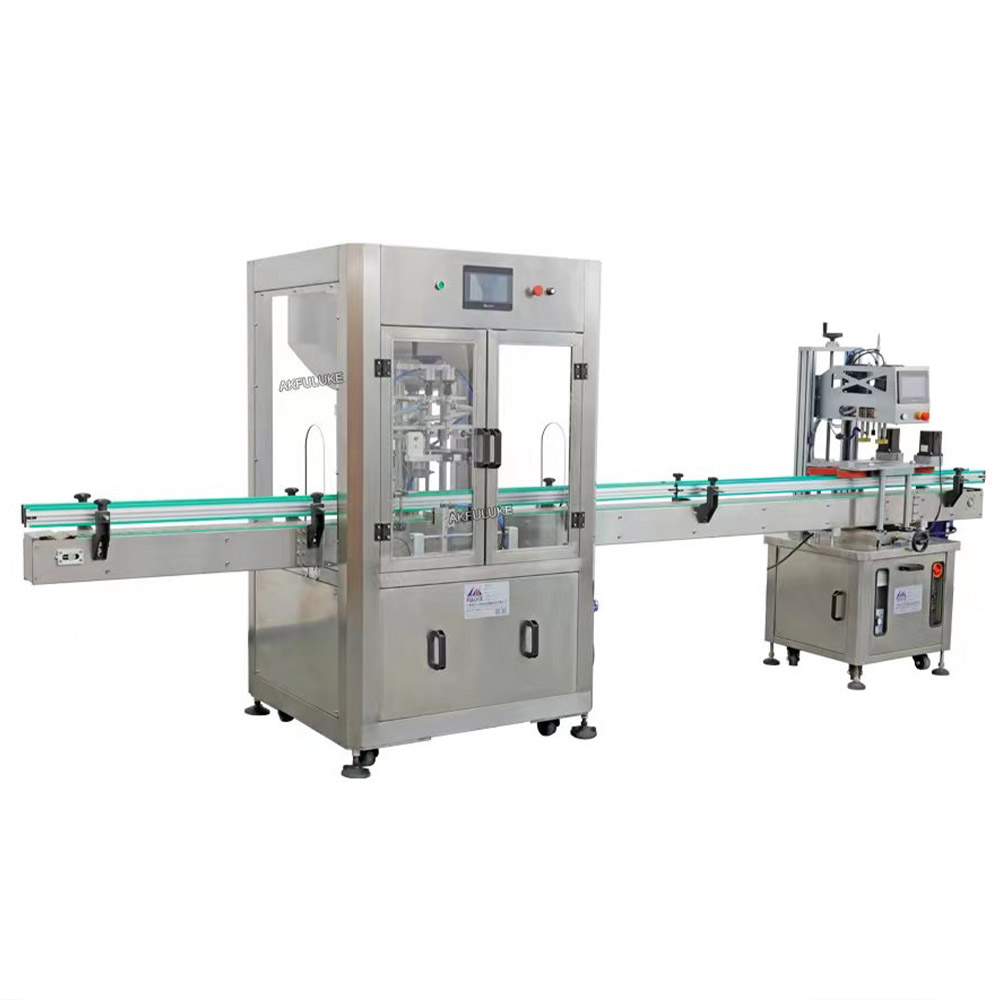
The automatic filling machine integrates automated conveying, precision filling, and intelligent control for packaging creams, lotions, and liquids. Suitable for a variety of containers, including glass and PET bottles, it can fill liquids, emulsions, and pastes with high precision.
Constructed with 316L/304 stainless steel contact components and compliant with GMP standards, it features a touchscreen interface for quick parameter adjustment and completes the entire process without manual intervention. Widely used in the cosmetics, food, daily chemical, pharmaceutical, and chemical industries, it helps companies reduce costs, increase efficiency, and ensure product standardization.
Why this kind of machine works well for scaling
This automatic filling machine combines precision dosing, sanitary design, and intelligent controls—key characteristics for scalable production. The use of standardized sanitary components (316L/304 stainless steel) simplifies cleaning validation and supports compliance with GMP expectations for cosmetic production.
Key configuration and add-on modules to consider
- Additional filling heads or parallel lanes to increase throughput
- In-line viscosity control and temperature-stable product tanks for creams and lotions
- Automated capping and labeling modules to create complete packaging islands
- Recipe-based HMI integration for fast changeovers
Common bottlenecks and troubleshooting when scaling
Filling accuracy drifts at higher speeds
Root causes often include pump wear, air entrainment, or inconsistent supply pressure. Remedy by implementing scheduled calibration, replacing worn seals, using degassing or feed pumps, and monitoring fill weights with inline check-weighers linked to the control system.
Increased downtime due to cleaning and changeovers
Optimize with quick-change nozzles, standardized gaskets, and validated CIP cycles. Automate rinse and detergent dosing where possible and include cleaning cycles in shift planning to minimize impact on production targets.
Supply chain and parts shortages
Maintain a critical spare parts list and vendor agreements for prioritized service. For modular systems, standardize on supplier part numbers across lines to reduce SKUs in your spare parts inventory.
References and further reading
For deeper technical and regulatory context, consult:
- Filling machine — Wikipedia
- ISO 22716 — Cosmetics — Good Manufacturing Practices (ISO)
- FDA — Drug Manufacturing & cGMP
- WHO — Good Manufacturing Practices (GMP)
FAQ
Q1: What is the advantage of a modular liquid filling machine versus buying a larger, fixed machine?
A modular liquid filling machine allows incremental capacity increases, quicker ROI, and greater flexibility for multi-SKU production. It lowers the risk of over-investment and simplifies changeovers and maintenance compared with a single large fixedline.
Q2: How do I validate a new module added to an existing filling line?
Perform IQ/OQ/PQ on the new module focusing on mechanical installation, control integration, and performance targets (fill accuracy, throughput, safety interlocks). Re-run critical tests such as weight variation and leak tests for the combined system and update electronic batch records and SOPs.
Q3: Are modular systems suitable for creams and lotions?
Yes. Modular platforms that offer piston or progressive cavity pumps, heated tanks, and sanitary 316L contact parts are well-suited to viscous formulations like creams and lotions. Design choices (nozzle geometry, pump type) should match product rheology.
Q4: How can I reduce downtime during SKU changeovers?
Standardize packaging interfaces, use quick-change product contact parts, implement recipe-driven HMI, and schedule preventive maintenance. Automate as much of the cleaning and ingredient flushing as possible and keep validated cleaning cycles concise.
Q5: How should I plan spare parts and service contracts when scaling?
Identify critical wear items and maintain a minimum stock based on mean time to failure and supplier lead times. Negotiate service-level agreements (SLAs) with vendors for prioritized support during expansions and fluctuations in demand.
Want to see how a modular liquid filling solution can support your growth? View the Automatic Filling Machine Quantitative Liquid Bottle Filling Machine High-precision cream and lotion filling machine on our product page or contact our sales engineers for a tailored capacity plan: View product details or email sales@example.com.
Maintenance Plan to Maximize Uptime of Industrial RO Units
Choosing Between Single and Multi-Head Filling Machines
Quantitative Bottle Filling: Improve Accuracy for Creams
Vacuum Sealed Mixer Machine: Compliance and Quality Control
Automatic Tube Filling and Sealing Machine
Can you make a design for us?
Yes, we can, we provide not only products, but also solutions and designs.
Perfume Freezing Filter Making Machine
Does the filtration process cause loss of fragrance components?
High-quality equipment uses a gradient filtration design (such as a 0.22μm precision filter membrane) to capture only condensed impurities and avoid adsorbing active fragrance molecules.
Film Packaging Machine
What packaging materials are suitable for this equipment?
It is suitable for transparent paper, BOPP film, and PVC materials.
Inkjet Printing Machine
The printer isn't printing properly after a long period of inactivity. Is the printhead broken?
The printhead is most likely clogged due to dried ink, rather than complete damage. Prolonged inactivity is one of the main causes of inkjet printer clogs. Ink dries in the tiny nozzles, hindering ink flow. Try performing the automatic printhead cleaning procedure 2-3 times. If this doesn't work, remove the printhead, soak it in anhydrous alcohol for half an hour, then rinse (this requires professional operation; novice printers are advised to have the printer serviced). After the alcohol has completely evaporated, reinstall and test. It's recommended to perform a self-check at least once a week to prevent the printhead from drying out.
Sealed Homogenizing Mixing Tank
Is it possible to not have a heating function?
Of course, if your product's production process doesn't require heating and cooling functions, then you can just make it a single-layer pot.
You May Also Like
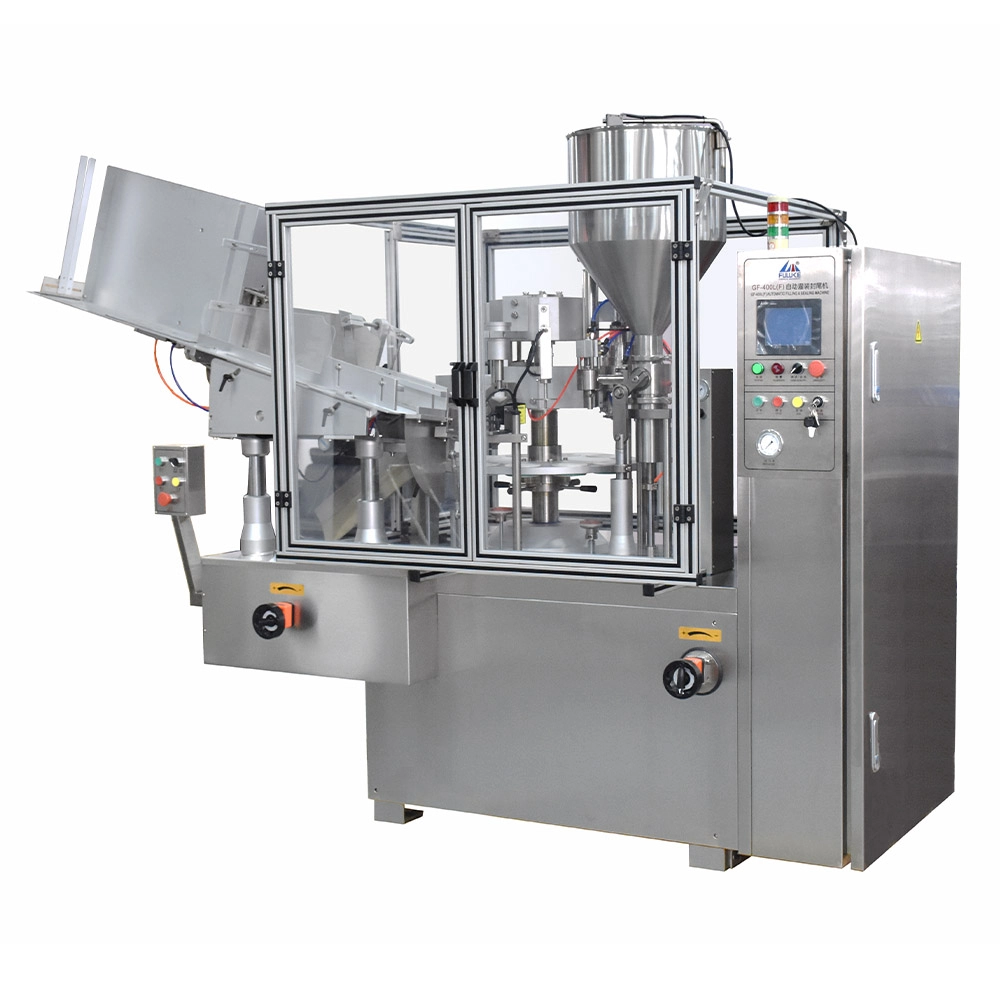
Automatic Tube Filling and Sealing Machine Toothpaste Sunscreen and Facial Cleanser Filling and Sealing Machine for Plastic and Aluminum-plastic Tube
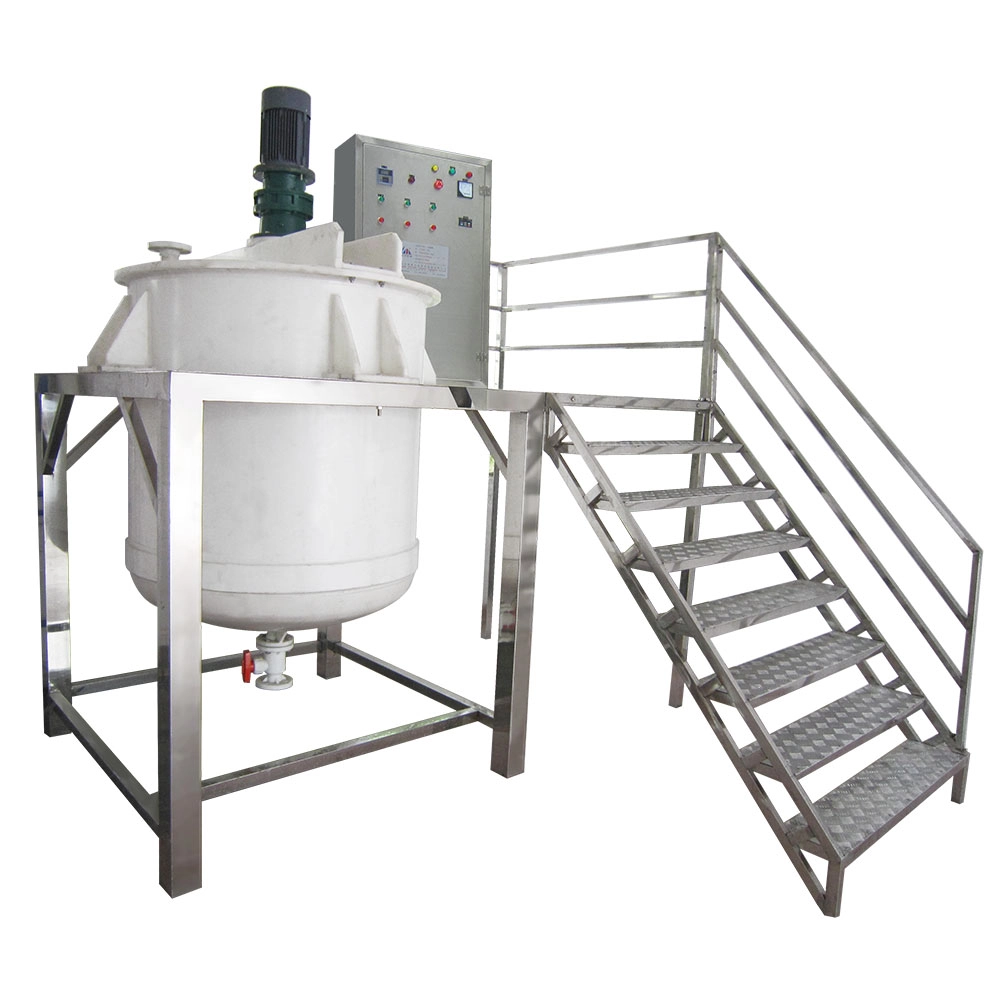
Polypropylene PP Mixing Tank Anti-Corrosion Mixer Reaction Kettle with Agitator Chemical Mixing Vessel
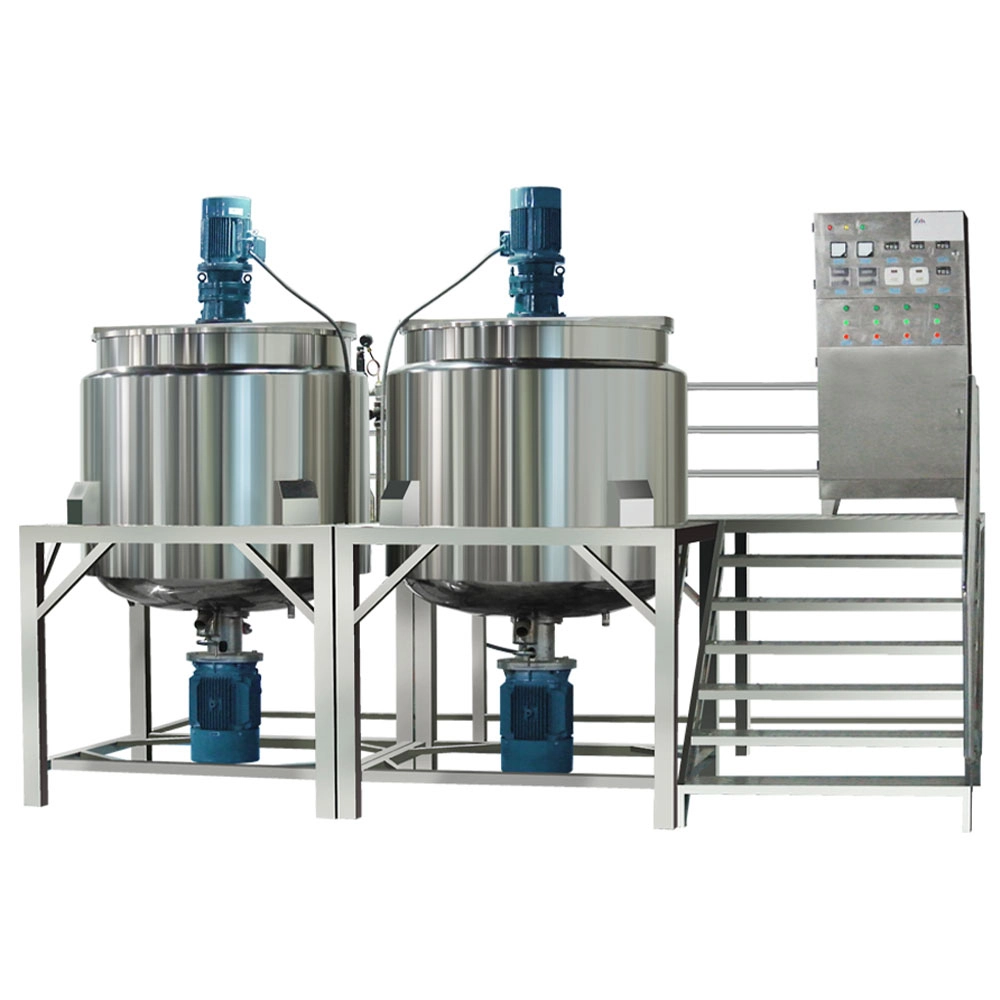
Flip Cover Multi-function Liquid Wash Mixing Tank Blender Liquid Detergent Mixer Homogenization Stirring Tank
Stainless Steel Mixer Liquid Mixing tank with Agitator Homogenizing Mixing tank Vacuum Sealed Mixer Machine
Get in touch with FULUKE
If you have any comments or good suggestions, please leave us a message, later our professional staff will contact you as soon as possible.

A leading manufacturer specializing in advanced machinery and complete production lines for the cosmetics, food, pharmaceutical, and chemical industries worldwide.
Contact FULUKE
Facebook
Instagram
YouTube