
Sealing Integrity: Ensuring Quality in Toothpaste and Sunscreen Tubes
- Sealing Integrity: Why It Matters for Toothpaste, Sunscreen and Facial Cleanser Tubes
- Understanding the role of the Filling machine in seal quality
- Product Overview: Automatic Tube Filling and Sealing Machine Toothpaste Sunscreen and Facial Cleanser Filling and Sealing Machine for Plastic and Aluminum-plastic Tube
- Common Failure Modes of Tube Seals and How a Filling machine Prevents Them
- Materials Matters: Plastic vs Aluminum-plastic Tubes and Sealing Considerations
- Key Machine Features that Ensure Reliable Sealing
- Testing and Validation: How to Prove Sealing Integrity
- Operational Best Practices for Optimizing Seal Quality
- Regulatory and Consumer Safety Considerations
- Comparison Table: Sealing Methods and Key Characteristics
- Return on Investment (ROI): How a Reliable Filling machine Saves Cost
- Maintenance, Spare Parts and Operator Training
- How to Choose the Right Filling machine for Your Tubes
- Brand Advantage Summary: Why This Machine Strengthens Your Product Quality
- Frequently Asked Questions (FAQ)
- Q1: What sealing defects should I expect on startup and how quickly can they be corrected?
- Q2: Can the machine handle very viscous toothpaste or low-viscosity sunscreen lotions?
- Q3: How often should sealing jaws and heaters be calibrated or replaced?
- Q4: What validation documentation is recommended after installing a Filling machine?
- Q5: Is the machine suitable for food or pharmaceutical applications?
- Contact Us / View the Product
- References and Authoritative Sources
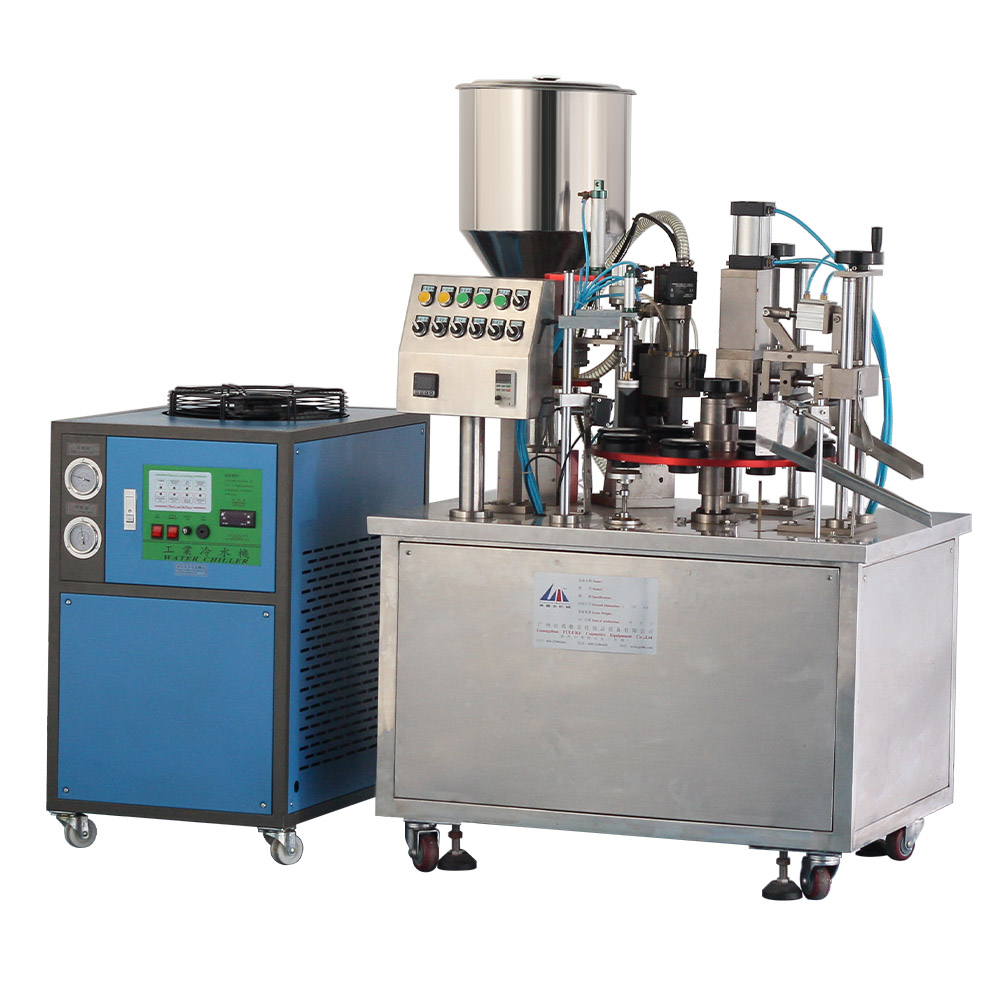
Sealing Integrity: Why It Matters for Toothpaste, Sunscreen and Facial Cleanser Tubes
Sealing integrity is a critical quality attribute for packaged pastes and creams such as toothpaste, sunscreen, and facial cleansers. A compromised seal can lead to product leakage, contamination, shortened shelf life, consumer complaints, recalls, and regulatory penalties. For manufacturers, selecting and validating the right filling and sealing equipment — namely a robust Filling machine — is the first line of defense in maintaining consistent seal quality across production runs.
Understanding the role of the Filling machine in seal quality
A Filling machine designed for tube formats automates orientation, filling, sealing, date printing and tail cutting. By controlling filling volumes, heat profiles, and mechanical pressure consistently, it minimizes human variability and dramatically lowers the risk of defective seals. Modern machines use PLC and HMI touchscreen controls to maintain repeatable process parameters and provide diagnostics that support continuous quality improvement.
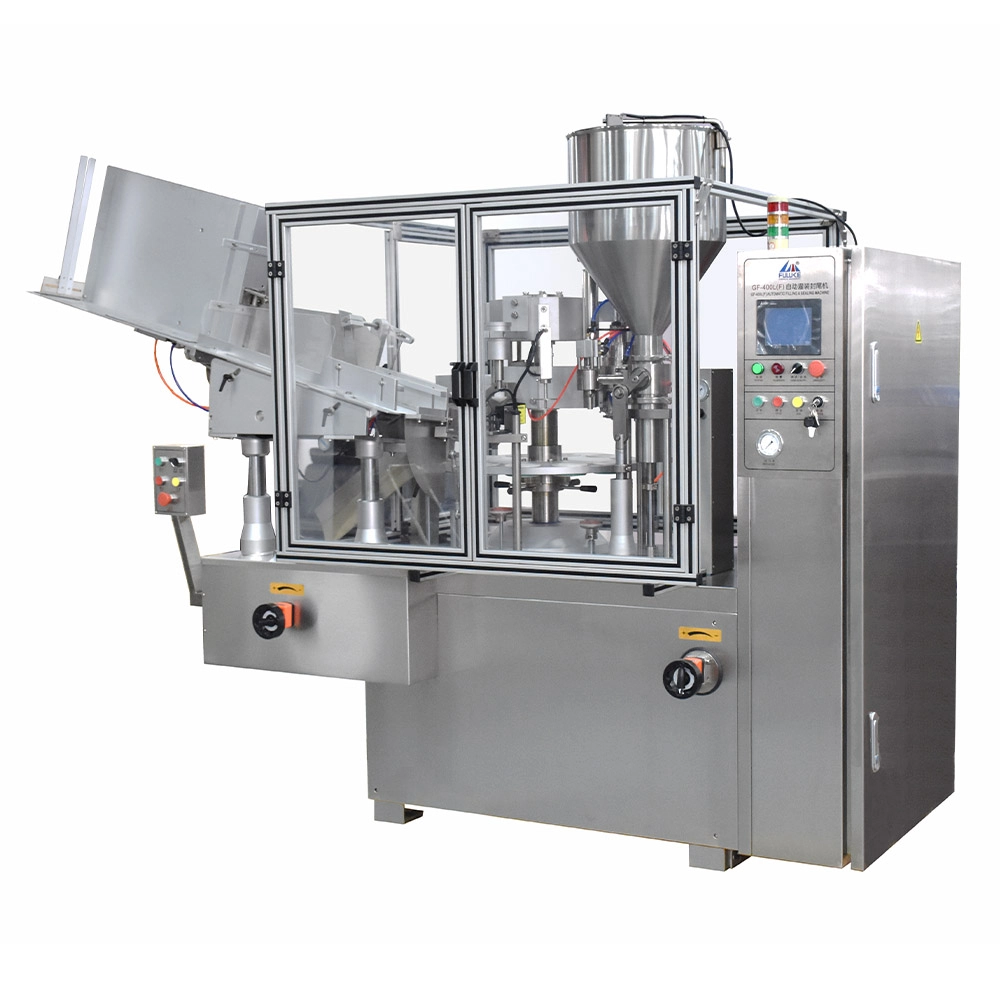
Product Overview: Automatic Tube Filling and Sealing Machine Toothpaste Sunscreen and Facial Cleanser Filling and Sealing Machine for Plastic and Aluminum-plastic Tube
This automatic tube filling and sealing machine is suitable for automatic orientate eye marks, filling, sealing, date printing, and tail cutting of various plastic tubes and aluminum-plastic composite tubes. It is widely used in daily chemical, medical, food, and other industries. (For example, toothpaste, facial cleanser, sunscreen, etc.) Features: This machine uses touch screen and PLC control, automatic tube loading and positioning, and a heat phoenix heating system formed by imported fast and efficient heaters and high-stable flow needles.
It has a firm seal, fast speed, no damage to the seal surface, and a beautiful and neat seal. The machine can be equipped with a variety of filling heads of different specifications to meet the filling requirements of different viscosity, and is equipped with organic glass anti-seal.
Common Failure Modes of Tube Seals and How a Filling machine Prevents Them
Understanding common seal failures helps specify machine features and test methods. Common issues include:
- Cold seals (incomplete fusion) due to insufficient heat or contact time.
- Overheating causing burnt or brittle seals and degraded product near the seal.
- Misalignment of tube tails leading to weak seals or joined tails.
- Foreign particulate inclusion (product or dust) preventing intimate contact.
- Inadequate pressure causing gaps or voids in the seal seam.
A high-quality Filling machine addresses these by providing precise temperature control (fast, stable heaters), reliable pressure application, automatic orientation to align tails, and consistent dosing so product is not squeezed into the sealing area. Features such as organic glass anti-seal guards reduce the risk of contamination at critical sealing zones.
Materials Matters: Plastic vs Aluminum-plastic Tubes and Sealing Considerations
Tubes commonly used for toothpaste, sunscreen and facial cleansers are either mono-layer plastic (e.g., PE, PP) or laminated aluminum-plastic composite (aluminum foil layer bonded with plastics). Each substrate has different thermal and mechanical properties that affect sealing:
- Plastic tubes: Require heat-press or ultrasonic sealing that melts polymer layers together. Control of temperature and dwell time is critical to avoid burn-through or weak seals.
- Aluminum-plastic tubes: Typically use crimping and heat sealing where the polymer layer bonds while the aluminum provides barrier strength. Sealing must avoid creasing the foil or breaking the laminate.
The Automatic Tube Filling and Sealing Machine Toothpaste Sunscreen and Facial Cleanser Filling and Sealing Machine for Plastic and Aluminum-plastic Tube is engineered to handle both types by offering tailored heating profiles, adjustable sealing pressure, and precise tail-cut controls to produce neat, durable seals across materials.
Key Machine Features that Ensure Reliable Sealing
When evaluating a Filling machine, prioritize these functional attributes which directly impact sealing integrity:
- PLC and Touchscreen Control: Enables repeatable recipe management for temperature, pressure, and filling volumes so each run follows validated parameters.
- Automatic Tube Loading & Orientation: Ensures consistent tail alignment and seal location to avoid mis-seals and increases throughput.
- Fast, Stable Heating System (Heat Phoenix): Rapid thermal response with uniform heating minimizes cold spots and prevents overexposure.
- Multiple Filling Heads: Accommodates different viscosities and increases production speed while maintaining dosing accuracy.
- Date Printing & Tail Cutting: Integrated finishing reduces handling and risk of contamination after sealing.
- Organic Glass Anti-seal Guards: Protect product and seal area from splashes or foreign particles during sealing.
These features work together: precise filling prevents product entrainment into the sealing zone, accurate heating fuses layers effectively, and controlled pressure compresses layers uniformly for a consistent, attractive seam.
Testing and Validation: How to Prove Sealing Integrity
Regular verification is essential to assure customers and regulators that tube seals are secure. Common tests include:
- Visual and Dimensional Inspection: Check for uniform seam appearance, absence of creases, and correct tail-cut length.
- Leak/Immersion Test: Submerge tubes in water and apply pressure or squeeze to reveal leaks.
- Vacuum/Helium Leak Test: Highly sensitive methods for detecting micro-leaks in sealed packages (used where needed).
- Burst/Peel Strength Test: Measure the force needed to separate the seal; set minimum specifications based on product and packaging material.
- Accelerated Aging: Evaluate seal durability over time and temperature extremes to anticipate field performance.
Documented routine testing, combined with in-process controls on the Filling machine (e.g., logged heating cycles, pressure readouts), forms the backbone of a credible quality system compliant with ISO, FDA or cosmetic regulatory expectations.
Operational Best Practices for Optimizing Seal Quality
Good machine setup and operator discipline reduce variability:
- Establish and lock-in machine recipes for each tube material and product viscosity.
- Perform daily checks of heater temperatures, pressure settings, and alignment fixtures.
- Clean sealing jaws and anti-seal guards at scheduled intervals to prevent build-up.
- Train operators to spot early signs of drift (e.g., color change at seam, inconsistent tail length) and perform quick corrective actions.
- Maintain a spare-parts inventory (nozzles, heaters, seals) to reduce downtime and keep process stability.
Regulatory and Consumer Safety Considerations
Toothpaste and sunscreen products are subject to national regulations (e.g., cosmetic and OTC drug rules in many markets). Sealing failures can lead to microbial contamination or active ingredient degradation, triggering compliance and safety issues. Use validated Filling machine processes together with batch records and test results to demonstrate control and due diligence during audits and inspections.
Comparison Table: Sealing Methods and Key Characteristics
| Sealing Method | Typical Use | Speed | Sensitivity to Tube Material | Typical Strength |
|---|---|---|---|---|
| Heat-seal (hot jaws) | Plastic tubes, laminates | High | Medium (must tune temperature) | Good |
| Ultrasonic seal | Thermoplastics (thin walls) | Very High | High (requires compatible polymers) | Good-Excellent |
| Crimp + heat (for alu-plastic) | Aluminum-plastic composite tubes | Medium | Designed for laminates | Excellent (with correct settings) |
Return on Investment (ROI): How a Reliable Filling machine Saves Cost
Investing in an Automatic Tube Filling and Sealing Machine reduces costs in several ways:
- Lower scrap and rework rates due to consistent sealing.
- Faster line speeds with multi-head filling raise throughput per labor hour.
- Integrated functions (date printing, tail cutting) reduce downstream equipment needs and handling.
- Reduced recall risk preserves brand value and avoids regulatory fines.
Manufacturers should model ROI including yield improvements, labor savings, and reduced quality incidents. Even modest reductions in scrap deliver rapid payback for high-volume lines such as toothpaste production.
Maintenance, Spare Parts and Operator Training
Long-term sealing performance depends on routine maintenance and trained personnel. Key recommendations:
- Follow the manufacturer's preventive maintenance schedule for heaters, jaws, and servo mechanisms.
- Keep critical spare parts on-hand: heating elements, nozzle assemblies, sensors and pneumatic seals.
- Invest in operator training focused on setup, recipe management and first-line troubleshooting.
- Use machine logs and SPC (statistical process control) charts to detect drift before it becomes a defect.
How to Choose the Right Filling machine for Your Tubes
Consider the following when selecting equipment:
- Compatibility with tube materials (plastic, alu-plastic composite).
- Filling heads and pump types suitable for your product viscosity.
- Required throughput and scalability.
- Availability of validation support and spare parts.
- Ease-of-use: PLC, touchscreen HMI, recipe storage and diagnostics.
The Automatic Tube Filling and Sealing Machine Toothpaste Sunscreen and Facial Cleanser Filling and Sealing Machine for Plastic and Aluminum-plastic Tube addresses these needs with multiple filling head options, PLC/HMI control, reliable heating (Heat Phoenix), and automatic orientation — making it a practical choice for brands aiming for consistent sealing integrity.
Brand Advantage Summary: Why This Machine Strengthens Your Product Quality
In the second half of the production lifecycle, brand reputation is built on consistent consumer experience. This Filling machine supports that by offering:
- Consistent, visually attractive seals that reduce customer complaints.
- Flexible configuration to handle toothpaste, sunscreen, facial cleansers and other daily chemical products.
- Integrated printing and tail-cutting reduce manual handling and improve traceability.
- High-stability heating and precise controls reduce rework and waste.
Choosing an automatic tube filling and sealing solution with these capabilities helps FULUKE deliver safe, attractive products that meet regulatory expectations and consumer trust.
Frequently Asked Questions (FAQ)
Q1: What sealing defects should I expect on startup and how quickly can they be corrected?
A: Typical startup defects include cold seals or slight misalignment. With a modern Filling machine, these are often corrected within minutes by verifying temperature setpoints, aligning the tube orientation system and checking dosing volumes. Maintain startup checklists and allow a short run-in period to confirm stability.
Q2: Can the machine handle very viscous toothpaste or low-viscosity sunscreen lotions?
A: Yes. The machine supports different filling head types and flow needles to accommodate a range of viscosities. Selecting the correct pump and nozzle sizes and tuning cycle times ensures accurate dosing for both viscous pastes and thin lotions.
Q3: How often should sealing jaws and heaters be calibrated or replaced?
A: Calibration should be part of scheduled preventive maintenance — verify temperature uniformity weekly and replace heating elements per manufacturer life expectancy or when temperature drift is no longer correctable. Visual and performance checks should be daily.
Q4: What validation documentation is recommended after installing a Filling machine?
A: Typical documentation includes equipment qualification (IQ/OQ), process validation (including seal strength, leak testing, and visual inspection results), SOPs for operation and maintenance, training records, and control charts for in-process parameters.
Q5: Is the machine suitable for food or pharmaceutical applications?
A: The machine is widely used across daily chemical, medical, and food industries. Confirm material contact surface specifications, sanitary design requirements and documentation expectations for pharmaceutical or food-grade applications; additional options (e.g., CIP-compatible parts) may be available.
Contact Us / View the Product
Achieving reliable seals requires the right machine configuration, which makes understanding key specs B2B buyers need in automatic tube filling machines essential.To evaluate how the Automatic Tube Filling and Sealing Machine Toothpaste Sunscreen and Facial Cleanser Filling and Sealing Machine for Plastic and Aluminum-plastic Tube can improve your sealing integrity and production efficiency, contact our sales team for a tailored consultation, demonstration and quote. Click here to view detailed specifications or request a demo: .
References and Authoritative Sources
For further reading and regulatory context:
- Packaging seals and testing concepts — Wikipedia: https://en.wikipedia.org/wiki/Packaging
- ISO 11607 (Packaging for terminally sterilized medical devices) — ISO (overview): https://www.iso.org/standard/70481.
- FDA guidance on cosmetics and OTC drug packaging — U.S. Food & Drug Administration: https://www.fda.gov
- Accelerated aging and shelf life testing basics — USP/ASTM resources and overviews: https://www.astm.org
We recommend consulting local regulatory authorities and packaging experts for application-specific validation and compliance strategies.
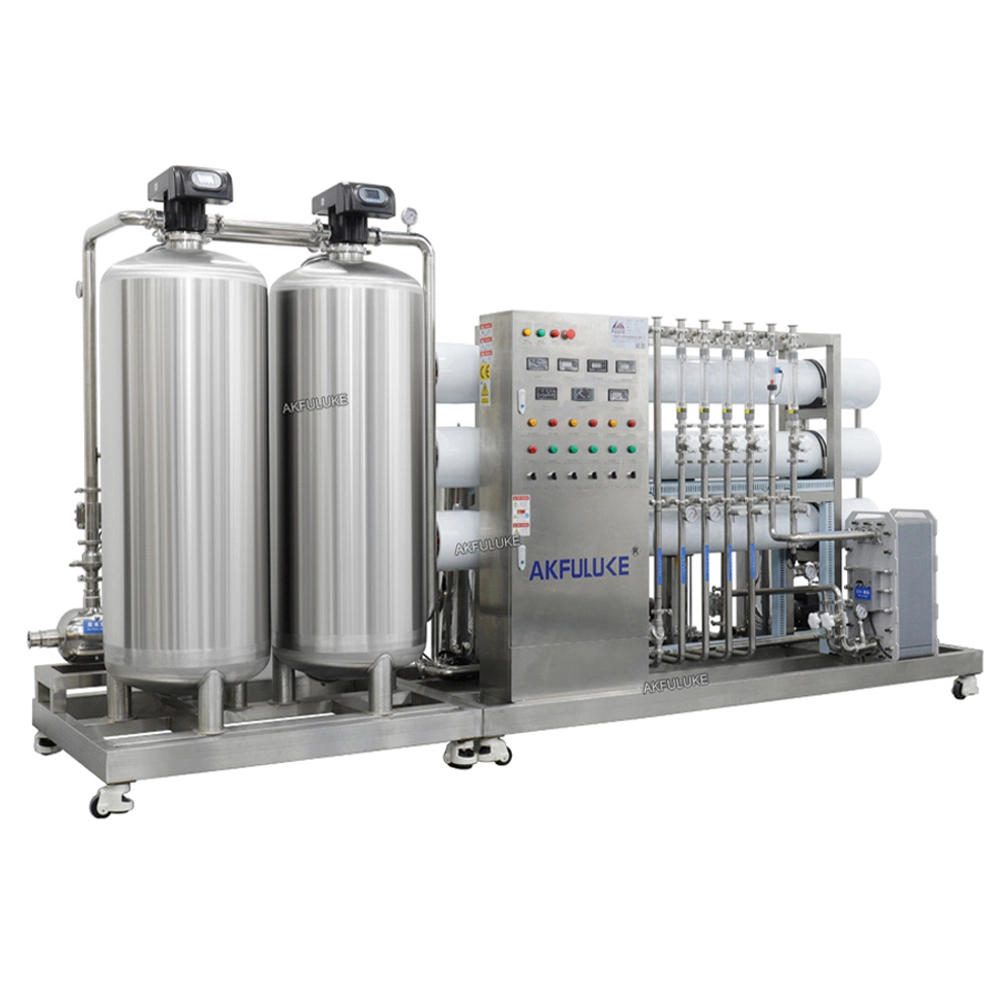
Selecting Materials and Membranes for 99% Desalination Needs
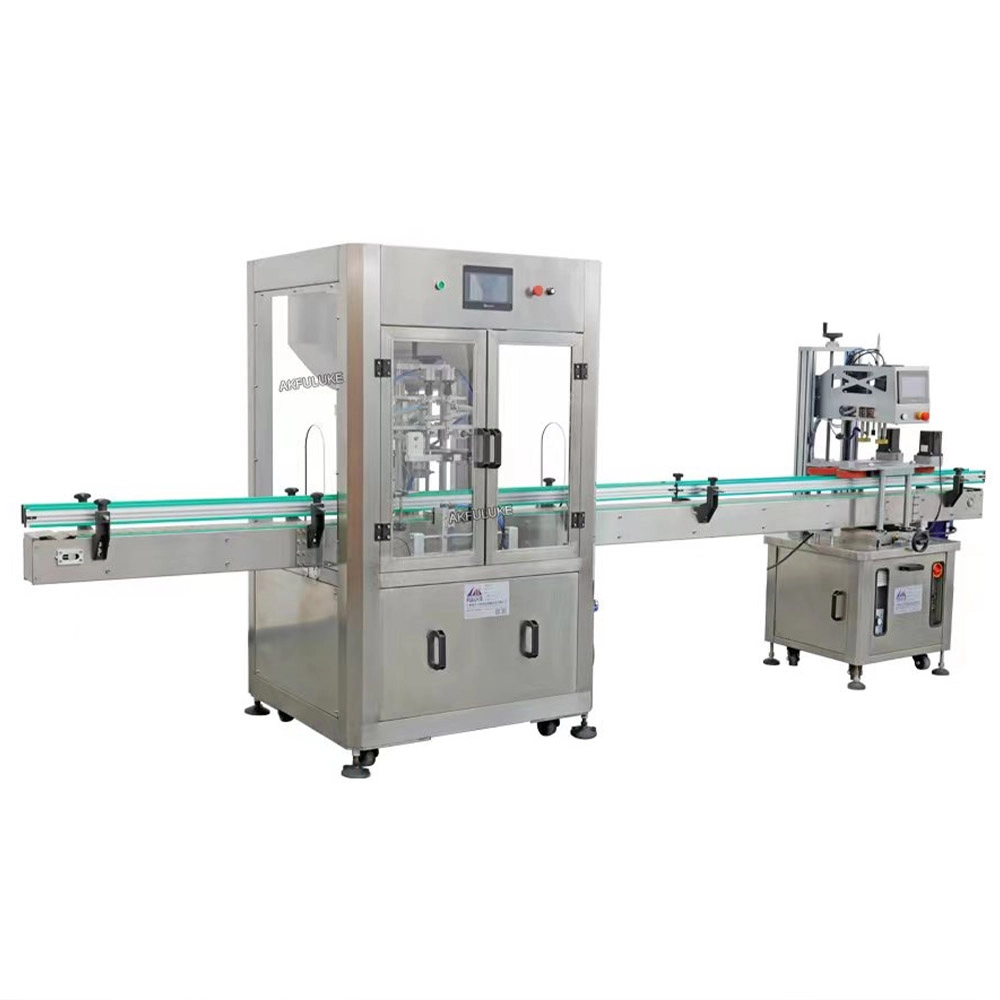
How to Select Spare Parts Kits for Critical Components
Advanced Controls for Multi-Product Filling Lines
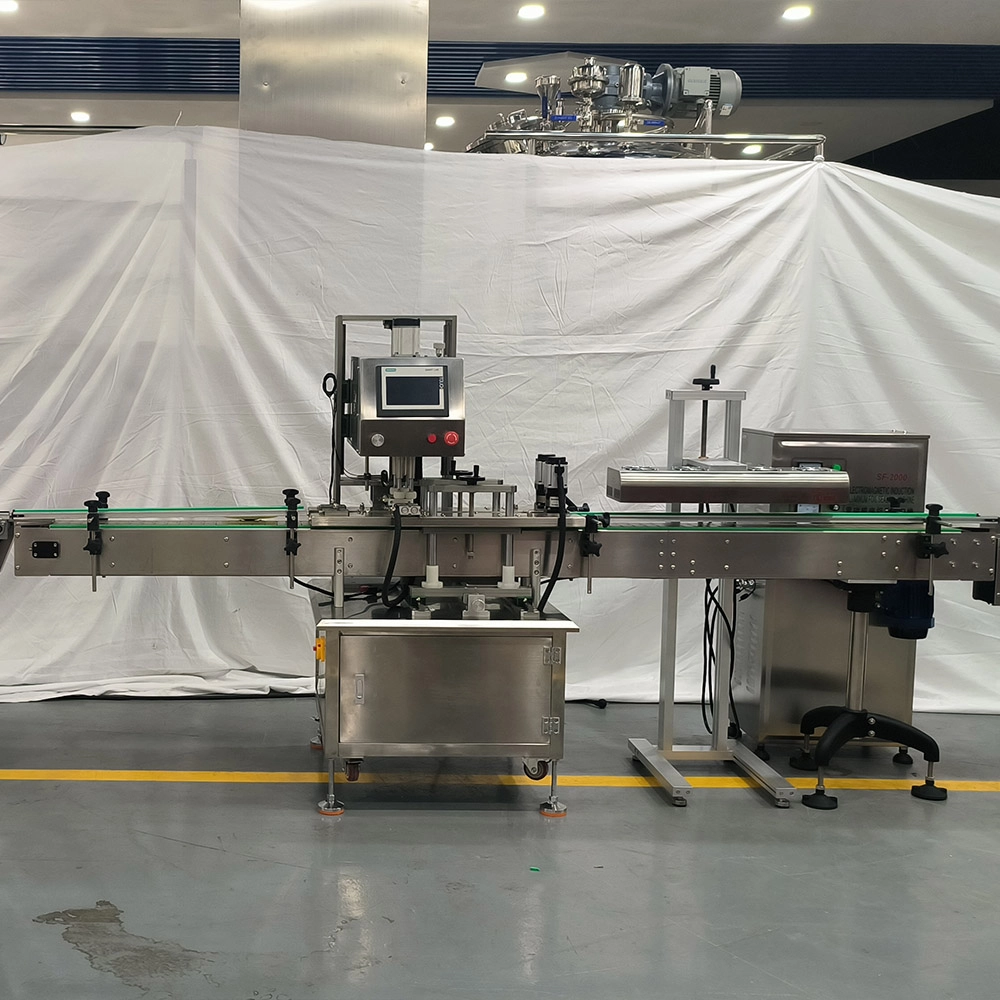
Integrating Automatic Filling Machines into Production Lines
The Flip Cover Liquid Wash Mixing Homogenizing Tank
Is it possible to not have a heating function?
Of course, if your product's production process doesn't require heating and cooling functions, then you can just make it a single-layer pot.
Inkjet Printing Machine
The printer isn't printing properly after a long period of inactivity. Is the printhead broken?
The printhead is most likely clogged due to dried ink, rather than complete damage. Prolonged inactivity is one of the main causes of inkjet printer clogs. Ink dries in the tiny nozzles, hindering ink flow. Try performing the automatic printhead cleaning procedure 2-3 times. If this doesn't work, remove the printhead, soak it in anhydrous alcohol for half an hour, then rinse (this requires professional operation; novice printers are advised to have the printer serviced). After the alcohol has completely evaporated, reinstall and test. It's recommended to perform a self-check at least once a week to prevent the printhead from drying out.
Perfume Freezing Filter Making Machine
Who are we?
Our headquarters is located in Guangzhou, Guangdong, China, and our factory is located in Yangzhou, Jiangsu. Our products are sold all over the world. We have approximately 50 employees in our company and factory.
Automatic Labeling Machine
After a few years of use, the equipment's labeling accuracy has decreased. What could be the problem?
Decreased accuracy is often related to component wear. Focus on inspecting three areas.
Inspect the labeling roller: Surface wear or adhesive buildup can cause unstable label feeding and require replacement.
Inspect the servo motor: Motor aging can cause unstable speed. Contact maintenance personnel to inspect the motor's performance.
Inspect the photoelectric sensor: Dust accumulation or reduced sensitivity on the lens can affect positioning. Clean the lens or recalibrate it.
Lift-type Homogenizing Disperser
What precautions should be taken before and during equipment startup?
Before startup: Check that the disperser disc is securely installed, the container is clamped securely, and the lifting mechanism is flexible. Also, verify the material level (it must be submerged above the disperser disc to prevent damage from idling or material splashing).During operation: Start at a low speed and gradually increase to the target speed. Manually adjusting the lifting height during operation is prohibited; always stop the machine to avoid hand entanglement.
You May Also Like
Automatic Tube Filling and Sealing Machine Toothpaste Sunscreen and Facial Cleanser Filling and Sealing Machine for Plastic and Aluminum-plastic Tube
Polypropylene PP Mixing Tank Anti-Corrosion Mixer Reaction Kettle with Agitator Chemical Mixing Vessel
Flip Cover Multi-function Liquid Wash Mixing Tank Blender Liquid Detergent Mixer Homogenization Stirring Tank
Stainless Steel Mixer Liquid Mixing tank with Agitator Homogenizing Mixing tank Vacuum Sealed Mixer Machine
Get in touch with FULUKE
If you have any comments or good suggestions, please leave us a message, later our professional staff will contact you as soon as possible.

A leading manufacturer specializing in advanced machinery and complete production lines for the cosmetics, food, pharmaceutical, and chemical industries worldwide.
Contact FULUKE
Facebook
Instagram
YouTube