
Selecting Materials and Seals for Cosmetic Filling Equipment
- Why material and seal selection determines filling performance
- Functional role of materials in a liquid filling machine
- How seals control accuracy, contamination, and uptime
- Industry evidence and standards
- Materials for contact parts: 316L vs 304 stainless steel and alternatives
- Why 316L is commonly specified
- When 304 stainless is acceptable
- Other materials and surface finishes
- Selecting seals and gaskets: materials, compatibility, and trade-offs
- Common elastomers and their suitability
- Choosing by formulation type
- Design considerations: dynamic vs. static sealing
- Design, cleaning, and maintenance for long-term reliability
- Cleaning regimes and material compatibility
- Inspection intervals and predictive maintenance
- Case study: reducing downtime on a high-speed lotion line
- Regulatory, hygienic design, and product-specific recommendations
- GMP compliance and traceability
- Hygienic design features to request
- How this applies to the Automatic Filling Machine Quantitative Liquid Bottle Filling Machine High-precision cream and lotion filling machine
- Brand advantages and recommendations
- Why choose equipment with 316L wetted parts and validated seals
- Integration with your production and validation workflows
- Contact & product check
- FAQ
- Q: Should I always specify 316L stainless steel for contact parts?
- Q: Which seal material is best for creams with high oil content?
- Q: How frequently should seals be inspected or replaced?
- Q: Are there seals certified for food and cosmetic contact?
- Q: How do cleaning agents affect my choice of seals?
Summary for : Selecting the right materials and seals for cosmetic filling equipment directly affects product safety, production uptime, and regulatory compliance. This guide explains why 316L/304 stainless steel is preferred for contact parts, compares common seal materials for creams, lotions, and emulsions, and provides actionable selection and maintenance strategies to maximize the lifetime and hygiene of your liquid filling machine. With materials and seals properly specified, manufacturers can return to the core objective—how high-precision cream filling improves product quality—closing the loop between equipment design, performance, and final product excellence.
Why material and seal selection determines filling performance
Functional role of materials in a liquid filling machine
The materials used in the wetted parts of a liquid filling machine — pumps, valves, fillers, nozzles, and contact surfaces — must resist corrosion, avoid contaminating products, and remain cleanable under routine sanitization. In cosmetic production, where formulations contain oils, surfactants, and active ingredients, inappropriate materials accelerate wear, cause leaks, and increase the risk of product spoilage or customer complaints.
How seals control accuracy, contamination, and uptime
Seals and gaskets are the first line of defense against leaks and contamination. The right elastomer maintains a leak-free interface across temperature changes, repeated cycles, and chemical exposure. A compromised seal leads to inconsistent fill volumes, visible defects in bottles, and production halts for maintenance — all costly to cosmetic operations where product appearance and dosage precision matter.
Industry evidence and standards
Good Manufacturing Practice (GMP) and industry guidance emphasize material traceability, cleanability, and non-reactivity. For reference, see the GMP overview on Wikipedia (Good manufacturing practice), which outlines the principles that apply to cosmetic production environments as well as pharmaceuticals.
Materials for contact parts: 316L vs 304 stainless steel and alternatives
Why 316L is commonly specified
316L stainless steel offers superior corrosion resistance to chlorides and a variety of cosmetic ingredients compared to 304. Its low carbon content (the L grade) reduces carbide precipitation during welding, improving resistance in welded assemblies typical of filling heads and tanks. That is why many manufacturers specify 316L for wetted surfaces in high-end liquid filling machines used for creams and lotions.
When 304 stainless is acceptable
304 stainless steel is widely used where formulations are less aggressive and cost control is important. For many lotions and water-based emulsions, 304 is sufficient if the process includes appropriate cleaning and passivation. However, for products with higher salt, essential oil, or acidic content, 316L is the safer long-term choice.
Other materials and surface finishes
Polished finishes (e.g., 0.4–0.8 μm Ra) improve cleanability and reduce microbial harboring. Non-metallic options (PTFE-coated parts, PEEK, or HDPE liners) may be used for specific pump components when metal contact is undesirable. Always confirm material compatibility against the product formulation and cleaning agents.
| Material | Corrosion Resistance | Typical Use in Filling Equipment | Notes |
|---|---|---|---|
| 316L Stainless Steel | High (chloride and aggressive surfactant resistance) | Tanks, filling heads, nozzles, pumps | Preferred for creams/lotions with oils/actives; weld-friendly |
| 304 Stainless Steel | Moderate | Frame and some contact parts | Cost-effective for mild formulations with controlled cleaning |
| PTFE / PEEK / UHMW | Excellent chemical resistance | Seals, liners, valve seats | Use where elastomer compatibility is problematic |
For background on stainless grades, see the technical summary on 316 stainless: 316 stainless steel.
Selecting seals and gaskets: materials, compatibility, and trade-offs
Common elastomers and their suitability
Cosmetic formulations commonly include oils, surfactants, preservatives, solvents, and fragrances. These ingredients interact with elastomers differently. The most widely used sealing materials and their general suitability are:
| Seal Material | Chemical Compatibility (creams/lotions) | Temp Range (°C) | Pros | Cons |
|---|---|---|---|---|
| PTFE (Teflon) | Excellent (resists most solvents and oils) | -200 to 260 | Low friction, long life, inert | Less elastic, needs backed support |
| FKM / Viton | Very good against oils, many chemicals | -20 to 200 | High oil resistance, durable | Costlier; some formulations with ketones may attack it |
| EPDM | Good for water-based formulations and steam | -40 to 150 | Excellent steam/oxidation resistance, low cost | Poor oil resistance (not suitable for high-oil creams) |
| Silicone | Good for wide temp ranges; moderate chemical resistance | -60 to 230 | Excellent flexibility; food-grade options exist | Swells with many oils; limited use with heavy emulsions |
| Buna-N (Nitrile) | Good for hydrocarbon-based oils | -35 to 120 | Economical; good mechanical strength | Poor resistance to polar solvents and some preservatives |
Choosing by formulation type
- Water-based emulsions (low oil content): EPDM or food-grade silicone often suffice.
- High-oil creams, serums, and oils: FKM (Viton) or PTFE-lined seals are recommended.
- Acidic or preservative-rich formulas: PTFE or specialized fluoropolymers are safest.
Design considerations: dynamic vs. static sealing
Dynamic seals (rotating shafts, piston pumps) require elastomers with fatigue resistance and low friction — here PTFE composites or FKM are common. Static seals (flange gaskets or fixed housings) can use softer materials like silicone or EPDM if chemically compatible. For high-precision filling where dosing accuracy depends on piston seals, choose materials with minimal compression set and stable volume over time.
Design, cleaning, and maintenance for long-term reliability
Cleaning regimes and material compatibility
Cleaning-in-place (CIP) cycles, hot-water sanitization, and periodic chemical cleaning dictate materials that withstand repeated exposure. EPDM tolerates steam and caustic cleaners better than many fluoroelastomers; however, for oil-contaminated parts, PTFE and FKM resist solvent-based cleaning better. Align your seal selection with your validated cleaning procedure.
Inspection intervals and predictive maintenance
Establish scheduled inspections for seals and wetted parts. Measure compression set, visual wear, and check for small leaks during low-pressure test cycles. Use a tiered spare-parts strategy: keep high-wear items (O-rings, valve seats) on-site to minimize downtime.
Case study: reducing downtime on a high-speed lotion line
A medium-sized cosmetics manufacturer replaced general-purpose nitrile seals with FKM in piston valves after experiencing accelerated swell and softening. Result: mean time between failures increased by 3x and reject rates fell from 1.8% to 0.3% over six months. This type of ROI is typical when seal selection is matched to formulation chemistry.
Regulatory, hygienic design, and product-specific recommendations
GMP compliance and traceability
Documentation of material certificates, supplier traceability, and change control is required under GMP frameworks. Keep records of material grades (e.g., stainless steel certifications), elastomer lot numbers, and installation dates to satisfy audits and to identify root causes faster. Again, see general GMP guidance: Good manufacturing practice.
Hygienic design features to request
When specifying a liquid filling machine for cosmetics, request the following hygienic attributes: 316L contact surfaces, polished finish (≤0.8 μm Ra), sanitary tri-clamp connections for easy disassembly, flush-mounted sensors, and sloped drain paths. These design choices reduce microbial harborage and simplify cleaning validation.
How this applies to the Automatic Filling Machine Quantitative Liquid Bottle Filling Machine High-precision cream and lotion filling machine
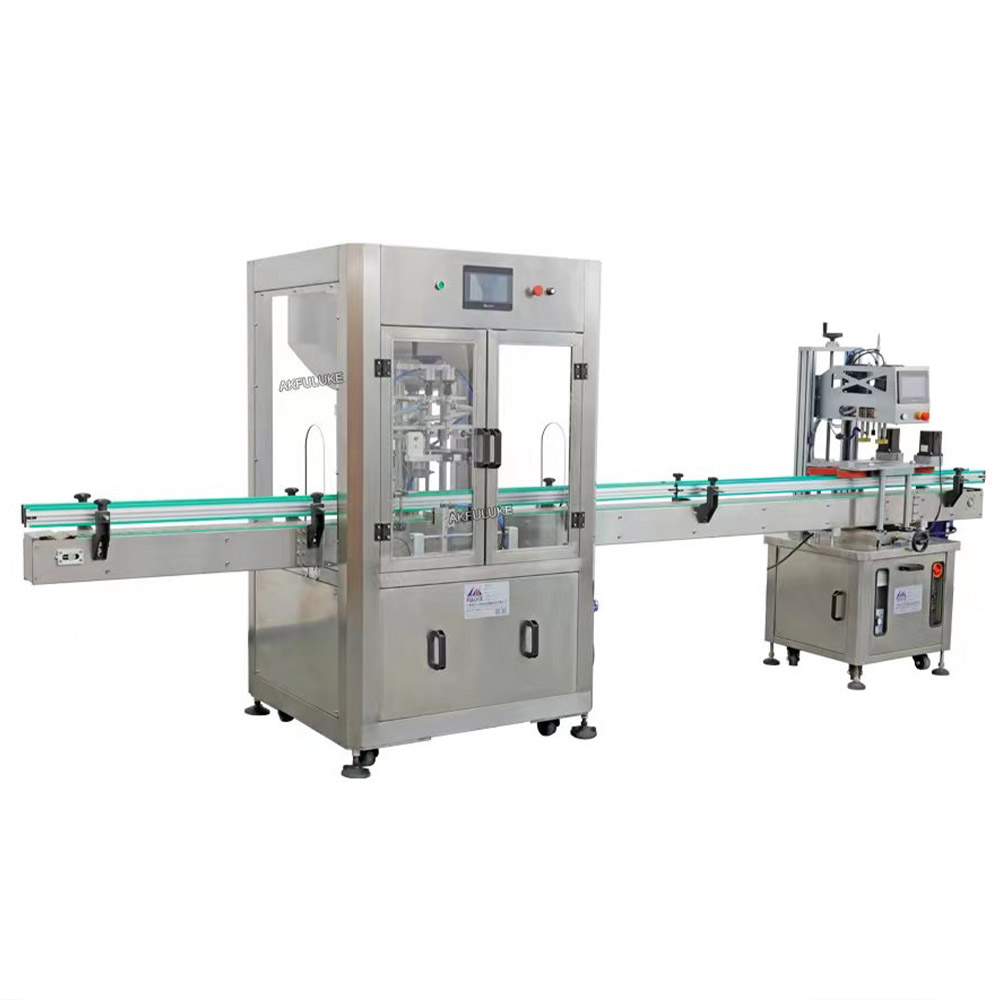
The Automatic Filling Machine Quantitative Liquid Bottle Filling Machine High-precision cream and lotion filling machine integrates automated conveying, precision filling, and intelligent control optimized for creams, lotions, and liquids. It is constructed with 316L/304 stainless steel contact components and compliant with GMP standards, ensuring the wetted parts meet hygienic requirements. A touchscreen interface enables rapid parameter adjustment, and the system completes filling processes without manual intervention, minimizing human contact and contamination risk.
The automatic filling machine integrates automated conveying, precision filling, and intelligent control for packaging creams, lotions, and liquids. Suitable for a variety of containers, including glass and PET bottles, it can fill liquids, emulsions, and pastes with high precision.
Constructed with 316L/304 stainless steel contact components and compliant with GMP standards, it features a touchscreen interface for quick parameter adjustment and completes the entire process without manual intervention. Widely used in the cosmetics, food, daily chemical, pharmaceutical, and chemical industries, it helps companies reduce costs, increase efficiency, and ensure product standardization.
Brand advantages and recommendations
Why choose equipment with 316L wetted parts and validated seals
Selecting a machine built with 316L contact parts and offering a variety of seal materials (PTFE, FKM, EPDM) ensures versatility across different cosmetic lines. It reduces the total cost of ownership by lowering maintenance frequency and improving product yield. When paired with intelligent controls and touchscreen interfaces, operators can quickly switch between products while maintaining traceable parameters for audits.
Integration with your production and validation workflows
Look for suppliers that provide installation qualification (IQ), operational qualification (OQ), and guidance on seal replacement frequencies. A well-documented machine simplifies regulatory approvals and reduces time-to-market for new cosmetic SKUs.
Contact & product check
If you want to evaluate how the Automatic Filling Machine Quantitative Liquid Bottle Filling Machine High-precision cream and lotion filling machine fits your formulations and line speeds, contact our technical sales team for a material compatibility assessment and a site-specific quote. Check the product page or request a demo: View product details and request a demo. For direct support, contact customer service: Contact Us.
FAQ
Q: Should I always specify 316L stainless steel for contact parts?
A: 316L is the preferred choice for aggressive formulations (high oil, salts, fragrances) and for facilities requiring long-term corrosion resistance. For milder formulations and strict cost constraints, 304 may be acceptable if cleaning and passivation are rigorously maintained.
Q: Which seal material is best for creams with high oil content?
A: FKM (Viton) or PTFE-lined seals perform best with high-oil formulations. EPDM and silicone tend to swell or soften in sustained oil exposure and are less suitable.
Q: How frequently should seals be inspected or replaced?
A: Inspection frequency depends on cycle rates and formulation aggressiveness. A common approach is visual/functional checks weekly and scheduled replacements every 3–12 months. High-speed lines with aggressive formulations may require more frequent replacement. Always follow the machine supplier's recommendations and keep spare kits on-site.
Q: Are there seals certified for food and cosmetic contact?
A: Yes. Many elastomers come in industry-certified grades (e.g., FDA-compliant, EU food contact). Request certifications and material data sheets from suppliers. For pharmaceuticals and high-sensitivity cosmetics, consider sealing materials with full traceability and certificate of conformity.
Q: How do cleaning agents affect my choice of seals?
A: Match seals to both the product and the cleaning agents. For example, EPDM tolerates hot caustic wash well but is poor with oils; FKM is excellent with oils but can be affected by strong oxidizers. Validate your CIP protocol with the selected materials.
For more detailed guidance on matching your specific formulation to seal and material choices, request a compatibility review: Contact customer service or view the product for technical specs and demo booking.
References: Good Manufacturing Practice guidance (GMP); overview of filling machinery (Filling machine); 316 stainless details (316 stainless steel).
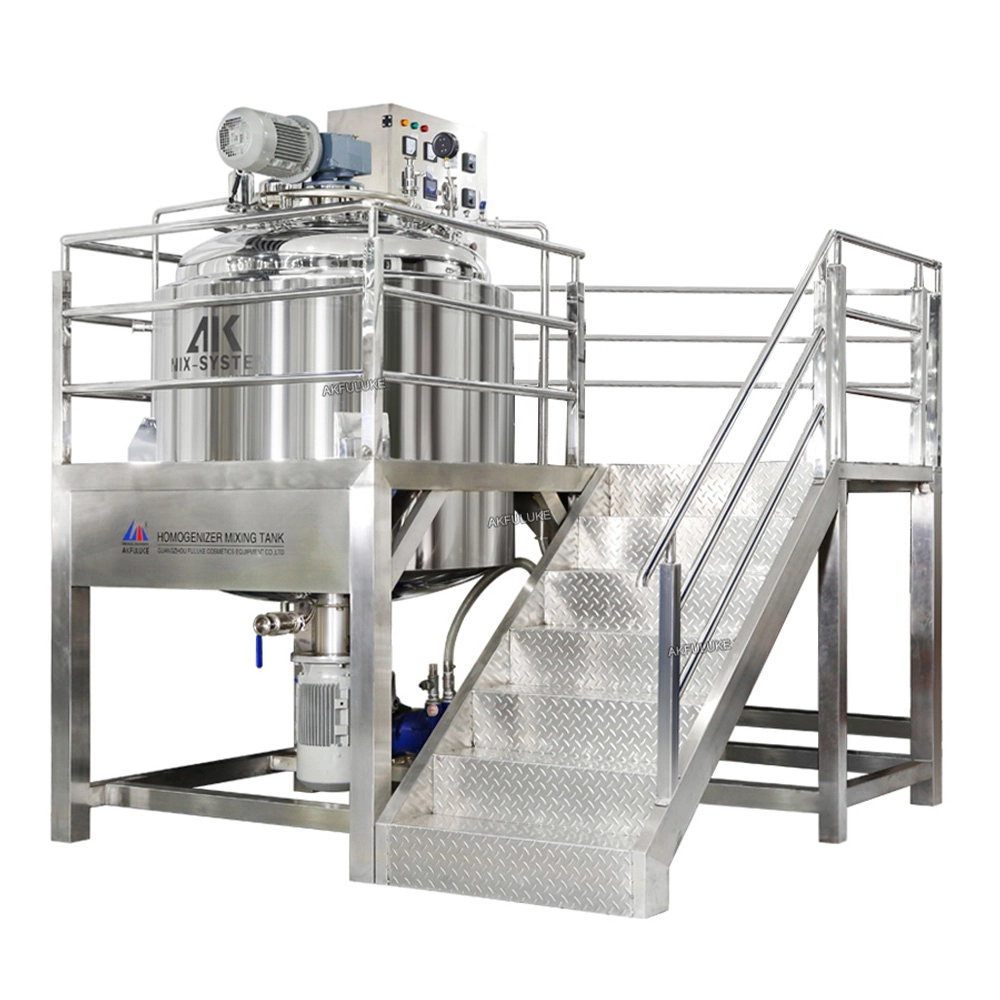
Vacuum Sealed Mixer Machine: Compliance and Quality Control
Performance Testing and Validation of Homogenizing Mixers
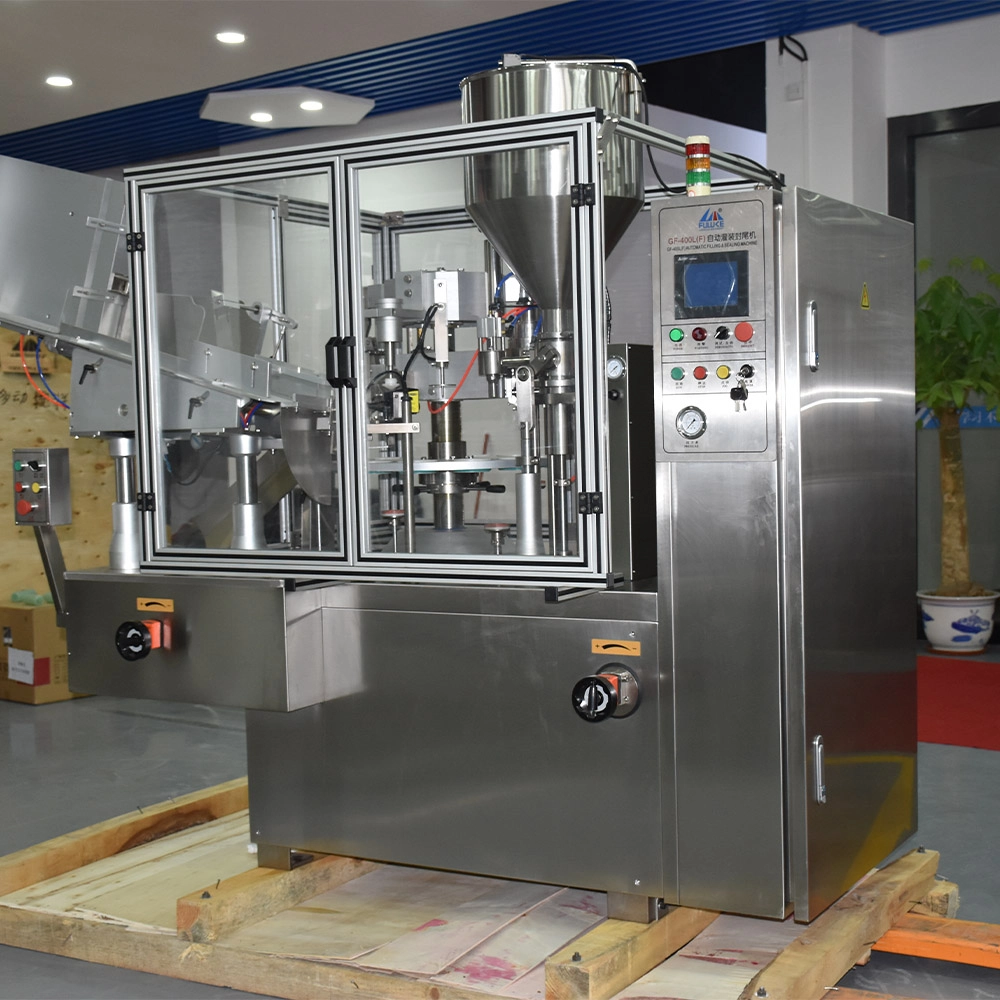
Maintenance & Servicing Best Practices for Automatic Filling Machines
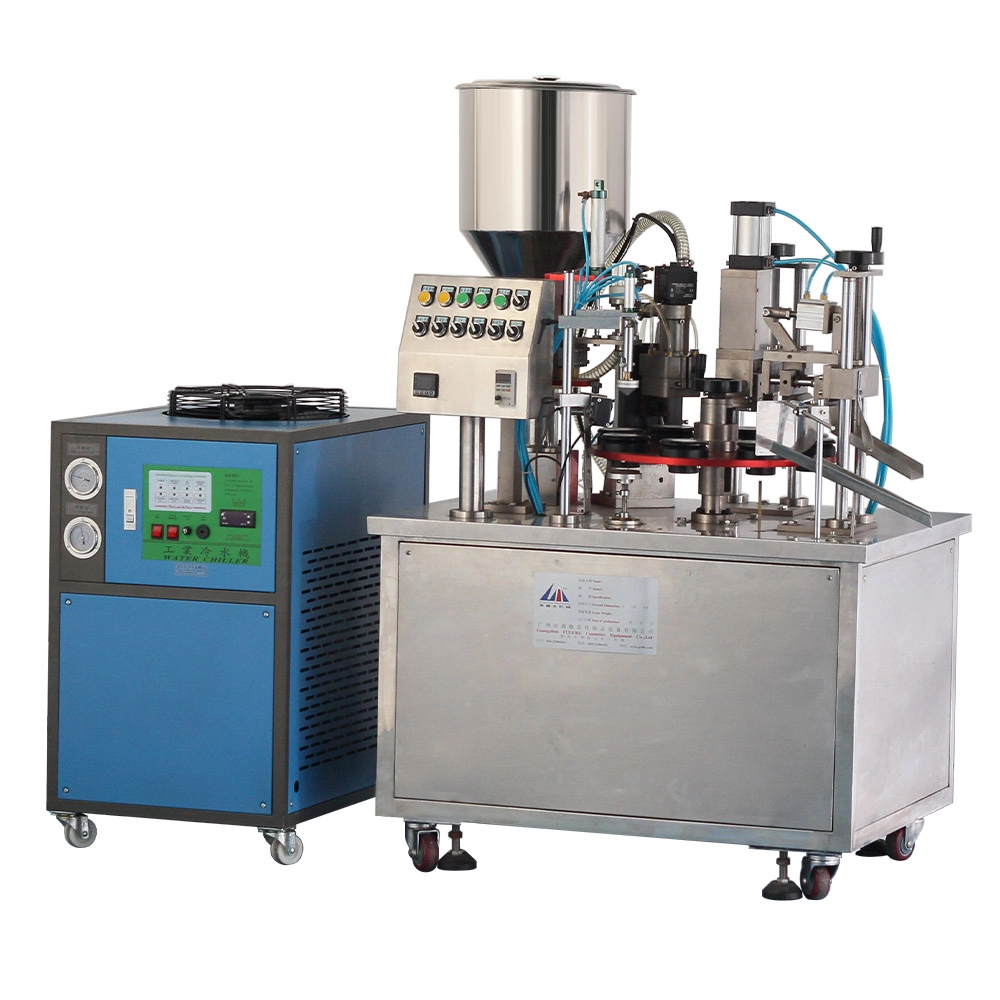
Integration Tips: Adding Tube Filling Machines to Production Lines
Perfume Freezing Filter Making Machine
Does the filtration process cause loss of fragrance components?
High-quality equipment uses a gradient filtration design (such as a 0.22μm precision filter membrane) to capture only condensed impurities and avoid adsorbing active fragrance molecules.
Automatic Labeling Machine
Who are we?
Our headquarters is located in Guangzhou, Guangdong, China, and our factory is located in Yangzhou, Jiangsu. Our products are sold all over the world. We have approximately 50 employees in our company and factory.
Film Packaging Machine
This device suddenly shuts down and displays "Abnormal Heat Seal Temperature." What should I do?
First, check the heat seal blade heater for damage. Next, check whether the temperature sensor is in poor contact or malfunctioning. If the hardware is normal, the temperature control module parameters may be abnormal. Restart the device and reset the heat seal temperature (refer to the film material's suitable temperature: BOPP film is typically 120-160°C). If the abnormality persists, contact after-sales service to inspect the temperature control system.
Inkjet Printing Machine
What products can inkjet printers be used for?
It can be used for products such as carton, plastic, metal, boarding, pipe, stone, cable, glass, electronic components, auto parts, industrial chemical packaging, and medical/food/gift boxes.
Perfume Filling Machine
Who are we?
Our headquarters is located in Guangzhou, Guangdong, China, and our factory is located in Yangzhou, Jiangsu. Our products are sold all over the world. We have approximately 50 employees in our company and factory.
You May Also Like
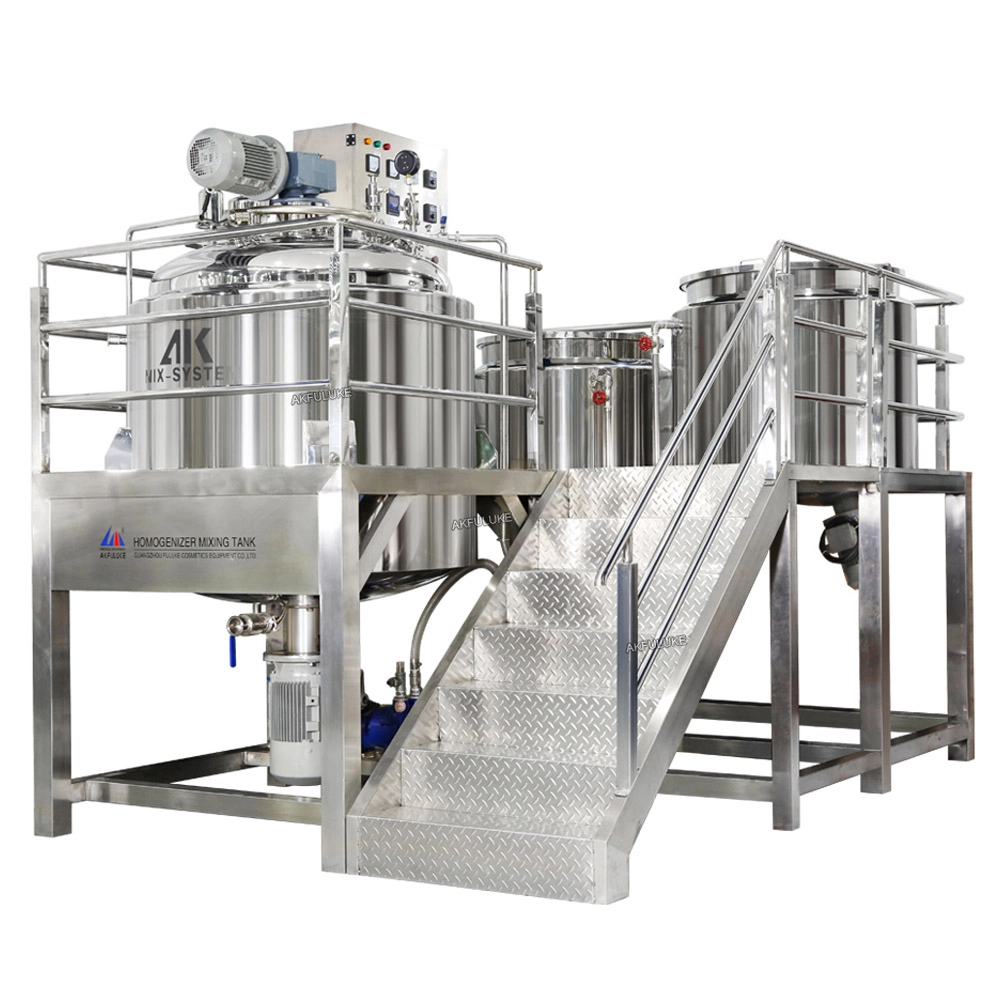
Fixed Type Vacuum Mixing Emulsifying Equipment for Cosmetic Cream Ointment Lotion Vacuum Homogenizer Mixer
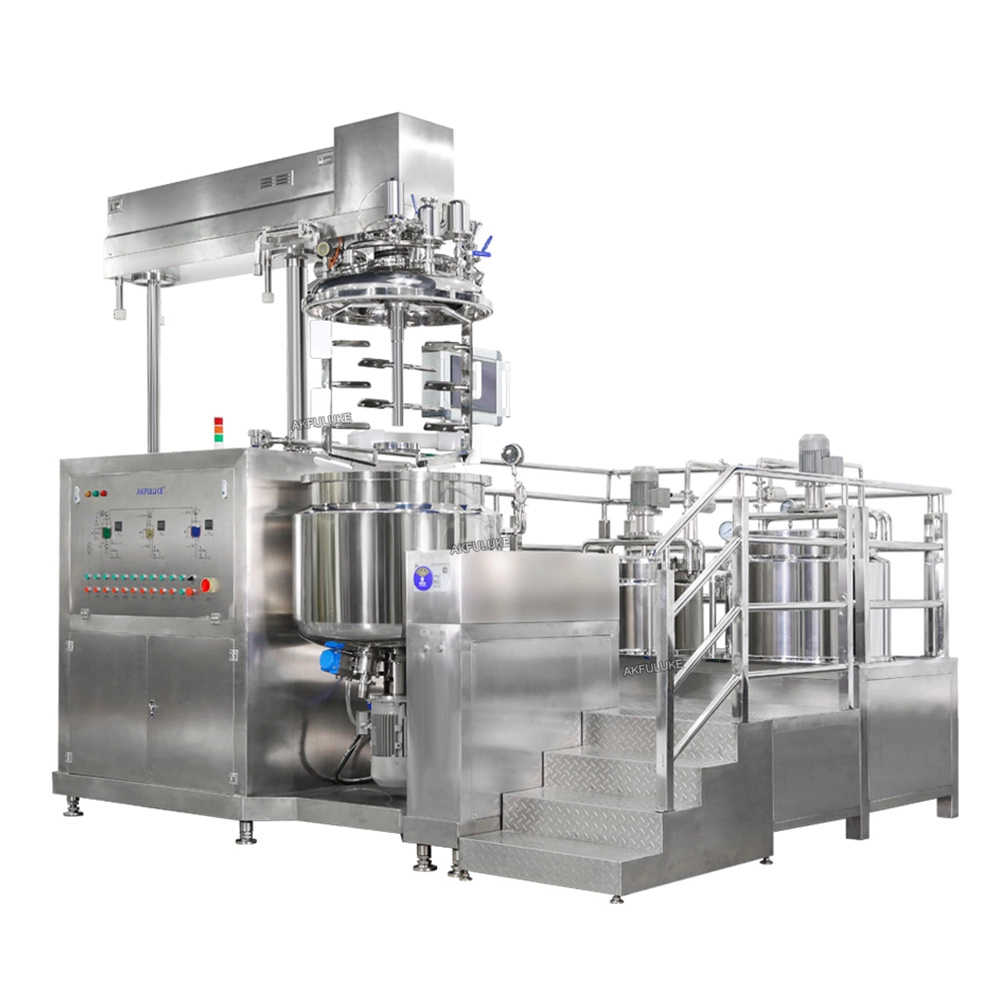
Hydraulic lift Cosmetic Vacuum Homogenizer Emulsifying Mixer for Making Cream and Lotion Mayonnaise Mixing Machine
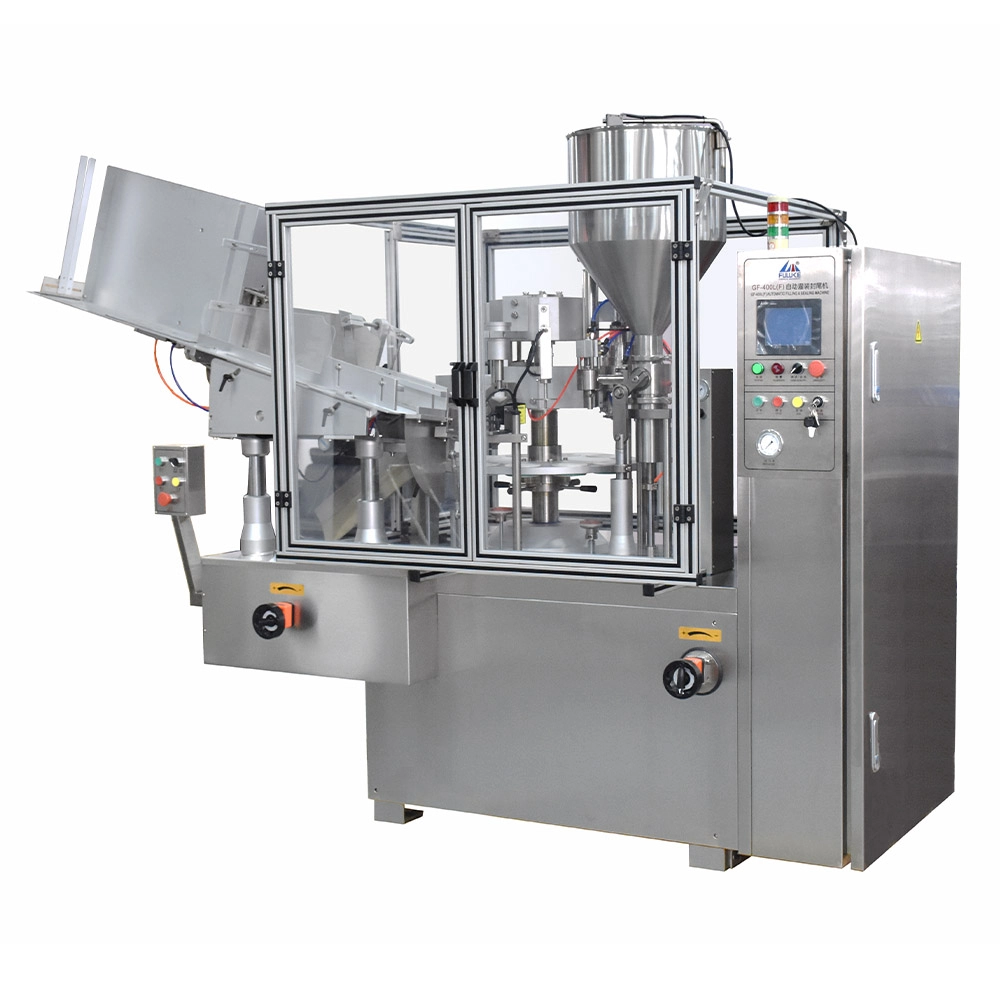
Automatic Tube Filling and Sealing Machine Toothpaste Sunscreen and Facial Cleanser Filling and Sealing Machine for Plastic and Aluminum-plastic Tube
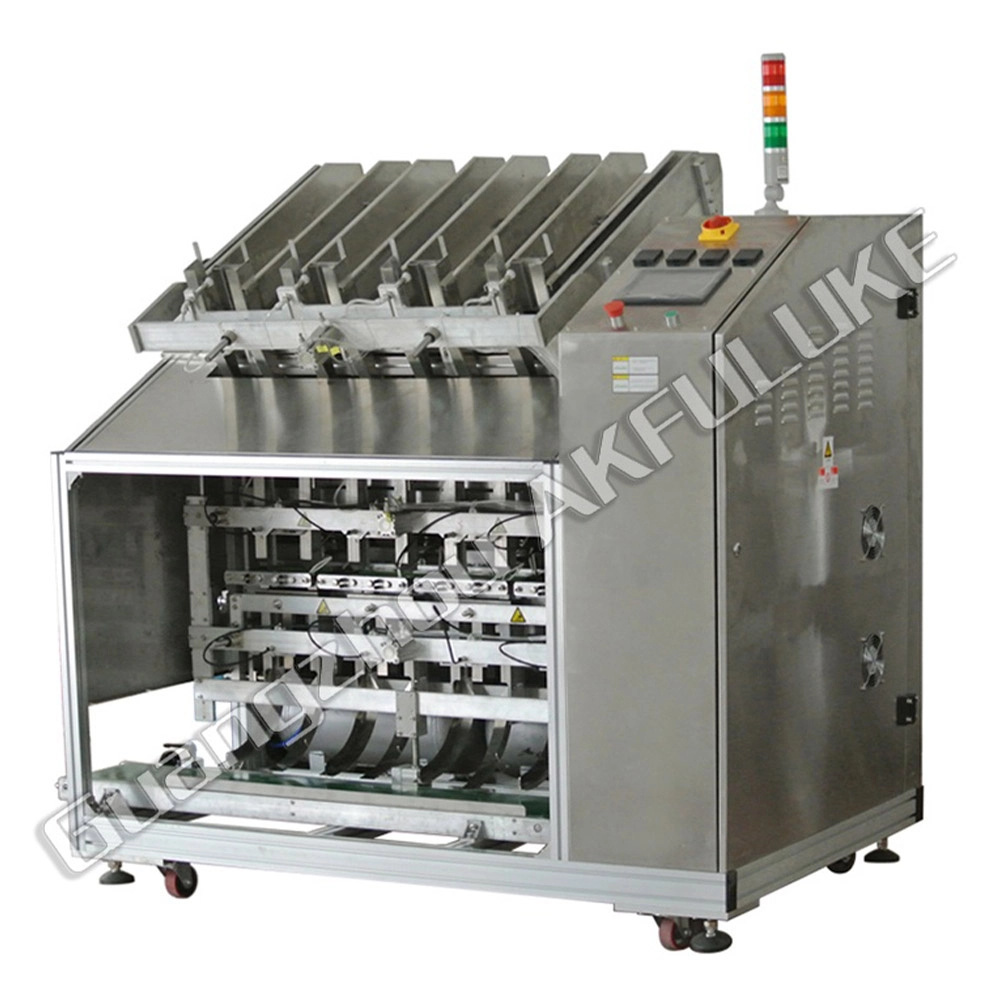
Effective Automatic Facial Mask Filling Machine 2/6/8 Heads Facial Mask Filling and Sealing Machine
Get in touch with FULUKE
If you have any comments or good suggestions, please leave us a message, later our professional staff will contact you as soon as possible.

A leading manufacturer specializing in advanced machinery and complete production lines for the cosmetics, food, pharmaceutical, and chemical industries worldwide.
Contact FULUKE
Facebook
Instagram
YouTube