
How to Select Spare Parts Kits for Critical Components
- Understanding Why Spare Parts Kits Matter for High-Precision Filling Lines
- Reducing downtime and protecting product quality
- Meeting regulatory and GMP expectations
- Cost control: spare parts vs. downtime
- How to Select Spare Parts Kits for Critical Components
- Step 1 — Identify and classify critical components
- Step 2 — Kit composition: what to include and why
- Step 3 — Sourcing, traceability, and OEM vs. third-party parts
- Maintaining and Managing Spare Parts Inventory
- Inventory strategies: minimum stock, reorder points, and safety stock
- Documentation, labeling and GMP records
- Training and rapid response teams
- Practical Tools: Checklists, Kits, and Metrics to Track
- Recommended spare parts kit checklist
- Key performance indicators (KPIs)
- Comparison table: spare kit options and typical use cases
- Implementation and Continuous Improvement
- Pilot the kit approach and measure results
- Supplier collaboration and lead-time reduction
- Use data and audits to refine kits
- Frequently Asked Questions (FAQ)
- Q1: How many spare parts kits should I keep for one automatic filling machine?
- Q2: Are OEM parts always necessary for GMP compliance?
- Q3: How do I balance inventory cost and downtime risk?
- Q4: Can I standardize spare parts across different filling machine models?
- Q5: Where can I find regulatory guidance for equipment and maintenance?
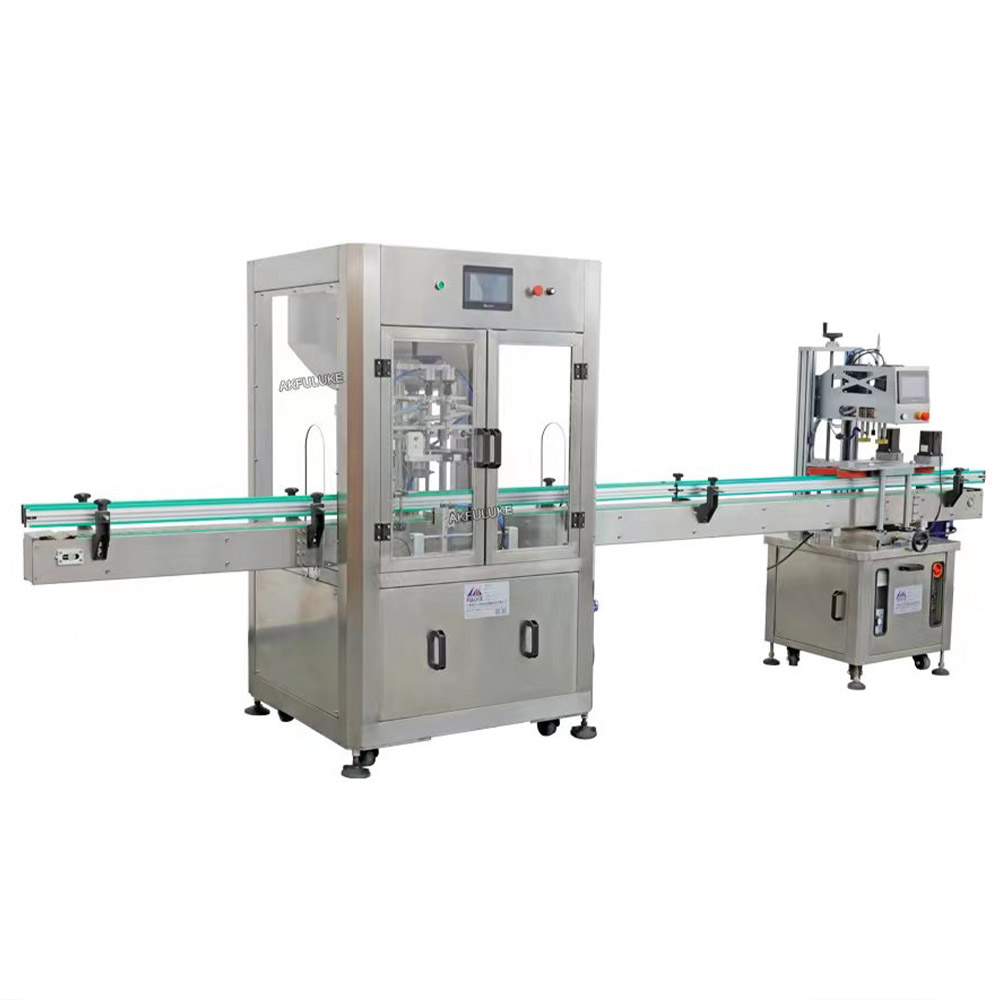
Concise summary for indexing: Choosing the right spare parts kits for critical components is essential for maximizing uptime and compliance of any liquid filling machine. This article shows practical selection criteria, inventory strategies, and maintenance best practices tailored to high-precision cream and lotion filling machines — including the Automatic Filling Machine Quantitative Liquid Bottle Filling Machine High-precision cream and lotion filling machine — which integrates automated conveying, precision filling, and intelligent control for creams, lotions and liquids while meeting GMP standards.
The Automatic Filling Machine Quantitative Liquid Bottle Filling Machine High-precision cream and lotion filling machine integrates automated conveying, precision filling, and intelligent control for packaging creams, lotions, and liquids. Suitable for a variety of containers, including glass and PET bottles, it can fill liquids, emulsions, and pastes with high precision.
Constructed with 316L/304 stainless steel contact components and compliant with GMP standards, it features a touchscreen interface for quick parameter adjustment and completes the entire process without manual intervention. Widely used in the cosmetics, food, daily chemical, pharmaceutical, and chemical industries, it helps companies reduce costs, increase efficiency, and ensure product standardization.
Understanding Why Spare Parts Kits Matter for High-Precision Filling Lines
Reducing downtime and protecting product quality
In automated lines such as a liquid filling machine for creams and lotions, the cost of an unplanned stop is more than lost production time — it risks product contamination, batch rework, and delayed shipments. Having a pre-assembled spare parts kit for critical components (pumps, valves, seals, sensors, and nozzles) allows technicians to restore operation quickly and safely, maintaining consistent fill weights and hygiene standards.
Meeting regulatory and GMP expectations
Cosmetic and pharmaceutical manufacturers must follow Good Manufacturing Practices. Standards such as ISO 22716 provide guidelines for production, quality control, and equipment maintenance to ensure product safety and traceability (ISO 22716). A documented spare parts strategy supports traceability, documented maintenance actions, and easier audit compliance.
Cost control: spare parts vs. downtime
Maintaining an inventory of critical parts involves holding costs, but the alternative — extended downtime — is often far more expensive. Use risk-based analysis to balance inventory investment against the expected frequency and impact of failures. For competitive insight into equipment types and common failure modes, industry overviews like the filling machine summary can help (Filler (liquids) — Wikipedia).
How to Select Spare Parts Kits for Critical Components
Step 1 — Identify and classify critical components
Start with a Failure Modes, Effects, and Criticality Analysis (FMECA) or a simpler criticality matrix. On a liquid filling machine, critical items typically include:
- Pump heads, diaphragms and drive components (for peristaltic or piston pumps)
- Nozzles and manifold seals (directly affect fill accuracy)
- Sensors (level detectors, flow meters, proximity switches)
- Motion control and PLC modules that manage filling cycles
- Gaskets, O-rings, and sanitary tri-clamp fittings (product-contact parts)
Classify each as: Critical (stop production), Major (affects quality/throughput), or Minor (does not immediately affect output). Focus the spare parts kit first on ‘Critical’ items.
Step 2 — Kit composition: what to include and why
A well-designed spare parts kit contains parts, consumables, tools, and documentation. For a high-precision cream and lotion filling machine, kits typically include:
- Replacement pump seals, diaphragms, and bearings — to avoid leaks and maintain dosing accuracy
- Set of nozzle tips and sealing gaskets — to restore correct fill profiles and hygiene quickly
- Sensors and electrical spares (key I/O modules, fuses, connectors) — to recover control and safety functions
- Fasteners, specialized wrenches, and alignment jigs — to reduce repair time
- Maintenance checklist and spare parts installation guide with part numbers and serial references
Include spare parts made from the same materials (e.g., 316L/304 stainless steel contact parts for creams) to preserve GMP and product compatibility.
Step 3 — Sourcing, traceability, and OEM vs. third-party parts
Choose reputable suppliers and insist on traceability: batch numbers, material certificates, and fitment confirmation. OEM parts guarantee compatibility and often include technical support, but qualified third-party parts can be cost-effective if proven equivalent. Document approvals for any non-OEM part and test them in non-production trials to avoid surprises.
Maintaining and Managing Spare Parts Inventory
Inventory strategies: minimum stock, reorder points, and safety stock
Use an inventory control method suited to your operation size:
- Small operations: Minimum stock with reorder points based on supplier lead time.
- Medium to large operations: Kanban or reorder point systems tied to MTTR (Mean Time To Repair) and MTBF (Mean Time Between Failures).
- Critical parts: Maintain a higher safety stock level or duplicate kits stored off-site to guard against supplier disruption.
When determining reorder points, include supplier lead time, expected usage rate, and the acceptable downtime window for your production schedule.
Documentation, labeling and GMP records
Label each spare parts kit clearly with part numbers, compatibility lists, and installation instructions. Maintain a digital log of parts usage, warranty claims, and maintenance interventions — this assists audits and continuous improvement programs. Regulatory guidance for cosmetics and process documentation can be referenced at the FDA cosmetics page (FDA Cosmetics).
Training and rapid response teams
Even the best kit is ineffective if technicians can’t use it quickly. Regular cross-training for maintenance staff on the Automatic Filling Machine Quantitative Liquid Bottle Filling Machine High-precision cream and lotion filling machine reduces repair time. Simulated breakdown drills (with a non-production unit or during scheduled downtime) help teams practice part changes and verification procedures.
Practical Tools: Checklists, Kits, and Metrics to Track
Recommended spare parts kit checklist
Use a standardized checklist per machine model. Example items specific to cream and lotion fillers:
- Pump seals and diaphragms (2–4 sets)
- Nozzle set (2–3 per nozzle type)
- Product-contact O-rings and gaskets (1 set per size)
- Hygienic clamps and ferrules
- Sensors: level, pressure, proximity (1 each)
- PLC backup module and critical I/O spare
- Tool kit and cleaning/sanitizing agents compatible with product
Key performance indicators (KPIs)
Track these KPIs to evaluate the effectiveness of your spare parts strategy:
- Mean Time To Repair (MTTR)
- Unplanned downtime hours per month
- Parts availability rate (percent of failures resolved immediately with on-hand spares)
- Inventory carrying cost vs. cost of downtime
Comparison table: spare kit options and typical use cases
| Part Type | Criticality | Recommended Kit Contents | Typical MTTR Impact |
|---|---|---|---|
| Pumps (seals, diaphragms) | Critical | Seal kits (2), spare pump head, adjustment tools | Reduces MTTR from 6–24 hrs to 1–3 hrs |
| Nozzles & manifolds | Critical — affects fill accuracy | Complete nozzle set, spare manifold gaskets | Reduces MTTR from 4–12 hrs to 0.5–2 hrs |
| Sensors & electronics | Major | Level sensors (1), proximity switches (2), spare PLC module | Reduces MTTR from 8–48 hrs to 2–6 hrs |
| Gaskets & fittings | Major/Minor | Assorted sanitary gaskets, tri-clamp clamps | Often reduces minor stoppages to <1 hr |
Note: MTTR estimates are illustrative; actual values depend on facility layout, staff skill, and supplier responsiveness.
Implementation and Continuous Improvement
Pilot the kit approach and measure results
Begin with one machine or production line. Assemble a spare parts kit based on the criticality analysis, run a six-month pilot, and measure changes in downtime and quality events. Use the pilot to refine quantity levels and improve part identification and documentation.
Supplier collaboration and lead-time reduction
Work with suppliers to reduce lead times — agreements can include consignment stock, priority manufacture, or local stocking solutions. For high-value or long-lead items, negotiate minimum stock levels or service contracts that include a guaranteed parts availability window.
Use data and audits to refine kits
Review maintenance logs and audit results periodically. Trends in failures should trigger kit updates: if a particular sensor fails more often, it moves up in kit priority. Maintain records that support compliance during regulatory inspections (for cosmetics, see ISO 22716 and FDA guidance referenced above).
Frequently Asked Questions (FAQ)
Q1: How many spare parts kits should I keep for one automatic filling machine?
A: At minimum, keep one comprehensive critical-kit on-site for immediate recovery plus a secondary kit or critical items held either off-site or through a supplier-managed consignment program. The exact number depends on production risk tolerance and supplier lead times.
Q2: Are OEM parts always necessary for GMP compliance?
A: Not always. GMP compliance requires traceability, documentation, and verification that parts do not adversely affect product quality. Approved and validated third-party parts can be used if documented and tested; however, OEM parts reduce compatibility risk and are generally preferred for critical components.
Q3: How do I balance inventory cost and downtime risk?
A: Perform a cost-risk analysis: calculate cost per hour of unplanned downtime and compare with annual carrying costs for spare parts. Prioritize higher safety stock for items with high downtime costs or long supplier lead times.
Q4: Can I standardize spare parts across different filling machine models?
A: Standardization is possible for common items like clamps, gaskets, and some sensors. However, pumps, nozzles, and PLC modules often remain model-specific. Where possible, choose equipment and spare strategies that maximize commonality.
Q5: Where can I find regulatory guidance for equipment and maintenance?
A: For cosmetics, ISO 22716 (ISO 22716) and FDA resources (FDA Cosmetics) provide relevant guidance on manufacturing practices and documentation. For equipment concepts, general filling machine information is summarized in industry references like Filler (liquids) — Wikipedia.
Contact & Product CTA: To discuss a tailored spare parts kit for your Automatic Filling Machine Quantitative Liquid Bottle Filling Machine High-precision cream and lotion filling machine, request a parts audit or view our product details and service plans — View Product & Service Options or Contact Sales for a custom consultation.
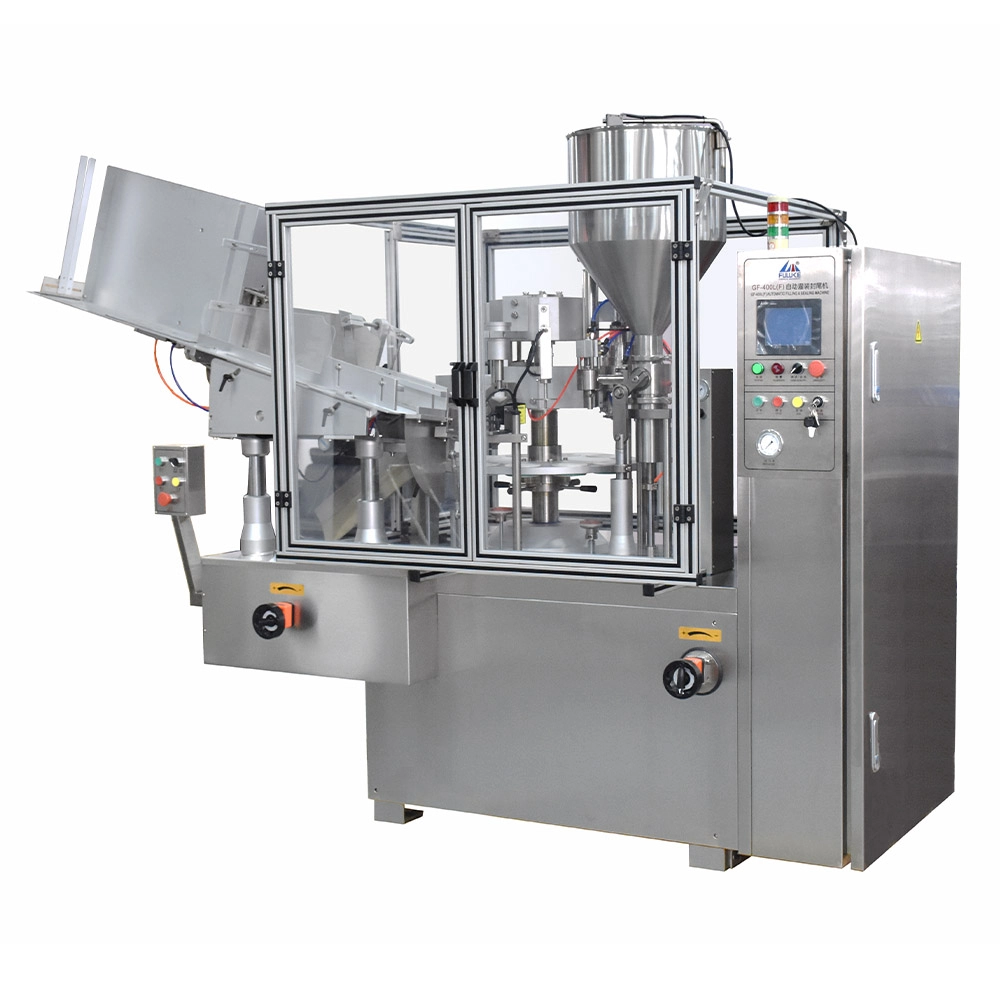
Minimizing Product Waste with Accurate Tube Filling Technology
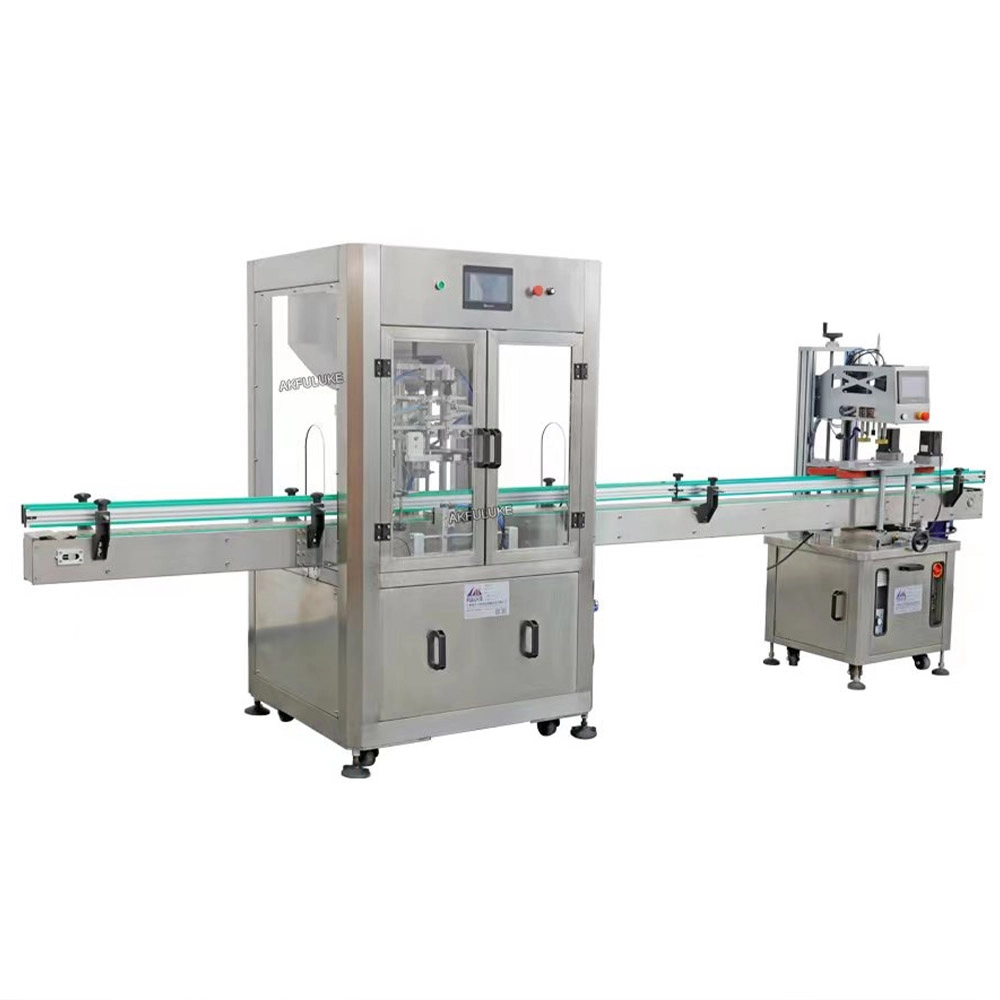
Choosing Conveyor and Starwheel Systems for Bottle Handling
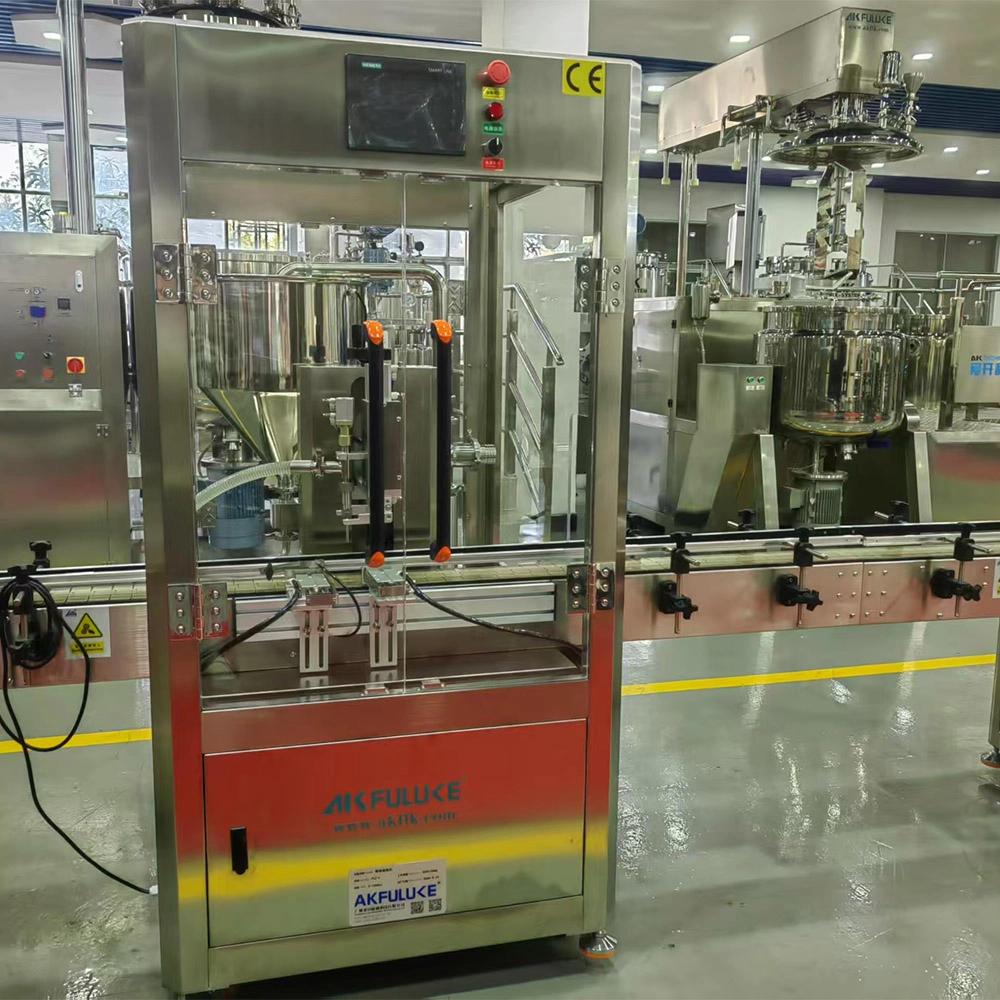
Selecting Appropriate Gaskets and Seals for Creams
Choosing Compatible Tubing and Hoses for Product Safety
Polypropylene PP Mixing Tank
Can you make a design for us?
Yes, we can, we provide not only products, but also solutions and designs.
Lift-type Homogenizing Disperser
Who are we?
Our headquarters is located in Guangzhou, Guangdong, China, and our factory is located in Yangzhou, Jiangsu. Our products are sold all over the world. We have approximately 50 employees in our company and factory.
How often should the disperser and homogenizer be cleaned? How should they be cleaned properly?
Cleaning Frequency: Cleaning is required every time a material is changed to prevent cross-contamination. When the same material is used continuously, cleaning is recommended every 24 hours. Cleaning Method: Rinse with clean water or a suitable solvent (e.g., alcohol for oily materials, clean water for water-based materials). Remove stubborn stains with a soft brush. Avoid scratching with hard objects to avoid damage.
Automatic Labeling Machine
What can you buy from us?
RO Water Treatment、Vacuum Emulsifying Machine、Homogenizer Mixing Tank、Filling and Capping、labeling Machine、Packing Machine、Storage Tank,etc.
FAQs
Where is FULUKE headquartered?
You May Also Like
Automatic Tube Filling and Sealing Machine Toothpaste Sunscreen and Facial Cleanser Filling and Sealing Machine for Plastic and Aluminum-plastic Tube
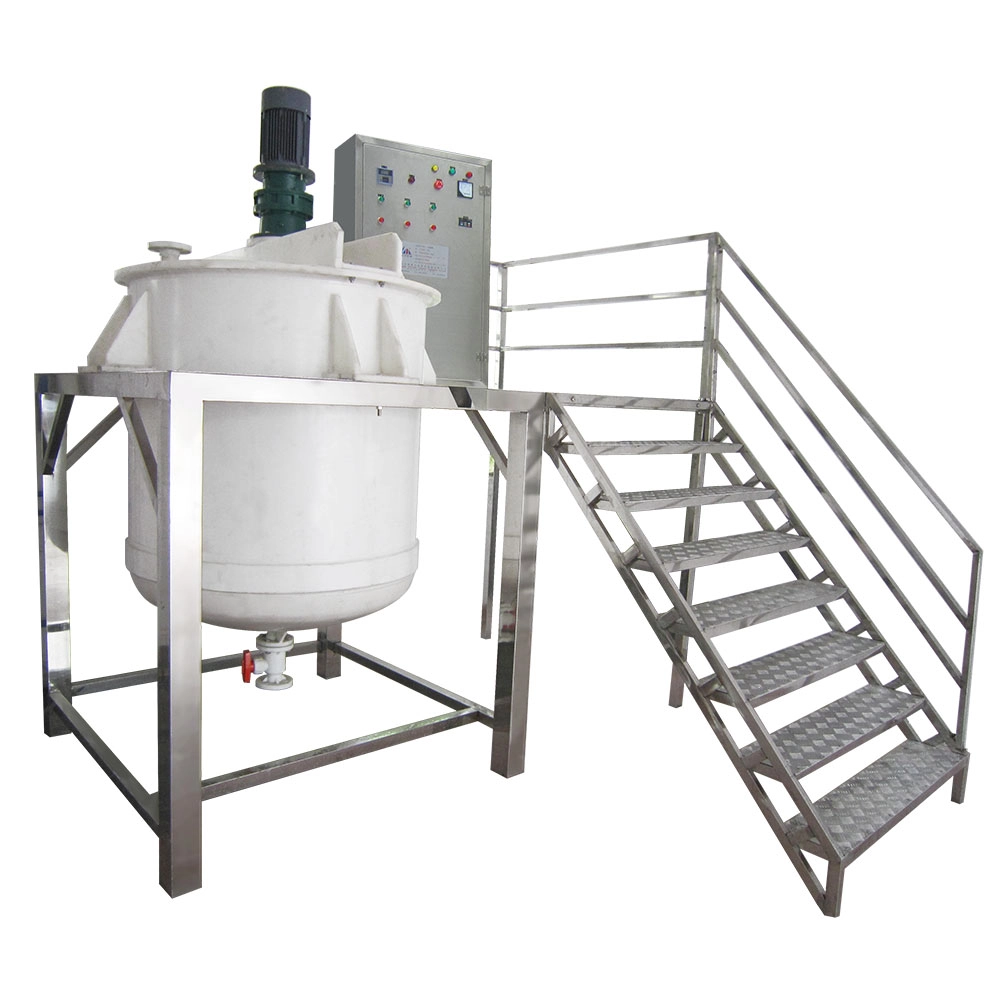
Polypropylene PP Mixing Tank Anti-Corrosion Mixer Reaction Kettle with Agitator Chemical Mixing Vessel
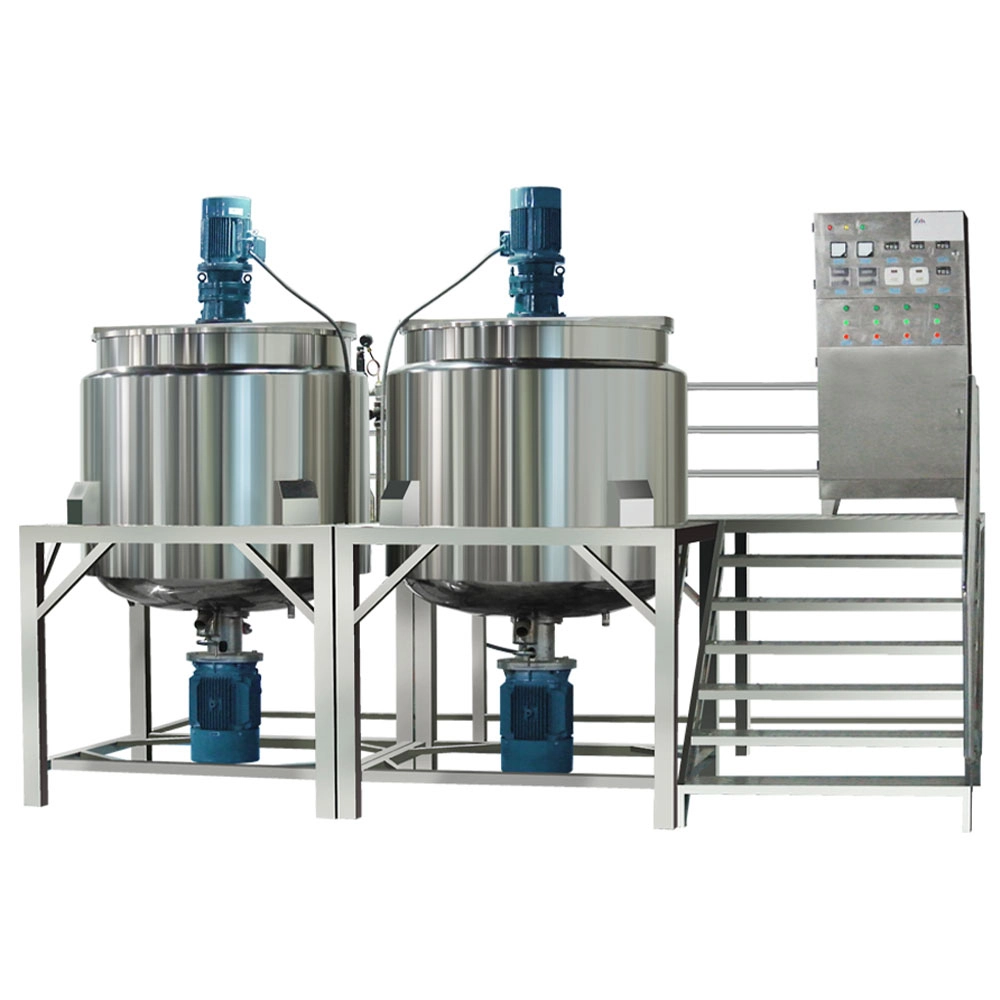
Flip Cover Multi-function Liquid Wash Mixing Tank Blender Liquid Detergent Mixer Homogenization Stirring Tank
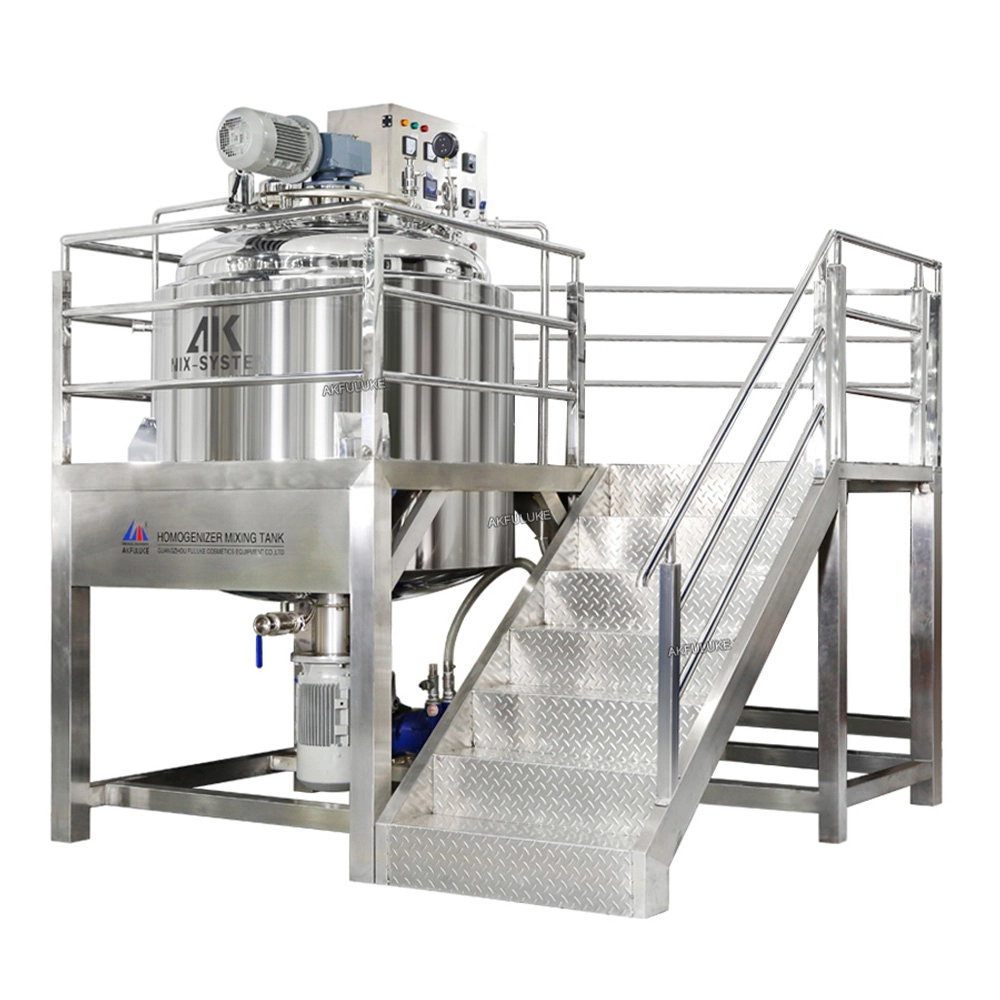
Stainless Steel Mixer Liquid Mixing tank with Agitator Homogenizing Mixing tank Vacuum Sealed Mixer Machine
Get in touch with FULUKE
If you have any comments or good suggestions, please leave us a message, later our professional staff will contact you as soon as possible.

A leading manufacturer specializing in advanced machinery and complete production lines for the cosmetics, food, pharmaceutical, and chemical industries worldwide.
Contact FULUKE
Facebook
Instagram
YouTube