
Selecting Appropriate Gaskets and Seals for Creams
- Key factors when selecting gaskets and seals for creams
- Chemical compatibility with creams and emulsions
- Mechanical stresses: pressure, compression set and wear
- Hygiene, cleanability and regulatory compliance
- Common gasket and seal materials: strengths and trade-offs
- Silicone (VMQ): gentle, flexible and broad-temperature use
- EPDM: excellent hot-water and alkaline resistance
- PTFE and FFKM: for harsh chemistries and long life
- Comparison table: typical properties and suitability
- Integration with automatic filling machines and production lines
- Why gasket selection matters for liquid filling machine performance
- Material selection for different filler components
- Product integration: Automatic Filling Machine description
- Cleaning, validation, testing and maintenance best practices
- Sanitation and cleaning protocols
- Testing and validation: how to prove compatibility
- Maintenance schedules and inspection checkpoints
- Selection checklist and practical decision workflow
- Step-by-step checklist
- When to engage material specialists and third-party labs
- Cost vs. risk: making the right financial decision
- FAQ
- Q1: Which seal material is best for oil-heavy creams?
- Q2: Can I use the same seals for CIP and SIP cycles?
- Q3: How often should seals be replaced on a high-speed cream filling machine?
- Q4: Do I need extractables and leachables testing for cosmetics?
- Q5: Where can I find certified seals for GMP operations?
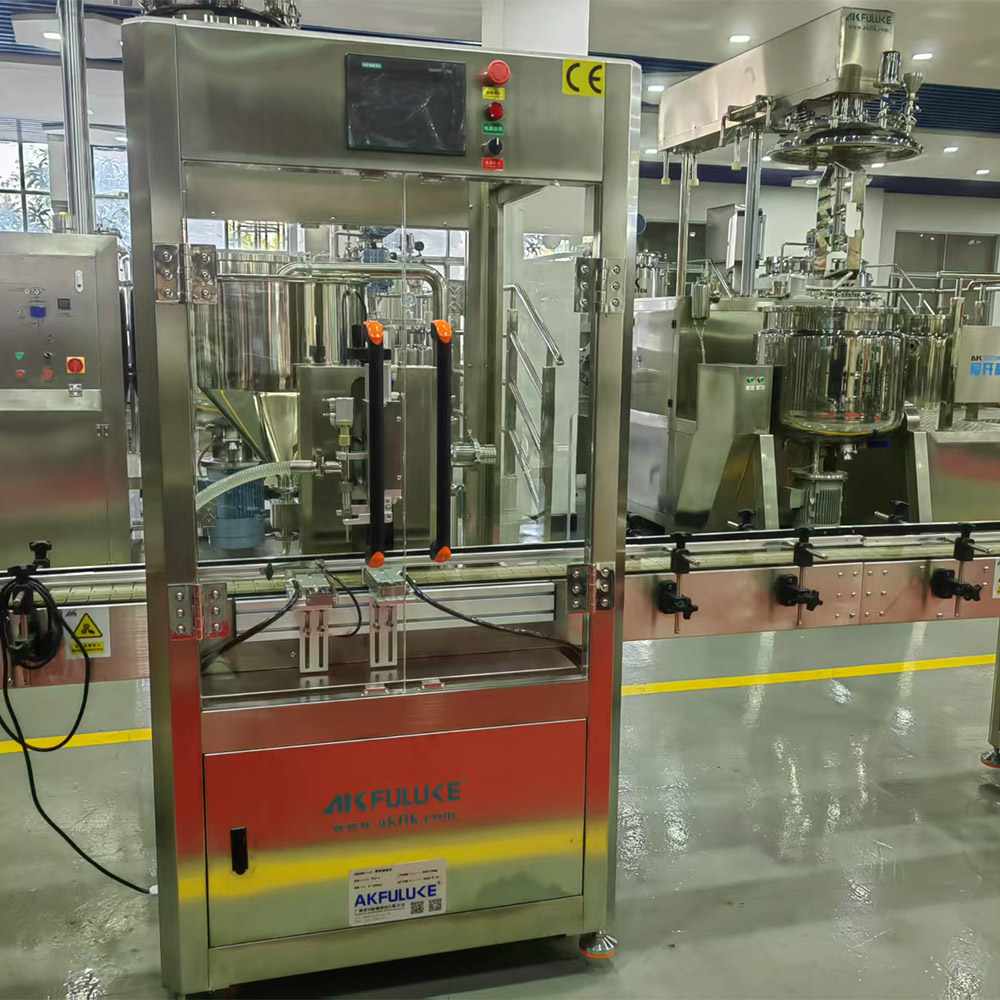
Choosing appropriate gaskets and seals for creams and lotions affects product quality, shelf life, cleanability, and production uptime. When paired with a high-precision cream and lotion filling line, such as an automatic filling machine, correct seal selection minimizes leaks, prevents contamination, and ensures consistent dosing during automated filling operations. This guide covers chemical compatibility, material properties, regulatory hygiene expectations, installation and testing best practices, and a decision checklist tailored to cosmetics processors and OEMs using liquid filling machine equipment.
Key factors when selecting gaskets and seals for creams
Chemical compatibility with creams and emulsions
The primary consideration is how the gasket material interacts with the product. Creams and lotions are complex mixtures of oils, surfactants, emulsifiers, preservatives and active ingredients. Some active ingredients (e.g., essential oils, solvents, esters) can swell or break down certain elastomers. Always consult chemical compatibility data and, when possible, run immersion tests with a representative sample of the final formulation at production temperature and expected contact time.
Good practice includes referencing manufacturer chemical-resistance tables and running accelerated compatibility tests. For high-risk actives (e.g., fragrance oils, solvents), materials like PTFE (polytetrafluoroethylene) or FDA-grade FFKM (perfluoroelastomer) can offer superior resistance, although at higher cost.
Mechanical stresses: pressure, compression set and wear
Seals on a liquid filling machine face dynamic stresses: repeated compression cycles, sliding motion in valve seats, and occasional pressure spikes during pump priming or line starts. Two key properties to check are compression set (how well the elastomer recovers after deformation) and abrasion resistance.
Materials with low compression set (e.g., silicone, fluorosilicone, some EPDM formulations) maintain sealing force over many cycles. For rotary or sliding applications, choose materials with good abrasion resistance or use PTFE-lined designs to reduce wear.
Hygiene, cleanability and regulatory compliance
Cosmetic manufacturing typically follows Good Manufacturing Practices (GMP) to control contamination risk. Seals must be compatible with cleaning-in-place (CIP) or manual clean-out (COP) routines and tolerate the cleaning agents and temperatures used. Refer to WHO and FDA GMP guidance for hygiene expectations in manufacturing environments: WHO GMP and FDA.
Prefer smooth-surfaced, non-porous materials that resist microbe adhesion. Platinum-cured silicone and 316L-contact designs are common in cosmetics because they balance cleanability and biocompatibility.
Common gasket and seal materials: strengths and trade-offs
Silicone (VMQ): gentle, flexible and broad-temperature use
Silicone is widely used for cosmetic applications because of its inertness, wide temperature range, excellent compression set performance (when properly formulated), and good cleanability. Food- and pharma-grade platinum-cured silicones are typically recommended. However, silicone has limited resistance to some oils, aggressive solvents and certain fragrance compounds. Avoid silicone where solvents or strong polar esters are present unless compatibility testing confirms suitability.
EPDM: excellent hot-water and alkaline resistance
EPDM (ethylene propylene diene monomer) resists hot water, steam, and many alkaline cleaners, making it suitable for CIP environments. It also performs well with many surfactants and aqueous-based lotions. EPDM is not resistant to petroleum oils or aromatic solvents, so it is unsuitable for oil-heavy formulations containing mineral oils or some fragrance components.
PTFE and FFKM: for harsh chemistries and long life
PTFE (Teflon) and high-performance perfluoroelastomers (FFKM) provide exceptional chemical resistance, low friction and long service life. PTFE is inert to most chemicals and has low permeability, but is less elastic (often used as a lining or in composite seals). FFKM provides rubber-like elasticity with outstanding chemical resistance but at a significant cost. Consider PTFE-laminated or FFKM components where formulations contain aggressive solvents or long exposure to actives that degrade conventional elastomers.
Comparison table: typical properties and suitability
| Material | Chemical resistance (general) | Temp. range (typical) | GMP/cleanability | Best uses |
|---|---|---|---|---|
| Silicone (VMQ) | Good vs. water-based, mild oils; poor vs. strong solvents | -60°C to 200°C | High (platinum-cured grades) | Lotions, aqueous creams, low-solvent formulations |
| EPDM | Excellent vs. hot water, steam, alkalis; poor vs. mineral oils | -50°C to 150°C | High | CIP systems, aqueous-based formulations |
| PTFE | Excellent vs. most chemicals and solvents | -200°C to 260°C | High (non-porous) | Solvent-containing creams, aggressive actives |
| FFKM (perfluoroelastomer) | Exceptional chemical resistance | -15°C to 300°C (grade dependent) | High | High Quality seals for harsh chemistries |
Sources and further reading on generic gasket materials and definitions: Wikipedia: Gasket.
Integration with automatic filling machines and production lines
Why gasket selection matters for liquid filling machine performance
The choice of gasket or seal directly affects fill accuracy, contamination risk, and equipment downtime. A worn or incompatible seal can cause leaks, variability in fill volume, and contamination of pump internals and valves. On high-speed or precision dosing systems—such as an Automatic Filling Machine Quantitative Liquid Bottle Filling Machine High-precision cream and lotion filling machine—robust, compatible seals are critical to maintain consistent performance across production runs.
Material selection for different filler components
Different components on the liquid filling machine require different seal properties:
- Valves and piston rods: need low-friction, low-wear seals (PTFE composites, polyurethane blends).
- Static flange gaskets and sight glasses: prioritize chemical resistance and cleanability (PTFE, hygienic silicone).
- Tank and pump connections: require elastomers with good compression set resistance and CIP compatibility (EPDM, silicone).
Product integration: Automatic Filling Machine description
Automatic Filling Machine Quantitative Liquid Bottle Filling Machine High-precision cream and lotion filling machine
The automatic filling machine integrates automated conveying, precision filling, and intelligent control for packaging creams, lotions, and liquids. Suitable for a variety of containers, including glass and PET bottles, it can fill liquids, emulsions, and pastes with high precision.
Constructed with 316L/304 stainless steel contact components and compliant with GMP standards, it features a touchscreen interface for quick parameter adjustment and completes the entire process without manual intervention. Widely used in the cosmetics, food, daily chemical, pharmaceutical, and chemical industries, it helps companies reduce costs, increase efficiency, and ensure product standardization.
When equipping this type of machine, ensure that contact parts (seals, hoses, gaskets) meet the same sanitary and regulatory expectations as the stainless steel surfaces. Using 316L contact parts combined with FDA/USP-compliant gaskets reduces leachable risk and facilitates cleaning validation.
Cleaning, validation, testing and maintenance best practices
Sanitation and cleaning protocols
Select seal materials that tolerate the cleaning agents and thermal cycles used in your facility. For CIP systems, EPDM and platinum-cured silicone withstand common alkaline and acid cleaners; PTFE components tolerate nearly all chemistries. Establish a documented cleaning SOP (temperature, concentration, contact time) and validate it against microbiological and residue limits.
Refer to WHO GMP guidance for setting up cleaning and sanitation programs in manufacturing facilities: WHO GMP.
Testing and validation: how to prove compatibility
Recommended validation steps:
- Material certificates and vendor declarations: obtain FDA/USP or food-contact certificates where applicable.
- Immersion and accelerated aging tests: expose gasket samples to the product at operating temperatures for extended periods and inspect for swelling, discoloration, hardness change and loss of elasticity.
- Functional tests on the liquid filling machine: run several production cycles and monitor fill accuracy, leakage and residue buildup.
- Analytical testing for extractables and leachables if the product or market requires (particularly for high-value actives).
For regulatory context on GMP expectations and documentation, consult pharmaceutical and medical device industry guidance such as ISPE resources: ISPE.
Maintenance schedules and inspection checkpoints
Create a preventive maintenance (PM) plan tied to run hours or production batches. Typical checkpoints include:
- Daily visual inspection of static gaskets and dynamic seals for leaks or extrusion.
- Weekly torque and clamp checks on flanged joints.
- Monthly dimensional checks for critical O-rings and valve seats.
- Replacement intervals based on manufacturer recommendations, or sooner if degradation is observed.
Maintain a spare parts inventory of critical seals (O-rings, seat gaskets) to minimize downtime; store elastomers away from UV, heat and ozone to prevent premature aging.
Selection checklist and practical decision workflow
Step-by-step checklist
Use this concise workflow to select seals for a new cream filling line:
- Define the product matrix: solvents, oil phase content, pH, surfactants and temperature range.
- Identify contact points on the liquid filling machine and their mechanical demands (static vs dynamic).
- Shortlist materials by chemical compatibility tables and GMP acceptability.
- Run accelerated immersion and mechanical performance tests.
- Validate cleaning/CIP compatibility and conduct microbiological checks.
- Document the decision, supplier certificates and replacement intervals in your quality system.
When to engage material specialists and third-party labs
Bring in polymer specialists and analytical labs when dealing with novel actives, strong solvents, or when extractables and leachables testing is required. Third-party testing provides defensible data for regulatory submissions and helps prevent costly field failures.
Cost vs. risk: making the right financial decision
High-performance materials (FFKM, PTFE) cost more upfront but can reduce downtime, yield losses and contamination risk. For commodity creams with benign formulations, food-grade silicone or EPDM may be the most cost-effective. Perform a simple cost-risk analysis that includes parts cost, planned replacement frequency, downtime cost per hour, and product loss cost to select the most economical long-term option.
FAQ
Q1: Which seal material is best for oil-heavy creams?
A1: For oil-rich formulations, avoid EPDM. PTFE-lined seals or Viton (FKM) and specialty fluorosilicones perform better. Run a compatibility test with your exact formula and temperature conditions before final selection.
Q2: Can I use the same seals for CIP and SIP cycles?
A2: Not all seals tolerate sterilization by steam-in-place (SIP). EPDM handles hot water and steam well, while some silicones and PTFE can also be suitable. Verify the material's maximum temperature and compression set properties; consult both the gasket and cleaning chemical suppliers.
Q3: How often should seals be replaced on a high-speed cream filling machine?
A3: Replacement frequency depends on material, product chemistry, machine speed and maintenance practices. Typical schedules range from monthly inspections to annual replacements. Establish condition-based replacements using visual inspection and leak trending for optimal timing.
Q4: Do I need extractables and leachables testing for cosmetics?
A4: While not always legally required for cosmetics in every market, extractables and leachables testing is recommended when using novel materials, high-value actives, or when selling in regulated markets. This testing supports safety claims and reduces risk of consumer complaints.
Q5: Where can I find certified seals for GMP operations?
A5: Purchase seals from suppliers offering FDA/USP class VI certification, material certificates, and traceability. Work with vendors experienced in supplying the cosmetics or pharmaceutical industries and ask for material test reports and sanitary design evidence.
For support choosing seals tailored to your formulation and filling line, contact our product specialists or request a demo of our Automatic Filling Machine Quantitative Liquid Bottle Filling Machine High-precision cream and lotion filling machine. We can run sample compatibility testing and provide a spare-parts recommendation kit to match your production needs.
References:
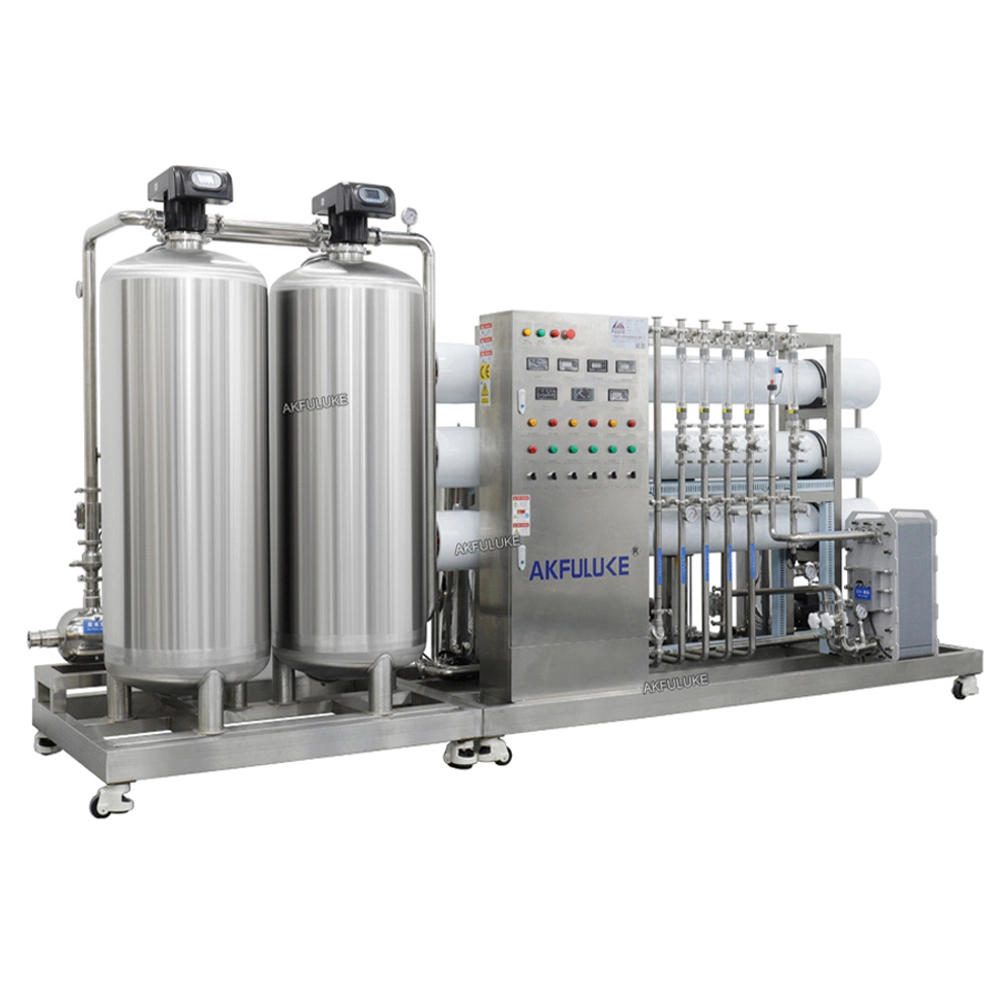
Supplier Evaluation: Warranties, Service, and Spare Parts Support
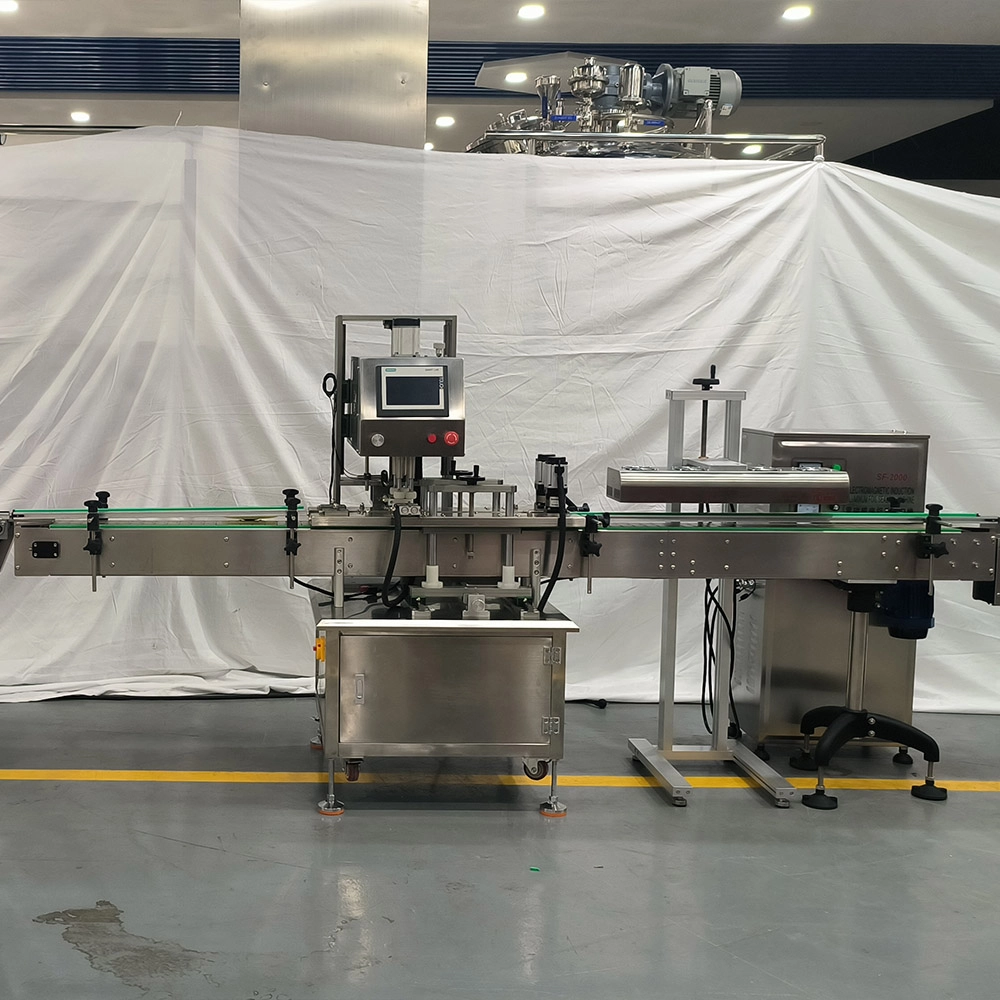
Benefits of Servo-Controlled Filling Systems for Cosmetics
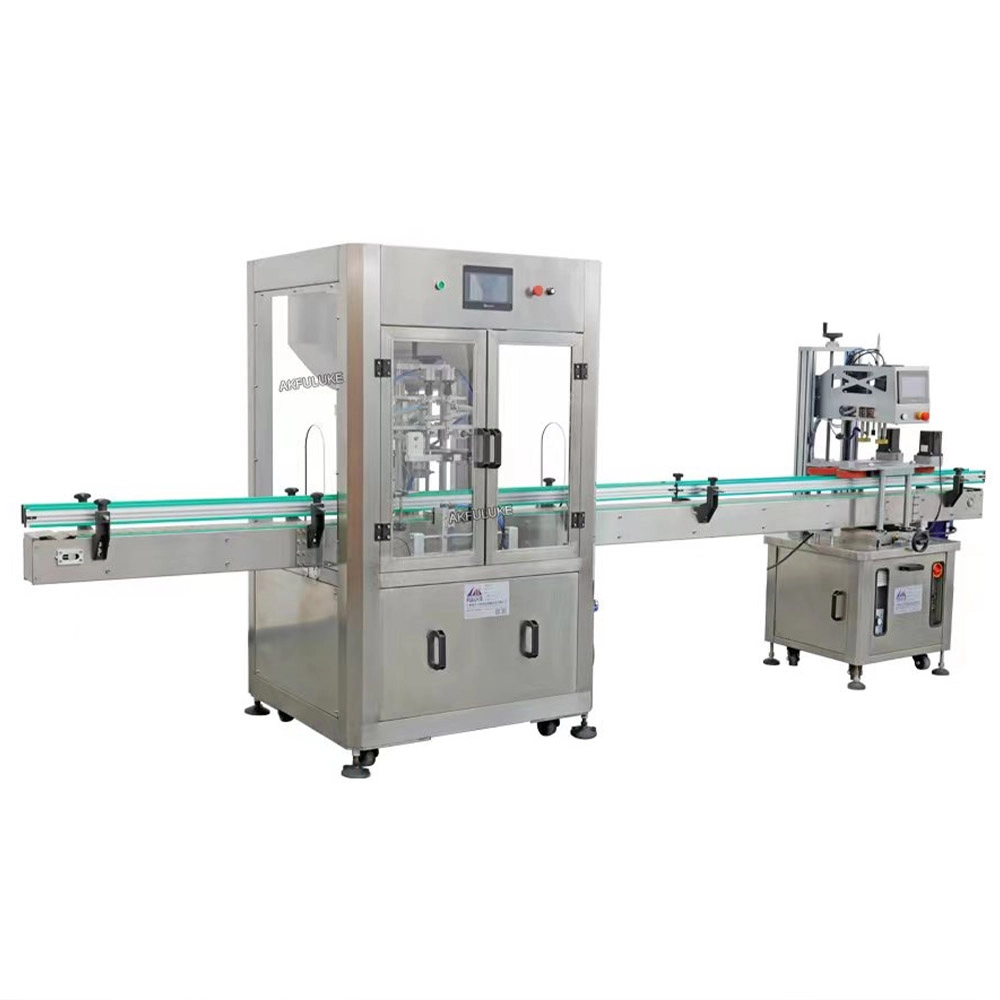
Best Practices for Filling Thin and Thick Formulas
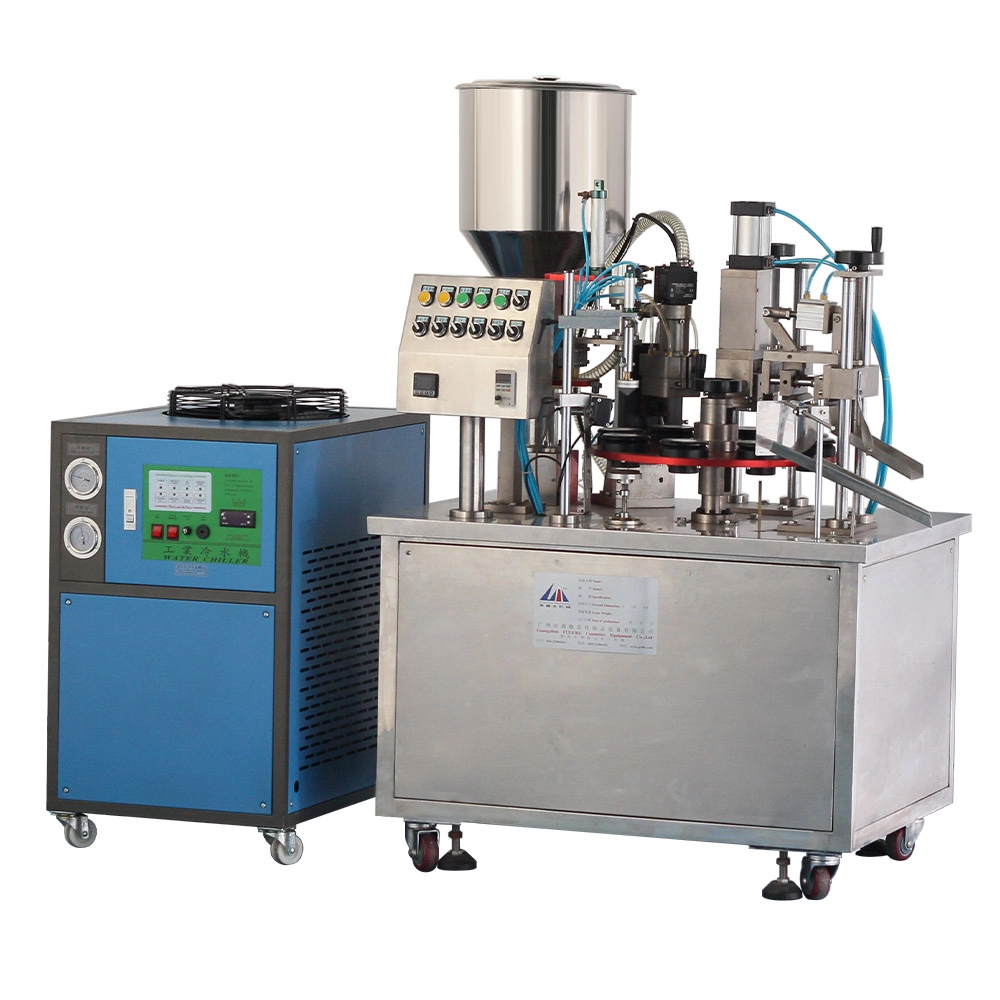
Sealing Integrity: Ensuring Quality in Toothpaste and Sunscreen Tubes
Automatic Filling Machine
Can you customize the machine?
Of course, we provide customized services according to customer needs.
Polypropylene PP Mixing Tank
What can you buy from us?
RO Water Treatment、Vacuum Emulsifying Machine、Homogenizer Mixing Tank、Filling and Capping、labeling Machine、Packing Machine、Storage Tank,etc.
Can you make a design for us?
Yes, we can, we provide not only products, but also solutions and designs.
Who are we?
Our headquarters is located in Guangzhou, Guangdong, China, and our factory is located in Yangzhou, Jiangsu. Our products are sold all over the world. We have approximately 50 employees in our company and factory.
Can you customize the machine?
Of course, we provide customized services according to customer needs.
You May Also Like
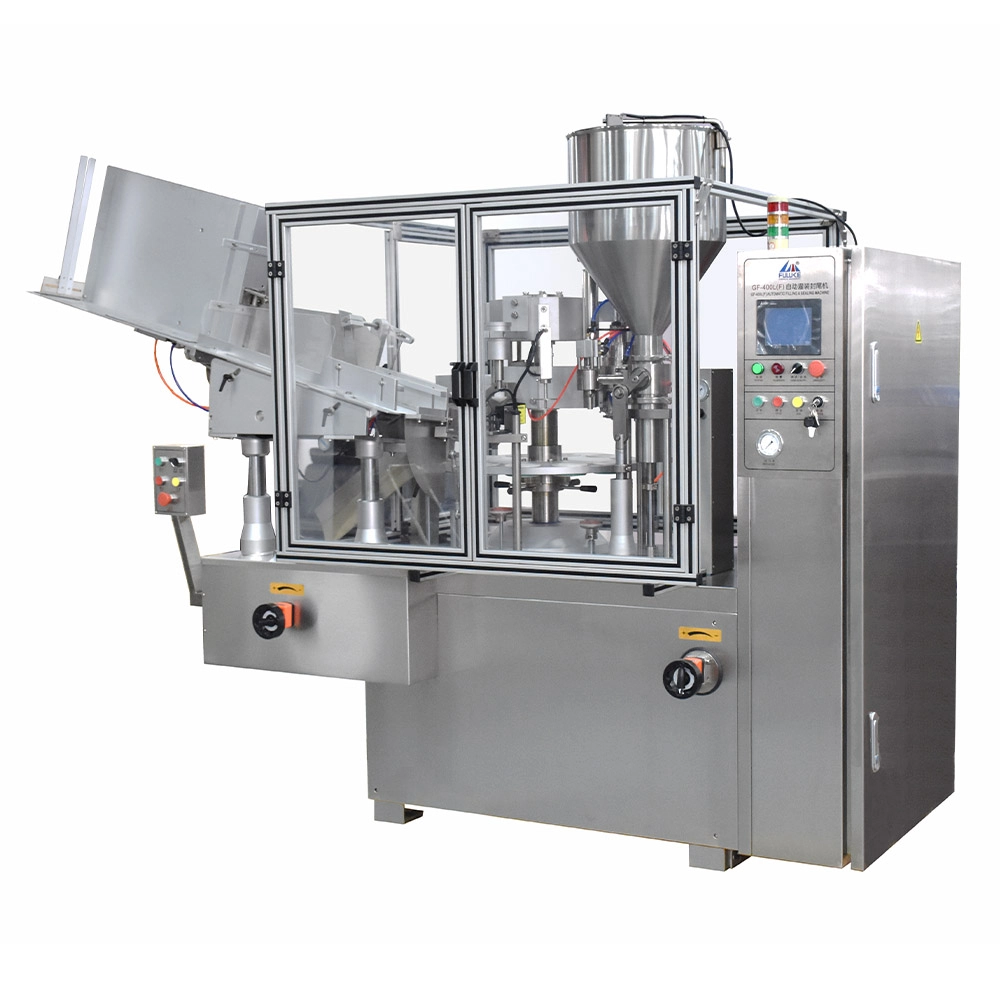
Automatic Tube Filling and Sealing Machine Toothpaste Sunscreen and Facial Cleanser Filling and Sealing Machine for Plastic and Aluminum-plastic Tube
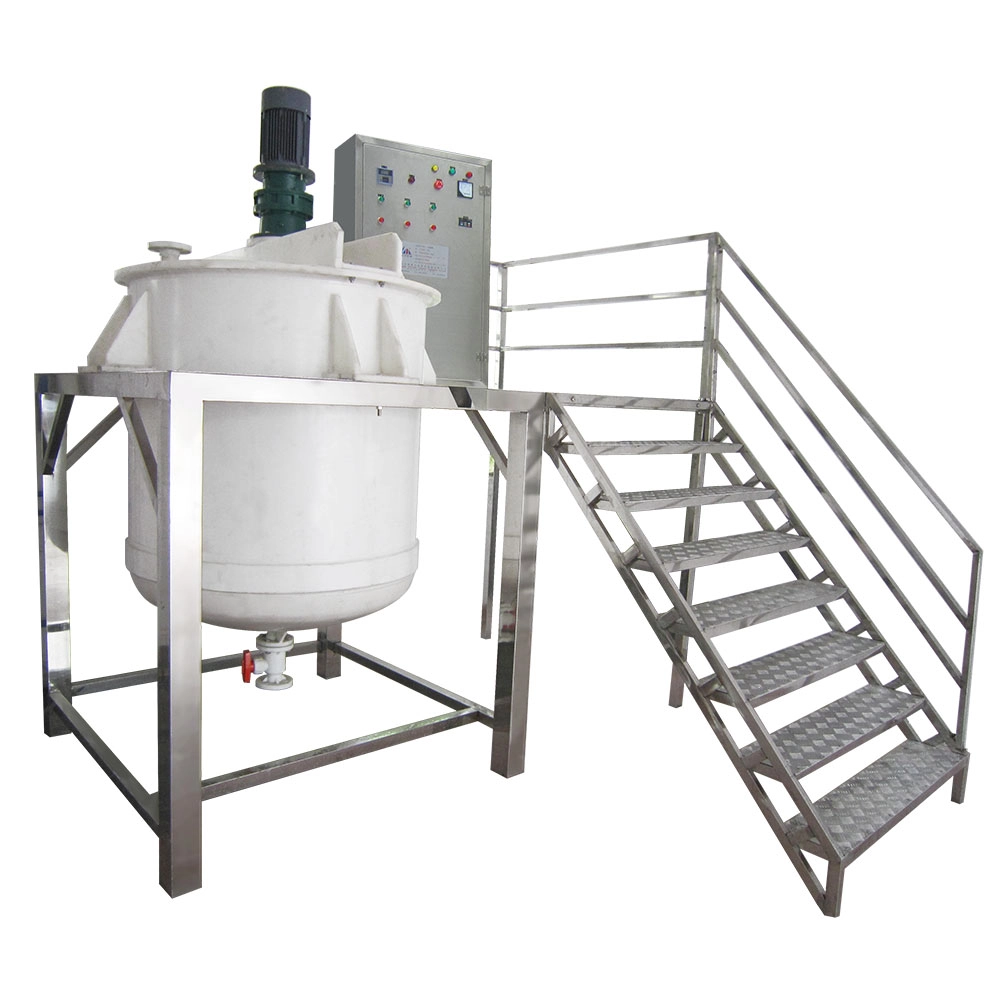
Polypropylene PP Mixing Tank Anti-Corrosion Mixer Reaction Kettle with Agitator Chemical Mixing Vessel
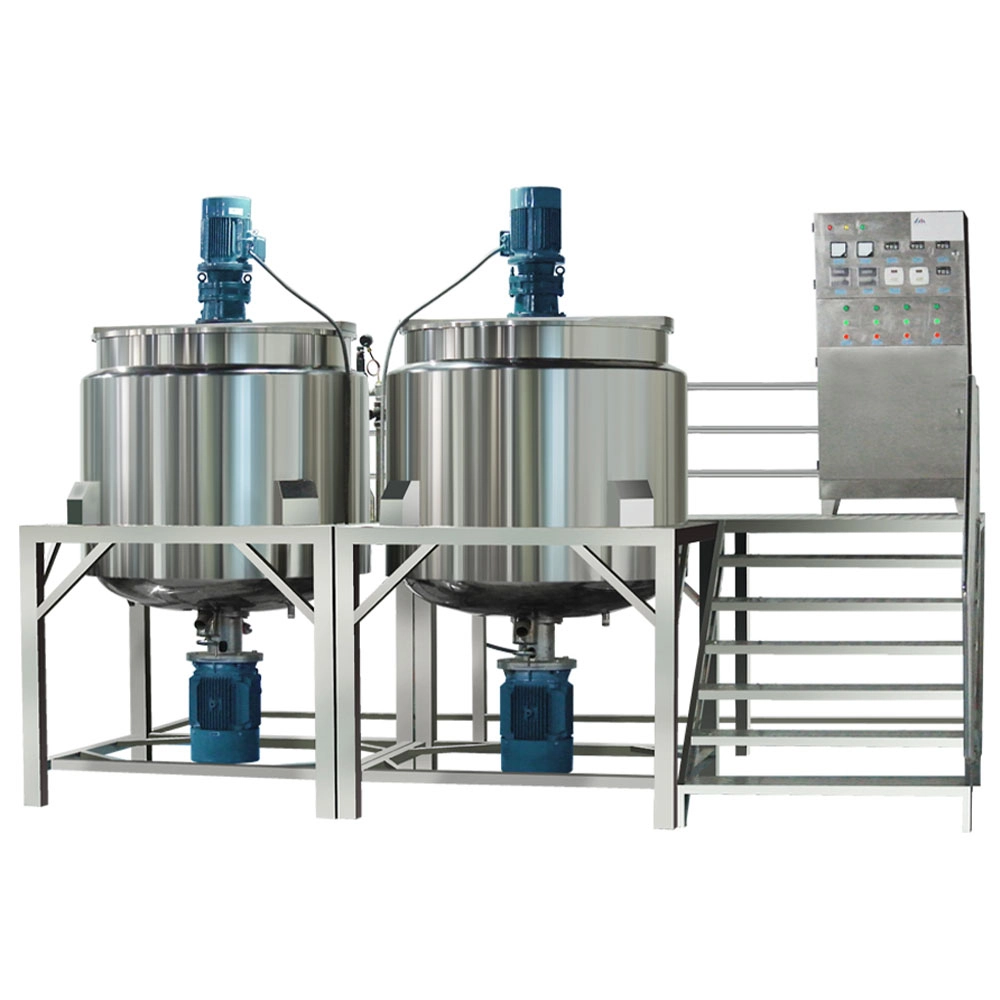
Flip Cover Multi-function Liquid Wash Mixing Tank Blender Liquid Detergent Mixer Homogenization Stirring Tank
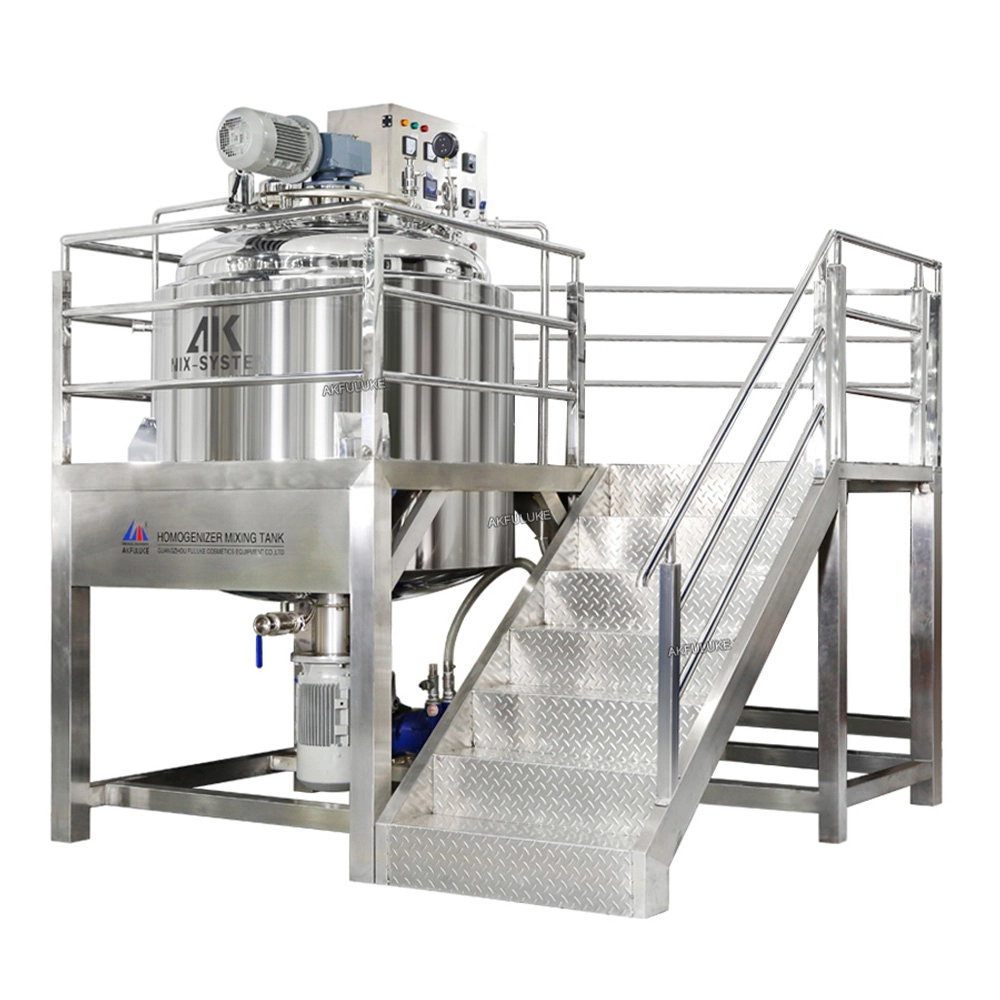
Stainless Steel Mixer Liquid Mixing tank with Agitator Homogenizing Mixing tank Vacuum Sealed Mixer Machine
Get in touch with FULUKE
If you have any comments or good suggestions, please leave us a message, later our professional staff will contact you as soon as possible.

A leading manufacturer specializing in advanced machinery and complete production lines for the cosmetics, food, pharmaceutical, and chemical industries worldwide.
Contact FULUKE
Facebook
Instagram
YouTube