
Selecting a Supplier for High-Precision Filling Machines
- Understanding Filling Technologies and Precision Requirements
- How filling method affects accuracy and product compatibility
- Pump and dosing comparison (visual at-a-glance)
- Throughput versus precision: defining acceptable tolerances
- Materials, Hygiene and Regulatory Compliance
- Why contact materials matter: 316L/304 stainless steel and surface finish
- GMP, ISO and relevant guidance to request from suppliers
- Cleaning, CIP/SIP and sanitary design considerations
- Automation, Controls and Data Integration
- PLC, HMI and recipe management
- Traceability, MES/ERP integration and Industry 4.0 readiness
- Quality assurance: in-line checks and weight validation
- Vendor Evaluation, Validation and Total Cost of Ownership
- Technical evaluation: testing and FAT/SAT expectations
- Qualification, documentation and validation deliverables
- After-sales support, spare parts and training
- Commercial Factors and Making the Final Decision
- Total cost of ownership (TCO) and ROI calculations
- Scalability and futureproofing
- Contract terms, warranty and acceptance criteria
- Summary and Next Steps
- Frequently Asked Questions (FAQ)
- Q: Which filling technology is best for viscous creams and lotions?
- Q: How accurate are high-precision automatic filling machines?
- Q: What regulatory standards should equipment meet for cosmetics?
- Q: Do I need CIP/SIP capability for a cosmetics line?
- Q: What documentation should the supplier provide?
- Q: How important is after-sales support?
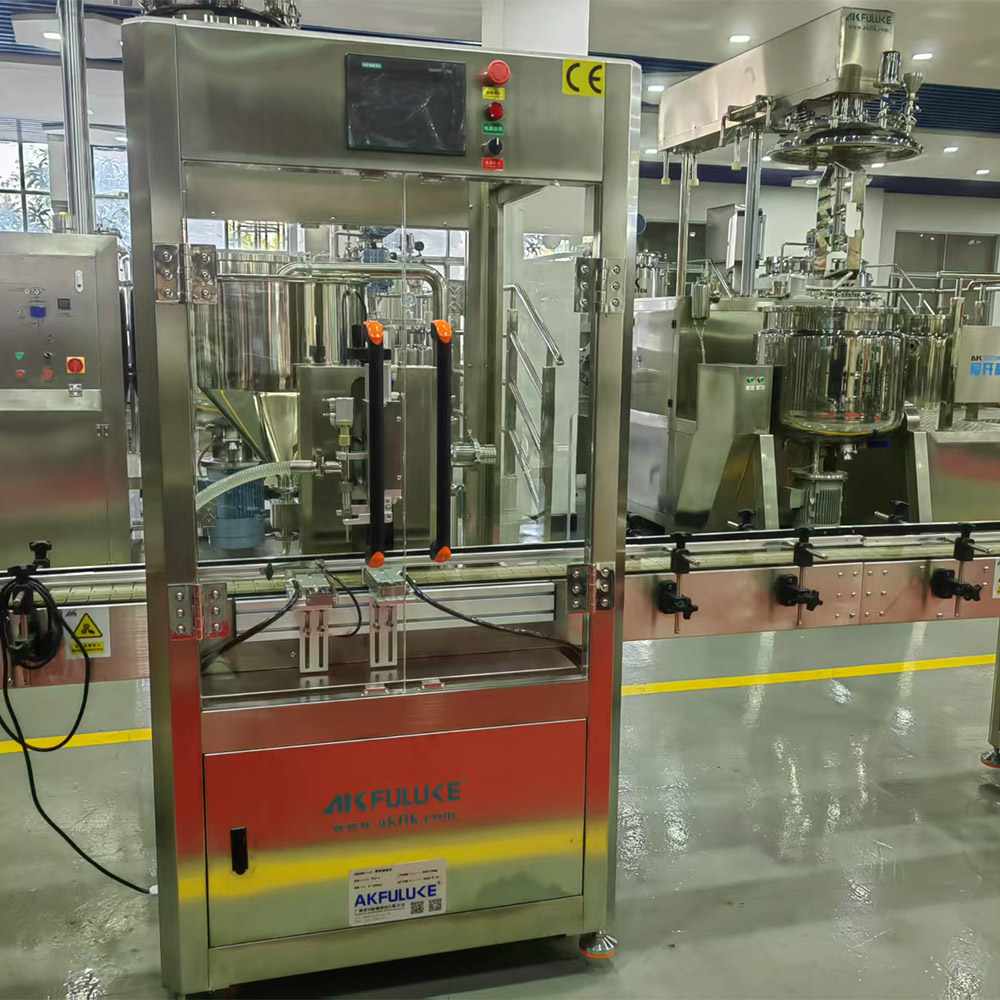
The selection of a supplier for a high-precision automatic filling machine requires balancing filling accuracy, sanitary design, regulatory compliance, automation and after-sales support. This guide helps procurement managers, production engineers and QA leads evaluate technologies and vendors for quantitative liquid bottle filling machines and high-precision cream and lotion filling machines—so you can reduce waste, improve yield, and sustain product quality across scaling production lines.
Understanding Filling Technologies and Precision Requirements
How filling method affects accuracy and product compatibility
Not all automatic filling machine designs produce the same result. For creams, lotions and viscous emulsions, you must consider how the metering principle interacts with product rheology. Common metering technologies include piston dosing, gear/pump dosing, peristaltic pumps and time-pressure or gravity fillers. Each has trade-offs in accuracy, shear on the product, and cleanability.
Pump and dosing comparison (visual at-a-glance)
| Technology | Typical accuracy | Best for | Pros | Cons |
|---|---|---|---|---|
| Piston filler | ±0.5% to ±1.5% | High-viscosity creams, pastes, emulsions | High accuracy, low product shear, repeatable | More moving parts; requires seals maintenance |
| Gear/rotary pump | ±1% to ±2% | Medium-to-high viscosity liquids | Good for continuous dosing; robust | Can shear delicate emulsions |
| Peristaltic pump | ±1% to ±3% | Sterile/abrasive or small batch lines | Ease of cleaning tubing; minimal contaminant risk | Tubing wear; limited for high-viscosity creams |
| Time-pressure / gravity | ±2% to ±5% | Low-viscosity liquids | Simple, low cost | Poor for creams/emulsions; lower accuracy |
Choosing the proper metering technology is one of the most important decisions when selecting a high-precision cream and lotion filling machine. For cosmetic creams and pastes, piston and gear pump solutions are most frequently recommended because they combine accuracy and compatibility with higher viscosity products.
Throughput versus precision: defining acceptable tolerances
Suppliers will often present maximum speed (bottles per minute) at a given accuracy tolerance. Ask vendors to define speed at your target tolerance (e.g., ±1% per fill) rather than peak speed alone. For scale-up planning, require capability curves that show accuracy vs. filling speed for your specific product formulation and container types.
Materials, Hygiene and Regulatory Compliance
Why contact materials matter: 316L/304 stainless steel and surface finish
The quality of product-contact materials is critical for contamination control, cleanability and corrosion resistance. A reliable supplier should use 316L (or 316) stainless steel for product-contact parts where corrosion resistance is crucial; 304 may be acceptable for non-critical areas. See the general properties of stainless steel on Wikipedia for more background.
The provided product below reflects industry best practices:
The automatic filling machine integrates automated conveying, precision filling, and intelligent control for packaging creams, lotions, and liquids. Suitable for a variety of containers, including glass and PET bottles, it can fill liquids, emulsions, and pastes with high precision.
Constructed with 316L/304 stainless steel contact components and compliant with GMP standards, it features a touchscreen interface for quick parameter adjustment and completes the entire process without manual intervention. Widely used in the cosmetics, food, daily chemical, pharmaceutical, and chemical industries, it helps companies reduce costs, increase efficiency, and ensure product standardization.
GMP, ISO and relevant guidance to request from suppliers
For cosmetics and personal care, the international guideline ISO 22716 (cosmetic GMP) is widely accepted. Suppliers should also be familiar with pharmaceutical GMP and validation principles where applicable; the FDA provides background on current Good Manufacturing Practice on its site: FDA cGMP overview. Ask potential vendors for documented evidence of equipment compliance, surface finish measurements (Ra), and cleanability test reports.
Cleaning, CIP/SIP and sanitary design considerations
Automated cleaning (CIP) and steam-in-place (SIP) compatibility reduces downtime and contamination risk. Choose machines with hygienic design: minimal dead legs, smooth welds, drainable sumps and easy-to-disassemble product-contact components. Ensure gaskets and seals are FDA/USP-compliant when in contact with product.
Automation, Controls and Data Integration
PLC, HMI and recipe management
Modern automatic filling machines should include PLC controls and a touchscreen HMI to store multiple recipes—filling volumes, speeds, nozzle heights and timing—so you can switch products quickly. The product described offers an intuitive touchscreen for fast parameter adjustment; confirm whether it supports user access levels, audit trails and exportable operation logs.
Traceability, MES/ERP integration and Industry 4.0 readiness
Traceability is increasingly critical for cosmetics companies focused on recalls and QA. Ask vendors about line-level data collection (e.g., weights, fills per lot, rejects), communication protocols (OPC-UA, Modbus, Ethernet/IP) and whether the machine can push data to your MES or ERP for batch records and SPC monitoring.
Quality assurance: in-line checks and weight validation
High-precision filling lines commonly integrate in-line check weighers, vision systems and torque/closure testers to ensure every package meets specification. Decide whether you require in-line weight verification with auto-reject and statistical process control (SPC) reporting to maintain consistent fill performance and regulatory compliance.
Vendor Evaluation, Validation and Total Cost of Ownership
Technical evaluation: testing and FAT/SAT expectations
Good suppliers will conduct a Factory Acceptance Test (FAT) using your product and containers. Establish FAT acceptance criteria in writing (fill accuracy, speed at tolerance, CIP procedure, noise, power consumption). After delivery, a Site Acceptance Test (SAT) should confirm performance on the production floor.
Qualification, documentation and validation deliverables
Request documentation as part of the contract: mechanical drawings, electrical schematics, material certificates (for 316L/304 parts), software validations, and IQ/OQ/PQ protocols. These documents support regulatory inspections and internal QA validation activities. A vendor able to provide traceable documentation demonstrates stronger E-E-A-T credentials.
After-sales support, spare parts and training
Evaluate warranty length, response time for service calls, availability of spare parts and whether the supplier offers operator and maintenance training. Consider whether remote diagnostics or predictive maintenance features are available. Ask for a spare-parts list with recommended stock levels to minimize downtime.
Commercial Factors and Making the Final Decision
Total cost of ownership (TCO) and ROI calculations
Beyond the purchase price, include installation & commissioning, validation, spare parts inventory, consumables, energy and labor savings in your TCO. Calculate ROI by estimating reduced product giveaway, fewer rejects, faster changeovers and labor redeployment. Suppliers should help build a realistic ROI case using your production data.
Scalability and futureproofing
Choose equipment that is modular or can be upgraded (additional heads, increased speed, CIP options) to support future product lines and increased volumes. Verify software update policies and backward compatibility for spare parts and PLC/HMI revisions.
Contract terms, warranty and acceptance criteria
Write precise acceptance criteria into the purchase agreement. Include penalty clauses for missed performance guarantees, clearly defined warranty coverage, and provisions for extended service agreements. Ensure intellectual property terms are clear for any custom tooling or software recipes.
Summary and Next Steps
Selecting a supplier for a high-precision automatic filling machine requires a structured evaluation of metering technology, sanitary design, regulatory compliance, automation capability and vendor support. Use FAT/SAT, ask for validation documents (IQ/OQ/PQ), and require real-product testing to confirm accuracy at your required throughput. With the right machine—such as a quantitative liquid bottle filling machine designed specifically for high-precision cream and lotion filling—you will reduce waste, increase efficiency and improve product uniformity across batches.
Frequently Asked Questions (FAQ)
Q: Which filling technology is best for viscous creams and lotions?
A: Piston fillers and gear/rotary pumps are typically best for viscous creams and lotions due to their accuracy and ability to handle higher viscosities with low shear. Peristaltic pumps may be used for specific sterile or small-batch applications but are generally less suitable for very thick pastes.
Q: How accurate are high-precision automatic filling machines?
A: Accuracy depends on the metering system and conditions. High-quality piston systems can achieve ±0.5%–±1.5% accuracy; gear pumps ±1%–±2%; peristaltic ±1%–±3%. Always request vendor data showing accuracy for your specific product and container at target speed.
Q: What regulatory standards should equipment meet for cosmetics?
A: The international guideline ISO 22716 (cosmetic GMP) is commonly used in the cosmetics industry. For pharmaceutical or medically labeled products, relevant pharmaceutical GMP and validation standards apply. See ISO 22716 and the FDA cGMP overview for guidance.
Q: Do I need CIP/SIP capability for a cosmetics line?
A: CIP (clean-in-place) is highly recommended for production lines that run multiple products or colorants and where rapid turnaround is required. SIP is less common in cosmetics than in pharmaceuticals, but may be requested for specific sterile or highly controlled processes.
Q: What documentation should the supplier provide?
A: Insist on material certificates for product-contact parts (e.g., 316L/304), surface finish (Ra) reports, mechanical and electrical drawings, FAT reports, IQ/OQ/PQ protocols, and user manuals. These support validation and ongoing QA.
Q: How important is after-sales support?
A: Critical. Fast spare-part availability, responsive service technicians, training programs, and remote diagnostics minimize downtime and protect product quality. Assess supplier SLAs and local representation during vendor selection.
If you would like a hands-on demo, a custom FAT with your formulation, or a quotation for the Automatic Filling Machine Quantitative Liquid Bottle Filling Machine High-precision cream and lotion filling machine, contact our sales team or view the product page for specifications and options: View product & contact sales.
References: General background on filling machines and technical context are available at Filling machine - Wikipedia and material guidance at Stainless steel - Wikipedia. Regulatory references include ISO 22716 and the FDA cGMP overview.
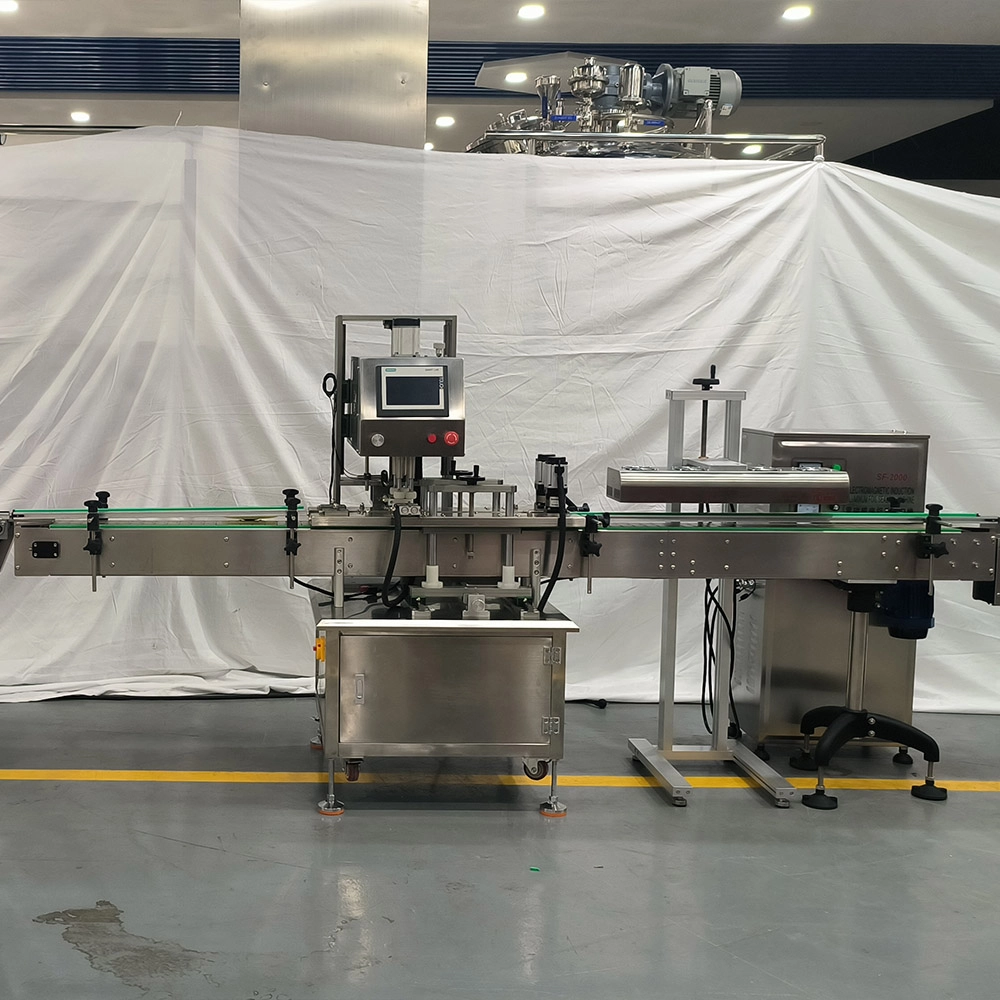
Filling Accuracy Testing Methods for Cosmetic Products
Top 10 filling capping machine Manufacturers and Supplier Brands in 2026
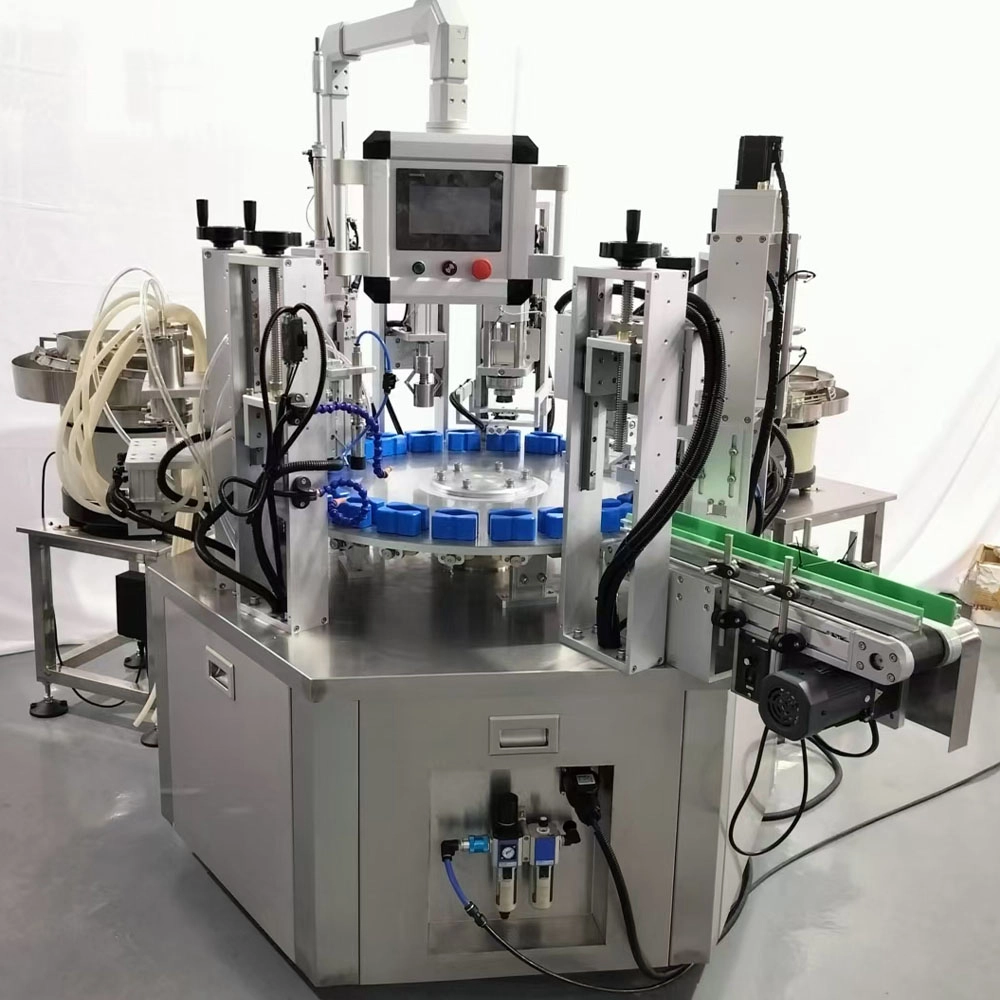
Top 10 Perfume Making Equipment Products for High-Volume Lines
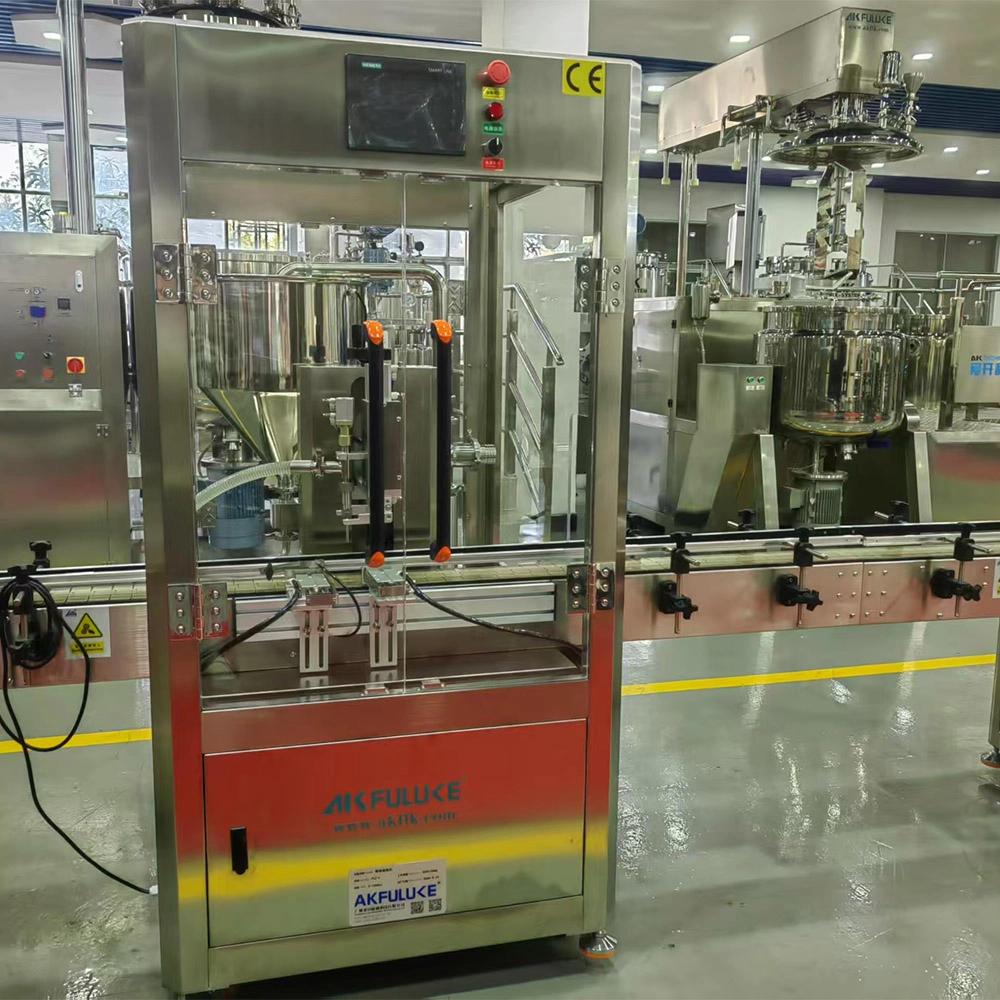
Comparing Piston and Peristaltic Liquid Filling Technologies
Storage Tank
What should I check before daily use of a storage tank?
Inspect the tank for signs of deformation or leakage, and check that the sealing components are intact.
Confirm that the level gauge, pressure gauge, and other instruments are displaying normal readings and that the valves are opening and closing freely.
If storing flammable or explosive media, check that the anti-static device is effective.
Lift-type Homogenizing Disperser
Who are we?
Our headquarters is located in Guangzhou, Guangdong, China, and our factory is located in Yangzhou, Jiangsu. Our products are sold all over the world. We have approximately 50 employees in our company and factory.
Perfume Filling Machine
Who are we?
Our headquarters is located in Guangzhou, Guangdong, China, and our factory is located in Yangzhou, Jiangsu. Our products are sold all over the world. We have approximately 50 employees in our company and factory.
Automatic Capping Machine
Can this machine be directly integrated into my production line? Does it require any additional modifications?
Most models have standard conveyor belt interfaces, allowing them to be directly connected to filling machines, labeling machines, and other production line equipment without requiring major modifications. Simply fine-tune the conveyor speed based on the production line height and speed to synchronize.
The Flip Cover Liquid Wash Mixing Homogenizing Tank
What can you buy from us?
RO Water Treatment、Vacuum Emulsifying Machine、Homogenizer Mixing Tank、Filling and Capping、labeling Machine、Packing Machine、Storage Tank,etc.
You May Also Like
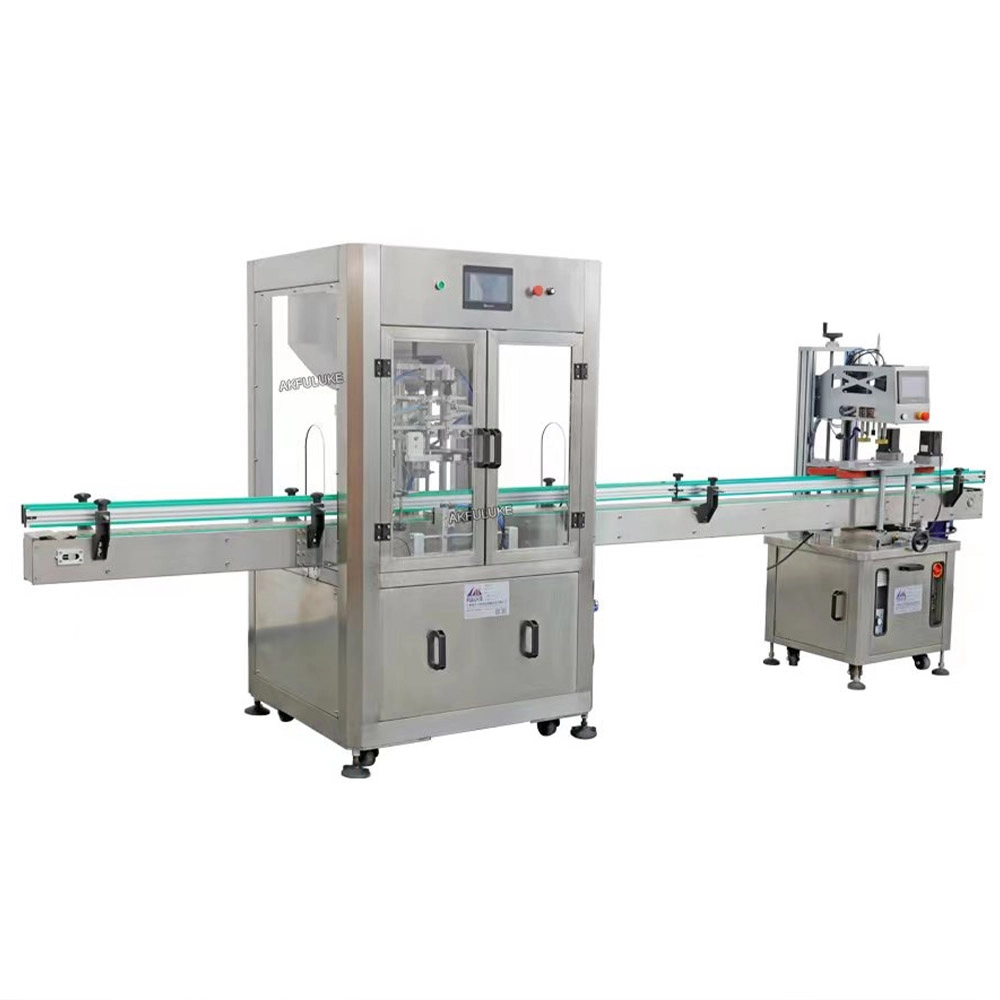
Automatic Filling Machine Quantitative Liquid Bottle Filling Machine High-precision cream and lotion filling machine
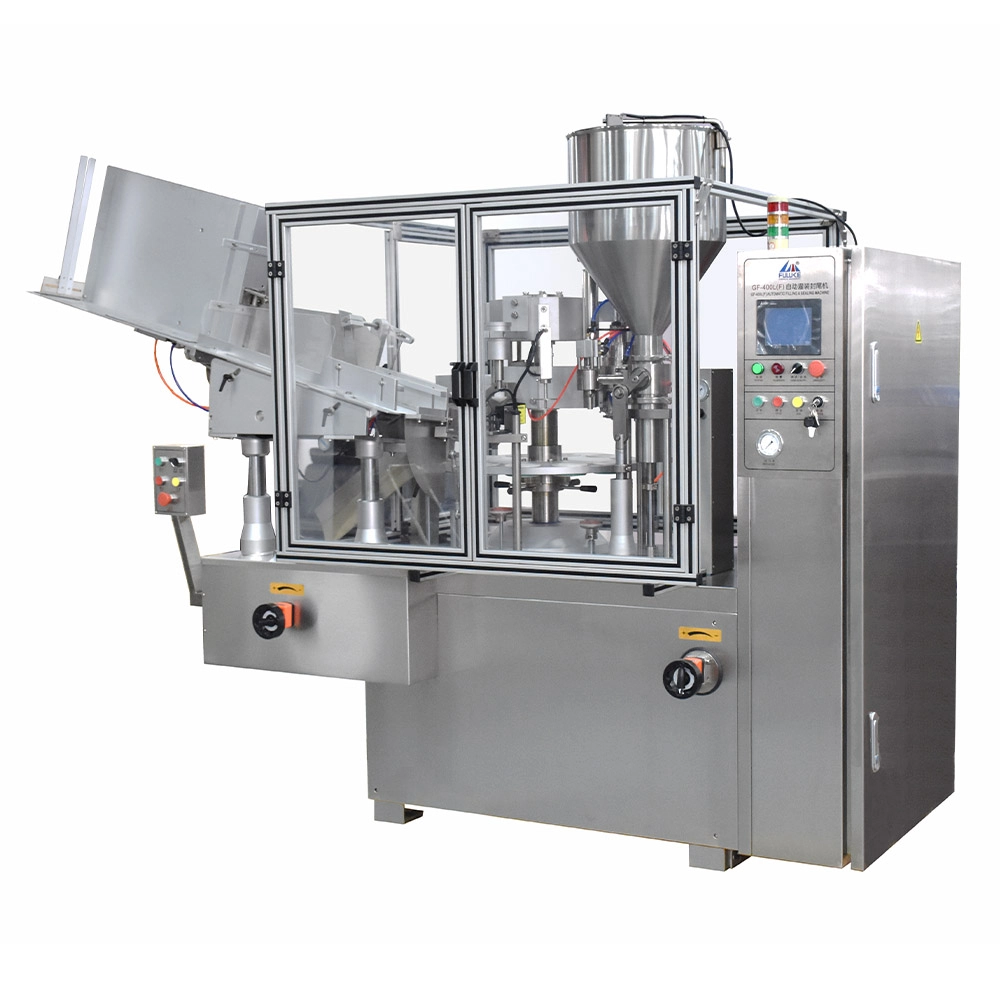
Automatic Tube Filling and Sealing Machine Toothpaste Sunscreen and Facial Cleanser Filling and Sealing Machine for Plastic and Aluminum-plastic Tube
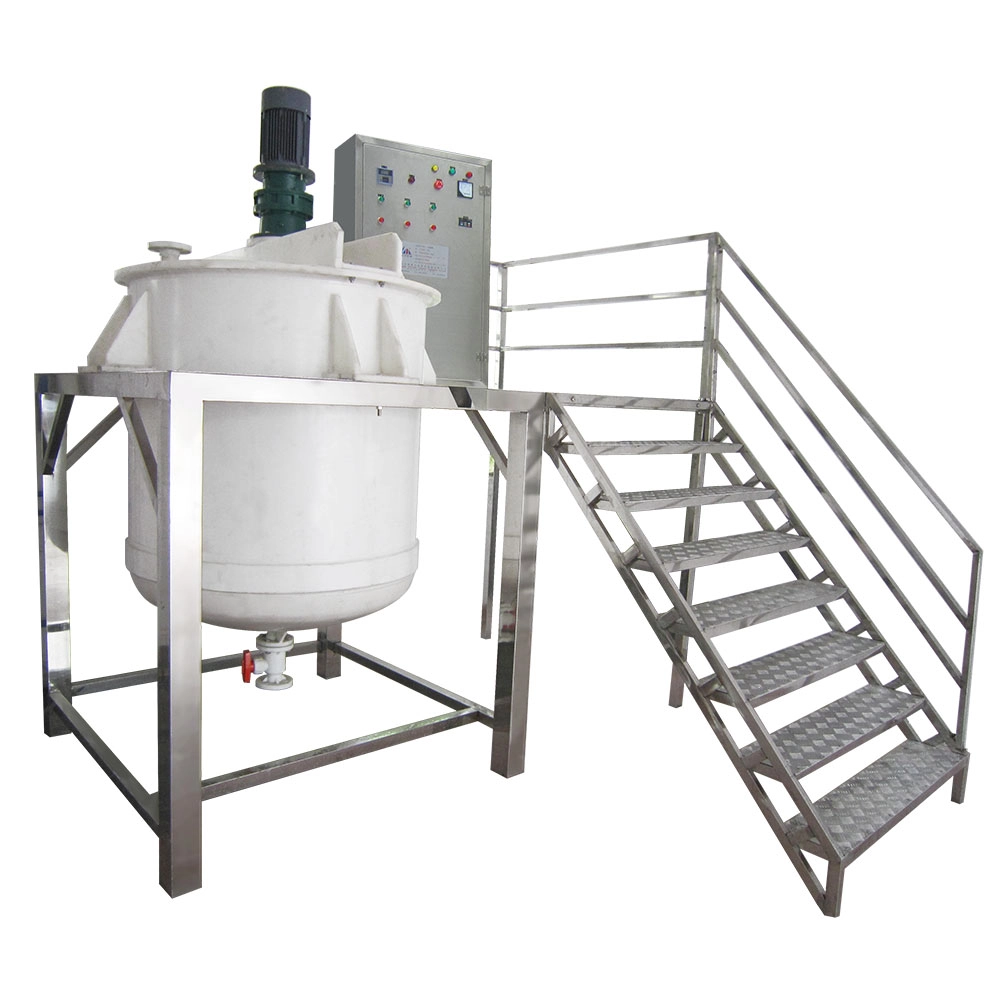
Polypropylene PP Mixing Tank Anti-Corrosion Mixer Reaction Kettle with Agitator Chemical Mixing Vessel
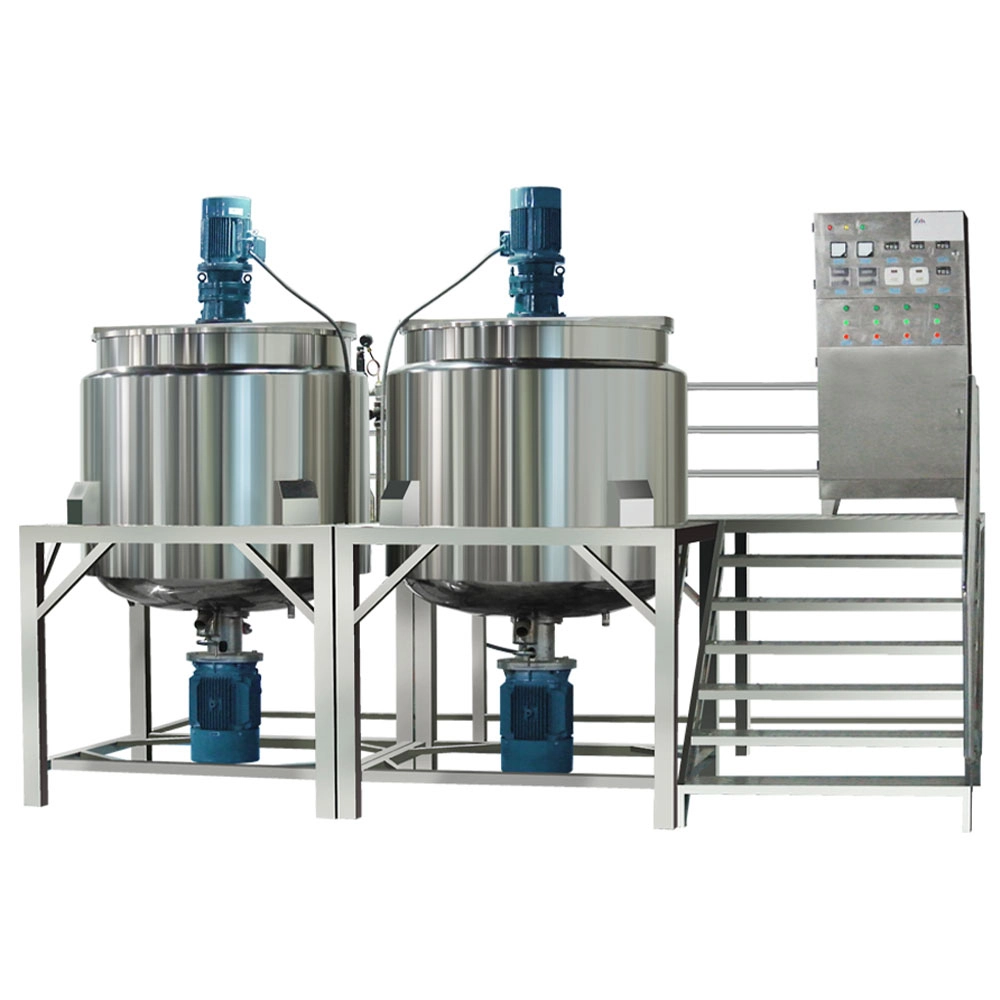
Flip Cover Multi-function Liquid Wash Mixing Tank Blender Liquid Detergent Mixer Homogenization Stirring Tank
Get in touch with FULUKE
If you have any comments or good suggestions, please leave us a message, later our professional staff will contact you as soon as possible.

A leading manufacturer specializing in advanced machinery and complete production lines for the cosmetics, food, pharmaceutical, and chemical industries worldwide.
Contact FULUKE
Facebook
Instagram
YouTube