
Selecting Filling Machines for Plastic and Aluminum-Plastic Tubes
- Selecting Filling Machines for Plastic and Aluminum-Plastic Tubes
- Understanding the role of a Filling machine in tube packaging
- Tube materials and their implications for a Filling machine
- Viscosity and filling head selection for your Filling machine
- Throughput, accuracy, and production line integration
- Sealing methods and seal integrity for plastic and aluminum-plastic tubes
- Automation, controls, and user interface
- Hygiene, cleaning, and maintenance considerations for Filling machine
- Safety, compliance, and regulatory issues
- Cost considerations: capex vs opex for Filling machine
- Comparative table: filling technologies and suitability
- Checklist for evaluating a Filling machine vendor
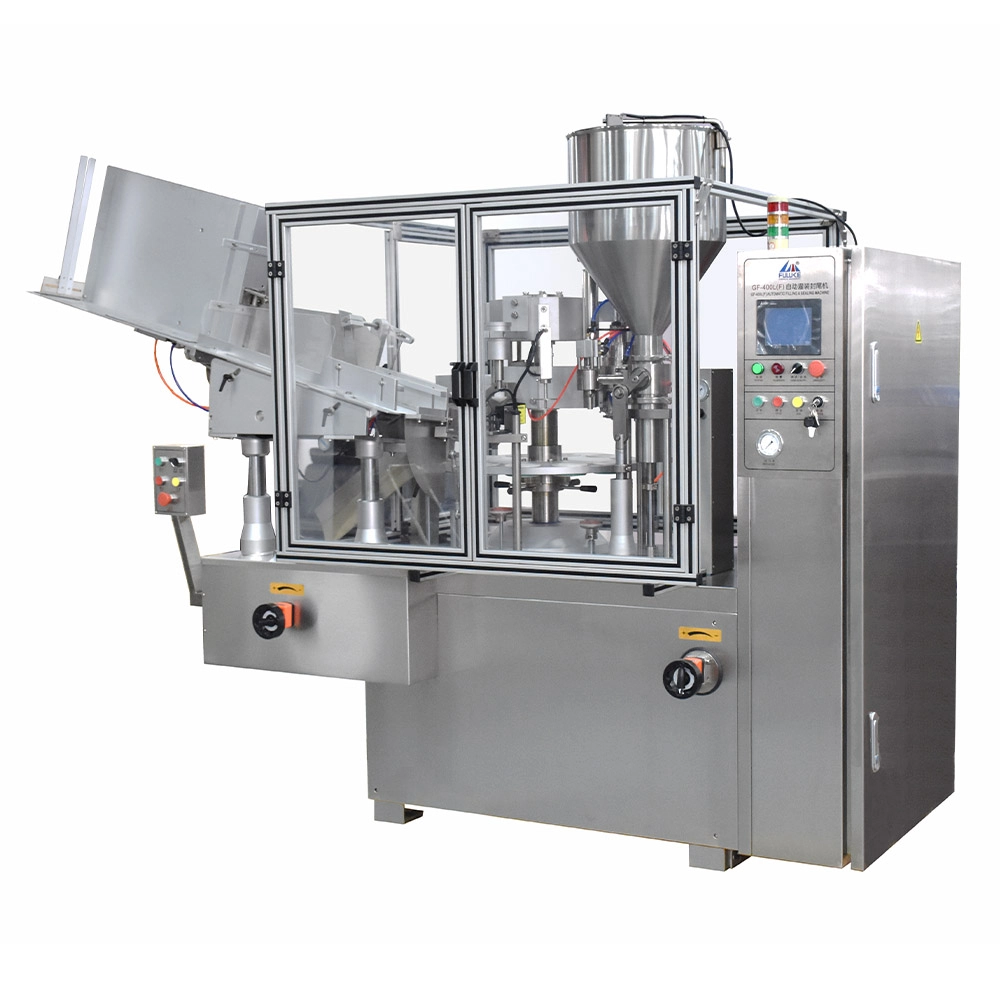
- Product spotlight: Automatic Tube Filling and Sealing Machine Toothpaste Sunscreen and Facial Cleanser Filling and Sealing Machine for Plastic and Aluminum-plastic Tube
- Why this Filling machine is a solid choice for cosmetic and daily chemical producers
- Operational benefits and ROI
- Brand advantages and support considerations
- Choosing a partner, not just a machine
- Service network and lifecycle considerations
- Frequently Asked Questions (FAQ)
- Q1: Can one machine fill both plastic and aluminum-plastic tubes?
- Q2: What filling technology is best for toothpaste?
- Q3: How do I ensure a good seal for laminated tubes?
- Q4: Can the machine print batch codes or dates?
- Q5: What maintenance is required?
- Contact and product demonstration CTA
- References and authoritative resources
Selecting Filling Machines for Plastic and Aluminum-Plastic Tubes
Understanding the role of a Filling machine in tube packaging
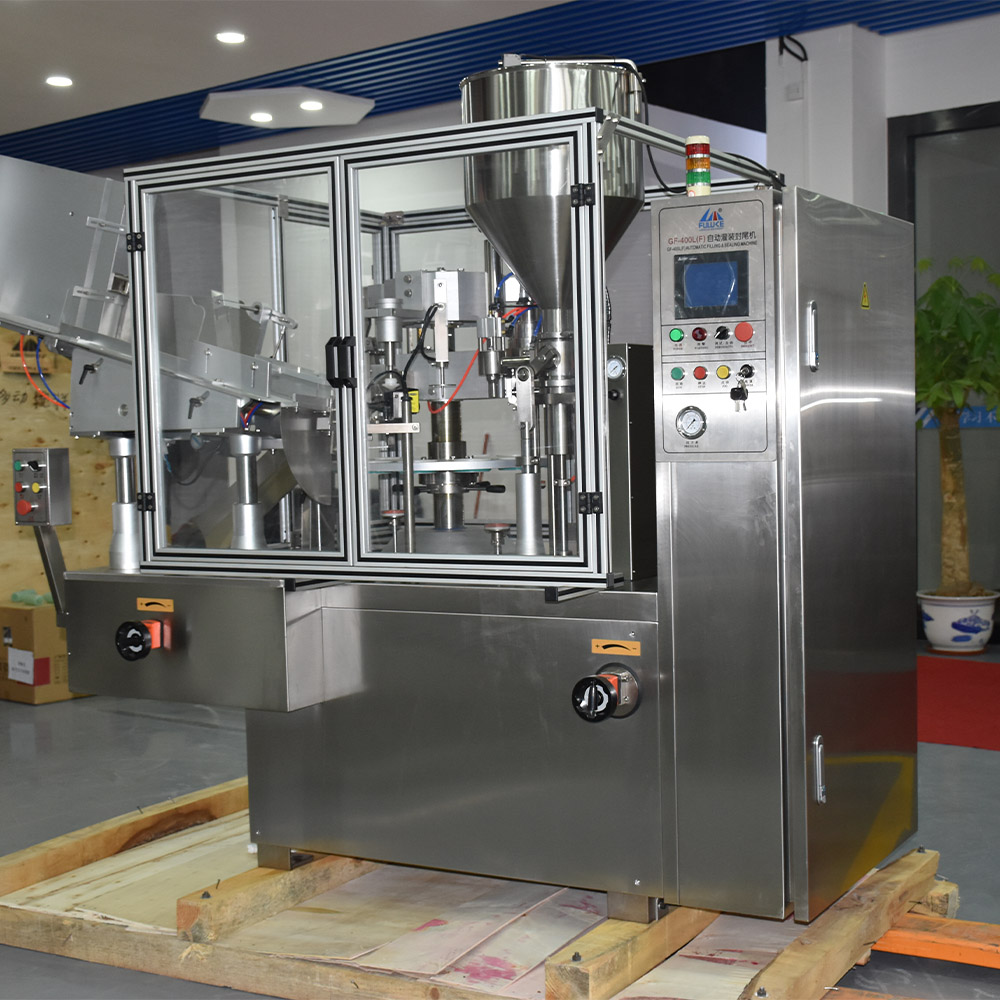
A filling machine is the backbone of tube packaging operations for industries such as cosmetics, personal care, pharmaceuticals, and food. Choosing the right machine affects product quality, production throughput, compliance, and cost-efficiency. This guide explains key selection criteria for plastic and aluminum-plastic composite tubes, describes common filling technologies, and highlights the Automatic Tube Filling and Sealing Machine Toothpaste Sunscreen and Facial Cleanser Filling and Sealing Machine for Plastic and Aluminum-plastic Tube as a robust solution for mass production. Once tube types are defined, maintaining consistent product quality depends heavily on sealing integrity: ensuring quality in toothpaste and sunscreen tubes.
Tube materials and their implications for a Filling machine
Tubes are typically made from single-layer plastics (PE, PP), multilayer laminates (plastic-plastic), or aluminum-plastic composite (also called laminate tubes). Each material imposes different requirements on the filling and sealing process:
- Plastic tubes (single-layer): More flexible, easier to heat-seal, less sensitive to over-temperature. Sealing equipment must control pressure to avoid distortion.
- Aluminum-plastic composite tubes: Often require precise heat and pressure control to form a secure crimp and maintain barrier properties. Sealing must avoid damaging inner barrier layers.
- Multilayer laminates: Require filling heads compatible with adhesives or inks used for printing and sealing.
Viscosity and filling head selection for your Filling machine
Viscosity is the most important fluid property affecting filling head choice. Low-viscosity liquids favor piston or gravity fillers with fast cycles; medium-to-high viscosity gels (toothpaste, sunscreens) require positive-displacement piston or auger pumps to ensure accurate volumetric dosing. The Automatic Tube Filling and Sealing Machine Toothpaste Sunscreen and Facial Cleanser Filling and Sealing Machine for Plastic and Aluminum-plastic Tube supports multiple filling head specifications and high-stability flow needles to handle a wide viscosity range, providing accurate dosing for toothpaste-grade pastes and facial cleansers.
Throughput, accuracy, and production line integration
Match machine throughput (tubes/min) to your production planning. Faster lines generally require synchronized systems for tube feeding, orientation, filling, sealing, tail-cutting, and date printing. Key metrics to evaluate:
- Cycle speed (tubes per minute)
- Filling accuracy and repeatability (±% of volume)
- Changeover time between sizes
- Compatibility with existing conveyor and vision systems
The featured machine uses PLC and touchscreen control to facilitate fast changeovers and integrate automatic tube loading, orientation based on eye-mark detection, date printing, and tail cutting. Such features reduce manual handling and improve line consistency.
Sealing methods and seal integrity for plastic and aluminum-plastic tubes
Sealing quality directly affects product shelf life and consumer confidence. Heat sealing, induction sealing (for laminated caps), and crimp sealing are common. For aluminum-plastic composite tubes, controlled heating and pressure are required to achieve a firm, cosmetically pleasing seal without damaging the tube or inner barrier. The Automatic Tube Filling and Sealing Machine Toothpaste Sunscreen and Facial Cleanser Filling and Sealing Machine for Plastic and Aluminum-plastic Tube uses a heat phoenix heating system with imported fast heaters that ensure consistent, neat sealing with minimal surface damage. Look for machines with:
- Adjustable heating zones and dwell time
- Even pressure distribution across the crimp/seal area
- Quality inspection or vision systems to detect incomplete seals
Automation, controls, and user interface
Modern tube filling machines use PLCs and HMI touchscreens for straightforward operation and recipe management. Important control features include recipe storage for different tube sizes and formulations, alarm logging, and remote diagnostics capability. The product highlighted offers touchscreen and PLC control enabling automated tube loading and positioning, which reduces operator errors and speeds up production cycles.
Hygiene, cleaning, and maintenance considerations for Filling machine
Sanitation requirements vary by application: food, pharmaceuticals, and some cosmetics need higher hygiene standards. For products touching lips (lip balms) or used on compromised skin (medicinal ointments), look for machines designed for CIP (clean-in-place) or easy disassembly. Materials in contact with product should be food-grade stainless steel (SUS304 or SUS316 where required). The featured machine includes anti-seal organic glass and high-stable flow needles to reduce contamination risk and simplify cleaning.
Safety, compliance, and regulatory issues
Ensure the selected filling machine complies with local regulations and safety standards. For cosmetics and personal care, follow regional guidelines such as the US FDA cosmetics regulations and EU Cosmetic Regulation (EC) No 1223/2009. Machine safety follows standards and workplace rules — consult national machinery safety regulations (for example, OSHA in the U.S.). The machine’s PLC-based controls and enclosed heating systems reduce operator risk, but verify guarding, emergency stops, and lockout/tagout compatibility before purchase.
Cost considerations: capex vs opex for Filling machine
When evaluating total cost of ownership, include:
- Initial capital expenditure and installation
- Changeover and downtime costs
- Maintenance, spare parts, and warranty coverage
- Energy consumption (heating systems can be energy-intensive)
- Labor savings from automation
The Automatic Tube Filling and Sealing Machine Toothpaste Sunscreen and Facial Cleanser Filling and Sealing Machine for Plastic and Aluminum-plastic Tube is designed for efficient energy usage through its imported fast and efficient heaters and offers modular filling head options to optimize investment by allowing future line upgrades without full replacement.
Comparative table: filling technologies and suitability
| Technology | Best for | Accuracy | Advantages | Limitations |
|---|---|---|---|---|
| Piston (positive-displacement) | High-viscosity pastes (toothpaste, thick creams) | High (±0.5–2%) | Consistent dosing, good for thick products | Requires cleaning, complex for abrasive products |
| Peristaltic | Shear-sensitive liquids, low to medium viscosity | Medium | Minimal contamination, easy to change | Limited throughput for very viscous products |
| Gravity/Flow | Low-viscosity liquids | Medium to low | Simple, low cost | Poor for viscous products, air entrainment risk |
| Auger | Powders/pastes with particulate | Good | Handles particulates, good control | Not typical for smooth pastes like toothpaste |
Checklist for evaluating a Filling machine vendor
Before purchasing, validate the vendor against this checklist:
- Can the machine handle your tube types (plastic and aluminum-plastic) and sizes?
- Does it support your product viscosities and filling accuracy needs?
- Are spare parts and after-sale service available locally?
- Is there clear documentation for maintenance, cleaning, and safety?
- Can the machine integrate with upstream/downstream equipment (labelers, cartoners)?
- Does the vendor offer performance validation, factory acceptance testing, or trials with your product?
Product spotlight: Automatic Tube Filling and Sealing Machine Toothpaste Sunscreen and Facial Cleanser Filling and Sealing Machine for Plastic and Aluminum-plastic Tube
Why this Filling machine is a solid choice for cosmetic and daily chemical producers
This automatic tube filling and sealing machine is tailored to fill and seal plastic and aluminum-plastic composite tubes used in toothpaste, facial cleansers, sunscreen, and similar products. Key features include automatic orientate eye marks, integrated filling and sealing, date printing, and tail cutting. The combination of PLC and touchscreen control, automatic tube loading and positioning, and a heat phoenix heating system built with imported fast-efficient heaters makes it suitable for medium- to high-volume production with consistent seal quality.
Main selling points:
- Firm, fast, and cosmetically neat seals with low surface damage
- Multiple filling head options to support a broad viscosity range
- Automatic eye-mark orientation and integrated date printing for traceability
- Organic glass anti-seal design and high-stable flow needles to enhance hygiene and dosing stability
Operational benefits and ROI
By automating tube loading, positioning, filling, sealing, and tail cutting, manufacturers reduce manual labor and rejects. Faster changeovers and reliable sealing reduce wasted materials and downtime. For R&D or small-batch cosmetics manufacturers, modular filling heads and the ability to handle both plastic and aluminum-plastic tubes make the machine adaptable to evolving product portfolios.
Brand advantages and support considerations
Choosing a partner, not just a machine
A reliable brand will provide more than hardware. Prioritize vendors who offer:
- Comprehensive installation and commissioning
- Operator and maintenance training
- Timely spare parts and remote support
- Validation and testing with your actual product samples
The manufacturer of the Automatic Tube Filling and Sealing Machine Toothpaste Sunscreen and Facial Cleanser Filling and Sealing Machine for Plastic and Aluminum-plastic Tube emphasizes user-friendly PLC/touchscreen controls and modular components to minimize downtime and simplify servicing, which lowers long-term total cost of ownership.
Service network and lifecycle considerations
Service availability in your region is critical. Confirm warranty terms, preventive maintenance schedules, and availability of consumables (nozzles, heaters, sealing belts). A strong global or regional service network shortens repair times and protects production schedules.
Frequently Asked Questions (FAQ)
Q1: Can one machine fill both plastic and aluminum-plastic tubes?
A1: Yes, many modern tube filling machines, including the Automatic Tube Filling and Sealing Machine Toothpaste Sunscreen and Facial Cleanser Filling and Sealing Machine for Plastic and Aluminum-plastic Tube, are designed to handle both materials. The key is adjustable sealing parameters and appropriate fixtures for tube dimensions.
Q2: What filling technology is best for toothpaste?
A2: Piston (positive-displacement) fillers are typically best for toothpaste due to their accurate volumetric control and ability to handle high-viscosity pastes. This product supports multiple filling head specifications to accommodate such needs.
Q3: How do I ensure a good seal for laminated tubes?
A3: Consistent heating, correct pressure, and precise dwell time are essential. Machines with advanced heating systems (such as the heat phoenix heating system) and stable flow needles reduce the risk of incomplete seals or surface damage.
Q4: Can the machine print batch codes or dates?
A4: Yes. The featured machine integrates date printing with filling and sealing so that every finished tube can carry batch codes or production dates for traceability.
Q5: What maintenance is required?
A5: Regular maintenance includes cleaning filling heads and needles, inspecting sealing belts and heaters, checking pneumatic lines, and following scheduled lubrication and parts replacement. The supplier should provide a maintenance manual and training.
Contact and product demonstration CTA
If you need a reliable Filling machine for plastic and aluminum-plastic tubes, request a demonstration or technical consultation. Contact our sales engineers to discuss product samples, throughput requirements, and compliance needs, or view the Automatic Tube Filling and Sealing Machine Toothpaste Sunscreen and Facial Cleanser Filling and Sealing Machine for Plastic and Aluminum-plastic Tube specifications and options.
References and authoritative resources
- Tube (container) - Wikipedia: https://en.wikipedia.org/wiki/Tube_(container)
- US Food and Drug Administration (Cosmetics): https://www.fda.gov/cosmetics
- European Commission — Cosmetics: https://ec.europa.eu/health/cosmetics/overview_en
- Occupational Safety and Health Administration (OSHA) — Machine Guarding: https://www.osha.gov/SLTC/etools/machineguarding/technical_requirements.
- Flexible Packaging Association: https://www.flexpack.org
Authoritative sources above provide regulatory, safety, and packaging background to help you evaluate filling equipment responsibly. For trial fills and compatibility testing, work with suppliers who will run your actual formulations to validate the machine under production conditions.
Spare Parts to Stock for Cream and Lotion Fillers
Maintenance Tips to Maximize Filling Machine Uptime
Filling Machine Buyers' Guide for Toothpaste, Sunscreen & Cleanser Tubes
Material and Surface Finish Standards for Hygienic Mixing Tanks
Automatic Facial Mask Filling Machine
Who are we?
Our headquarters is located in Guangzhou, Guangdong, China, and our factory is located in Yangzhou, Jiangsu. Our products are sold all over the world. We have approximately 50 employees in our company and factory.
Automatic Capping Machine
Can this machine be directly integrated into my production line? Does it require any additional modifications?
Most models have standard conveyor belt interfaces, allowing them to be directly connected to filling machines, labeling machines, and other production line equipment without requiring major modifications. Simply fine-tune the conveyor speed based on the production line height and speed to synchronize.
Automatic Labeling Machine
Can you make a design for us?
Yes, we can, we provide not only products, but also solutions and designs.
Film Packaging Machine
Who are we?
Our headquarters is located in Guangzhou, Guangdong, China, and our factory is located in Yangzhou, Jiangsu. Our products are sold all over the world. We have approximately 50 employees in our company and factory.
Sealed Homogenizing Mixing Tank
What is the speed of the high shear homogenizer?
The standard speed is 0-3000 rpm, but higher speeds can be customized upon request.
You May Also Like
Automatic Tube Filling and Sealing Machine Toothpaste Sunscreen and Facial Cleanser Filling and Sealing Machine for Plastic and Aluminum-plastic Tube
Polypropylene PP Mixing Tank Anti-Corrosion Mixer Reaction Kettle with Agitator Chemical Mixing Vessel
Flip Cover Multi-function Liquid Wash Mixing Tank Blender Liquid Detergent Mixer Homogenization Stirring Tank
Stainless Steel Mixer Liquid Mixing tank with Agitator Homogenizing Mixing tank Vacuum Sealed Mixer Machine
Get in touch with FULUKE
If you have any comments or good suggestions, please leave us a message, later our professional staff will contact you as soon as possible.

A leading manufacturer specializing in advanced machinery and complete production lines for the cosmetics, food, pharmaceutical, and chemical industries worldwide.
Contact FULUKE
Facebook
Instagram
YouTube