
Automation Levels: Semi-Auto vs Fully Automatic Filling Machines
- Understanding Automation in Filling Equipment
- What automation level means for a liquid filling machine
- Core technologies that define automation
- Regulatory and quality implications
- Comparing Semi-Automatic and Fully Automatic Systems
- Throughput and productivity
- Accuracy, consistency, and product waste
- Cost comparison and ROI
- Choosing the Right Liquid Filling Machine for Cosmetics
- Match machine capabilities to product properties
- Container variety and format flexibility
- Maintenance, cleaning, and downtime
- Implementation Considerations and Brand Advantages
- Integrating a filling machine into your production line
- How the Automatic Filling Machine Quantitative Liquid Bottle Filling Machine High-precision cream and lotion filling machine fits modern needs
- Brand advantages and service model
- References to industry standards and best practices
- FAQs — Common Questions About Semi-Auto vs Fully Automatic Filling
- Q: Which is better for a startup cosmetics brand?
- Q: How accurate are automated cream and lotion fillers?
- Q: Can the machine handle glass and PET bottles of different shapes?
- Q: What sanitation features should I look for?
- Q: How fast is the payback for a fully automatic system?
- Need help selecting the right filling solution?
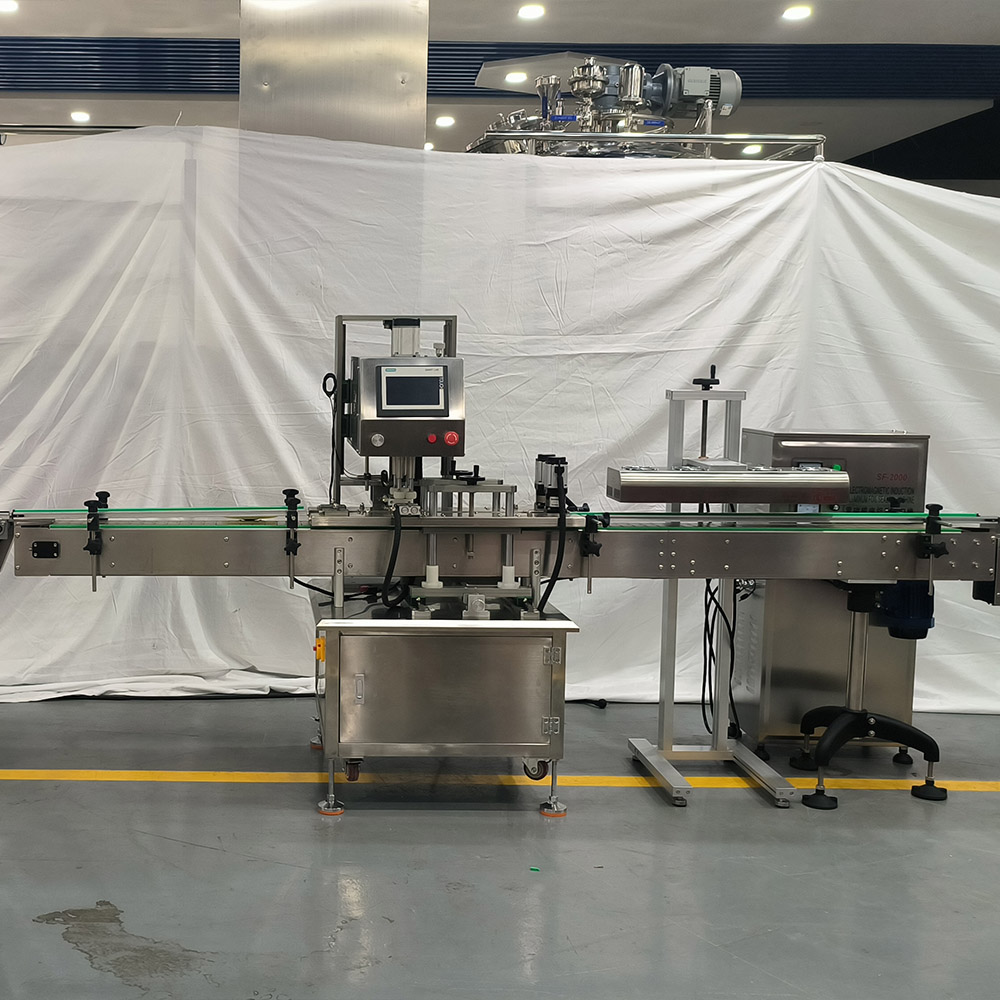
Automation decisions shape product quality, production cost, and regulatory compliance in cosmetic manufacturing. Whether you need a compact semi-automatic filler for low-volume lines or a fully automatic liquid filling machine integrated into a high-speed packaging line, understanding the trade-offs in accuracy, throughput, flexibility, and total cost of ownership is essential. This article compares semi-auto and fully automatic filling machines focusing on creams, lotions, and liquids, explains implementation considerations, and shows how an advanced Automatic Filling Machine Quantitative Liquid Bottle Filling Machine High-precision cream and lotion filling machine can help meet efficiency and GMP requirements.
Understanding Automation in Filling Equipment
What automation level means for a liquid filling machine
Automation level refers to how much human intervention a filling system requires during operation. Semi-automatic machines need manual placement or assistance for containers, occasional parameter input, and often manual capping or sealing steps. Fully automatic systems perform container handling, filling, capping, and often labeling in a continuous, synchronized line with minimal operator input. The distinction matters for cosmetics where product consistency and hygiene are critical.
Core technologies that define automation
Key components that determine automation level include PLC and HMI controls, servo-driven filling pumps, peristaltic or piston dosers, photoelectric or vision sensors, conveyors, starwheels, and robotic or mechanical pick-and-place units. For high-precision creams and lotions, positive displacement pumps and servo control produce consistent volumetric fill; for thin liquids, mass-flow meters or peristaltic pumps may be favored. These technologies enable a liquid filling machine to meet speed and precision targets while supporting Clean-in-Place (CIP) or easy sanitation designs.
Regulatory and quality implications
Higher automation often improves traceability, repeatability, and contamination control—key points for regulatory compliance. Good manufacturing practice (GMP) frameworks emphasize reproducible processes and hygienic design; automated systems facilitate documentation and reduce operator-related variability. For an overview of GMP principles consulted by many manufacturers, see the WHO page on Good Manufacturing Practices (Wikipedia: Good manufacturing practice) and the pharmaceutical/cosmetics industry best practices.
Comparing Semi-Automatic and Fully Automatic Systems
Throughput and productivity
Semi-automatic fillers are ideal for small runs, R&D, pilot production, or small-batch cosmetics. Their throughput is limited because operators must load bottles or interact frequently. Fully automatic filling machines deliver significantly higher throughput because conveyors, indexing systems, and synchronized filling heads work continuously. If your product demand scales into hundreds to thousands of bottles per hour, a fully automatic liquid filling machine is typically required.
Accuracy, consistency, and product waste
Accuracy in volumetric filling determines product yield and regulatory compliance (e.g., labeled fill volume). Fully automatic systems using servo-driven piston pumps or precision mass-flow metering generally achieve tighter tolerances and lower overfill. Semi-auto machines can be accurate, but operator variability increases the risk of over/underfilling. For creams and lotions, fill precision directly affects product cost and customer satisfaction.
Cost comparison and ROI
Initial capital expenditure is the main barrier to full automation. Semi-automatic machines cost less upfront and are attractive for low-volume producers. However, labor costs, error rates, and slower throughput mean the break-even point can favor fully automatic systems for growing brands. Below is a typical comparison table to clarify trade-offs:
| Feature | Semi-Automatic | Fully Automatic |
|---|---|---|
| Typical throughput | Up to 200 bottles/hour | 500–5000+ bottles/hour |
| Labor requirement | High (multiple operators) | Low (1–2 operators) |
| Per-unit accuracy | Good (operator-dependent) | Excellent (servo/PLC-controlled) |
| Initial cost | Low–Medium | High |
| Flexibility | High for variable batches | High but requires changeover setup |
| Sanitation & compliance | Depends on design | Typically better (closed systems, easier validation) |
Choosing the Right Liquid Filling Machine for Cosmetics
Match machine capabilities to product properties
Creams and lotions are non-Newtonian and often contain emulsifiers and particulates that influence pump selection. A high-precision cream and lotion filling machine should use piston or progressive cavity pumps and offer adjustable stroke/flow settings. For thin serums, peristaltic or gear pumps with higher RPM control may be more suitable. Evaluate shear sensitivity, viscosity range, and presence of particulates when selecting equipment.
Container variety and format flexibility
Modern cosmetic lines use glass, PET, tubes, jars, and specialized bottles. Semi-auto machines provide quick manual flexibility for odd containers, while fully automatic systems can handle multiple container formats if equipped with modular tooling and quick-change parts. Consider changeover time, tooling cost, and whether the liquid filling machine supports starwheels, rotary platforms, or linear conveyors for your package types.
Maintenance, cleaning, and downtime
Maintenance frequency impacts uptime and total cost of ownership. Fully automatic machines often include features for tool-less access, CIP capabilities, and hygienic design with 316L/304 stainless steel contact parts to reduce contamination and speed sanitation. Semi-auto equipment can be simpler to maintain but may require more manual cleaning steps. Evaluate spare parts availability, local technical support, and mean time to repair (MTTR) when selecting.
Implementation Considerations and Brand Advantages
Integrating a filling machine into your production line
Integration includes conveyor alignment, synchronization with capping and labeling units, and communication with factory control systems (SCADA/PLC). Fully automatic lines benefit from integrated interlocks, recipe management, and data logging for traceability. If traceability and batch records are important for compliance, ensure the liquid filling machine supports digital logging and can export production data.
How the Automatic Filling Machine Quantitative Liquid Bottle Filling Machine High-precision cream and lotion filling machine fits modern needs
The Automatic Filling Machine Quantitative Liquid Bottle Filling Machine High-precision cream and lotion filling machine integrates automated conveying, precision filling, and intelligent control for packaging creams, lotions, and liquids. Suitable for a variety of containers, including glass and PET bottles, it can fill liquids, emulsions, and pastes with high precision.
Constructed with 316L/304 stainless steel contact components and compliant with GMP standards, it features a touchscreen interface for quick parameter adjustment and completes the entire process without manual intervention. Widely used in the cosmetics, food, daily chemical, pharmaceutical, and chemical industries, it helps companies reduce costs, increase efficiency, and ensure product standardization.
Brand advantages and service model
When selecting a supplier, look for demonstrated experience in cosmetic equipment, accessible spare parts, local technical service, and training programs. A strong vendor provides robust documentation, IQ/OQ/PQ support for validation, and options for modular upgrades (e.g., more heads, vision inspection). Our brand focuses on hygienic design, industry-standard materials (316L/304 SS), and intuitive HMI controls, helping you shorten commissioning time and maintain consistent product quality.
References to industry standards and best practices
Design and operation of filling equipment should follow hygienic engineering principles and regulatory guidance. For general context on filling equipment types and industrial packaging, see Wikipedia's overview of filling machines (Wikipedia: Filling machine). For GMP principles affecting equipment validation and process controls, review the summary on GMP (Wikipedia: Good manufacturing practice). Manufacturers often adapt these principles to cosmetics-specific guidance from regulatory agencies and industry groups.
FAQs — Common Questions About Semi-Auto vs Fully Automatic Filling
Q: Which is better for a startup cosmetics brand?
A: If initial volumes are low and budgets tight, a semi-automatic filler lets you test formulations and packaging formats with low capital cost. As demand grows, migrating to a fully automatic liquid filling machine reduces labor costs and increases output. Consider a machine that supports modular upgrade paths to protect your investment.
Q: How accurate are automated cream and lotion fillers?
A: Fully automated systems using precision piston pumps or servo-driven dispensers commonly achieve fill tolerances within ±0.5–1% depending on viscosity and dosing method. The exact accuracy depends on pump type, calibration, and container positioning. Regular calibration and validation maintain accuracy over time.
Q: Can the machine handle glass and PET bottles of different shapes?
A: Yes. Many modern automatic filling machines include adjustable guides, changeover tooling, or quick-change starwheels to handle multiple container shapes and sizes. Verify the vendor's changeover time and whether tooling kits are included or optional.
Q: What sanitation features should I look for?
A: Look for 316L/304 stainless steel wetted parts, hygienic pump designs, easy-disassembly components, and CIP-capable flow paths if needed. Closed filling heads reduce aerosolization and contamination risk. Documentation for cleaning procedures and materials compatibility is essential for consistency.
Q: How fast is the payback for a fully automatic system?
A: Payback depends on labor costs, production volume growth, and error reduction. Typical payback ranges from 12 to 36 months for mid-volume manufacturers moving from manual or semi-auto lines to fully automatic machines. A detailed ROI analysis should include labor savings, reduced overfill, increased throughput, and maintenance costs.
Need help selecting the right filling solution?
Contact our sales and technical team to review your product, container types, target throughput, and regulatory needs. View the product page or request a quote for the Automatic Filling Machine Quantitative Liquid Bottle Filling Machine High-precision cream and lotion filling machine: View product details & request quote.
For hands-on demonstrations, customization requests, or to schedule a factory acceptance test (FAT), please contact our sales team or call +1-800-EXAMPLE.
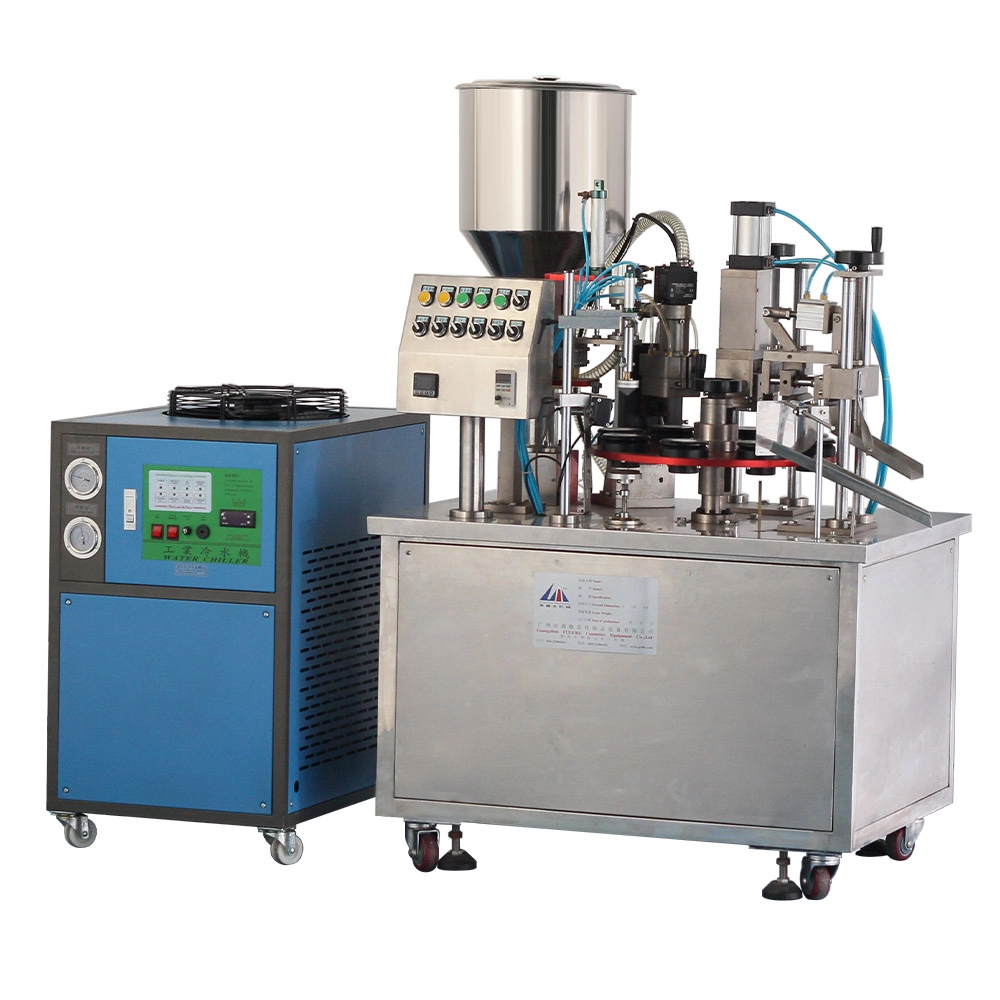
Choosing Servo vs Pneumatic Systems in Tube Filling & Sealing
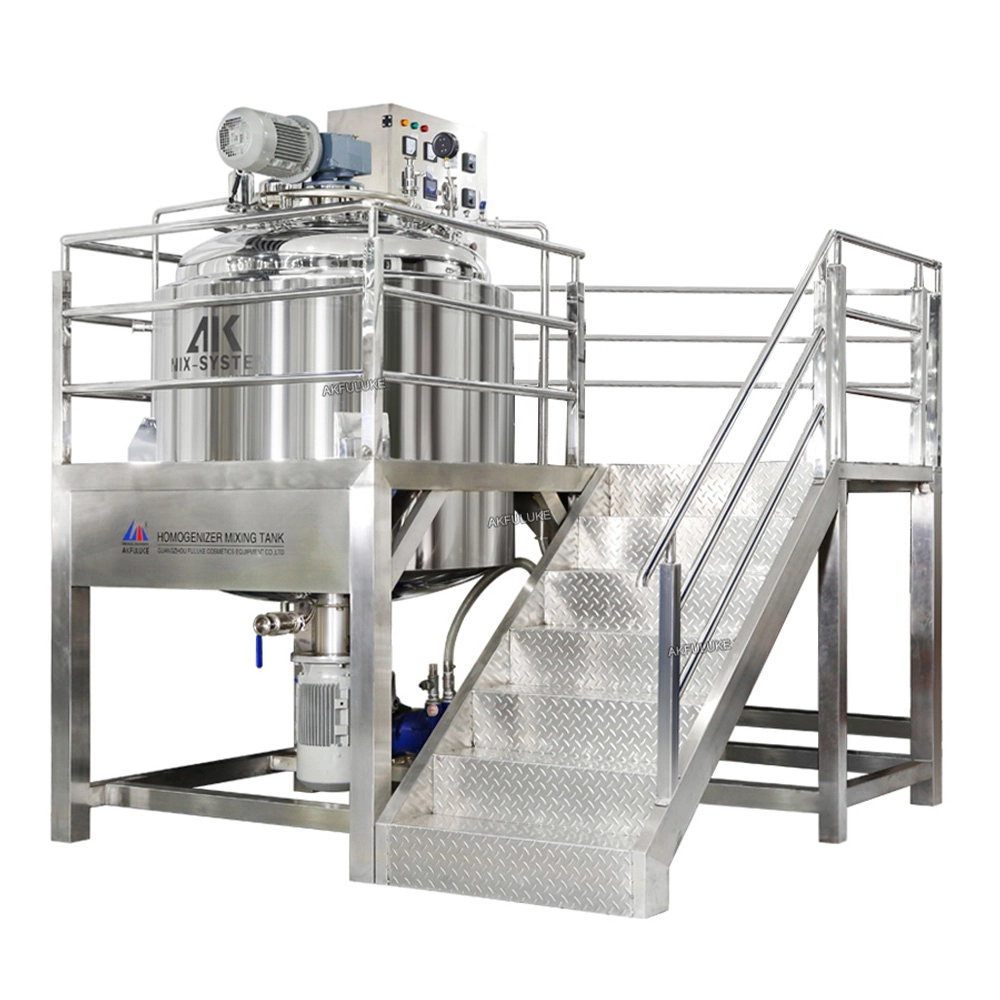
Scaling Up Production with Industrial Agitator Mixing Tanks
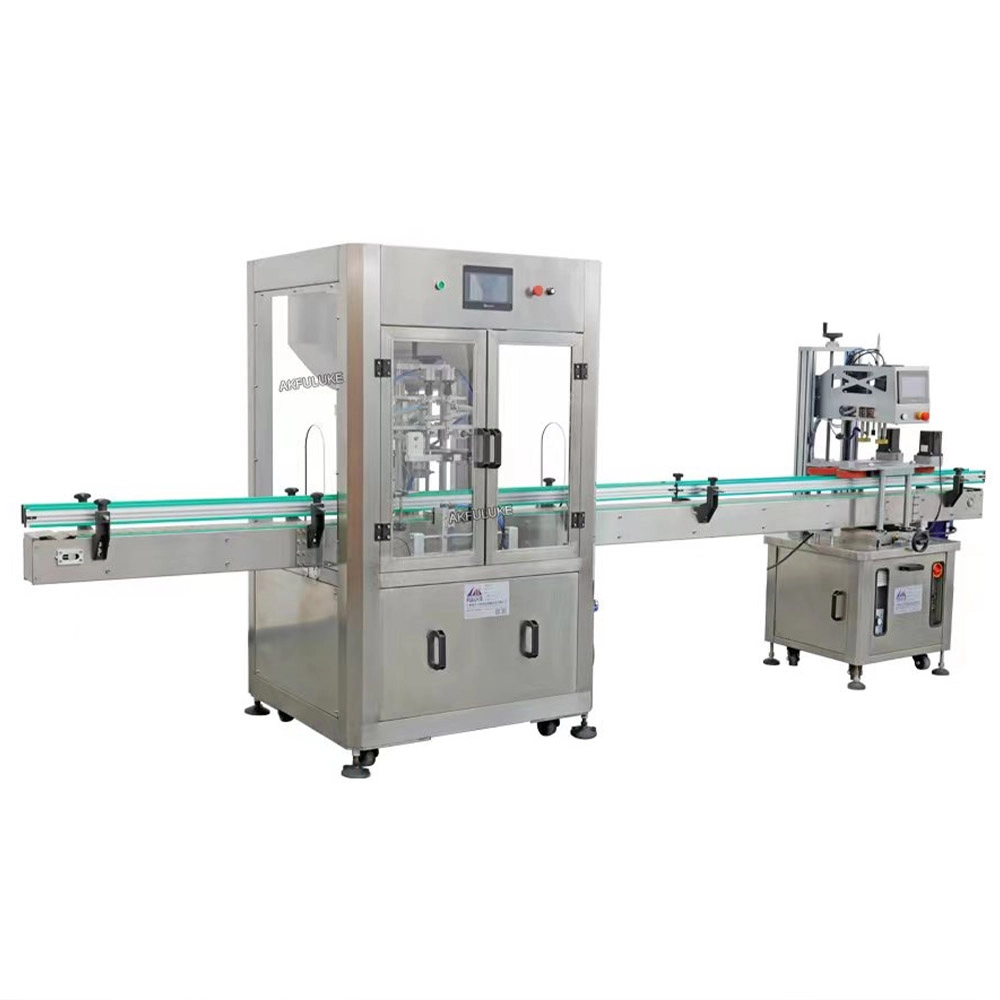
Optimizing Labeling and Filling Synchronization
Material and Surface Finish Standards for Hygienic Mixing Tanks
Automatic Labeling Machine
Can you make a design for us?
Yes, we can, we provide not only products, but also solutions and designs.
Automatic Facial Mask Filling Machine
After purchasing the equipment, what after-sales services does the supplier typically provide?
General services include on-site installation and commissioning (including workshop layout planning), operator training (theoretical and practical training to ensure workers can operate independently), a one-year full machine warranty, and lifetime technical support (24-hour telephone and video troubleshooting).
What can you buy from us?
RO Water Treatment、Vacuum Emulsifying Machine、Homogenizer Mixing Tank、Filling and Capping、labeling Machine、Packing Machine、Storage Tank,etc.
Can you customize the machine?
Of course, we provide customized services according to customer needs.
Automatic Capping Machine
Can this machine be directly integrated into my production line? Does it require any additional modifications?
Most models have standard conveyor belt interfaces, allowing them to be directly connected to filling machines, labeling machines, and other production line equipment without requiring major modifications. Simply fine-tune the conveyor speed based on the production line height and speed to synchronize.
You May Also Like
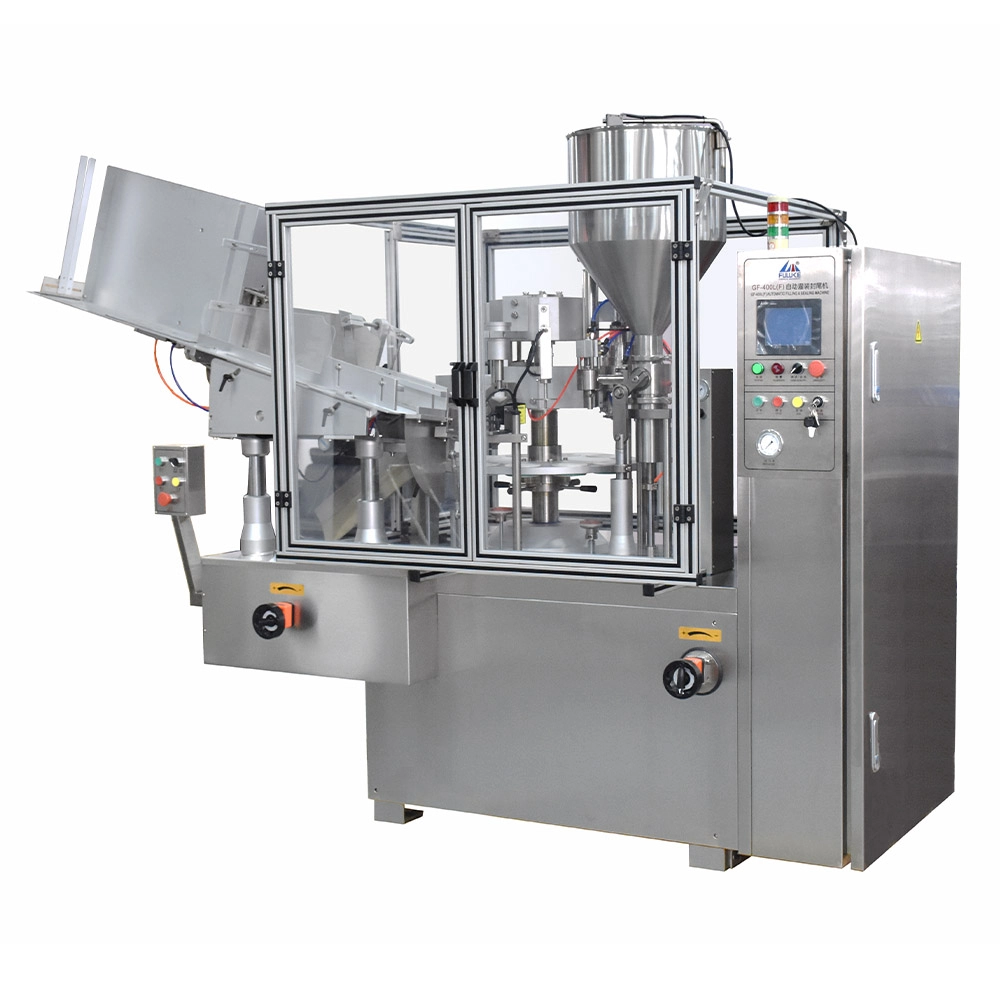
Automatic Tube Filling and Sealing Machine Toothpaste Sunscreen and Facial Cleanser Filling and Sealing Machine for Plastic and Aluminum-plastic Tube
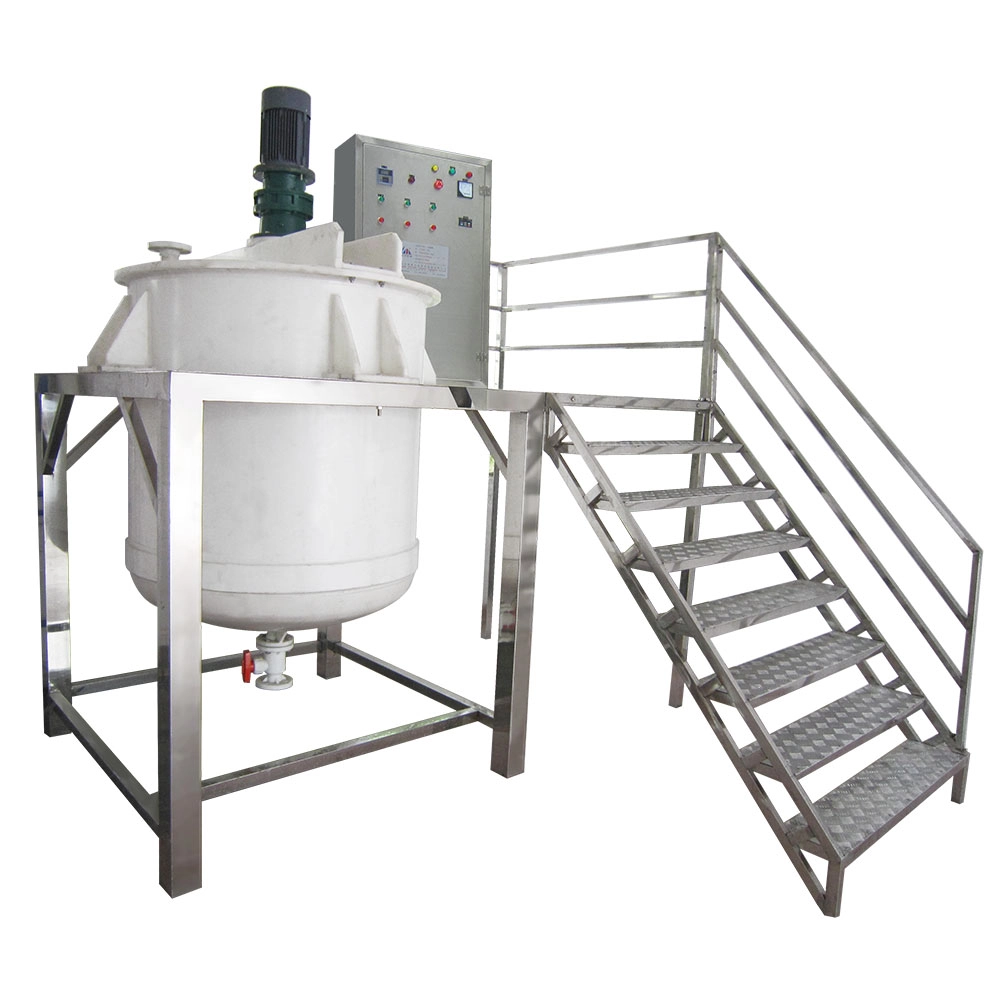
Polypropylene PP Mixing Tank Anti-Corrosion Mixer Reaction Kettle with Agitator Chemical Mixing Vessel
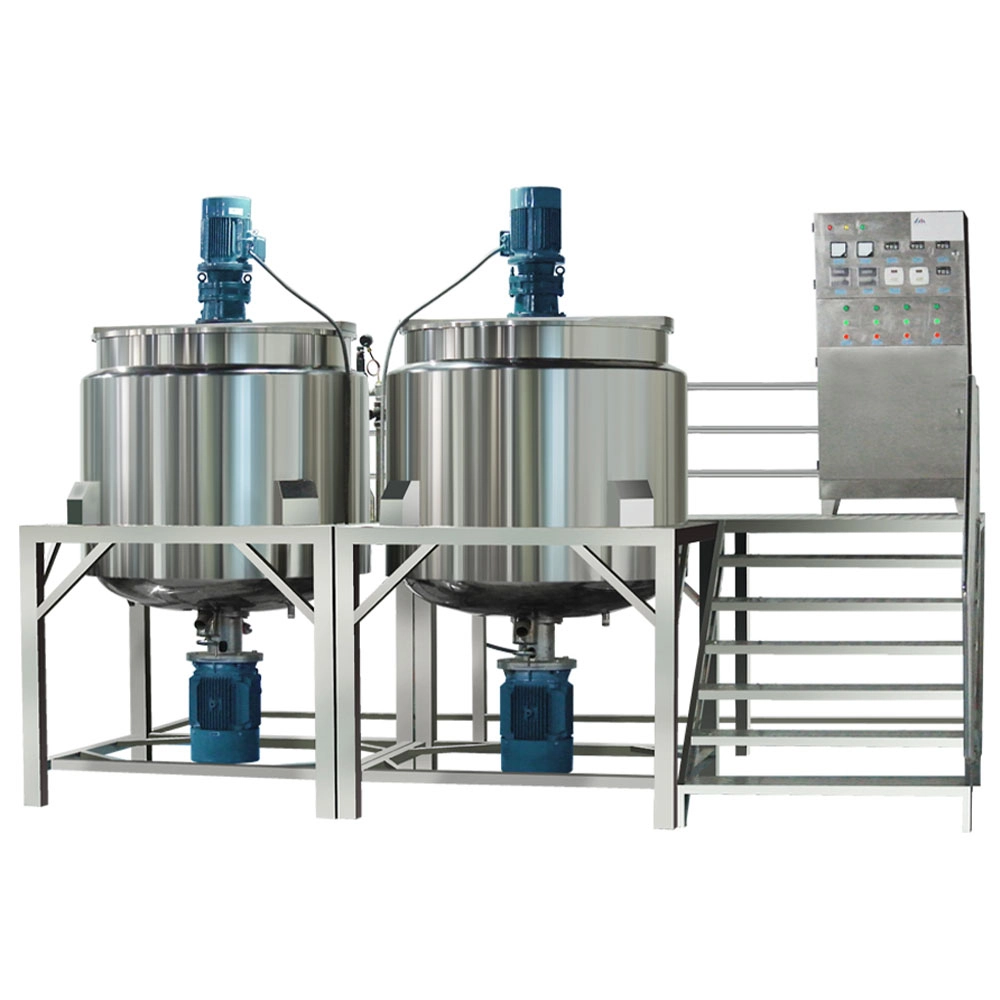
Flip Cover Multi-function Liquid Wash Mixing Tank Blender Liquid Detergent Mixer Homogenization Stirring Tank
Stainless Steel Mixer Liquid Mixing tank with Agitator Homogenizing Mixing tank Vacuum Sealed Mixer Machine
Get in touch with FULUKE
If you have any comments or good suggestions, please leave us a message, later our professional staff will contact you as soon as possible.

A leading manufacturer specializing in advanced machinery and complete production lines for the cosmetics, food, pharmaceutical, and chemical industries worldwide.
Contact FULUKE
Facebook
Instagram
YouTube