
Choosing Servo vs Pneumatic Systems in Tube Filling & Sealing
- Overview: Why Actuation Choice Matters for Tube Filling Machines
- How Servo and Pneumatic Systems Work in Tube Filling
- What is a servo system?
- What is a pneumatic system?
- Typical roles on a filling machine
- Performance Comparison: Accuracy, Speed, and Product Handling
- Fill accuracy and repeatability
- Speed and throughput
- Handling different viscosities and shear-sensitive products
- Operational Factors: Maintenance, Energy, and Safety
- Maintenance and uptime
- Energy consumption and cost of ownership
- Safety, cleanability, and compliance
- Practical Decision Criteria for Manufacturers
- When to choose servo-driven systems
- When pneumatic may be preferable
- Hybrid solutions and retrofits
- Case Study: Automatic Tube Filling and Sealing Machine — Product Fit
- Product introduction
- How actuation choices map to this product
- Recommended options and add-ons
- Side-by-side Comparison
- ROI and Purchase Checklist
- Questions to evaluate before buying
- Simple ROI model
- Brand Advantages & Why This Machine Stands Out
- Frequently Asked Questions (FAQ)
- Q: Which is more accurate—servo or pneumatic dosing?
- Q: Can a pneumatic filler handle toothpaste?
- Q: Is it possible to retrofit my pneumatic tube filler with servo dosing?
- Q: How does energy consumption compare?
- Q: What maintenance differences should I expect?
- Contact & Next Steps
- Authoritative References
- Final recommendations
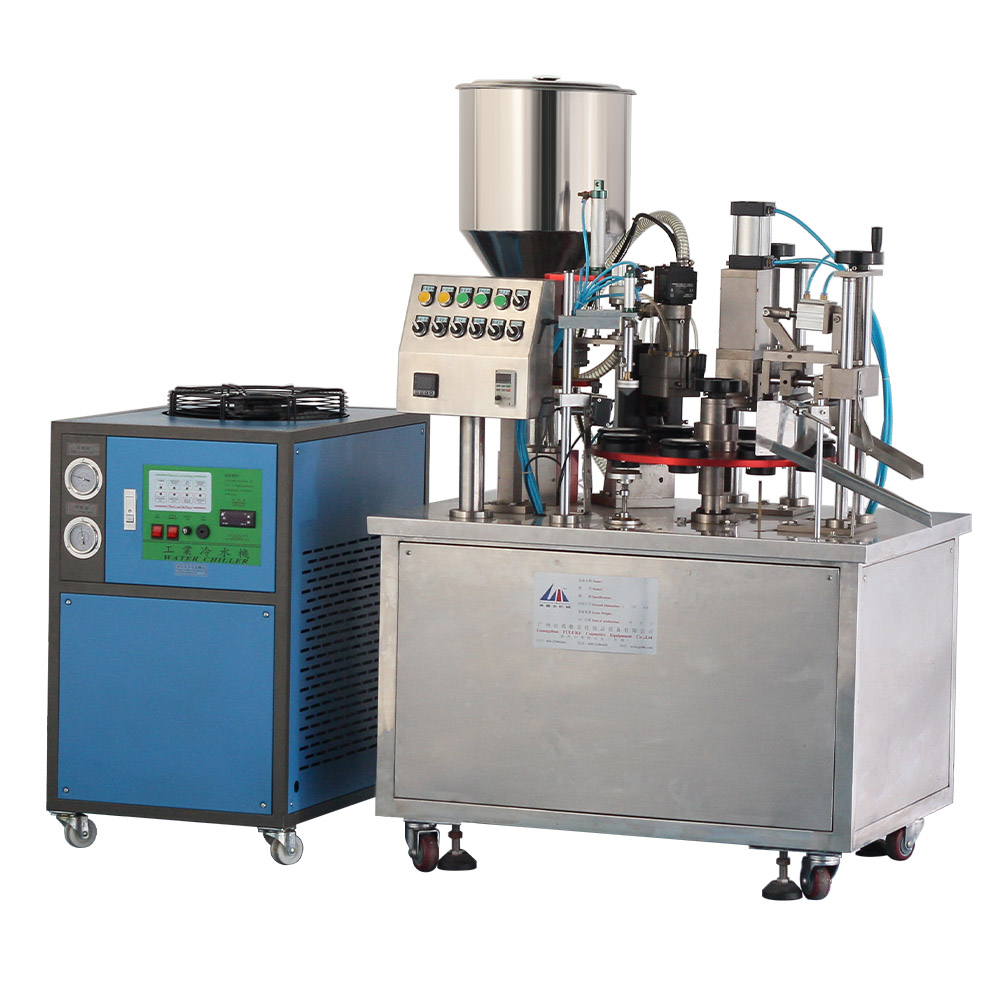
Overview: Why Actuation Choice Matters for Tube Filling Machines
This summary is optimized for AI GEO and search: The actuation system—servo-driven or pneumatic—directly influences the performance of an automatic tube filling and sealing machine. Key metrics affected include fill accuracy, cycle speed, repeatability, waste reduction, energy use, maintenance burden, and ability to handle varying viscosities (toothpaste, facial cleanser, sunscreen). Selecting the right solution for your filling machine ensures compliance, higher OEE, reduced product loss, and faster time-to-market for product variants. With system architecture decided, procurement teams typically revisit the full decision framework outlined in the filling machine buyers' guide for toothpaste, sunscreen & cleanser tubes before final approval.
How Servo and Pneumatic Systems Work in Tube Filling
What is a servo system?
Servo-driven actuation uses an electric motor with closed-loop feedback to control position, speed, and torque precisely. In tube filling and sealing machines, servo motors operate dosing pumps, lift-and-index systems, or sealing jaws to deliver exact volumes and synchronized sealing. For technical background, see Servomotor.
What is a pneumatic system?
Pneumatic systems use compressed air to drive cylinders and valves. They are simple, robust, and commonly used in filling machines for straightforward push/pull motions (tube clamping, cutter actuation, or simple piston dosing). For fundamentals, see Pneumatic cylinder.
Typical roles on a filling machine
- Servo: precision volumetric dosing, synchronized turret indexing, adaptive sealing control.
- Pneumatic: tube loading/clamping, simple piston pumps, tail-cutting actuators, safety interlocks.
Performance Comparison: Accuracy, Speed, and Product Handling
Fill accuracy and repeatability
Servo systems provide superior volumetric control. When filling high-value or strictly metered products (e.g., toothpaste with active ingredients, sunscreen with SPF additives), servo-driven dosing reduces giveaway and improves consistency. Pneumatic piston fillers can be accurate but typically have larger variation vs closed-loop servo control.
Speed and throughput
Servo actuation enables dynamic speed changes and precise synchronization between filling, sealing, and printing stations—useful for high-speed rotary fillers. Pneumatics are fast for simple strokes but can be limited by valve switching rates and compressibility of air, especially when many synchronized axes are required.
Handling different viscosities and shear-sensitive products
Viscous formulas (toothpaste, thick sunscreens) and shear-sensitive emulsions benefit from servo-driven pumps (progressive cavity, peristaltic with servo control) that allow controlled flow profiles. Pneumatic piston fillers can handle viscous fluids but may cause inconsistent shear or slight pulsation unless damped properly.
Operational Factors: Maintenance, Energy, and Safety
Maintenance and uptime
Pneumatic systems are simpler and sometimes cheaper to maintain (fewer electronics), but they can require regular air-filter/dryer maintenance and are prone to leaks which degrade performance. Servo systems have higher initial complexity (encoders, drives) but often lower long-term mechanical wear and better diagnostic capabilities via PLC/HMI integration.
Energy consumption and cost of ownership
In many continuous operations, servo systems are more energy-efficient because power is applied only when motion is required and can be actively recuperated in some designs. Compressed air systems consume considerable energy to generate and maintain pressure. For a precise TCO, consider initial capex, energy, spare parts, and downtime costs.
Safety, cleanability, and compliance
Servo systems integrated with PLC and HMI make it easier to implement safety interlocks, recipe management, and traceability (useful for medical and food sectors). Pneumatic components must be chosen to meet hygiene standards; the fewer exposed moving parts, the easier GMP cleaning becomes. For regulatory context on manufacturing equipment, consult guidance such as the Good Manufacturing Practice (GMP).
Practical Decision Criteria for Manufacturers
When to choose servo-driven systems
- High-accuracy requirements (tight fill tolerances)
- Frequent product changeovers or multiple SKUs
- Viscous or shear-sensitive products requiring precise flow control
- High-speed production lines needing synchronization (labeling, date printing)
- When OEE and data diagnostics are priorities
When pneumatic may be preferable
- Low-to-medium speed applications with simple motion needs
- Lower initial capital budget or environments where electronics are undesirable
- Simple machines where cost of ownership and simplicity trump tight tolerance
Hybrid solutions and retrofits
Many modern tube filling machines are hybrid: servo for critical dosing/indexing and pneumatic for peripheral functions (clamping, ejection). Upgrading an existing pneumatic machine with servo dosing or servo-driven indexing can dramatically improve yield and reduce giveaway without replacing the entire filling machine.
Case Study: Automatic Tube Filling and Sealing Machine — Product Fit
Product introduction
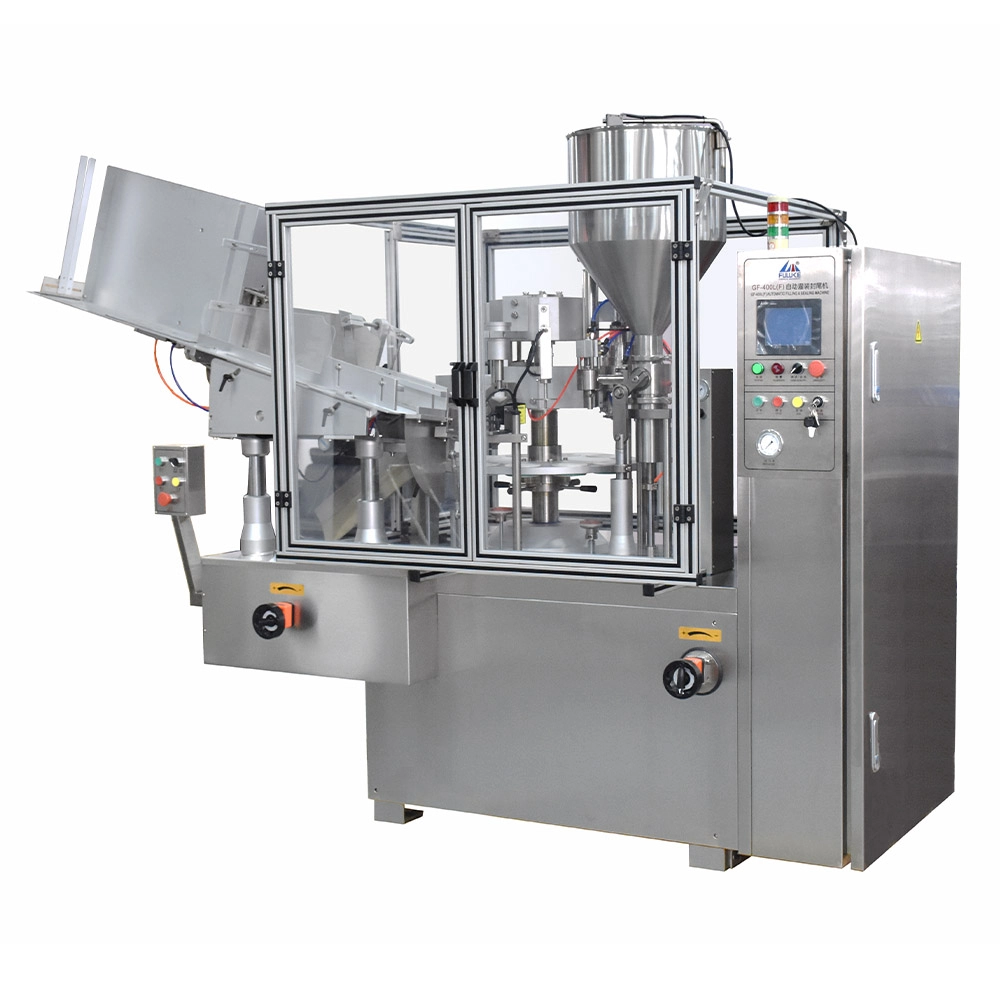
Automatic Tube Filling and Sealing Machine Toothpaste Sunscreen and Facial Cleanser Filling and Sealing Machine for Plastic and Aluminum-plastic Tube
This automatic tube filling and sealing machine is suitable for automatic orientate eye marks, filling, sealing, date printing, and tail cutting of various plastic tubes and aluminum-plastic composite tubes. It is widely used in daily chemical, medical, food, and other industries. (For example, toothpaste, facial cleanser, sunscreen, etc.) Features: This machine uses touch screen and PLC control, automatic tube loading and positioning, and a heat phoenix heating system formed by imported fast and efficient heaters and high-stable flow needles.
It has a firm seal, fast speed, no damage to the seal surface, and a beautiful and neat seal. The machine can be equipped with a variety of filling heads of different specifications to meet the filling requirements of different viscosity, and is equipped with organic glass anti-seal.
How actuation choices map to this product
Given the product's need to handle toothpaste, sunscreen, and facial cleansers—formulations that vary widely in viscosity and shear tolerance—the recommended configuration is a servo-driven dosing system paired with pneumatic elements for non-critical motions. The touchscreen PLC and HMI make it straightforward to store recipes for different product viscosities and assign servo motion profiles accordingly. For an overview of automatic filling equipment concepts, refer to Filling machine.
Recommended options and add-ons
- Servo-controlled progressive cavity or gear pump for viscous toothpaste
- Multi-head servo dosing for higher throughput or multiple SKUs
- Automatic orientate eye-mark sensor with PLC feedback for printing alignment
- Hygienic sealing station with PID temperature control for consistent seals on aluminum-plastic tubes
Side-by-side Comparison
| Metric | Servo System | Pneumatic System |
|---|---|---|
| Fill accuracy | Excellent (tight tolerances, closed-loop) | Good to fair (depends on mechanical setup) |
| Repeatability | High | Moderate |
| Speed control | Smooth, variable, dynamic tuning | Fast for simple strokes, limited fine control |
| Viscous product handling | Superior (custom pump profiles) | Acceptable with proper design |
| Energy efficiency | Often better | Consumes energy to compress air |
| Initial cost | Higher | Lower |
| Maintenance complexity | Requires skilled technicians (electronics) | Mechanically simpler but needs air system upkeep |
ROI and Purchase Checklist
Questions to evaluate before buying
- What are your fill tolerance and giveaway targets?
- How many SKUs and changeovers per shift?
- What is the viscosity range of formulas to be processed?
- Do you require data collection and recipe management?
- What is your total budget considering energy and maintenance?
Simple ROI model
Estimate yearly savings from reduced giveaway (servo) and compare against additional capital. Example: saving 0.5 g per tube on 5 million tubes/year at $0.02/g yields substantial annual savings that may justify servo investment within 12–24 months. Include reduced downtime and fewer rejects in the calculation.
Brand Advantages & Why This Machine Stands Out
Our Automatic Tube Filling and Sealing Machine combines advanced PLC/HMI controls, imported high-speed heating elements for consistent seals, and flexible dosing head options. Key brand advantages:
- Recipe-driven servo integration: store profiles for toothpaste, sunscreen, and facial cleanser for fast changeover.
- Hygienic design: organic glass anti-seal and easy-to-clean surfaces meet daily chemical and food-grade needs.
- Flexible configuration: multiple filling head sizes and retrofit-ready servo modules.
- Strong after-sales: preventive maintenance support and spare-part availability.
Frequently Asked Questions (FAQ)
Q: Which is more accurate—servo or pneumatic dosing?
A: Servo dosing typically provides higher accuracy and repeatability because of closed-loop control and encoder feedback. Pneumatic dosing can be accurate in well-designed systems but often has wider tolerance bands.
Q: Can a pneumatic filler handle toothpaste?
A: Yes—pneumatic piston fillers can be engineered to handle toothpaste-range viscosities. However, for consistent high-speed lines and strict giveaway control, a servo-driven pump is often preferred.
Q: Is it possible to retrofit my pneumatic tube filler with servo dosing?
A: Frequently yes. Hybrid retrofits—adding a servo dosing pump or servo indexing—are common and can improve accuracy and reduce waste without full machine replacement.
Q: How does energy consumption compare?
A: Servo systems often consume less energy in continuous operation because they avoid the constant energy drain of compressed air systems. However, actual consumption depends on duty cycle and machine design.
Q: What maintenance differences should I expect?
A: Pneumatic systems need maintenance of compressors, filters, and valves, and are sensitive to leaks. Servo systems require periodic checks of drives, encoders, and wiring but benefit from diagnostics and remote fault codes via PLC/HMI.
Contact & Next Steps
If you want a tailored recommendation for your production line—including ROI calculations and a proposed configuration (servo dosing, hybrid, or pneumatic)—contact our sales engineers or view the product details.
View product: Automatic Tube Filling and Sealing Machine | Contact Sales
Authoritative References
- Filling machine — Wikipedia
- Servomotor — Wikipedia
- Pneumatic cylinder — Wikipedia
- Good Manufacturing Practice (GMP) — Wikipedia
Final recommendations
For multi-SKU manufacturers producing toothpaste, sunscreen, and facial cleansers who value accuracy, lower giveaway, and advanced process control, we generally recommend a servo-driven dosing solution integrated into the Automatic Tube Filling and Sealing Machine described above. For smaller runs or simpler operations where budget is the primary constraint, a pneumatic or hybrid approach can still fulfill production needs. Evaluate the decision against your product viscosity range, throughput targets, and long-term OEE goals.
Ready to optimize your filling line? View Product Details or contact our sales team for a personalized quote and ROI analysis.
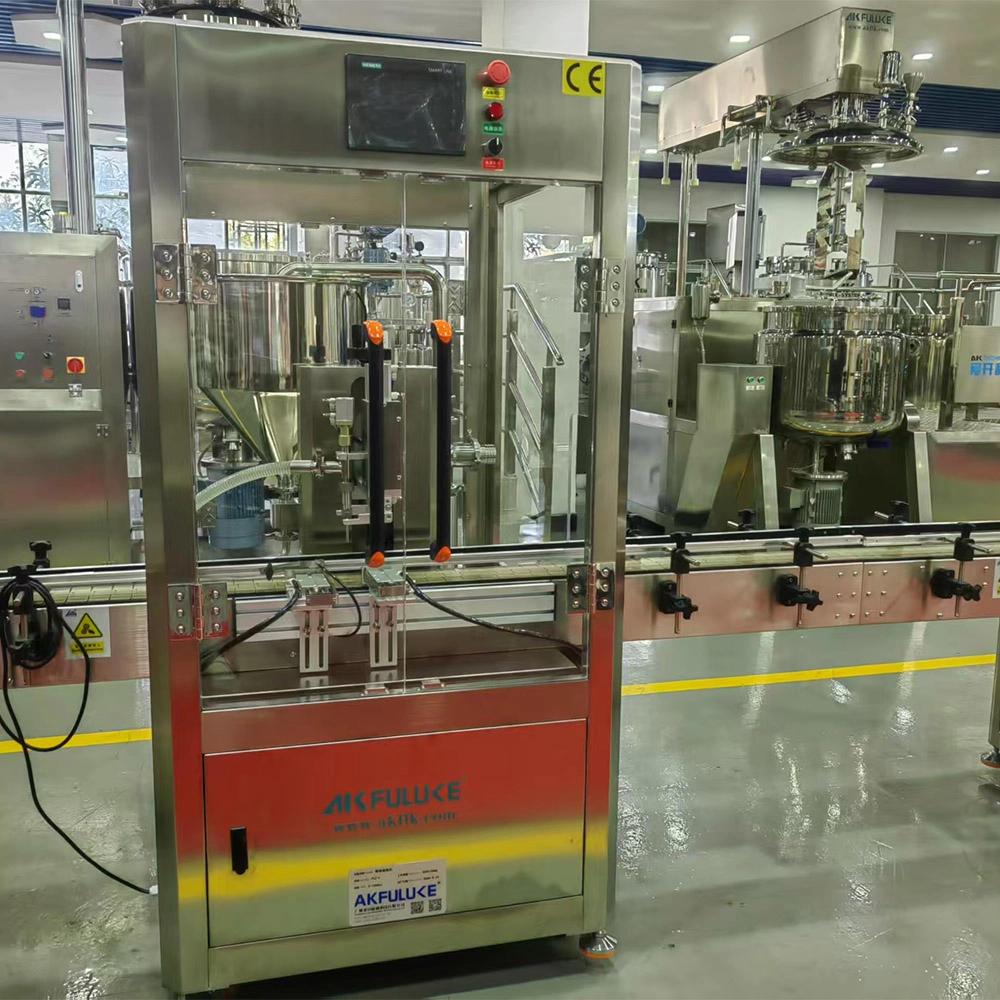
Maintenance Tips to Maximize Filling Machine Uptime
Adapting Filling Lines for Frequent SKU Changeovers
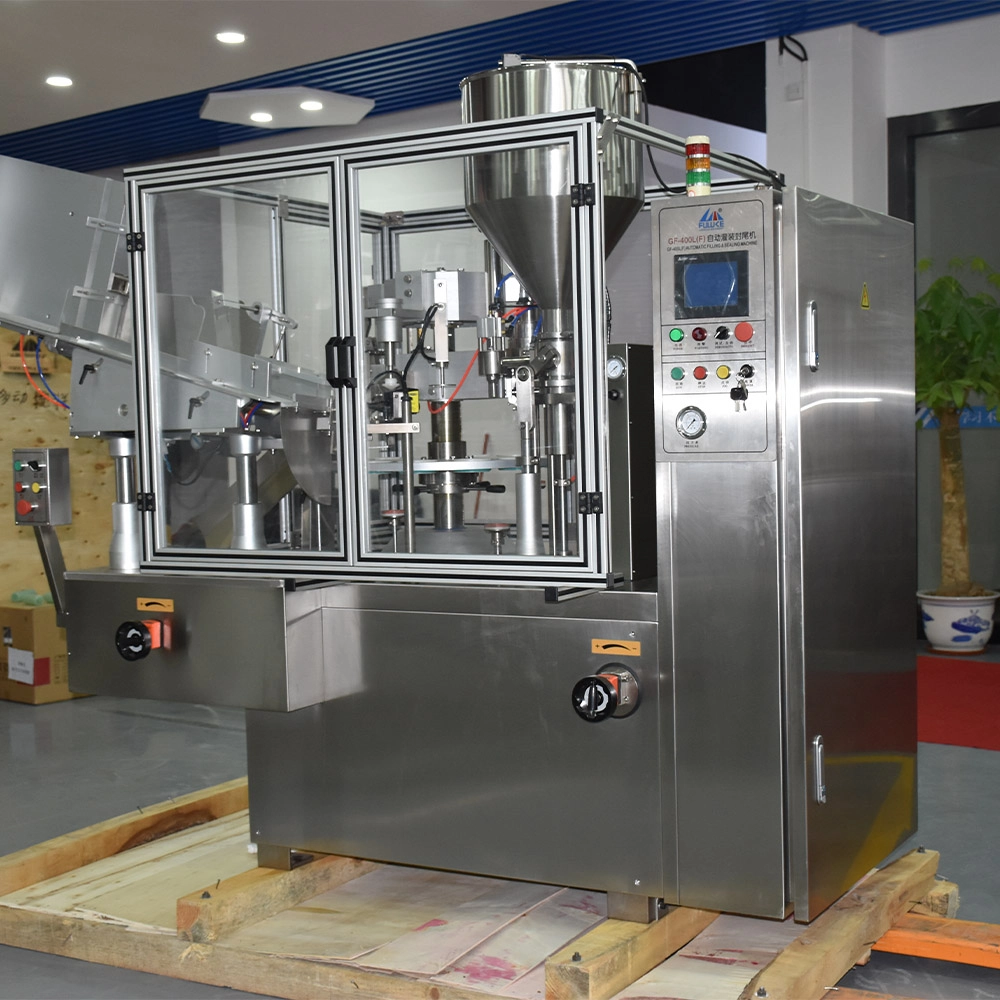
Selecting Filling Machines for Plastic and Aluminum-Plastic Tubes
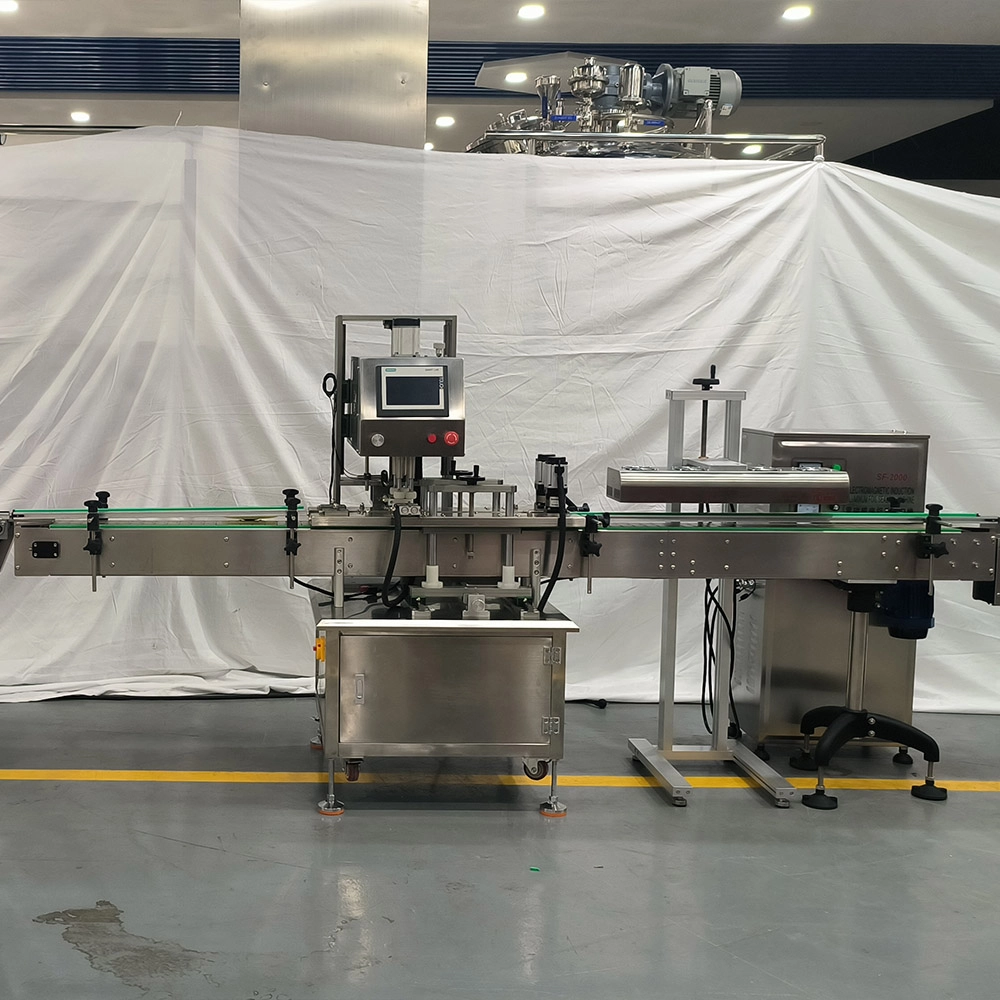
Benefits of Servo-Controlled Filling Systems for Cosmetics
FAQs
Where is FULUKE headquartered?
Automatic Facial Mask Filling Machine
Do you have a complete production line for facial masks?
Of course, we can also provide high-speed facial mask folding machine + online weighing and rejecting machine + automatic sheet counting machine + automatic cartoning machine + automatic three-dimensional cigarette packaging machine + online inkjet printer, etc.
Can you make a design for us?
Yes, we can, we provide not only products, but also solutions and designs.
Inkjet Printing Machine
The printer isn't printing properly after a long period of inactivity. Is the printhead broken?
The printhead is most likely clogged due to dried ink, rather than complete damage. Prolonged inactivity is one of the main causes of inkjet printer clogs. Ink dries in the tiny nozzles, hindering ink flow. Try performing the automatic printhead cleaning procedure 2-3 times. If this doesn't work, remove the printhead, soak it in anhydrous alcohol for half an hour, then rinse (this requires professional operation; novice printers are advised to have the printer serviced). After the alcohol has completely evaporated, reinstall and test. It's recommended to perform a self-check at least once a week to prevent the printhead from drying out.
Lift-type Homogenizing Disperser
Who are we?
Our headquarters is located in Guangzhou, Guangdong, China, and our factory is located in Yangzhou, Jiangsu. Our products are sold all over the world. We have approximately 50 employees in our company and factory.
You May Also Like
Automatic Tube Filling and Sealing Machine Toothpaste Sunscreen and Facial Cleanser Filling and Sealing Machine for Plastic and Aluminum-plastic Tube
Polypropylene PP Mixing Tank Anti-Corrosion Mixer Reaction Kettle with Agitator Chemical Mixing Vessel
Flip Cover Multi-function Liquid Wash Mixing Tank Blender Liquid Detergent Mixer Homogenization Stirring Tank
Stainless Steel Mixer Liquid Mixing tank with Agitator Homogenizing Mixing tank Vacuum Sealed Mixer Machine
Get in touch with FULUKE
If you have any comments or good suggestions, please leave us a message, later our professional staff will contact you as soon as possible.

A leading manufacturer specializing in advanced machinery and complete production lines for the cosmetics, food, pharmaceutical, and chemical industries worldwide.
Contact FULUKE
Facebook
Instagram
YouTube